If you’re planning a visit to Portugal’s Norte region, a trip to the Alcobaça Monastery is a must. This UNESCO World Heritage site offers a captivating mix of history, architecture, and serenity that will appeal to travelers craving authentic experiences. We haven’t personally wandered its cloisters, but from what’s known and praised, it’s clear this site offers much more than just a pretty façade.
What makes this experience stand out? First, the stunning Gothic architecture is a visual treat, even for those who aren’t architecture aficionados. Second, the well-preserved medieval rooms offer a tangible sense of stepping back in time. That said, a possible drawback might be that it’s just a self-guided experience — no guided tour is included, so if you want detailed stories and context, you’ll need to do some reading or bring a guidebook. Still, this makes for a flexible, independent visit. It’s best suited for history buffs, architecture lovers, and anyone who appreciates authentic, quiet spaces away from the busier tourist crowds.
Key Points
- UNESCO World Heritage Site: The monastery’s cultural importance is recognized globally.
- Beautiful Gothic architecture: White stone, pointed arches, and soaring ceilings.
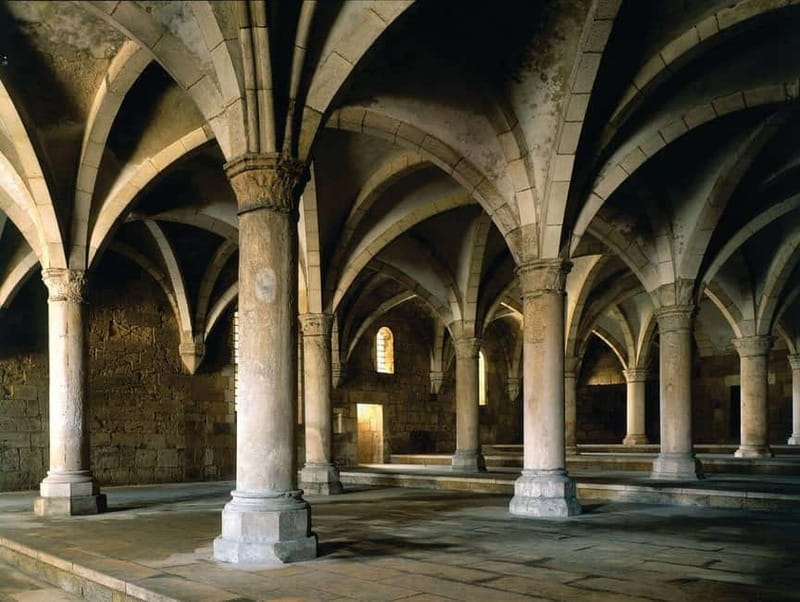
- Well-preserved medieval rooms: A glimpse into monastic life over centuries.
- Strategic historical significance: Founded in 1153, with construction beginning in 1178.
- Ideal for independent travelers: Skip the guided tour, explore at your own pace.
- Accessible and flexible: Valid for one day, with options to check availability for starting times.
An In-Depth Look at the Alcobaça Monastery Experience
You can also read our reviews of more tours and experiences in Alcobaca.
A Historic Foundation with Modern Appeal
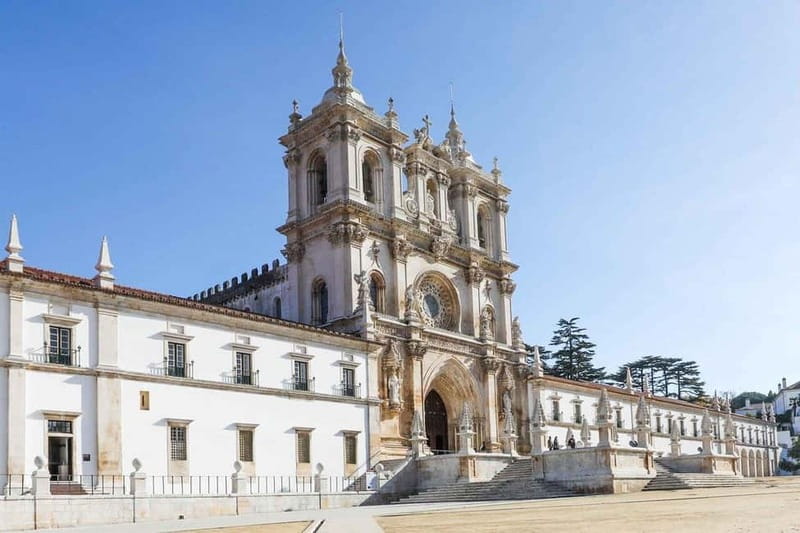
The Alcobaça Monastery is one of Portugal’s most important Cistercian monasteries, founded in 1153 by King Afonso I. What’s fascinating about it isn’t just its age but how it visually encapsulates centuries of architectural evolution. Built over a span of several centuries — from the 12th to the 18th — it showcases a mix of styles, though the Gothic elements are what most visitors find striking.
From the moment you enter through the main gates at Praça 25 de Abril, you’re greeted by the quiet grandeur of the site. The entry ticket grants access to key areas like the medieval rooms and the main church, all preserved remarkably well, allowing you to imagine monastic life in medieval Portugal. The site’s role in Portugal’s Christian expansion adds layers of historical meaning, making it more than just a pretty building; it’s a symbol of spiritual and political power from centuries past.
The Gothic Masterpiece
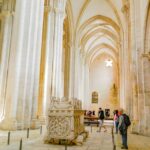
The Gothic architecture of the monastery is what many travelers find most captivating. The white stone exterior and soaring arches are visually stunning, especially in the sunlight — a true “white jewel” set against the landscape. Inside, the sense of verticality and lightness creates an atmosphere of reverence and awe. We loved the way the Gothic style makes the space feel both grand and intimate at the same time.
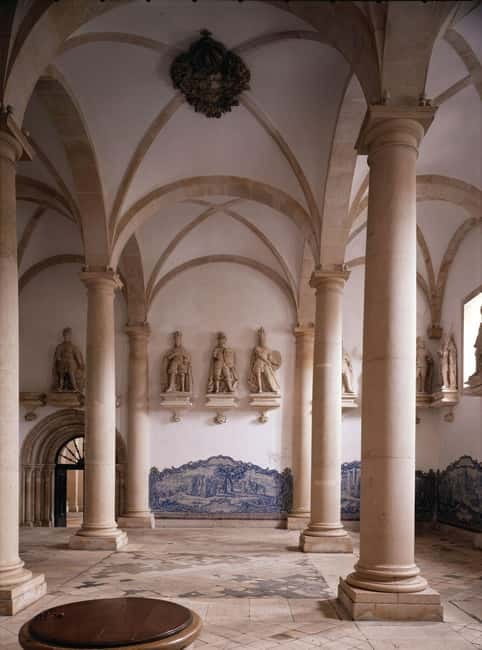
According to a reviewer, the monastery is a “beautiful monastery with stunning architecture,” and that’s a common sentiment. The Gothic elements are not just decorative but serve a spiritual purpose, lifting the eyes upward and inspiring reflection. The preservation of medieval rooms allows visitors to grasp the simplicity and grandeur of monastic life, and the strategic planning behind the monastery’s construction reveals a careful balance of religious, political, and military considerations.
Exploring the Medieval Rooms
While the tour doesn’t include a guided guide, wandering through the medieval rooms offers a sense of stepping into the past. These spaces have been carefully maintained, with stone floors, wooden beams, and traditional furnishings that evoke their original use. It’s a chance to connect with centuries of history without the distraction of modern commentary.
More Great Tours NearbyUnderstanding Its Role in Portugal’s Expansion
The monastery’s founding and development were closely tied to Portugal’s efforts to expand Christianity and solidify royal authority. It was a political as well as spiritual hub, and its strategic location was no coincidence. As you explore, you’ll learn about the significant role it played in shaping Portugal’s religious landscape.
- Alcobaça and Batalha Monasteries: Private Tour
★ 5.0 · 4 reviews - Lisbon, Cascais, and Sintra – Private Guided Tour
★ 5.0 · 3 reviews - Alcobaça: Visit to the Lemos Figueiredo Winery and Distillery
★ 5.0 · 2 reviews - Ourém, Tomar and Almourol Castle Full Day Private Tour from the West
★ 5.0 · 1 reviews - 3 Best Tours In Alcobaca
- 3 Best Guided Tours In Alcobaca
Practical Details and Value
Your ticket includes entry and access to the medieval rooms, making this an affordable choice for travelers who want a self-guided experience. The ticketing process is straightforward, and the site is wheelchair accessible, making it inclusive for a broader range of visitors.
The activity is flexible — valid for a full day — allowing you to visit at your own pace. Check availability to see the starting times, as the experience is not scheduled at fixed intervals. Note that the site is closed on key holidays, including January 1st, Easter Sunday, May 1st, August 20th, and December 25th.
What’s Not Included
If you’re hoping for a guided experience, you’ll need to look elsewhere or prepare to do some reading on your own. No guided tour or meals are included, but that’s part of what makes this a good choice for independent explorers. You can take your time soaking in the details without feeling rushed.
Authentic Experience and Value
At a reasonable price point, this entry ticket offers excellent value, especially given the UNESCO designation and the opportunity to avoid long lines. The option to skip the ticket line is a bonus, and the accessibility makes it practical for most travelers.
Authenticity and the Quiet Charm
Unlike some larger, busier sites, Alcobaça retains a peaceful atmosphere. It’s an ideal spot for those who want a contemplative experience, away from the crowds. As one traveler noted, the monastery’s beauty and architecture are impressive, and the experience is all the more meaningful because of its quiet dignity.
Who Will Love This Experience?
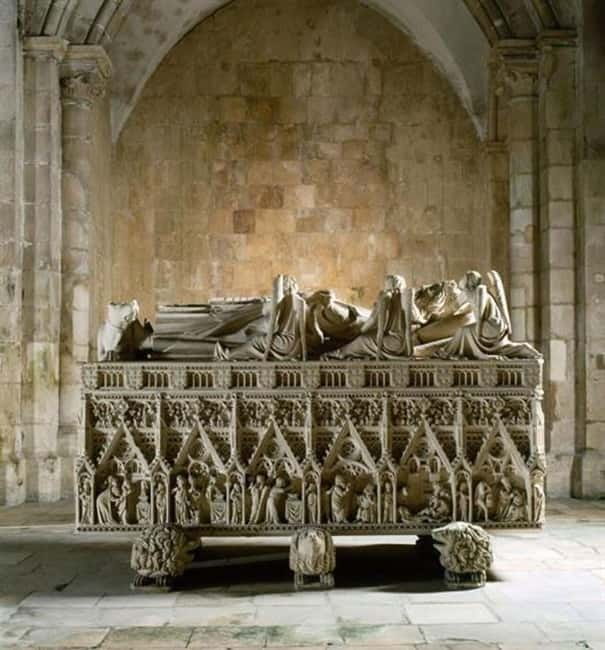
If you’re a history or architecture enthusiast, this self-guided tour offers a compelling glimpse into Portugal’s medieval past. It’s perfect for travelers who appreciate authentic, less commercialized sites and prefer exploring independently. The site’s peaceful setting and stunning Gothic architecture make it suitable for reflective visits, while the accessibility ensures most visitors can enjoy it comfortably.
However, if you thrive on guided narratives or detailed storytelling, you might find the experience somewhat limited without a guide. Still, for the price and the quality of the site, it’s a solid option for those seeking flexibility and value.
Final Thoughts
Visiting the Alcobaça Monastery with this entry ticket provides a satisfying blend of history, architecture, and tranquility. It’s a chance to see one of Portugal’s most significant religious sites up close, without the hassle of guided tours, and at a price that offers good value. The stunning Gothic architecture and well-preserved medieval rooms will appeal to those who love authentic historic spaces.
This experience is best suited for independent travelers, architecture aficionados, and history buffs who enjoy exploring at their own pace. Its peaceful ambiance and impressive design make it a memorable stop, especially when paired with a walk through nearby Alcobaça town.
Overall, it’s a worthwhile visit for anyone interested in Portugal’s cultural heritage, and it offers an enriching window into medieval monastic life and architectural mastery.
FAQ: Your Questions About the Alcobaça Monastery
Is the ticket valid for just one day?
Yes, the ticket is valid for a full day — check availability to see the specific starting times that fit your schedule.
Is there an option for a guided tour?
No, this particular ticket does not include a guided tour. You explore independently, but you can always bring a guidebook or do some research beforehand.
Can I take photos inside the monastery?
Yes, photography is allowed, but flash photography is not permitted to protect the historic fabric.
Is the site accessible for wheelchairs?
Yes, the monastery is wheelchair accessible, making it easier for visitors with mobility challenges.
When is the monastery closed?
It’s closed on January 1st, Easter Sunday, May 1st, August 20th, and December 25th.
Does the ticket include entrance to all areas?
It includes entry and access to the medieval rooms. The main church and other specific areas are also accessible with this ticket.
Is there a limit on group size?
The experience is generally designed for individual or small group visits, but specific group sizes aren’t detailed.
How long should I plan to spend there?
Most visitors spend about an hour or two exploring at their own pace, but you can take longer if you wish.
Is the site suitable for children?
Absolutely, children interested in history and architecture will find it engaging, especially given the open, quiet spaces.
Can I combine this with other local attractions?
Yes, the monastery’s central location makes it easy to explore nearby areas of Alcobaça, including the town itself.
This detailed review aims to help you understand what makes the Alcobaça Monastery a meaningful visit and how to make the most of your time there. Whether you’re marveling at the Gothic stonework or imagining monastic life centuries ago, it’s a special experience worth adding to your Portugal itinerary.
You can check availability for your dates here: