
Introduction
This Amsterdam WWII cycle tour offers a unique way to explore the city’s history during one of its most tumultuous periods. Whether you’re a history buff or simply curious about how the war affected this vibrant city, this tour promises insightful storytelling combined with the scenic charm of Amsterdam’s neighborhoods.
Two aspects we particularly appreciate are the expert guides, who are retired historians passionate about sharing detailed stories, and the stunning visuals—standing in the very spots where history unfolded, then seeing how those places look today.
A potential consideration is that the tour covers a fair amount of ground in about three hours, which may be tiring for some, especially if you’re not used to biking for extended periods. But for those with a moderate level of activity, it’s a rewarding way to connect with the city’s WWII past.
This tour is best suited for travelers who love history, enjoy biking, and want a deeper understanding of Amsterdam’s wartime experiences beyond the typical tourist sights. It’s ideal for those who appreciate authentic stories and are comfortable with small group sizes—limited to six participants—for a more personalized experience.
Key Points
- Expert Narrators: Retired historians bring the stories of WWII to life with passionate, detailed explanations.
- Authentic Sites: The tour visits key locations like Anne Frank’s home and German bunkers, blending physical history with personal stories.
- Scenic Cycling: The route takes you through quieter neighborhoods and significant wartime sites, away from busy tourist spots.
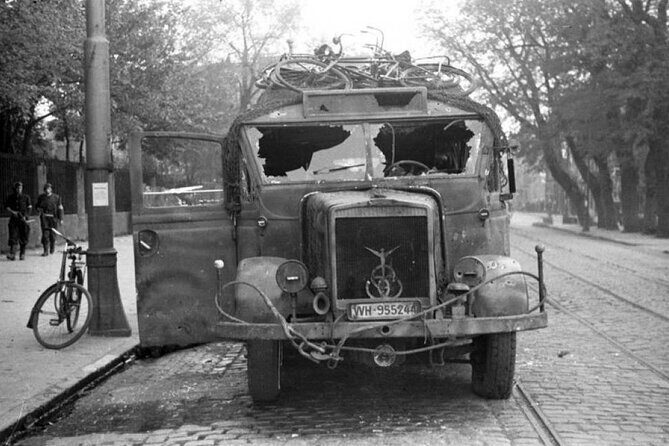
- Historical Context: Each stop is paired with historical photos and anecdotes, helping you visualize the past.
- Value for Price: At approximately $64, the tour offers a deep, insightful experience for those interested in WWII history.
- Limited Group Size: Small groups (up to six) ensure a comfortable, engaging experience with plenty of opportunity for questions.
Exploring the Itinerary: A Deep Dive
You can also read our reviews of more cycling tours in Amsterdam
Starting Point: Victorieplein
The tour kicks off at Victorieplein, formerly known as Daniël Willinkplein, an area that played a pivotal role during the occupation. Here, the guides recount the June 20, 1943, raid—a major roundup of Jewish residents carried out during the notorious Judenaktion. The story unfolds with photos and local legends while you stand in the very square where these events took place.
From here, the guides describe how the Nazis, assisted by Dutch police and NSB volunteers, transported Jews to Olympiaplein and Westerbork concentration camp. Many reviews highlight how these stories, paired with visuals, leave a lasting impression—“Rudy brought to life some pivotal moments,” one reviewer notes.
The Frank Family Home at Merwedeplein 37-II
Next, you cycle to the site of Anne Frank’s family home. The guides point out the building at Merwedeplein, where Otto Frank took his family into hiding. A statue commemorates Anne Frank nearby, and you’ll learn about the publication of her diary in 1947, and how the first edition was bought at a bookstore just around the corner. This site, infused with emotion, is often described as a profoundly moving stop that personalizes the historical narrative.
The Tilex Bar and Resistance Stories
Continuing along Waalstraat, you’ll visit the former Tilex Bar (now Café Blek). The stories here relate to Lex van Weren, who survived Auschwitz because he played his trumpet at executions—a stark reminder of the personal bravery during dark times.
The guides also highlight a small monument in the neighborhood honoring the Jewish residents taken during the roundup, emphasizing the local impact of the broader tragedy.
Nazi and German Occupation Sites
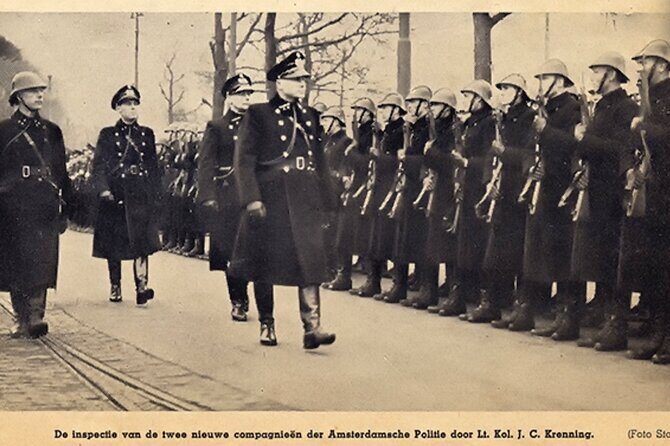
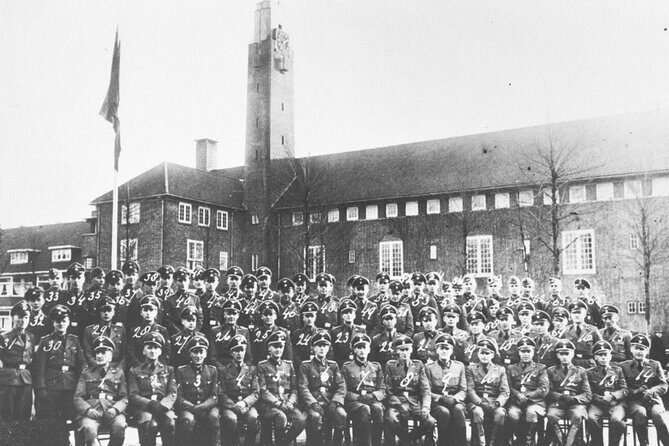
As you cycle towards Cornelis Troostplein, you’ll see where the PBA barracks once stood—an essential hub for Nazi policing. The tour covers the inspection of the SD and Gestapo by Rauter and Himmler, providing insight into how the occupation was managed on a practical level.
Further along, you’ll visit the Museumplein, where the Germans transformed the open space into a military stronghold. The buildings on the square included Nazi offices, the Zentralstelle für Jüdische Auswanderung, and the NSB HQ. Post-war, the bunkers and batteries built by the Germans were destroyed, but the stories remain.
- Amsterdam Canal Cruise With Live Guide and Onboard Bar
- Amsterdam Classic Boat Cruise With Live Guide, Drinks and Cheese
- All-Inclusive Amsterdam Canal Cruise by Captain Jack
- Anne Frank Guided Walking Tour Through Amsterdams Jewish Quarter
- Amsterdam Open Boat Canal Cruise With Onboard Bar
- Amsterdam Canal Cruise With Live Guide and Onboard Bar
Roelof Hartplein, Beethovenstraat, and Resistance Efforts
At Roelof Hartplein, a short coffee stop lets you soak in the neighborhood’s atmosphere. Nearby, a photo shop was used by the resistance to develop clandestine photos, like those of the first Jewish roundup. A small monument commemorates local Jewish victims, connecting the past with the present.
Further, the tour covers the execution of Herbert Oelschlägel, a Gestapo officer, and the Dutch resistance’s retaliation, including the burning of houses and executions. These stories highlight the ongoing tension and sacrifices made locally.
The Resistance’s Targeted Attacks and WWII Efforts
You’ll also visit the Memlingstraat and Rubensstraat, where the resistance requested a RAF attack on Nazi offices to destroy files—a daring move that underscores the covert struggle happening behind the scenes.
Final Highlights: Parnassusweg, Queen Emma Statue, and Last Day of War
Other stops include the Olympiaplein, where Jews were registered during the 1943 roundup, and Valeriusplein, where the school served as a Luftwaffe headquarters. The tour concludes at the Queen Emma statue, a symbol of defiance during the occupation, and then visits a monument to those killed during the last days of WWII when German surrender led to chaos and violence.
The Experience: What You Can Expect
The tour lasts about 2 hours 30 minutes to 3 hours, covering roughly 10-12 stops. The pace is moderate, with frequent stops for storytelling and photos. The small group size (max 6) makes for an intimate, engaging experience, and the guides’ expertise ensures that each site is contextualized with detailed stories.
You’ll see Amsterdam from a different perspective, cycling through quiet neighborhoods and past landmarks you might not notice on typical sightseeing trips. The route allows for a mix of outdoor history lessons with visual aids—photos of wartime Amsterdam projected onto the buildings or shown on mobile devices.
The cost of around $64 offers notable value, considering the depth of information and personalized attention. The guides’ enthusiasm and knowledge are often praised—one reviewer sums it up: “Rudy and Peter were both extremely knowledgeable,” and “answered all sorts of questions.”
Practical Tips
- Bring your own bike or confirm if rental bikes are available; most travelers are expected to bring their own.
- Wear comfortable cycling attire, as you’ll be outdoors for most of the tour.
- The route involves some cycling on busy streets, so basic bike handling skills are recommended.
- The tour starts at 11:00 am, so plan to arrive a few minutes early.
Who Will Love This Tour?
This WWII cycle tour is ideal for well-rounded travelers who seek a combination of physical activity and deep history. It’s suited for those comfortable with riding bikes in urban settings and eager to explore Amsterdam’s wartime sites firsthand. History enthusiasts will value the expert commentary, while casual travelers will appreciate the storytelling that makes history come alive.
It’s particularly good for visitors who want an authentic, off-the-beaten-path experience. If you’re interested in WWII or enjoy learning about how cities adapt and recover, this tour offers a compelling perspective. Small group size ensures a more personalized, engaging interaction with the guides, making it perfect for those who prefer quality over quantity.
The Sum Up
This Amsterdam WWII cycle tour offers a compelling blend of history, scenery, and storytelling that few other experiences can match. For a modest price, you gain access to places and stories that are often missed by conventional tours, all delivered by knowledgeable guides who are passionate about preserving this part of history.
Travelers who enjoy cycling, history, and authentic local stories will find this tour highly valuable. It’s especially suited for those comfortable with a relaxed pace and who want to connect past and present in a meaningful way. The small group size enhances the experience, making it more intimate and interactive.
Whether you’re visiting Amsterdam for a few days or holding a special interest in WWII, this tour offers a memorable, insightful journey through some of the city’s most significant wartime sites. It’s a perfect fit for curious, active travelers looking for a deeper story beyond the usual sightseeing.
FAQ
Is this tour suitable for all ages?
The tour is generally suitable for most adults and older children who can handle a bike ride of up to three hours. It’s best for those comfortable biking in urban areas.
Do I need to bring my own bike?
The tour mentions bringing your own bike; rental options are not specified. Confirm with the provider if you need bike rental or plan to bring your own.
How long does the tour last?
Expect about 2 hours 30 minutes to 3 hours, depending on stops and questions. It’s a moderate pace with frequent pauses.
What is the group size?
The maximum group size is 6 travelers, which allows for personalized narration and plenty of questions.
Can I cancel if my plans change?
Yes, the tour offers free cancellation up to 24 hours in advance, with a full refund.
Is this tour suitable for non-Dutch speakers?
While the language isn’t explicitly specified, most guided tours in tourist-friendly Amsterdam are conducted in English, especially with guides who are passionate about storytelling.
Where does the tour start and end?
It begins at Tesselschadestraat 1, and concludes back at the starting point, passing through a scenic route that includes Vondelpark and Leidseplein.
This detailed, balanced review aims to help you decide if this WWII bike tour fits your interests and travel style. It’s a rare chance to combine physical activity, engaging storytelling, and authentic history in one memorable experience.
More Cycling Tours in Amsterdam
- Amsterdam City Top Highlights Guided Bike Tour
- Light Amsterdam Light Festival City Bike Tour with Guide
- Private Half-Day Amsterdam Market Tour by Bike
- Amsterdam PRIVATE Bike Tour With Locals: Bike & Local Snack Included
- Amsterdam in 1 Day: Walking, Biking, Cruising With pancake Dutch
- Private Morning or Afternoon Bike Tour of Amsterdam’s City Center
More Tours in Amsterdam
- Amsterdam’s Market Street Food Tour with Streat Bites
- Tour to the Alkmaar Cheese market and Windmills from Amsterdam
- Private Tour to Holland, Zaanse Schans, Volendam, and Marken
- Anne Frank Walking Tour in Amsterdam
- Private Tour in The Hague with a local with food tasting
- Windmills Country side tour Zaanse Schans Cheesefactory-Volendam
More Tour Reviews in Amsterdam
- Amsterdam’s Market Street Food Tour with Streat Bites
- Tour to the Alkmaar Cheese market and Windmills from Amsterdam
- Full-Day Skip the Line Keukenhof and Canal Cruise from Amsterdam
- Private Tour to Holland, Zaanse Schans, Volendam, and Marken
- From Amsterdam: Private Day Trip to Bruges
- Amsterdam Canal Cruise with Dutch Pancakes and Drinks
Not for you? Here's more nearby things to do in Amsterdam we have reviewed
- Amsterdam’s Market Street Food Tour with Streat Bites
- Tour to the Alkmaar Cheese market and Windmills from Amsterdam
- Full-Day Skip the Line Keukenhof and Canal Cruise from Amsterdam
- Private Tour to Holland, Zaanse Schans, Volendam, and Marken
- From Amsterdam: Private Day Trip to Bruges
- Amsterdam Canal Cruise with Dutch Pancakes and Drinks
- Amsterdam: Private Canal Cruise with Drinks and Snacks
- Private direct transfer from Amsterdam to Brussels
- Amsterdam Canal Cruise with Live guide & Two drinks – Central St.
- Private Day trip to Brussels
- Anne Frank Walking Tour in Amsterdam
- Dutch Pancake City Centre Canal Cruise