
The Capuchin Crypt, nestled beneath the Church of Santa Maria della Concezione dei Cappuccini in Rome, captivates visitors with its intricate arrangement of skeletal remains, a poignant reminder of life’s fleeting nature orchestrated by the Capuchin friars. Just a short distance away, the Church of St. Louis of the French houses Caravaggio’s striking masterpieces, renowned for their dramatic interplay of light and shadow. Together, these sites evoke deep reflections on mortality and the power of art to convey profound truths. What connections might one draw between these two remarkable expressions of faith and creativity?
Key Points
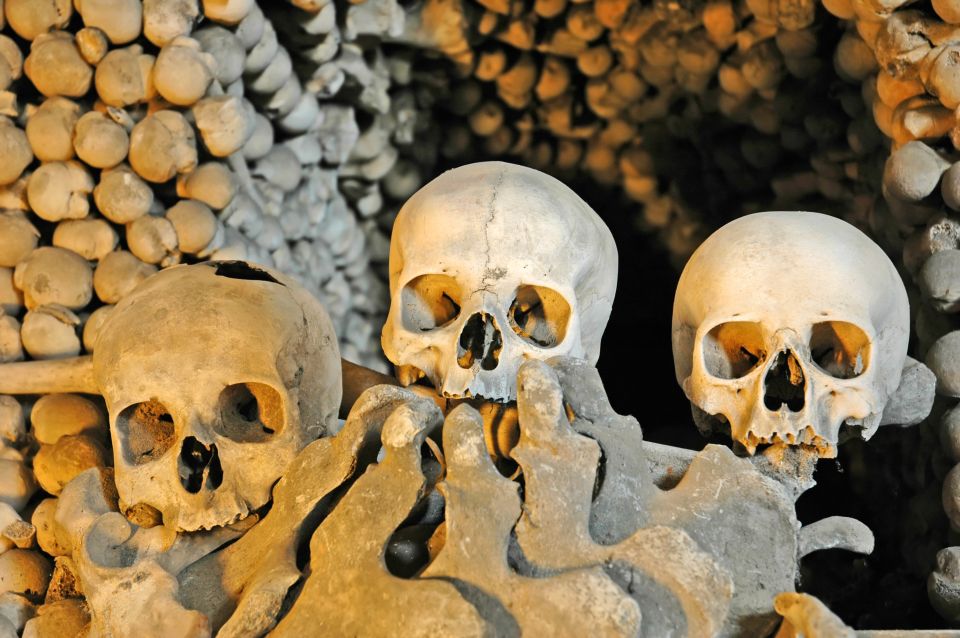
- The Capuchin Crypt houses the skeletal remains of approximately 4,000 friars, arranged artistically to reflect on mortality and life’s transience.
- Caravaggio’s artworks, located in the Church of St. Louis of the French, exhibit his revolutionary use of chiaroscuro and dramatic realism.
- The crypt serves as a significant historical site, embodying the Capuchin order’s devotion to faith and beliefs about the afterlife.
- Visitors can enjoy a guided tour that includes both the crypt and Caravaggio’s masterpieces, enhancing their understanding of art and history.
- Engaging with a live guide during the visit provides deeper insights into the artistic and spiritual significance of these remarkable sites.
Overview of the Capuchin Crypt
The Capuchin Crypt, an eerie yet captivating site, showcases the intricate displays of human bones that reflect the friars’ beliefs about mortality and the afterlife.
Located beneath the Church of Santa Maria della Concezione dei Cappuccini in Rome, the crypt features six ornate chapels adorned with the remains of around 4,000 Capuchin friars.
Each chapel tells a unique story, with skeletal arrangements forming artistic patterns and messages about life’s transience.
Visitors often find the atmosphere both unsettling and thought-provoking, as it serves as a poignant reminder of human fragility.
The crypt’s design invites contemplation, encouraging guests to reflect on their own lives while seeing the rich history of the Capuchin order and its deep-rooted traditions.
You can also read our reviews of more tours and experiences in Rome.
Historical Significance of the Crypt
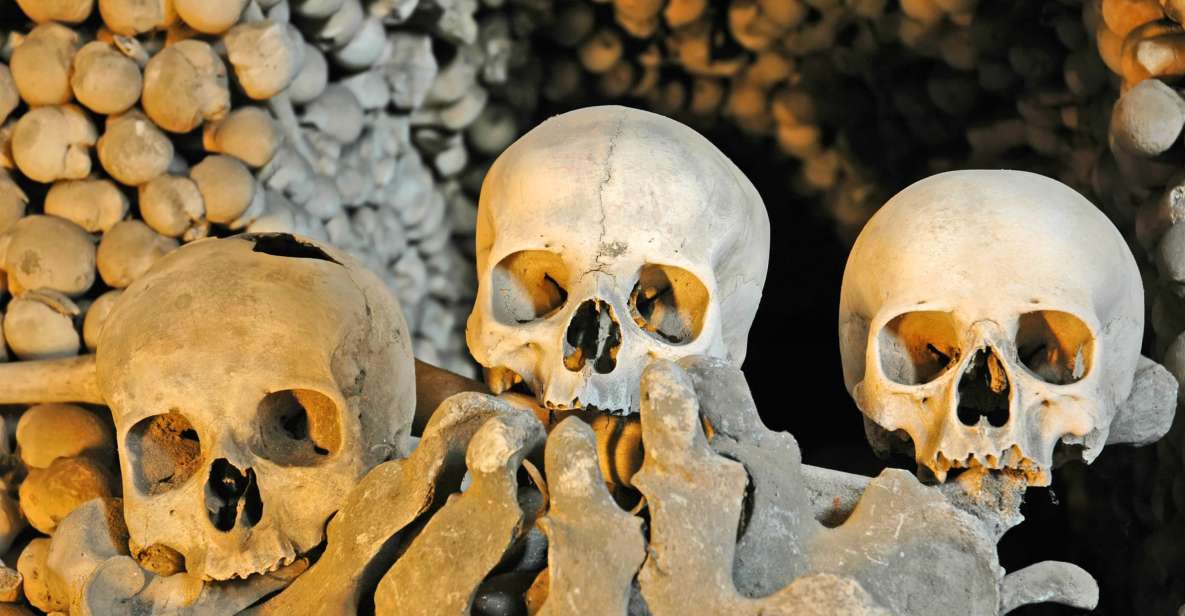
Reflecting on the Capuchin Crypt’s haunting displays, its historical significance reveals a profound commentary on mortality and the beliefs held by the Capuchin friars throughout the centuries. This crypt serves not only as a burial site but also as a reminder of the impermanence of life.
Key aspects of its historical significance include:
-
Mortality Awareness: It encourages visitors to contemplate life and death.
-
Artistic Expression: The intricate bone arrangements showcase unique artistic skills.
-
Religious Reflection: It embodies the Capuchins’ devotion to their faith and the afterlife.
-
Cultural Heritage: The crypt preserves a vital part of Rome’s spiritual and artistic history.
Through these elements, the crypt stands as a powerful testament to human existence and belief systems.
Caravaggio’s Influence on Art
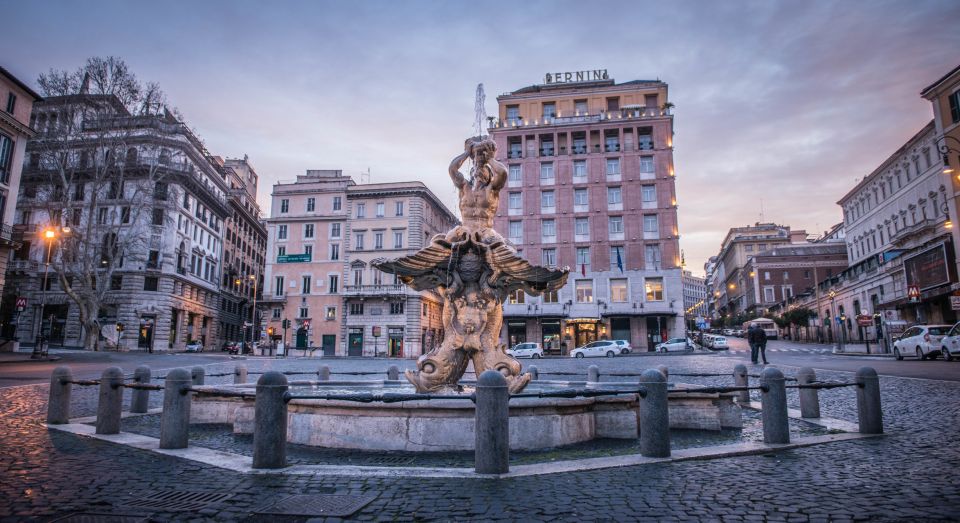
Caravaggio’s innovative use of chiaroscuro and dramatic realism transformed the landscape of Baroque art, influencing countless artists and reshaping the way narratives were conveyed on canvas. His bold approach to light and shadow created intense emotional depth, drawing viewers into the scene.
| Influence | Artists Inspired |
|---|---|
| Chiaroscuro | Rembrandt |
| Dramatic realism | Georges de La Tour |
| Naturalism | Diego Velázquez |
| Emotional depth | Artemisia Gentileschi |
These techniques not only marked a departure from the Mannerist style but also paved the way for future movements, including Romanticism and Realism. Caravaggio’s legacy endures, reminding art enthusiasts of the power of visual storytelling.
Highlights of the Guided Tour
Exploring Rome’s artistic heritage, the guided tour showcases remarkable sites, including the haunting Capuchin Friars Bone Crypt and stunning Caravaggio masterpieces. Participants explore the city’s rich history while enjoying a well-structured itinerary.
Highlights of the tour include:
-
Capuchin Crypt: A 30-minute exploration of this eerie yet fascinating burial site, adorned with human bones.
-
Church of St. Louis of the French: A 30-minute visit to admire Caravaggio’s breathtaking artworks.
-
Pantheon: A 20-minute guided tour of this architectural marvel.
-
Picturesque Alleyways: Strolling through charming cobbled streets that reveal Rome’s hidden gems.
With a small group size and live guide, every moment promises to be memorable and engaging.
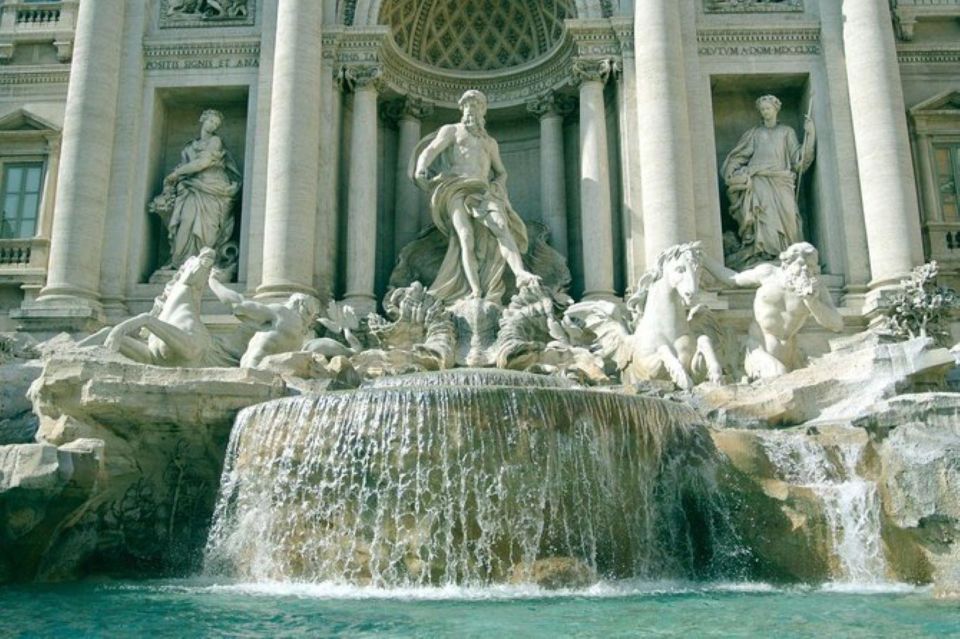
More Great Tours NearbyVisiting the Trevi Fountain
The Trevi Fountain, a stunning Baroque masterpiece, captivates visitors with its intricate sculptures and the enchanting sound of cascading water. This iconic landmark, completed in 1762, stands as a symbol of Rome’s artistic heritage.
Tourists flock to the fountain, eager to toss a coin over their shoulder, a tradition believed to ensure a return to the Eternal City. The fountain features a central figure of Oceanus, flanked by allegorical statues representing Abundance and Health, creating a dramatic visual spectacle.
Surrounding the fountain, lively crowds gather, snapping photos and soaking in the vibrant atmosphere. With its breathtaking beauty and historical significance, the Trevi Fountain remains a must-see destination for anyone exploring Rome’s rich cultural landscape.
- Vatican Museums, Sistine Chapel & St Peter’s Basilica Guided Tour
- Colosseum & Ancient Rome Tour With Roman Forum & Palatine Hill
- Skip-the-Line Group Tour of the Vatican, Sistine Chapel & St. Peters Basilica
- Pompeii Day Trip From Rome With Mount Vesuvius or Positano Option
- Skip the Line: Vatican Museums & Sistine Chapel With St. Peters Basilica Access
- Expert Guided Tour of Colosseum Underground OR Arena and Forum
Exploring the Pantheon
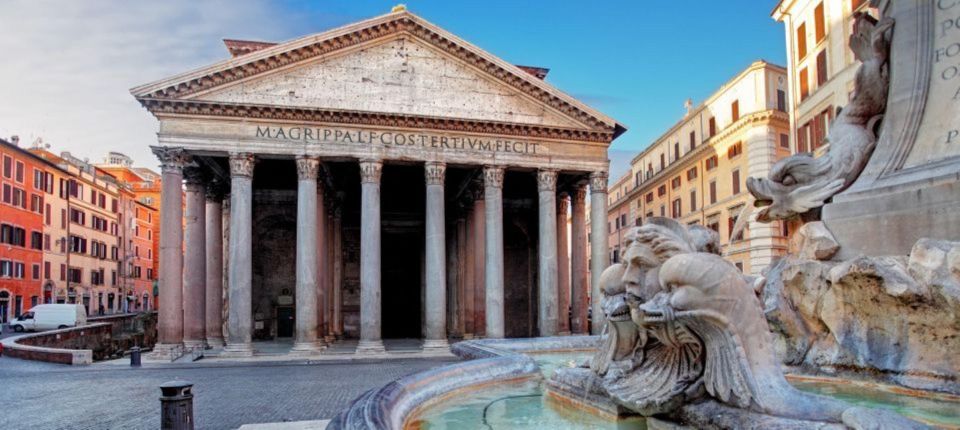
Visitors marvel at the Pantheon, an architectural wonder renowned for its massive dome and stunning oculus that floods the interior with natural light. This ancient temple, originally dedicated to the Roman gods, showcases remarkable engineering and artistry.
As they explore, guests can appreciate:
-
The Dome: A perfect hemisphere, standing at 43.3 meters high, symbolizing the heavens.
-
The Oculus: A 9-meter-wide opening at the dome’s apex, providing illumination and a connection to the divine.
-
The Portico: A grand entrance featuring 16 massive Corinthian columns, inviting visitors into its serene space.
-
The Tomb of Raphael: The famous artist rests here, adding to the site’s rich historical significance.
The Pantheon remains a testament to Rome’s enduring legacy.
Church of St. Louis of the French
Just a short stroll from the Pantheon, the Church of St. Louis of the French captivates art lovers with its breathtaking Baroque interiors and masterpieces by Caravaggio.
This stunning church, dedicated to France’s patron saint, features remarkable frescoes and intricate sculptures that transport visitors to a different era.
Caravaggio’s three iconic works, depicting the life of Saint Matthew, stand out as highlights, showcasing his incredible use of light and shadow.
The church’s atmospheric ambiance invites contemplation, making it a perfect stop for those seeking inspiration or reflection.
With its rich history and artistic treasures, the Church of St. Louis of the French remains an essential destination for anyone exploring Rome’s vibrant cultural landscape.
Tips for a Memorable Visit
Planning ahead can greatly enhance the experience of exploring the Capuchin Friars Bone Crypt and Caravaggio’s masterpieces in Rome. Visitors should consider the following tips for a memorable visit:
-
Book in advance: Reserve your spot online to avoid long lines and ensure availability.
-
Dress appropriately: Adhere to the attire restrictions by wearing modest clothing and comfortable shoes.
-
Bring essentials: Carry a small umbrella, water bottle, and your ID, as they’re required for entry.
-
Engage with the guide: Take advantage of the live tour guide’s insights to deepen your understanding of the art and history.
Frequently Asked Questions
Are There Age Restrictions for Visiting the Capuchin Crypt?
Yes, there are age restrictions for the visit. The tour isn’t suitable for children under 10 years old, ensuring a more focused experience for participants who meet the age requirement and can appreciate the content.
What Should I Wear When Visiting the Tour Sites?
When visiting the tour sites, he should wear comfortable shoes and adhere to attire restrictions. No shorts, sleeveless shirts, or large bags are allowed, ensuring a respectful and enjoyable experience for everyone involved.
Is Photography Allowed Inside the Capuchin Crypt?
Photography isn’t allowed inside the Capuchin Crypt. Visitors should respect the solemn atmosphere. Instead, they can capture stunning photos outside the venue and enjoy the rich history during the guided tour.
Can I Join the Tour if I Have Dietary Restrictions?
She wonders about dietary restrictions for the tour. The organizers accommodate various needs, but it’s best to inform them in advance. They’re committed to ensuring everyone has an enjoyable experience while exploring Rome’s treasures.
Are There Restroom Facilities Available During the Tour?
During the tour, there aren’t dedicated restroom facilities. Participants should plan accordingly, as the itinerary includes several stops, but restroom access may be limited. It’s advisable to use facilities before starting the tour.
Recap
Visiting the Capuchin Crypt and the Church of St. Louis of the French offers a unique blend of art and history that captivates the senses.
The haunting beauty of the skeletal displays invites reflection on life’s fragility, while Caravaggio’s masterpieces ignite admiration for artistic genius.
Together, these sites provide profound insights into faith and mortality, making for an unforgettable experience in Rome.
Travelers are sure to leave with a deeper appreciation for the intersection of art and existence.
You can check availability for your dates here:More Tour Reviews in Rome
Not for you? Here's more nearby things to do in Rome we have reviewed
- Private Amalfi coast, Positano & Pompeii day tour from Rome
- Rome Evening Tour: Fountains and Squares, Semi-Private Tour
- Truffle Hunting, Lunch & Cooking Class in Rome’s Countryside
- Rome: Express Ancient Rome in GolfCart
- Guided Tour of the Catacombs from the Colosseum
- Mini Photoshoot at Colosseum
- Wine and Canvas Club of Rome
- Explore Ancient Rome Off the Beaten Path Tour (Private)
- Best of Rome Vespa Tour with Francesco (Official Licensed Guide)
- Private Luxury Transfer from Rome to Sorrento or Amalfi Coast
- Skip the Line Vatican and Sistine Chapel Private Night Tour
- Rome Lunch Food Tasting with Wine Pairing Experience Trastevere