Exploring the Communist Era in Belgrade: A Practical Review
 1 / 5
1 / 5 2 / 5
2 / 5 3 / 5
3 / 5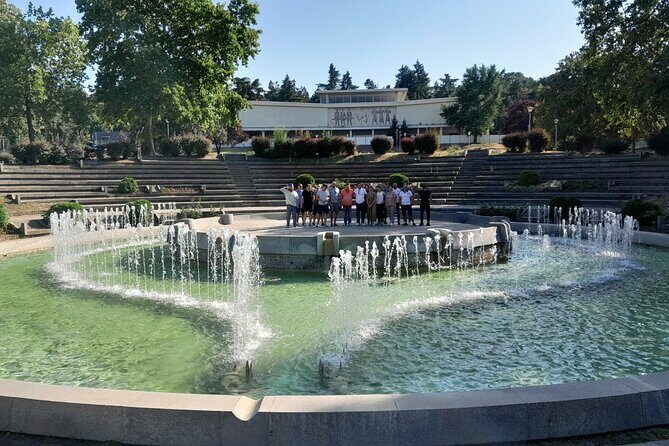 4 / 5
4 / 5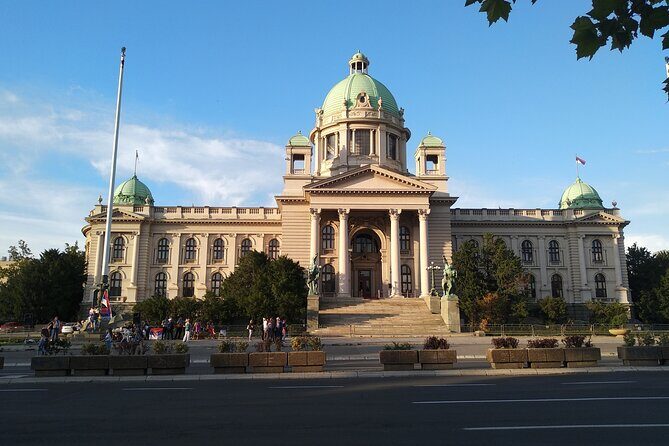 5 / 5
5 / 5If you’re curious about the history of Belgrade and its communist past, the Communist Tour in Belgrade offers a compelling look into the city’s recent past. This three-hour guided exploration takes you through central locations, historic buildings, and the Museum of Yugoslavia, illustrating how the country’s socialist period shapes today’s Serbia. It’s a chance to understand the stories behind Tito’s leadership, the non-aligned movement, and the conflicts of the 1990s that still echo in the region.
Two things stand out about this tour: first, its affordable price of around $17.35, making it a budget-friendly way to deepen your understanding of Belgrade’s history. Second, the knowledgeable guides that many reviewers praise for their enthusiasm and ability to answer questions thoroughly.
However, a possible consideration is that the tour covers a broad period—from Yugoslavia’s communist days to recent conflicts—which might leave some wanting a more focused narrative. Still, the tour is best suited for history buffs, students, or travelers who want an authentic, locally guided perspective on Serbia’s recent past, rather than superficial sightseeing.
Key Points
- Affordable price point offers good value for the insights provided.
- Knowledgeable guides enhance the experience with detailed storytelling.
- The tour includes a visit to the Museum of Yugoslavia, a highlight for history enthusiasts.
- It covers a wide historical timeline, from Tito’s era to the NATO bombing, offering comprehensive context.
- The tour’s small group size (up to 15) allows for personalized engagement.
- Transport between sites is included, making the experience seamless.
You can also read our reviews of more tours and experiences in Belgrade.


What to Expect from the Tour
A Concise but Deep Dive into Belgrade’s Communist Past
This tour begins in Trg Republike (Republic Square), a central and easily accessible location. Here, your guide introduces the significance of Tito, Yugoslavia’s charismatic leader, and the influence of socialist ideas. Expect a 15-minute overview that sets the tone for the rest of your journey. Reviewers note that guides like Novi and Milan bring enthusiasm and clarity, answering questions with patience and depth.
Visiting Iconic Socialist Buildings
Next, you’ll step inside the Dom Sindikata (Trade Union Hall), a massive structure built in Socialist realism style shortly after World War II. Its architecture reflects the era’s ideological aspirations. While the building itself isn’t a museum, it offers a visual reminder of the period’s style and ambitions.
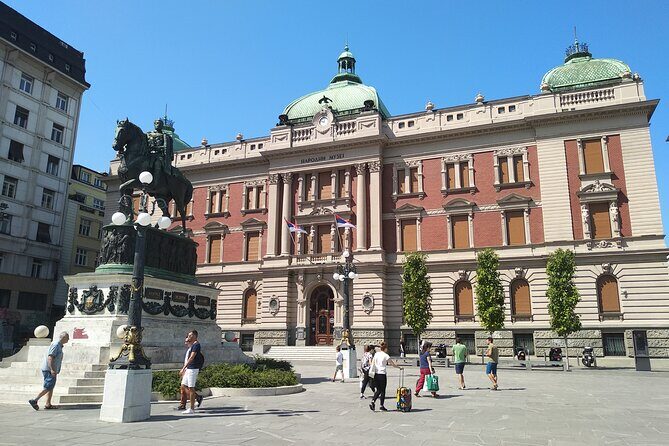
A short walk or trolleybus ride takes you to the House of the National Assembly, an elegant building completed in 1936. As the seat of Serbia’s parliament since then, it’s a symbol of continuity amid change. This stop, reviewed as a “landmark,” provides a concrete sense of the city’s evolving political landscape.
Exploring the Heart of the City and Its Symbols
Kneza Miloa Street serves as the city’s main promenade—once the main korzo (or boulevard) and now a bustling artery lined with embassies and government buildings. Walking here gives a sense of how the city blends history with modernity.
- From Belgrade: Novi Sad & Sremski Karlovci Full-Day Tour
★ 4.7 · 1,068 reviews - Belgrade: Guided Sightseeing Cruise, Danube and Sava rivers
★ 3.7 · 428 reviews - From Belgrade: Gems of Eastern Serbia Tour
★ 5.0 · 427 reviews - Northern Serbia: Sremski Karlovci and Novi Sad Full-Day Tour From Belgrade
★ 5.0 · 425 reviews - Day Trip From Belgrade: Gems of Eastern Serbia
★ 5.0 · 424 reviews - Belgrade: Sunset Cruise with Live Guide
★ 4.4 · 418 reviews
Visiting the Remains of the NATO Bombing
The Yugoslav Ministry of Defence building, also called Generaltab, is a striking reminder of the 1999 NATO bombing. Heavily damaged during the attack, it symbolizes the conflict’s impact. Many visitors find it powerful to stand where violence once happened, and the site’s architecture is considered a “masterpiece of post-war design.” It’s a stark visual story of NATO’s military intervention.
Visiting the Museum of Yugoslavia
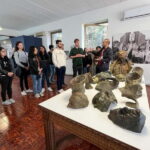
The highlight for many is the Museum of Yugoslavia, situated on the site of Tito’s final resting place, the House of Flowers. This museum offers a thorough chronicle of Yugoslav history, from the monarchy through socialism, and features Tito’s life story, his policies, and the conflicts that tore the country apart.
The museum is well-visited—around 120,000 visitors yearly—highlighting its importance in Serbian cultural memory. With the inclusion of your ticket, you’ll have about an hour to explore exhibits that are both historical and personal. It’s a chance to see Tito’s grave and learn how his legacy still influences the region.
Transportation and Guide
The tour includes a trolleybus ride between Generaltab and the Museum of Yugoslavia, providing a brief but authentic local transit experience. The guides are described as professional, enthusiastic, and willing to answer questions, which many reviewers appreciate.
Is It Worth the Price?
At just $17.35 per person, this tour offers solid value. For that price, you get a professional guide, transportation between key sites, and an entry to the Museum of Yugoslavia. Compared to private or longer tours, this is a cost-effective way to access a wide range of historical sites in a short time.
While it covers a broad swath of history, it’s not an exhaustive deep dive into every topic. Instead, it offers a compelling overview, perfect for those new to Belgrade or with limited time. The reviews consistently mention the guides’ expertise, making the experience richer than just wandering aimlessly around.
The Experience: In-Depth Breakdown
Starting Point: Trg Republike
The tour begins in the lively heart of Belgrade. Here, your guide introduces Tito’s personality, Yugoslavia’s non-aligned stance, and how Belgrade played a central role in Cold War politics. Reviewers mention that guides like Milan or Novi make the history accessible and engaging. Expect a 15-minute intro that frames the entire experience.
Inside Socialist Architecture
Your visit to Dom Sindikata reveals how socialist realism impacted building design. It’s a structure that stands out for its monumental style, representative of the post-World War II optimism and ideological drive. It might not be open for interiors, but the exterior prompts reflection on the era’s ambitions.
Political Heart of the City
The National Assembly building is both an architectural and political landmark. Standing here, you get a sense of Serbia’s governance history—Yugoslavian parliament, Serbian parliament, and ongoing political evolution. The building’s history is accessible to casual observers and history buffs alike.
Walking Along Kneza Miloa Street
This street paints a picture of Belgrade’s social life and political significance. Once the city’s main promenade, it now hosts diplomatic embassies and important institutions, illustrating how the city balances its past and present.
The NATO Bombing and Generaltab
The heavily damaged Generaltab building is a visceral reminder of the 1999 NATO intervention. Many travelers find this site particularly moving—standing where a military conflict unfolded. The architectural style of the building is considered a notable post-war design.
Yugoslavia’s Legacy at the Museum
The Museum of Yugoslavia provides a detailed look at the socialist period, Tito’s personal life, and the eventual disintegration of Yugoslavia. The guide’s insights help contextualize the exhibits, which include Tito’s mausoleum, personal items, and historical artifacts. Reviewers note that this part of the tour is especially enriching, making the history tangible and relatable.
Who Will Appreciate This Tour?
This tour is ideal for history buffs, students, and travelers eager for a deeper understanding of Belgrade’s past. If you’re interested in political history, socialist architecture, or the conflicts of the nineties, you’ll find it highly engaging. The tour’s small size and knowledgeable guides ensure a personalized experience, making complex topics more approachable.
While it isn’t a light sightseeing stroll, it offers a meaningful way to connect with the city’s recent history. If you’re traveling with a curiosity for serious history or political stories, this tour will satisfy.
Final Thoughts
The Communist Tour in Belgrade offers an affordable, well-organized, and insightful look into a crucial part of Serbia’s history. The combination of iconic buildings, historic sites, and a top-notch guide makes it a valuable addition to any itinerary focused on understanding Belgrade’s past.
You’ll appreciate how it balances breadth and depth—covering the socialist era, recent conflicts, and Tito’s legacy—without overwhelming. The included transportation and entry to the Museum of Yugoslavia make it a practical choice for budget-conscious travelers seeking an authentic, meaningful experience.
This tour is best suited for those who enjoy learning from passionate guides, want to see the physical remnants of Yugoslavia’s communist days, and are comfortable with a broad historical overview. It’s a smart, affordable way to add context and understanding to your visit to Belgrade.
Communist Tour in Belgrade
Frequently Asked Questions
How long is the tour?
The tour lasts approximately 3 hours, making it a manageable introduction to Belgrade’s communist history without taking up your entire day.
What is included in the price?
Your fee covers a professional guide, transportation via trolleybus between two key sites, and entry to the Museum of Yugoslavia. Personal expenses are not included.
Where does the tour start and end?
It begins at Trg Republike (Republic Square) and finishes in front of the Museum of Yugoslavia.
Is transportation between sites necessary?
Yes, the tour includes a trolleybus ride, providing a quick, practical way to move between the Generaltab building and the Museum of Yugoslavia.
Is the guide knowledgeable?
Yes, reviews consistently praise the guides’ enthusiasm and thorough answers to questions, making the experience engaging and informative.
What kind of traveler is this tour best suited for?
It’s ideal for history enthusiasts, students, or anyone interested in the political and social history of Yugoslavia and Serbia, especially those who appreciate guided storytelling and cultural context.
In all, the Communist Tour in Belgrade offers an honest, engaging, and economical way to learn about a complex and fascinating chapter of Balkan history. Whether you’re a history lover or just curious about Serbia’s recent past, this tour delivers plenty of insight wrapped up in a compact package.