
Discover and Explore the Salt Works and Slave Huts in Bonaire
Rating: 5.0 | Review Count: 1 | Price: $70 per person | Location: Bonaire
If you’re heading to Bonaire and want a glimpse into its unique landscape and history, this guided tour of the salt works and slave huts offers a compelling mix of natural beauty and cultural storytelling. It’s a short, affordable excursion that packs a punch, especially for those interested in understanding how salt shaped the island’s economy and society.
What we love about this experience is how it combines stunning scenery, like the pink salt ponds and white salt mountains, with important historical insights. Plus, the tour’s flexible logistics—offering pickup and group discounts—makes it a practical choice for travelers.
One point to consider is that the tour lasts only about 90 minutes, so it’s quite brief. This means you’ll get an overview rather than an in-depth exploration, which might leave some wanting more detail. However, for a quick snapshot of Bonaire’s salt industry and a chance to snap photos of flamingos and salt flats, it hits the right notes.
This tour is ideal for visitors who want an easy, accessible way to see Bonaire’s iconic landscapes while gaining an understanding of its history without committing to a long or expensive outing. It suits curious travelers, history buffs, and those who appreciate striking scenery in a manageable timeframe.
Key Points
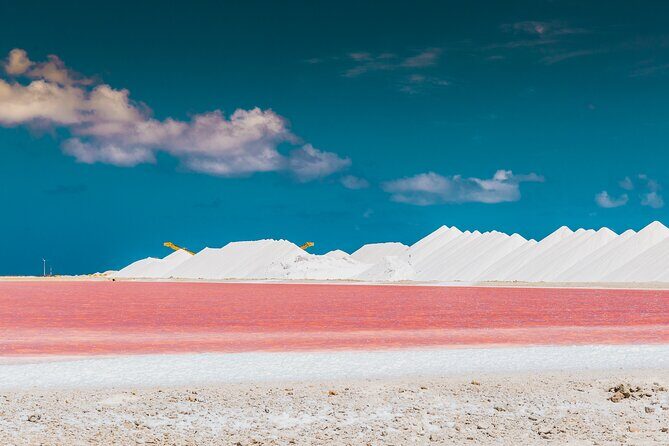
- Stunning scenery: See the pink salt ponds and white salt mountains that define Bonaire’s landscape.
- Historical significance: Learn about the salt industry and the resilience of enslaved people through the preserved slave huts.
- Practical logistics: Includes pickup, mobile tickets, and group discounts, making it straightforward and budget-friendly.
- Brief but insightful: With a duration under two hours, it offers a quick, meaningful dose of Bonaire’s heritage.
- Ideal for a general overview: Great for travelers short on time or seeking a taste of Bonaire’s natural and cultural history.
- Limited time for deep dives: For more detailed exploration, you might need additional tours.
Exploring Bonaire’s Salt Works: An Authentic Look at a Unique Landscape
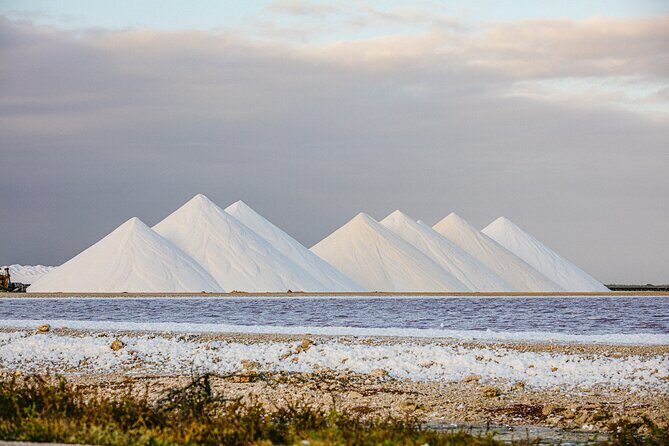
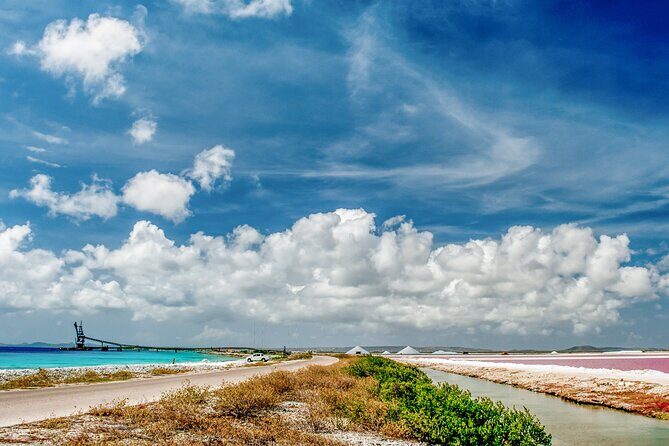
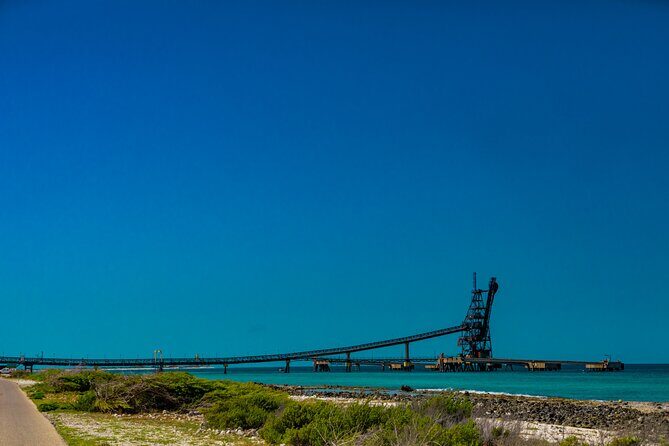
This tour opens with a visit to the iconic Salt Pier, where enormous salt mountains and shimmering pink salt ponds are impossible to miss. Our driver-guide will share stories of how Bonaire earned its nickname as “white gold,” transforming seawater into sparkling salt—an industry that has shaped the island for centuries.
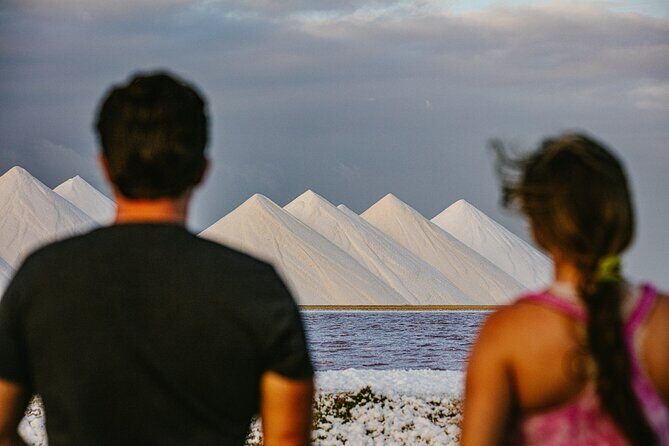
One of the highlights is the spectacular views of salt flats, especially striking when flamingos feed in the shallow waters. We loved the way the guide painted a picture of how the salt ponds are more than just a pretty landscape—they’re a vital part of Bonaire’s economy and ecology. The salt mountains, formed by crystallized salt, create a surreal backdrop perfect for photos and memorable sightseeing.
Throughout this segment, the guide’s commentary is both informative and engaging, connecting natural features to Bonaire’s history. You’ll appreciate how the salt industry has influenced local culture and economy. Plus, the chance to spot flamingos feeding adds a splash of vibrant pink to the scenery, giving the experience a lively, dynamic feel.
A quick 30-minute stop, this part of the tour offers plenty of visual interest and a chance to understand why salt was once considered Bonaire’s “white gold.” It’s also an excellent opportunity for photography, with vast salt flats and the striking salt mountains providing dramatic backdrops.
You can also read our reviews of more tours and experiences in Bonaire.
The Silent Stories of the Slave Huts at White Pan
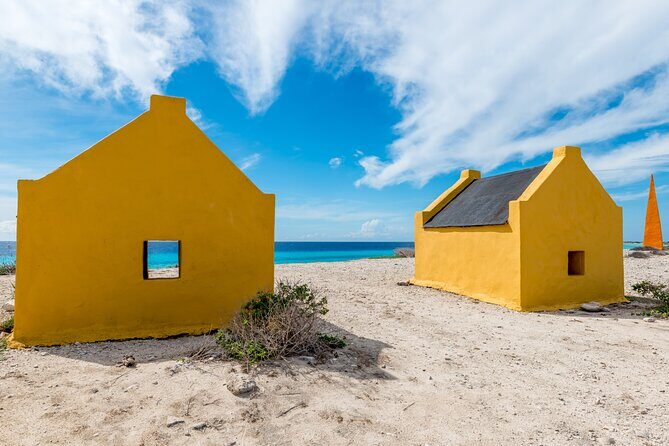
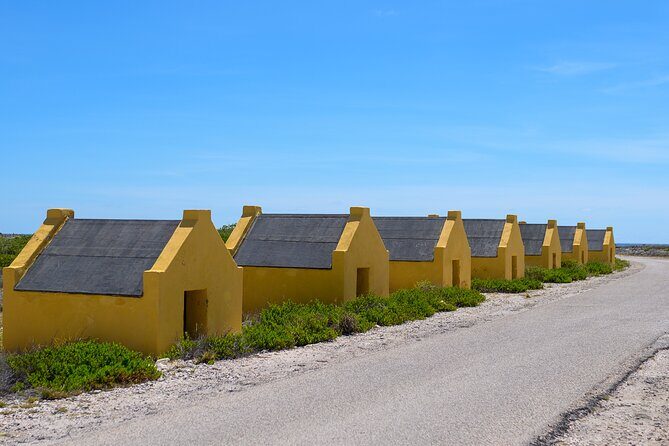
Next, we visit the White Slave Huts, humble structures that speak volumes about Bonaire’s past. Built in the 19th century, these small white houses served as shelters for enslaved workers involved in salt production. Although modest in appearance, they are powerful symbols of resilience and hardship.
Our guide provided vivid insights into the lives of those who once inhabited these huts, explaining that salt played a crucial role in Bonaire’s economy and that enslaved labor was integral to its production. The story of these huts isn’t just about salt; it’s about the endurance of the people who lived and worked here under difficult circumstances.
The surrounding salt flats—where enormous salt mountains and pink waters stretch out—complement the huts’ setting, making for compelling visuals. The guide’s storytelling added depth, helping us appreciate the strength and resilience of those who endured a harsh past. We loved that the tour offers a window into human stories often overlooked in more touristy sites.
The 20-minute stop at the huts is enough to walk around, peek inside, and reflect on this poignant part of Bonaire’s history. It’s a simple but impactful experience that leaves a lasting impression.
What to Expect and How to Prepare
The tour runs in an air-conditioned vehicle, which is a nice touch on Bonaire’s warmer days. Pickup is offered, making logistics smoother, especially if you’re arriving by cruise or staying nearby. The tour is designed for those with moderate physical fitness—walking around the salt flats and huts is manageable, but it’s worth wearing comfortable shoes and bringing a hat or sunscreen.
The duration of about 1 hour 30 minutes makes this a perfect quick outing—ideal for fitting into a busy sightseeing day or as a light introduction to Bonaire’s landscape and history. The tour is offered daily from early morning to late afternoon, so you can choose a time that suits your schedule.
While the price of $70 per person might seem modest, remember that this includes transportation, guided commentary, and a chance to see Bonaire’s most iconic salt landscapes and historic relics. It’s a cost-effective way to gain a meaningful appreciation of the island’s economic and cultural roots.
Authenticity and Practical Details
From the glowing salt mountains to the simple huts, each element of this tour offers an authentic glimpse at Bonaire’s legacy. We appreciated the local guide’s knowledge and friendly manner, which made the experience both informative and approachable.
The tour’s small group setting ensures that everyone can ask questions and enjoy personalized attention. Plus, booking in advance—on average 16 days ahead—helps secure your spot during busy travel times.
The free cancellation policy provides peace of mind, allowing you to rebook if your plans change or if the weather turns unfavorable. Since the experience depends on good weather, it’s wise to plan accordingly.
Who Should Consider This Tour?
This tour is best suited for history enthusiasts, nature lovers, and travelers interested in Bonaire’s landscape. It’s particularly appealing to those who appreciate photo opportunities and want a meaningful snapshot of the island’s past and present.
It’s also suitable for families or small groups looking for a manageable half-day activity. However, if you’re eager for a deeper dive into Bonaire’s history or want a longer, more comprehensive tour, you might consider supplementing this experience with additional excursions.
The Sum Up
In a nutshell, this Salt Works and Slave Huts tour offers a balanced blend of stunning visuals and cultural storytelling at an affordable price. Its short duration makes it accessible for most travelers, and the guided commentary enriches the experience beyond mere sightseeing.
If you’re passing through Bonaire and want a taste of its natural beauty combined with an understanding of its history, this tour is an excellent choice. It’s especially valuable for those who want a quick, insightful, and visually captivating outing that respects the island’s past while showcasing its striking landscapes.
For travelers who enjoy authentic sites with meaningful stories, this adventure hits the mark. It’s a snapshot of Bonaire that stays with you—beautiful, educational, and genuinely memorable.
FAQs
How long is the tour?
The tour lasts approximately 1 hour and 30 minutes, making it a compact but comprehensive experience.
Is transportation included?
Yes, the tour offers pickup in an air-conditioned vehicle, simplifying logistics and making the experience hassle-free.
Do I need to prepare or bring anything?
It’s recommended to wear comfortable shoes, bring sunscreen, and have enough drinking water, as the salt flats are mostly exposed.
Can I cancel if my plans change?
Yes, you can cancel up to 24 hours in advance for a full refund, providing flexibility in your travel plans.
Is the tour suitable for children or older travelers?
Yes, it’s manageable for most with moderate physical fitness. The stops are short, but walking around the salt flats and huts might require some stamina.
What’s the best time of day to go?
The tour runs daily from 7:00 AM to 5:00 PM, so you can choose a time that aligns with your day’s plans; mornings may be cooler and less windy.
Can I see flamingos during the tour?
Yes, the pink salt ponds are often home to flamingos, offering excellent photo opportunities.
Is the tour family-friendly?
Absolutely, especially for families interested in nature and history, as long as kids are comfortable with short walks outdoors.
What makes this tour a good value?
For $70, you get guided transportation, insights into Bonaire’s salt history, and stunning scenery—an efficient way to cover key sights without a long or expensive outing.
What if the weather is bad?
The tour requires good weather; if canceled due to weather, you’ll be offered a different date or a full refund, so it’s worth checking the forecast beforehand.
This tour in Bonaire is a straightforward, engaging way to connect with the island’s landscape and history—perfect for those who want a quick, meaningful window into Bonaire’s past and present.
More Tour Reviews in Bonaire
Not for you? Here's more nearby things to do in Bonaire we have reviewed
- Discover and Explore the Salt Works and Slave Huts in Bonaire
- Explore the North & South of Bonaire on your own pase (Private)
- Bonaire Full Day Boat Rental Voyager 19
- Luxury Sail & Snorkeling
- Private 1/2 Day Yacht Charter in Bonaire – Customizable!
- Full day Boat Rental New RIB 115PK
- Paddle Boarding Lesson in Bonaire (SUP)
- Deluxe Half Day Private Charter Adventure in Bonaire
- Private and Luxury 2 Stop Snorkel in Bonaire National Marine Park
- Fishing Charter 6 Hours
- Night Mangrove Kayak Tour
- Private Southern Island Tour Including Family Photoshoot