Introduction
 1 / 4
1 / 4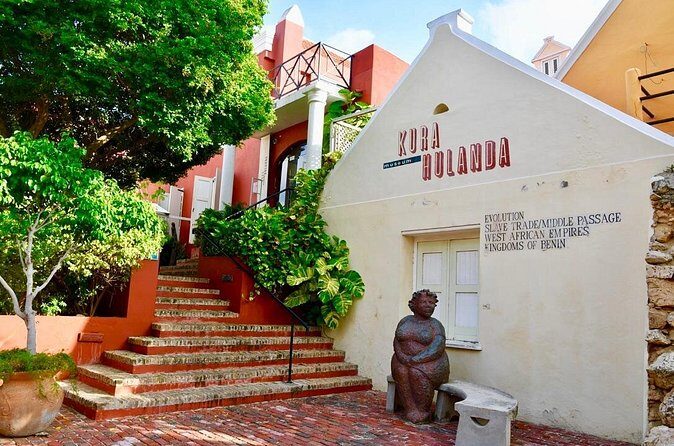 2 / 4
2 / 4 3 / 4
3 / 4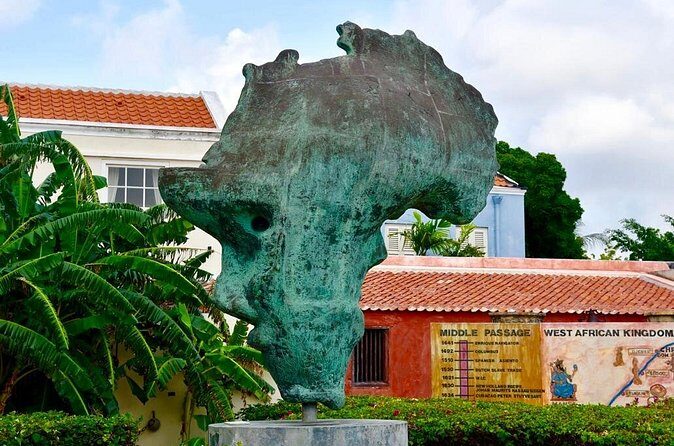 4 / 4
4 / 4Our review of the Kura Hulanda Museum in Willemstad highlights a compelling experience that offers more than just a walk through exhibits — it’s a chance to reflect on a difficult chapter of history that still echoes today. If you’re interested in understanding how the transatlantic slave trade shaped the Caribbean and the wider Western Hemisphere, this museum provides a powerful, informative visit.
What we particularly appreciate about this experience is the expert guidance that enhances the exhibits, and the thought-provoking collection of artifacts from Africa and beyond. However, a potential consideration is that the museum involves a good deal of reading and walking, which might be tiring if you’re not prepared. This tour suits travelers who value educational depth and authentic storytelling, especially those eager to learn about history in a respectful and impactful setting.
Key Points
- Insightful exhibits focus on the history and effects of the transatlantic slave trade in Curacao and the broader Caribbean.
- Guided tours significantly enrich the experience, offering context and answering questions.
- The artifacts collected from Africa and other regions are of high quality and meaningful, making the history tangible.
- The museum’s location in Willemstad provides an accessible start point for exploring local history.
- Affordable price at $12 per person makes it a valuable educational stop.
- Expect around 1 to 2 hours for most visits, so plan accordingly.
You can also read our reviews of more tours and experiences in Willemstad
Overview of the Museum Experience
The Kura Hulanda Museum sits comfortably in the heart of Willemstad’s Otrobanda harbor area, making it easy to combine with other city explorations. The museum’s focus on the impact of slavery offers a sober and profound perspective, highlighting how this dark past continues to influence culture and society today.
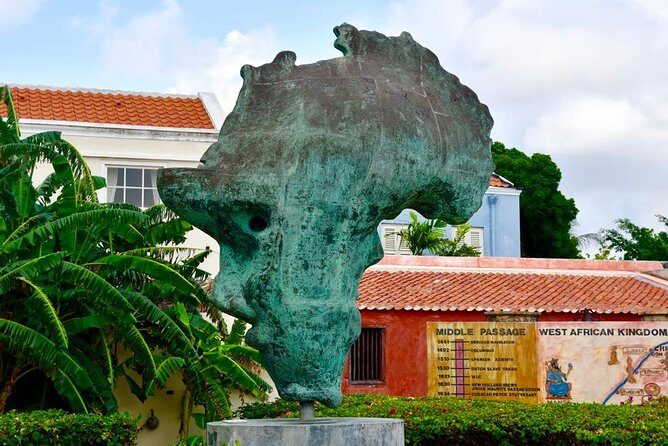
The building itself is historic, and walking through it feels like stepping into a living history lesson. The exhibits include a wide range of artifacts sourced from Africa, many of which tell stories of resilience and cultural survival amidst brutality. These objects are carefully curated, with some reviews noting the artifacts rival those in large metropolitan museums.
What Makes the Museum Special
The real strength of the Kura Hulanda Museum is its narrative-driven approach. It isn’t just about viewing objects — it’s about understanding the stories behind each piece. The museum provides context through displays that trace the journey of millions of Africans forcibly taken from their homelands.
The museum’s exhibits explore the role of the Dutch West India Company and Willemstad’s harbor as a transshipment hub. This history is crucial for understanding the island’s past as a part of the larger Atlantic slave trade network. By doing so, the museum makes a tangible connection between local history and global forces.
What Travelers Say
Most visitors find the museum deeply moving and educational. Multiple reviews mention how the artifacts and stories are “heartbreaking” but necessary to understand history fully. A common suggestion is to hire a guide, especially since the museum offers an affordable tour for just $3, which many say adds valuable context and clarity.
One visitor described their experience as “extremely profound,” emphasizing the expertise of their guide. Others noted that the exhibits can be overwhelming without guidance, highlighting the importance of engaging with a knowledgeable guide to fully grasp the significance of the material.
The Itinerary Breakdown
You can also read our reviews of more guided tours in Willemstad
- Private 2 Tank Guided Experience in Curaçao for Certified Divers
★ 5.0 · 81 reviews - Private Guided Curaçao Island Tour
★ 4.5 · 20 reviews - 6 Hours Guided Beach Escape
★ 4.5 · 20 reviews - 6 Hours Guided Beach Escape
★ 4.5 · 20 reviews - Guided Snorkel Tour at the Best Reef from shore on Curacao – Blue Bay Beach
★ 4.5 · 16 reviews - SNUBA Adventure in Curacao – Guided Shallow Dive
★ 5.0 · 15 reviews
Entry and Reception
As you step inside, you’re greeted by a welcoming receptionist and handed a museum map. The entry fee of $12 includes access to all exhibits, but the guided tour is optional and highly recommended at just $3 extra.
The Transatlantic Slave Trade Exhibit
The core exhibit dives into the history of millions of Africans sold into slavery between the 16th and 19th centuries. Expect to see visual displays, artifacts, and detailed explanations that trace the brutal journey from Africa to the Caribbean and South America. Visitors often comment that the stories told here are heartbreaking but essential for understanding the scale and impact of slavery.
One review from a visitor in April 2025 shares, “The artifacts were representative of our history and showed what slaves had to endure during that time.” It’s a reminder of the resilience of those who endured unimaginable hardship.
Artifacts from Africa and Beyond
The museum contains a vast collection of artifacts, many donated or collected from different regions. Visitors have praised the quality and cultural significance of these objects, noting that the collection rivals some of the best African museums. Items include tools, jewelry, textiles, and religious objects, each telling a story of cultural identity and survival.
The Land Where Slavery Took Place?
Although the museum is built on land with no direct slavery history, it strives to honor the history and stories of ancestors. Some reviews mention that the museum was constructed on land without a direct historical connection, but the exhibits compensate by providing comprehensive context.
The Hulanda Village
Adjacent to the museum, visitors can explore the Hulanda Village, which offers a blend of shops, cafes, and cultural displays. It’s a nice spot for reflection or to purchase meaningful souvenirs, though the museum shop is modest.
Guided Tour and Group Size
The guided tours are available in multiple languages, including Dutch, English, Papiamentu, and Spanish, and cost only $5. The reviews consistently highlight how guides bring the stories to life, making the experience more engaging and easier to understand.
Most tours are small, with a maximum of 15 travelers, ensuring a focused and personal experience. Numerous visitors recommend opting for the guide, noting that it adds depth to the exhibits and helps clarify complex histories.
Accessibility and Practicalities
The museum is close to public transportation, making it easy to access from different parts of Willemstad. It’s open Monday through Saturday from 8:00 am to 4:00 pm, with a slightly later opening on Saturdays, and closed on Sundays and public holidays.
The visit duration varies from an hour to two hours, depending on your pace and whether you choose the guided tour. One reviewer suggests allowing at least 3 hours if you want an unhurried experience to absorb all the information.
A note for visitors with mobility issues: while the museum involves lots of walking, most find it manageable, though some mention the experience can be tiring for those with limited mobility.
Value for Money
At $12 for admission, the museum offers excellent value, especially considering the depth of information and quality of artifacts. For just an additional $3, a guided tour elevates the experience, making the visit even more worthwhile.
Many reviews emphasize that the guided tour significantly enhances understanding, making this a cost-effective way to get a thorough history lesson. Several visitors also appreciate that the exhibits are presented in an accessible and respectful manner, making the learning process impactful and meaningful.
The Sum Up
The Kura Hulanda Museum is a valuable stop for anyone interested in the history of slavery and African culture in the Caribbean. It’s a place where you can not only see artifacts but truly understand the human stories behind them. The presence of knowledgeable guides and a thoughtfully curated collection makes it an experience that stays with you long after leaving.
For travelers who appreciate authentic history, are willing to do some walking, and want a meaningful educational experience, this museum offers a fine balance of affordability and depth. It’s particularly suited for those who want to understand the broader context of Curacao’s past and its role in global history.
If you’re in Willemstad and have a couple of hours to spare, this museum deserves a spot on your itinerary. It’s a sobering reminder of past atrocities but also a celebration of resilience, culture, and the ongoing journey toward understanding.
Entrance Ticket Kurá Hulanda Museum (not including guide service)
FAQ
Is the entrance ticket price of $12 worth it?
Yes, considering the quality of exhibits, artifacts, and the overall experience, $12 offers good value, especially if you choose to add the guided tour for just $3.
Does the museum offer guided tours?
Yes, guided tours are available for $5 and are highly recommended. They provide valuable context, making the exhibits more meaningful, especially since the museum covers complex and sensitive topics.
How long should I plan to spend at the museum?
Most visitors spend about 1 to 2 hours, but if you want to absorb everything without rushing, plan for at least 3 hours, including the guided tour.
Is the museum suitable for visitors with mobility issues?
While most find the walking manageable, some reviews mention that the distance and walking can be tiring. It’s best to take your time and inform staff if assistance is needed.
What are the opening hours?
The museum is open Monday through Saturday from 8:00 am to 4:00 pm, with a later opening time on Saturdays at 9:00 am. It’s closed on Sundays and public holidays.
Can I visit without a guide?
Absolutely, but most reviews suggest that a guide greatly enhances the experience, helping clarify the complex history and artifacts.
Are there extra costs besides the admission?
The entry fee is $12, and guided tours are optional at $5. Souvenirs are available for purchase, but there are no mandatory additional costs.
Is this museum family-friendly?
Yes, it’s suitable for all ages, especially those interested in history. Be prepared for some emotional content; discussions with children should be handled thoughtfully.
In sum, the Kura Hulanda Museum offers a profound and well-organized look into a difficult but vital part of world history. With affordable prices, knowledgeable guides, and impactful exhibits, it’s a must-visit for those seeking to understand how the past continues to shape the present.