
The Everest Base Camp Luxury Lodge Trek combines the thrill of high-altitude hiking with the comforts of premium accommodations, making it an appealing choice for many. Travelers often share stories of stunning sunrises over the Himalayas, juxtaposed with the warmth of a cozy lodge after a long day’s trek. While the itinerary promises breathtaking views and cultural encounters, there are practical aspects to consider, from gear to acclimatization strategies. With so many factors at play, one can’t help but wonder—what truly makes this trek stand out among other adventures in the region?
Key Points
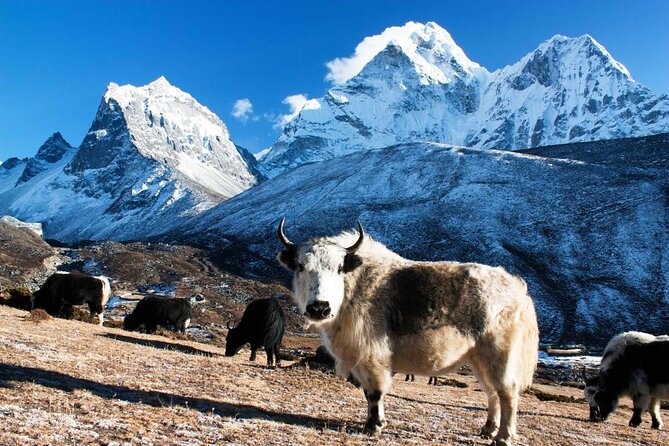
- Experience a 13-day trek through stunning landscapes while staying in luxury lodges, such as Yeti Mountain Homes.
- Daily trekking durations of 6-7 hours require moderate fitness, ideal for those with previous hiking experience.
- Enjoy a mix of local and luxurious accommodations, including cozy stays in Kathmandu and comfortable lodges along the trail.
- All meals, including welcome and farewell dinners, are included, enhancing the culinary experience of local dishes.
- Expert guides and Sherpa porters provide support, ensuring a safe and enjoyable trekking experience.
Trek Overview and Itinerary
What makes the Everest Base Camp Luxury Lodge Trek a bucket-list adventure is its perfect blend of stunning landscapes, culture, and the comfort of luxury lodges, allowing trekkers to experience the majesty of the Himalayas without sacrificing comfort.
The trek spans 13 days, showcasing breathtaking views and rich Sherpa culture. Participants trek 6-7 hours daily, navigating steep terrain and reaching elevations up to 5,500 meters.
While moderate fitness is necessary, many find the journey achievable, especially with previous hiking experience. The group size is intimate, capped at 12 travelers, fostering camaraderie.
Trekkers often share stories around the lodge, forging connections that last long after the trek concludes, making it not just a physical journey but an unforgettable experience.
You can also read our reviews of more tours and experiences in Kathmandu
Accommodations
Travelers can expect a mix of comfort and authenticity during their stay, with accommodations ranging from luxury lodges to the best available local options along the trek.
In Kathmandu, Yatri Suites & Spa or Hotel Moonlight offer cozy retreats before and after the adventure.
On the trail, five nights in Yeti Mountain Homes provide plush lodgings, while six nights in local lodges with shared facilities keep the experience genuine.
Most rooms are twin-shared, but solo travelers can opt for single rooms in Kathmandu and luxury lodges for an extra fee.
Many trekkers appreciate the warm hospitality and local flavors, making each night a memorable part of their journey.
Inclusions and Services
The Everest Base Camp trek includes a comprehensive package of services designed to ensure a seamless and enjoyable adventure, covering everything from airport transfers to guided tours in Kathmandu.
Travelers appreciate the well-organized inclusions, making their experience stress-free.
Key services include:
-
All meals during the trek, including welcome and farewell dinners.
-
Expert guides, including an English-speaking trek leader and Sherpa porters.
-
Essential gear provided, such as down jackets and trekking maps.
With everything taken care of, trekkers can focus on the breathtaking scenery and camaraderie.
Many find the detailed planning a relief, as it allows for genuine connections with fellow adventurers while enjoying the stunning Himalayan landscape.
Exclusions and Additional Costs
While the Everest Base Camp trek offers a wealth of inclusions, trekkers should be aware that certain costs, like international airfare and personal expenses, aren’t covered in the package.
For instance, those planning to call home or enjoy a drink might find their wallets feeling lighter than expected. Extra nights in Kathmandu can add up, especially if flights get delayed or a trekker decides to explore more.
Plus, tips for guides and porters aren’t included, which can often be a gray area for many. Trekking requires a bit of budgeting beyond the package price, so it’s wise to prepare for these additional costs to ensure a stress-free adventure in the majestic Himalayas.
Safety and Contingency Plans
Understanding the potential for unexpected challenges during the trek is vital, as safety remains a top priority for guides who are prepared to adjust plans when necessary. Trekkers should always be ready for changes, especially regarding flight schedules and weather conditions.
Flight delays between Kathmandu and Lukla can happen, so having buffer days is crucial. Optional activities in Kathmandu provide a great way to make the most of any waiting time. If significant delays occur, alternative trip options ensure trekkers still have an enjoyable experience.
With these contingency plans in place, trekkers can feel secure knowing their safety is prioritized. This allows them to focus on enjoying their adventure rather than stressing over the unknown.
You can also read our reviews of more hiking tours in Kathmandu
Best Seasons to Trek
Autumn and spring stand out as the prime seasons for trekking to Everest Base Camp, offering trekkers sunny skies and comfortable temperatures that enhance the overall experience. During these months, the trails are less crowded, allowing for a more personal journey through the stunning landscape. Winter can be brutally cold, while summer brings heavy rains that may hinder visibility.
Here’s a quick overview of the best trekking seasons:
| Season | Conditions |
|---|---|
| Spring | Sunny, warm |
| Autumn | Mild, clear skies |
| Winter | Cold, snowy |
| Summer | Rainy, humid |
| Monsoon | Heavy rains, fog |
Choosing the right season can significantly impact one’s trek, making these months highly recommended.
Recommended Gear and Preparation
Choosing the right season to trek is just the beginning; having the right gear and preparation can make all the difference in a successful Everest Base Camp adventure. Proper preparation involves more than packing a bag; it’s about choosing gear that enhances the experience.
Here are three essentials to consider:
-
Layered Clothing: Weather can change rapidly, so layering helps manage temperature fluctuations.
-
Quality Footwear: Durable, well-fitted hiking boots prevent blisters and support the feet during long treks.
-
Hydration System: Staying hydrated is crucial, so a good water bottle or hydration pack is a must.
With these essentials, trekkers feel more comfortable and confident tackling the challenges of the trail, ensuring a memorable journey to base camp.
Local Culture and Highlights
Experiencing the rich local culture along the Everest Base Camp trek adds a unique layer to the adventure, as trekkers encounter vibrant Sherpa traditions, stunning monasteries, and the warm hospitality of the mountain communities.
Trekkers often share stories over meals, savoring delicious local dishes like dal bhat while learning about the Sherpas’ way of life.
Visiting ancient monasteries like Tengboche offers a glimpse into their spiritual practices, where the chants and rituals create a serene atmosphere.
Many travelers fondly recall the friendly smiles and greetings from locals, making the journey feel more personal.
The blending of breathtaking landscapes and cultural richness transforms this trek into a memorable experience, leaving trekkers with a deeper appreciation for the region’s heritage.
Frequently Asked Questions
What Fitness Level Is Required for This Trek?
For this trek, it’s essential to have moderate fitness. Participants typically enjoy a background in hiking or camping, as daily hikes of 6-7 hours over steep terrain demand endurance and stamina for a successful adventure.
Are There Age Restrictions for Participants?
There aren’t strict age restrictions for participants. Typically, those between 12 and 70 join comfortably. A 60-year-old traveler recently completed a trek, proving age isn’t a barrier with proper fitness and preparation.
Can Dietary Restrictions Be Accommodated During the Trek?
He asked if dietary restrictions could be accommodated during treks. The guide assured him that they could handle various needs, ensuring everyone enjoys meals that cater to their preferences and maintain energy throughout the journey.
What Communication Methods Are Available During the Trek?
During the trek, travelers can use mobile phones in certain areas, while Wi-Fi is available in lodges. However, connectivity may be spotty, so they should prepare for limited communication with loved ones back home.
Is It Possible to Extend My Stay in Nepal?
He wondered if extending his stay in Nepal was possible. With a little planning, he found accommodations and activities easily. Locals suggested exploring nearby attractions, enriching his travel experience beyond the original itinerary.
Recap
The Everest Base Camp Luxury Lodge Trek offers an unforgettable experience, blending adventure with comfort.
Trekkers can relish the stunning views, enjoy Sherpa culture, and unwind in cozy lodges after a day of exploration.
With expert guidance and a supportive group, the journey becomes not just about reaching the base camp, but also about the memories made along the way.
For anyone seeking both thrill and relaxation, this trek is a perfect choice.
More Hiking & Trekking Tours in Kathmandu
More VIP Experiences in Kathmandu
More Tour Reviews in Kathmandu
Not for you? Here's more nearby things to do in Kathmandu we have reviewed
- From Lukla: Everest Base Camp (EBC) 10-Day Trek
- Kathmandu : Everest Mountain Flight – with Private Transfers
- Full Day : Kathmandu Sightseeing By Bus Day Trip
- Kathmandu: 7 UNESCO World Heritage Sites Day Tour
- Kathmandu: 8-Day Langtang Valley Trek with Transfers
- Thamel Rickshaw Tour
- Everest View Motorbike Tour- 6 Days
- Kathmandu: Top 4 UNESCO Sites Private/Group Tour with Lunch
- From Oceans to Mountains-9 Days (Nepal Guided Tour)
- From Kathmandu: Everest Base Camp Helicopter Tour landings
- Kathmandu: Food and Drink Walking Tour
- Life and spirituality tour of Kathmandu