Visiting the Whitney Plantation from New Orleans offers a profoundly immersive experience, shedding light on the complex and often harrowing history of slavery in Louisiana. Travelers can explore the plantation’s 262-year legacy, delving into impactful exhibits and first-person slave narratives that provide a sobering, yet essential, perspective. With thoughtful curation and wheelchair accessibility, the tour guides visitors through this multifaceted and thought-provoking account, leaving a lasting impression and a deeper understanding of the realities that shaped the region’s past. As one reviews the experience, it becomes clear that this is no ordinary plantation visit.
Key Points
- Roundtrip transportation from New Orleans to the Whitney Plantation is included, providing a seamless and convenient experience.
- Admission ticket grants access to the museum exhibits, memorial artwork, and self-guided audio tour, offering a comprehensive visit.
- The plantation’s historic buildings are wheelchair accessible, though the second floor of the Big House is only accessible by stairs.
- Advance booking is required for wheelchair users to ensure the experience is tailored to their needs.
- Visitors consistently praise the informative, impactful, and thought-provoking nature of the museum’s exhibits and narratives on the history of slavery.
Overview of Whitney Plantation
The Whitney Plantation, located in Louisiana, is the only plantation museum in the state that focuses solely on the history of slavery.
With a 262-year history, the plantation became wealthy through the production of indigo and sugar.
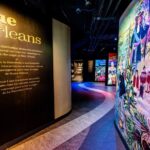
Visitors can gain a unique perspective on the lives of enslaved people through the museum’s exhibits, memorial artwork, and first-person slave narratives.
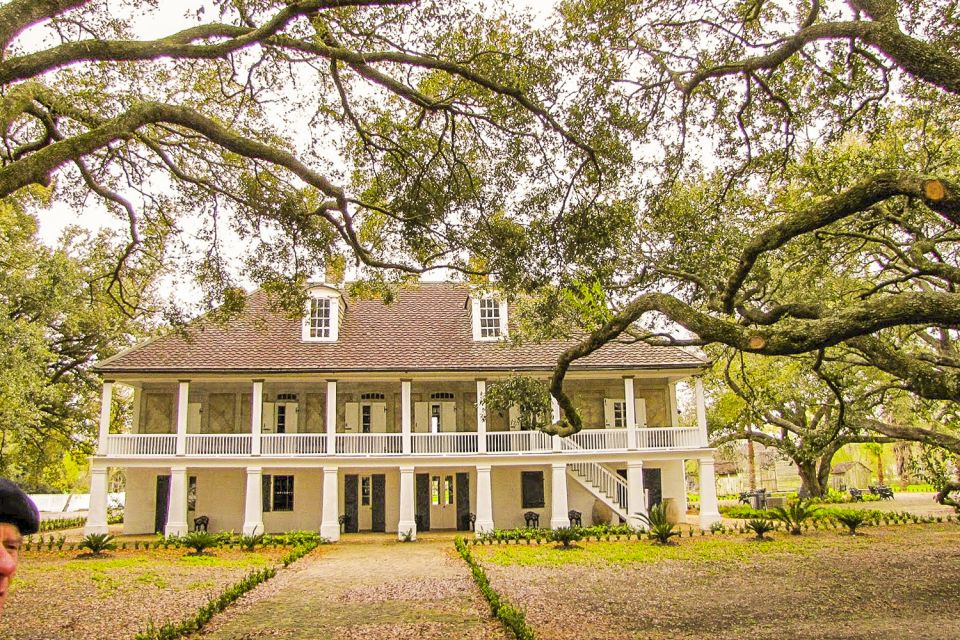
The plantation features historic outbuildings and the Big House, a fine example of Spanish Creole architecture.
While the first floor of the Big House is accessible, the second floor can only be accessed by stairs, making it inaccessible for those in wheelchairs.
Advance booking is required for wheelchair users to ensure a seamless visit.
You can also read our reviews of more tours and experiences in New Orleans


Highlights of the Experience
Visitors to the Whitney Plantation can gain a unique perspective on the lives of enslaved people through the museum’s impactful exhibits, memorial artwork, and first-person slave narratives. The experience provides a profound and immersive look into the realities of slavery.
Guests can tour the historic outbuildings and the Big House, a fine example of Spanish Creole architecture. The self-guided audio tour offers a deeper understanding of the plantation’s 262-year history and its transformation from a prosperous indigo and sugar production operation to a museum dedicated to educating visitors about the horrors of slavery.
The informative and thought-provoking experience leaves a lasting impression on all who visit.
Transportation and Inclusions
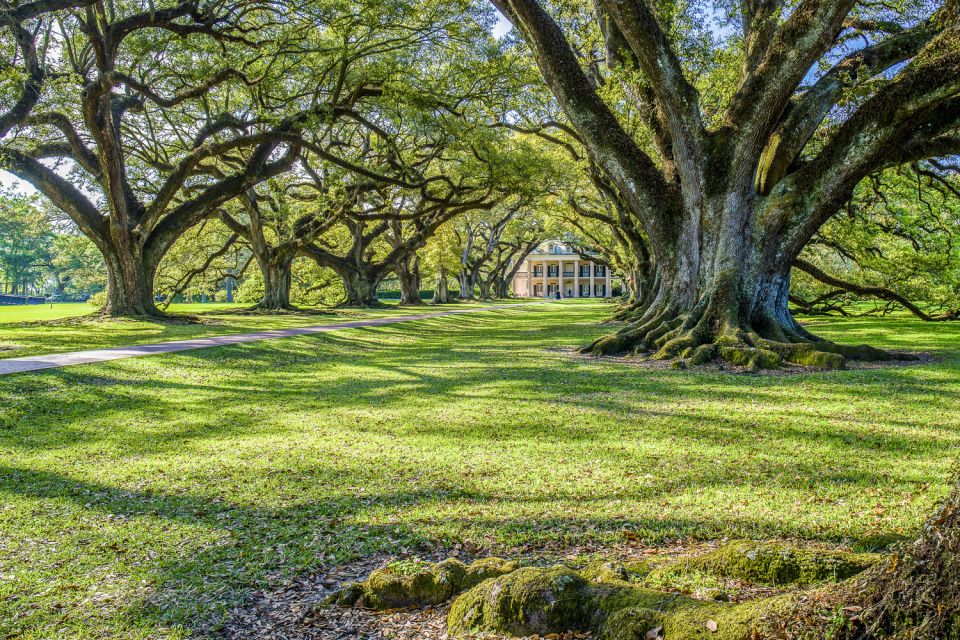
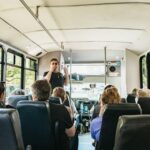
Round-trip transportation by air-conditioned bus is included, providing a comfortable journey to and from the Whitney Plantation.
The admission ticket grants access to the museum exhibits, memorial artwork, and self-guided audio tour, allowing visitors to fully enjoy the powerful stories of enslaved individuals.
Wheelchair users can participate, though the second floor of the Big House is only accessible by stairs. Advance booking is required for wheelchair users to ensure the experience is tailored to their needs.
The inclusions provide a comprehensive and impactful visit, enabling guests to gain a unique perspective on the lives of enslaved people through the plantation’s 262-year history.
Accessibility and Booking Details
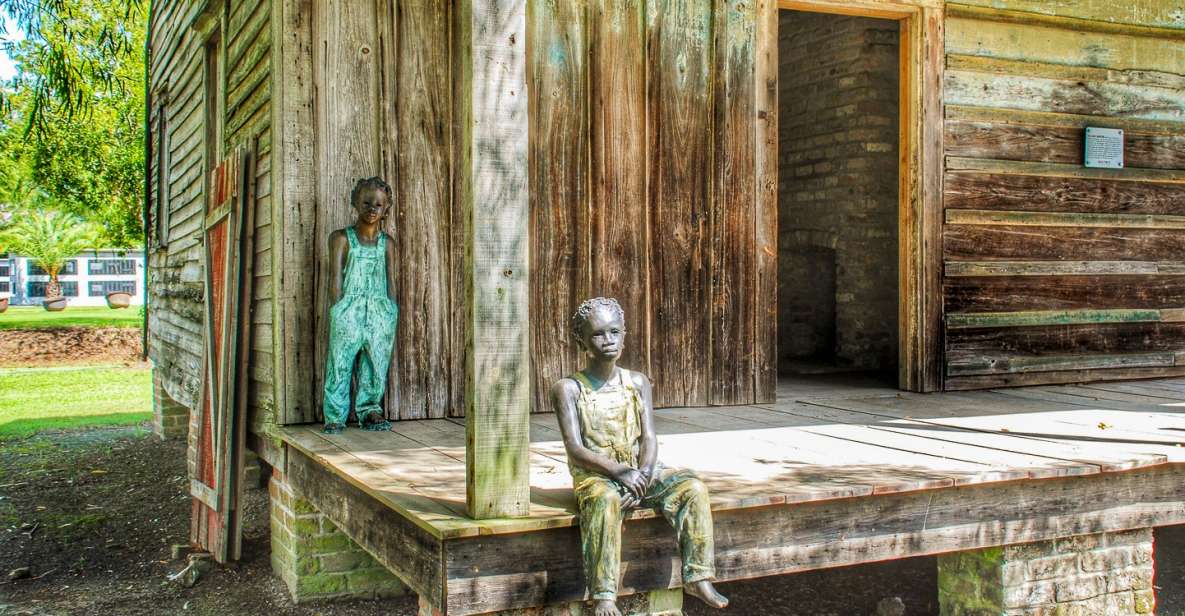
While the plantation’s historic buildings are wheelchair accessible, the second floor of the Big House can only be reached by stairs. Visitors requiring wheelchair assistance should book their tour in advance to ensure the experience is tailored to their needs.
The plantation doesn’t allow scooters or walkers on the property, but they do accommodate wheelchair users. Those with special accessibility requirements are encouraged to communicate their needs when making a reservation, allowing the staff to provide a seamless and inclusive experience.
The Whitney Plantation is committed to ensuring all guests can explore its rich history and the stories of the enslaved people who lived there, regardless of physical abilities.
More Great Tours NearbyVisitor Reviews and Ratings
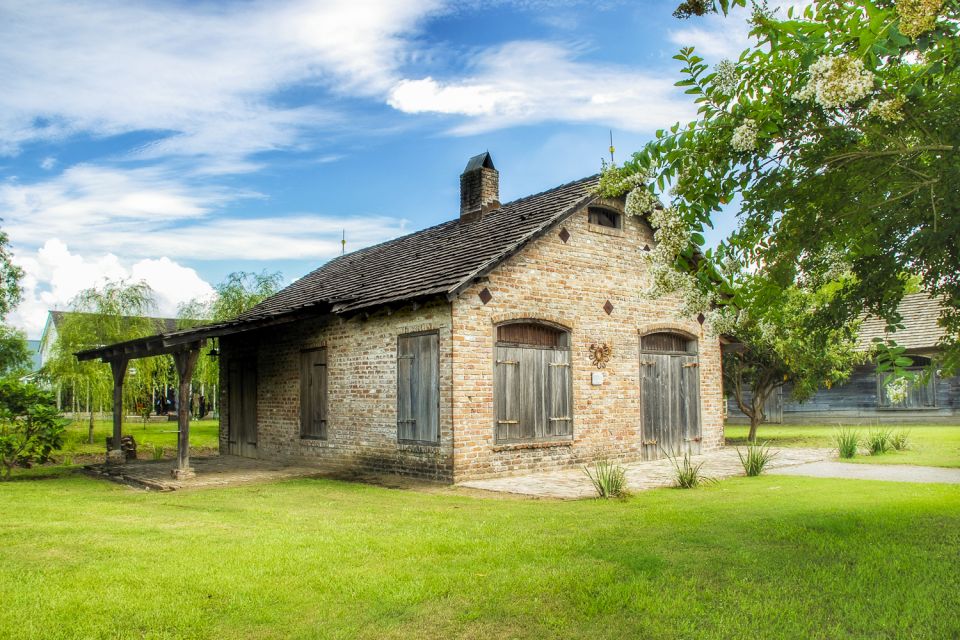
The Whitney Plantation has received overwhelmingly positive reviews from visitors, who consistently praise the informative and impactful nature of the experience. With an overall rating of 4.7 out of 5 from 356 reviews, the plantation has clearly resonated with those seeking to gain a unique perspective on the lives of enslaved people through its museum exhibits, memorial artwork, and first-person slave narratives.
Highlights of the visitor experience include:
- Powerful and thought-provoking exhibits that bring the history of slavery to life
- Impactful memorial artwork that honors the lives of those who suffered under the system
- Insightful first-person accounts that provide a personal and immersive understanding
- The opportunity to tour historic outbuildings and the impressive Big House
- New Orleans: Evening Steamboat Jazz Cruise + Optional Dinner
★ 4.3 · 4,548 reviews - New Orleans: Daytime Steamboat Jazz Cruise + Optional Lunch
★ 4.3 · 4,164 reviews - New Orleans: High Speed 16 Passenger Airboat Ride
★ 4.9 · 2,380 reviews - New Orleans: Cemetery Bus Tour at Dark With Exclusive Access
★ 4.6 · 1,654 reviews - New Orleans Manchac Bayou Swamp Cruise W/ Optional Pick-Up
★ 4.7 · 1,587 reviews - New Orleans: Sightseeing Bus Tour
★ 4.8 · 1,565 reviews
Historical Context and Legacy
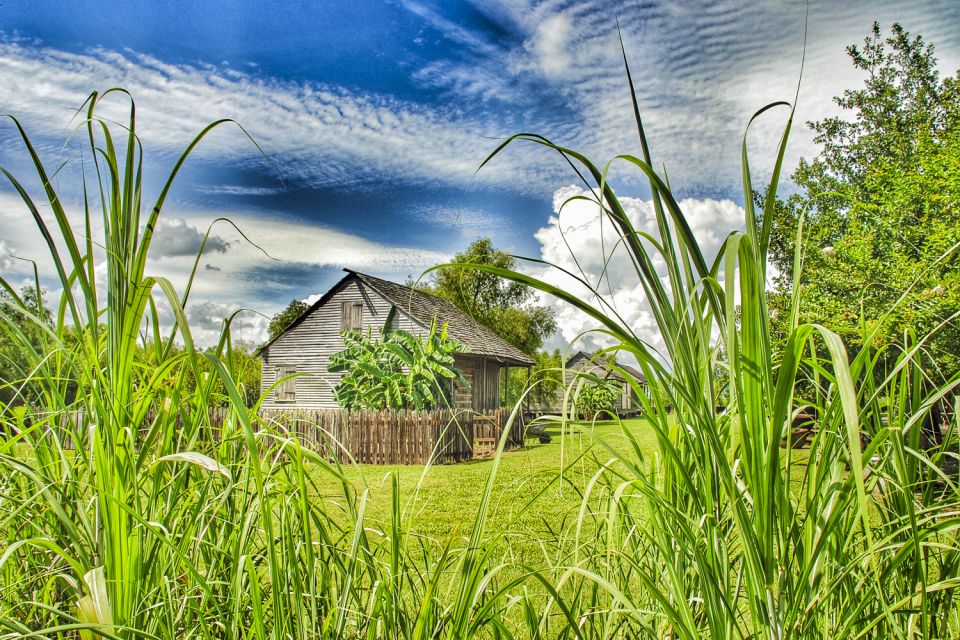
Widely considered a powerful symbol of America’s complex and often troubled history, the Whitney Plantation stands as a testament to the horrific realities of slavery in the antebellum South.
Founded in 1752, the plantation’s wealth was built upon the backs of enslaved Africans who toiled in its indigo and sugar cane fields.
Today, the museum offers a sobering glimpse into the lives of these individuals, using first-hand accounts, memorial artwork, and carefully preserved buildings to paint a vivid picture of the systemic oppression they endured.
Exploring the Plantation Grounds
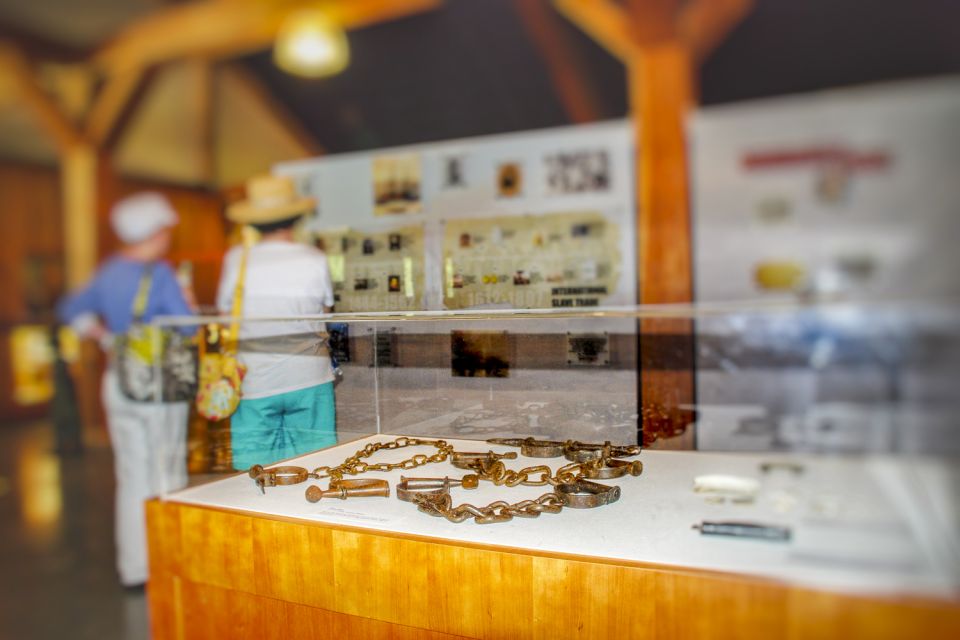
Visitors to the Whitney Plantation embark on a profound journey, exploring the historic grounds that bear witness to the immense suffering and resilience of the enslaved Africans who once toiled here.
The tour takes guests through the following notable features:
-
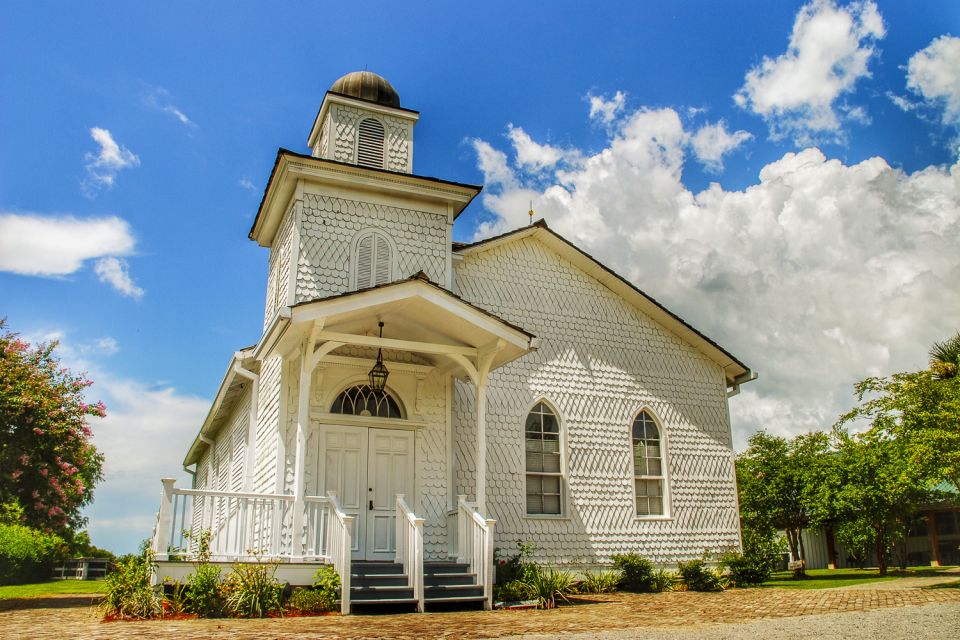
The Antioch Baptist Church, a beautifully preserved structure that served as a gathering place for the enslaved community.
-
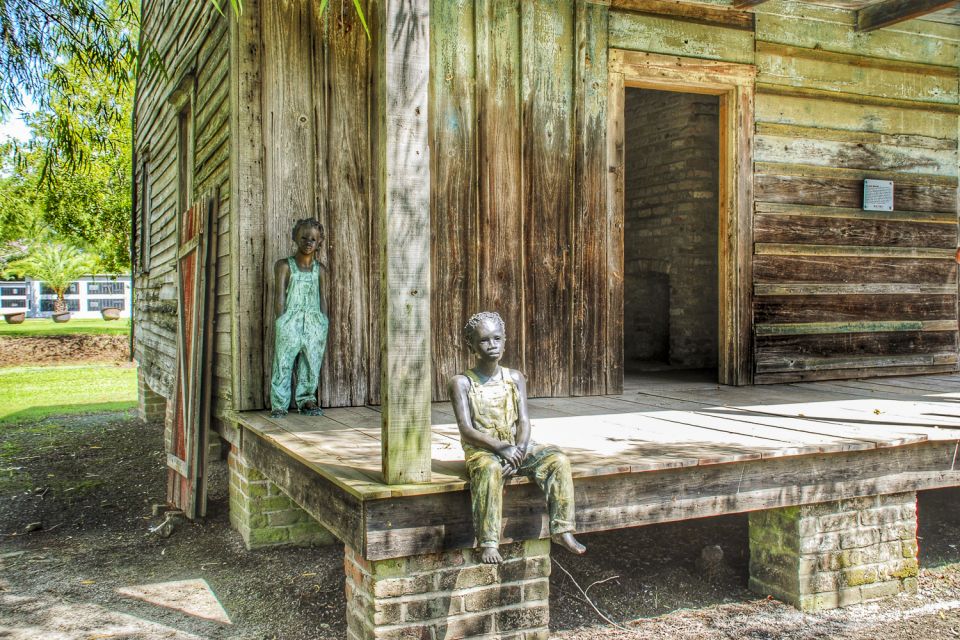
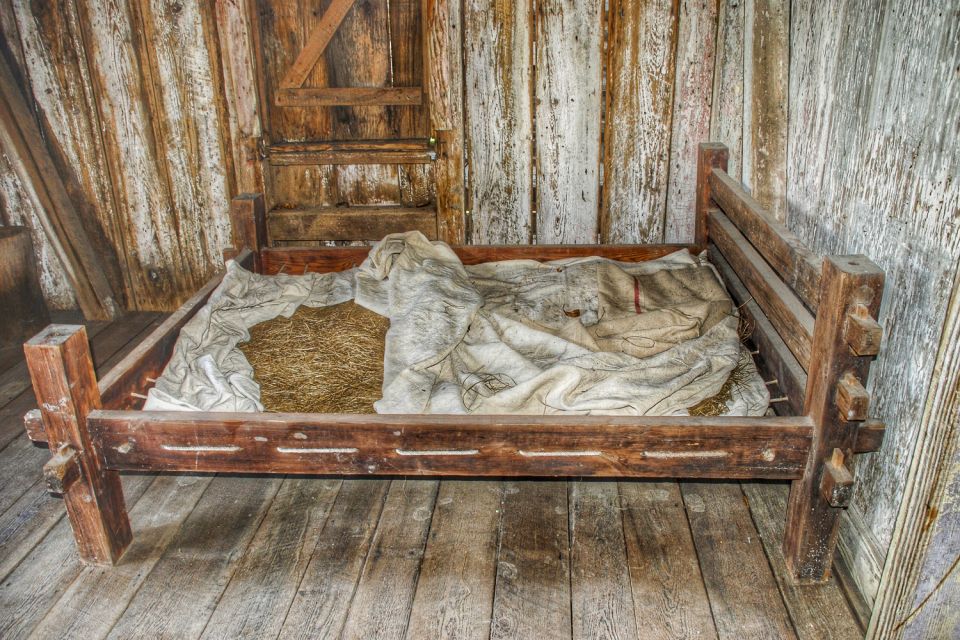
The Slave Cabins, humble dwellings that provide a tangible connection to the daily lives and struggles of those in bondage.
-
The Children’s Arena, a sobering memorial to the young lives lost to the brutality of the plantation system.
-
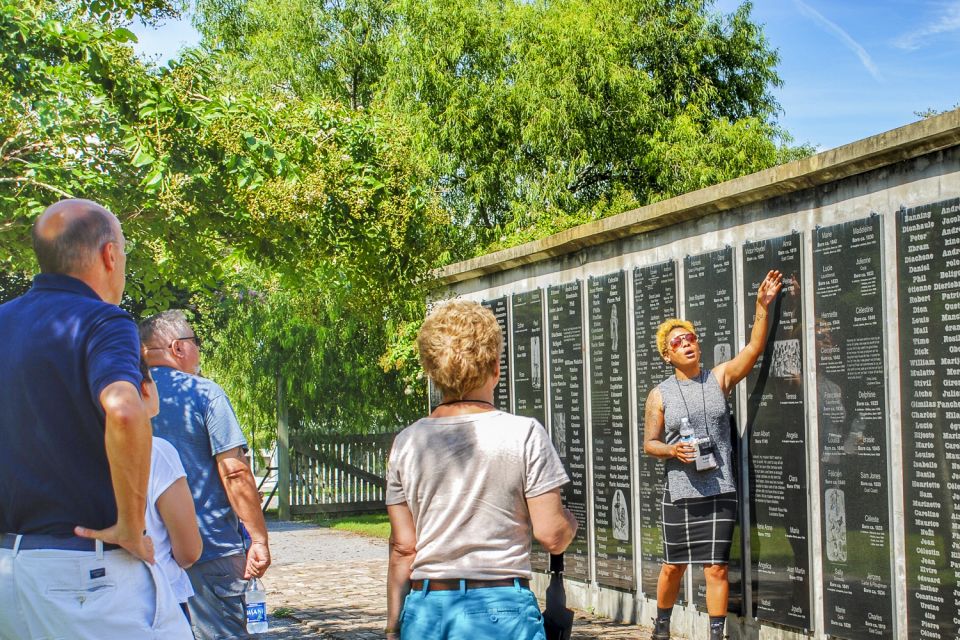
The Wall of Honor, an impactful display bearing the names of over 100,000 enslaved individuals.
These poignant landmarks invite visitors to bear witness, to reflect, and to honor the profound legacy of the enslaved at the Whitney Plantation.
Discovering Slave Narratives
At the heart of the Whitney Plantation experience lies the powerful narratives of the enslaved, preserved through the museum’s extensive collection of first-person accounts.
Visitors are immersed in the raw, emotional stories of those who endured the horrors of slavery. Poignant memorials and thought-provoking exhibits bring these narratives to life, allowing guests to gain a deeper understanding of the daily realities faced by the plantation’s former inhabitants.
From harrowing tales of physical and psychological abuse to inspirational accounts of resilience and resistance, the museum’s dedication to amplifying these voices is a crucial part of the Whitney Plantation’s mission to educate and enlighten.
The slave narratives leave an indelible mark, challenging visitors to confront the painful legacy of slavery.
Frequently Asked Questions
Can I Take Photographs During the Tour?
Yes, visitors are generally allowed to take photographs during the Whitney Plantation tour. However, visitors should be mindful and respectful, as some areas may prohibit photography out of deference to the solemn nature of the subject matter.
Is Food and Drink Available On-Site?
The Whitney Plantation doesn’t have on-site dining or beverages. Visitors should plan to bring their own food and drinks as there are no restaurants or concession stands available. Picnicking on the grounds is allowed, providing a chance to refuel during the tour.
How Long Does the Tour Typically Last?
The self-guided audio tour at the Whitney Plantation typically lasts around 2-3 hours, allowing visitors to explore the historic grounds and gain a deeper understanding of the lived experiences of enslaved people at their own pace.
Is There a Gift Shop at the Plantation?
Yes, the Whitney Plantation has a gift shop on-site where visitors can browse and purchase souvenirs and educational materials related to the history of the plantation and slavery in Louisiana.
Can I Visit Other Nearby Plantations on the Same Day?
Visitors can likely visit other nearby plantations on the same day as their Whitney Plantation tour, though they’d need to check each plantation’s hours and make separate arrangements. The experience at Whitney is distinct, focusing solely on the history of slavery.
Recap
The Whitney Plantation offers a powerful and immersive experience, shedding light on the realities of slavery through historic exhibits, memorial artwork, and first-hand accounts.
Visitors gain a profound understanding of this challenging chapter in American history, leaving with a deeper appreciation for the lived experiences of the enslaved people who once called this plantation home.
This impactful tour is accessible and thought-provoking, leaving a lasting impression on all who visit.
You can check availability for your dates here: