Exploring Philadelphia Through an Alternative Civil War Lens
Our review of the “General Lee Attacks Philadelphia” tour offers a fascinating look into a tense moment in American history. This isn’t your average city stroll; instead, it’s a carefully curated walk that explores what could have happened if the Confederates had succeeded in their 1863 invasion. Perfect for history buffs and curious travelers alike, this tour blends storytelling with analysis, bringing to life the city’s critical role during the Civil War.
Two things we especially appreciate are the knowledgeable guides—who bring clarity and depth to complex events—and the focus on lessons of logistics and leadership that helped save the city. However, a potential downside is the pace; at just two hours, it’s a quick overview, so history enthusiasts might wish for more detailed stories or deeper dives into certain sites. Still, for those interested in a thoughtful, immersive experience rather than a surface-level overview, this tour fits the bill.
This experience suits travelers who enjoy alternative historical narratives and want to understand how Philadelphia could have faced a very different fate. It’s also ideal for those who prefer walking tours with a focus on local history, logistics, and cultural insights rather than just sightseeing.
Key Points
- Unique perspective: Focuses on Philadelphia’s role during a critical Civil War summer.
- Expert guides: Knowledgeable and engaging, bringing history to life.
- Logistical insights: Explains how the city’s infrastructure helped prevent a Confederate takeover.
- Authentic sites: Visits key landmarks with contextual stories.
- Short but rich: A 2-hour walk packed with meaningful details.
- Value for money: For $50, you gain a thoughtful look at a pivotal moment in U.S. history.
A Closer Look at the Tour Itinerary
You can also read our reviews of more historical tours in Philadelphia


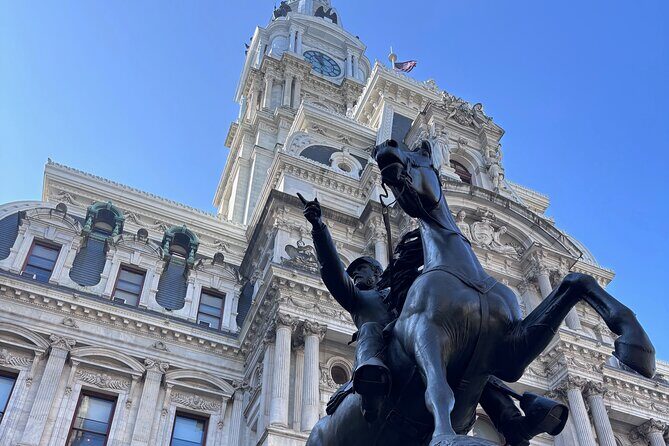
Starting at Philadelphia City Hall
The tour kicks off beneath the towering statue of General George B. McClellan, offering an immediate visual connection to Union leadership. Here, guides analyze the Union’s command structure and emphasize the importance of Philadelphia’s logistical capacity. We loved the way our guide explained that Philadelphia’s size and strategic importance made it a critical target, and how the city’s transportation and supply networks were vital in the war effort.
The Union League of Philadelphia
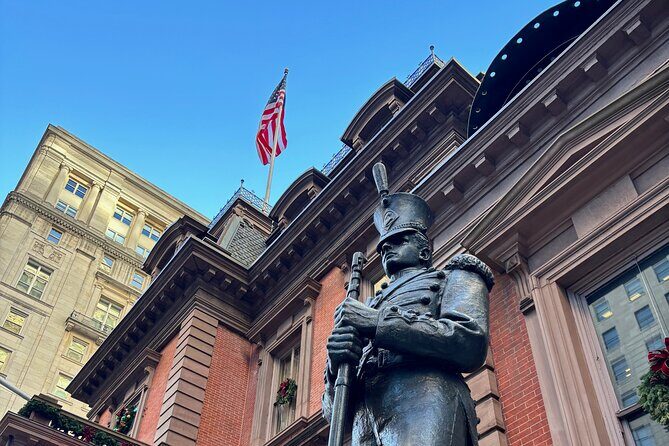
Next, we visit the Union League, an elegant building in the French Renaissance style. While you’re viewing the opulent architecture, the guide shares how this institution became a funding hub, fueling the Union’s war campaigns. It’s easy to underestimate how civilian organizations like this shaped the war effort—they weren’t just political clubs; they were crucial logistical and financial engines.
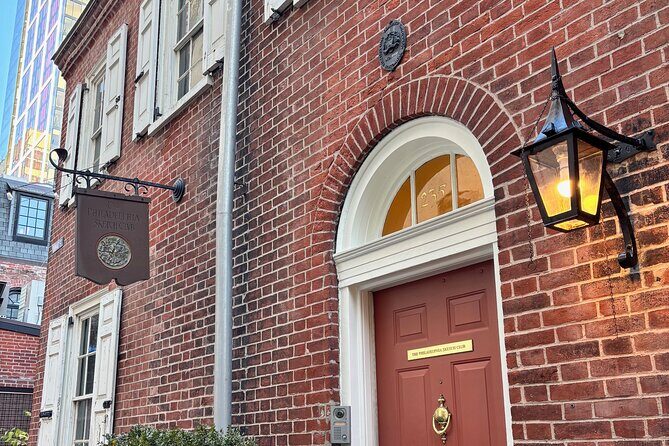
The Philadelphia Sketch Club on Camac Street
A walk down “Little Club Row” brings us to the historic Philadelphia Sketch Club, linked to the Great Central Fair. This stop highlights a fascinating aspect of the Civil War: civilian morale and art played a role in supporting soldiers and raising funds. The sketches and exhibitions from this period reveal how community efforts kept spirits high and resources flowing.
Musical Fund Hall at 808 Locust Street
The tour pauses at Musical Fund Hall, which hosted political rallies and the first Republican National Convention in 1856. Exploring this site, we learned how cultural and political mobilization in Philadelphia helped shape national policy, making it more than just a city of history but a hive of active civic engagement.
- The Constitutional Walking Tour of Philadelphia
★ 4.5 · 902 reviews - Philadelphia: Double-Decker Hop-on Hop-off Sightseeing Tour
★ 4.4 · 868 reviews - Center City Philadelphia Food Tour With Reading Market
★ 5.0 · 861 reviews - BYOB Historically Hilarious Trolley Tour of Philadelphia
★ 5.0 · 657 reviews - Philadelphia Segway Tour
★ 5.0 · 633 reviews - Double Decker Hop-On Hop-Off City Sightseeing Philadelphia (1, 2, or 3-Day)
★ 4.0 · 562 reviews
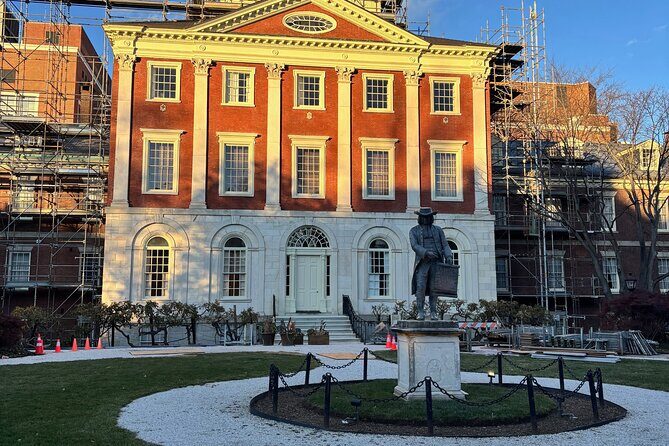
Pennsylvania Hospital and Physi Gardens
A stroll through the Physic Gardens of the oldest hospital in the U.S. offers insight into the profound logistical and moral challenges faced by medical services during the war. Our guide explained how the hospital’s systems were strained yet vital in caring for wounded soldiers, illustrating how healthcare was a pivotal part of wartime logistics.
Mother Bethel A.M.E. Church
This stop introduces us to the African American community’s influential role. The church, continuously owned by Black Americans since the 18th century, exemplifies how Philadelphia’s free Black community actively recruited Black soldiers and contributed to wartime efforts, adding a vital social dimension to the narrative.
Washington Square and the Tomb of the Unknown Soldier
Walking through Washington Square, we learned that it’s a mass grave for Revolutionary War soldiers, connecting the city’s revolutionary past with its Civil War history. The guide emphasized the sacrifice and continuity of American soldiers, linking the past struggles to 1863’s tense atmosphere.
Ending at Independence Hall
The tour concludes in the shadow of Independence Hall, bringing our journey full circle. Here, the guide ties the chaos of 1863 with the founding promises of 1776, highlighting how the Civil War tested—and ultimately strengthened—the nation. Many travelers appreciated this reflective ending, anchoring the tour’s “what if” narratives into a broader national story.
Practical Details and Value
The tour costs $50 per person, which we find reasonable given the depth of insight and the historical sites visited. The small group size—up to 12 travelers—ensures a personable experience with plenty of opportunity to ask questions and engage with your guide. It’s a two-hour walking tour, so comfortable shoes and preparedness for the weather are advisable.
Starting at Philadelphia City Hall and ending near Independence Hall, the walk covers several blocks, but each stop is short enough to keep the pace lively. The stops are well spaced, with about 10 minutes at each, allowing for storytelling and questions.
The tour is mobile ticket, which makes it easy to join without fuss. It runs in good weather, and if canceled due to rain, you’ll be offered a different date or a full refund. The guide’s expertise is a highlight—many reviews praise their ability to clarify complex events and keep the group engaged.
Why This Tour Works
This experience stands out because it offers a counterfactual perspective—what might have happened if the Confederates succeeded? It’s not just a list of facts but a thought-provoking exploration of logistics, leadership, and civilian effort. It challenges visitors to think about Philadelphia’s critical role beyond just being a backdrop to history.
It also emphasizes the importance of local institutions and communities, such as the Union League and Mother Bethel Church, giving a fuller picture of how American society mobilized during wartime. For history enthusiasts, the focus on hidden history in plain sight makes each site meaningful.
Who Will Benefit Most?
This tour is ideal for travelers interested in American history, especially the Civil War, but looking for a fresh angle—one that shifts focus from battles to civilian and logistical struggles. It’s perfect if you enjoy walking tours with storytelling that connects past to present.
It’s also suitable for those who want a short, insightful experience, without the commitment of a full-day tour. Families with older children, history buffs, and cultural travelers will find it engaging and informative.
Final Thoughts: Is It Worth It?
For $50, this tour offers a thoughtful, engaging look at a critical moment in American history, told through Philadelphia’s unique lens. The small group size and expert guides make for a personal experience, and the stops highlight lesser-known but significant sites. If you’re curious about how logistics, politics, and community efforts shaped the Civil War, you’ll find plenty to love here.
However, if you’re expecting a deep dive into military strategies or detailed battlefield narratives, this might be more of an overview. Still, the narrative of near-disaster and resilience provides compelling storytelling that stays with you long after the walk ends.
This tour suits those who appreciate history that makes you think, not just memorize, and who want to see Philadelphia through a different, more cautious lens. It’s a worthwhile addition for any Civil War enthusiast or culturally curious traveler looking to deepen their understanding of this turbulent period.
General Lee Attacks Philadelphia An Alternative History Tour
FAQ
What is the duration of the tour?
Approximately 2 hours, walking through key historic sites in Philadelphia.
Where does the tour start and end?
It begins at Philadelphia City Hall and ends at the corner of 6th and Sansom Streets, near Independence Hall.
How big are the groups?
The maximum group size is 12 travelers, ensuring a more personal and engaging experience.
Is there any admission fee for the stops?
Most stops are free to view from the outside; some sites like the Pennsylvania Hospital and Mother Bethel Church don’t include admission in the tour price.
What is included in the price?
The tour price covers the guided walk, with optional site visits where admission is not included.
Can I cancel the tour if the weather is bad?
Yes, cancellations due to poor weather are free, and you’ll be offered a different date or full refund.
Are service animals allowed?
Yes, service animals are permitted.
Is the tour suitable for children?
Yes, most travelers can participate, but it’s best suited for older children interested in history.
Do I need to prepare anything?
Comfortable shoes and weather-appropriate clothing are recommended since it’s a walking tour.
Is this tour accessible for people with mobility issues?
The tour involves walking through city streets, so mobility considerations should be taken into account.
In summary, the “General Lee Attacks Philadelphia” tour offers a compelling, well-guided exploration of a tense summer in Civil War history, with a focus on what might have been. It’s a thoughtful way to combine sightseeing with critical thinking about history’s many turning points and the quiet heroes behind the scenes.