
If you’re heading to Lisbon and want to go beyond the usual sightseeing, this Half Day Historical Walking Tour about the Slave Trade offers a sobering, eye-opening look at Portugal’s dark past. Designed for curious travelers eager to understand the full story of Portugal’s Age of Discovery, this tour sheds light on a chapter often left out of traditional guides.
What immediately impressed us—based on the consistently stellar reviews—is the depth of knowledge from guides like Rui, who weave facts with engaging stories, and the authenticity of the experience that takes you through streets and neighborhoods rich in history. The tour’s affordable price and intimate group size make it a worthwhile investment for anyone interested in a nuanced perspective of Lisbon’s past.
A possible consideration? This tour tackles some heavy topics, so it might not be suitable for everyone, especially those looking for lighter sightseeing. It’s best suited for those with a genuine interest in history, social justice, or Portugal’s colonial legacy. If you’re ready for a serious but meaningful walk through Lisbon’s streets, this experience could be one of your most memorable.
Key Points
- In-depth understanding of Portugal’s involvement in the Atlantic Slave Trade
- Authentic neighborhood visits like Alfama, blending history with local scenery
- Knowledgeable guides who answer questions with clarity and insight
- Focus on lesser-known aspects of Portugal’s colonial history
- Affordable at just over $38 for a 3-hour tour, offering excellent value
- Small groups ensure a personalized, engaging experience
Why You Should Consider This Tour
This walking tour isn’t just a list of dates and facts. Instead, it invites you to reflect on how Portugal’s past has shaped the city and its culture. It’s a rare chance to confront a difficult part of history with sensitivity and depth, often absent from more traditional sightseeing routes.
The tour is perfect for travelers who want to:
- Expand their understanding of European colonial history
- Gain insight into how slavery influenced Portuguese culture today
- Visit Lisbon’s historic neighborhoods with a focus on social and political layers
- Support educational, respectful storytelling about an uncomfortable but essential subject
While some might find the topic heavy, many reviews praise the balanced approach and expert storytelling. Guides like Rui go beyond surface details, offering context that makes this tour both informative and emotionally impactful.
You can also read our reviews of more walking tours in Lisbon
The Itinerary in Detail: What You Can Expect
Stop 1: Largo do Chafariz de Dentro
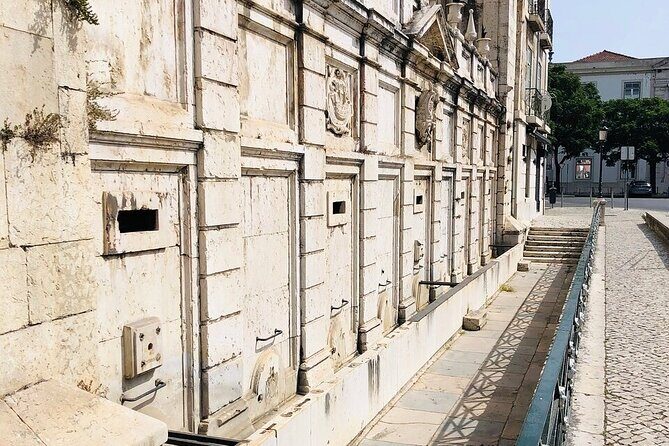
Your journey begins here, where the guide introduces the tour’s themes. This short, 10-minute meeting point sets the tone for a serious exploration of Lisbon’s history. It’s a convenient central spot, ensuring easy access via public transportation. The small group size of up to 8 travelers fosters intimacy and allows for questions.
Stop 2: Alfama
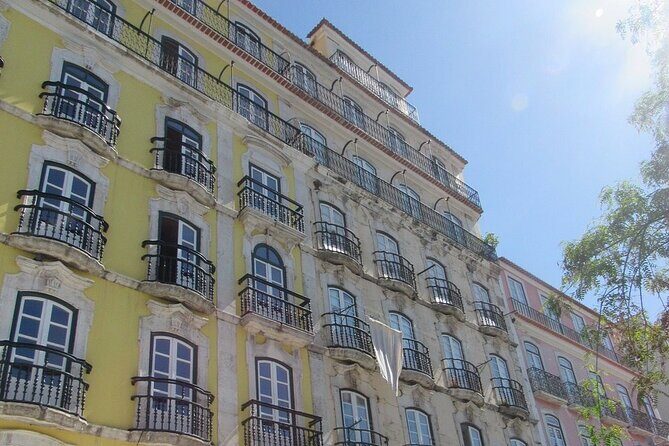
Next, you’ll walk into Lisbon’s oldest neighborhood, a labyrinth of narrow streets where various civilizations like the Romans and Moors once practiced slavery. This part offers a vivid picture of Lisbon’s layered past. The guide explains how the Portuguese got involved in the Atlantic slave trade in the mid-15th century. Travelers love the personal stories and detailed explanations here—many say it’s more enlightening than their previous knowledge of the period. Expect about 30 minutes of walking and listening.
Stop 3: Campo das Cebolas
Here, future plans for a monument to the victims of the slave trade are discussed. While the monument isn’t yet erected, the site symbolizes ongoing remembrance and acknowledgment of this dark chapter. It’s a poignant stop that underscores how history can be commemorated.
You can also read our reviews of more historical tours in Lisbon
Stop 4: Praça do Comércio (Terreiro do Paco)
Once the commercial hub of Lisbon, this square played a key role in colonial trade, including slavery. The guide connects the dots between colonial commerce and the slave trade, helping you see how intertwined economic motives and human suffering were. It’s a 15-minute stop that contextualizes Lisbon’s prosperity with its darker underbelly.
Stop 5: Baixa, Rossio & Restauradores
This part of the tour explores everyday life for those enslaved, highlighting personal stories and the city’s social fabric. Many reviews mention how eye-opening it is to learn about the human side of slavery, not just the political or economic facts. It’s a 30-minute segment that vividly describes the lives of captives from Africa and elsewhere.
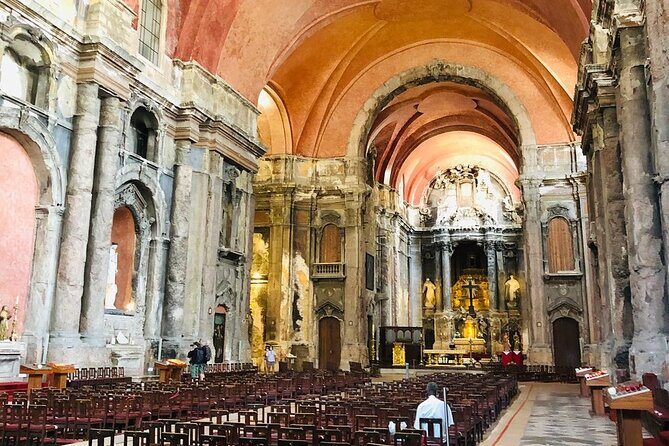
Stop 6: Igreja de S. Domingos
A stop that illustrates the complex interaction between enslaved peoples and religious institutions. The guide discusses how churches and religious organizations played roles in both supporting and opposing slavery. Expect brief but insightful commentary.
Stop 7: Largo do Carmo
The final stop moves into modern history, including the 1974 Carnation Revolution and the end of Portugal’s colonial empire. This provides a broader perspective on how the legacy of slavery and colonialism continues to influence Portuguese politics and society today. It’s a 15-minute conclusion that leaves you with questions about justice and remembrance.
What Makes This Tour Stand Out

Knowledgeable Guides: Many reviewers emphasize the passionate and well-informed nature of guides like Rui. Their ability to answer questions openly and respectfully enhances the experience. Several call Rui “professor-like” in his knowledge, which makes complex historical topics accessible.
Authentic Neighborhoods: Walking through Alfama, with its winding streets and historic ambiance, feels like stepping back in time. This immersive environment makes the tour more than just listening to facts—it’s experiencing Lisbon’s layered history firsthand.
Balanced Approach: The tour handles difficult topics like slavery with care but without avoidant language. This honest approach provides a fuller understanding of Portugal’s history, resonating deeply with many travelers. As one reviewer noted, it was “empowering” to acknowledge the significance of slavery in Portugal’s development.
Cost-Effective: At about $38 for three hours, the tour offers significant value, especially considering the depth of knowledge and personalized attention. The limited group size ensures an intimate experience without feeling rushed.
Emotional and Educational Impact: Many travelers mention how this tour affected their understanding of global history and Portugal’s role in it. The storytelling is engaging, reinforced with images and historical documents, which many say enhances the learning.
Practical Details and Tips
Duration and Price: Just under 3 hours at a reasonable price point, making it accessible for most travelers. The tour is designed to be manageable physically, with moderate walking—so those with walking difficulties might want to consider this.
Meeting Point: Located centrally in Largo do Chafariz de Dentro, near public transportation, simplifying logistics.
Group Size: Limited to 8 travelers, which encourages questions and personalized interaction.
Inclusions and Exclusions: The tour includes local taxes and a professional guide but does not include food, drinks, or hotel pickup. It’s a walking tour, so comfortable shoes and moderate fitness are advised.
Cancellation Policy: Fully refundable if canceled at least 24 hours in advance, providing flexibility if plans change.
Who Will Love This Tour?

This experience is ideal for history enthusiasts, social justice-minded travelers, or anyone interested in Portugal’s colonial past. It’s especially valuable for those who want to see Lisbon with a critical eye, understanding both its beauty and its darker legacies. Travelers seeking a thought-provoking, respectful exploration of history will find this tour rewarding.
On the other hand, it might not be best for visitors seeking a cheerful, light-hearted sightseeing day or for those with limited physical ability due to walking requirements.
The Sum Up
In a city filled with stunning views and vibrant neighborhoods, this historical walking tour about the slave trade offers a crucial, often overlooked perspective. It’s a chance to confront uncomfortable truths, understand how the past continues to shape the present, and do so with the guidance of passionate, well-informed storytellers like Rui.
For travelers wanting to deepen their knowledge of Lisbon’s history and support respectful, educational tourism, this tour stands out as a meaningful choice. You’ll leave with new insights, a better understanding of Portugal’s complex legacy, and perhaps a renewed perspective on history’s enduring impact.
Whether you’re a history buff, a socially conscious traveler, or simply curious, this experience can transform a typical Lisbon visit into a deeply personal journey through the city’s layered story.
FAQ
Is this tour suitable for people with walking difficulties?
Given that the tour involves walking through neighborhoods and historical sites, it’s best suited for travelers with moderate physical fitness. It’s not recommended for those with significant walking difficulties.
How long is the tour?
The tour lasts approximately 3 hours, including multiple stops around Lisbon’s historic neighborhoods.
What is the group size?
The tour is limited to a maximum of 8 travelers, ensuring a more personal and interactive experience.
What is included in the price?
The tour fee covers local taxes and a professional guide. Food, drinks, and hotel transfers are not included.
Can I cancel the tour?
Yes, free cancellation is available if you cancel at least 24 hours before the scheduled start time.
Where does the tour start and end?
It begins at Largo do Chafariz de Dentro and concludes at Largo do Carmo, both central locations accessible by public transportation.
What should I wear or bring?
Comfortable shoes are advised since you’ll be walking. Bringing water and a sense of curiosity will enrich your experience.
Is the tour appropriate for children?
While suitable for most ages, the heavy historical topics may require some maturity. Parents should consider whether their children are ready to engage with sensitive subjects.
This walking tour is a thoughtful, meaningful way to experience Lisbon’s history beyond the usual postcard sights, offering a chance to reflect on how the past influences the present.
More Walking Tours in Lisbon
More Tours in Lisbon
More Tour Reviews in Lisbon
Not for you? Here's more nearby things to do in Lisbon we have reviewed
- Cinematic Photoshoot in Lisbon
- Lisbon Shore Excursion Private Small Group
- Lisbon Half Day Highlights Private Tour
- Templar’s Castle, Nazaré and Obidos
- 2-Day Private Tour of Sintra Fátima Nazaré Óbidos
- From Lisbon: Arrábida day tour with wine tasting!
- Private transfer from Lisbon to Lagos with 2 hours sightseeing
- Lisbon World Heritage Private Cultural Tour
- Private Transport by Car/Van with Chauffeur in Lisbon
- From Lisbon: Full Day in Sintra Cascais and Estoril
- Transfer to Albufeira from Lisbon
- Go Sailing – Lisbon Sailing Tour