
The vibrant history of Lower Manhattan has captivated visitors for centuries. From its Dutch colonial roots to the financial powerhouse of Wall Street, this neighborhood’s past is nothing short of captivating. An immersive audio tour promises to transport you through time, exploring the iconic landmarks that have shaped the area’s identity. Discover the legacy of Fort Amsterdam, the enduring prominence of Trinity Church, and the Native American origins of Broadway. As you uncover the lasting architectural and cultural imprint of the Dutch, you’ll gain a deeper appreciation for the dynamic forces that have molded this unique urban landscape.
Key Points

- Dutch colonists established the settlement of New Amsterdam in 1625, which later became Lower Manhattan.
- Fort Amsterdam, built in 1626, was a crucial defense post for the Dutch settlers and is now the site of the National Museum of the American Indian.
- The historic architecture and street patterns of Lower Manhattan, such as Pearl Street and Fraunces Tavern, reflect the enduring legacy of Dutch colonial influence.
- Wall Street evolved from a modest path alongside a wooden defensive fence to the financial epicenter of the United States, showcasing the area’s resilience and entrepreneurial spirit.
- Trinity Church, built in 1698, was once the tallest building in New York and remains an iconic symbol of Lower Manhattan’s rich history.
Dutch Colonial Settlement
Established by Dutch colonists in 1625, New York City – originally known as New Amsterdam – began as a small settlement encompassing the area from Battery Park to Wall Street.
This early Dutch colony left behind a lasting legacy, from the street patterns to the place names that still evoke its heritage.
Fort Amsterdam, a crucial defense post for the Dutch settlers, once stood on the site that now houses the National Museum of the American Indian.
Pearl Street marked the historic riverfront of the Dutch settlement, while Stone Street was the city’s first paved thoroughfare, known for its breweries.
The transformation of Wall Street and the rise of Trinity Church further illustrate the Dutch influence that shaped the foundations of Lower Manhattan.
You can also read our reviews of more historical tours in New York City
Fort Amsterdam and Museum
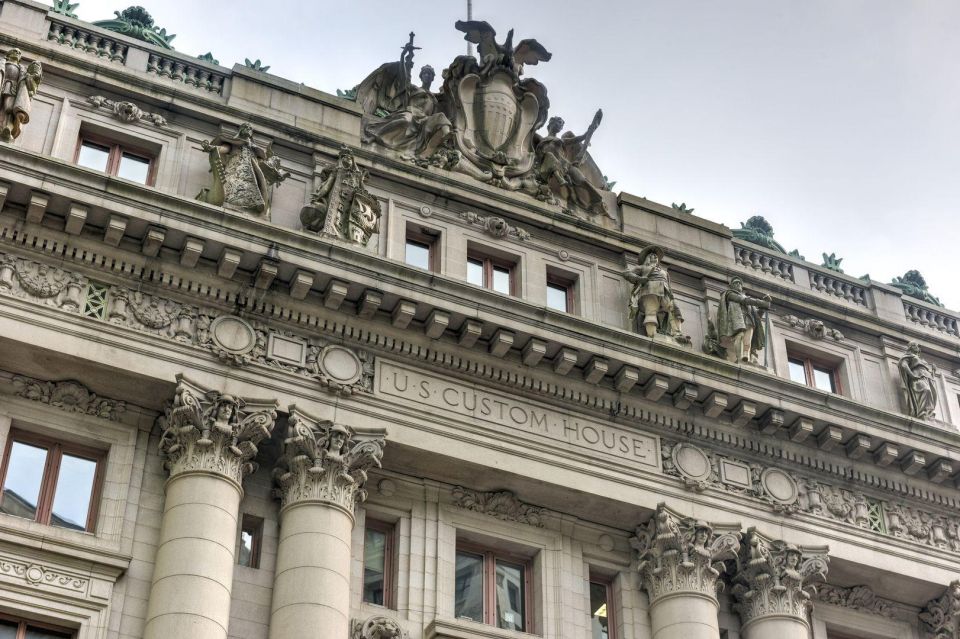
The National Museum of the American Indian now stands on the former site of Fort Amsterdam, a crucial defense post for the Dutch colony that shaped the early development of Lower Manhattan.
Built in 1626, the fort guarded the young settlement from potential attacks. Over time, the fort grew to encompass an entire city block, housing Dutch colonial administrators and soldiers.
Though the fort was demolished in the 19th century, its legacy lives on in the site’s current occupant – the National Museum of the American Indian. Visitors can explore the museum’s extensive collection and learn about the rich history of Native American cultures, all while standing on ground that was once the heart of the Dutch colony.
Exploring Historic Lower Manhattan
One can discover the historic heart of Dutch New Amsterdam by exploring the winding streets of Lower Manhattan.
Pearl Street, once the riverside commercial hub of the colonial settlement, now showcases the lasting impact of the city’s Dutch heritage.
Fraunces Tavern, dating back to 1719, stands as the oldest surviving structure in the area, while Stone Street‘s breweries and step-gabled architecture evoke the district’s 17th-century roots.
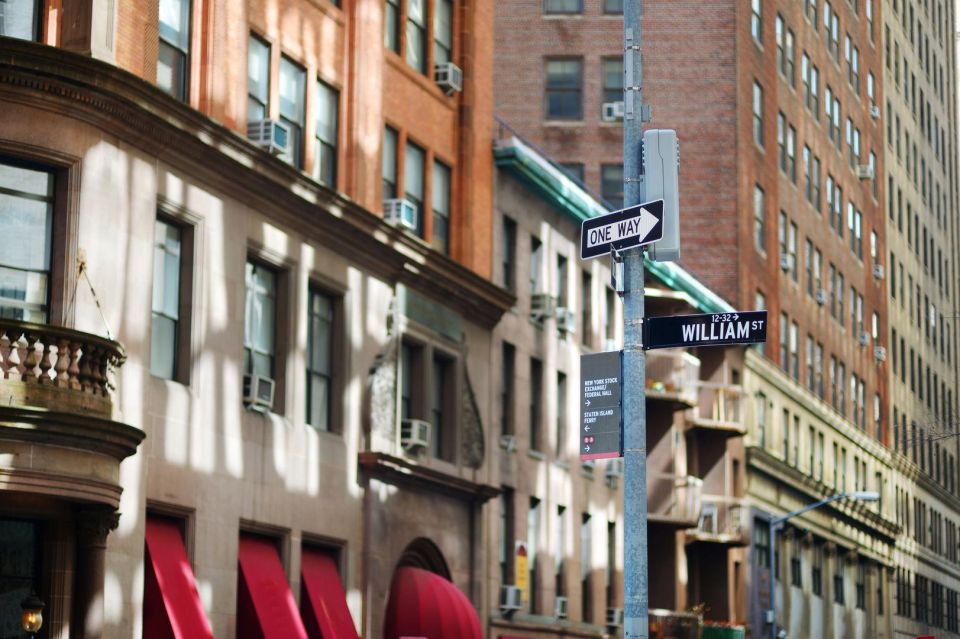
Visitors can also stroll along South William Street, which features distinctive Dutch-influenced buildings, and marvel at the transformation of Wall Street, once a modest path alongside a wooden defensive fence.
This immersive journey through Lower Manhattan offers a glimpse into New York’s Dutch colonial past.
Transformation of Wall Street
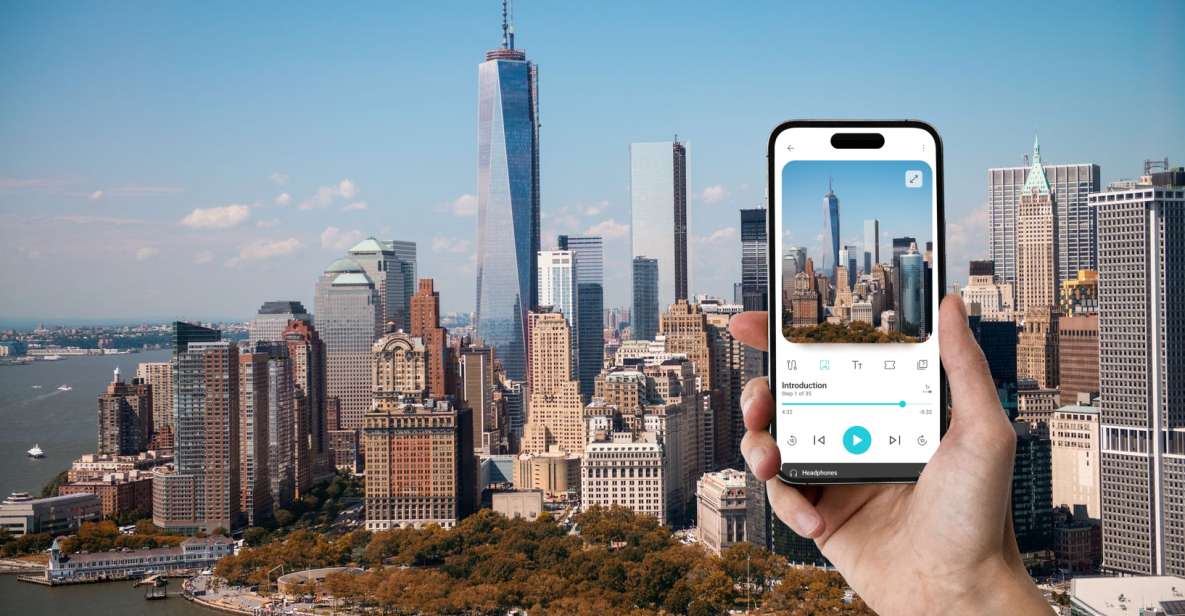
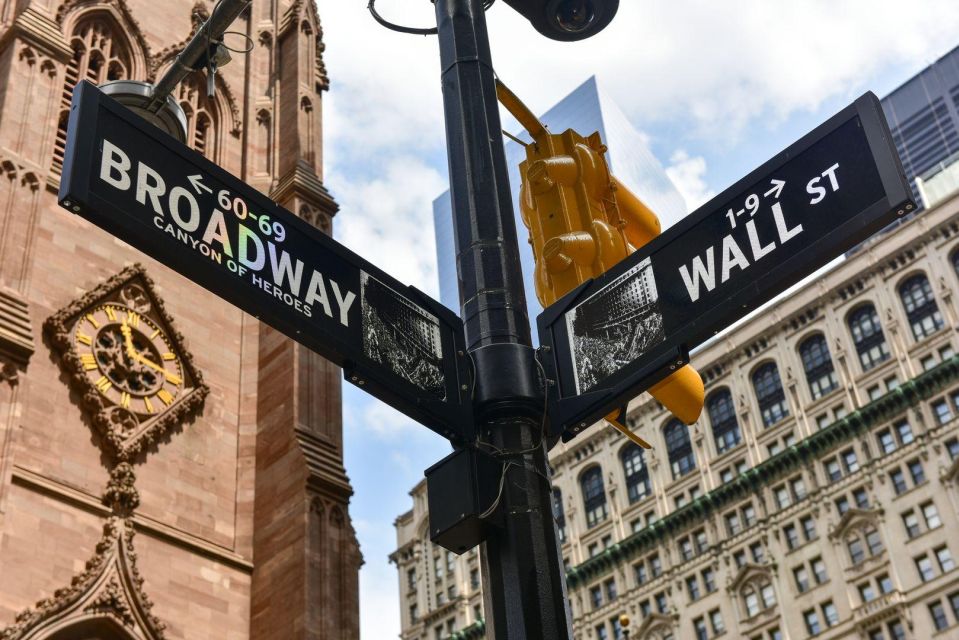
Wall Street’s journey from a modest path into New York’s financial epicenter reflects the dramatic transformation of Lower Manhattan’s landscape over the centuries. Once merely a boundary-marking wooden fence, this unassuming thoroughfare would eventually become the nerve center of America’s economy.
| Year | Key Development |
|---|---|
| 1653 | Wall Street established as a boundary wall |
| 1690s | Wall Street becomes a bustling commercial hub |
| 1789 | George Washington inaugurated as first U.S. President on Wall Street |
Today, Wall Street’s towering skyscrapers and bustling energy stand in stark contrast to its humble origins. This evolution embodies the resilience and entrepreneurial spirit that have defined Lower Manhattan for generations.
More Great Tours NearbyTrinity Church’s Prominence
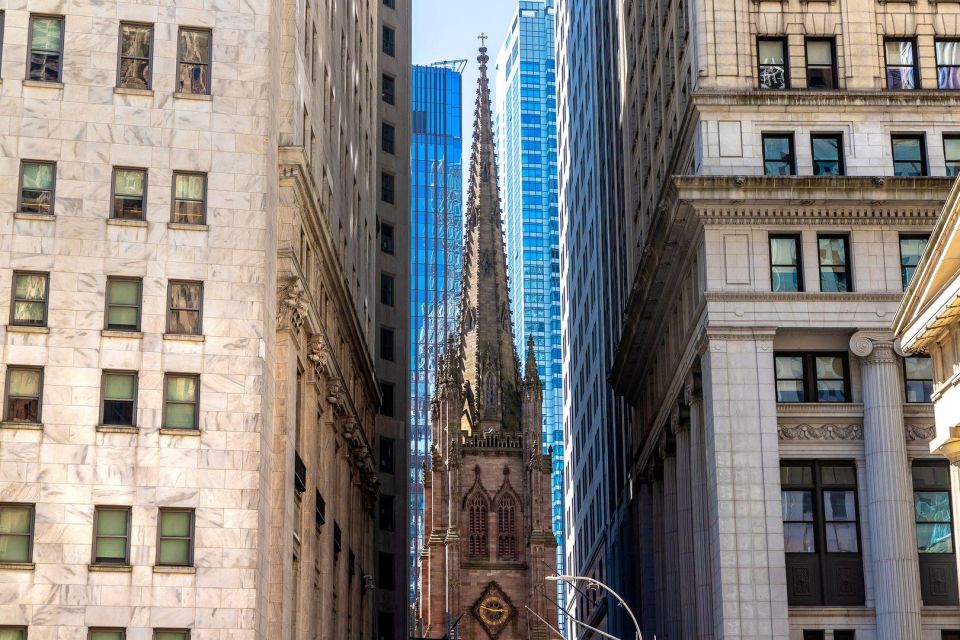
Trinity Church has long stood as a prominent landmark in Lower Manhattan, its towering spire a testament to the enduring influence of religion in the city’s history.
Built in 1698, the church was once the tallest building in New York, its 175-foot steeple dwarfing the modest surrounding structures.
Over the centuries, Trinity Church has played a central role in the community, serving as a gathering place for both religious and civic events.
Today, the church remains an iconic symbol of Lower Manhattan’s rich history, drawing visitors from around the world who come to admire its impressive architecture and learn about its pivotal place in the development of the city.
You can also read our reviews of more tours and experiences in New York City
- NYC Greenwich Village Self-Guided Walking Tour & Scavenger
- NYC: Soho, Chinatown and Little Italy Audio Tour (ENG)
- NYC: Central Park Exploration Game and Tour
- New York: Crimes & Ghosts Audio Tour on Your Phone (ENG)
- NYC Chinatown Little Italy Self-Guided Walking Tour & Hunt
- Romantic New York: Falling in Love Exploration Game
Broadway’s Native Roots

Broadway’s roots trace back to an ancient Native American thoroughfare that predated the Dutch colony, serving as a vital link for indigenous peoples long before the arrival of European settlers.
The famous street’s path follows the route of a centuries-old trail used by Native Americans to travel between settlements and trade.
When the Dutch established their colony of New Amsterdam in the 17th century, they recognized the strategic importance of this existing transportation corridor and incorporated it into the layout of their new city.
Today, Broadway remains a central artery of New York, its origins reflecting the deep history of the land upon which the modern metropolis was built.
Lasting Dutch Architectural Legacy
The Dutch colonists who settled New Amsterdam left an indelible mark on the architectural landscape of Lower Manhattan, with their distinct building styles and street patterns still evident today.
One of the most prominent examples is Pearl Street, which follows the historic riverfront of the original Dutch settlement. Fraunces Tavern, built in 1719, is the oldest surviving building in Lower Manhattan and a testament to the area’s Dutch heritage.
The step-gabled architecture along South William Street is another enduring feature of the Dutch colonial era. Even Wall Street, now synonymous with finance, began as a modest path alongside a wooden defensive fence during the Dutch colonial period.
Enduring Imprint of Dutch Heritage

New Amsterdam’s Dutch colonists left an indelible mark on the architectural landscape of Lower Manhattan, with their distinct building styles and street patterns still evident today.
Fraunces Tavern, the oldest surviving structure in the city, exemplifies the Dutch step-gabled architecture that can be seen along the charming cobblestone streets like Stone Street.
The layout of the original settlement, with Battery Park at its southern tip and Wall Street marking its northern boundary, reveals the strategic planning of the Dutch.
Even Broadway, the iconic street that cuts diagonally through the grid, has its origins in a Native American trail that the Dutch later adopted as their main thoroughfare.
Frequently Asked Questions

What Were the Original Dutch Land Acquisitions in New York?
The Dutch initially acquired a small area encompassing Battery Park to Wall Street when they established the colony of New Amsterdam in 1625. This early settlement laid the foundation for New York City’s development.
How Did the Dutch Influence the City’s Grid Layout?
The Dutch settlers who founded New York (originally New Amsterdam) laid out a grid system for streets, which formed the basic layout of Lower Manhattan. This grid pattern still influences the city’s urban design today.
What Role Did the Dutch West India Company Play in the Colony?
The Dutch West India Company established and governed the Dutch colony of New Amsterdam, overseeing the settlement’s growth and development. It played a crucial role in shaping the colony’s economic and political foundations during its formative years.
Were There Any Major Conflicts Between the Dutch and Native Americans?
The Dutch had some conflicts with Native Americans, such as the Kieft’s War in the 1640s. However, they also had periods of peaceful coexistence and trade. The relationship between the two groups was complex and evolved over time.
How Has the Dutch Heritage of New York Evolved Over Time?
The Dutch heritage of New York has evolved from the city’s founding as New Amsterdam to the present day. While early Dutch settlements left lasting architectural and geographic influences, the city has grown and transformed over centuries.
Recap
Lower Manhattan’s dynamic history has left an enduring imprint on the city.
Exploring this neighborhood reveals the lasting legacy of its Dutch colonial roots, from the architectural gems to the historic landmarks that continue to shape the vibrant urban landscape.
This audio tour offers an immersive journey through the rich past that has molded the character of one of New York’s most iconic districts.
You can check availability for your dates here:More Historical Tours in New York City
- NYC: Private Downtown Heritage Tour
- Central Park Pedicab Tour – Landmarks, History & Hidden Gems
- New York: A History of the Irish In NYC Guided Walking Tour
- Old New York: Financial District & Immigrant History Tour
- New York Grand Central Terminal: History & Hidden Secrets
- NYC: Speakeasy Drinks and Prohibition History Tour
More Tours in New York City
- NYC: The Downtown Experience Private Walking Tour
- Brooklyn Local Pizza and Beer Exclusive Small Group Tour
- Harlem New York Jazz Tour: Jammin Jazz Evening
- New York: Home Alone 2 and Elf Movie Locations Guided Tour
- Central Park Movie Locations Tour by Bike, E-Bike, or E-Scooter
- Pelé’s New York A Guided Tour of Soccer Legends Life
More Tour Reviews in New York City
Not for you? Here's more nearby things to do in New York City we have reviewed
- New York Aquarium Entry Ticket
- West Village Self Guided Puzzle Taylor Swift New York Secret
- The City Speaks: Languages & Slang of Lower East Side
- Best Bites of West Village
- New York Saturday Night Party with VIP Entry
- NYC: The Downtown Experience Private Walking Tour
- Flavors of Flushing: Eat Like A Real Chinese
- Brooklyn Local Pizza and Beer Exclusive Small Group Tour
- Harlem New York Jazz Tour: Jammin Jazz Evening
- New York: Pineapple Cake Baking Class
- New York: Home Alone 2 and Elf Movie Locations Guided Tour
- Central Park Movie Locations Tour by Bike, E-Bike, or E-Scooter