
Madrid’s Golden Age, spanning the 16th and 17th centuries, was a remarkable period of cultural and economic prosperity. The Manzanares River played a pivotal role, supporting agriculture, industry, and transportation that fueled the city’s grandeur. Iconic bridges like the Puente de Segovia and Puente del Rey emerged, reflecting Madrid’s architectural prowess. Today, visitors can stroll along the serene riverbanks, seeing the city’s rich history and vibrant legacy. But to truly uncover the significance of the Manzanares River, one must delve deeper into the stories that have unfolded along its banks over the centuries.
Good To Know
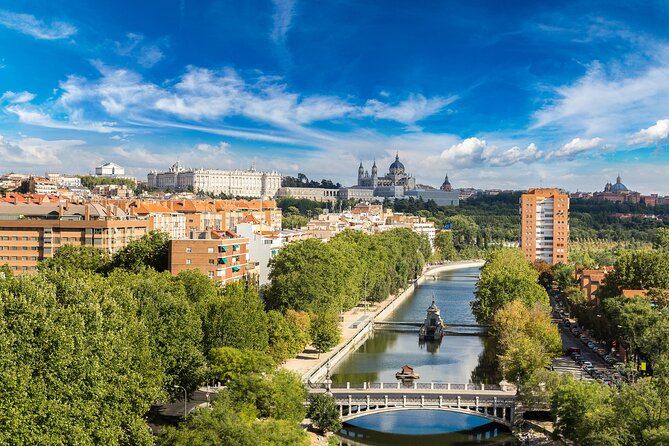
- Iconic 16th-century Puente de Segovia bridge showcases Madrid’s Renaissance and Baroque architectural heritage from the Golden Age.
- Matadero Centre, a former slaughterhouse, now houses cutting-edge arts and entertainment venues, reflecting Madrid’s cultural evolution.
- Manzanares River Promenade offers a peaceful respite and glimpses into the city’s rich history, including the elegant Puente del Rey.
- Madrid’s architectural gems, such as the Royal Palace and Basilica of San Miguel, exemplify the city’s architectural prowess during its Golden Age.
- The Manzanares River played a crucial role in Madrid’s development, serving as a source of water, transportation, and inspiration for artists and architects.
Exploring the Puente De Segovia
Typically, the tour begins at the Puente de Segovia, an iconic bridge that spans the Manzanares River in Madrid.
This 16th-century structure features a blend of Renaissance and Baroque architectural styles, making it a visually striking landmark. As visitors cross the bridge, they’ll be able to admire the intricate stonework and appreciate the strategic location along the river.
The Puente de Segovia served as an important transportation hub during Madrid’s Golden Age, connecting the city center to the western neighborhoods.
Today, it remains a popular gathering place for locals and travelers alike, offering panoramic views of the river and the surrounding historic buildings.
You can also read our reviews of more historical tours in Madrid
Discovering Matadero Centre
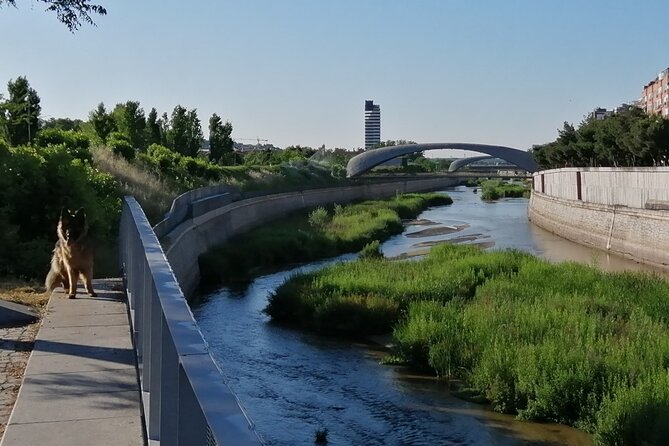
Departing the Puente de Segovia, visitors can make their way to the Matadero Centre, a former slaughterhouse that has been transformed into a vibrant cultural hub. This sprawling complex now houses a variety of arts and entertainment venues, offering a dynamic blend of contemporary and historical elements.
| Venue | Description |
|---|---|
| Naves del Español | A theater showcasing avant-garde productions |
| Central de Diseño | A design center featuring rotating exhibitions |
| CaixaForum Madrid | An acclaimed art gallery and cultural center |
| Las Naves | A multifunctional space for performances and workshops |
| Cineteca Madrid | An arthouse cinema screening indie and foreign films |
Exploring the Matadero Centre provides a unique glimpse into Madrid’s cultural renaissance, blending the city’s industrial past with its vibrant present.
Strolling Along the Manzanares
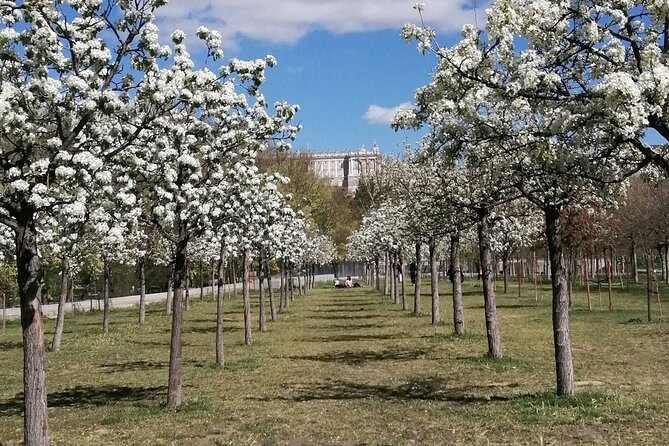
As visitors depart the vibrant Matadero Centre, they find themselves amidst the tranquil setting of the Manzanares River. The riverside promenade offers a delightful stroll, providing a peaceful respite from the city’s bustle.
Along the way, travelers can:
- Admire the graceful Puente del Rey, a historic bridge that spans the river.
- Observe the diverse array of bird species that thrive in the river’s lush ecosystem.
- Discover hidden gems, such as the charming Paseo de la Virgen del Puerto, a picturesque walkway along the riverbank.
The Manzanares River’s serene ambiance and rich history make it a must-visit destination for those seeking to enjoy Madrid’s Golden Age.
Admiring the Puente Del Rey
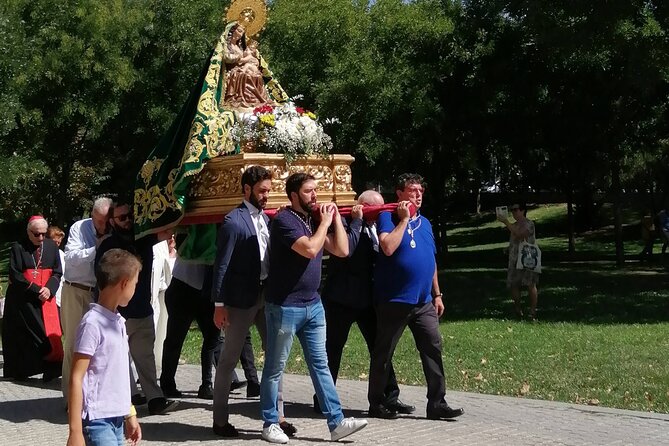
The graceful Puente del Rey is a historic bridge that spans the Manzanares River.
Constructed in the 18th century, this impressive structure features a symmetrical design with seven arches and decorative elements that reflect the grandeur of Madrid’s Golden Age.
As you stroll across the bridge, take in the stunning views of the river and the surrounding cityscape.
The Puente del Rey’s strategic location at the west end of the city center makes it a popular spot for both locals and visitors to admire the city’s architectural heritage.
Its elegant silhouette stands as a testament to Madrid’s rich history and enduring beauty.
Uncovering Madrid’s Architectural Gems
Exploring Madrid’s architectural marvels, visitors uncover a captivating blend of styles that have shaped the city’s skyline over the centuries.
From the grandeur of the Palacio Real to the ornate facades of Plaza Mayor, Madrid’s historic buildings showcase the architectural prowess of the Golden Age.
Notable highlights include:
- The neoclassical Royal Palace, a stunning example of 18th-century Spanish royal architecture.
- The Basilica of San Miguel, a Baroque masterpiece renowned for its intricate stone carvings and ornate interiors.
- The Plaza de la Villa, a charming square lined with 15th-century structures that exemplify the city’s medieval roots.
- Avila & Segovia Tour With Tickets to Monuments From Madrid
- Toledo Tour With Cathedral, Synagoge & St Tome Church From Madrid
- Corral De La Moreria Madrid Flamenco Show With Optional Dinner
- Three Cities in One Day: Segovia, Avila & Toledo From Madrid
- Madrid Tapas and Wine Tasting Tour
- Toledo and Segovia Full-Day Tour With an Optional Visit to Avila
Understanding the River’s Significance
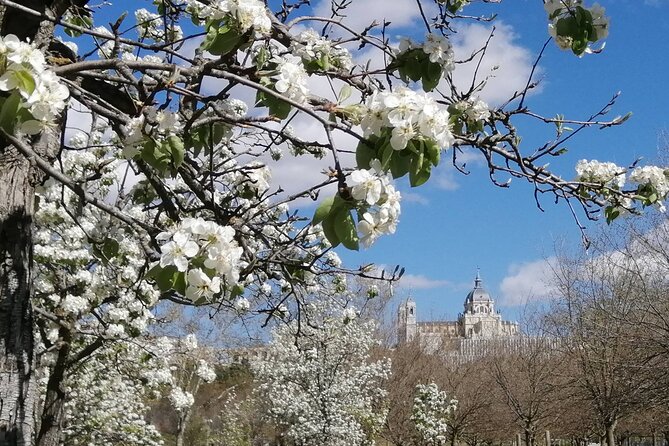
Flowing through the heart of Madrid, the Manzanares River has long held immense significance for the city’s inhabitants. The river has played a crucial role in the city’s development, serving as a source of water, transportation, and recreational activities. On top of that, the river has inspired artists, poets, and architects, who have captured its beauty and significance in their works.
| Significance of the Manzanares River | ||
|---|---|---|
| Water Source | Transportation | Recreation |
| The river provided a reliable source of water for the city’s residents, supporting agriculture and industry. | The river was used for transportation, facilitating the movement of goods and people throughout the region. | The river’s banks have long been a popular destination for leisure activities, such as strolling, picnicking, and water sports. |
Practical Considerations for the Tour
When planning your tour along the Manzanares River, consider the starting and ending points provided. The tour begins at the Puente de Segovia or the Matadero Centre, and concludes at the Puente del Rey.
This self-guided GPS tour offers several practical benefits:
-
Unlimited, lifetime access to the tour, allowing you to explore at your own pace.
-
Offline access to audio, maps, and geodata, ensuring a smooth experience even without an internet connection.
-
The virtual playback option, enabling you to listen to the tour like an audiobook.
The Sum Up
Madrid’s Golden Age lives on along the Manzanares River. Visitors can stroll the serene riverbanks, admiring architectural marvels like the Puente de Segovia and Puente del Rey. By exploring the Matadero Centre and uncovering the river’s significance, travelers gain insight into the city’s rich cultural and economic history. The Manzanares continues to inspire and captivate, offering a glimpse into Madrid’s glorious past.
More Historical Tours in Madrid
- Madrid In A Day Guided Tour with Palace, Historic Center & Prado
- Madrid Heritage: Old Town Walking & Royal Palace Small Group
- PRIVATE VIP tour: Madrid Haunted history, Inquisition & Legends
- Madrid Tapas & Taverns Small Group Food & History Tour
- Avila and Salamanca a day between history and walls from Madrid
- Private Tour with Tuk Tuk Zero Historic Heart and Great Way 1h
More Tour Reviews in Madrid
- Inquisition, The Executioner, Witches, Expulsion Jews and Muslims
- Madrid River Segway Tour (Excellence since 2014)
- Segovia Tour with Cathedral and Alcazar from Madrid
- 2 Hours Private Tuk tuk Tour in Madrid
- Afternoon Tapas Cooking Class in a Secret Venue in Madrid
- Guided tour on a Vintage Bike through Madrid
Not for you? Here's more nearby things to do in Madrid we have reviewed
- Inquisition, The Executioner, Witches, Expulsion Jews and Muslims
- Madrid River Segway Tour (Excellence since 2014)
- Segovia Tour with Cathedral and Alcazar from Madrid
- 2 Hours Private Tuk tuk Tour in Madrid
- Afternoon Tapas Cooking Class in a Secret Venue in Madrid
- Guided tour on a Vintage Bike through Madrid
- Visit Cuenca and a Vineyard in Spanish Tuscany from Madrid
- Small Group Tour of the Austrias in Madrid
- Real Madrid: Bernabeu Stadium Self-Guided Tour and Wine tasting
- Half-Day Soulful Madrid Private Guided Tour
- Tour of the Royal Collections of Madrid small group and skip the line
- Madrid Wineries Private Tour with Hotel Pickup and Lunch