
Visiting Mauthausen Concentration Camp from Vienna offers a sobering yet essential historical experience. The day trip allows travelers to explore the former Nazi death camp, learning firsthand about its grim past and the horrors endured by its prisoners. Through guided tours, visitors can uncover the chilling realities that unfolded within the camp’s walls, from the brutality of the Stairs of Death to the dehumanizing conditions in the prisoners’ barracks. This immersive journey not only educates but also serves as a powerful reminder of the importance of protecting human rights and preventing such atrocities from occurring again.
Key Points
-
Roundtrip transportation from Vienna to the Mauthausen Memorial and Museum, including admission, guided tours, and access to significant sites.
-
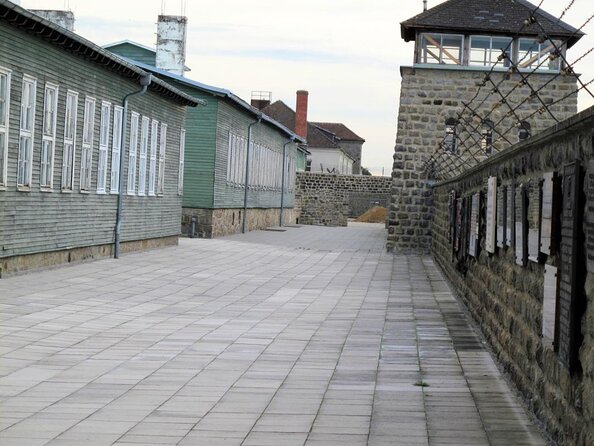
Immersive exploration of the Mauthausen Memorial, offering a powerful and somber journey through the camp’s dark history and preserved structures.
-
Visiting the Wiener-Graben quarry and the infamous Stairs of Death, which serve as haunting reminders of the Nazis’ brutal exploitation of prisoner labor.
-
Engaging with the Mauthausen Museum’s exhibits, artifacts, and personal accounts to gain a deeper understanding of the camp’s role in the Holocaust.
-
An educational and emotional experience that highlights the profound inhumanity perpetuated at Mauthausen and the importance of remembering this dark chapter of history.
Overview of Mauthausen Concentration Camp
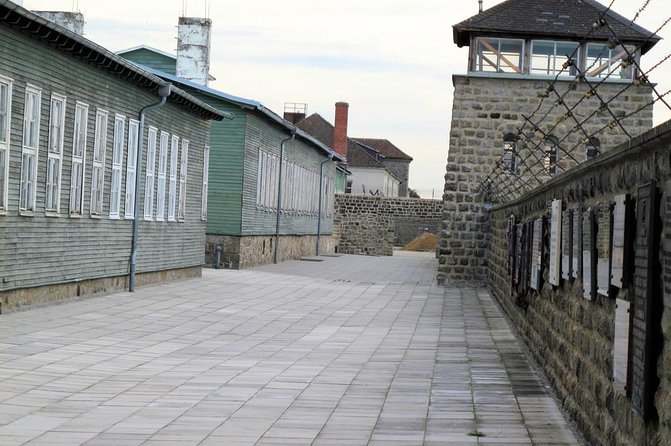
Mauthausen Concentration Camp stands as a stark reminder of the horrors perpetuated by the Nazi regime during World War II, offering visitors a somber and impactful experience.
This former camp provides a clear view of the atrocities committed under Hitler’s rule. The included audio guide offers historical background at each significant site, guiding visitors through the camp’s harrowing history.
From the Mauthausen Memorial building to the Wiener-Graben quarry and the infamous Stairs of Death, the self-guided tour allows guests to explore the grounds and gain a deeper understanding of the immense suffering that occurred within these walls.
The Mauthausen Museum further illuminates the camp’s role in the Nazi’s systematic persecution and murder of millions.
You can also read our reviews of more tours and experiences in Vienna
Experiencing the Tour’s Key Sites
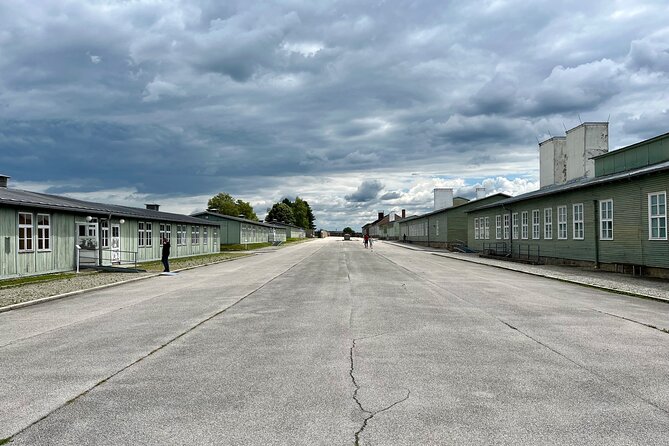
The tour takes visitors on a powerful journey through several key sites within the former camp, each offering a profound glimpse into the atrocities carried out at Mauthausen. At the Mauthausen Memorial building, the audio guide provides historical context, while the prisoners’ barracks and the chilling "Stairs of Death" bear witness to the dehumanizing conditions inmates endured. The Wiener-Graben quarry, where prisoners performed backbreaking labor, and the gas chamber serve as reminders of the brutality of the Nazi regime. The tour culminates at the Mauthausen Museum, where artifacts and exhibits further illuminate this dark chapter of history.
| Site | Description |
|---|---|
| Mauthausen Memorial | Provides historical context via audio guide |
| Wiener-Graben Quarry | Site of brutal prisoner labor |
| Gas Chamber | Grim reminder of Nazi atrocities |
Roundtrip Transportation and Inclusions
The day trip from Vienna to Mauthausen includes roundtrip transport for a seamless and convenient experience, allowing visitors to focus on the powerful exploration of the former concentration camp.
The tour package covers all the necessary logistics, so you don’t have to worry about the details.
Key inclusions are:
- Roundtrip transportation from Vienna to the Mauthausen Memorial
- Admission to the Mauthausen Memorial and Museum
- Access to the Wiener-Graben quarry and the infamous Stairs of Death
- An English-speaking tour escort to provide historical context and guidance throughout the visit
With these comprehensive arrangements, you can fully learn about the sobering yet essential experience of learning about the atrocities that occurred at this infamous site.
Exploring Mauthausen Memorial and Museum
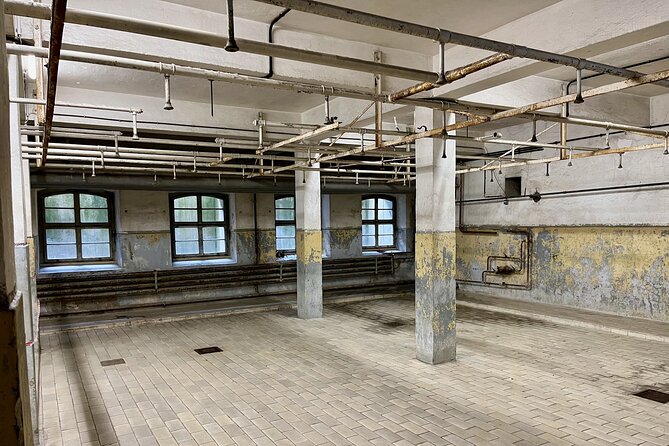
Visitors embark on a somber journey through the Memorial and Museum, where chilling exhibits and preserved structures vividly convey the horrors of Mauthausen’s past.
They explore the prisoners’ barracks, the haunting gas chamber, and the infamous Stairs of Death, where inmates were forced to carry heavy stone blocks up the steep steps. The tour guide’s audio narration provides powerful historical context, bringing the site’s grim legacy to life.
At the museum, heartbreaking artifacts, photographs, and personal accounts offer a poignant glimpse into the lives shattered by the Nazi regime.
The Mauthausen Memorial stands as a sober reminder of the profound human toll exacted by the concentration camp system.
Prisoner Barracks and SS Quarters
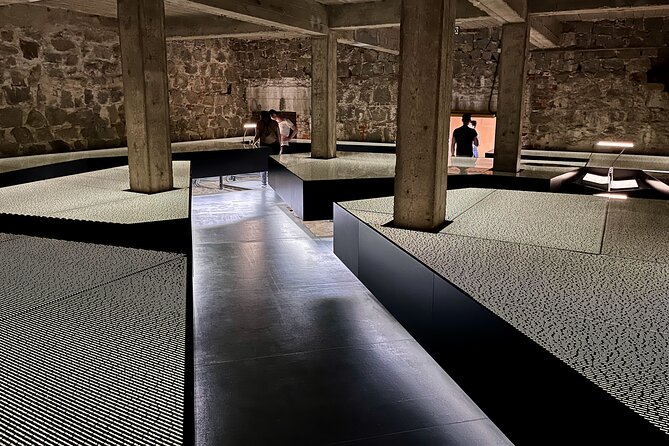
Beneath the austere exterior of Mauthausen’s prisoner barracks, a palpable sense of despair and dehumanization lingers. Inmates endured deplorable living conditions, crammed into overcrowded quarters with minimal amenities, a stark contrast to the relative comfort afforded to the camp’s SS guards in their own separate quarters.
These SS quarters, while modest by modern standards, were an oasis of comfort compared to the prisoners’ squalid accommodations.
The stark disparity serves as a chilling reminder of the stark power dynamics that defined life at Mauthausen:
- Dehumanizing living conditions for prisoners
- Comfortable accommodations for the SS guards
- A clear divide between the oppressed and the oppressors
- Vienna Classical Concert at St. Peter’s Church
- Highlights of Vienna City Center Walking Tour
- Vienna: Skip the Line Schönbrunn Palace and Gardens Guided Tour
- Concert in St. Annes Church Vienna: Mozart, Beethoven, Haydn and Schubert
- Viennas Highlights: Food, Coffee and Market Walking Experience
- Wachau Valley Wine Tasting Bike Tour From Vienna
Significance of the Wiener-Graben Quarry
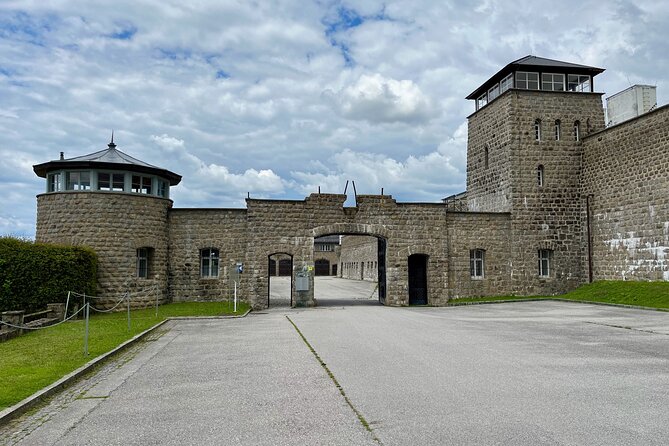
Within the somber confines of Mauthausen, the Wiener-Graben quarry stands as a grim testament to the prisoners’ unimaginable suffering.
Inmates were forced to haul heavy blocks of stone up the notorious ‘Stairs of Death‘ – a series of 186 steps carved into the rocky hillside – in a grueling display of the Nazis’ depraved exploitation of human labor.
This backbreaking task claimed countless lives, as the weakened prisoners collapsed from exhaustion and were either shot by guards or left to die on the harsh, unforgiving steps.
The quarry and stairs serve as a powerful and sobering reminder of the sheer brutality and inhumanity that defined the Mauthausen camp’s legacy.
Emotional Impact of the Stairs of Death
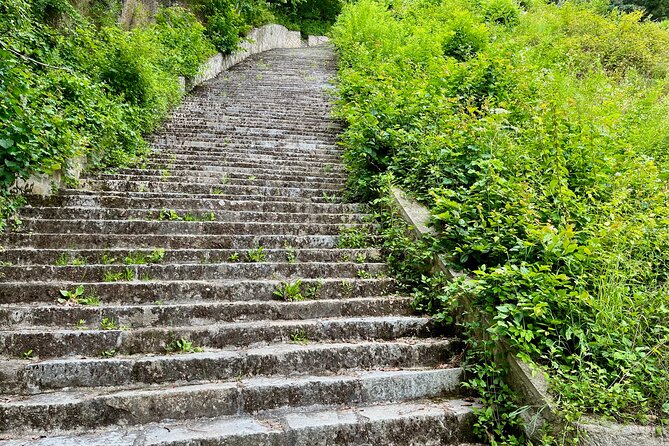
The Stairs of Death evoke a profound sense of unease and sorrow, as one contemplates the unfathomable suffering endured by the prisoners forced to ascend them.
Towering 186 steps up the steep granite quarry, this relentless climb was a brutal test of endurance, designed to break the will of the condemned. The sheer physicality of the ascent, coupled with the knowledge of its grim purpose, creates an overwhelming emotional impact.
The deafening echoes of shuffling feet and agonized cries that once filled these stairs.
The stark contrast between the imposing grandeur of the structure and the dehumanizing cruelty it represents.
The palpable feeling of despair and hopelessness that seems to linger in the air.
Mauthausen’s Lasting Historical Legacy
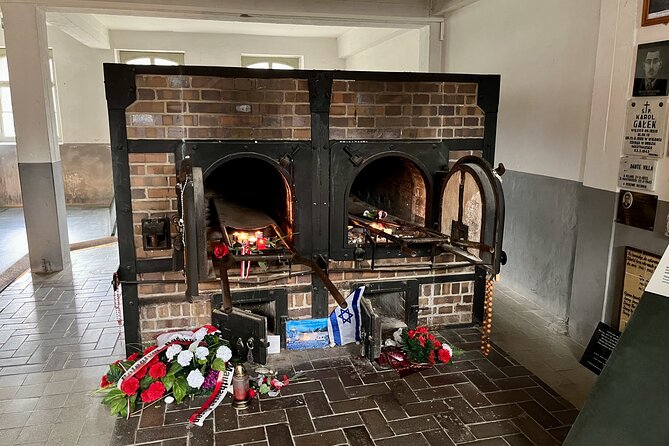
Mauthausen’s legacy as a symbol of the profound inhumanity perpetuated during the Holocaust continues to reverberate through the pages of history, serving as a sobering reminder of the dangers of unchecked authoritarianism and the importance of safeguarding human rights.
The camp’s horrors, meticulously documented and preserved, stand as a testament to the resilience of the human spirit in the face of unimaginable cruelty.
Today, Mauthausen remains a powerful educational resource, drawing visitors from around the world to bear witness to the past and recommit themselves to the fight against intolerance and oppression.
Through this painful chapter, the world has learned invaluable lessons about the consequences of unchecked hatred and the urgent need to uphold the principles of justice, equality, and human dignity.
Frequently Asked Questions
Are Children Permitted on the Tour?
Yes, children are permitted on the tour. The tour is family-friendly, though the subject matter may be upsetting for younger children. Parents should use their discretion when deciding if the tour is appropriate for their child.
Is the Tour Physically Demanding?
The tour can be physically demanding, as it involves walking several miles and climbing hundreds of stairs. Visitors should be prepared for an intense and emotionally draining experience that requires a moderate level of physical fitness.
Are Audio Guides Available in Other Languages?
The audio guides for the Mauthausen Memorial are available in multiple languages, including English, German, French, Spanish, and Italian. Visitors can choose the language that best suits their needs during the self-guided tour of the former concentration camp.
Can We Take Photos Inside the Camp?
Yes, visitors are generally allowed to take photos inside the Mauthausen Concentration Camp. However, it’s important to be respectful and avoid any inappropriate or insensitive behavior when capturing the solemn and somber atmosphere of the memorial site.
What Kind of Food Is Provided During the Tour?
This tour does not include any food or meals. Visitors are responsible for bringing their own food and snacks if they wish to eat during their self-guided visit to the solemn Mauthausen Concentration Camp memorial site.
Recap
Visiting Mauthausen Concentration Camp offers a profoundly moving and educational experience.
Guided tours take visitors through the camp’s harrowing history, immersing them in the grim realities faced by prisoners.
By bearing witness to the site’s tragic legacy, travelers can gain a deeper understanding of the horrors of the Nazi regime and be inspired to uphold human rights and prevent such atrocities from happening again.
More 1-Day Tours in Vienna
- Private day trip from Vienna to Melk & Dürnstein in English
- Private Day Trip to Hallstatt and Salzburg from Vienna
- Vienna: Budapest & Bratislava Two Capitals Day Trip
- From Vienna: Full Day Trip to Hallstatt and Salzkammergut
- Private Perfect One Day Guided Tour from Vienna to Hallstatt and Salzburg
- Private day trip from Vienna to Bratislava, and back
More Tour Reviews in Vienna
- Vienna: Wine Tasting Tour with Local Delicacies
- Vienna: Madame Tussauds Admission Ticket
- Explore Bratislava with a Local: Private Tour from Vienna
- Private day trip from Vienna to Melk & Dürnstein in English
- Grand Historical and Cultural Vienna City Tour
- Private Day Trip to Hallstatt and Salzburg from Vienna
Not for you? Here's more nearby things to do in Vienna we have reviewed
- Vienna: Wine Tasting Tour with Local Delicacies
- Vienna: Madame Tussauds Admission Ticket
- Explore Bratislava with a Local: Private Tour from Vienna
- Private day trip from Vienna to Melk & Dürnstein in English
- Grand Historical and Cultural Vienna City Tour
- Private Day Trip to Hallstatt and Salzburg from Vienna
- Vienna: Private Walking Tour with a Local
- Vienna Spanish Riding School Guided Tour
- Vienna: Carriage Ride Through Schönbrunn Palace Gardens
- Vienna: Tour with Private Guide
- Vienna: Customizable Private Bike Tour
- Vienna: Leopold Museum Skip-the-Line Entry Ticket