When visiting Colmar, the Unterlinden Museum is often on travelers’ must-see lists. Known for its legendary Altarpiece of Issenheim, this museum offers more than just one masterpiece; it’s a journey through nearly 7,000 years of art and history. As with many cultural sites, there’s a lot to love—and a few things to watch out for—so knowing what to expect can make your experience more rewarding.
We appreciate the diverse architecture—from a 13th-century convent to a modern extension designed by Herzog & de Meuron—and the way the museum connects past and present seamlessly. The chance to see world-class art in such a historic setting is truly special. On the downside, some visitors have noted the signage and wayfinding could be clearer, which is something to keep in mind if you prefer a smooth, guided experience. This museum suits those who enjoy a mix of art, architecture, and history, and who are prepared to spend a couple of hours exploring.
Key Points
 1 / 4
1 / 4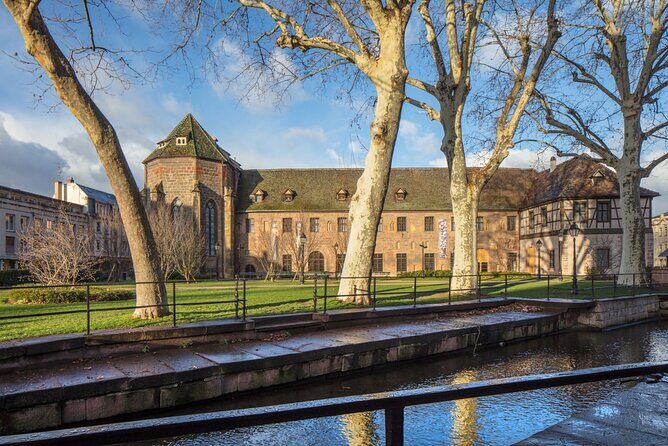 2 / 4
2 / 4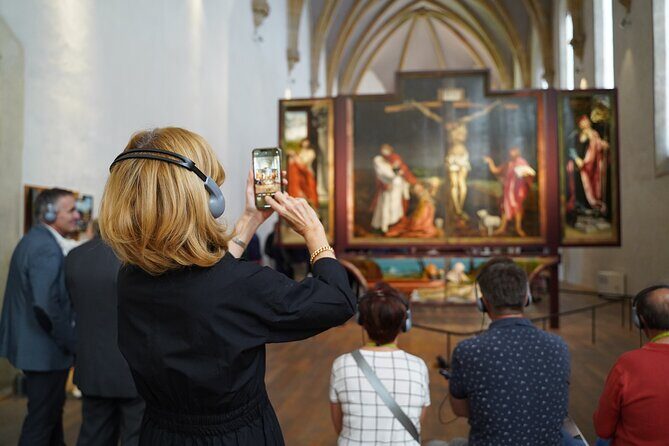 3 / 4
3 / 4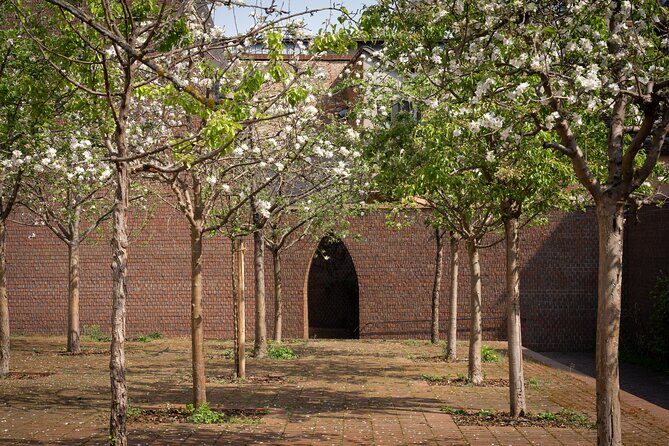 4 / 4
4 / 4- Architectural Variety: Combines a medieval convent, early 20th-century baths, and modern design.
- Masterpieces: Famous for the Altarpiece of Issenheim, along with works by Monet, Picasso, and Martin Schongauer.
- Tour Duration: Approximately 1 to 2 hours—perfect for a quick cultural fix.
- Pricing and Value: At around $16.76, it’s a reasonable investment for a broad, enriching art experience.
- Accessibility: Near public transportation and accessible for most visitors, with service animals allowed.
- Visitor Experience: Some reviews mention challenges with signage and guided navigation, but many praise the impressive collection and architecture.
An In-Depth Look at the Unterlinden Museum Experience
You can also read our reviews of more tours and experiences in Colmar


The Architectural Journey
One of the most striking features of the Unterlinden Museum is its architectural story. The building is a patchwork of styles that tells its own tale. The museum is housed in a 13th-century convent, with its cloister providing a peaceful, atmospheric start. This cloister enhances the contemplative feel as you step into history, with narrow stone corridors and vaulted ceilings that whisper centuries of stories.
From there, you’ll walk into the early 20th-century municipal baths, an Art Deco marvel that adds a different flavor to the visit. Completed in 1906, this part of the building offers a glimpse into how public space was viewed a hundred years ago—more about social life and wellness than just utility. In 2015, the museum received a modern extension designed by Herzog & de Meuron, giving the entire complex a contemporary edge that contrasts yet complements the older structures.
This architecture isn’t just a backdrop—it enhances the museum’s narrative, inviting visitors to see how space and art intermingle over centuries.
What You’ll Find Inside
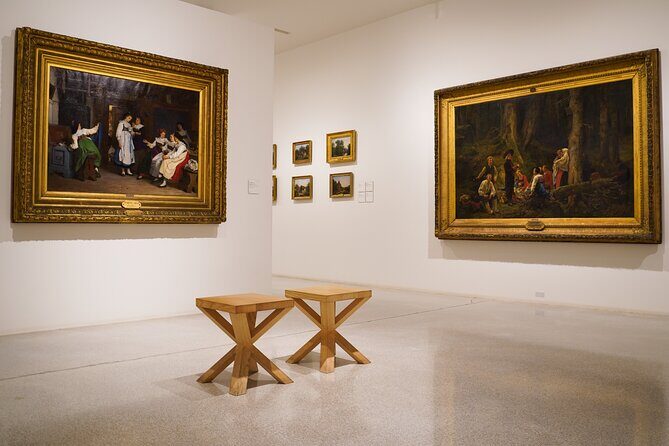
The collections span an astonishing 7000 years, from prehistory to contemporary art. This broad timeline means you’ll encounter prehistoric artifacts, medieval sculptures, Renaissance paintings, and modern pieces all within one visit.
The highlight for most visitors is the Altarpiece of Issenheim (1512-1516). It’s famously restored and regarded as a must-see art treasure. One reviewer commented, “We were told that the Issenheim Altarpiece was a must-see but we were not aware that it was restored so recently— a truly impressive restoration!” Seeing this masterpiece is like witnessing a slice of history and artistry in one glance.
Beyond the Issenheim Altarpiece, the museum holds works by Martin Schongauer, a master of engraving, Claude Monet, with his impressionist landscapes, and Pablo Picasso, whose works add a modern twist. The decorative arts, sculptures, and traditional arts also feature heavily, giving a well-rounded picture of the region’s cultural heritage.
The Visitor Experience: Pros and Cons
Visitors often comment positively on the scope and quality of the collection. One reviewer shared, “An excellent time in a museum with a wealth of incredible collections. Of course, there is the famous altarpiece but we discover many interesting objects, statues, paintings.”
However, some note that the signage and route navigation could be more intuitive. A reviewer mentioned that the signs were “illogical and poorly constructed,” and that the museum’s layout can be confusing without a guide. The audio guide is available at an extra cost ($3 per person), but some found it tricky to track and follow, especially with the existing signage.
The visitor service experience also varies; some found staff to be helpful, while others experienced a “cold welcome,” especially regarding accessibility for those with mobility difficulties. One particular review highlighted a challenging experience with a PMR card and the need to fight for a free companion, which suggests that some of the administrative aspects could be improved.
Practical Tips for Visiting
- Book in advance: The museum is popular, especially during peak seasons, and tickets are usually booked about 19 days out.
- Allow 1-2 hours: The visit can be tailored to your pace, but 1-2 hours is enough to see the highlights and soak in the atmosphere.
- Use the mobile ticket: It simplifies entry and saves time.
- Consider an audio guide: For an extra $3, it can enrich your experience, but be prepared for some navigation challenges.
- Plan your timing: The museum opens from 9:00 AM to 6:00 PM during the summer months, with last entry 30 minutes before closing.
- Accessibility: The museum is near public transportation and welcomes service animals, but check specific access arrangements if needed.
You can also read our reviews of more museum experiences in Colmar
- Visit of Choco-story COLMAR, the Chocolate Museum.
★ 4.0 · 117 reviews
Price and Value
At approximately $16.76 per person, the ticket price is reasonable considering the extensive collection and architectural beauty. The value lies not only in the artworks but also in the experience of walking through living history—medieval cloisters, Art Deco baths, and contemporary spaces all in one place.
Some reviewers felt that signage issues impacted the experience—making it feel a bit disorganized. But many still found that the quality of the collection and the building’s atmosphere made it worthwhile.
Who Is This Museum Best For?
This experience suits art lovers eager to see both classic and modern works in a historic setting. It’s also a great fit for those interested in architecture and history, given the building’s layered design. If you enjoy quiet, reflective visits and don’t mind some navigation puzzles, you’ll appreciate the museum’s depth.
However, if you prefer a guided, well-signposted experience or have mobility concerns, you might want to arrive prepared or consider visiting at a less busy time.
Final Thoughts
Visiting the Unterlinden Museum offers an inviting walk through centuries of art, architecture, and cultural tradition. Its highlight—the Altarpiece of Issenheim—alone makes it worth a visit, but the surrounding buildings add an extra layer of charm and context. For the price, you get a broad and engaging collection that can easily fill a couple of hours.
While some logistical aspects, like signage and staff interaction, could be improved, these caveats shouldn’t overshadow the overall experience. If you’re a traveler who appreciates art in historical settings and can navigate a slightly uneven layout, this museum provides a rich, rewarding visit in Colmar.
Museum Entrance Ticket Unterlinden
FAQ
Is the museum suitable for children?
Yes, children who enjoy art and history will find plenty to see, but be aware that some sections contain detailed artworks that might require adult guidance for younger visitors.
Can I buy tickets on-site?
Yes, tickets can be purchased on-site, including last-hour and family tickets, but booking in advance is recommended to avoid disappointment.
What is the best time to visit?
The museum is open from 9:00 AM to 6:00 PM during the summer months, with last entry 30 minutes before closing. Mornings are usually less crowded.
Are guided tours available?
The standard ticket includes only entry; guided tours are not mentioned but may be available separately. An optional audio guide costs about $3.
Is the museum wheelchair accessible?
Most travelers can participate, and service animals are allowed. However, some reviews mention challenges, so contacting the museum beforehand for specific assistance is wise.
How long should I plan for my visit?
A 1-2 hour visit is ideal for most, allowing time to see the highlights without feeling rushed.
Is there a place to buy souvenirs or snacks?
The available information does not specify facilities for food or souvenirs, so plan accordingly.
What makes the architecture interesting?
The museum combines medieval and modern architecture, creating a unique environment that celebrates different eras in design.
Can I combine this visit with other activities?
Yes. The museum’s location makes it convenient to explore other parts of Colmar, such as nearby historic districts or local restaurants.
Visiting the Unterlinden Museum is more than just viewing art; it’s about experiencing the layers of history, architecture, and culture that make Colmar such a charming destination. With a bit of preparation, it provides a deeply satisfying glimpse into the region’s artistic soul—worthy of a dedicated stop during your Alsace adventure.