
The Nazi occupation of Paris from 1940 to 1944 was a dark period marked by severe restrictions, curfews, and widespread suffering. Yet, the resilience of the French Resistance, alongside Allied forces, eventually led to the city’s liberation on August 25, 1944. This pivotal moment ignited joyous celebrations among Parisians, signaling the end of oppression and the restoration of freedom. While the occupation brought immense hardship, the liberation symbolized hope and resilience – a turning point that would lay the foundation for the city’s recovery and renewal in the years to come.
Good To Know
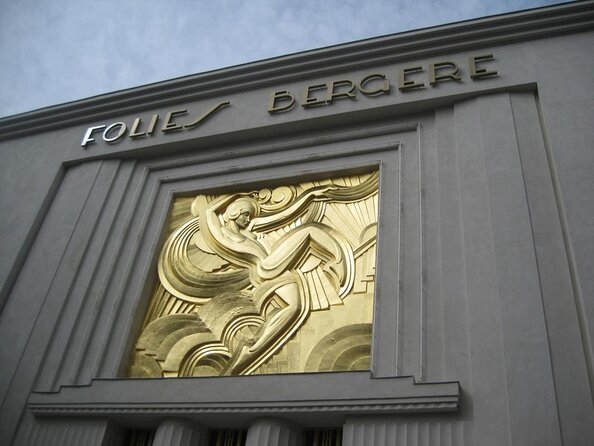
- During World War II, Nazi Germany occupied Paris for four years, imposing strict military rule and surveillance on the city’s residents.
- The French Resistance emerged, conducting acts of sabotage, intelligence gathering, and armed attacks to disrupt German control over Paris.
- In August 1944, Allied forces, including Free French forces under General Charles de Gaulle, launched a decisive counterattack to liberate Paris from Nazi occupation.
- The liberation of Paris on August 25, 1944, was celebrated by Parisians with joy and relief, marking a pivotal moment in World War II.
- The legacy of the occupation and liberation shaped Paris’s cultural and social landscape, symbolizing the city’s resilience and the triumph of the human spirit over adversity.
Historical Background
The occupation and subsequent liberation of Paris during World War II stand as pivotal events in the history of the city.
In 1940, Nazi Germany invaded and occupied France, taking control of Paris. For four years, the city endured German rule, with many Parisians resisting through the French Resistance.
On August 25, 1944, the city was liberated by Allied forces, led by General Charles de Gaulle. Jubilant crowds filled the streets, celebrating the end of the occupation.
The liberation of Paris marked a significant turning point in the war, boosting morale and serving as a symbol of the eventual Allied victory.
You can also read our reviews of more tours and experiences in Paris.
Occupation of Paris
During the dark years of the Nazi occupation, Paris endured a harsh German rule. The city was placed under military administration, with strict curfews, censorship, and rationing.
Parisians were forced to show identification papers and had their movements closely monitored. The Gestapo, the Nazi secret police, cracked down on any resistance, arresting and deporting thousands to concentration camps.
Despite the oppression, Parisians found creative ways to defy the occupiers, such as distributing underground newspapers and staging small acts of civil disobedience.
The occupation took a heavy toll on the city, but the people’s resilience and determination never faltered, setting the stage for the dramatic liberation to come.
Resistance Movements
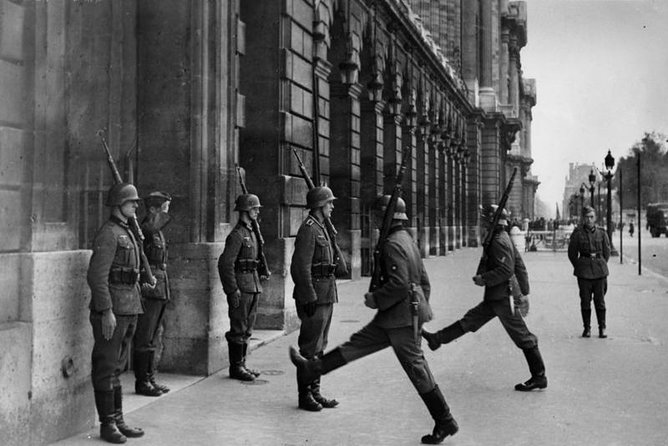
Amidst the dark years of occupation, Parisians courageously rose up against the German rule.
Resistance movements, such as the Francs-Tireurs and the Maquis, emerged to wage a guerrilla war against the Nazis. They carried out acts of sabotage, intelligence gathering, and armed attacks, disrupting the German occupation.
Led by brave individuals like Jean Moulin, these groups worked tirelessly to undermine the enemy’s grip on the city. Their actions inspired the wider French Resistance, eventually paving the way for the liberation of Paris in August 1944.
The resilience and fortitude of the Parisian resistance fighters played a crucial role in the city’s hard-won freedom from Nazi oppression.
Allied Counterattack
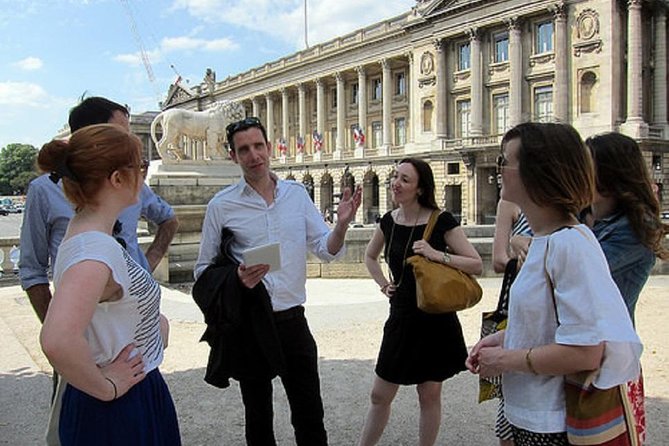
As the Parisian resistance fighters continued their courageous efforts, the Allies launched a decisive counterattack to liberate the city.
Led by General Dwight D. Eisenhower, the Allied forces converged on Paris from multiple directions, overwhelming the German occupiers.
The Free French forces, under the command of General Charles de Gaulle, played a crucial role in the operation, providing vital intelligence and coordination.
The fierce urban battles culminated in the liberation of the Champs-Élysées and the iconic Notre-Dame Cathedral.
The joyous Parisians welcomed the Allied soldiers as liberators, celebrating the end of the German occupation and the restoration of their beloved city’s freedom.
Liberation of Paris
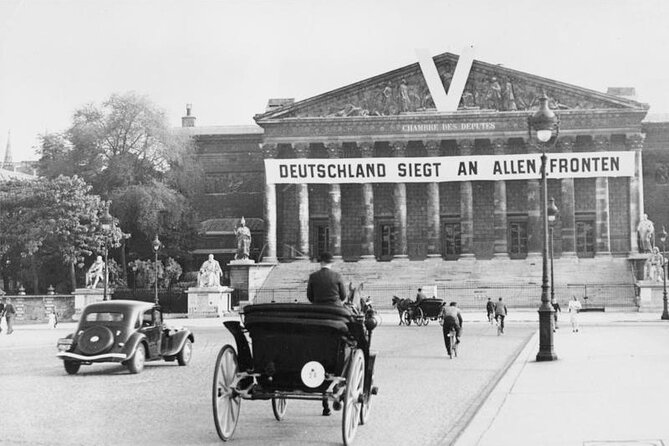
On August 25, 1944, the triumphant Allied forces, led by General Dwight D. Eisenhower, marched into Paris, liberating the city from Nazi occupation.
After years of German rule, Parisians poured into the streets, cheering and celebrating their freedom. The French Resistance played a crucial role, staging a citywide uprising that aided the Allied advance.
In the days that followed, the Allies solidified their control, restoring order and beginning the process of rebuilding.
The liberation of Paris was a pivotal moment, marking the decline of Nazi power and the path towards the end of World War II in Europe. It stood as a symbol of hope and resilience in the face of tyranny.
- Bateaux Parisiens Seine River Gourmet Lunch & Sightseeing Cruise
- Normandy D-Day Small-Group Day Trip With Omaha Beach, Cemetery & Cider Tasting
- Paris Top Sights Half Day Walking Tour With a Fun Guide
- Louvre Museum Semi-Private Guided Tour (Reserved Entry Included)
- Montmartre Hill French Gourmet Food and Wine Tasting Walking Tour
- Paris Montmartre Walking Tour Best Art Culture and Food
Key Figures
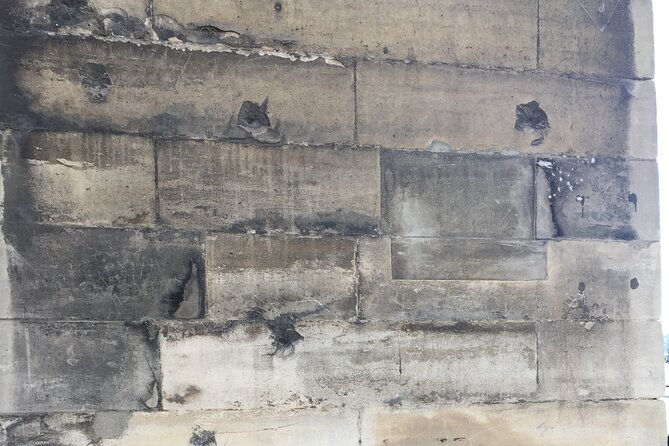
Spearheading the liberation of Paris were several key figures whose actions proved instrumental in the city’s triumph over Nazi occupation.
General Charles de Gaulle, leader of the Free French forces, led the resistance against German rule and triumphantly entered Paris on August 25, 1944.
Allied commander Dwight D. Eisenhower orchestrated the larger military strategy that enabled the liberation.
French Resistance fighters, often operating in secret, carried out daring acts of sabotage and intelligence-gathering to aid the Allied cause.
The heroic efforts of these individuals, from high-ranking military leaders to ordinary citizens, combined to deliver Paris from the grip of Nazi tyranny and restore the city to French sovereignty.
Impact on Parisians
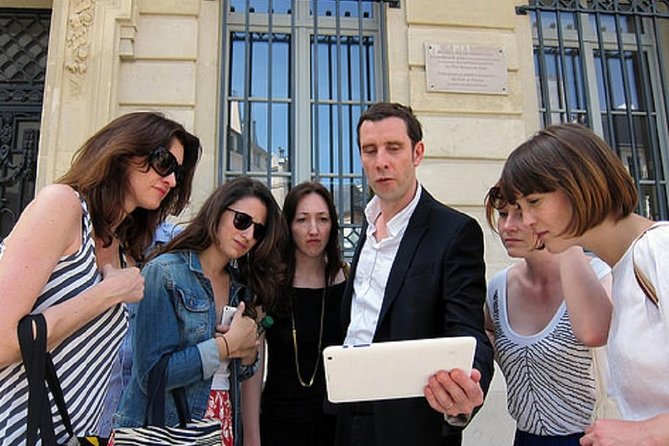
The liberation of Paris had a profound impact on its citizens, who’d endured nearly four years of Nazi occupation. Parisians celebrated with joyous fervor, dancing in the streets and waving the tricolor flag. Many had risked their lives in the Resistance, and now they reveled in their hard-won freedom.
Shopkeepers reopened their businesses, and people returned to cafes and markets, savoring a renewed sense of normalcy.
Yet the scars of occupation remained. Families grieved the loss of loved ones, while others grappled with the trauma of imprisonment and deprivation.
Nevertheless, the liberated Parisians looked to the future with hope, determined to rebuild their beloved city and reclaim its vibrant spirit.
Aftermath and Legacy
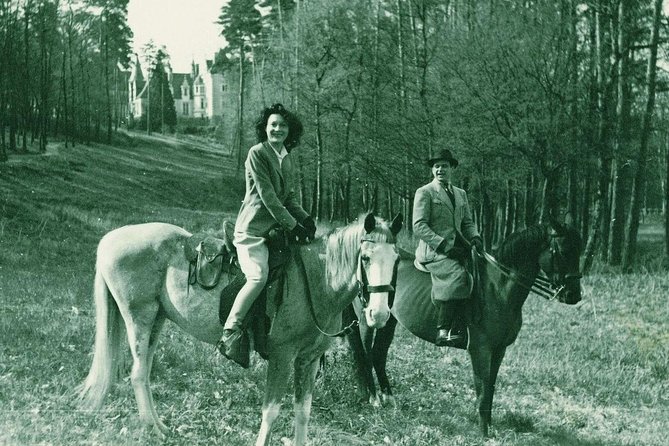
In the aftermath of Paris’s liberation, the city embarked on a profound journey of reconstruction and renewal. The task of rebuilding was daunting, as the city had suffered immense damage during the occupation and liberation.
However, Parisians displayed remarkable resilience, working tirelessly to restore their beloved city. The legacy of the occupation and liberation endures, shaping the cultural, political, and social fabric of Paris.
Today, the city stands as a testament to the triumph of the human spirit, a symbol of the indomitable will to overcome adversity. The scars of the past have given way to a renewed sense of purpose, as Paris continues to captivate the world with its timeless charm and resilience.
Frequently Asked Questions
Is the Tour Handicap Accessible?
The tour is handicap accessible. According to the details provided, the tour is wheelchair accessible and stroller accessible. It’s also located near public transportation with wheelchair-accessible surfaces.
Can I Bring My Service Animal on the Tour?
Yes, the tour is service animal friendly. According to the accessibility information, service animals are allowed on the tour, making it accessible for travelers with disabilities who require a service animal.
Is There a Refund Policy if I Need to Cancel?
The tour offers free cancellation up to 24 hours before the start of the experience, so customers can receive a full refund if they need to cancel their reservation. The flexible cancellation policy provides peace of mind for tour participants.
What Is the Maximum Group Size for the Tour?
The maximum group size for the tour is 12 travelers. According to the tour overview, the tour has a maximum of 12 travelers, allowing for an intimate and personalized experience.
Can I Pay for the Tour on the Day of the Experience?
No, you can’t pay for the tour on the day of the experience. The tour offers a "Reserve Now and Pay Later" option, allowing customers to reserve their spot first before making the payment.
The Sum Up
The liberation of Paris on August 25, 1944, marked a pivotal moment in the city’s history. After years of oppression under Nazi occupation, Parisians celebrated the restoration of freedom, which laid the foundation for the city’s recovery and renewal. The resilience of the French Resistance and the Allied forces had triumphed, symbolizing hope and resilience in the face of adversity.
More Tour Reviews in Paris
- Versailles Timed Entrance Ticket and Giverny Small Group Day Trip from Paris
- Entry Ticket to Basilica Cathedral of Saint Denise
- Explore Paris with A Comfortable Bike Tour Ride
- Saint Germain Walking Tour with Local Insights
- Tasting at Bubble Bliss Champagne Bar
- Eiffel Tower and Versailles Palace Tour With Private Transfers
Not for you? Here's more nearby things to do in Paris we have reviewed
- Versailles Timed Entrance Ticket and Giverny Small Group Day Trip from Paris
- Entry Ticket to Basilica Cathedral of Saint Denise
- Explore Paris with A Comfortable Bike Tour Ride
- Saint Germain Walking Tour with Local Insights
- Tasting at Bubble Bliss Champagne Bar
- Eiffel Tower and Versailles Palace Tour With Private Transfers
- Private tour of the Great Christmas of Vaux le Vicomte and Fontainebleau
- Paris Seine River Cruise with Commentary – Flexible Ticket
- Le Marais and Seine River Dinner Cruise with Hotel pick up in Paris- 6 Hrs
- Shopping day at La Vallée Village from Paris
- Private Transfer: Paris Airport CDG to Reims / Champagne by Van
- Louvre Entry Ticket with Audio Guide