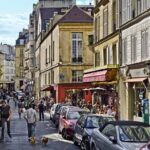
Paris, the City of Lights, has long been celebrated for its charm and allure. Yet, beneath the surface, the city grapples with a persistent crime crisis that casts a shadow over its iconic reputation. From notorious hotspots to dark alleys, the risks for visitors are real, as the city’s underbelly is marked by organized crime, drug trafficking, and a legacy of high-profile offenses. As law enforcement battles to ensure safety, the Parisian underworld remains a complex challenge, leaving one to wonder what lies ahead for this global destination.
Good To Know
 1 / 4
1 / 4 2 / 4
2 / 4 3 / 4
3 / 4 4 / 4
4 / 4-
Paris faces a persistent crime crisis, with high rates of petty crimes like pickpocketing and muggings, especially in transit hubs and certain neighborhoods.
-
Organized crime networks operate in the city, engaging in activities such as drug trafficking, human trafficking, and extortion, exploiting Paris’s dense population and tourism.
-
The city’s criminal history includes infamous cases like the Canot murders and the Seznec affair, captivating the public’s fascination with its dark underworld.
-
Law enforcement efforts to combat crime include visible patrols, intelligence-driven operations, and coordination with other agencies, though challenges persist in effectively addressing the multifaceted crime crisis.
-
Tourists are advised to remain vigilant, avoid displaying wealth, and secure their belongings when navigating potentially dangerous areas of Paris, particularly at night and in shadowy alleys.
Parisian Crime Hotspots
Despite Paris’s reputation as a romantic and picturesque city, it also grapples with its fair share of crime hotspots.
The metro stations, especially those in the northern and eastern suburbs, are notorious for pickpocketing and muggings. The Gare du Nord train station and the areas surrounding it, such as the Stalingrad neighborhood, are known for drug-related crimes and organized gangs.
The Châtelet-Les Halles complex, one of the largest metro hubs, is a hub for petty theft and scams targeting travelers. Visitors are advised to be extra vigilant in these areas and to keep a close eye on their belongings.
You can also read our reviews of more city tours in Paris



Dark Alleys and Shadows
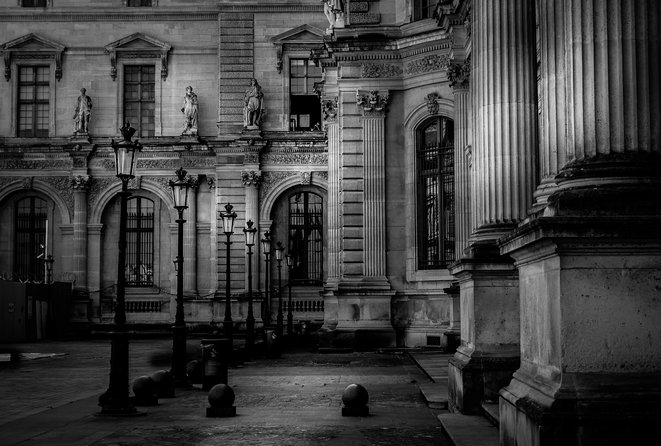
As night falls, the city’s darker corners come alive with a palpable sense of unease. Shadowy alleys, once bustling with activity, now harbor nefarious activities. Beneath the streetlights, the glint of knives and the whispers of illicit deals echo through the narrow passageways.
Tourists are cautioned to avoid these areas, as they risk becoming easy targets for pickpockets, muggers, and worse. Four key dangers lurk in the shadows:
- Muggings and robberies
- Pickpocketing and theft
- Violent confrontations
- Drug-related incidents
The city’s underbelly remains a constant challenge, with law enforcement working tirelessly to maintain order and safety in these treacherous environments.
Notorious Crimes of Paris
Paris has long been infamous for its notorious criminal activities that have captured the public’s imagination.
From the daring heists of the Sûreté Nationale to the grisly murders that shocked the city, Paris has a rich history of high-profile crimes. The Canot murders in the 1920s, the Landru serial killings in the 1910s, and the infamous Pigalle brothels are just a few examples of the city’s dark underbelly.
While the city has made strides in addressing these issues, the allure of Paris’s criminal past continues to captivate both residents and visitors alike.
The city’s reputation as a hub for illicit activities remains a significant part of its identity.
Unraveling Criminal Histories
Delving into Paris’s criminal histories, one uncovers a tapestry of captivating tales that have long enthralled both residents and visitors.
From the notorious exploits of infamous thief Eugène François Vidocq to the chilling Seznec affair, these accounts offer a glimpse into the city’s dark underbelly.
The allure lies in their complexity, with:
- Twisted plots that defy easy resolution.
- Colorful characters whose motives remain shrouded in mystery.
- Tangled webs of deceit, betrayal, and cover-ups.
- The enduring fascination with the human capacity for both good and evil.
As these chronicles are unraveled, they shed light on the evolving nature of crime and justice in the City of Light, captivating audiences with their timeless appeal.
Navigating Paris’s dangerous neighborhoods requires caution and situational awareness. Certain areas are known for higher crime rates, including theft, assault, and drug activity.
Visitors should avoid flaunting wealth, keep valuables secure, and remain alert, particularly at night. Public transportation is generally safe but can be targeted by pickpockets.
Tourists are advised to research crime hotspots and plan routes accordingly. While most interactions are uneventful, a degree of prudence is warranted.
- Paris: Arc De Triomphe Rooftop Tickets
★ 4.6 · 34,264 reviews - Paris: Orsay Museum Entry Ticket
★ 4.7 · 25,647 reviews - Paris: Evening River Cruise With Music
★ 4.4 · 22,721 reviews - Paris: Eiffel Tower Entry Ticket With Optional Summit Access
★ 4.4 · 20,035 reviews - Paris: Eiffel Tower Summit or Second Floor Access
★ 4.3 · 17,248 reviews - Paris: Louvre Reserved Access and Boat Cruise
★ 4.3 · 16,353 reviews
Policing the City of Lights
The city’s robust policing efforts aim to maintain order and safeguard its residents and visitors.
Patrols are conducted by the national police force, the Paris Police Prefecture, which oversees four key responsibilities:
- Visible patrols in high-traffic areas to deter criminal activity.
- Intelligence-driven operations to target organized crime and drug trafficking.
- Specialized units to handle public demonstrations and crowd control.
- Rapid response to emergency calls and coordination with other agencies.
While challenges persist, these multifaceted policing strategies work to ensure the City of Lights remains a safe destination for all.
Parisian Underworld Exposed
Beneath the picturesque facades of Paris’ historic neighborhoods, a shadowy underworld thrives. Organized crime syndicates, drug cartels, and human trafficking rings operate in the shadows, capitalizing on the city’s dense population and tourist appeal. From the notorious Pigalle district to the labyrinthine catacombs, dark secrets abound.
| Parisian Underworld Activities | ||||
|---|---|---|---|---|
| Drug Trafficking | Prostitution Rings | Extortion Schemes | Stolen Art Trafficking | Smuggling Operations |
| Cocaine | Human Trafficking | Protection Rackets | Priceless Paintings | Illegal Firearms |
| Heroin | Sex Slavery | Blackmail | Antique Artifacts | Exotic Animals |
| Synthetic Opioids | Brothels | Money Laundering | Rare Manuscripts | Counterfeit Goods |
| Cannabis | Escort Services | Racketeering | Stolen Luxury Items | Contraband Cigarettes |
Confronting the Crime Crisis
Parisians and authorities confront a daunting crime crisis as shadowy underworld elements continue to exploit the city’s lure.
Key challenges include:
-
Rampant petty crimes like pickpocketing and muggings that terrorize both residents and travelers.
-
Sophisticated organized crime networks engaging in drug trafficking, money laundering, and human exploitation.
-
Lack of effective coordination between law enforcement agencies to dismantle the criminal infrastructure.
-
Socioeconomic factors driving marginalized youth towards criminal activities.
Addressing this complex issue requires a multifaceted approach, integrating enhanced policing, targeted social programs, and strengthened international cooperation.
Restoring a sense of safety and justice remains a paramount concern as Paris grapples with the realities of its underworld.
Frequently Asked Questions
Is This Tour Safe for Solo Travelers?
The tour appears suitable for solo travelers, as it has a maximum of 25 participants and is guided. However, travelers should still exercise standard safety precautions when exploring any city, regardless of their tour group size or location.
What Are the Best Times to Avoid Crime During the Tour?
To avoid crime during the tour, it’s best to join the group at the start and stick with them throughout. Daytime hours are generally safer, and travelers should be aware of their surroundings and belongings at all times.
How Can Participants Protect Themselves From Pickpockets?
To protect against pickpockets, participants should keep valuables secure, be aware of their surroundings, and avoid flaunting expensive items. They should also stay close to the group and follow the guide’s safety instructions.
Does the Tour Include Any High-Risk Areas?
The tour route does not appear to include any high-risk areas based on the information provided. The meeting and end points are in central Paris, and the tour is operated by a reputable company with a good overall review rating.
Are There Any Special Precautions for Women on This Tour?
The tour does not appear to include any high-risk areas, but as with any urban tour, women should exercise standard precautions such as staying with the group, keeping belongings secure, and being aware of their surroundings.
Paris Crime City
The Sum Up
Despite its renowned charm, Paris grapples with a persistent crime crisis. Notorious hotspots and dark alleys harbor illicit activities, challenging law enforcement’s efforts to ensure safety. The city’s underworld is marked by organized crime and high-profile offenses, casting a shadow over its reputation as the City of Lights. Navigating the Parisian crime landscape requires vigilance, as the city confronts its complex criminal histories.