
The Stonewall riots in 1969 marked a pivotal turning point in the LGBTQIA+ civil rights movement. From this historic event, the Pride parade and other forms of activism emerged, challenging societal norms and pushing for greater visibility and acceptance. While remarkable progress has been made over the decades, the LGBTQIA+ community continues to face ongoing battles against discrimination and mental health challenges. Exploring the rich history and contemporary landscape of Pride in New York City provides invaluable insights into the resilience, contributions, and continued fight for equality within this vibrant community.
About Your Stay
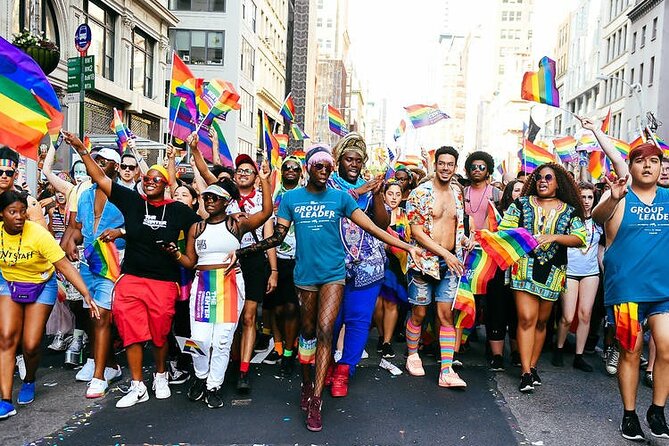
-
The Stonewall riots in 1969 marked a pivotal moment in the LGBTQIA+ rights movement, sparking the formation of pride marches and organizations.
-
Annual pride celebrations in NYC commemorate the Stonewall uprising and the ongoing fight for LGBTQIA+ equality, including legal milestones and increased representation.
-
LGBTQIA+ activists like Harvey Milk, Marsha P. Johnson, and Laverne Cox have been instrumental in promoting visibility, intersectionality, and societal acceptance.
-
The NYC Pride tour educates visitors on the historical significance of Stonewall and the evolution of the LGBTQIA+ community’s efforts for equality.
-
While progress has been made, the LGBTQIA+ community in NYC continues to face challenges like discrimination, lack of legal protections, and mental health disparities.
Historical Significance of Stonewall
The Stonewall Inn, a bar in New York City’s Greenwich Village, has gone down in history as the catalyst for the modern LGBTQIA rights movement.
On June 28, 1969, police raided the Stonewall Inn, a popular gathering place for the LGBTQIA community at the time. This sparked a series of spontaneous, violent demonstrations by bar patrons and other LGBTQIA individuals.
These protests, known as the Stonewall riots, were a major turning point in the fight for LGBTQIA equality. They inspired the creation of LGBTQIA pride marches and the rapid growth of LGBTQIA rights organizations across the United States and around the world.
You can also read our reviews of more tours and experiences in New York City.
Pioneering Pride Marches and Rallies
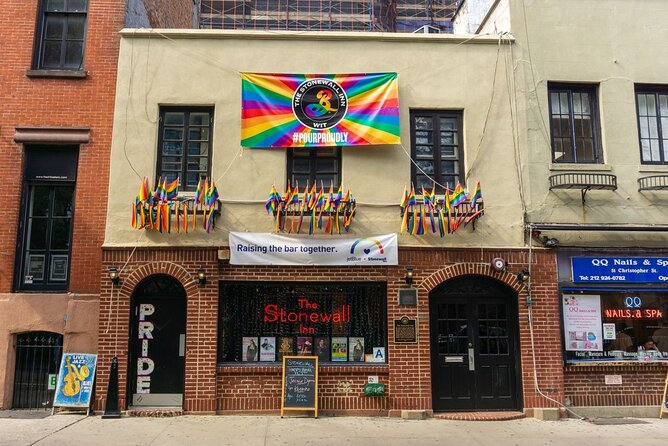
Following the Stonewall riots, the LGBTQIA community sprang into action, organizing the first pride marches and rallies to assert their rights and visibility.
The inaugural Pride March took place in June 1970, marking the one-year anniversary of the Stonewall uprising. Thousands marched through the streets of New York City, chanting slogans and carrying banners proclaiming their pride.
In the following years, pride events spread to other cities, becoming an annual tradition. These marches and rallies were vital in raising awareness, fostering a sense of community, and advocating for equal rights.
They continue to be powerful expressions of self-affirmation, resistance, and celebration within the LGBTQIA movement.
Trailblazing LGBTQIA+ Activists and Leaders
Countless trailblazing LGBTQIA+ activists and leaders have played pivotal roles in advancing equality, fostering community, and amplifying marginalized voices.
From Harvey Milk‘s pioneering advocacy to Marsha P. Johnson’s integral role in the Stonewall riots, these individuals have paved the way for greater visibility and acceptance.
Figures like Sylvia Rivera, Audre Lorde, and Larry Kramer have leveraged their platforms to champion intersectionality and fight against systemic oppression.
In recent years, activists like Laverne Cox, Lil Nas X, and Billy Porter have used their celebrity to challenge gender norms and inspire the next generation.
Through their tireless efforts, these leaders have left an indelible mark on the LGBTQIA+ civil rights movement.
Evolving Representation in Media and Arts
Representation in media and arts has evolved significantly over the past decades, reflecting the growing visibility and acceptance of the LGBTQIA+ community.
From breakthrough television shows and films featuring LGBTQIA+ characters and storylines, to the increasing presence of LGBTQIA+ artists and creators, the landscape has shifted dramatically.
Audiences now have access to a wider range of narratives and perspectives that challenge stereotypes and promote understanding.
While progress has been made, there’s still work to be done to ensure authentic and equitable representation.
The arts continue to play a vital role in amplifying LGBTQIA+ voices and fostering greater inclusivity and acceptance.
Legal Milestones for LGBTQIA+ Equality
The LGBTQIA+ community has achieved significant legal milestones in the fight for equality over the past several decades.
In 2015, the Supreme Court’s landmark Obergefell v. Hodges decision legalized same-sex marriage nationwide. This was a major victory, granting LGBTQIA+ couples the same legal rights and protections as heterosexual couples.
Plus, the Civil Rights Act of 1964 was expanded in 2020 to prohibit discrimination based on sexual orientation and gender identity. These legal advancements have helped protect the rights of LGBTQIA+ individuals in the workplace, housing, and public accommodations.
While progress has been made, the LGBTQIA+ community continues to advocate for further legal protections and societal acceptance.
- 4-Hour Public Sopranos Sites Bus Tour
- 4.5-Hour City Tour: Statue of Liberty, 9/11 Memorial, Wall Street
- 911 Ground Zero Tour & Museum Preferred Access
- 9/11 Memorial, Ground Zero Tour With Optional One World Observatory Ticket
- 9/11 Memorial, Ground Zero Tour With Optional 9/11 Museum Ticket
- 9/11 Memorial Museum Admission Ticket
Contemporary LGBTQIA+ Community Initiatives
Though the LGBTQIA+ community has achieved significant legal victories in recent years, members continue to advocate for greater societal inclusion and visibility.
Contemporary initiatives focus on:
- Increasing representation and portrayal of LGBTQIA+ individuals in media, arts, and public spaces
- Establishing community centers, support groups, and other resources to empower LGBTQIA+ youth
- Organizing pride parades, marches, and festivals to celebrate identity and demand equal rights
- Lobbying for policies that protect LGBTQIA+ individuals from discrimination in employment, housing, and healthcare
These efforts aim to create a more inclusive and affirming environment for all members of the LGBTQIA+ community in New York City and beyond.
Celebrating Progress and Ongoing Challenges
New York City’s Pride celebrations have long been at the forefront of the LGBTQIA+ movement, commemorating the historic Stonewall uprising and showcasing the community’s resilience.
The annual parade and related events celebrate the progress made in securing rights and visibility for LGBTQIA+ individuals. Yet, the fight for equality continues, as the community faces ongoing challenges, including discrimination, lack of legal protections, and high rates of homelessness and mental health issues.
The tour "Pride in NYC: Stonewall to Now" provides an insightful look at this complex history, empowering participants to engage with the community’s past, present, and future.
Through education and activism, the LGBTQIA+ community in New York City remains steadfast in its pursuit of justice and acceptance.
Questions About Your Stay
Can I Extend the Tour if I Have More Questions?
Yes, you can extend the tour if you have more questions. The tour guide is knowledgeable about the LGBTQIA history and encourages feedback. They’ll be happy to provide additional time to address your questions and ensure you have a fulfilling experience.
Are There Any Restroom Breaks During the Tour?
The tour includes scheduled restroom breaks throughout the experience. Travelers can feel free to let the guide know if they need an additional stop. The tour pace is designed to accommodate reasonable needs for breaks during the approximately 2-hour walking tour.
How Long Is the Walking Portion of the Tour?
The tour involves approximately 1 mile of walking over the course of 2 hours. Travelers can expect to be on their feet for the majority of the tour, which includes stops at several historic LGBTQIA sites in New York City.
Is Photography Allowed During the Tour?
Photography is allowed during the tour. The tour overview doesn’t explicitly state any restrictions on photography, so travelers are free to take photos throughout the experience as they wish.
Can I Bring My Own Water and Snacks?
Yes, travelers can bring their own water and snacks on the tour. The tour is approximately 2.5 hours long, so having personal refreshments is recommended to stay hydrated and energized during the experience.
Final Verdict On This Stay
The "Pride in NYC: Stonewall to Now" tour powerfully charts the decades-long evolution of LGBTQIA+ activism. From the pivotal Stonewall riots to landmark legal victories and vibrant community initiatives, the journey showcases the remarkable progress made. Yet, it also acknowledges the ongoing challenges of discrimination and mental health issues, underscoring the continued importance of advocacy and inclusivity to honor the resilience and contributions of LGBTQIA+ individuals.
More Tour Reviews in New York City
Not for you? Here's more nearby things to do in New York City we have reviewed
- Gilded Age Midtown with Asian Culinary Delights Walking Tour
- NYC: Holiday Lights Guided Bus Tour
- Private Classic Sailboat Tour in New York City
- From NYC: Boston and Harvard University Guided Day Tour
- New York City Times Square Photoshoot
- Private Midtown Manhattan Art and Architecture Walking Tour
- “The Met” Metropolitan Museum of Art Exclusive Guided Tour
- New York City: Flying Dress Photo Shoot
- Private Transfer from Manhattan Port to New York Airport (JFK)
- NYC: Rockefeller Center Tour with Optional Top of the Rock
- Discover Jackson Heights on foot: Little India, Colombia and Puebla York.
- West Side Story Movie Locations Private Tour in New York