
If you’re considering a trip to Istria County in Croatia, the Pula Arena often tops the list of must-see landmarks. This well-preserved Roman amphitheater, dating back nearly 2,000 years, offers a fascinating glimpse into ancient entertainment and architecture. We’ve gathered plenty of feedback from travelers to help you decide if this experience is worth your time and money.
What we particularly like about this tour? First, the access to the underground gladiator area and the permanent exhibition about olive and viticulture give you a multi-layered experience beyond just walking around the ruins. Second, the pre-paid ticket system means less time in queues and more time exploring this striking monument. However, a potential downside is that audio guides and actor photo opportunities are not included, which might limit storytelling for some visitors. Overall, it’s perfect for history buffs, culture lovers, or anyone wanting a meaningful break from Croatia’s busy beaches.
Who will love this experience?
If you’re curious about ancient Rome, enjoy open-air sites, or want a straightforward, budget-friendly entry to one of Croatia’s top attractions, this ticket fits the bill. It’s also a smart choice for travelers who prefer planning ahead and avoiding lines.
You can check availability for your dates here:Key Points
- Affordable Entry: The ticket costs just $12 per person, offering great value considering what you get.
- Self-guided Freedom: You’re free to wander at your own pace, with QR codes for additional info—no strict tour schedule.
- Underground Highlights: Access to the gladiator tunnels and museum provides a rare peek beneath the arena’s surface.
- Historical Significance: The arena is a superb example of Roman architecture and is still used today for concerts and festivals.
- Limited Extras: No included audio guide or actors, so you’ll need to bring your own headphones or do some reading.
- Accessibility: The site is mostly wheelchair accessible, except for the lower basement gallery.
You can also read our reviews of more tours and experiences in Pula Arena
Exploring the Pula Arena: What to Expect
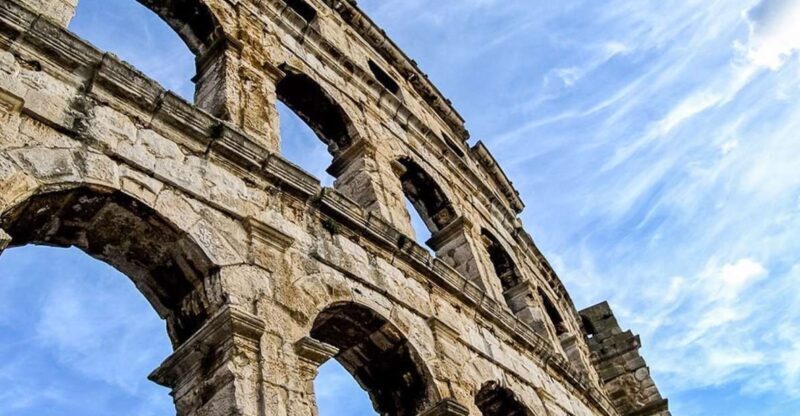
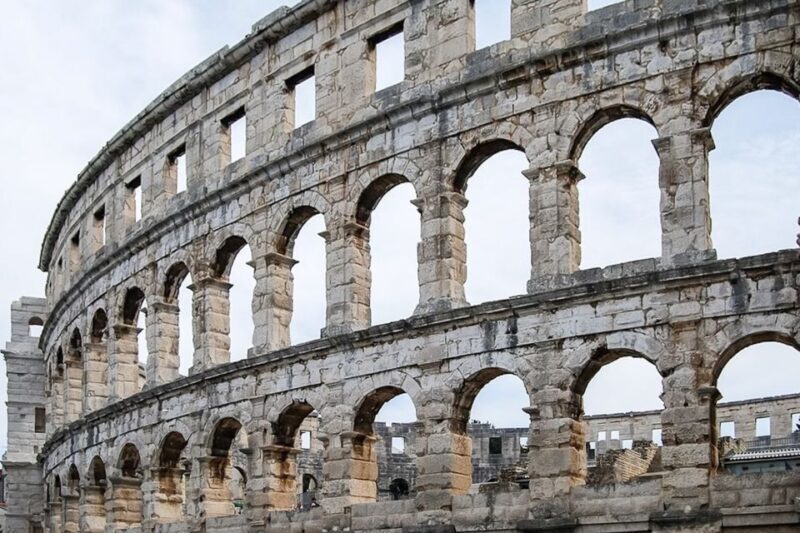
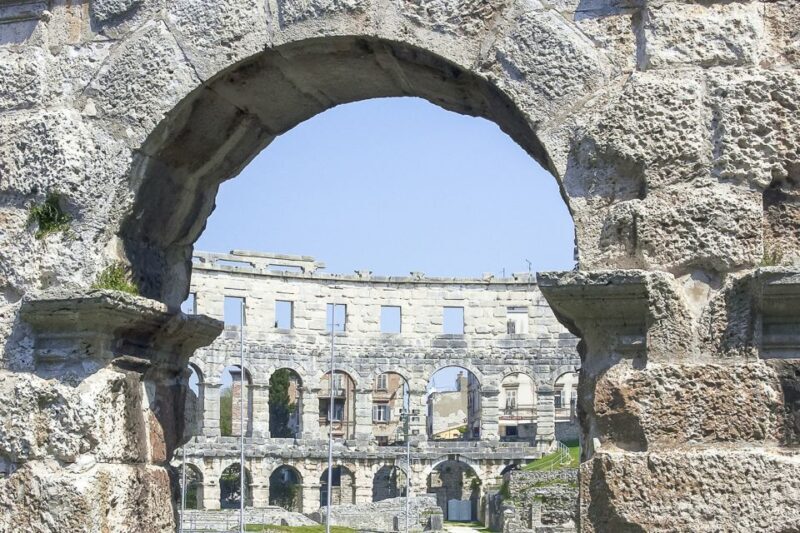
Walking into the Pula Arena, you’ll initially be struck by how well-preserved this Roman spectacle is. The arena’s massive, sweeping outer wall, built from limestone, still stands tall, showcasing the impressive engineering skills of ancient craftsmen. With a diameter of around 132 meters, it’s one of the six largest surviving Roman amphitheaters, and it’s easy to see why it’s a symbol of Pula.
The Entrance and First Impressions
Your visit starts at the main entrance, where you’ll exchange your pre-booked ticket (or QR code) for access. Many travelers appreciated the convenience of this system, often mentioning how it saved them from long lines. For instance, one reviewer noted, “We arrived early, and there was hardly anyone around, making for a peaceful start to the visit.” The quiet early morning is ideal for photography and soaking up the atmosphere without the crowds.
Self-Guided Tour Experience
Once inside, you’re encouraged to explore freely. Several scan points around the arena link to digital info, which you can access via your phone. This approach offers a flexible way to learn about the site’s history at your own pace. Some visitors mentioned, “The QR codes are a really good idea—you can listen to fascinating information right on your phone.” Still, a few pointed out that an actual guided tour or more detailed signage could enhance the experience.
More Great Tours NearbyThe Arena and Seating
Walking in the arena’s sand-covered central stage, you get an immediate sense of its original purpose: gladiatorial combat and public spectacles. The seats, tiered and made of stone, give you an idea of the seating capacity—some estimates suggest around 20,000 spectators—making it a true crowd-pleaser of its time. As one visitor said, “Standing in the arena with all the history of gladiators was unforgettable.”
Underground Exhibits and Gladiator Tunnels
Perhaps the most unique aspect, highlighted by many reviews, is the underground gladiator area. You’ll find a permanent exhibition titled “Istrian Olive and Viticulture in Antiquity”, where reproductions of tools used in oil and wine production are on display. Mills, presses, amphorae—these artifacts tell the story of daily life in Roman Pula and add historical depth to your visit. As one reviewer noted, “The underground area is full of original equipment used for olive oil and wine making, giving a real sense of the ancient economy.”
Access to the tunnels is limited but intriguing. You’ll pass through narrow, dimly lit corridors once used by gladiators, providing a tangible connection to the past. The experience here is especially valued by those interested in ancient logistics and entertainment.
The Amphitheater Today: Use and Preservation
The arena is not just a relic but a vibrant venue. During summer months, it hosts concerts, festivals, and reenactments of gladiator games—adding a lively, modern layer to your visit. Some travelers enjoyed experiencing the arena’s acoustics firsthand—”The sound test for a concert was amazing,” a visitor fondly recalls.
However, others mentioned that ongoing events, like a recent film festival or coming concerts, can temporarily alter the ambiance, with stages or equipment sometimes overshadowing the historic setting. Still, it’s encouraging to see such a historic site still alive with performances.
The Practical Side: Price, Accessibility, and Tips
For just $12, this ticket offers considerable value. It grants entry to both the main arena and underground exhibits, with optional QR extras for self-guided learning. Many reviews, like one noting “Very impressive and well preserved,” confirm that this price is reasonable for such an immersive experience.
Accessibility is mostly good, with the site being wheelchair friendly except for the lower basement gallery, which involves stairs. Travelers recommend arriving early, especially during summer, to avoid the heat and crowds—”It’s hot, so bring water and wear sun protection,” advises one reviewer.
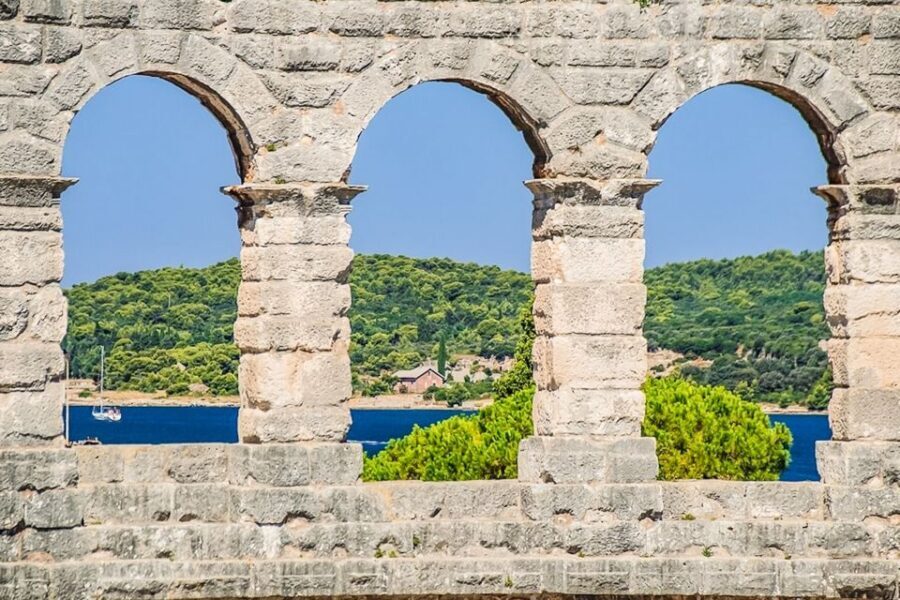
Many travelers appreciated the autonomy of their visit. One said, “You are free to roam the grounds at your leisure,” which makes this experience ideal for those who prefer to explore at their own pace. The absence of a guided tour wasn’t a deal-breaker for most, thanks to the digital QR codes and informative exhibits.
The underground museum and artifacts drew praise as well. “The underground part lasts about 90–120 minutes,” one user shared, providing ample time to examine relics and reflect on Roman life.
Several reviews highlighted how visiting early in the day or on less busy days makes for a more enjoyable experience. “Get there early for the quiet time,” suggested a visitor who appreciated the chance to stand alone in the arena.
Final Thoughts: Who Should Consider This Tour?
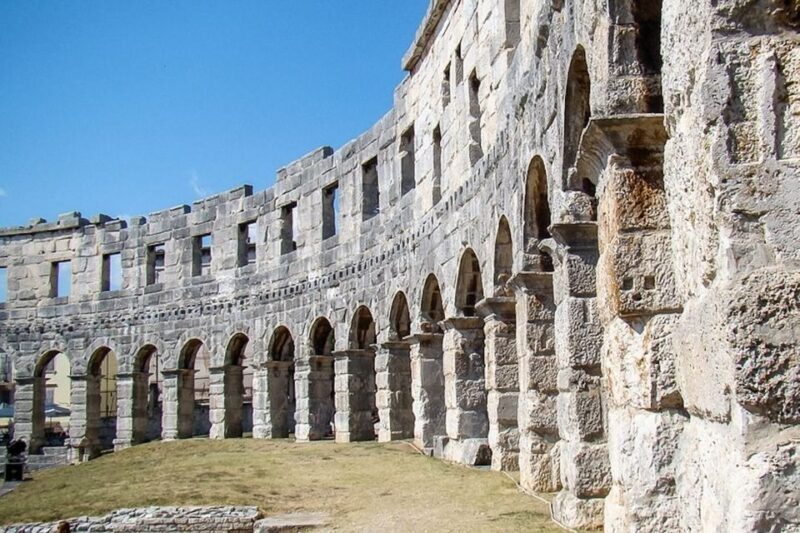
This ticket is a solid choice for those wanting affordable access to an iconic Roman landmark without paying extra for guided tours or extras. The self-guided QR system offers flexibility, making it suitable for independent travelers comfortable with using their phones for info.
History enthusiasts will love the underground tunnels and exhibits, while fans of architecture will admire the engineering marvels of the amphitheater. Its modern uses and ongoing preservation efforts also make it a lively, relevant site.
If you’re looking for a meaningful cultural experience that’s easy to navigate, offers good value, and offers a memorable setting—this ticket checks all those boxes. It’s perfect for those who enjoy outdoor exploration, learning about ancient civilizations, and soaking in stunning views—plus, it’s budget-friendly.
FAQ – Your Practical Questions Answered
Is the ticket only for the entrance, or are there additional costs?
The $12 ticket grants entry to the arena and underground exhibits. Extras like audio guides or actor photos are not included, but you can access additional info via QR codes on your phone.
Can I buy the ticket on the day of my visit?
Yes, you can purchase tickets at the entrance, but many travelers recommend booking online to skip queues and guarantee entry, especially in peak season.
Is the entire site wheelchair accessible?
Most of the arena is wheelchair friendly, except for the lower basement gallery, which involves stairs.
How long does the visit usually take?
Most visitors spend about 90 to 120 minutes exploring, including the underground museum. If you take your time and read all info, plan for around two hours.
Are there guided tours available?
This particular ticket is self-guided. However, QR codes provide plenty of information, and you can supplement your visit with external guides or apps.
What is the best time of day to visit?
Early mornings are ideal, especially in summer, to avoid the heat and crowds and enjoy a more peaceful experience.
Can I visit the underground tunnels?
Yes, you can access the underground gladiator tunnels, which are part of the underground exhibit.
Are there any ongoing events or performances?
The arena is still used for concerts and festivals in summer, which can temporarily alter the view but also add a lively atmosphere.
Is it worth paying extra for a guided experience?
If you prefer in-depth storytelling or a guided tour, additional options are available, but many reviews suggest the self-guided QR system is sufficient for a solid understanding.
Can I take photos inside the arena?
Yes, photography is generally permitted, allowing you to capture the stunning architecture and your own memories.
Final Words

The Pula Arena entrance ticket offers a compelling window into Roman history without breaking the bank. Its combination of well-preserved architecture, underground exhibits, and ongoing use as a cultural venue makes it a versatile stop. It works best for travelers who appreciate independent exploration, historic sites, and those who want a cost-effective yet immersive experience.
Whether you’re a history buff, an architecture lover, or someone simply looking for a memorable photo op, you’ll find plenty to enjoy here. Packed with authentic stories and stunning views, the arena’s atmosphere continues to resonate with visitors from all over the world.
This experience balances value, history, and modern-day vibrancy—a true highlight for any trip to Pula.
You can check availability for your dates here: