
In Bali, rice farming doesn’t just sustain the villagers; it embodies their culture and community spirit. This agricultural practice thrives within the traditional subak system, where families collaborate in planting and harvesting, reinforcing social ties and respecting the environment. The vibrant green terraces are more than just fields; they represent a way of life that weaves together ancient techniques and modern challenges. As the seasons change, so do the stories and traditions that emerge from these farms, leading to questions about the future of this vital practice in the face of globalization. What awaits these resilient communities?
Key Points
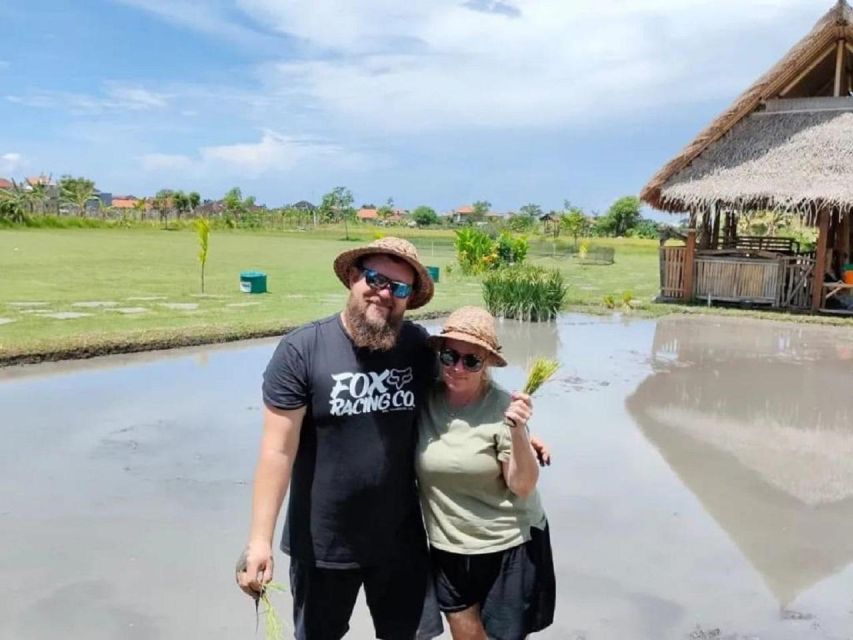
- Rice farming is central to Bali’s cultural heritage, symbolizing prosperity and community ties through shared agricultural practices.
- Traditional techniques like subak promote collaboration and environmental respect among village families during planting and harvesting.
- Community gatherings enhance social bonds, with villagers exchanging sustainable farming tips and participating in cultural rituals.
- Activities like offering-making and bamboo weaving deepen connections to Balinese customs and craftsmanship.
- Engaging in rice farming experiences fosters appreciation for Bali’s rich agricultural traditions and communal life.
Overview of Rice Farming
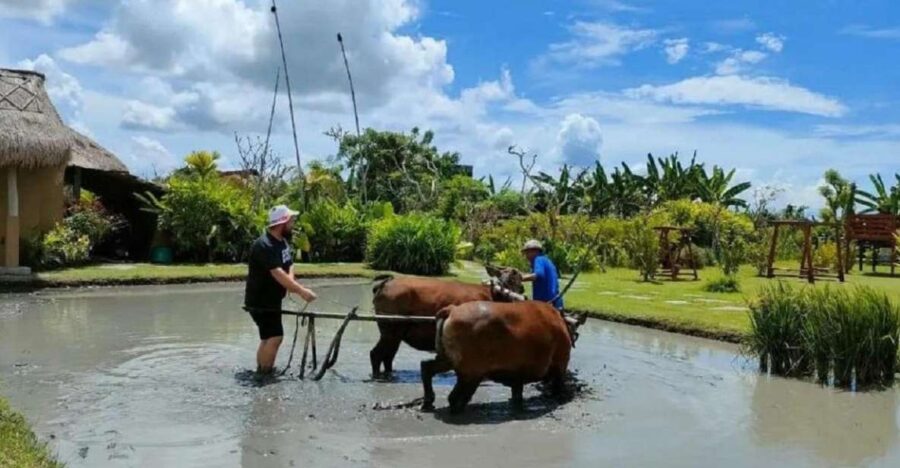
Rice farming in Bali isn’t just an agricultural practice; it’s a vital part of the island’s cultural heritage and community life. The lush green terraces, meticulously carved into the landscape, showcase the island’s dedication to rice cultivation, which has sustained families for generations.
Farmers utilize traditional techniques, like subak, a cooperative irrigation system that emphasizes communal effort and respect for the environment. This method ensures water management and fosters a sense of unity among the farmers.
Rice, often referred to as ‘the staff of life,’ holds immense significance in Balinese rituals and celebrations, symbolizing prosperity and abundance. Through planting, nurturing, and harvesting, the community strengthens its ties to the land and each other, making rice farming an essential aspect of Balinese identity.
You can also read our reviews of more tours and experiences in Indonesia
The Role of Community
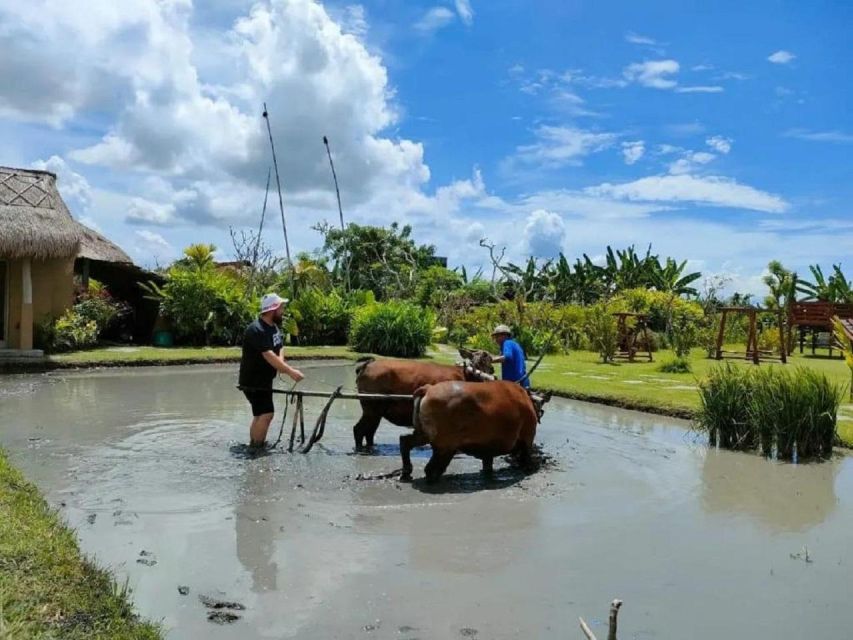
In Bali, community plays a crucial role in rice farming, as families often collaborate closely, sharing resources and knowledge to enhance their agricultural practices. This teamwork fosters a strong sense of belonging among villagers, as they engage in collective tasks like planting and harvesting.
By working together, they ensure that the workload is manageable and that each family contributes to the village’s overall success. Plus, community gatherings often accompany farming activities, reinforcing social bonds and cultural traditions.
Villagers exchange tips on pest control and crop rotation, ensuring sustainable practices thrive. This interconnectedness not only strengthens their agricultural output but also enriches daily life, making rice farming a vital part of Bali’s cultural fabric.
Traditional Farming Techniques
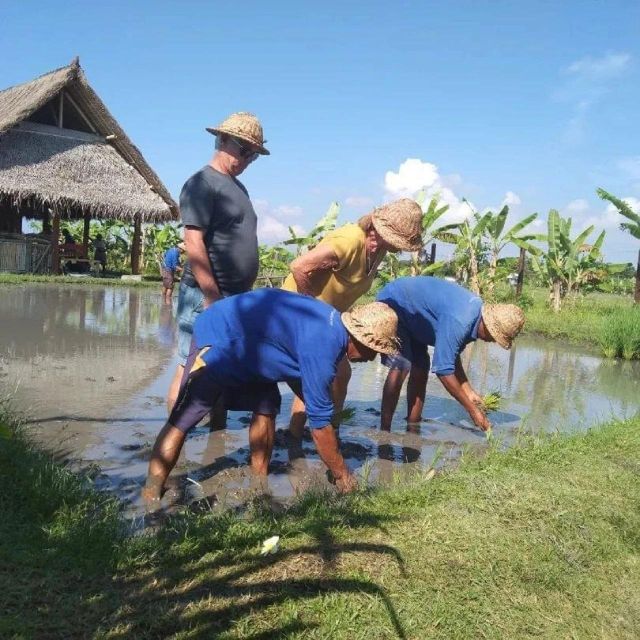
Villagers employ traditional farming techniques that have been passed down through generations, ensuring not only the sustainability of their crops but also the preservation of their cultural heritage.
They utilize organic fertilizers, often derived from local plants and animal waste, promoting healthy soil and biodiversity. Crop rotation plays a vital role in maintaining soil fertility, while the use of terraced fields maximizes water efficiency on Bali’s hillsides.
Farmers often practice a communal approach, working together during planting and harvest seasons, which strengthens community bonds. Plus, they incorporate rituals and offerings to honor the land and its spirits, reflecting their deep respect for nature.
These age-old methods highlight the villagers’ commitment to balancing agricultural productivity with environmental stewardship.
Cultural Activities in Bali
While exploring Bali’s vibrant culture, visitors can partake in various activities that showcase the island’s rich traditions and community spirit.
They can learn the art of making Balinese offerings, a deeply spiritual practice that reflects gratitude and respect. Participating in bamboo weaving, known as Klatkat, allows individuals to experience a unique craft passed down through generations.
Plus, visitors might engage in local ceremonies or traditional dance performances that highlight the island’s artistic heritage. These activities not only educate participants about Balinese customs but also foster connections with the community.
More Great Tours NearbyExperience Highlights
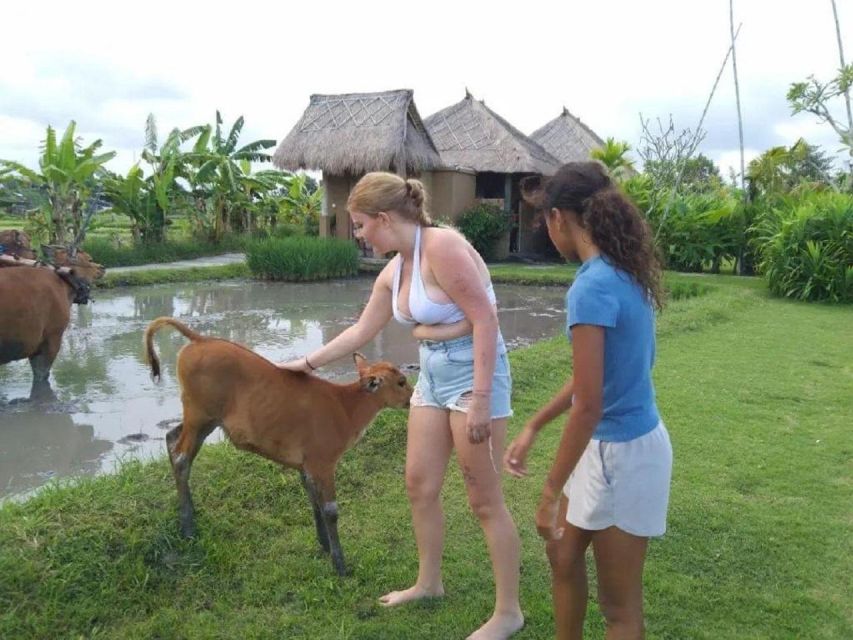
Participants can look forward to an immersive hands-on experience in rice farming and various village activities, truly connecting with Bali’s agricultural traditions. They’ll dive into traditional farming techniques, engaging directly in the planting and harvesting of rice.
This opportunity allows them to learn the art of making Balinese offerings and try their hand at bamboo weaving, known locally as Klatkat. Each activity provides a unique glimpse into the rich cultural tapestry of Bali’s village life.
As they interact with the local community, participants not only gain practical skills but also foster a deeper appreciation for the region’s heritage. This experience promises to be both educational and enriching, making it a memorable part of their Bali adventure.
Booking and Reservation Process
Booking a spot for the Rice Farming and Bali Village Life experience is simple and flexible, allowing travelers to secure their place without any upfront payment.
Interested participants can easily check availability for their desired starting times online. By reserving now and paying later, they don’t have to worry about immediate costs.
Plus, the cancellation policy is generous; travelers can cancel up to 24 hours in advance for a full refund, ensuring peace of mind.
Each booking is valid for three days, giving guests ample time to finalize their plans.
With limited group sizes of just five participants, the experience promises an intimate and engaging environment, making it a cherished addition to any Bali itinerary.
Important Travel Information
Travelers should be aware of essential guidelines to ensure a smooth and enjoyable experience during their Rice Farming and Bali Village Life adventure.
First, it’s crucial to check availability for starting times and book in advance, as group sizes are limited to five participants.
Remember to bring a towel, flip-flops, and beachwear for comfort.
Note that the experience isn’t suitable for individuals with diabetes, babies under one year, or those over 95 years old.
Travelers should wait in their hotel lobby 10 minutes before the scheduled pickup, where the driver will hold a sign with their last name.
Lastly, the tour excludes food and gratuities, so plan accordingly to enhance your experience.
Personal Safety Guidelines
Ensuring personal safety during the Rice Farming and Bali Village Life experience is key to fully enjoying the adventure. Participants should take a few precautions to stay safe while seeing local culture.
Here are three essential guidelines:
-
Stay Hydrated: The tropical climate can be hot and humid, so drink plenty of water throughout the day to avoid dehydration.
-
Wear Appropriate Attire: Lightweight clothing and sturdy footwear are crucial for navigating rice paddies and village pathways safely.
-
Follow Instructions: Always listen to the guide’s advice, especially regarding farming techniques and local customs, to ensure a smooth experience.
Frequently Asked Questions
What Should I Wear for the Rice Farming Experience?
For the rice farming experience, participants should wear comfortable, breathable clothing suitable for outdoor activities. Flip-flops or sandals work well, and it’s smart to bring a towel and beachwear for any water activities.
Is the Activity Suitable for Children?
The activity’s not suitable for young children due to age restrictions. Participants should be over one year old, ensuring a safe and enjoyable experience for everyone involved in the hands-on cultural activities.
Can I Bring My Own Food and Drinks?
When considering food and drinks, she found that bringing her own isn’t allowed. Instead, he noted the experience provides transportation and guided tours, ensuring participants enjoy a fully curated culture without personal provisions.
Are There Any Age Restrictions for Participants?
There’re specific age restrictions for participants. Individuals over 70, those with diabetes, and babies under one year can’t join. This ensures everyone enjoys a safe and engaging experience tailored to the group’s needs.
How Do I Contact Support for My Booking?
To contact support for a booking, he can check the company’s website for a customer service number or email. Alternatively, he might find a live chat option available for immediate assistance.
Recap
In Bali, rice farming isn’t just an agricultural practice; it’s the heartbeat of village life, weaving together community, culture, and tradition.
The shared labor and age-old techniques create strong bonds among villagers, enriching their identity and connection to the land.
Visitors can enjoy this vibrant culture, experiencing the harmony of nature and community firsthand.
By understanding the significance of rice farming, one gains deeper insight into the soul of Bali and its people.
You can check availability for your dates here:More Farms in Indonesia
More Tour Reviews in Indonesia
Not for you? Here's more nearby things to do in Indonesia we have reviewed
- Lombok: Ride the Rapids for Unforgettable Rafting Adventure
- Lombok Bonjeruk Village Biking Tour + City Tour
- East Lombok: One Day Tour in Sembalun Village
- Ijen Crater: Blue Fire Hiking Adventure Departure from Bali
- Explore ubud
- From Malang: 1 Day Tumpaksewu Sharing Tour
- Nusa Penida: 1-Day Snorkeling and Land Tour with Hotel Stay
- Bali: Mount Batur Jeep Sunrise With Hotspring Option
- Bali : Ulun Danu Beratan Temple and UNESCO Rice Terrace Tour
- Bali: Glass Bridge Admission Ticket
- mount rinjani One day trek
- Malang: 3D2N Tumpak Sewu Bromo Ijen Bali in one go!