
Exploring Louisiana’s Sugarcane Legacy: A Detailed Review of the St. Joseph and Felicity Plantation Combo Tour
If you’re looking to step beyond the typical tourist fare in New Orleans and dig into the deeper layers of regional history, the St. Joseph and Felicity Plantation Combo Tour offers a compelling window into Louisiana’s sugarcane industry and its complex past. While technically based near Vacherie, this tour is a worthwhile addition for travelers wanting to understand the roots of Louisiana’s economy, architecture, and social history.
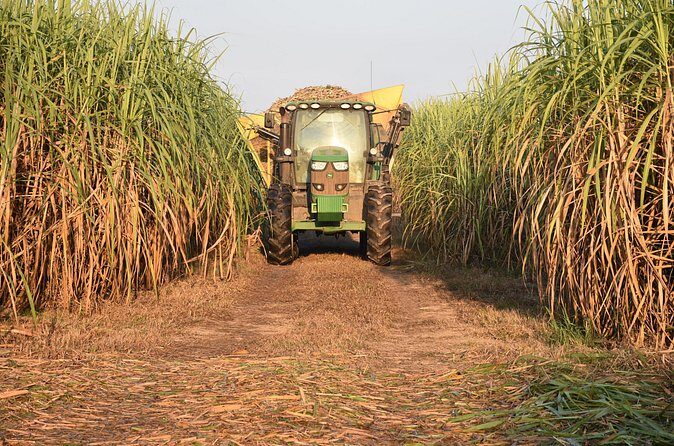
What really draws us in is the authenticity of these working plantations—not just preserved museum pieces, but active farms that still grow sugarcane. Plus, the guides are consistently praised for their knowledgeable and engaging presentations, making the history accessible and compelling. The chance to see original outbuildings, including the homes of enslaved workers, adds a sobering but invaluable perspective to the experience.
One potential consideration is the tour’s duration—at around 3 hours, it’s a bit condensed, meaning you should be prepared for a fair amount of walking and a focus on highlights rather than exhaustive detail. Also, it’s worth noting that weather can impact your experience, as this tour is outdoor-focused. Still, if you’re a history enthusiast, film buff, or curious about Louisiana’s agricultural roots, this tour hits a lot of marks for value and authenticity.
This tour is well-suited for travelers who want a balanced mix of education, history, and scenic rural views. It appeals especially to those interested in plantation architecture, the history of enslaved peoples, or the process of sugarcane cultivation. It’s a thoughtful choice for anyone seeking a meaningful, educational experience outside the city’s bustling streets.
Key Points
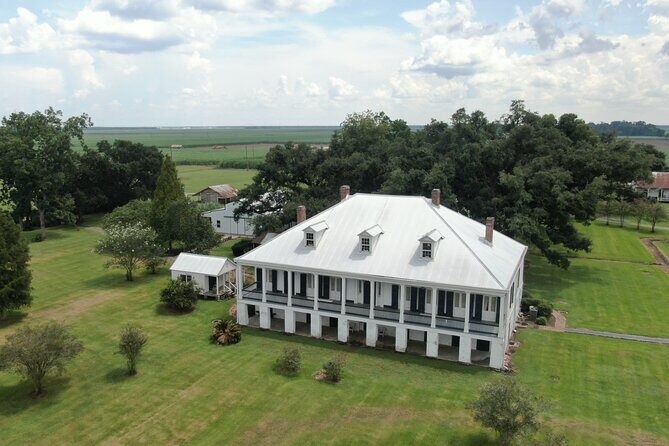
- Authentic working plantations: You visit two active sugarcane farms, not just static museums.
- Historical architecture and outbuildings: See preserved plantation houses and original structures, including enslaved workers’ cabins.
- Educational focus: The Louisiana Sugarcane Museum offers insight into the cultivation process with tools, photographs, and documents.
- Film and pop culture: Spot scenes from movies shot on-site, adding a fun twist.
- Guides: Known for being knowledgeable and engaging, adding depth to the tour.
- Weather considerations: Mostly outdoor, so good weather enhances the experience.
A Closer Look at the Itinerary
You can also read our reviews of more tours and experiences in New Orleans.
Visiting St. Joseph and Felicity Plantations
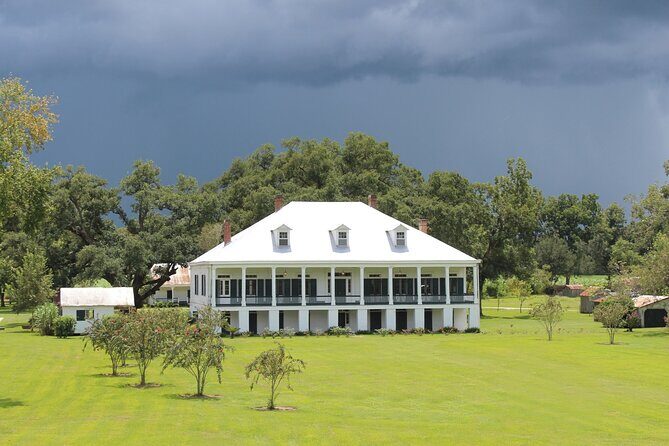
The tour kicks off with visits to two historic, working sugarcane plantations in Vacherie. These sites have been preserved to reflect their 19th and 20th-century heyday, allowing visitors to see architecture, furnishings, and decor that tell stories of plantation life. Walking through these sites, you’ll get a sense of how the plantations operated, from the main houses to the outbuildings.
Exploring the Grounds and Outbuildings
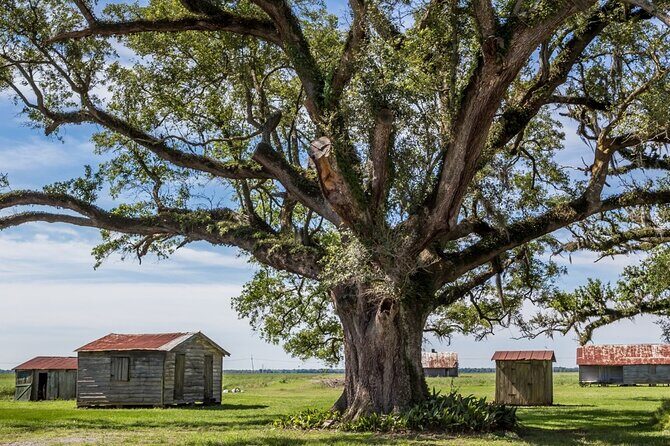
What sets this tour apart is the focus on original structures, including the cabins where enslaved workers lived. This offers a stark, real view of the past—something that’s often overlooked in more touristy plantation tours. These outbuildings are not just photo props; they’re integral parts of the site, meant to give visitors a tangible connection to the history of forced labor and the plantation economy.
The Louisiana Sugarcane Museum
A key highlight is the Louisiana Sugarcane Museum, which displays historic tools, photographs, and documents. It helps visitors understand the entire process of sugarcane cultivation—from planting and harvesting to processing and shipping. For many, this is where the tour truly educates and contextualizes the physical sites visited earlier.
Recognizable Film Scenes
For movie buffs, the tour provides a fun bonus: scenes from films shot on location. This adds a layer of pop culture that makes the experience more memorable, especially if you recognize scenes from popular movies or TV shows filmed here.
Tour Duration and Group Size
The entire experience lasts about 3 hours, which is just enough time to explore thoroughly without feeling rushed. Typically, the group size is manageable, allowing for a more personal experience and opportunities to ask questions.
What Makes This Tour Valuable?
The price point—just $36.80 per person—is quite reasonable for the depth of experience offered. You’re paying not only for guided access but also for insights into a significant part of Louisiana’s history that’s rarely covered in standard city tours. The inclusion of original structures and the museum makes it feel like a well-rounded, educational outing.
The Benefit of Knowledgeable Guides
One aspect consistently praised in reviews is the guides’ expertise, especially the tour leader Mike O., who is described as both knowledgeable and engaging. This makes a difference, as they can weave stories, answer questions, and provide context that turns a simple walk through historic buildings into a meaningful learning experience.
Focus on Authenticity
Unlike some plantation tours that gloss over uncomfortable parts of history, this tour does not shy away. Visiting the cabins of enslaved workers provides a more complete view of the past, fostering a deeper understanding of the social dynamics and hardships involved. This authenticity is what elevates this tour above more superficial offerings.
Detailed Breakdown of the Experience
Transportation and Group Dynamics
While the specific mode of transportation isn’t detailed, most tours of this nature involve a bus or van trip to the plantations, which are located outside the city in Vacherie. Group sizes tend to be small enough for personal interaction but large enough for a lively atmosphere. The tour’s duration of around 3 hours includes travel time, guided walking tours, and museum visits.
The Architecture and Outbuildings
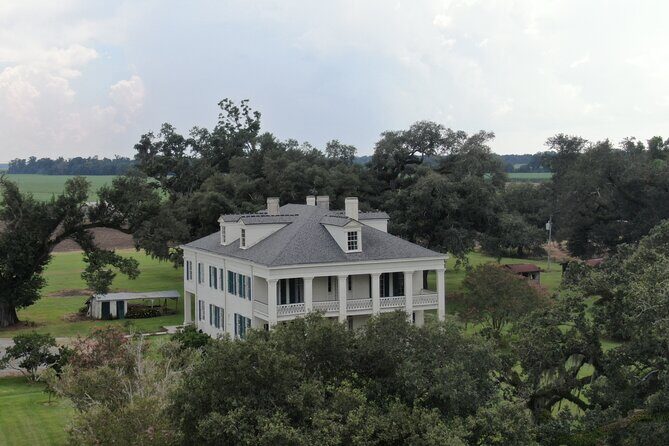
Walking through the preserved plantation homes, you’ll see architecture typical of the 19th and early 20th centuries. The furnishings and decor help paint a picture of the past, though the real impact comes from seeing the outbuildings—slave cabins and original commercial structures—that tell the stories of those who lived and worked there.
The Museum’s Offerings
The Louisiana Sugarcane Museum, located on-site, provides a curated collection of tools, photographs, and documents. This part of the tour helps you understand the entire cultivation process, from seed to harvest, and highlights the importance of sugarcane in Louisiana’s economy.
Film Locations
Recognizing scenes from movies adds a fun element to the experience, especially if you’ve seen the films before. It’s a reminder of how these picturesque settings are also part of Hollywood’s storytelling landscape.
Who Will Love This Tour?
If you’re a history buff, this tour offers a nuanced look at Louisiana’s plantation past, including the darker aspects often overlooked in other visits. Film enthusiasts will appreciate seeing the sites used in movies, and cultural travelers will value the opportunity to learn about enslaved people’s homes and the work involved in sugarcane farming.
This isn’t a tour for those expecting a leisurely, purely sightseeing experience. Instead, it appeals to those who want to understand—not just see—and are comfortable exploring outdoor sites in potentially warm weather. It’s also well suited for visitors who appreciate guided insights and want to ask questions along the way.
The Sum Up
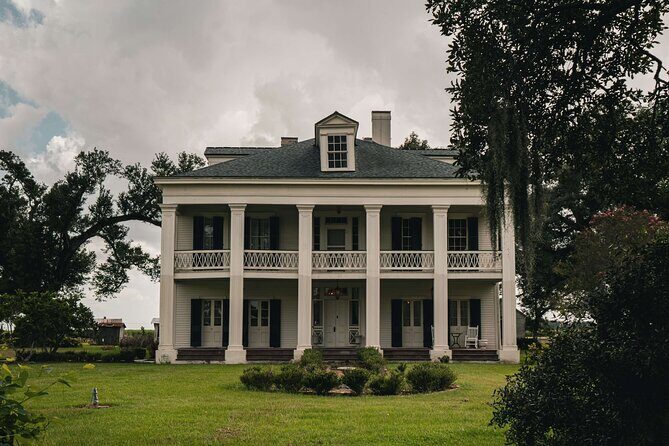
The St. Joseph and Felicity Plantation Combo Tour offers a compelling journey into Louisiana’s agricultural and social history. It balances authenticity with accessibility, providing an intimate look at working plantations that still grow sugarcane. The inclusion of original structures and the museum deepens the experience, making it a thoughtful choice for travelers seeking context and genuine insight.
For those interested in understanding the history behind Louisiana’s iconic landscape, this tour delivers on its promise with knowledgeable guides and well-preserved sites. It’s particularly valuable for visitors who want to move beyond superficial sightseeing and engage with the complex stories of slavery, industry, and community that shaped this region.
While it may not appeal to travelers seeking luxury or extensive time on-site, it offers authentic value at a reasonable price—especially when you consider the educational richness packed into a 3-hour experience. Whether you’re a history lover, film fan, or simply curious about Louisiana’s roots, this tour makes for a memorable, meaningful outing.
FAQ
Is this tour suitable for children?
Most travelers can participate, and the outdoor environment can be engaging for older children. However, given the historical content related to slavery, parents should decide if it’s appropriate for their children’s age and sensitivity.
How long does the tour last?
The tour lasts approximately 3 hours, including travel time, guided walks, and museum visits.
What is included in the ticket price?
Your ticket covers admission to both plantations, the guided tour, and access to the Louisiana Sugarcane Museum.
Can I cancel the tour if my plans change?
Yes, there is a free cancellation policy if you cancel at least 24 hours in advance. Cancellations within 24 hours are non-refundable.
What should I wear?
Since most of the experience is outdoors, dress comfortably for walking and weather conditions. Good shoes and sun protection are recommended.
Are service animals allowed?
Yes, service animals are permitted on the tour.
Is there a lunch option?
The tour description does not mention food or meal options, so plan accordingly.
What kind of guides lead the tour?
Guides are knowledgeable and engaging, with at least one reviewer praising Mike O. for his presentation skills.
Where exactly are the plantations located?
They are in Vacherie, Louisiana, about an hour outside of New Orleans, making this a pleasant day trip destination.
This detailed overview should help you decide whether the St. Joseph and Felicity Plantation Combo Tour fits your interests and expectations, offering a genuine slice of Louisiana’s sugarcane and plantation life with plenty of authentic detail.
More Tours in New Orleans
More Tour Reviews in New Orleans
- Vegan French Quarter Food Tour NOLA cuisine
- Old Ursuline Convent Museum Ticket: New Pope Leo XIV Exhibit
- New Orleans: Swamp Boat Ride & Oak Alley Plantation Tour
- New Orleans: Voodoo, Storyville, and Treme Walking Tour
- From New Orleans: Oak Alley and Laura Plantation Guided Tour
- New Orleans Mid-City Bike Bar Tour
Not for you? Here's more nearby things to do in New Orleans we have reviewed
- St. Joseph and Felicity Plantation Combo Tour
- Vegan French Quarter Food Tour NOLA cuisine
- Old Ursuline Convent Museum Ticket: New Pope Leo XIV Exhibit
- New Orleans: Swamp Boat Ride & Oak Alley Plantation Tour
- New Orleans: Voodoo, Storyville, and Treme Walking Tour
- From New Orleans: Oak Alley and Laura Plantation Guided Tour
- New Orleans Mid-City Bike Bar Tour
- New Orleans Courtyard Cocktails: Happy Hour Mixology Class
- Private New Orleans Airboat Adventure
- St. Joseph Plantation Tour
- Historic French Quarter Segway Tour
- New Orleans Favorites: Beyond the French Quarter Tour