If you’re curious about the roots of LGBTQ+ activism in San Francisco, the Tenderloin LGBTQ History Tour offers a compelling 1.5-hour journey into this vibrant neighborhood’s past. This tour isn’t just about facts — it’s about understanding how a neighborhood that was once a glamorous entertainment hub transformed into a birthplace of powerful protests and cultural shifts. Led by a knowledgeable guide from The Native Experience, the tour promises a mix of fascinating stories, important landmarks, and a fresh perspective on a part of the city often overlooked by travelers.
We’re particularly drawn to how this tour highlights lesser-known moments like the 1964 NYE Ball uprising—a key precursor to Stonewall—and the first Transgender Cultural District. These stories bring a new appreciation for the Tenderloin’s role in shaping LGBTQ+ history. A potential caveat? The tour covers some serious history in a very short time, so if you’re after a deep dive, you might want to supplement it with additional reading. This experience is perfect for those interested in social justice, local history, or LGBTQ+ culture, especially if you’re eager to see how these stories are rooted in San Francisco’s neighborhoods.
Key Points
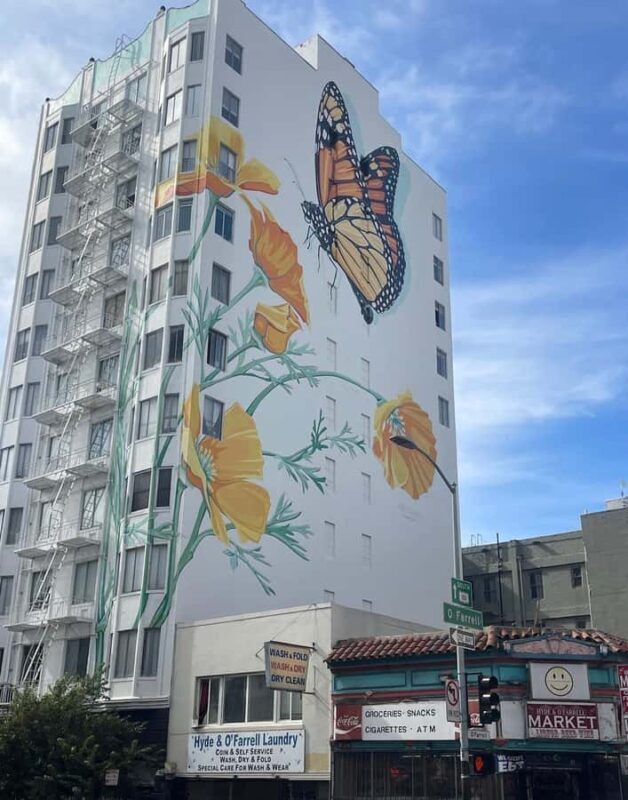
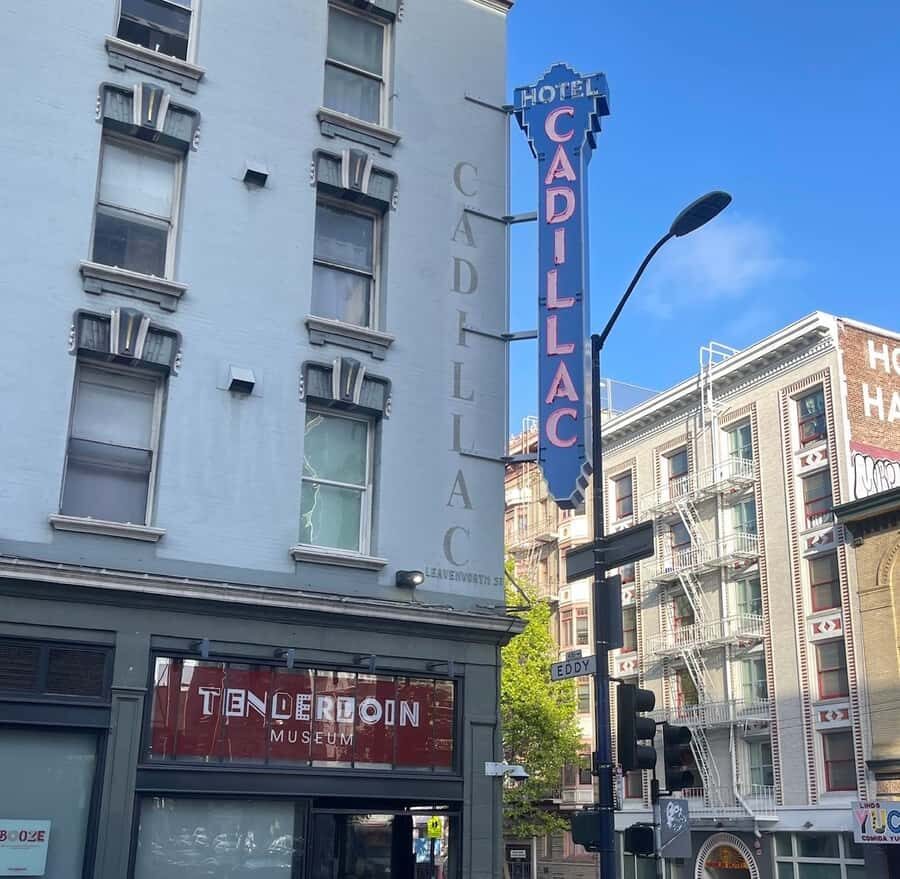
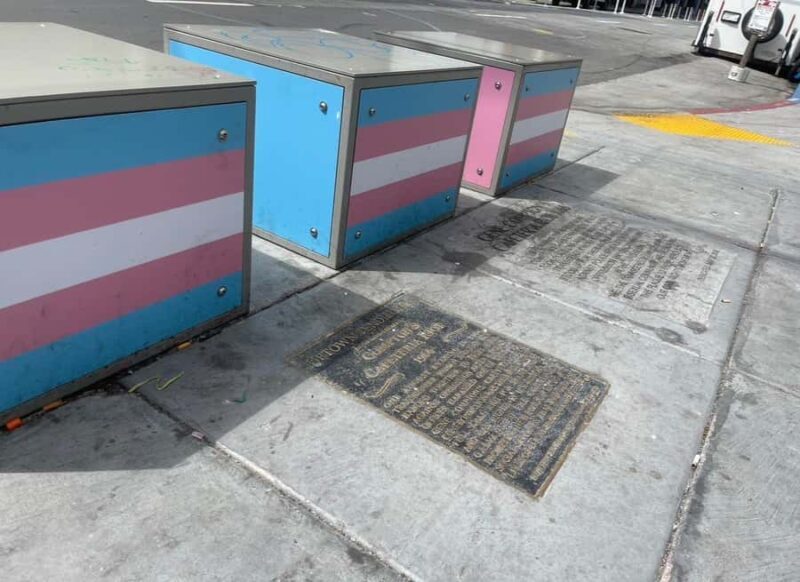
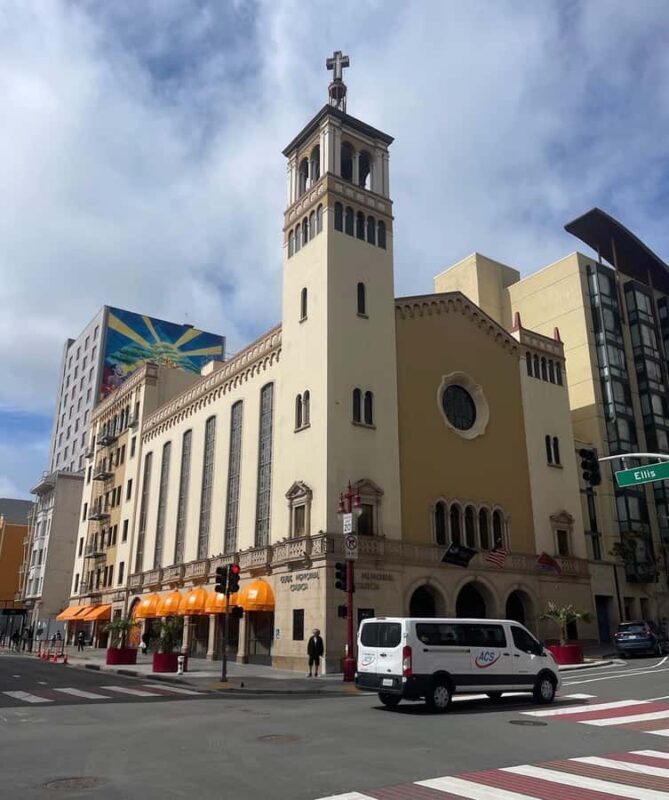
- Insight into early LGBTQ+ activism and its roots in San Francisco.
- Visit historic sites like Compton’s Cafeteria, site of a pivotal riot.
- Learn about the first Transgender Cultural District, a national landmark.
- Understand the neighborhood’s evolution after the 1906 earthquake.
- Explore the significance of the 1964 NYE Ball uprising.
- Enjoy a flexible booking and cancellation policy, with free cancellation up to 24 hours in advance.
Exploring the Tenderloin’s Radical Roots
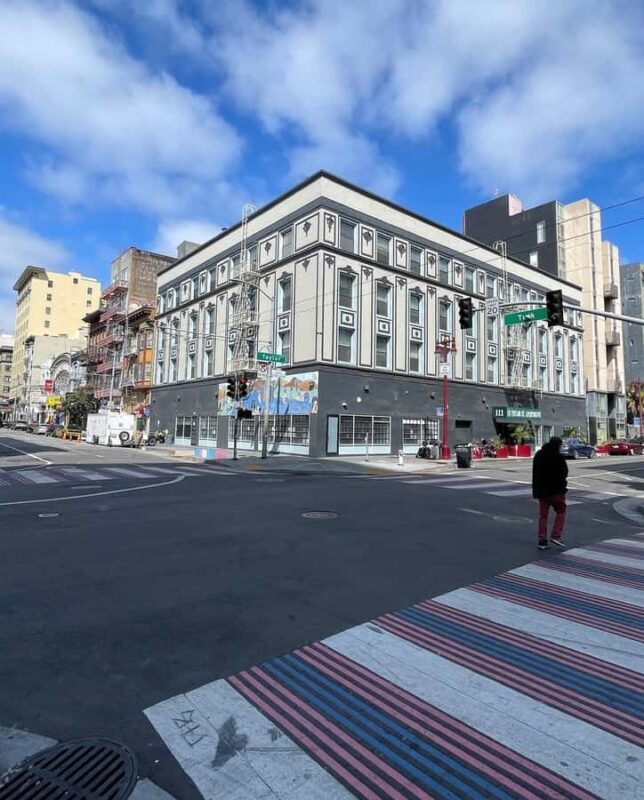
The Tenderloin isn’t just a gritty neighborhood—it’s a place where social change happened. This tour begins at the corner of Turk and Polk, outside the Academy of Art Fashion University, a central spot that makes it easy for visitors to start their journey. From there, we set off on a walk that balances storytelling with visits to key sites. The tour lasts about 90 minutes, making it doable even for those with tight schedules.
The first major story we hear is about the 1964 NYE Ball uprising. This riot, which took place during a New Year’s Eve celebration, is often called SF’s answer to the legendary Stonewall. Our guide explains how this confrontation was a turning point, transforming local perceptions of LGBTQ+ community rights and visibility. It’s a reminder that activism can start in unexpected ways and places.
Next, we walk to the site of Compton’s Cafeteria, famous for its riot in 1966, where transgender patrons fought back against police harassment. It was one of the earliest demonstrations of transgender resistance in the U.S., predating more widely known events in New York and elsewhere. The guide offers vivid descriptions of what the scene was like, helping us imagine the tension and courage of those involved.
We also visit the first Transgender Cultural District, a proud symbol that affirms transgender people’s place in San Francisco’s history. This district, one of the first of its kind in the world, exemplifies how marginalized communities can carve out spaces of safety and cultural expression even amid urban chaos.
Throughout the tour, the guide shares authentic stories, often quoting reviews that praise its “fascinating history” and “engaging storytelling”. The balance of historical context and personal stories makes the experience both educational and emotionally resonant, enriching your appreciation of the neighborhood’s layered past.
You can also read our reviews of more historical tours in San Francisco
What to Expect
Expect a walking tour that combines historical narration, site visits, and urban exploration. The group size is generally small, fostering an intimate atmosphere where questions are encouraged. The tour’s pace is leisurely enough to absorb stories but brisk enough to cover the key sites in 90 minutes.
You’ll learn about the impact of the 1906 earthquake and fires, which reshaped the Tenderloin’s demographic and social landscape. This historic disaster inadvertently created a haven for marginalized groups, including LGBTQ+ individuals and refugees. The guide emphasizes how these historical shifts contributed to the neighborhood’s unique character.
The tour also covers the intersection of entertainment and activism, exploring how the Tenderloin’s once-glamorous theaters and entertainment venues transitioned into spaces where social change was ignited. You’ll see sites that once hosted the city’s cultural elite, now overshadowed by stories of resistance and resilience.
Expect to visit a park in the district, which served as a meeting point for many LGBTQ+ gatherings over the years. The guide offers insights into how public spaces can become focal points for community and protest.
Meeting Point and Logistics
The tour begins at the corner of Turk and Polk, right outside the Academy of Art Fashion University. The coordinates (37.7824592590332, -122.41938781738281) make it easy to find, whether you’re arriving by public transit or car. The flexible reservation system allows you to book now and pay later, with free cancellation up to 24 hours beforehand, fitting well into unpredictable travel plans.
Is this tour worth it?
Considering the price and duration, this tour offers exceptional value. For around an hour and a half, you gain a well-rounded understanding of key moments in LGBTQ+ history that are often overlooked elsewhere. The stories are fascinating, and the site visits lend a tangible connection to the past. Reviewers consistently describe the experience as “engaging” and “informative,” making it clear that this is a meaningful addition to any San Francisco itinerary focused on social history or LGBTQ+ culture.
The tour’s emphasis on authentic stories and local landmarks makes it stand out from more generic city walks. Plus, the small-group setting fosters a more personalized experience, allowing for questions and deeper discussion.
Tenderloin LGBTQ History Tour
You can also read our reviews of more tours and experiences in San Francisco
- San Francisco LGBTQ Walking Tour With Local Guide
★ 5.0 · 600 reviews - San Francisco: Castro District LGBTQ+ History Tour
★ 5.0 · 9 reviews - Castro District LGBTQ+ Historic Tour
★ 5.0 · 9 reviews - Castro District LGBTQ+ History Tour
★ 5.0 · 5 reviews - San Francisco: Castro & LGBTQ Private Walking Tour
★ 4.0 · 4 reviews - Tenderloin LGBTQ+ History Tour
★ 5.0 · 2 reviews
Who should consider this tour?
This experience is ideal for travelers interested in history, social justice, or LGBTQ+ culture. It’s particularly well-suited for those who want to understand San Francisco beyond the usual tourist spots, gaining insights into how community activism and cultural shifts have shaped the city. It’s perfect for history buffs, curious locals, or anyone eager to see a neighborhood’s transformation through a social lens.
If you’re already familiar with San Francisco’s famous landmarks, this tour offers a fresh perspective on the city’s diversity and resilience. It’s also a good choice for visitors who prefer a short, impactful tour that fits into a larger sightseeing or cultural day.
For travelers seeking an authentic, nuanced look at San Francisco’s LGBTQ+ history, the Tenderloin LGBTQ History Tour delivers more than just facts — it offers a window into the courage and community spirit that helped shape a neighborhood. The stories are compelling, the landmarks meaningful, and the guide’s narrative engaging enough to leave a lasting impression.
While it’s not a comprehensive deep-dive into every aspect of LGBTQ+ history, it’s a well-curated introduction that makes you think differently about the Tenderloin. The combination of historical sites, storytelling, and urban exploration makes it a worthwhile addition to your San Francisco experience, especially if you’re eager to learn about the city’s social activism roots.
This tour is best for those who appreciate rich storytelling, value authentic community histories, and want a meaningful connection to the city’s past in under two hours. For an eye-opening, respectful, and thoughtful look at how marginalized communities have fought for visibility and rights, it’s a tour worth considering.
How long is the Tenderloin LGBTQ History Tour?
It lasts approximately 1.5 hours, making it a manageable walk that fits well into a busy day of sightseeing.
Where does the tour meet?
The meeting point is on the corner of Turk and Polk, outside the Academy of Art Fashion University, with clear coordinates provided for easy navigation.
Is the tour suitable for all ages?
While designed for adults, the historical content is accessible for most age groups interested in social history, but parental discretion is advised for very young children due to mature themes.
Can I cancel or reschedule?
Yes. You can cancel up to 24 hours in advance for a full refund, or reserve now and pay later to keep your plans flexible.
What language is the tour conducted in?
The tour is conducted in English, with the guide providing detailed narration and answering questions.
Is the tour accessible for people with mobility issues?
Since it is a walking tour, those with mobility issues should consider their comfort with walking and standing for 90 minutes.
What makes this tour different from other San Francisco tours?
It specifically focuses on the LGBTQ+ history of the Tenderloin, highlighting stories and sites often missed by standard city tours.
Are the sites visited physically accessible?
Yes, the key sites like parks and historic landmarks are accessible, though some may involve walking over uneven pavement.
Can I join the tour if I am not part of the LGBTQ+ community?
Absolutely. This tour is designed to educate and share history about LGBTQ+ activism and culture, welcoming all interested travelers.
Is there a recommended age for participants?
Adult travelers or older teens with an interest in history and social issues will get the most out of this experience.
In summary, the Tenderloin LGBTQ History Tour offers an accessible, authentic glimpse into a neighborhood’s social activism and resilience. Perfect for curious minds, social history enthusiasts, and those wanting to see how a community’s courage can reshape a city’s identity — all in a compact, engaging format.
You can check availability for your dates here: