
The Bowery in New York City has witnessed a remarkable transformation over the centuries. Once a Native American trail, it later became a strategic site during the Revolutionary War and the stomping ground for P.T. Barnum‘s earliest ventures. From the vital services provided by the Bowery Mission to the seedy underbelly of flophouses and oddity museums, this iconic street has woven an intricate tapestry of the city’s past. But the Bowery’s true secrets lie in the architectural gems and the cultural institutions that have shaped the diverse landscape of New York City.
Key Points
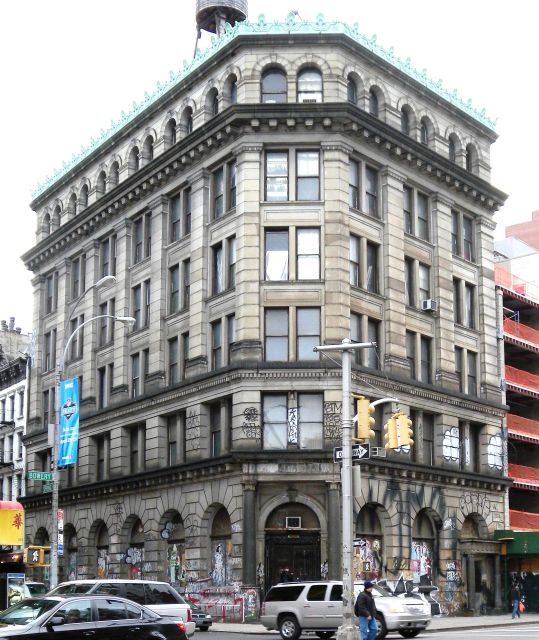
- The Bowery’s origins as a Native American trail, later transformed into a strategic transportation route during the Revolutionary War.
- P.T. Barnum’s earliest business venture, the American Museum, which launched his legendary career as a showman.
- The Bowery Mission’s legacy of providing food, shelter, and social services to alleviate poverty and homelessness in the community.
- The Bowery’s theater scene marked by the rise of blackface minstrelsy, reflecting the complex and troubling aspects of racism in society.
- The Bowery’s architectural gems, including the Cooper Union, New York Savings Bank, and Bowery Savings Bank, showcasing diverse styles and functions.
The Native American Trail
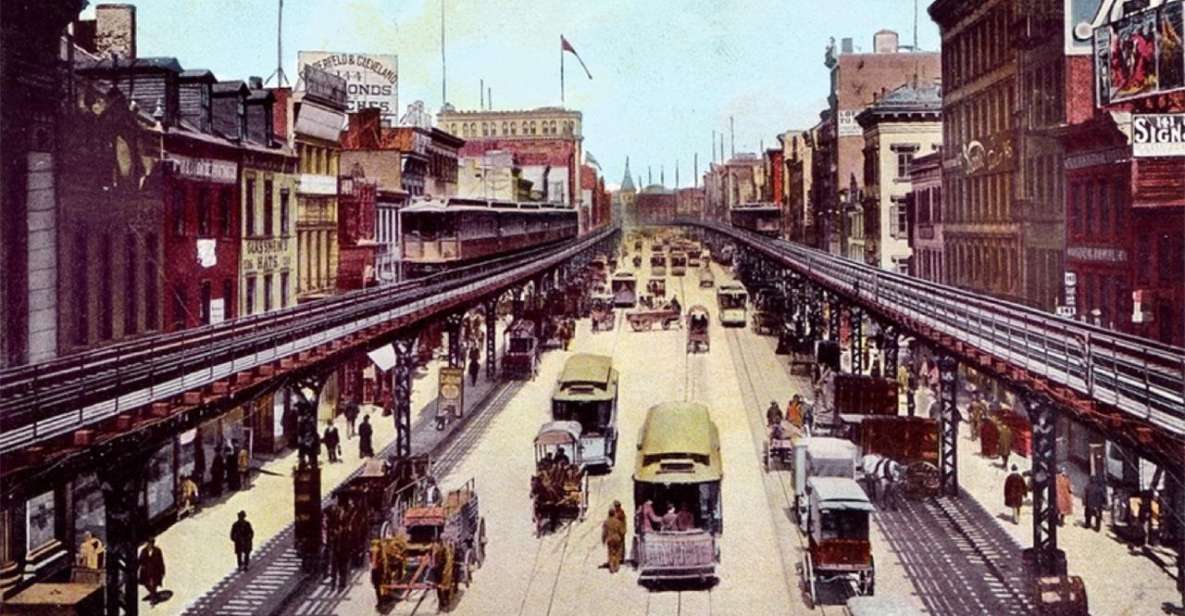
The Bowery began as a Native American trail that connected the southern tip of Manhattan to the upland regions to the north. This ancient path was used by the indigenous people for centuries before the arrival of European settlers.
The trail followed the natural contours of the land, winding through forests and marshes. Over time, as the city of New York developed, the trail was gradually transformed into a road, retaining much of its original route.
Today, the Bowery remains one of the oldest thoroughfares in the city, a testament to its long and storied history as a vital transportation corridor for both Native Americans and the city’s later residents.
You can also read our reviews of more historical tours in New York City
Revolutionary War Recruitment Site
During the Revolutionary War, one of the most notable sites along the Bowery was the Bull’s Head Tavern, where General George Washington recruited men to join the fight for independence.
Located at the intersection of the Bowery and what’s now East 4th Street, the tavern was a popular gathering place for New Yorkers during the 18th century.
Washington, recognizing the tavern’s strategic location and the potential to enlist volunteers, used it as a recruitment center.
The tavern’s proximity to transportation routes and its reputation as a lively hub made it an ideal spot for Washington to rally colonists to the patriot cause.
This Revolutionary War recruitment site played a significant role in the fight for American freedom.
P.T. Barnum’s Earliest Venture
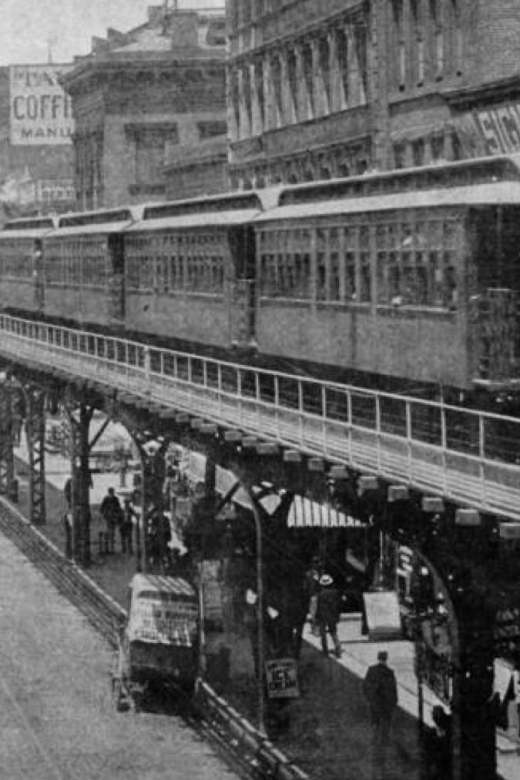
P.T. Barnum’s first business venture in New York City opened in 1839, a mere stone’s throw from the Bowery’s bustling thoroughfare.
The future ‘Prince of Humbug’ established his American Museum on lower Broadway, just a few blocks from the Bowery.
This early endeavor would become the foundation for Barnum’s legendary career as a showman and promoter.
The museum featured a diverse array of oddities, curiosities, and entertainment, attracting throngs of visitors eager to witness the wonders Barnum presented.
Though his showmanship would later earn him both fame and infamy, this initial venture on the Bowery marked the start of Barnum’s remarkable rise to becoming one of the most iconic figures in American history.
The Bowery Mission’s Legacy
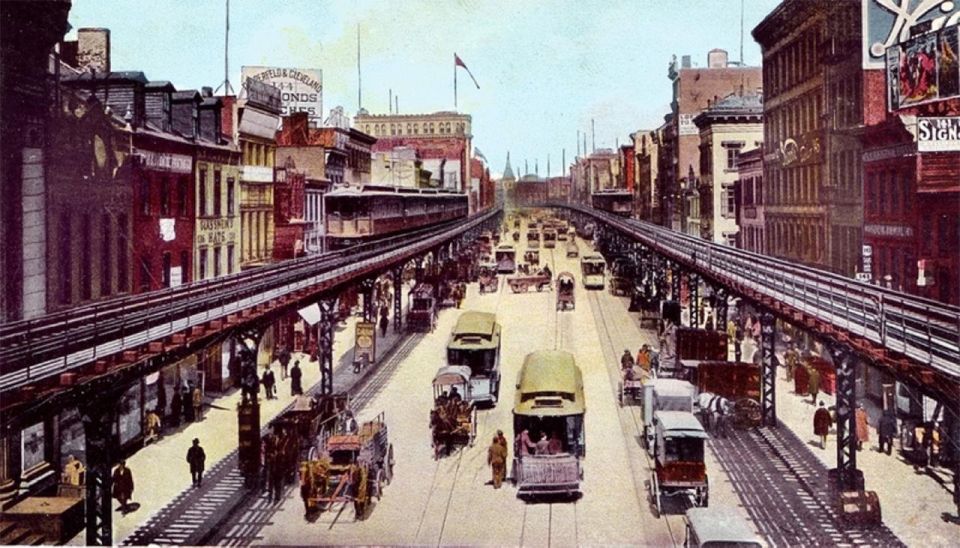
Founded in 1879, the Bowery Mission has long stood as a beacon of hope and compassion amidst the Bowery’s storied past. Its enduring commitment to serving the area’s most vulnerable residents has made it an integral part of the neighborhood’s rich history.
Over the decades, the mission has provided food, shelter, and social services to countless individuals in need, helping to alleviate the poverty and homelessness that have long plagued the Bowery.
Today, the Bowery Mission continues to be a vital resource for the community, offering a wide range of programs and initiatives aimed at empowering those facing difficult circumstances. Its legacy of service and compassion is a testament to the resilience of the Bowery neighborhood.
More Great Tours NearbyBlackface and Early Theater
The Bowery’s early theater scene was marked by the controversial rise of blackface minstrelsy, a form of entertainment that perpetuated racist stereotypes through exaggerated performances.
This form of ‘entertainment’ gained popularity in the mid-19th century, with many venues along the Bowery hosting minstrel shows.
White performers would apply dark makeup to their faces, donning tattered clothing and acting out caricatures of African Americans.
Despite its offensive nature, blackface minstrelsy was a significant part of the Bowery’s cultural landscape during this era, reflecting the deeply entrenched racism present in American society at the time.
The legacy of these performances continues to be a complex and troubling aspect of the Bowery’s theatrical history.
- 4-Hour Public Sopranos Sites Bus Tour
- 4.5-Hour City Tour: Statue of Liberty, 9/11 Memorial, Wall Street
- 911 Ground Zero Tour & Museum Preferred Access
- 9/11 Memorial, Ground Zero Tour With Optional One World Observatory Ticket
- 9/11 Memorial, Ground Zero Tour With Optional 9/11 Museum Ticket
- 9/11 Memorial Museum Admission Ticket
Amato Opera and CBGB
Amato Opera and CBGB represented the Bowery’s evolution as a hub for diverse musical and theatrical performances, showcasing the neighborhood’s transformative spirit over the decades.
Amato Opera House, founded in 1979, brought opera to the masses, offering affordable tickets and a welcoming atmosphere.
In contrast, CBGB, established in 1973, became the epicenter of the nascent punk rock scene, hosting legendary acts like Blondie and Talking Heads.
Both venues reflected the Bowery’s shift from its seedy past to a vibrant cultural destination, attracting audiences from across the city.
Though the Amato closed in 2009 and CBGB shuttered in 2006, their legacies endure as emblems of the Bowery’s dynamic artistic legacy.
Architectural Gems of the Bowery
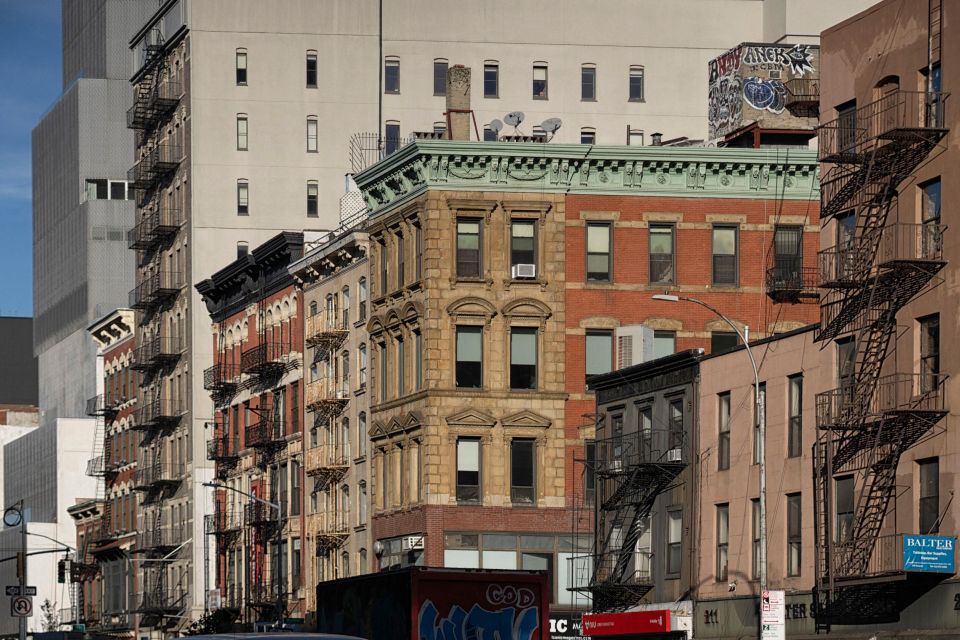
Alongside the Bowery’s storied entertainment venues, the neighborhood also boasts an impressive array of architectural gems that span over a century, reflecting the area’s dynamic history. These structures range from grand civic buildings to eclectic commercial spaces, each with its own unique character and significance.
| Building | Year | Style |
|---|---|---|
| Cooper Union | 1859 | Gothic Revival |
| New York Savings Bank | 1875 | Second Empire |
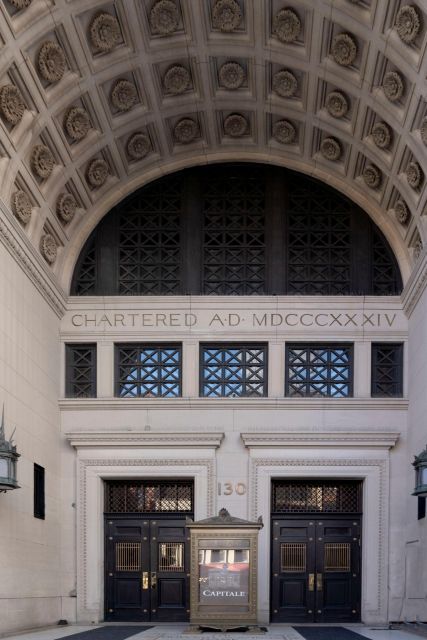
| Bowery Savings Bank | 1895 | Classical Revival |
These architectural landmarks serve as powerful reminders of the Bowery’s rich past, showcasing the diverse styles and functions that have defined this iconic New York City thoroughfare.
Flophouses and Oddities
Flophouses once dotted the Bowery, offering accommodations for the city’s downtrodden and destitute at a low cost. These establishments, while providing basic shelter, also harbored a seedy underbelly of gambling, drinking, and criminal activity.
Alongside the flophouses, the Bowery was also home to a variety of oddities and curiosities that drew in both locals and travelers seeking entertainment.
Some of the Bowery’s notable oddities included:
- Freak shows that exhibited people with physical abnormalities
- Oddity museums displaying a collection of strange and macabre artifacts
- Dime museums that offered a variety of sensational attractions, from wax figures to live animal exhibits
These establishments catered to the public’s fascination with the unusual and the grotesque, providing a glimpse into the lesser-known underbelly of New York City’s past.
Frequently Asked Questions
What Types of Criminal Activities Occurred on the Bowery?
The Bowery was known for its criminal activities, including gambling, prostitution, and gang violence. Flophouses and establishments catering to criminal elements flourished in this rough, working-class neighborhood during the 19th and early 20th centuries.
How Has Gentrification Impacted the Bowery in Recent Years?
Gentrification has significantly transformed the Bowery in recent years, with rising rents and an influx of new businesses and residents. This has led to the displacement of many long-standing establishments and a shift in the area’s character and community.
Are There Any Famous Ghost Stories Associated With the Bowery?
The Bowery has several reported ghost sightings, including the apparition of a former theater manager said to haunt the former CBGB music venue. However, the claims remain unverified, and the area’s haunted reputation may be more legend than fact.
What Role Did the Bowery Play in the Immigrant Experience in New York?
The Bowery played a significant role in the immigrant experience in New York, serving as a gateway for many newcomers and offering affordable housing, jobs, and entertainment options. It was a hub of immigrant life and culture in the 19th and early 20th centuries.
Did Any Famous Political Figures Have Ties to the Bowery?
The Bowery had ties to several famous political figures. For instance, President George Washington recruited men to fight at the Bull’s Head Tavern on the Bowery during the American Revolution.
Recap
The Bowery’s rich history reflects the ever-evolving nature of New York City. From its origins as a Native American trail to its modern-day status as a hub for art and culture, the neighborhood has witnessed the city’s transformation.
Though it’s seen its share of darkness, the Bowery’s enduring legacy is a testament to the resilience and diversity that have long defined the heart of the Big Apple.
You can check availability for your dates here:More Historical Tours in New York City
- Memorials & Markets: NYCs Liberty, Finance & History Tour
- Greenwich Village: Pizza, Desserts & History Food Tour
- Central Park Guided Walking Tour with Iconic Sights and History
- Grand Central Terminal History and Mysteries
- New York: Mafia and Gangster History Tour in Little Italy
- NYC: East Village & Midtown Irish History Walking Tour
More Tour Reviews in New York City
Not for you? Here's more nearby things to do in New York City we have reviewed
- Chocolate Tasting and West / East Village Walking Tour
- NYC: Greenwich, SoHo, Little Italy and Chinatown Tour
- NYC: Guggenheim Ticket & Carnegie Hill Digital Tour
- Stand Up Comedy with Free Mini Golf Ticket
- NYC: Chicago the Musical on Broadway
- Explore NYC with Private Walking Tour
- Private Pedicab Guided Tour in New York City
- Chinese Dumplings Cooking Class in NYC Fun & Delicious!
- NYC: Private Central Park and NYC City Tour
- NYC: Brooklyn Graffiti & Street Art Walking Tour in Bushwick
- NYC Christmas Lights Tour: Heated Rickshaw Ride
- New York in a Day: Full Manhattan & Brooklyn Experience