The Protectorate of Bohemia and Moravia was a chilling reminder of the fragility of national sovereignty. Established in 1939 after Nazi Germany’s occupation of Czechoslovakia, this region experienced severe repression under Reichsprotektors. While its resources were ruthlessly exploited for the German war effort, the resilient Czech people fought to preserve their cultural identity amidst the oppressive regime. What can we learn from this dark chapter of history, and how did the Protectorate’s legacy shape the future of Central Europe? Exploring these questions offers insight into the enduring struggle for self-determination in the face of tyranny.
Key Points
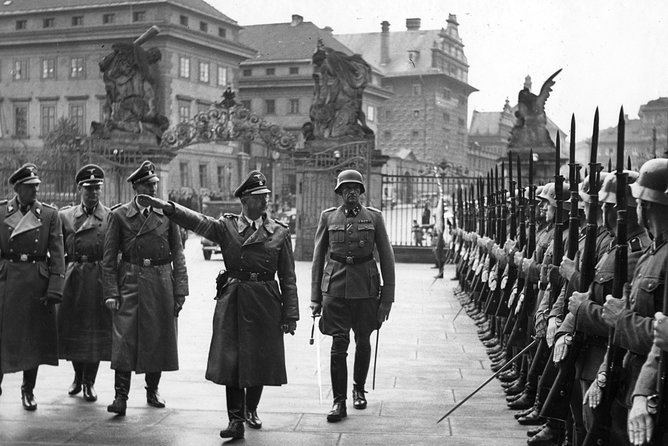
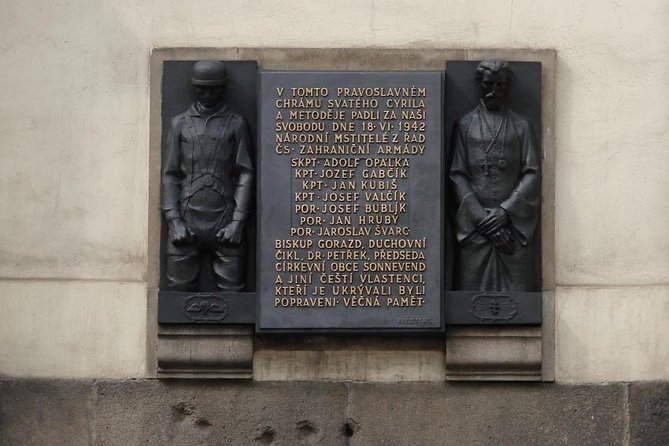
- The Protectorate of Bohemia and Moravia was a German-controlled territory established in 1939 after the Nazi occupation of Czechoslovakia.
- The Protectorate was governed by Reichsprotektors, representatives of Nazi Germany, and experienced severe Nazi policies, including deportations and murders of Jews and Roma.
- Prague, the capital, remained a hub of activity and a symbol of national pride despite the political turmoil.
- The Protectorate’s administration operated under a complex Nazi-imposed structure, with the Czech government having limited autonomy.
- The legacy of the Protectorate highlights the fragility of national sovereignty and democratic institutions, emphasizing the importance of civic engagement and human rights.
Historical Background
The Protectorate of Bohemia and Moravia was established in 1939 following the German occupation of Czechoslovakia.
It was a German-controlled protectorate that existed during World War II, from 1939 to 1945. The Protectorate was governed by a Reichsprotektors, who were representatives of Nazi Germany.
The region faced harsh Nazi policies, including the deportation and murder of Jewish and Roma populations.
Resistance movements against the German occupation also emerged.
The Protectorate was dissolved in 1945 after the defeat of Nazi Germany, and Czechoslovakia was re-established as an independent state.
You can also read our reviews of more tours and experiences in Prague.
Geographical Overview
The Protectorate of Bohemia and Moravia was situated in the heart of Central Europe, occupying the present-day Czech Republic. It bordered Germany and Austria, with the capital city of Prague located in the western part of the country.
The Protectorate was composed of the historical regions of Bohemia and Moravia, which had long been part of the Austro-Hungarian Empire. The geography of the Protectorate was characterized by rolling hills, dense forests, and winding rivers, including the Vltava and the Elbe.
This diverse landscape provided both economic resources and strategic importance to the region, which played a significant role in the political and military events of the 20th century.
Cultural Significance
Possessing a rich cultural heritage, the Protectorate of Bohemia and Moravia was home to a diverse array of traditions, architecture, and art that reflected the region’s long and storied past.
From the gothic cathedrals of Prague to the folk music and dance of rural communities, the cultural identity of the Protectorate was deeply rooted in its history.
Arts and crafts, such as intricate glasswork and embroidery, showcased the skilled artistry of the local populace.
The Protectorate’s vibrant cultural scene attracted visitors from around the world, who marveled at the region’s unique blend of medieval and modern influences.
Significance of Prague
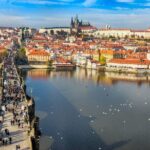
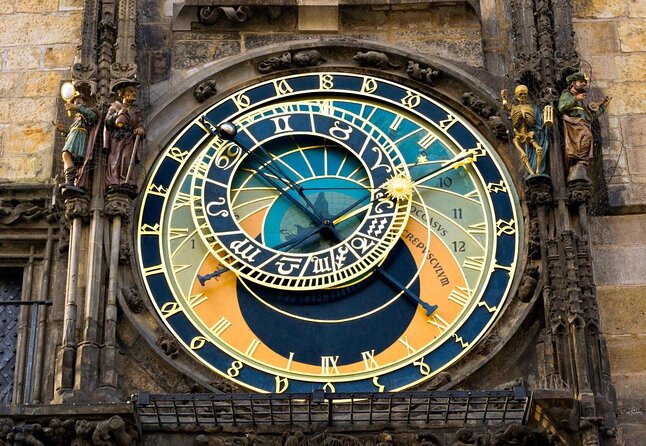
Prague, the historic capital of the Protectorate of Bohemia and Moravia, held immense significance for the region.
As the seat of power, it served as the administrative and cultural center, reflecting the Protectorate’s identity and heritage. The city’s iconic architecture, rich history, and symbolic monuments like the statue of St. Wenceslas made it a source of national pride for the Czech people.
Despite the political turmoil of the time, Prague remained a hub of activity, drawing visitors and serving as a gathering place for the Protectorate’s citizens.
Its role as the Protectorate’s capital underscored the city’s enduring importance in the region’s history and identity.
Protectorate Administration
The Protectorate of Bohemia and Moravia operated under a complex administrative structure imposed by the Nazi regime.
It consisted of a Reich Protector who represented the German Reich, and a Czech government that had limited autonomy. The Reich Protector held executive and legislative powers, while the Czech government was responsible for internal affairs.
This arrangement allowed the Nazis to maintain control over the region’s political, economic, and social affairs. The Protectorate’s administration was designed to exploit Bohemia and Moravia’s resources and population for the benefit of the German war effort.
This system ensured the Nazis’ tight grip on the region throughout the period of occupation.
- Prague: 50-Minute Sightseeing Evening Cruise
★ 4.2 · 33,780 reviews - Prague: Medieval Dinner With Unlimited Drinks
★ 4.4 · 19,847 reviews - Prague: Castle Tour With Local Guide and Entry Ticket
★ 4.6 · 10,422 reviews - Prague Castle 2.5-Hour Tour Including Admission Ticket
★ 4.7 · 8,927 reviews - Prague: Old Town, Medieval Underground & Dungeon Tour
★ 4.2 · 8,244 reviews - Prague: Vltava River Night Cruise With Buffet
★ 4.3 · 7,338 reviews
Daily Life Experiences
Everyday life for residents of the Protectorate of Bohemia and Moravia was defined by the harsh realities of Nazi occupation. Strict curfews, food shortages, and oppressive surveillance became the norm.
Residents endured:
-
Long queues for meager food rations, often waiting hours for a loaf of bread or a small portion of meat.
-
Arbitrary searches and interrogations by Gestapo agents, who exercised their power with impunity.
-
The constant fear of deportation to concentration camps, which loomed over the population.
-
The heartbreaking sight of Jewish neighbors being rounded up and sent to ghettos or death camps.
Survival became the primary focus, as the people of the Protectorate struggled to maintain their dignity and hold onto hope in the face of immense adversity.
Legacies and Impacts
The Protectorate of Bohemia and Moravia‘s legacies and impacts still resonate in the Czech Republic today.
The period of German occupation from 1939 to 1945 left a lasting mark on the country’s history, culture, and identity. The loss of sovereignty and the suppression of Czech nationalism had profound consequences, shaping the nation’s subsequent struggle for independence.
The Protectorate’s legacy is one of resilience, as the Czech people fought to preserve their language, traditions, and democratic values in the face of authoritarian rule.
Today, the memory of this tumultuous era serves as a reminder of the importance of self-determination and the fragility of freedom, influencing the Czech Republic’s geopolitical outlook and commitment to human rights.
Reflections and Lessons
The Protectorate’s legacy serves as a poignant reminder of the fragility of national sovereignty and the importance of safeguarding democratic institutions.
The lessons learned from this dark period include:
-
The dangers of unchecked authoritarianism and the need for robust checks and balances.
-
The importance of civic engagement and the active defense of human rights.
-
The necessity of international cooperation and collective action to prevent future atrocities.
-
The resilience of the human spirit in the face of oppression and the power of resistance.
These reflections underscore the continued relevance of the Protectorate’s history and the ongoing struggle to uphold the principles of democracy and self-determination.
The Protectorate of Bohemia and Moravia
The Sum Up
The Protectorate of Bohemia and Moravia exemplifies the fragility of national sovereignty. Despite the oppressive Nazi regime, the Czech people’s resilience in preserving their cultural identity and traditions stands as a testament to the enduring spirit of resistance against tyranny. The Protectorate’s legacies serve as a sobering reminder of the importance of safeguarding national autonomy and the rights of all people.