
New York City’s skyline is a constantly evolving canvas, reflecting the city’s rich architectural history. From the iconic Art Deco skyscrapers to the sleek glass towers, each building tells a story of the era in which it was constructed. Dive into this architectural journey and uncover the fascinating tales behind the structures that have defined the Big Apple’s landscape over the decades. Discover how visionary urban planning and innovative design have shaped the vibrant neighborhoods we know today.
Key Points
-
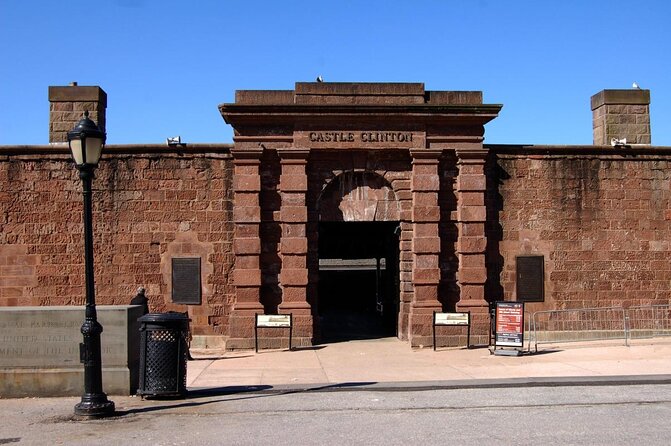
New York City’s architectural evolution from a small Dutch settlement to a global metropolis, showcasing a dynamic history and diverse architectural styles.
-
The iconic NYC skyline as a mosaic of architectural styles, including Art Deco, Neoclassical, and International styles, each defining the city’s unique character.
-
The influence of urban planning on the development of distinct neighborhoods in New York City, shaping their character and livability.
-
Iconic buildings such as the Empire State Building, Chrysler Building, and Flatiron Building as embodiments of NYC’s rich architectural history and evolution.
-
The role of advancing technology in revolutionizing modern architecture in New York City, while also prioritizing the preservation of historic landmarks.
New York City’s Architectural Evolution
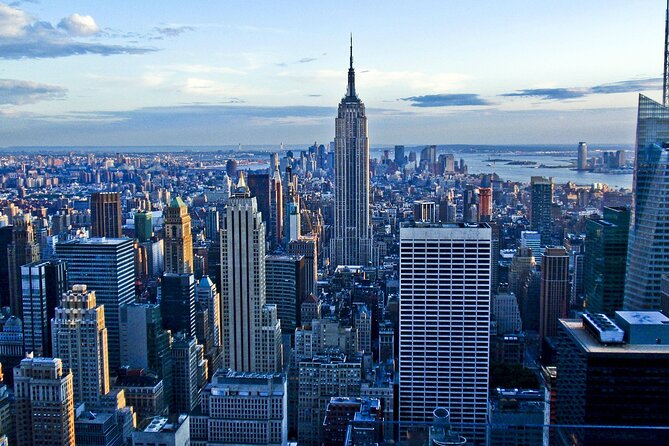
As New York City has grown from a small Dutch settlement into a global metropolis, its architectural landscape has undergone a remarkable transformation.
From the low-rise colonial buildings of the 17th century to the towering skyscrapers of today, the city’s skyline reflects its dynamic history.
Architectural styles have evolved, incorporating influences from around the world.
Buildings now showcase a diverse array of materials, designs, and functions, showcasing the city’s ambition and innovation.
Navigating this architectural tapestry offers insights into New York’s development, urban planning, and the visionary minds that have shaped its iconic silhouette over centuries.
You can also read our reviews of more historical tours in New York City
Architectural Styles Shaping the Skyline
New York City’s iconic skyline is a mosaic of diverse architectural styles, each reflecting the vision and aspirations of its era.
From the ornate skyscrapers of the early 20th century to the sleek, modern towers of today, the city’s skyline tells a story of evolving architectural trends.
Art Deco, Neoclassical, and International styles jostle for attention, creating a dynamic and ever-changing urban landscape.
As the city has grown, so too have the architectural expressions that define its unique character.
Visitors can explore these diverse styles, uncovering the rich history that has shaped the iconic New York skyline.
The Influence of Urban Planning on NYC’s Neighborhoods
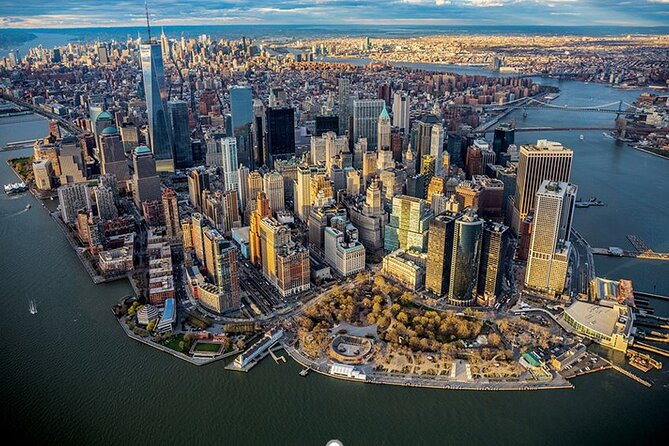
The evolution of New York City’s architectural styles is intricately linked to the city’s urban planning efforts.
From the grid-like layout of Manhattan to the creation of iconic landmarks like Central Park, urban planning has profoundly shaped the city’s neighborhoods.
Decisions around zoning, transportation, and public spaces have influenced the built environment, leading to the distinct characters of areas like the Financial District, Greenwich Village, and Harlem.
Navigating this architectural journey provides insights into how urban planning can enhance a city’s livability, fostering vibrant communities and preserving cultural heritage.
Understanding these connections is key to appreciating New York’s evolving skyline.
Iconic Buildings and Their Significance
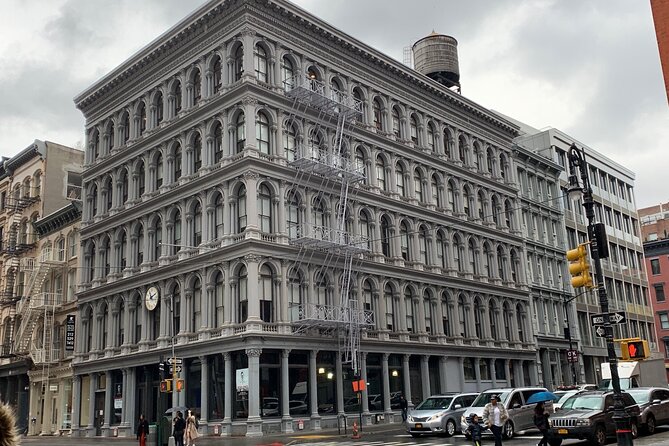
Across New York City’s skyline, iconic buildings stand as testaments to the city’s architectural evolution. From the Art Deco grandeur of the Empire State Building to the modern sleekness of One World Trade Center, these structures embody the city’s rich history and design.
-
The Chrysler Building, with its distinctive stainless steel spire, represents the Jazz Age opulence of the 1920s.
-
The Flatiron Building, with its unique triangular shape, was an engineering marvel when it was completed in 1902.
-
The High Line, once an abandoned elevated railway, has been transformed into a beloved public park, showcasing the city’s ability to repurpose its infrastructure.
The Rise of Skyscrapers and Changing Construction Methods
As the city’s population and economic power grew, architects and engineers pushed the boundaries of what was possible, ushering in the era of the skyscraper. Innovative construction methods, including steel-frame and reinforced concrete, allowed for taller and more ambitious buildings. This paradigm shift transformed the city’s skyline, with landmark structures like the Woolworth Building, Chrysler Building, and Empire State Building redefining the urban landscape.
| Building | Year Completed | Height (feet) |
|---|---|---|
| Woolworth Building | 1913 | 792 |
| Chrysler Building | 1930 | 1,046 |
| Empire State Building | 1931 | 1,454 |
These iconic skyscrapers not only showcased the ingenuity of their designers but also served as symbols of New York’s dynamism and global influence.
- 4-Hour Public Sopranos Sites Bus Tour
- 4.5-Hour City Tour: Statue of Liberty, 9/11 Memorial, Wall Street
- 911 Ground Zero Tour & Museum Preferred Access
- 9/11 Memorial, Ground Zero Tour With Optional One World Observatory Ticket
- 9/11 Memorial, Ground Zero Tour With Optional 9/11 Museum Ticket
- 9/11 Memorial Museum Admission Ticket
The Impact of Technology on Modern Architecture
Although skyscrapers had already transformed the New York skyline, advancing technology continued to revolutionize modern architecture. Innovations like computer-aided design software, 3D printing, and augmented reality allowed architects to push the boundaries of what was possible.
-
Computer-aided design (CAD) enabled architects to create complex, energy-efficient structures with unprecedented precision and speed.
-
3D printing streamlined the prototyping process, facilitating the construction of unique, customized building components.
-
Augmented reality gave designers the ability to visualize their creations in real-world settings, improving collaboration and client communication.
These technological breakthroughs empowered architects to design buildings that weren’t only aesthetically striking, but also sustainable and responsive to the needs of the modern urban landscape.
Preserving Historical Landmarks in a Rapidly Changing City
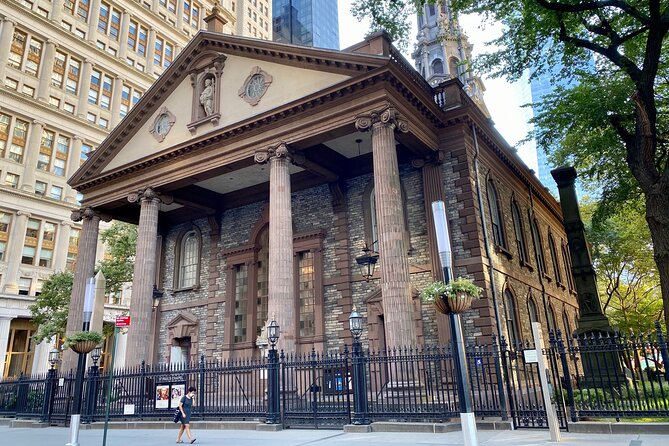
While new architectural marvels continued to transform the New York skyline, the city also grappled with the challenge of preserving its historical landmarks. As the metropolis evolved, the preservation of iconic structures like the Flatiron Building, Federal Hall, and the Chrysler Building became a priority. To help guide these efforts, the city established the Landmarks Preservation Commission, which has played a crucial role in protecting the architectural heritage that defines New York’s unique character.
| Landmark | Year Built | Architectural Style |
|---|---|---|
| Flatiron Building | 1902 | Neo-Renaissance |
| Federal Hall | 1842 | Greek Revival |
| Chrysler Building | 1930 | Art Deco |
| Grand Central Terminal | 1913 | Beaux-Arts |
| Brooklyn Bridge | 1883 | Neoclassical |
Striking a balance between progress and preservation has been an ongoing challenge, but New Yorkers remain committed to honoring the city’s rich architectural legacy.
Exploring NYC’s Architectural Diversity Through Self-Guided Tours
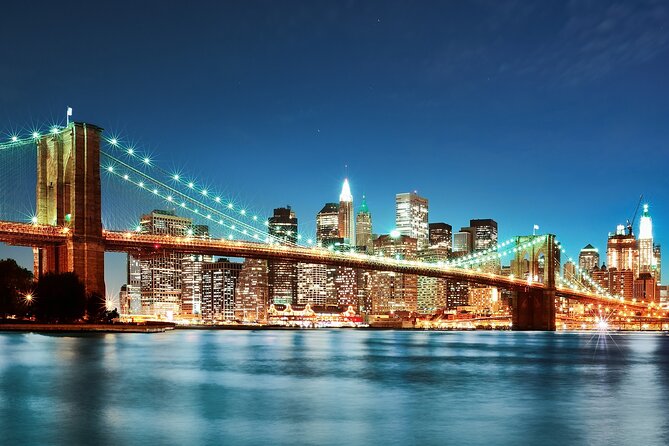
How better to discover New York City’s incredible architectural diversity than through a self-guided tour?
This on-demand video and walking experience allows visitors to explore the city’s neighborhoods at their own pace, uncovering the stories behind its evolving skyline.
-
Learn to identify architectural styles and materials, from the ornate facades of historic buildings to the sleek glass towers of modern skyscrapers.
-
Hear tales of NYC’s transformation from a small Dutch settlement to a global metropolis, and understand how urban planning shaped its neighborhoods, parks, and transportation.
With a start point in Battery Park and an endpoint in Hudson Yards, this tour provides a comprehensive look at New York’s architectural diversity.
Frequently Asked Questions
Can I Bring My Own Food and Drinks on the Tour?
Yes, you can bring your own food and drinks on the tour. There are no restrictions on bringing personal snacks or beverages, so feel free to pack a picnic lunch to enjoy during your self-guided architectural exploration.
Is There a Discount for Seniors or Students?
While the tour doesn’t offer specific discounts for seniors or students, travelers can save by booking as a group of up to 15 people at $25 per group. Children under 12 are free when accompanied by a paid adult.
How Much Time Should I Allocate for the Self-Guided Tour?
The self-guided tour can take 2-3 hours to complete at a leisurely pace, allowing visitors to explore the architecture and neighborhoods of New York City at their own rhythm. Plan accordingly to make the most of the experience.
Can I Split the Group Booking and Pay Separately?
Unfortunately, the tour cannot be split into separate payments. The price is $25 per group of up to 15 people, and the booking must be made as a single transaction. Separate payments are not supported.
Are There Any COVID-19 Safety Protocols in Place During the Tour?
The tour follows COVID-19 safety protocols, including requiring face masks and maintaining social distancing. Hand sanitizer is provided, and high-touch surfaces are regularly cleaned. Participants are asked to stay home if they feel unwell.
Sum Up
New York City’s architectural journey reflects its unwavering spirit of innovation. From historic landmarks to cutting-edge skyscrapers, the ever-evolving skyline tells a story of a city that continuously reinvents itself. Guided tours offer a chance to explore this rich tapestry of styles, showcasing how urban planning and technological advancements have shaped the dynamic neighborhoods we see today.
More Historical Tours in New York City
- American Museum of Natural History Admission Ticket
- NYC: Lower East Side Devour Food & History Walking Tour
- WWII and American War History Private Tour in New York City
- Financial District Walking Tour History, Culture, and Landmarks
- Chinatown: Deep History, Everyday Life, and Restaurants
- New York: Rock and Roll History and Culture Walking Tour
More Tour Reviews in New York City
Not for you? Here's more nearby things to do in New York City we have reviewed
- Gilded Age Midtown with Asian Culinary Delights Walking Tour
- NYC: Holiday Lights Guided Bus Tour
- Private Classic Sailboat Tour in New York City
- From NYC: Boston and Harvard University Guided Day Tour
- New York City Times Square Photoshoot
- Private Midtown Manhattan Art and Architecture Walking Tour
- “The Met” Metropolitan Museum of Art Exclusive Guided Tour
- New York City: Flying Dress Photo Shoot
- Private Transfer from Manhattan Port to New York Airport (JFK)
- NYC: Rockefeller Center Tour with Optional Top of the Rock
- Discover Jackson Heights on foot: Little India, Colombia and Puebla York.
- West Side Story Movie Locations Private Tour in New York