
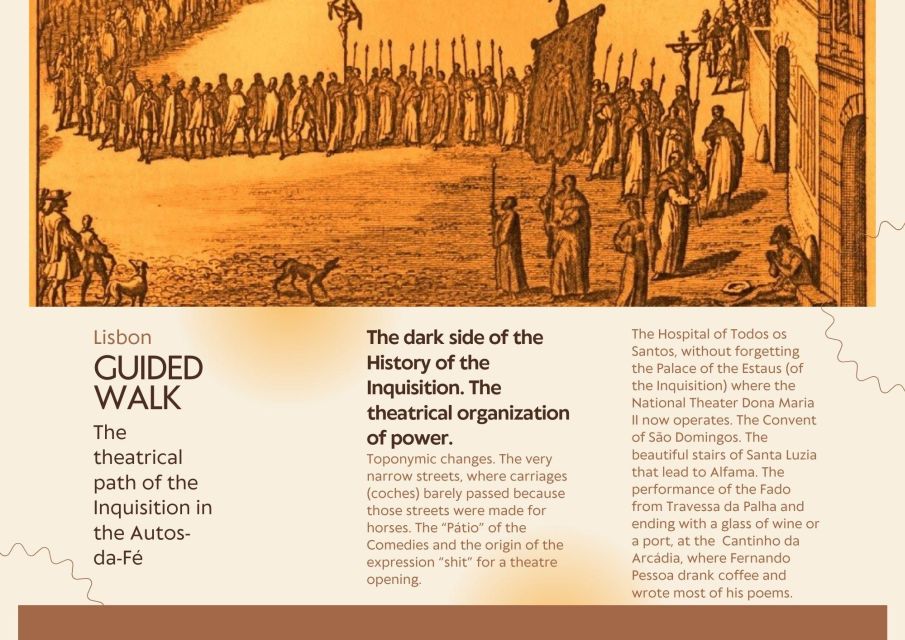
The Inquisition’s autos-da-fé weren’t just judicial proceedings; they were theatrical events that drew crowds and stirred emotions. This unique blend of justice and spectacle served to reinforce the church’s power, transforming the punishment of heretics into community entertainment. With vibrant costumes and dramatic settings, these ceremonies left lasting impressions on society, intertwining fear with a sense of collective identity. Yet, beneath this elaborate facade lies a complex legacy that invites further exploration into how such displays shaped cultural perceptions of morality and justice. What really motivated these public spectacles, and what consequences did they have for future generations?
Key Points
- Autos-da-fé were public spectacles that showcased the Inquisition’s power and reinforced church authority through dramatic displays of punishment.
- These events transformed judgment into community gatherings, using fear to discourage dissent and maintain social order.
- The elaborate costumes and settings of autos-da-fé created memorable experiences, emphasizing the church’s role as a moral guide in society.
- The theatrical nature of these ceremonies blurred the lines between justice and spectacle, engaging large crowds in shared emotional experiences.
- The legacy of autos-da-fé reflects ongoing discussions about morality, authority, and the consequences of unchecked power in contemporary society.
Historical Context of the Inquisition
The Inquisition, often shrouded in mystery and fear, played a pivotal role in shaping societal norms and religious practices during its reign, revealing a complex interplay of power and faith.
Established in the 12th century, it aimed to maintain Catholic orthodoxy amid growing dissent and heretical movements. The church sought to enforce its doctrines, and through various methods, including trials and public penance, it instilled a sense of religious conformity.
This period saw the rise of fear as a tool for control, where accusations could lead to severe consequences. The Inquisition’s influence extended beyond religion, impacting politics and culture, and ultimately left an indelible mark on history, influencing how societies viewed morality, justice, and authority.
You can also read our reviews of more tours and experiences in Lisbon.
Significance of Autos-da-fé
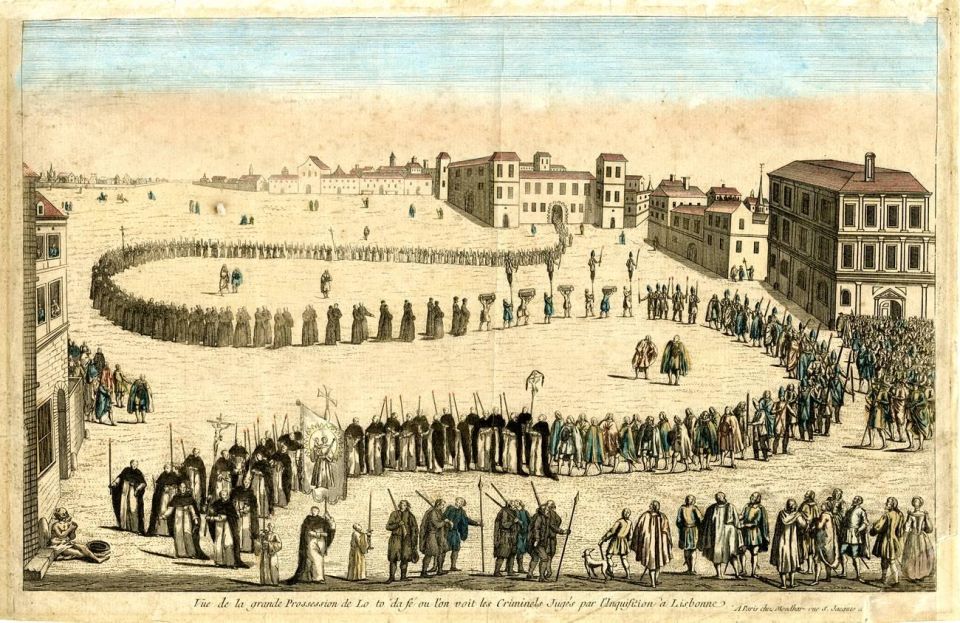
Autos-da-fé served as a dramatic manifestation of the Inquisition’s power, where public spectacles underscored the church’s authority and the dire consequences of heresy. These events weren’t just about punishment; they were theatrical displays meant to intimidate the populace.
By gathering crowds, the Inquisition transformed the act of judgment into a community spectacle, reinforcing the notion that dissent wouldn’t be tolerated. The ritualistic nature of these ceremonies highlighted the church’s role as a moral compass, showcasing its ability to dictate societal norms.
On top of that, the extravagant costumes and elaborate settings turned each auto-da-fé into a vivid spectacle, ensuring that the spectacle lingered in public memory. In this way, the Inquisition solidified its grip on power through fear and spectacle.
Key Locations Explored
Visitors often discover key locations that played a significant role in the Inquisition’s history, each with its own fascinating story to tell.
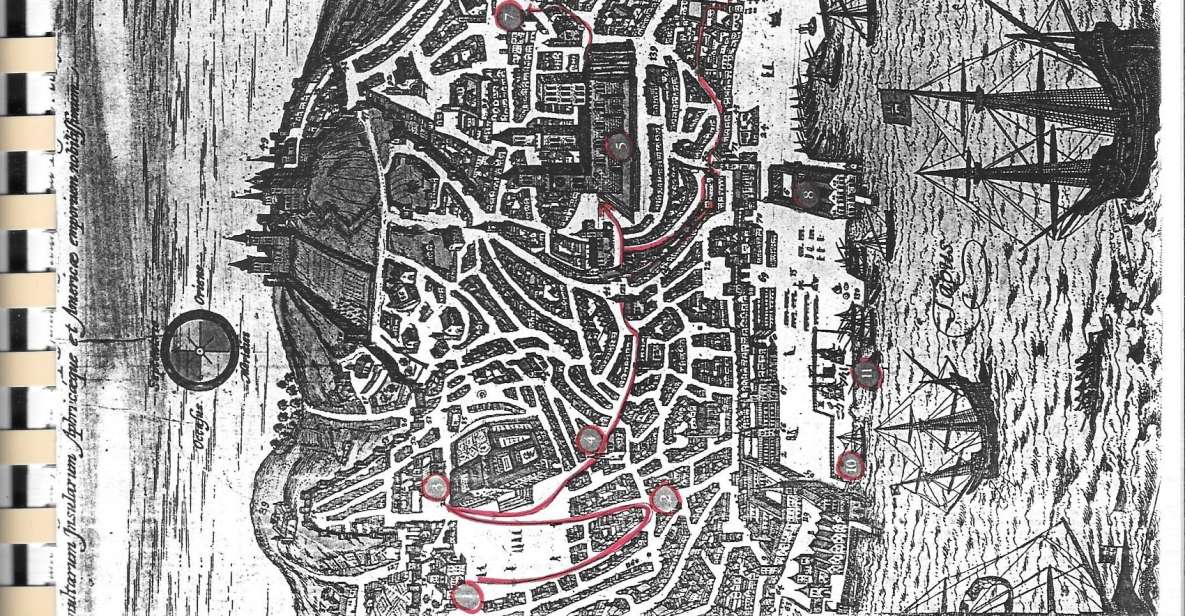
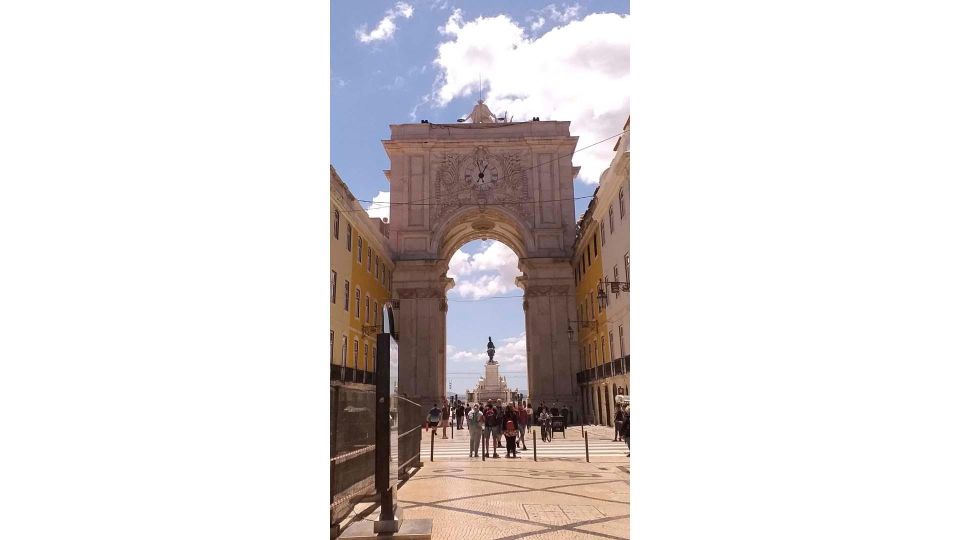
Starting at Praça Dom Pedro IV, they’re greeted by the vibrant energy of Rossio Square. As they stroll through Baixa de Lisboa, the echoes of the past resonate.
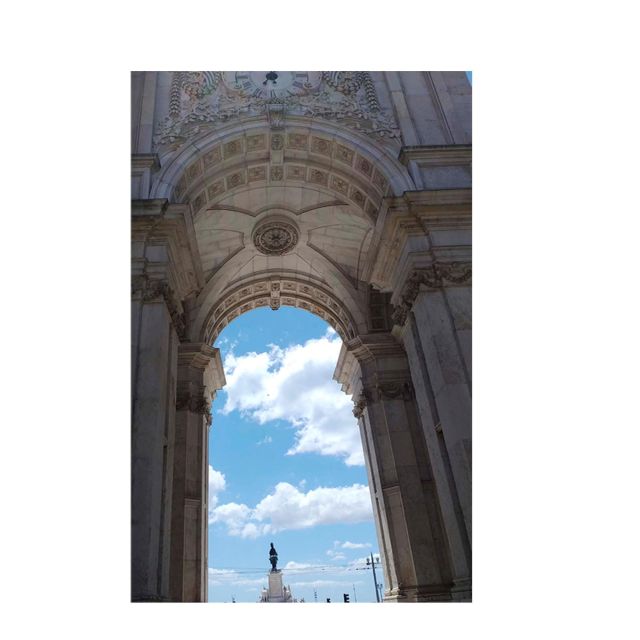
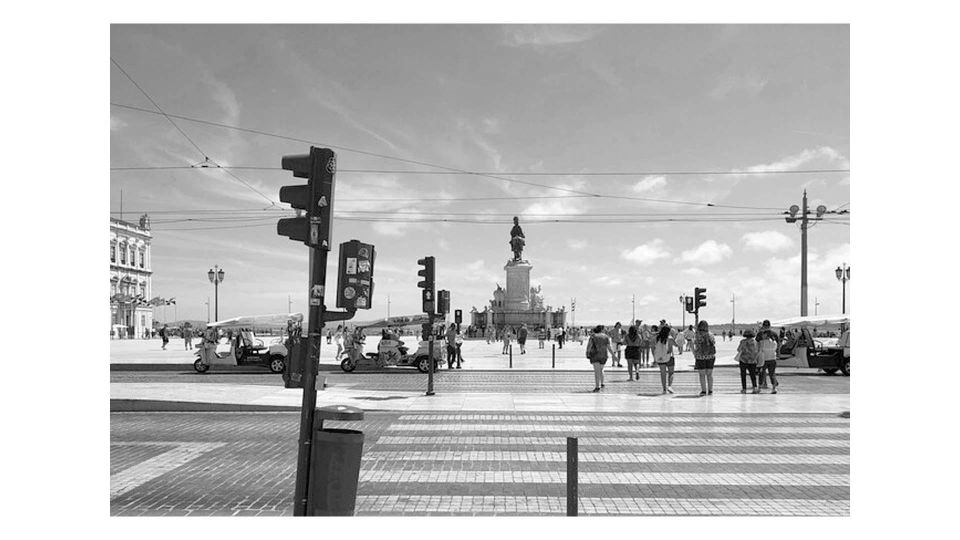
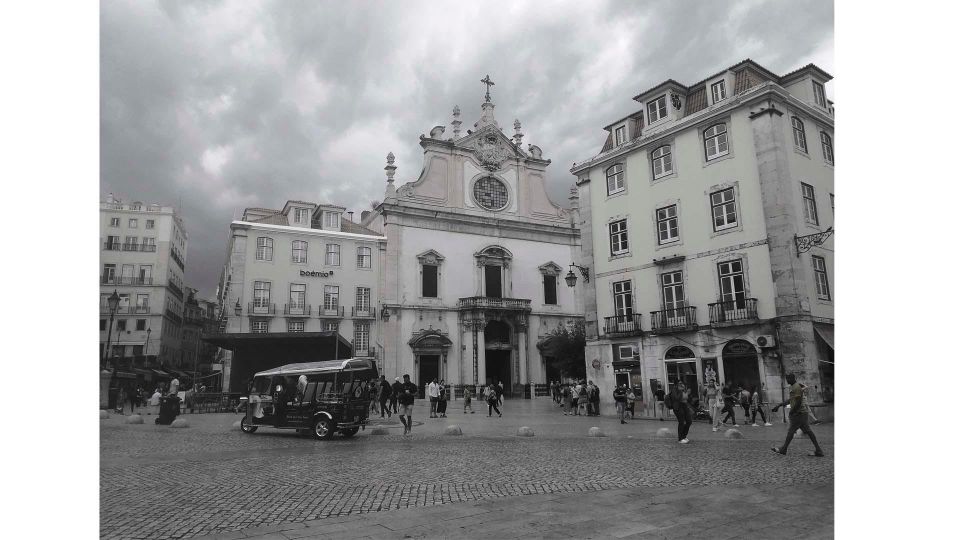
São Domingos Church, a poignant site, witnesses countless stories of faith and fear. Commerce Square, or Praça do Comércio, stands as a majestic reminder of power and public gatherings.
The tour culminates at Terreiro do Paço, a site once rife with executions. Each stop unveils layers of history, inviting reflection on a time when the city’s streets carried the weight of moral and societal conflict.
The Role of Public Spectacle
How did public spectacles during the Inquisition shape societal perceptions of justice and morality? The grand autos-da-fé, or acts of faith, served as theatrical displays that reinforced the Church’s authority and instilled fear. These events attracted large crowds, creating a collective experience that blurred the lines between justice and spectacle. People witnessed brutal punishments, which acted as a warning to others.
| Element | Impact |
|---|---|
| Public Attendance | Fostered community engagement |
| Spectacle of Punishment | Reinforced fear and control |
| Religious Justification | Legitimized harsh actions |
| Social Commentary | Shaped moral perspectives |
| Collective Memory | Ensured historical legacy |
Through these elaborate displays, the Inquisition effectively shaped the moral compass of society.
More Great Tours NearbyCultural Insights and Fado
Cultural expressions like Fado weave a rich tapestry of history and emotion, reflecting the profound impact of the Inquisition on Portuguese society.
This melancholic music often embodies themes of longing, loss, and nostalgia, echoing the struggles faced by those oppressed during the Inquisition. The haunting melodies and poignant lyrics serve as a reminder of the pain and resilience of the Portuguese people.
Fado’s roots intertwine with the historical fabric of the nation, revealing how art can both document and transcend suffering. As listeners enjoy its soulful tunes, they connect with the past, fostering a deeper understanding of the cultural landscape shaped by centuries of turmoil and triumph.
Fado truly captures the essence of Portugal’s complex history.
- Lisbon: Half Day Sightseeing Tour on a Private Electric Tuk Tuk
- Alfama Tour in Lisbon Old Town
- Undiscovered Lisbon Food & Wine Tour With Eating Europe
- 2 Hour Lisbon Sunset and Wine Sailing Tour
- Small Group Tour to Sintra, Pena Palace, Pass by Regaleira, Cabo Roca, Cascais
- Lisbon Small-Group Food Tour With 15 Tastings in Alfama District
Tour Experience and Highlights
Stepping into the theatrical path of the Inquisition, participants find themselves immersed in a captivating journey that unveils the haunting history of Lisbon’s past. This guided tour, led by a knowledgeable PhD guide, highlights significant sites while offering insights into the Inquisition’s dark legacy. Guests experience a Fado performance, enhancing the emotional landscape of the journey.
| Highlight | Details |
|---|---|
| Starting Point | Praça Dom Pedro IV (Rossio Square) |
| Key Locations | São Domingos Church, Terreiro do Paço |
| Unique Experience | Fado song ‘Fado da Travessa da Palha’ |
| Ending Note | Port wine served at the tour’s conclusion |
This engaging narrative makes history come alive in a uniquely memorable way.
Practical Information for Visitors
Visitors looking to join the Theatrical Path of the Inquisition tour should keep in mind essential details to ensure a smooth and enjoyable experience.
The tour lasts 1.5 hours and costs $32.67 per person. It’s important to check the starting times and reserve a spot, as you can book now and pay later.
Participants should wear comfortable shoes and clothes, as the tour involves walking. Remember to bring water, a camera, and some cash for any extra expenses.
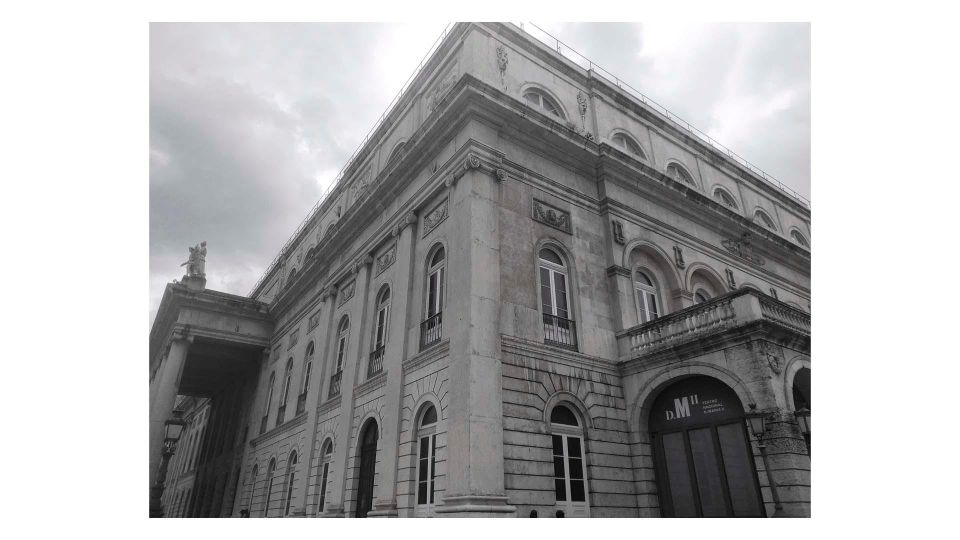
The meeting point is at the main facade of the National Theatre, and the tour wraps up near the Tagus River, where dining options await.
Don’t forget, free cancellation is available up to 24 hours in advance!
Reflections on the Inquisition’s Legacy
The Inquisition’s legacy continues to shape contemporary discussions about justice, morality, and the balance of power in society.
Many argue that its history serves as a cautionary tale, reminding us of the dangers of unchecked authority and the persecution of dissenting voices.
Scholars and activists alike draw parallels between past injustices and modern-day issues, highlighting how fear can lead to oppression.
This reflection prompts society to consider the importance of compassion, tolerance, and the protection of human rights.
As we explore the Inquisition’s theatrical path, we’re encouraged to confront uncomfortable truths about our history, fostering a deeper understanding of how these events inform current beliefs and practices in justice and governance.
Frequently Asked Questions
Is the Tour Suitable for Individuals With Mobility Challenges?
The tour isn’t suitable for individuals with mobility challenges. It requires some walking and navigating outdoor areas, which can be difficult for those needing assistance. Comfort and accessibility should definitely be considered before booking.
Can I Bring Children on This Tour?
The tour isn’t suitable for children under 10. It’s designed for adults, focusing on historical themes and performances. Parents should consider the content and context before deciding if it’s appropriate for their kids.
What Should I Wear for the Tour?
For the tour, participants should wear comfortable shoes and clothes, as they’ll be walking quite a bit. Bringing water and a charged smartphone is also smart for staying refreshed and capturing memories.
Is Food Included in the Tour Price?
Food isn’t included in the tour price. However, participants can enjoy dining options near the final stop at Terreiro do Paço, making it a perfect opportunity to explore local cuisine after the experience.
Are Photography and Videography Allowed During the Tour?
During the tour, visitors can capture memories with photography and videography. The guide encourages them to document the stunning sites, making it a fun and engaging experience while exploring Lisbon’s rich historical background.
Sum Up
The theatrical path of the Inquisition during autos-da-fé left an indelible mark on history, intertwining justice with public spectacle.
These grand events not only reinforced the church’s authority but also captivated audiences, shaping societal norms and collective memory.
As visitors explore the remnants of this dark legacy, they gain insight into the cultural dynamics of the time.
Understanding the intricacies of the Inquisition invites reflection on its lasting impact and reminds us of the power of spectacle in shaping human experience.
You can check availability for your dates here:More Tour Reviews in Lisbon
- Lisbon Sunset Boat Tour with local Snacks & Drinks
- Winery, Tastings & 4WD Vineyards Ride, Half Day Trip from Lisbon
- Porto Private Direct Transfer from Lisbon
- Transfer from Lisbon to Porto
- Porto Private Tour with Wine Tasting in Gaia from Lisbon
- Private Tiles Workshop Tour: Wine Tasting & Sesimbra from Lisbon
Not for you? Here's more nearby things to do in Lisbon we have reviewed
- Lisbon Sunset Boat Tour with local Snacks & Drinks
- Winery, Tastings & 4WD Vineyards Ride, Half Day Trip from Lisbon
- Porto Private Direct Transfer from Lisbon
- Transfer from Lisbon to Porto
- Porto Private Tour with Wine Tasting in Gaia from Lisbon
- Private Tiles Workshop Tour: Wine Tasting & Sesimbra from Lisbon
- Lisbon: Must see the best place in lisbon city
- Fátima Batalha Nazaré and Óbidos Private Tour
- Private tapas tuk tuk tour through Lisbon
- Óbidos historic village and Mafra Palace Private Tour
- Lisbon Helicopter Flight
- Private 6 or 10 Food Tasting and City Highlights Tour in Lisbon