Introduction

If you’re planning a trip to Rome and want to uncover its lesser-known treasures, the Trevi Fountain Underground Guided Tour offers a fascinating glimpse beneath one of the city’s most iconic sights. This experience is perfect for travelers interested in hidden history and authentic local stories, rather than just the usual postcard attractions.
Two things we particularly appreciate about this tour are its small-group setting, which fosters a more intimate experience, and the opportunity to see archaeological remains that most visitors will never encounter. However, it’s worth noting the underground spaces can be cramped, which might not be ideal for travelers looking for a spacious walk.
This tour suits those curious about Rome’s water systems, ancient aqueducts, and underground architecture, especially if you prefer exploring with knowledgeable guides who can bring the history alive. It’s a good choice for history buffs, curious travelers, and anyone eager to see a different side of Rome.
Key Points
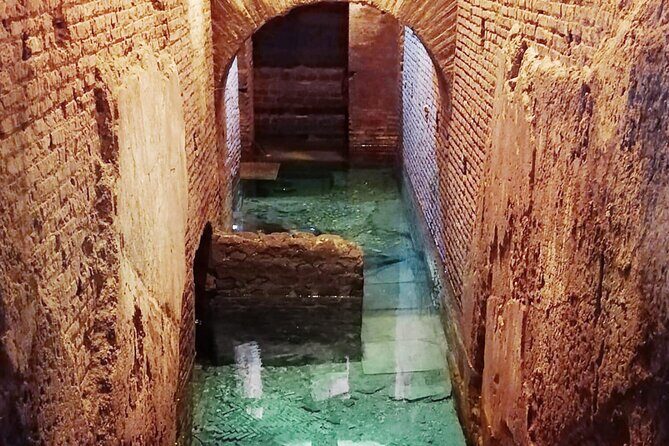
- Unique underground access to the Trevi Fountain and Vicus Caprarius
- Small-group size ensures a more personalized experience
- Expert guides provide detailed historical context
- Authentic archaeological sites with Roman aqueduct remains still flowing with water
- Limited walking space and cramped areas may feel tight for some
- Inclusion of tickets and radio headsets for clarity and comfort
You can also read our reviews of more guided tours in Rome


An In-Depth Look at the Tour
Discovering the Trevi Fountain from Below
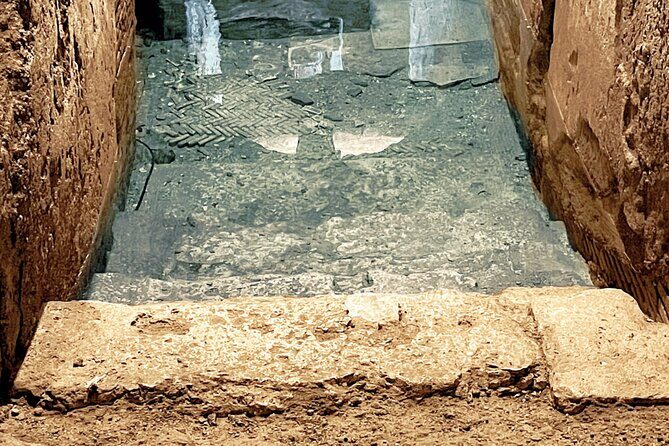
Most visitors admire the Trevi Fountain from the bustling Piazza, but this tour takes you underground for a closer look. We loved the way the guide explained the hidden history beneath the stunning sculpture group. You’ll visit the passages underneath the fountain where the remains of the ancient Roman aqueduct** are visible, offering a fresh perspective on how the fountain was fed and maintained.
Despite some reviews mentioning the cramped space, this tightness can actually add a sense of adventure. It’s not a sprawling tunnel tour; rather, it’s a brief but revealing peek into Rome’s subterranean water infrastructure. The admission to the underground is included, so there are no surprises on the cost front.
Vicus Caprarius: Rome’s Water City
The highlight for many is the visit to Vicus Caprarius, the City of Water. This archaeological site is tucked beneath the Trevi Fountain itself, making it a perfect second stop. You can walk through remains of one of the 11 aqueducts Roman engineers built, with a poetic name: Aqua Virgo. Its name hints at the purity and clarity of water that the Romans prized, and the site still features water flowing today, adding a relaxing soundtrack to your visit.
The site offers an impressive glimpse into Roman engineering, with well-preserved remains and mosaics. Several reviews emphasize how knowledgeable guides, like Silvia, made the stories come alive, describing how these aqueducts supplied water to the city and how the Trevi Fountain depends on this ancient infrastructure. One reviewer mentioned that the underground Roman waterways are still in use, which makes the experience more tangible and relevant.
Practicalities and Group Dynamics
The tour lasts about an hour, starting at 11:00 am from Piazza dei Crociferi. With a maximum of 10 travelers, it maintains a cozy atmosphere, ensuring you’re not just another face in a crowd. The inclusion of radio headsets helps keep everyone engaged, even in the tighter spaces or when noise levels rise outside.
While the price of $55.03 per person might seem a bit steep for a short tour, it’s worth considering the value of exclusive access and expert guidance. The ticket price covers both sites, and the small group setting means you’re likely to get more tailored insights than in larger tours.
- Rome:Hop-On Hop-Off Panoramic Open Bus Ticket 3 Circuits x 1
★ 4.0 · 15,749 reviews - Rome: Colosseum, Forum & Palatine Hill Tour & Optional Arena
★ 4.4 · 14,552 reviews - Rome: Vatican Museums, Sistine Chapel & Basilica Access
★ 4.3 · 13,945 reviews - Rome: Colosseum, Palatine Hill & Roman Forum Guided Tour
★ 4.6 · 12,703 reviews - Rome: City Sightseeing Hop-On Hop-Off Bus With Audioguide
★ 4.0 · 12,584 reviews - Rome: Vatican Museums & Sistine Chapel Guided Tour
★ 4.3 · 12,117 reviews
What Travelers Are Saying
Many reviews praise the knowledgeable guides and the quality of the archaeological sites. One reviewer called the experience a “hidden gem”, expressing surprise at discovering a Roman waterway that few travelers know about. Another appreciated the guide’s enthusiasm, saying she could have spent hours learning about Roman water systems.
However, a few mention cramped conditions and express a slight disappointment that the tour isn’t more like a tunnel walk. Some expected a more extensive underground network, but the limited space means the focus remains on the most significant remains.
Accessibility and Practical Tips
The tour is near public transportation, making it easy to reach in central Rome. Service animals are allowed, and most travelers should be able to participate. Since the tour involves standing and moving through confined spaces, those with mobility issues may want to consider this beforehand.
If you’re someone who prefers more walking or exploration, this tour might feel a bit limited in scope. But if you’re eager for a focused, expert-guided experience, it’s a great choice. Remember to book 51 days in advance on average, as this small-group tour tends to fill up.
Who Should Consider This Tour?
This experience is best for travelers who value authentic, off-the-beaten-path sights. History enthusiasts, water system buffs, or those simply craving an intimate glimpse into Rome’s underground will find it rewarding. It’s also ideal for visitors who enjoy guided storytelling and learning directly from knowledgeable locals.
Those who prefer large groups or more expansive tunnels might find this tour a little too tight and brief. It’s a perfect add-on for anyone wanting to deepen their understanding of Rome’s engineering marvels beyond the usual sights.
The Sum Up
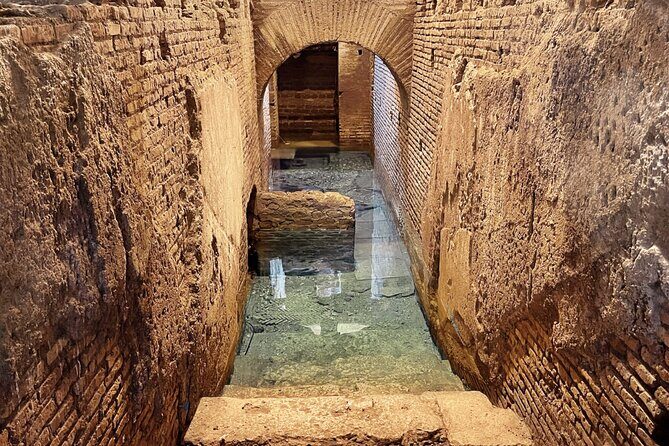
The Trevi Fountain Underground Guided Tour offers a fascinating peek beneath one of Rome’s most recognizable landmarks, revealing an ancient waterway system that still holds surprises. With its small-group format and expert guides, it provides a personalized, authentic experience that most travelers miss.
While the space can be tight and some may wish for a longer, more expansive underground walk, the quality of the archaeological sites and storytelling makes this tour a real highlight for those interested in Rome’s engineering and waterworks. It’s a fantastic way to see the city from a different angle—literally beneath your feet.
If you’re eager to discover Rome’s hidden secrets and enjoy a small-group, guided adventure, this tour is well worth considering. It’s best suited for history lovers, water system enthusiasts, and those who appreciate local guides who bring stories to life.
FAQ

How long is the tour?
The tour lasts approximately 1 hour, with specific stops at the underground sections of the Trevi Fountain and Vicus Caprarius.
What is included in the ticket price?
The ticket includes access to the underground archaeological sites at both locations and the use of radio headsets to hear the guide clearly.
What should I expect in terms of space?
The underground areas are somewhat cramped, which can feel tight, especially if you’re sensitive to confined spaces. It’s best suited for those comfortable with small, close quarters.
Where does the tour start and end?
The tour begins at Piazza dei Crociferi and ends back at the same spot, making logistics easy for participants.
Is this tour suitable for children or people with mobility issues?
It’s generally accessible to most travelers, but those with mobility challenges or who dislike tight spaces may want to consider this before booking.
When should I book?
Because the tour is popular and limited to small groups, booking about 51 days in advance is recommended to secure your spot.
This underground exploration offers a rare chance to see Rome’s waterworks from a fresh angle, guided by passionate locals. It’s a small, immersive experience that deepens your appreciation for the ingenuity that keeps Rome flowing—both literally and historically.