
General Lafayette emerges as a fascinating figure who bridged the American and French Revolutions, embodying the universal quest for liberty. His contributions to the American victory at Yorktown alongside George Washington are well-documented, but Lafayette’s vision for France is equally compelling. Influenced by Enlightenment thinkers, he sought to bring about a constitutional monarchy, believing in the rights of citizens and the power of reform. Yet, as the French Revolution unfolded, Lafayette faced challenges that tested his ideals. What obstacles did he encounter, and how did they shape his legacy?
Key Points
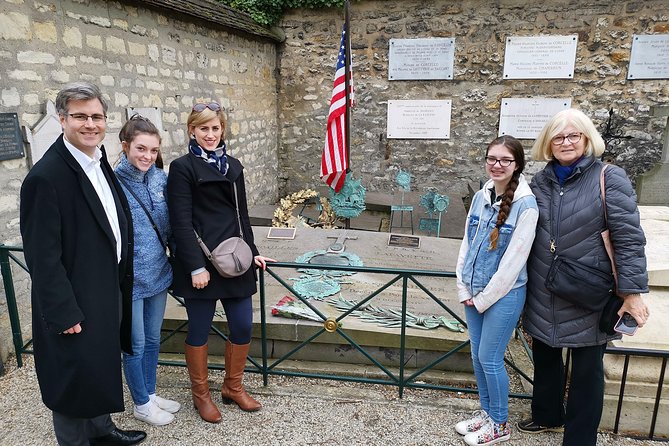
- General Lafayette played a crucial role in the American Revolution by forming strong alliances and securing French support for the Continental Army.
- He was influenced by Enlightenment thinkers, which shaped his vision for liberty and equality in both America and France.
- Lafayette helped draft the Declaration of the Rights of Man and of the Citizen during the French Revolution, advocating for human rights and political reform.
- He commanded the National Guard during the French Revolution, striving for order while navigating the complexities between monarchy and revolutionaries.
- Lafayette’s legacy endures as a symbol of the fight against tyranny and the transatlantic connection between American and French revolutionary ideals.
General Lafayette’s Early Life

Born into a noble family in 1757, General Lafayette quickly developed a passion for military service and the ideals of liberty that would shape his remarkable life.
Growing up in France, he was influenced by Enlightenment thinkers like Rousseau and Voltaire, igniting his desire for justice and equality. Lafayette joined the French army at a young age, demonstrating exceptional skills and ambition.
His early experiences in the military not only honed his leadership abilities but also exposed him to the struggles of the common people. By his late teens, he was eager to make a difference, ultimately dreaming of a world where freedom reigned.
This passion would propel him into significant historical events, forever linking his name with liberty and revolution.
You can also read our reviews of more tours and experiences in Paris.
Lafayette’s Role in the American Revolution
General Lafayette played a crucial role in the American Revolution, serving as a key ally to the Continental Army and bringing both military expertise and a passionate commitment to the cause of independence.
Arriving in America in 1777, he quickly forged strong relationships with leaders like George Washington. Lafayette’s strategic insights and fervent advocacy for the revolutionary cause earned him a major-general’s commission.
He played pivotal roles in key battles, including the Siege of Yorktown, where his leadership helped secure a decisive victory for the Americans. His dedication not only inspired troops but also solidified French support for the revolution.
Lafayette’s efforts exemplified the spirit of alliance and the shared fight for liberty, leaving a lasting legacy in both American and French history.
The Influence of Enlightenment Ideas
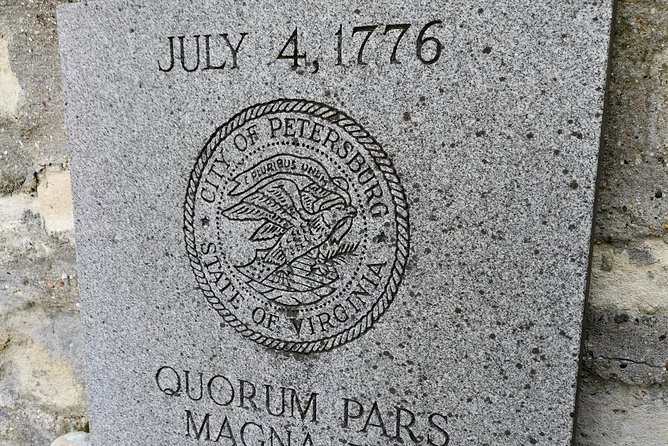
The ideals of the Enlightenment significantly shaped the motivations and philosophies behind both the American and French revolutions, inspiring leaders like Lafayette to champion the principles of liberty, equality, and fraternity. Enlightenment thinkers like Rousseau, Voltaire, and Locke influenced revolutionary leaders, fostering a spirit of questioning authority and advocating for human rights. This intellectual movement laid the groundwork for modern democracies.
| Enlightenment Thinker | Key Contribution |
|---|---|
| John Locke | Natural rights and government consent |
| Voltaire | Freedom of speech and religious tolerance |
| Montesquieu | Separation of powers |
| Rousseau | Social contract and general will |
These ideas fueled the fight for independence and justice, making the revolutions a defining moment in history.
The French Revolution Unfolds
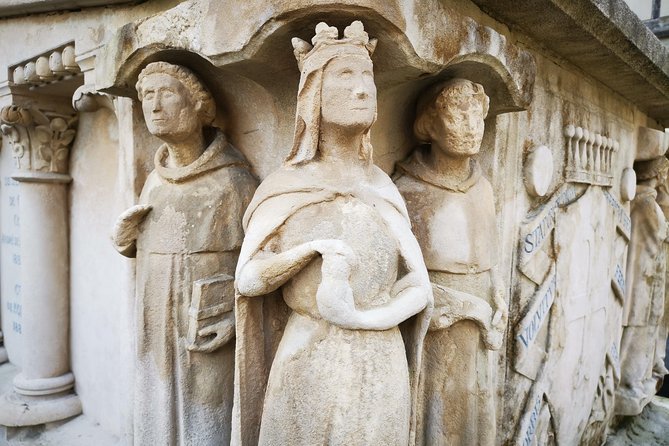
Amidst growing discontent, the French Revolution unfolded dramatically in 1789, fueled by a desire for change and a challenge to the monarchy’s absolute power.
The Estates-General convened, but conflict quickly arose as the Third Estate, representing the common people, demanded greater representation. Tensions boiled over with the storming of the Bastille on July 14, marking a symbolic break from tyranny.
Citizens rallied, forming the National Assembly, and pushing for rights and freedoms. The Declaration of the Rights of Man and of the Citizen emerged, embodying Enlightenment ideals.
As chaos spread, royal authority weakened, and radical factions gained momentum, leading to a turbulent struggle that would reshape France and influence revolutions worldwide.
The revolution’s fervor captured imaginations far beyond its borders.
Lafayette’s Vision for France
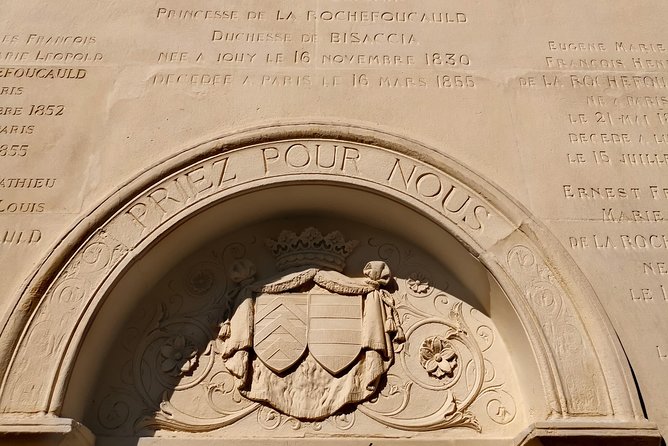
Lafayette envisioned a France where liberty and equality thrived, inspired by the revolutionary ideals he encountered during the American War of Independence. He believed that all citizens deserved fundamental rights and a voice in their governance.
Lafayette’s dream included a constitutional monarchy, where the king’s power would be limited by a representative assembly. He sought to blend the principles of democracy with France’s rich traditions, aiming for a society that respected both individual freedoms and collective responsibilities.
His commitment to social justice and political reform resonated deeply with the French people, as they sought to break free from the oppressive structures of the monarchy. Lafayette’s vision remains a testament to the enduring struggle for equality and human rights.
- Bateaux Parisiens Seine River Gourmet Lunch & Sightseeing Cruise
- Normandy D-Day Small-Group Day Trip With Omaha Beach, Cemetery & Cider Tasting
- Paris Top Sights Half Day Walking Tour With a Fun Guide
- Louvre Museum Semi-Private Guided Tour (Reserved Entry Included)
- Montmartre Hill French Gourmet Food and Wine Tasting Walking Tour
- Paris Montmartre Walking Tour Best Art Culture and Food
Key Events During Lafayette’s Involvement

Engaging in pivotal moments of the French Revolution, Lafayette played a crucial role in shaping the political landscape of France during a time of immense change.
In 1789, he helped draft the Declaration of the Rights of Man and of the Citizen, aligning revolutionary ideals with Enlightenment principles.
As a commander of the National Guard, he sought to maintain order amidst the chaos, advocating for constitutional monarchy.
However, his attempts to mediate between the monarchy and revolutionaries were met with increasing resistance.
The storming of the Bastille marked a turning point, leading Lafayette to navigate complex political tensions.
Ultimately, his commitment to liberty and moderation made him a central figure, though it also placed him in precarious situations throughout the revolution.
Legacy of General Lafayette
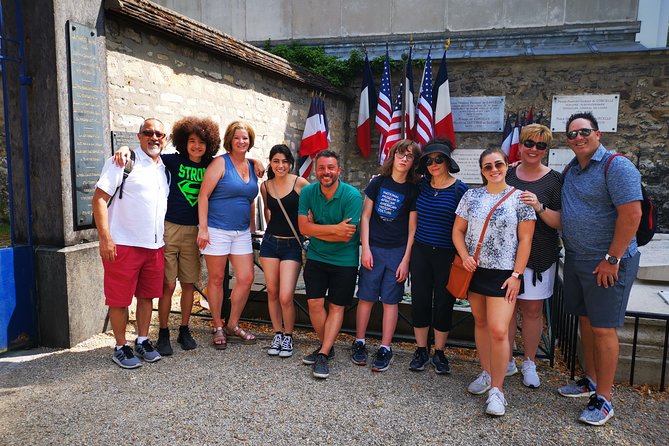
General Lafayette’s enduring legacy reflects his passion for liberty and his pivotal role in both the American and French Revolutions, inspiring generations to embrace the ideals of freedom and democracy.
His influence can be summarized in four key aspects:
-
Transatlantic Unity: Lafayette forged strong ties between America and France, promoting mutual respect and shared values.
-
Symbol of Freedom: He became an enduring symbol of the fight against tyranny, encouraging revolutionary movements worldwide.
-
Advocate for Equality: Lafayette championed civil rights, emphasizing the importance of social justice in both nations.
-
Cultural Impact: His story continues to resonate in literature, art, and education, reminding people of the sacrifices made for liberty.
Through these contributions, Lafayette’s legacy remains a beacon of hope and inspiration for those who seek freedom.
Exploring Historical Sites Today
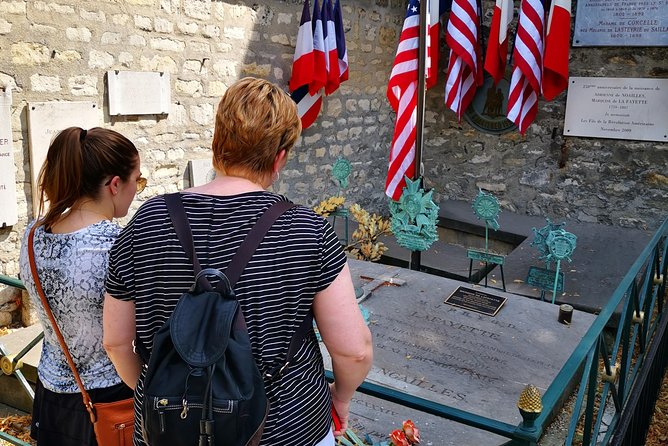
Visiting historical sites today offers a unique opportunity to connect with the past, allowing travelers to walk in the footsteps of those who shaped the course of history.
Tours focusing on the U.S. and French Revolutions take participants through intriguing landmarks, like Revolution-era cemeteries and former guillotine sites. These experiences provide insight into the lives and struggles of pivotal figures, including General Lafayette.
With knowledgeable guides, such as Milan, visitors engage in interactive discussions that deepen their understanding. Plus, small group sizes ensure a personal touch, making each visit memorable.
Whether it’s rain or shine, exploring these sites enriches one’s appreciation for the intertwined histories of the U.S. and France, making it a must for history enthusiasts.
Frequently Asked Questions
What Was Lafayette’s Relationship With George Washington?
Their bond was strong, rooted in mutual respect and shared ideals. Lafayette admired Washington’s leadership, while Washington viewed Lafayette as a trusted ally. Their friendship deepened through correspondence, reflecting their commitment to liberty and democracy.
How Did Lafayette’s Actions Affect French-American Relations?
Lafayette’s actions fostered strong ties between France and America, promoting ideals of liberty and democracy. His influence inspired mutual support, creating a lasting friendship that shaped diplomatic relations and encouraged revolutionary movements in both nations.
What Were Lafayette’s Views on Slavery?
Lafayette opposed slavery, believing in liberty and equality for all. He advocated for gradual emancipation and supported abolitionist movements, viewing slavery as fundamentally incompatible with the principles of freedom he championed throughout his life.
Did Lafayette Ever Visit the United States After the Revolution?
Milan shared that Lafayette did visit the United States after the Revolution. He returned in 1784, reconnecting with friends and supporters, and he toured various states, celebrating the bonds between the two nations.
How Is Lafayette Commemorated in Modern France and the Us?
In modern France and the U.S., Lafayette’s legacy thrives through statues, parks, and annual celebrations. His contributions are celebrated in schools and public events, fostering a sense of shared history and friendship between the nations.
Recap
In the grand tapestry of history, General Lafayette stands out as a beacon of liberty and justice.
His contributions to both the American and French Revolutions showcase the universal quest for freedom.
By bridging the ideals of Enlightenment with the realities of revolution, Lafayette not only shaped his own destiny but also inspired generations to come.
Today, his legacy continues to resonate, reminding us of the enduring power of courage and the importance of fighting for equality and rights.
More Tour Reviews in Paris
- Versailles Timed Entrance Ticket and Giverny Small Group Day Trip from Paris
- Entry Ticket to Basilica Cathedral of Saint Denise
- Explore Paris with A Comfortable Bike Tour Ride
- Saint Germain Walking Tour with Local Insights
- Tasting at Bubble Bliss Champagne Bar
- Eiffel Tower and Versailles Palace Tour With Private Transfers
Not for you? Here's more nearby things to do in Paris we have reviewed
- Versailles Timed Entrance Ticket and Giverny Small Group Day Trip from Paris
- Entry Ticket to Basilica Cathedral of Saint Denise
- Explore Paris with A Comfortable Bike Tour Ride
- Saint Germain Walking Tour with Local Insights
- Tasting at Bubble Bliss Champagne Bar
- Eiffel Tower and Versailles Palace Tour With Private Transfers
- Private tour of the Great Christmas of Vaux le Vicomte and Fontainebleau
- Paris Seine River Cruise with Commentary – Flexible Ticket
- Le Marais and Seine River Dinner Cruise with Hotel pick up in Paris- 6 Hrs
- Shopping day at La Vallée Village from Paris
- Private Transfer: Paris Airport CDG to Reims / Champagne by Van
- Louvre Entry Ticket with Audio Guide