
When it comes to sightseeing in Rome, fountains and aqueducts are often at the top of travelers’ wish lists. This tour offers a fascinating look at both the celebrated and the lesser-known water features that give the Eternal City its charm. We’re reviewing a 2-hour guided walk that combines the well-known Trevi Fountain with some of Rome’s underground water systems, including the surprisingly captivating Vicus Caprarius, beneath the Trevi.
Two things stand out about this experience: first, the expert guidance that brings the stories behind each fountain to life, and second, the chance to see hidden archaeological features that most visitors never encounter. The main drawback? The overall time is short, so if you’re a fountain fanatic or history buff, you might wish for a longer, more in-depth exploration.
This tour is ideal for travelers who love architecture, history, and a bit of adventure—especially those who enjoy uncovering Rome’s lesser-known stories alongside its famous monuments.
Key Points

- In-depth stories behind Rome’s famous fountains and water systems
- Expert guides who make history engaging and fun
- Access to underground sites, including Vicus Caprarius
- Balanced itinerary combining well-known sights with hidden gems
- Short duration, perfect for a quick but meaningful overview
- Limited group size (max 10), ensuring a personalized experience
Discovering the Waterworks of Rome: An Introduction
This walking tour is a clever way to blend the celebrated beauty of Rome’s fountains with the hidden engineering marvels beneath the streets. As most visitors admire the Trevi Fountain from afar, few realize the city’s water supply system is just as intriguing as its sculptures and architecture. The tour’s focus on Vicus Caprarius, an underground aqueduct and water city, offers a fresh perspective.
What we love about this tour is how knowledgeable guides bring to life the stories behind the fountains, making the experience both educational and playful. Plus, the inclusion of stunning sights like Bernini’s Fountain of the Four Rivers in Piazza Navona elevates the experience from simple sightseeing to a deeper appreciation of Rome’s artistic achievements.
One potential drawback is the short length—just about two hours—so it’s best suited for those who want a quick overview rather than an exhaustive exploration. If you’re after a comprehensive deep dive into Rome’s water infrastructure, this might only be the starting point.
This experience suits travelers who enjoy history, art, and discovering roman engineering marvels, especially if they prefer guided tours that keep things lively and informative.
You can also read our reviews of more tours and experiences in Rome.
Exploring the Itinerary: What You’ll See and Why It Matters
Start at Piazza Venezia and the Altare della Patria
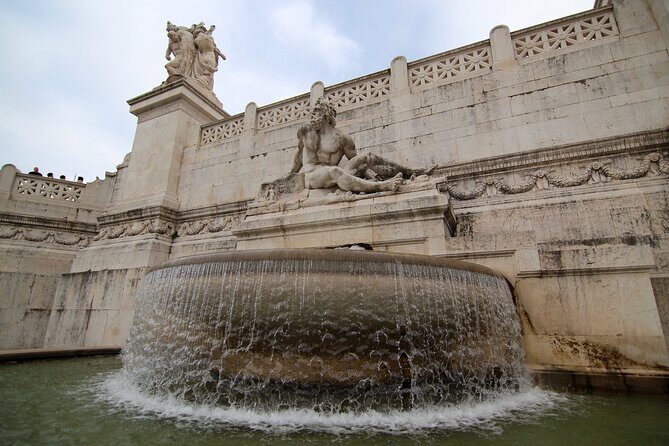
The tour begins in the bustling Piazza Venezia, dominated by the Altare della Patria. This imposing monument, built between 1885 and 1911, celebrates Italy’s unification and its heroes. While this is a landmark many travelers see from a distance, our guide will explain the layers of history embedded in its marble and symbolism.
You’ll appreciate how this monument is a modern addition compared to Rome’s ancient ruins, yet it’s integral to the city’s identity. It’s a good starting point that sets the tone for understanding Rome’s layered history.
Fontana del Tirreno and the Sea Fountains
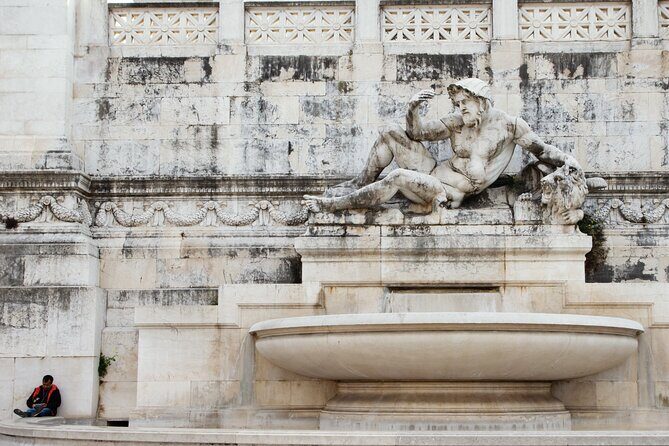
Next, we pause at the Fountains of the Tyrrhenian and Adriatic Seas, designed by Giuseppe Sacconi. These symmetrical fountains symbolize Italy’s maritime identity—an important reminder of Rome’s connection to the seas that once defined its empire. Here, you get a glimpse of Renaissance craftsmanship combined with 20th-century grandeur.
Fontana delle Tartarughe: Playful Renaissance Charm
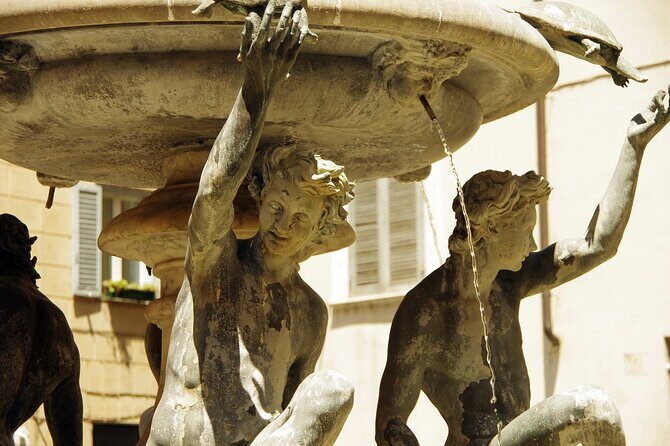
We then stroll to the Turtle Fountain, dating from the late 1500s. Designed by Giacomo della Porta, its playful bronze turtles and dolphins evoke a sense of whimsy that still delights visitors today. The fountain’s craftsmanship highlights the Renaissance’s love of intricate detail and lively design, making it more than just a water feature; it’s a piece of art that captures the joy of the period.
- Vatican Museums, Sistine Chapel & St Peter’s Basilica Guided Tour
- Colosseum & Ancient Rome Tour With Roman Forum & Palatine Hill
- Skip-the-Line Group Tour of the Vatican, Sistine Chapel & St. Peters Basilica
- Pompeii Day Trip From Rome With Mount Vesuvius or Positano Option
- Skip the Line: Vatican Museums & Sistine Chapel With St. Peters Basilica Access
- Expert Guided Tour of Colosseum Underground OR Arena and Forum
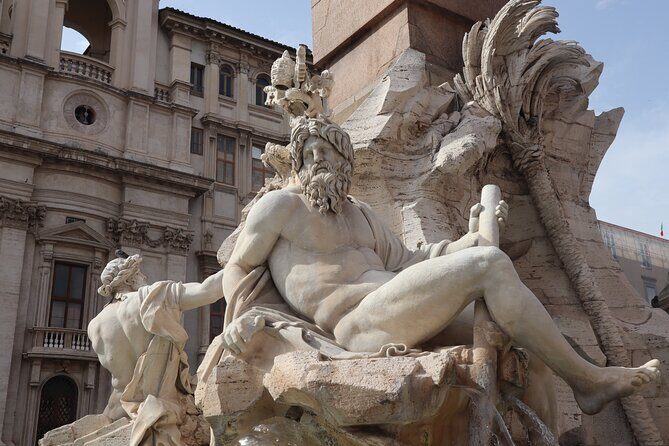
From there, we arrive at Piazza Navona, one of Rome’s most beautiful squares. The highlight is Bernini’s Fountain of the Four Rivers, which symbolizes the Danube, Nile, Ganges, and Rio de la Plata. Bernini’s mastery is clear in how he captures the movement and personality of each river’s element, making it a true sculpture in motion. The fountain’s grand scale and mythic themes are a testament to Baroque artistry.
The Trevi Fountain: The Star of Rome
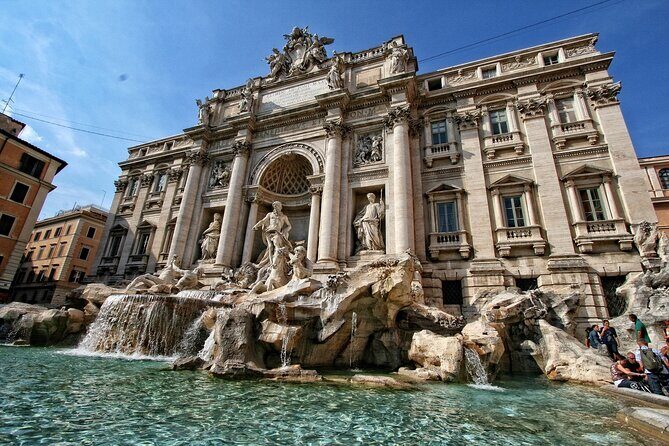
The tour’s most famous stop is, of course, the Trevi Fountain. Built between 1732 and 1762, it’s an icon of Baroque creativity. You’ll learn about how it connects to Rome’s ancient Acqua Vergine aqueduct, an engineering feat that still supplies water today. The story of the contest to design it and Nicola Salvi’s winning vision makes the fountain’s grandeur even more meaningful.
The tradition of tossing coins into the fountain, to ensure your return to Rome, is a charming ritual that many visitors partake in. Expect a lively atmosphere here, and your guide will share tips on how to enjoy it without getting caught in the crowd.
Vicus Caprarius: Hidden Water City Beneath Rome
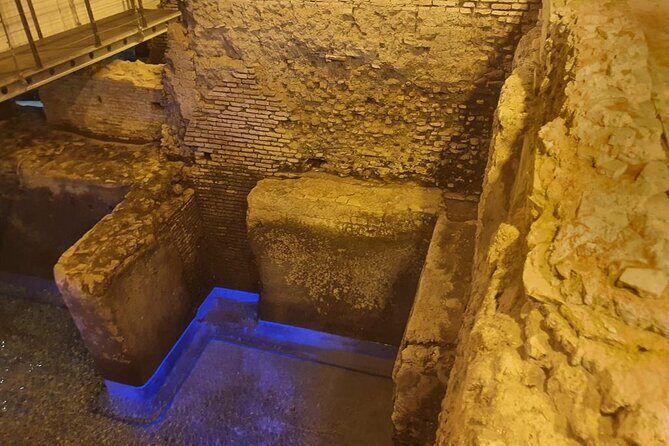
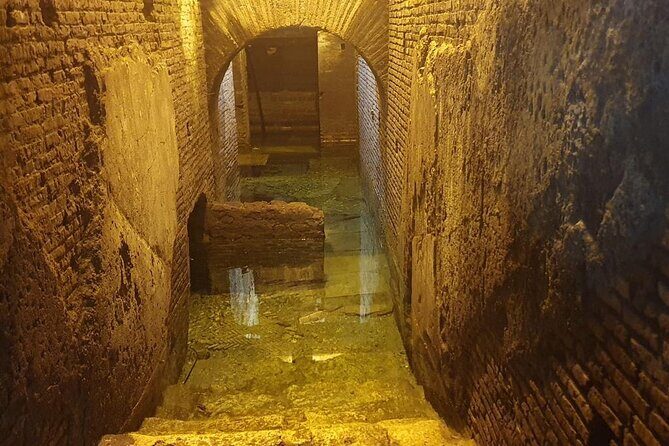
Finally, we descend into Vicus Caprarius, also called the City of Water. Discovered in 1999 beneath a cinema, this archaeological site reveals the remains of an ancient Roman water tank connected to the Vergine aqueduct. Exploring this underground space gives a tangible sense of how Romans managed their water supply—something that was essential to the city’s growth and comfort.
This part of the tour is especially captivating because it’s off the beaten path and offers a glimpse into Rome’s engineering prowess that most travelers never see. The site is small but packed with history, and the guide will explain its role in the ancient water infrastructure.
What to Expect from the Tour Experience
The guided nature of this tour means you’ll get detailed stories and explanations that bring the sights to life. The small group size (up to 10 travelers) ensures a personalized experience, with plenty of opportunity to ask questions and engage with your guide.
The tour lasts approximately two hours, which makes it ideal for those with limited time but who still want a meaningful glimpse into Rome’s water culture. The price, at around $206.23 per person, reflects a focus on quality guide service and access to special sites like Vicus Caprarius. While not cheap, it offers good value when you consider the exclusive underground access and expert storytelling.
Expect some walking, mostly at a relaxed pace. The tour is scheduled during daylight hours, so you’ll enjoy Rome’s lively street scene and vibrant piazzas. The inclusion of all fees and taxes simplifies the experience, and the mobile ticket makes check-in straightforward.
Authentic Insights from Past Travelers
One traveler called it a “Great tour” highlighting how the guide was “very charming and knowledgeable,” appreciating the way stories were shared without rushing. Many mention the stunning views of Bernini’s fountain and the Trevi, emphasizing how the guide’s storytelling made these icons more meaningful.
The underground Vicus Caprarius, in particular, gets praise for its unique perspective on ancient water systems, with visitors impressed by how much history is hidden right beneath their feet.
Is This Tour Worth It?
When you weigh the cost against what’s included, the tour offers a well-rounded look at Rome’s water-related landmarks. Access to Vicus Caprarius is especially valuable, as it’s a rare opportunity to see part of the city’s underground water infrastructure. The guide’s expertise enhances this experience, making it more than just a sightseeing walk.
For avid history or art lovers, this tour provides a blend of iconic sights and hidden treasures, all delivered with enthusiasm and professionalism. It’s especially good for those who want a manageable timeframe but still want a thorough introduction to Rome’s aqueducts and fountains.
Who Should Consider This Tour?

This experience is best suited for first-time visitors who want a quick yet meaningful overview of Rome’s water features. It’s also perfect for small groups seeking a more intimate and personalized visit. If you’re a fountain enthusiast or curious about ancient Roman engineering, this tour will delight and educate.
However, if you’re after a deep dive into all of Rome’s fountains or prefer a longer, more leisurely exploration, you might want to supplement this tour with additional visits.
FAQ
Is the tour suitable for all ages?
Yes, most travelers can participate, and the small group size makes it flexible for families or those with mobility considerations.
How long does the tour last?
Approximately 2 hours, making it a compact yet comprehensive experience.
Is admission included for all sites?
Admission to Vicus Caprarius is included. The Trevi Fountain and other public fountains are free to visit.
Can I join if I don’t have a lot of time?
Absolutely. Its short duration makes it great for fitting into a busy sightseeing schedule.
What should I wear?
Comfortable walking shoes are recommended. The outdoor segments means you should also consider weather-appropriate clothing.
Do I need tickets in advance?
Yes, the tour has a mobile ticket and is generally booked well in advance, about 78 days on average.
Final Thoughts
This tour offers a smart mix of famous landmarks and hidden underground treasures, making it a standout choice for those eager to see a different side of Rome’s water heritage. The knowledgeable guides, combined with access to off-the-beaten-path sites like Vicus Caprarius, turn a simple sightseeing walk into an engaging exploration of Rome’s engineering genius and artistic splendors.
It’s especially well-suited for travelers who enjoy stories and details that bring monuments alive. While the timeframe is brief, the experience’s quality makes it a worthwhile investment for anyone looking to deepen their understanding of the city beyond the typical tourist spots.
Whether you’re a history enthusiast, an art lover, or simply curious about how ancient Rome managed its water supply, this tour makes for a memorable, informative adventure that captures the heart and hidden depths of Rome’s water world.
More Tour Reviews in Rome
- Skip-the-line guided tour of the National Etruscan Museum of Villa Giulia in Rome
- Fiat 500 Roma Professional Photography Service
- Rome Golf Cart tour for Cruise passengers
- Rome: Vatican Museum and Sistine Chapel, Semi-Private Tour
- Bus Transfer from Fiumicino Airport to Vatican City
- Pasta Making and Tiramisù Cooking Class in Rome
Not for you? Here's more nearby things to do in Rome we have reviewed
- Skip-the-line guided tour of the National Etruscan Museum of Villa Giulia in Rome
- Fiat 500 Roma Professional Photography Service
- Rome Golf Cart tour for Cruise passengers
- Rome: Vatican Museum and Sistine Chapel, Semi-Private Tour
- Bus Transfer from Fiumicino Airport to Vatican City
- Pasta Making and Tiramisù Cooking Class in Rome
- Rome VIP Chauffeured Sightseeing Tour Hotel Pick up and Drop Off
- Private Tour to St. Callixtus Catacombs and Ancient Appian Way
- Guided tour to the Bernini Ecstasi of Saint Teresa
- Gelato Making Class in Rome
- Panoramic Open Hop-on Hop-off Bus Tour 1 ticket x 3 routes
- Florence and Pisa from Rome: Full Day Small Group Tour