If you’re eager to understand the city’s significant role in Black history and the Civil Rights Movement, this tour promises a thoughtful, well-rounded look at Atlanta’s contributions. It’s crafted for those who value authentic storytelling and want to step beyond the usual tourist spots, walking through the streets where history was made.
Two things we particularly appreciate are the personal stories shared by the guide and the opportunity to visit key landmarks like Dr. Martin Luther King Jr.’s final resting place and the historic Sweet Auburn Avenue. These add a deeply personal and tangible layer to understanding the movement’s legacy.
A potential consideration is that the tour lasts just three hours — a condensed window that covers notable sites but might leave some wanting more details or extra time at each stop. Still, this makes it perfect for travelers who prefer a well-structured, meaningful overview without feeling overwhelmed.
This experience suits first-time visitors eager to grasp Atlanta’s civil rights history, as well as locals wanting a fresh perspective on familiar landmarks. If you’re interested in history told through stories and sites that shaped a nation, this tour offers a compelling glimpse.
Key Points
- Personal storytelling enhances historical understanding.
- The tour covers major landmarks like MLK’s final resting place and Ebenezer Baptist Church.
- You’ll visit Herndon Home Museum and see the only all-male historically Black liberal arts college in the nation.
- The 3-hour format offers a structured, insightful walk rather than an exhaustive history.
- The tour is suitable for first-timers and locals alike who want a meaningful, guided experience.
- The meeting point is centrally located in front of Big Bethel AME Church.
An in-depth look at the tour experience
Walking through Atlanta with an expert guide provides a personal connection to the city’s pivotal role in Black history. Starting at the well-known MLK Jr. National Historic Site, we appreciate the chance to reflect at Dr. King’s final resting place and get a sense of the honoring that surrounds his legacy. Many reviews mention the emotional impact of standing near Ebenezer Baptist Church, where King preached, and of hearing stories that flesh out his journey.
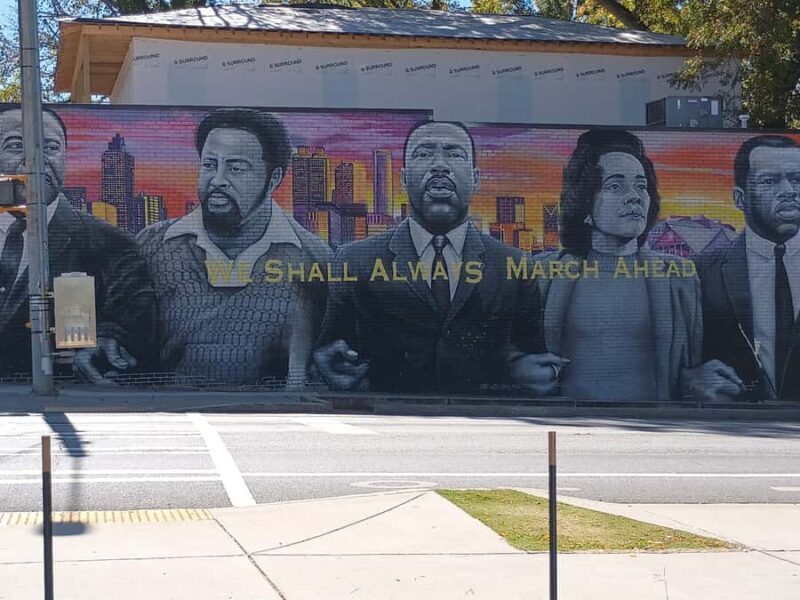
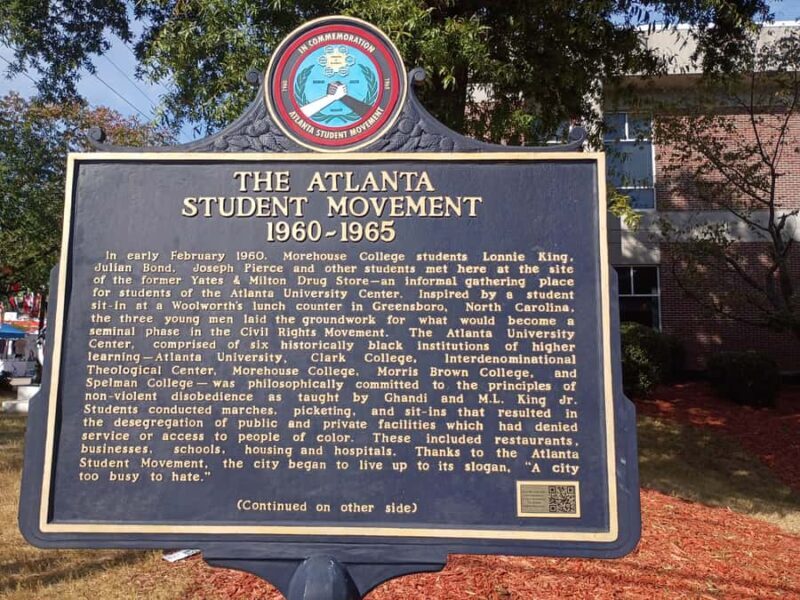
The tour continues along Sweet Auburn Avenue, a historic hub of Black culture and activism. Here, the guide points out landmarks, including the Civil Rights Walk of Fame, which is sprinkled with plaques celebrating local heroes and movement milestones. Walking these streets, you see how Atlanta’s streets are woven into the fabric of civil rights history, making it more real than just reading a textbook.
Another highlight is the Herndon Home Museum, a beautifully preserved mansion built by Alonzo Herndon, a former slave turned successful businessman and community leader. Visiting the home offers a glimpse into the accomplishments of Atlanta’s Black entrepreneurs and social leaders. As one reviewer notes, “It’s inspiring to see how far resilience and ingenuity can take you.”
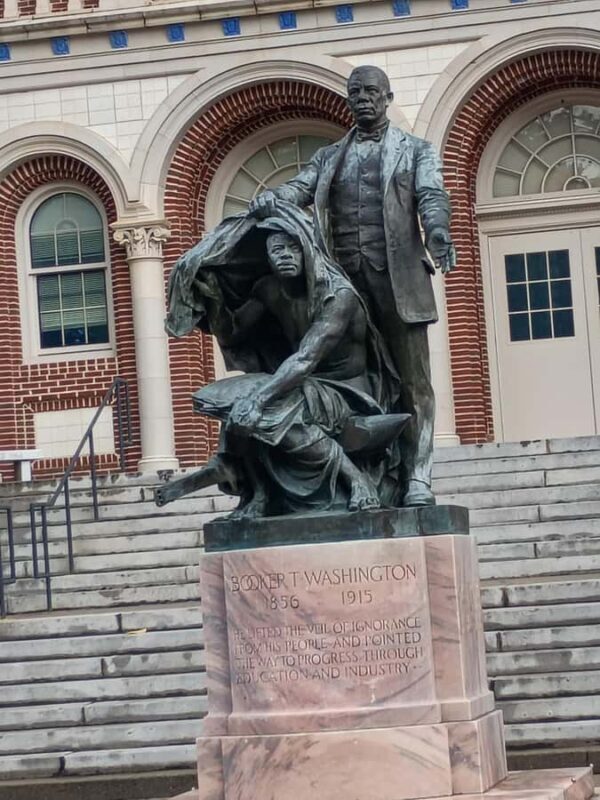
The tour also features Morehouse College, the only all-male historically Black liberal arts college in the U.S. This visit offers insights into the educational roots of many civil rights leaders, including Dr. King. Seeing the campus and hearing about its role in shaping voices of change adds depth to your understanding of the movement.
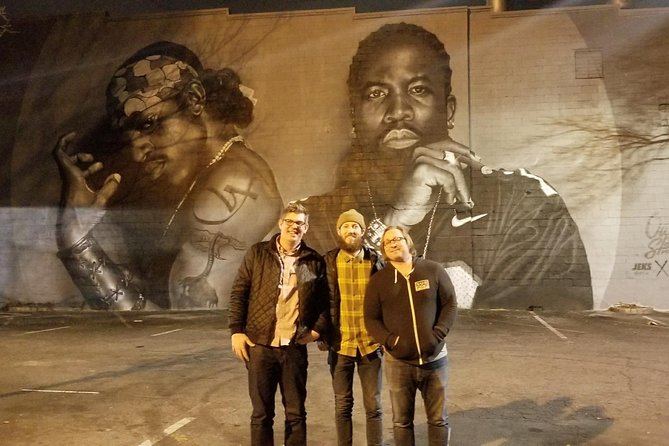
Throughout, the guide shares personal stories and hidden history, making the experience feel intimate rather than just a series of sightseeing stops. The memorial murals like the 1906 Atlanta Race Massacre Mural serve as poignant reminders of past struggles and the ongoing fight for equality.
A particularly touching site is the Paschal’s Restaurant, famed for its soulful cuisine and its role as a meeting place for activists. While you may not dine there on the tour, learning about its history emphasizes the importance of local Black-owned businesses in community resilience.
The tour wraps up after about three hours, leaving you with a strengthened understanding of Atlanta’s vital role in Black history and civil rights. It’s a mix of walking, storytelling, and site visits that offer a compact but meaningful experience.
You can also read our reviews of more walking tours in Atlanta



Practical details and value

The meeting point at Big Bethel AME Church is easily accessible, situated at the corner of Auburn Avenue and Jesse Hill Jr. Drive — a central spot in downtown Atlanta. The tour lasts roughly three hours, making it suitable for travelers who want an informative experience without a full-day commitment.
With comfortable shoes and clothes, you’ll explore on foot, walking through neighborhoods and historic streets. The group size typically keeps the experience intimate enough for questions but large enough to feel lively.
The tour is operated by Chit Chat Communications LLC, and booking is flexible — with free cancellation up to 24 hours in advance and the option to reserve now and pay later. The price reflects the value of an engaging, guided walk led by a knowledgeable local who will share personal stories and insider insights not found in guidebooks.
Given the focus on meaningful landmarks, personal stories, and authentic history, the tour is especially good for those who want a balanced mix of education and reflection. It’s not an exhaustive civil rights tour covering every detail, but it offers a powerful overview that can deepen your appreciation for Atlanta’s role in social change.
Final thoughts: Is this tour right for you?
This walking tour offers a well-paced, insightful look at Atlanta’s Black history, delivered by a passionate guide. If you’re interested in understanding the civil rights movement from a local perspective, with meaningful stops and stories, you’ll find this tour rewarding. It’s particularly suitable for those new to the subject or for visitors seeking an emotional, educational experience that connects past struggles to present-day Atlanta.
While three hours might not cover every detail, it provides enough depth to leave you inspired and more knowledgeable. The authenticity of the stories, the significance of the sites, and the chance to walk the streets where history unfolded make this tour stand out as a valuable addition to your Georgia itinerary.
For travelers who prefer an active, personal, and thoughtful exploration of civil rights history, this tour offers a genuine, memorable experience — one that helps you see Atlanta through the lens of resilience, activism, and community strength.
FAQ
How long is the tour?
The tour lasts about 3 hours, providing a structured yet manageable overview of key sites and stories.
Where does the tour meet?
It begins in front of the Big Bethel AME Church, at the corner of Auburn Avenue and Jesse Hill Jr. Drive, a convenient central location.
Is there a guide?
Yes, a live, English-speaking guide leads the tour, sharing personal stories and explaining the significance of each site.
What should I bring?
Comfortable shoes and clothes are recommended as you’ll be walking through various historic sites and neighborhoods.
Can I cancel my reservation?
Yes, you can cancel up to 24 hours in advance for a full refund, offering flexibility if your plans change.
Who is this tour for?
It’s ideal for first-time visitors, locals, history buffs, and anyone interested in understanding Atlanta’s pivotal role in Black history and civil rights.
Is the tour suitable for children or seniors?
While not explicitly stated, the focus on historical sites and walking suggests it’s appropriate for most age groups capable of a moderate walk. Small children might need to be accommodated with breaks.
This tour offers a respectful, eye-opening journey into Atlanta’s history of resilience and activism. It’s a thoughtful way to connect with the city’s past, making it a valuable experience for anyone eager to learn more about African American achievements and struggles in the heart of the South.
More Walking Tours in Atlanta



You can also read our reviews of more historical tours in Atlanta
You can check availability for your dates here:- 3-Hour Atlanta Beltline Food, Street Art and History Tour
★ 5.0 · 345 reviews - 2.5hr Guided Segway Tour of Historic Atlanta
★ 5.0 · 311 reviews - 2 Hour Historic Market Food Tour and Hands-On Biscuit Class
★ 5.0 · 251 reviews - 2-Hour Food, History and Street Art Tour of Ponce City Market
★ 5.0 · 159 reviews - Atlanta: Black History and Civil Rights City Driving Tour
★ 4.9 · 151 reviews - Atlanta: Beltline Food, Street Art, and History Walking Tour
★ 5.0 · 47 reviews