If you’re curious about Rome’s lesser-known but equally fascinating ancient sites, this guided tour of Capua offers a wonderful opportunity. While most travelers flock to Pompeii or Herculaneum, Santa Maria Capua Vetere (just a few kilometers from Caserta) holds a treasure trove of history that’s often overlooked. This experience promises a close-up look at the famous Campano Amphitheater, along with engaging visits to the Gladiator Museum and the Archaeological Museum of ancient Capua.
What we love about this tour is how it balances expert insight with authentic ruins, giving you a tangible connection to Roman life. The well-preserved amphitheater alone makes this worth the trip, especially since it’s believed to have inspired the Colosseum’s design. Plus, the interactive Gladiator Museum offers a glimpse of real gladiator fights—reconstructed with original pieces and creative displays.
A potential consideration is the admission cost for the archaeological sites, which isn’t included in the tour price. As with many historical excursions, this means some extra planning and budget. Still, the value of having a knowledgeable guide to interpret the ruins makes it a worthwhile outing, especially for history buffs or those interested in Rome’s shadowy underground world.
This tour is ideal for travelers who are passionate about history, archaeology, and authentic Roman stories. If you’re eager to uncover a lesser-visited gem and enjoy expert-led exploration, this experience will certainly satisfy.
Key Points
- Expert guidance enhances understanding of Capua’s history and ruins.
- The well-preserved amphitheater likely inspired the Roman Colosseum.
- Includes visits to the Gladiator Museum and archaeological sites with original artifacts.
- The tour covers ancient Rome’s social and entertainment culture.
- It’s a private group activity, ensuring personalized attention.
- Admission fees to the sites are not included, so plan accordingly.
- Great for those interested in Roman architecture and gladiatorial combat.
- The experience lasts about 2 hours, making it a manageable excursion.
A Deep Dive into the Tour Experience
Starting Point and Logistics
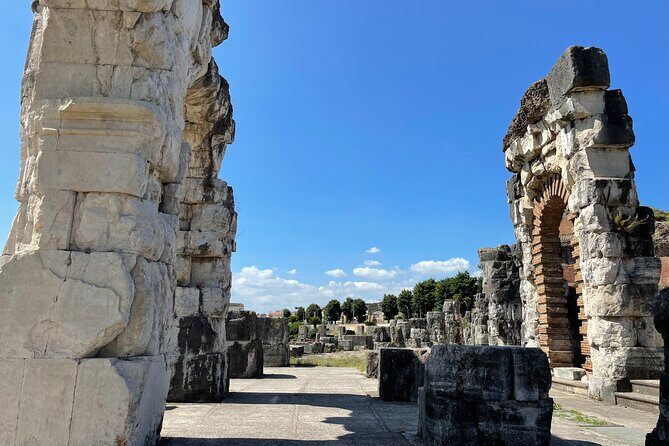
The tour begins at the Anfiteatro Campano in Santa Maria Capua Vetere—a name that might sound less glamorous than Rome’s Colosseum but packs just as much punch. The meeting point at the entrance gives you immediate access to a monument that’s largely intact, thanks to its excellent state of preservation. The small group size (up to 10 people) ensures you get plenty of personal attention from your archaeologist guide, who will narrate the site’s history with enthusiasm and detail.
The Campano Amphitheater: A Roman Marvel
You’ll first step into the Campano Amphitheater, which still impresses with its size and craftsmanship. This structure, built in the late 2nd century AD, was likely used for gladiatorial combat and other entertainments. Notably, it’s believed to have served as a model for the Colosseum in Rome, which makes it a rare chance to see the actual prototype.
Your guide will explain how emperors like Adriano and Antoninus Pius added embellishments, transforming it into an even more impressive venue. While the exterior might be somewhat weathered, the interior retains enough features to make you feel like a Roman spectator. Expect to hear stories about gladiators, the games, and the social importance of entertainment in ancient Rome.
The Gladiator Museum: Tales of Combat and Glory
Next, you’ll visit the Gladiator Museum, which holds original sections of decorations from the amphitheater—an eye-catching reminder of the brutal but fascinating world of gladiators. The museum doesn’t just display artifacts; it offers a reconstruction of a gladiator fight, providing a visceral sense of the combat’s intensity.
According to one reviewer, “the museum still retains original portions of the decorations,” making it a valuable window into Roman spectacle. It’s a chance to understand the training, weaponry, and social status of gladiators—who, despite their brutal reputation, could sometimes achieve fame and fortune.
Archaeological Museum of Ancient Capua
The tour continues with a visit to the Archaeological Museum, which showcases finds dating back to the Iron Age. This aspect of the tour appeals to those interested in the broader timeline of human settlement in the region. Exhibits include pottery, tools, and other relics that reveal the long history of Capua before it became a Roman city.
The fact that Cicero called Capua “altera Roma” highlights its importance in antiquity. Your guide will help piece together how this city was a hub of commerce and culture, shaping Roman life in ways that often get overshadowed by more famous sites.
Additional Site: The Mithraeum
If time permits, the tour might include a visit to the Mithraeum—a temple dedicated to the god Mithras, illustrating the diverse religious landscape of Roman Italy. While less emphasized, this adds depth to the experience, showing how different belief systems coexisted within the empire.
You can also read our reviews of more tours and experiences in Naples.


The Practical Side: What You Need to Know
Price and Value
At about $290 for a group of up to 10 people, this tour offers a personalized archaeological experience. While it doesn’t include the admission fees to the sites, the guided aspect significantly enhances the visit—your guide’s insights make the difference between a generic walk and a meaningful exploration.
Compared to typical large-group tours, the private format ensures that you can ask questions freely, and your guide can tailor explanations to your interests. If you’re a history enthusiast eager to learn about Roman entertainment, architecture, and social life, this is quite a good deal.
Duration and Logistics
The tour runs for approximately 2 hours, making it suitable for a morning or afternoon outing. Starting and ending at the same point in Santa Maria Capua Vetere, it’s easy to incorporate into a broader itinerary centered around Caserta or Naples.
Booking and Flexibility
Most travelers book about 2 months in advance—an indication of its popularity. It’s also a private tour, meaning only your group participates, which allows for a more relaxed and engaging experience. Cancellation is free up to 24 hours beforehand, giving some peace of mind if your plans shift.
Accessibility and Comfort
Service animals are allowed, and most travelers can participate, making it accessible for many. If you require a private driver, the tour provider can coordinate that, adding convenience.
Authenticity and Unique Insights
Our review of the single available feedback is glowing: “Great tour guide!” and “we were lucky with almost no one there that day due to filming”—a reminder that sometimes you get a rare, crowd-free experience. Having an archaeologist guide means you get nuanced stories—beyond what’s in guidebooks—about Roman architecture, gladiatorial combat, and daily life.
You’ll gain an understanding of why Capua was “altera Roma”—a second Rome—through its ruins and artifacts. It’s a chance to see history preserved in impressive condition, even if it’s not as famous as other Roman sites.
Who Will Love This Tour?
This experience is best suited for travelers eager for authentic, off-the-beaten-path Roman sites. History buffs, archaeology enthusiasts, or those interested in gladiator lore will find plenty to admire here. It also works well for small groups wanting a more personalized, in-depth tour.
If you’re visiting Caserta or Naples and want to add a unique historical layer to your trip, this tour offers a meaningful glimpse into ancient Rome’s entertainment and urban life.
Final Thoughts: The Value of a Hidden Gem
This tour of Capua’s Spartacus Arena and archaeological treasures offers a rare opportunity to walk through a Roman amphitheater that inspired the Colosseum. The expert guide, combined with well-preserved ruins and engaging museum exhibits, makes it a worthwhile investment for history lovers. Although you’ll need to budget for site entry fees separately, the value of personalized narration and the chance to explore one of Italy’s less crowded archaeological sites more intimately is significant.
It’s especially well-suited for those who want a meaningful, authentic journey into Roman entertainment, architecture, and culture without the crowds. Whether you’re a seasoned history traveler or just curious about Italy’s Roman past, this experience adds a unique chapter to your Italian adventure.
- From Naples: Pompeii Ruins & Mount Vesuvius Day Tour
★ 4.3 · 11,459 reviews - From Naples: Sorrento, Positano and Amalfi Full-Day Tour
★ 4.6 · 10,988 reviews - Naples: Catacombs of San Gennaro Entry Ticket & Guided Tour
★ 4.6 · 6,707 reviews - Naples: Downtown Tour With Veiled Christ & St Clare Tickets
★ 4.9 · 5,584 reviews - Naples: Street Food Walking Tour with Local Guide
★ 4.8 · 4,395 reviews - From Naples: Amalfi Coast Full-Day Trip
★ 4.5 · 4,354 reviews
FAQ
Are admission fees included in the tour price?
No, the tour price covers the guide and the experience, but you need to purchase separate tickets for the Archaeological Park of Ancient Capua.
How long does the tour last?
It lasts approximately 2 hours, making it a manageable outing during your day.
Is this a private group tour?
Yes, only your group will participate, ensuring a more personalized experience.
Can service animals participate?
Yes, service animals are allowed at the site.
What is the meeting point?
The tour starts at the Anfiteatro Campano in Santa Maria Capua Vetere.
Is this suitable for all travelers?
Most travelers can participate; however, it’s best suited for those interested in history and archaeology.
How far in advance should I book?
Most bookings are made about 59 days ahead, reflecting its popularity.
Does the tour operate rain or shine?
Yes, but if weather conditions are poor, the provider might reschedule or offer a full refund.
Can I customize the experience?
Since it is a private tour, you can discuss your interests with the guide to tailor the experience to your preferences.
Exploring Capua with a knowledgeable archaeologist transforms a simple visit into a vivid journey back in time. Whether you’re captivated by gladiators or Roman architecture, this tour provides a compelling and authentic glimpse into an important, yet often overlooked, chapter of Italy’s history.