
If you’re searching for a meaningful, thought-provoking experience during your visit to Mexico City, the Museo Memoria y Tolerancia offers a compelling journey through history, human rights, and societal change. This museum isn’t your typical art or history stop; it’s a space dedicated to raising awareness about the horrors of genocide and the importance of tolerance and respect. With a reputation for good value and engaging exhibits, it’s an experience that leaves many visitors reflecting long after they leave.
Two things we really appreciate about this museum are its comprehensive permanent exhibits—covering events from the Holocaust to other genocides—and the art installations that bring emotional resonance to serious subjects. Its accessibility, including an audioguide in both Spanish and English, makes it easier for international visitors to connect deeply with the displays. The only consideration? It’s recommended for visitors aged 15 and up, so younger kids might find some parts less suitable unless accompanied by adults.
This experience is ideal for travelers interested in human rights, history, and social justice. If you’re looking for a museum that offers both educational content and inspiring artwork, this tour fits the bill. It’s perfect for those who want a meaningful, reflective day in Mexico City without spending a fortune.
Key Points
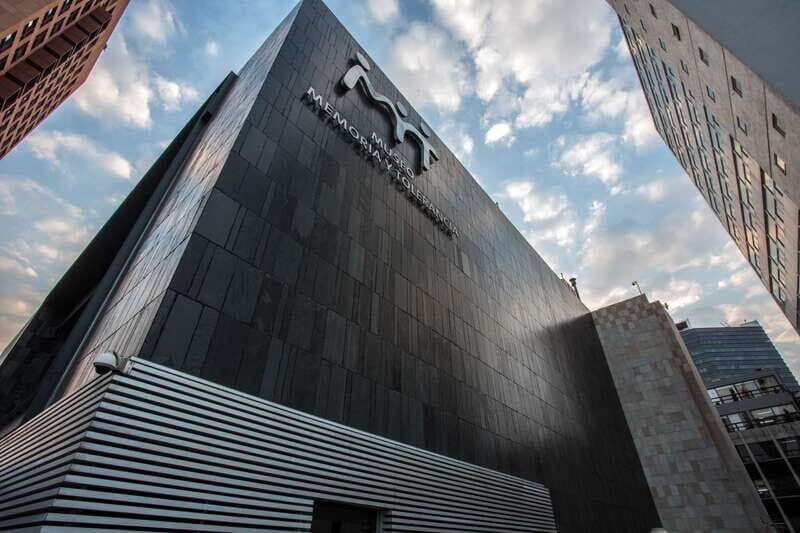
- Educational Focus: The museum highlights genocides from around the world, emphasizing the importance of tolerance.
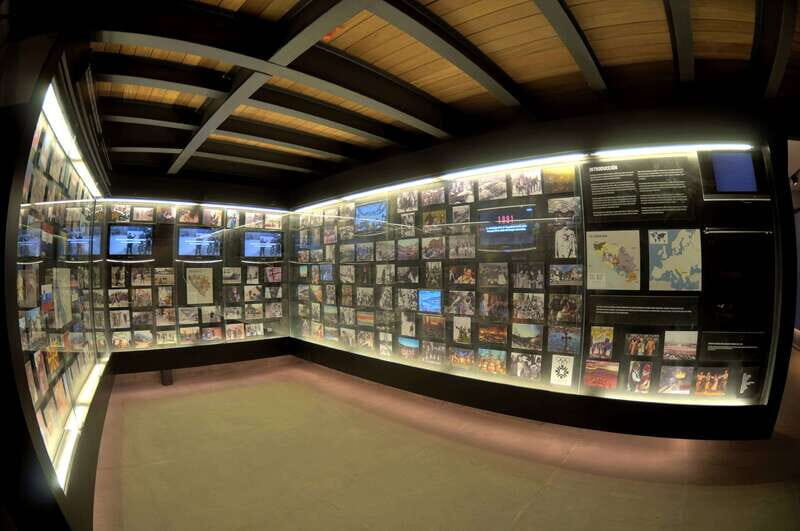
- Rich Exhibits: Over 1,200 objects, documents, and audiovisual pieces in 43 rooms.
- Art Installations: Features works by Jan Hendrix, Jorge Marin, Lozano-Hemmer, and others that foster emotional engagement.
- Inclusive Experience: Audioguide in Spanish and English, wheelchair accessible, and includes temporary exhibits.
- Value for Money: At $12, the entrance fee offers access to extensive exhibits and a meaningful experience.
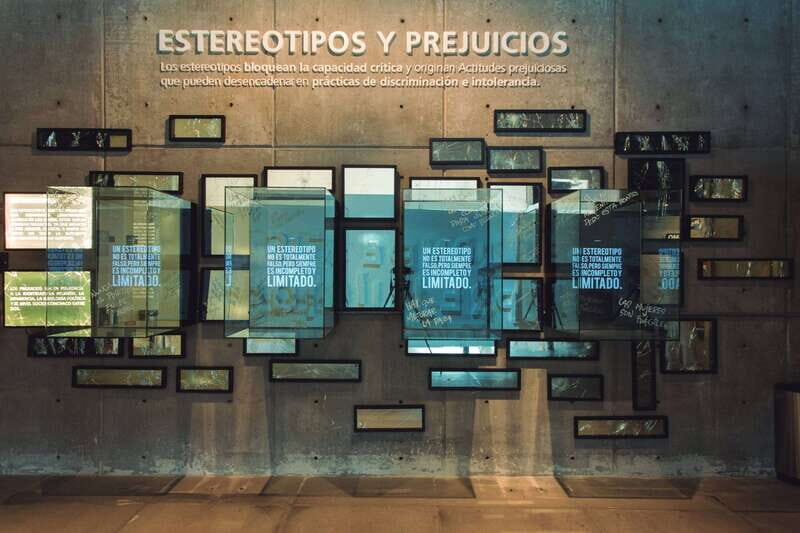
- Reflective Environment: Designed to inspire societal change and personal reflection on issues of violence and discrimination.
An In-Depth Look at the Museum Experience
You can also read our reviews of more tours and experiences in Mexico City
Location and Accessibility
You’ll find the museum centrally located at Plaza Juarez, right next to the Secretaria De Relaciones Exteriores building and facing the Hemicycle to Juarez. It’s easy to reach on foot or via public transportation, making it a convenient option for a half-day or full-day outing. The proximity to downtown means you can easily combine this visit with other nearby attractions or cultural sites.
The museum is fully wheelchair accessible and accessible to most visitors, ensuring everyone can participate in this educational experience. Food and drinks are not permitted, so plan to enjoy your visit without snacks or beverages inside.
Ticket and Guided Tour Details
For $12, you get a generous entry fee compared to many other museums in the city. The ticket includes an audioguide, available in Spanish and English, which we found to be particularly helpful in understanding the exhibits without needing a guided tour group. The audioguide provides context for each display, making it easier to grasp the complex history presented.
Your ticket also grants access to temporary exhibitions, offering fresh perspectives or current themes alongside the permanent collection. The museum recommends children over 15, but younger visitors can visit if accompanied by an adult, making it a suitable family option for older teens interested in history and social issues.
The Permanent Exhibition: A Deep Dive
The core of your visit will be the permanent exhibition spread across 43 rooms. These rooms are designed to take you through a chronological journey of genocides and crimes against humanity, including the Holocaust, Armenian genocide, Rwandan genocide, and others such as those committed in Guatemala, Cambodia, Darfur, and Yugoslavia.
What makes this exhibit stand out is the vast collection of over 1,200 objects and documents—ranging from photographs, personal letters, and artifacts to audiovisual recordings. It’s these tangible items that powerfully connect visitors to the human stories behind history’s darkest chapters.
We loved how the museum balances historical facts with emotional storytelling. For example, one reviewer noted, “It’s a very special museum. It’s worth visiting there,” emphasizing the authentic, impactful nature of the displays.
More Great Tours NearbyArt Installations and Interactive Works
Beyond the traditional exhibits, the museum excels at art as a catalyst for reflection. Some of the most striking pieces include:
- The Lost Potential installation by Jan Hendrix, which symbolizes lives lost and opportunities squandered.
- The Lozano-Hemmer installation with metronomes, creating a haunting rhythm that underscores the passage of time and the loss experienced during genocides.
- Jorge Marin’s Wings of Peace, an interactive sculpture encouraging visitors to reflect on hope.
- Rivelino’s YOU, a thought-provoking sculpture inviting personal connection.
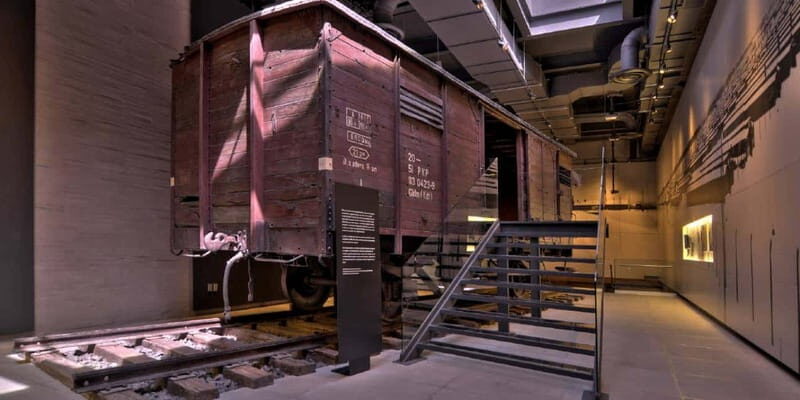
- The Train wagon used during World War II for prisoner transport, providing a visceral reminder of the human suffering involved.
- The Non-Violence Project sculpture by Carl Fredrik Reuterswärd, a universal symbol of peace.
- A fragment of the Berlin Wall, reminding visitors of the ongoing struggles against division and violence.
These pieces don’t just decorate the space—they challenge visitors to consider their role in fostering tolerance and actively oppose violence.
You can also read our reviews of more city tours in Mexico City
- Mexico City Private Taxco Tour: The Hidden Village
- Mexico City: Comprehensive Tour of the Historic Center
- Mexico City: Tacos & Mezcal Night Food Tour
- Mexico City: Teotihuacan & Its Everyday Life With Historian
- Mexico City Instagram Tour (Private & All-Inclusive)
- Mexico City: Coyoacán, Xochimilco, Frida Kahlo Museum Tour
Temporary Exhibitions and Special Features
The museum also hosts temporary exhibitions, which keep the experience fresh for repeat visitors or those with limited time. These exhibits often focus on current social issues or newly uncovered stories, providing updated relevance.
The Overall Atmosphere and Reflection
The museum’s design promotes a serene, contemplative environment. Visitors often mention feeling a sense of gravity and purpose during their visit, which helps deepen the experience. The exhibits are thoughtfully presented without sensationalism, making room for personal reflection.
How It Compares to Other Cultural Experiences
Compared to other museums in Mexico City, the Memory and Tolerance Museum offers a more focused, emotionally charged experience. While it may not have the broad artistic or archaeological collections of places like the Frida Kahlo Museum or Teotihuacan, its power lies in its message and the ability to connect history with universal values.
Reviewers consistently praise knowledgeable guides and the good value for money. One reviewer from Israel stated, “It is a very special museum. It’s worth visiting there,” highlighting its impact.
Practical Tips for Visiting
- Plan at least 2 hours to explore thoroughly, especially if you engage with the audioguide and take time at each exhibit.
- Visit early or late to avoid larger crowds; the museum isn’t massive but does get busy.
- Wear comfortable shoes; the exhibits are spread across multiple rooms.
- Bring a notebook or journal if you wish to jot down reflections or notes on what you see.
- Check the availability of temporary exhibitions when you book, as they can vary.
Who Should Visit?
This museum is perfect for history buffs, students, educators, and anyone interested in human rights. It’s a suitable choice for travelers who want more than just sightseeing—those who seek to understand the importance of tolerance in today’s world. It’s especially suited for older teens and adults, given the serious themes and some graphic content.
Who Might Not Find It Ideal?
Younger children under 15 might find some exhibits overwhelming or less engaging. If you’re traveling with very young kids, consider whether your group is prepared for the heavy subject matter.
Final Thoughts

The Museo Memoria y Tolerancia in Mexico City offers a deeply meaningful experience that combines history, art, and activism. For just $12, visitors gain access to a well-curated collection that encourages reflection, discussion, and societal awareness. The exhibits are thoughtfully designed, and the art installations serve as powerful visual reminders of the importance of fighting discrimination and violence.
Whether you’re passionate about social justice or simply interested in understanding humanity’s darker chapters, this museum provides both knowledge and inspiration. It’s a place where history is not just remembered but used as a tool to promote a more tolerant and compassionate world.
If you want an experience that’s educational, emotional, and thought-provoking—all at a good value—this visit is a wise choice. It’s a testament to the power of museums to change hearts and minds, one exhibit at a time.
FAQ
How much does a ticket cost?
The entry fee is $12 per person, which covers access to all permanent and temporary exhibits, plus an audioguide.
Is the museum accessible for Wheelchair users?
Yes, the museum is wheelchair accessible, making it easier for visitors with mobility needs to explore comfortably.
Are guided tours available?
The museum provides an audioguide in Spanish and English, allowing self-guided exploration with helpful context for each display.
How long should I plan to spend there?
We recommend at least 2 hours if you want to see everything thoroughly, including time for reflection and engagement with artworks.
Are children allowed?
Yes, children over 15 are encouraged to visit. Younger children can attend if accompanied by an adult, but some exhibits may be less suitable for them.
Can I visit temporary exhibitions?
Yes, your ticket includes access to temporary exhibitions, which are regularly updated to reflect current themes or new stories.
What should I know before visiting?
Food and drinks are not permitted inside. Wear comfortable shoes and bring your curiosity—this museum is a profound learning experience.
This comprehensive review aims to arm you with all the practical and contextual information needed to decide if the Museo Memoria y Tolerancia belongs on your Mexico City itinerary. It’s more than just a museum—it’s a space for reflection, education, and hope.
You can check availability for your dates here:More City Tours in Mexico City
More Tickets in Mexico City
More Tour Reviews in Mexico City
- Private Tour of the Basilica of Guadalupe with Transportation + Tamales and Atole
- Small Group Market Tour and Mexican Cooking Class
- Frida Kahlo and Floating Gardens Tour with Transportation
- Private tour of the basilica of Guadalupe with Guadalupano museum
- Fiesta Tour in Xochimilco with Tequila in addition Coyoacán and CU
- Mexico: Historic Center Nightlife Tour with Drinks
Not for you? Here's more nearby things to do in Mexico City we have reviewed
- Private Tour of the Basilica of Guadalupe with Transportation + Tamales and Atole
- Small Group Market Tour and Mexican Cooking Class
- Frida Kahlo and Floating Gardens Tour with Transportation
- Private tour of the basilica of Guadalupe with Guadalupano museum
- Fiesta Tour in Xochimilco with Tequila in addition Coyoacán and CU
- Mexico: Historic Center Nightlife Tour with Drinks
- San Miguel de Allende in a day
- Nevado de Toluca Tour & Hike from Mexico City
- Xochimilco + Extra activity within CDMX.
- PRIVATE PHOTOSHOOTING In Mexico City
- Explore Xochimilcos Canals, Markets, Art & Anahuacalli Museum
- Bastards of Mexico: Unfiltered Tour of the Historic Center