
Naples is a city where the ancient and the mythical coexist. Nestled within the Phlegraean Fields, it offers travelers a captivating journey through the rich tapestry of Greek and Roman history. Visitors can explore legendary sites, uncover archaeological treasures, and explore the region’s winemaking traditions – all while marveling at the enduring legacy that has shaped the cultural identity of this vibrant destination. From the Grotto of the Cumaean Sybil to the ruins of Cumae, Naples promises a glimpse into a world where the boundaries between myth and reality blur, leaving one curious to discover more.
Key Points
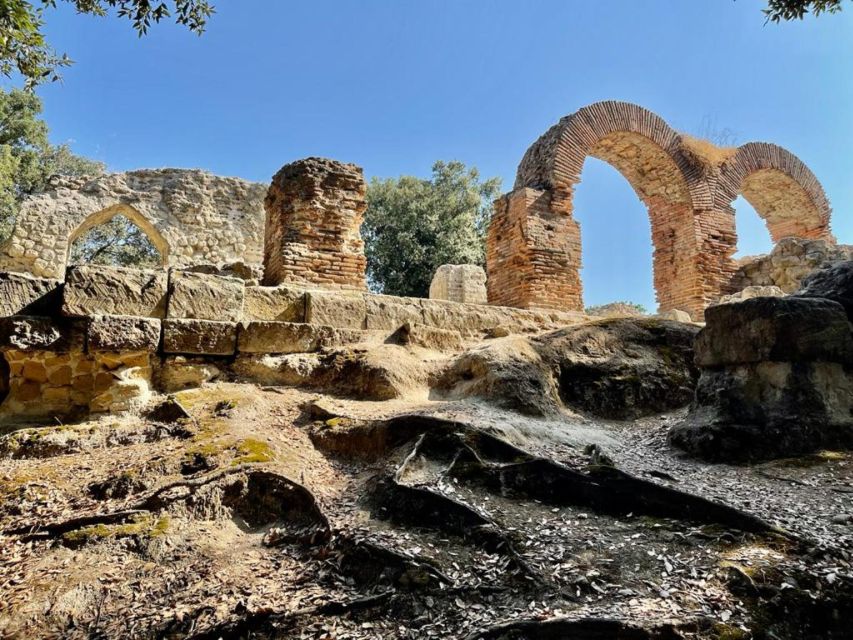
- The Phlegraean Fields near Naples are rich in mythical landmarks that offer a glimpse into the region’s ancient Greek and Roman history.
- The ancient Greek colony of Cumae, one of the earliest settlements in Italy, features ruins that showcase the grandeur of ancient Greek architecture.
- The Grotto of the Cumaean Sybil, a legendary medium between the living and the underworld, holds profound significance in Greek mythology.
- Baia’s archaeological treasures, such as the Castle of Baia, reflect the diverse cultural influences that shaped the region’s history.
- The Nymphaeum of Emperor Claudius, a long-submerged imperial palace and ritual bath, preserves the layers of Greco-Roman history in the Phlegraean Fields.
Mythical Landmarks of Phlegraean Fields
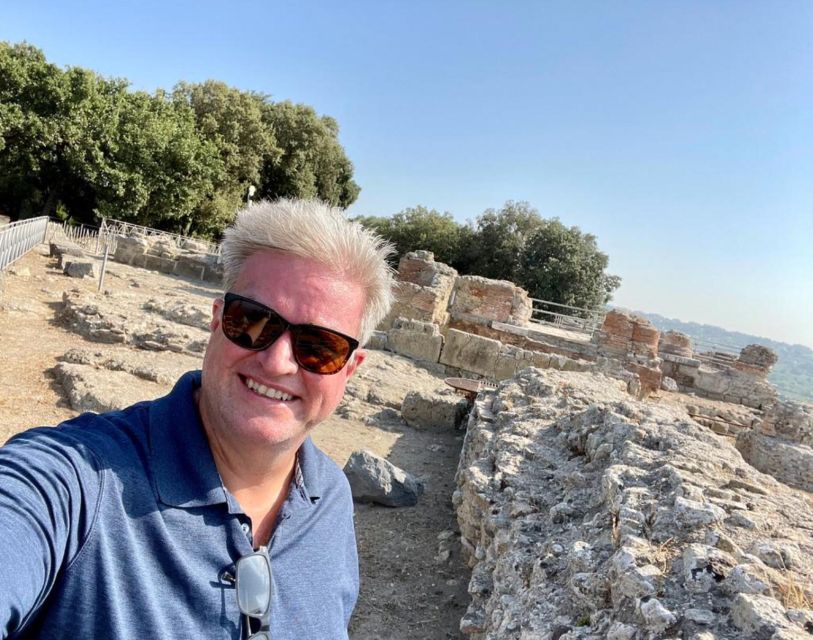
The ancient Greek colony of Cumae, the oldest in the region, stands as a testament to the mythical past of the Phlegraean Fields.
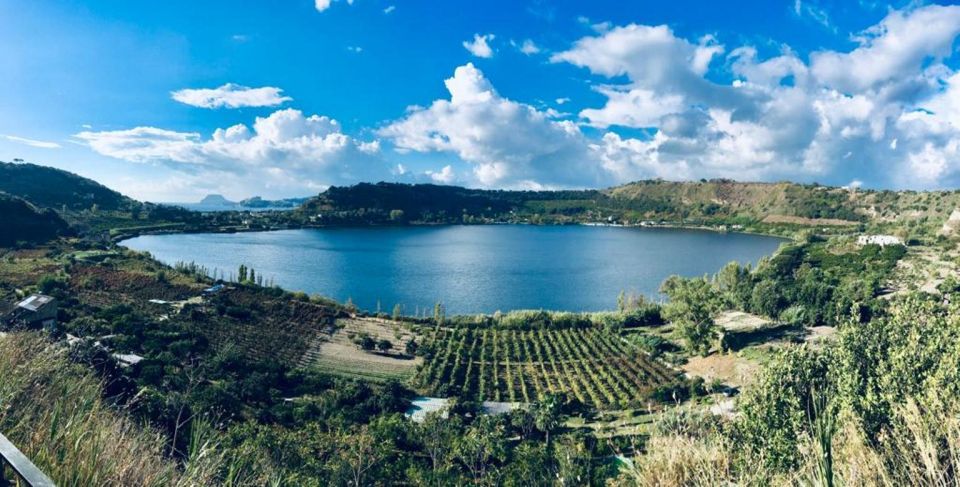
Nestled within this storied landscape, the Lago d’Averno is believed to have been an entrance to the River Styx in Greek mythology.
Visitors can also explore the grotto of the Cumaean Sybil, where the hero Aeneas consulted the oracle before descending into the underworld.
These mythical landmarks offer a glimpse into the rich tapestry of legends that have long captivated the imagination of travelers.
From the ruins of ancient Cumae to the mystical Lago d’Averno, the Phlegraean Fields are a true embodiment of the intersection between myth and history.
You can also read our reviews of more historical tours in Naples
Exploring the Ancient Greek Colony of Cumae
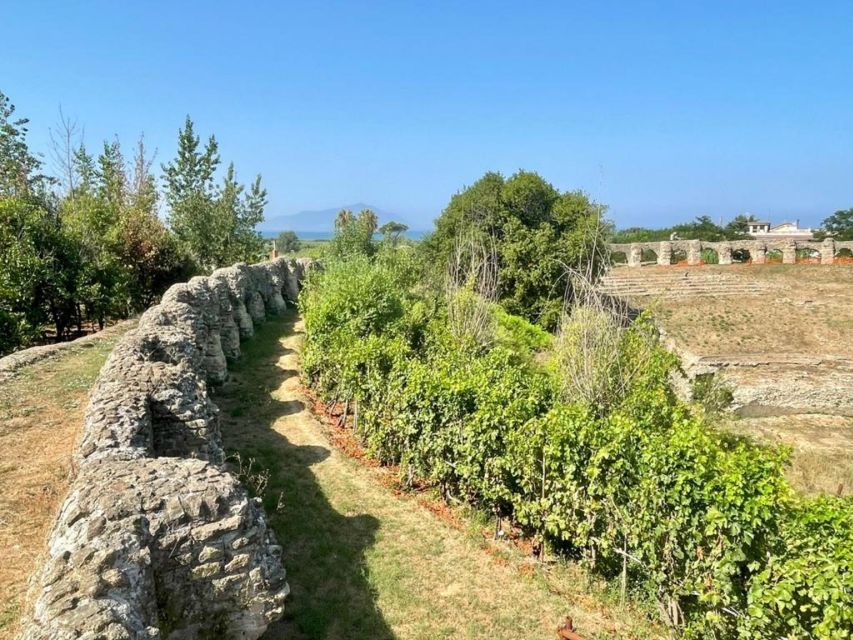
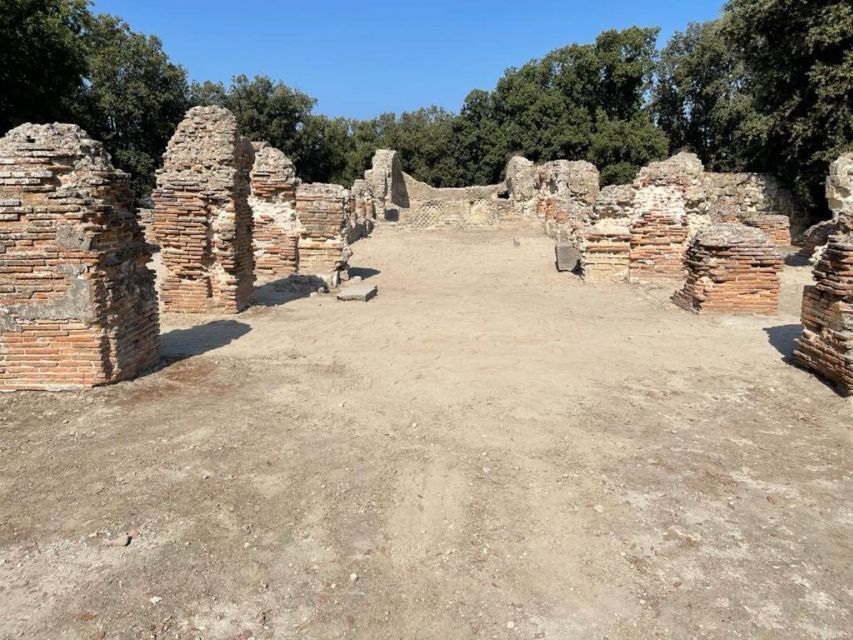
As visitors explore the ancient Greek colony of Cumae, they’ll uncover the ruins of the Acropolis, Temple of Apollo, and other significant archaeological sites that shed light on the region’s rich history.
Founded in the 8th century BCE, Cumae was one of the earliest Greek settlements in Italy. Wandering through the remnants of this once-thriving city, travelers can imagine the bustling marketplace, temples, and homes that once stood here.
The Temple of Apollo, with its towering columns, remains an impressive sight, hinting at the grandeur of the ancient Greek architectural style.
Visitors can also descend into the underground tunnels and chambers that were part of Cumae’s complex infrastructure, providing a unique glimpse into the past.
Descending Into the Underworld
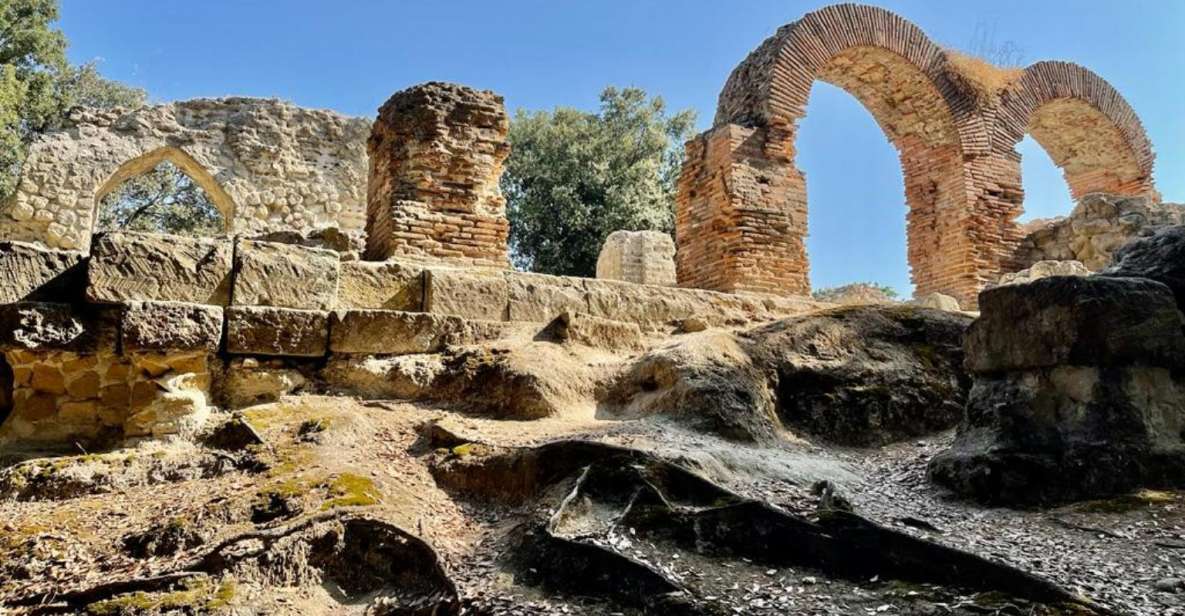
Visitors to Cumae can explore the grotto of the Cumaean Sybil, a legendary figure who was believed to be the medium between the world of the living and the underworld. According to ancient Greek mythology, the hero Aeneas consulted the Sybil before descending into the depths of the Underworld.
The Sybil’s grotto provides a window into this mythical journey, where visitors can:
- Imagine Aeneas seeking the Sybil’s guidance before his perilous descent.
- Ponder the Sybil’s role as an oracle and interpreter of the gods’ messages.
Visitors can also:
- Reflect on the profound significance of the Underworld in Greek mythology.
- Gain a deeper appreciation for the intertwining of myth and history in this ancient site.
Discovering Baia’s Archaeological Treasures
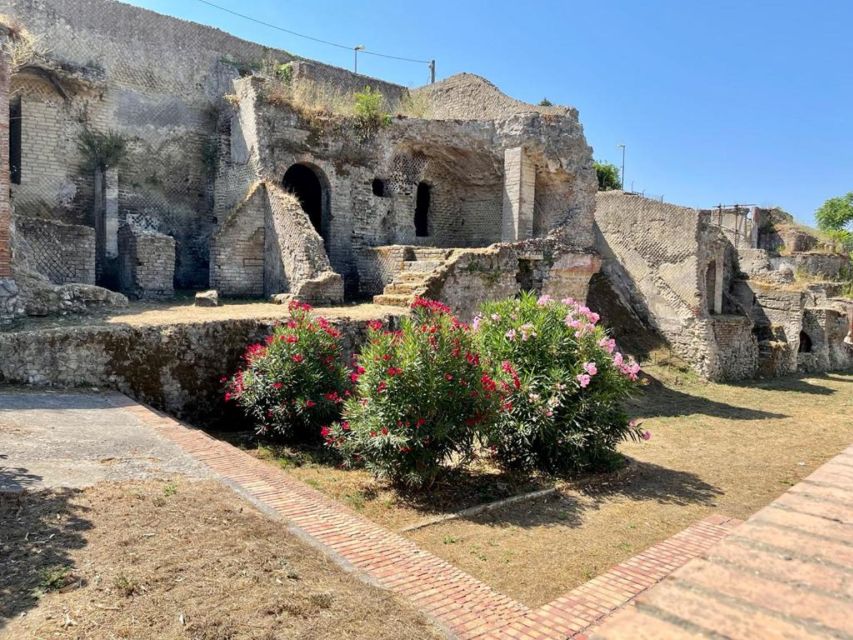
Nestled along the coast, the Castle of Baia stands as a testament to the diverse cultural influences that have shaped the region.
Visitors can explore this impressive fortress and discover a wealth of Italic, Greek, and Roman artifacts housed within the onsite museum.
The museum’s collection showcases the rich history of the area, with items ranging from ancient pottery and sculptures to inscriptions and mosaics.
Wandering through the castle’s halls, visitors can imagine the grandeur of this former resort town, which was a favored destination for Roman nobles and emperors.
The archaeological site offers a glimpse into the vibrant past of the Phlegraean Fields, where myth and history intertwine in a captivating way.
More Great Tours NearbyUnearthing the Nymphaeum of Emperor Claudius
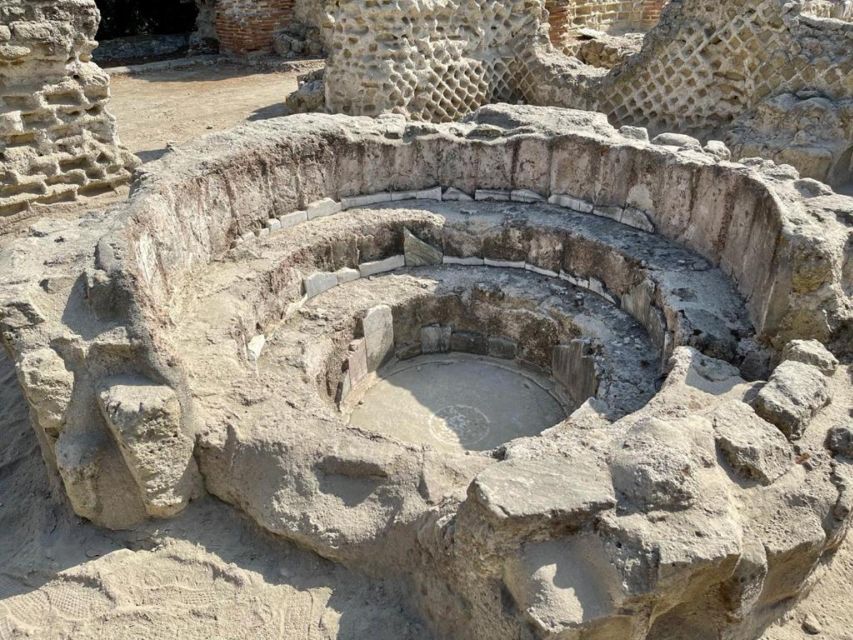
Beneath the shimmering waters of the Phlegraean Fields, archaeologists have uncovered the long-submerged Nymphaeum of Emperor Claudius, a testament to the grandeur of ancient Roman engineering. This magnificent structure, once a grand imperial palace and ritual bath, now lies partially exposed, revealing its intricate architectural details and stunning frescoes.
The discovery of the Nymphaeum has shed new light on the region’s rich history, providing insights into the lives of the Roman elite.
Four key features of the site include:
- Elaborately decorated walls adorned with vibrant mosaics and frescoes
- Intricate hydraulic systems that once supplied the baths with water
- Remnants of statues and sculptures that once adorned the grand halls
- Layers of sediment that have preserved the site for centuries
- Sorrento, Positano, and Amalfi Day Trip From Naples With Pick up
- Galleria Borbonica Entrance Ticket in Standard Route
- Authentic Pizza Class With Drinks Included in the Center of Naples
- Naples Street Food Tour With Local Expert
- Naples Underground Spanish Quarters
- Pompeii Vesuvius Day Trip From Naples+Italian Light Lunch
Delving Into Greco-Roman Style Wine Tasting
After exploring the ancient ruins and archaeological wonders of the Phlegraean Fields, visitors can savor a taste of the region’s rich Greco-Roman wine heritage.
Accompanied by a light lunch, the wine tasting provides an opportunity to explore the flavors that have endured for centuries in this historic landscape.
The ancient winemaking techniques used in the area lend a unique character to the wines, which often feature notes of herbs, minerals, and even a hint of the sea.
As you swirl and sip, you’ll gain a deeper appreciation for the centuries-old traditions that have shaped the viticulture of this captivating corner of Italy.
Logistics and Tour Details
The tour lasts approximately 8 hours, with pickup locations available in Sorrento, Naples, or Gaeta. It’s offered in English, Italian, Spanish, Portuguese, and French, but isn’t suitable for wheelchair users.
Visitors can explore ancient Greek and Roman sites, including the mythical Lago d’Averno and the grotto of the Cumaean Sybil. The itinerary features:
- The Acropolis, Temple of Apollo, and other ruins at ancient Cumae.
- The Castle of Baia and its museum of Italic, Greek, and Roman artifacts.
- The recently uncovered Nymphaeum of Emperor Claudius, which had sunk below the sea.
- A wine tasting of ancient Greco-Roman style wines, accompanied by a light lunch.
Nestled in the heart of the Phlegraean Fields, this captivating region blends ancient Greek legends and Roman history, inviting visitors to embark on a journey through time.
Exploring this volcanic landscape, one can marvel at the ancient Greek colony of Cumae, the oldest in the area, and gaze upon the mystical Lago d’Averno, believed to be an entrance to the River Styx in Greek mythology.
The grotto of the Cumaean Sybil, where the hero Aeneas consulted the oracle, offers a glimpse into the past. Visitors can also uncover the recently uncovered Nymphaeum of Emperor Claudius and explore the archaeological wonders at the Castle of Baia.
This immersive experience promises to transport you through the layers of this remarkable region.
Frequently Asked Questions
Can I Extend the Tour to Explore Other Nearby Attractions?
Absolutely. The tour can be extended to explore other nearby attractions like the Flavian Amphitheater in Pozzuoli, the Solfatara volcanic crater, or the picturesque island of Procida. Just let the tour operator know your interests.
Are There Any Special Requirements for the Wine Tasting?
The wine tasting on this tour doesn’t have any special requirements. Participants simply need to be 18 or older to enjoy the ancient Greco-Roman style wines served with a light lunch during the experience.
Is There an Option to Customize the Tour Itinerary?
Yes, the tour itinerary can be customized to suit your interests. The tour provider offers flexibility to adjust the schedule and focus on the sites you find most appealing within the Phlegraean Fields region.
What Is the Average Group Size for This Tour?
The group size for this tour is typically small, around 8-12 participants. This allows for a more personalized experience and easier maneuverability at the historical sites. The tour operator can accommodate larger groups upon request.
Can I Book This Tour as a Private Experience?
Yes, the tour can be booked as a private experience. The tour operator offers private tours for individuals or small groups, allowing for a more personalized and flexible experience exploring the Phlegraean Fields and its ancient landmarks.
Recap
The Phlegraean Fields of Naples offer a captivating blend of mythology, history, and culture.
From the ancient Greek ruins of Cumae to the submerged Nymphaeum, visitors can enjoy the region’s rich heritage.
Whether exploring mythical landmarks or indulging in Greco-Roman wine tasting, this vibrant destination promises a truly enchanting journey through the intersections of myth and reality.
You can check availability for your dates here:More Historical Tours in Naples
More Tour Reviews in Naples
- Marco Island Safari Truck Tour
- Private Trike and Moped Tour of Downtown Naples Florida
- Tiki Boat Bachelorette and Birthday Celebrations Tours in Naples
- Half-Day Backwater Fishing in Naples, Florida
- Offshore Fishing Charter Deep Sea Fishing in Marco Island
- Private Naples Dolphin Watching with breakfast at Port Royal
Not for you? Here's more nearby things to do in Naples we have reviewed
- Marco Island Safari Truck Tour
- Private Trike and Moped Tour of Downtown Naples Florida
- Tiki Boat Bachelorette and Birthday Celebrations Tours in Naples
- Half-Day Backwater Fishing in Naples, Florida
- Offshore Fishing Charter Deep Sea Fishing in Marco Island
- Private Naples Dolphin Watching with breakfast at Port Royal
- Heart of Rookery Bay Kayak Tour
- Pasta Making Cooking Class Carole’s Place Cafe Naples Fl
- 3 Hour Keewaydin Island Shelling Adventure
- Marco Island Dolphin Watching & Tubing Adventure
- Private Beach or Sunset Boat Tour In Naples Florida
- Two-Hour Everglades Dolphin, Manatee and Birding Boat Tour