
Little Africa, or ‘Pequena África,’ in Rio de Janeiro stands as a testament to the vibrant legacy of samba and Carnival, deeply rooted in Afro-Brazilian culture. This neighborhood not only celebrates the evolution of samba from African traditions but also serves as a backdrop for the colorful Carnival festivities that unite diverse cultural influences. The rhythms, dances, and elaborate costumes tell a story of resilience and creativity, reflecting the spirit of a community that thrives against adversity. Yet, what are the lesser-known tales that shaped this cultural phenomenon?
Key Points
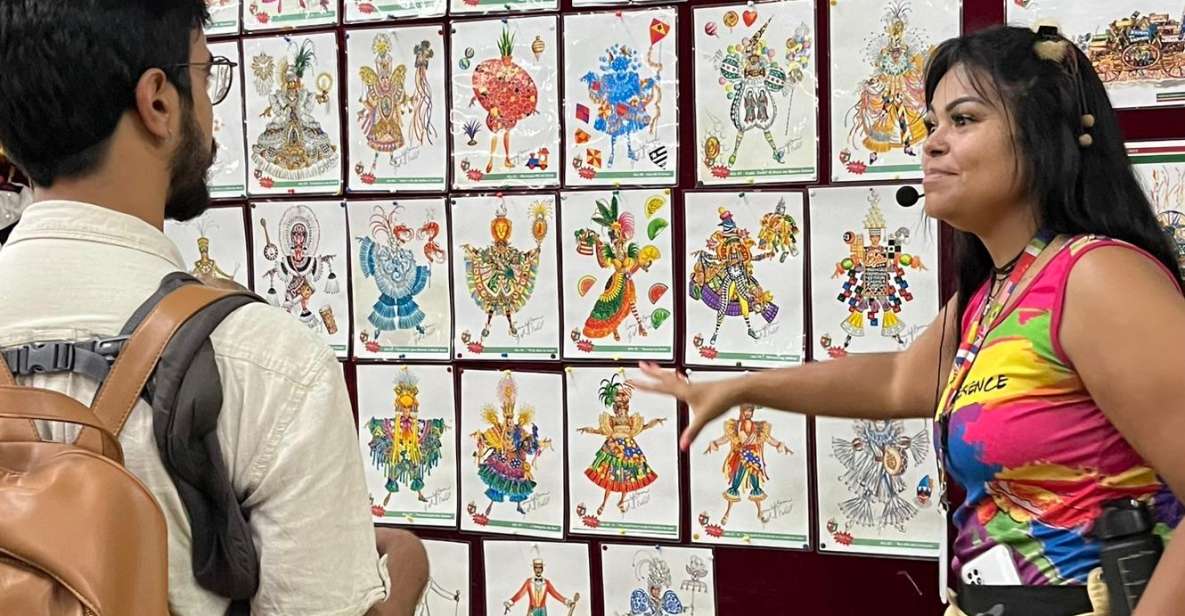
- Little Africa, or ‘Pequena África,’ is a vibrant neighborhood in Rio de Janeiro celebrating Afro-Brazilian heritage and cultural contributions.
- Samba emerged in the early 20th century as a symbol of resistance and unity for Afro-Brazilians, rooted in African traditions.
- Carnival celebrations blend African, indigenous, and European customs, featuring samba music, vibrant costumes, and community parades.
- African culture significantly influences Brazil’s identity through music, dance, cuisine, and religious practices, enriching the Carnival experience.
- Preparations for Carnival involve artisans crafting elaborate floats and costumes, showcasing Brazil’s rich cultural heritage and craftsmanship.
Overview of Little Africa
Little Africa, a vibrant neighborhood in Rio de Janeiro, showcases a rich tapestry of African heritage that profoundly influences the city’s culture and traditions. This area, known as “Pequena África,” is a testament to the contributions of Afro-Brazilians, from music and dance to religion and cuisine.
Streets are lined with colorful colonial buildings, and local markets buzz with life, offering traditional foods and crafts. Visitors can explore the historical significance of the region, which served as a focal point for enslaved Africans and their descendants.
Little Africa not only celebrates its past but also fosters a sense of community, making it a must-visit destination for anyone eager to experience the heart of Rio’s cultural richness.
You can also read our reviews of more historical tours in Rio De Janeiro
Historical Significance of Samba
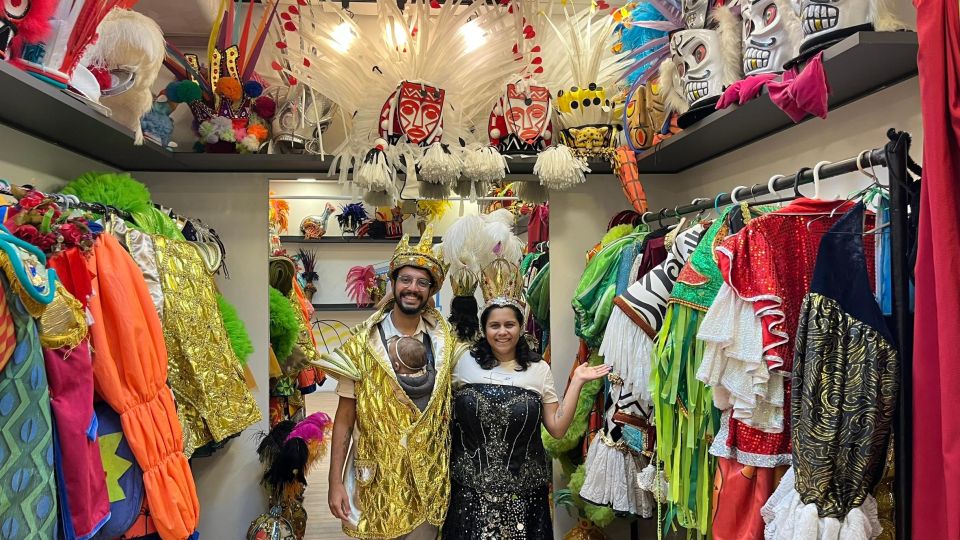
Samba, a vibrant expression of Brazilian culture, emerged as a powerful symbol of resistance and resilience among Afro-Brazilians during the early 20th century.
It served as a musical and dance form that united communities, allowing them to celebrate their heritage and cope with the struggles of discrimination and poverty.
Rooted in African traditions, samba transformed into a vehicle for social change, fostering a sense of identity and pride among Afro-Brazilians.
By the 1930s, samba began to gain mainstream acceptance, influencing Brazil’s cultural landscape.
Its historical significance lies not only in its entertainment value but also in its role as a catalyst for cultural dialogue, showcasing the strength and unity of a marginalized community striving for recognition and respect.
Roots of Carnival Celebrations
Carnival celebrations in Brazil have deep roots in African traditions, blending indigenous customs with European influences to create a vibrant festival that reflects the country’s diverse cultural heritage.
This rich tapestry of cultural elements manifests in various ways during Carnival, showcasing the unique contributions of African descendants. The festival includes:
-
Samba music and dance, originating from African rhythms.
-
Costumes inspired by African culture, often colorful and elaborate.
-
Street parades that highlight community and celebration.
-
Religious rituals linked to African spiritual practices.
-
Culinary traditions featuring dishes rooted in African cuisine.
These elements not only pay homage to Africa’s influence but also create a festive atmosphere that unites people in celebration, making Carnival a powerful symbol of Brazil’s multicultural identity.
The Influence of African Culture
African culture profoundly shapes Brazil’s identity, influencing everything from music and dance to cuisine and religious practices, which are prominently showcased during Carnival celebrations.
The rhythms of samba, rooted in African traditions, bring people together, creating a vibrant atmosphere of joy and unity. Dance styles like capoeira, a blend of martial arts and dance, also highlight this cultural influence.
Plus, culinary delights such as feijoada and acarajé reflect the rich tapestry of African flavors. Religious practices, especially those derived from Candomblé and Umbanda, further enrich Brazil’s spiritual landscape.
During Carnival, these elements fuse into a spectacular display, celebrating the resilience and creativity of African heritage while inviting everyone to join in the festivities.
More Great Tours NearbyBehind the Scenes: Carnival Preparations
Visitors get a unique glimpse into the vibrant preparations for Carnival, where colorful costumes and elaborate floats come to life in bustling workshops. Behind the scenes, artisans work tirelessly, ensuring every detail captures the spirit of celebration. The atmosphere buzzes with creativity and excitement as the event approaches.
Key elements of the preparations include:
-
Crafting intricate costumes adorned with feathers and sequins
-
Designing massive floats that reflect cultural themes
-
Rehearsing samba routines to perfect the choreography
-
Collaborating with local artists to incorporate traditional elements
-
Organizing logistics to ensure a smooth parade experience
These efforts culminate in an unforgettable spectacle, showcasing the heart of Rio’s Carnival and its deep-rooted traditions.
- 7-Hour Island Adventure: Fernando De Noronha Ilhatour
- Private Tour: Rio City Essentials Including Christ the Redeemer and Sugar Loaf
- Paragliding or Hang Gliding Included Pick up and Drop off From Your Hotel.
- Christ the Redeemer + City Tour: Transfers, Local Guide and Tickets.
- Christ the Redeemer, Selaron, Cathedral, Maracana, Sambadrome Half-Day Tour
- Private City Tour of Rio De Janeiro
Samba City Experience
Samba City immerses participants in the vibrant world of samba, where they can witness the artistry and passion that fuel Rio de Janeiro’s most famous celebration.
During this three-hour experience, visitors explore the Little Africa neighborhood, soaking in its rich culture and history. They learn about the African roots of Carnival and venture behind the scenes to see the intricate preparations for the event, including stunning costumes and floats.
A highlight of the tour is a samba class with a professional dancer, allowing participants to feel the rhythm firsthand. To top it off, they enjoy a refreshing caipirinha, embracing the local flavors.
With a limited group size and knowledgeable guides, the experience promises intimacy and engagement.
Local Insights and Tips
Exploring the vibrant streets of Rio de Janeiro offers unique opportunities to connect with local culture and traditions, making it essential to gather insights from knowledgeable guides. These local experts enrich the experience, ensuring visitors appreciate the depth of samba and Carnival history.
Here are some valuable tips to enhance the journey:
-
Engage with locals: Don’t hesitate to ask questions; they’re often eager to share stories.
-
Try local foods: Sample dishes like feijoada or acarajé for an authentic taste.
-
Attend workshops: Participate in samba classes to feel the rhythm firsthand.
-
Visit during off-peak times: Enjoy a quieter experience and better interactions.
-
Capture moments: Take photos, but respect the culture and ask before photographing individuals.
These insights create a memorable and immersive experience in Little Africa.
Enjoying the Carnival Spirit
The vibrant atmosphere of Carnival captivates all who enjoy its colorful celebrations and rhythmic beats.
Participants flock to the streets, dressed in dazzling costumes, embodying the spirit of joy and unity. Samba music fills the air, drawing people into spontaneous dance, while the scent of traditional foods tempts the senses.
Behind the scenes, preparations buzz with excitement, as artisans craft intricate floats and costumes, showcasing Brazil’s rich cultural heritage.
Engaging in a samba class adds to the experience, allowing visitors to connect with the roots of this festive occasion.
Enjoying a refreshing caipirinha afterward, they embrace the essence of Carnival, creating unforgettable memories that resonate long after the celebrations end.
Frequently Asked Questions
What Is the Best Time to Visit Little Africa?
He suggests visiting Little Africa during the Carnival season, typically between February and March, when the vibrant celebrations showcase the neighborhood’s rich heritage. The atmosphere is electric, with lively events and cultural experiences for all.
Are There Any Age Restrictions for the Samba Class?
The samba class welcomes participants of all ages, ensuring a fun atmosphere for everyone. It’s an engaging experience, allowing individuals to connect with Brazil’s vibrant culture, regardless of age or dance experience.
Is the Tour Accessible for Individuals With Disabilities?
The tour’s designed with inclusivity in mind, ensuring participants with disabilities can enjoy the experience. The guide’s ready to assist, making it accessible for everyone to explore and appreciate the rich cultural heritage of Rio.
Can I Take Photos During the Tour?
During the tour, participants can take photos freely. The guide encourages capturing moments, ensuring everyone enjoys the vibrant culture. This allows guests to document their experience while seeing the rich surroundings.
Where Can I Buy Carnival Costumes After the Tour?
After the tour, visitors can buy Carnival costumes at local markets or specialty shops in Rio. Popular spots include Lapa and Copacabana, where vibrant selections ensure they’ll find the perfect outfit for celebrating.
Recap
Little Africa stands as a vibrant testament to the enduring spirit of Afro-Brazilian culture, where samba and Carnival intertwine to celebrate resilience and creativity.
The neighborhood’s rich history and lively atmosphere invite everyone to experience its unique traditions.
As visitors enjoy the rhythms of samba and the excitement of Carnival preparations, they’ll not only enjoy a captivating spectacle but also gain a deeper appreciation for the cultural legacy that continues to thrive in Rio de Janeiro.
You can check availability for your dates here:More Historical Tours in Rio De Janeiro
- 09 – Guided Walk Through the Historic Center of Rio De Janeiro
- Stone of Salt – the History of Samba (With Transfer and Welcome Drink)
- Rio De Janeiro Between History and Nature: the Charm of the Coffee Valley
- Historic Centre Private Tour With a Photographer
- Walking Historical Tour
- Petrópolis Historical Tour – Museum Ticket and Lunch!
More Tour Reviews in Rio De Janeiro
Not for you? Here's more nearby things to do in Rio De Janeiro we have reviewed
- Evening Experience at a Carioca Samba School
- Rio de Janeiro: Wake Up and Sail
- Boat Tours in Búzios
- From Rio de Janeiro: Arraial do Cabo Island Day Trip
- Petropolis the Imperial City With Beer Tour and Lunch
- 25 Best Tours in Rio De Janeiro
- 25 Best Guided Tours in Rio De Janeiro
- 3 Best Shore Excursions in Rio De Janeiro
- 9 Best Shopping Tours in Rio De Janeiro
- 18 Best Drinking Tours in Rio De Janeiro
- 24 Best National Park Tours in Rio De Janeiro
- Rio Sunrise Private Tour