Introducing the African Diaspora Heritage Trail Tour in Bermuda
If you’re considering exploring Bermuda’s complex history of slavery and emancipation, the African Diaspora Heritage Trail offers a structured glimpse into a significant part of the island’s past. This 6.5-hour guided adventure promises to shed light on the stories of enslaved Africans, their descendants, and the enduring cultural footprints they left behind.
What makes this tour stand out is its focus on authentic sites—ranging from historic churches to museums—and the way it weaves personal stories like that of Mary Prince, a pivotal figure in Bermuda’s emancipation journey. Another highlight is the inclusion of entrance fees, which means you won’t be caught off guard by extra costs, and the opportunity to see Bermuda’s oldest buildings and landmarks up close.
However, it’s worth noting that some travelers have faced communication issues, such as last-minute cancellations or a lack of clarity about tour status. The experience is best suited for those with moderate walking ability who want a meaningful, educational look into Bermuda’s African heritage. It appeals most to history enthusiasts, cultural explorers, and travelers eager to understand Bermuda from a different perspective.
Key Points

- Authentic sites like churches, museums, and landmarks give genuine insight into Bermuda’s African diaspora history.
- The tour includes entrance fees to key locations, offering good value for a full cultural experience.
- Transportation is provided in an air-conditioned vehicle, making the day more comfortable.
- The tour requires moderate physical fitness as it involves walking and outdoor exploration.
- The history shared is deeply connected to Bermuda’s emancipation and African roots, providing context beyond just sightseeing.
- The experience might be affected by group size and weather, so flexibility and patience are advised.
A Detailed Breakdown of the Tour Experience
You can also read our reviews of more historical tours in Bermuda
Starting Point: King’s Wharf in Bermuda
Your day begins at King’s Wharf, where you’ll meet your guide and hop into a comfortable, air-conditioned vehicle. This initial setup helps shake off any travel fatigue and gets you ready for a day immersed in Bermuda’s African heritage.
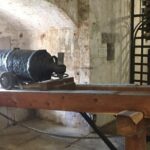
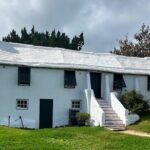
Our first stop is at the Royal Naval Dockyard, a historically significant site. We visit the Clock Tower Mall, Commissioners House, and the Old Prison. Though admission is free, these sites offer a glance into the island’s colonial past. The Old Prison, for example, echoes Bermuda’s history of penal justice, giving context to how the island managed its enslaved and free populations.
Stop 2: St. George’s Parish
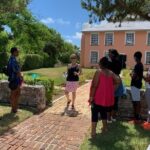
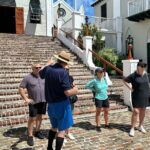
Next, we explore the charming St. George’s Parish—a UNESCO World Heritage site. Key points include Pilot Darrell’s Square, the Unfinished Church, and Barber’s Alley. These sites are packed with stories of early colonial life and the resilience of enslaved communities. The Town Hall also offers a glimpse into Bermuda’s local governance during the slave era.
Stop 3: Barr’s Bay Park
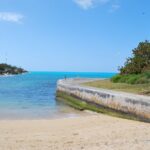
A poignant stop is at Barr’s Bay Park, where we stand at the site of the 1835 landing of the slave ship Enterprise, marking a significant moment just after emancipation. This brief visit underscores the tangible legacy of slavery and the island’s ongoing journey toward reconciliation.
- Restless Native Catamaran Sail and Snorkel Tour
★ 5.0 · 940 reviews - Restless Native Catamaran Sail and Snorkel Tour
★ 5.0 · 940 reviews - Rising Son Catamaran Adventure in Bermuda
★ 5.0 · 694 reviews - Rising Son Catamaran Adventure in Bermuda
★ 5.0 · 694 reviews - Bermuda Hidden Gems Summer Excursion
★ 5.0 · 571 reviews - Bermuda Hidden Gems Summer Excursion
★ 5.0 · 571 reviews
Stop 4: Cobb’s Hill Methodist Church
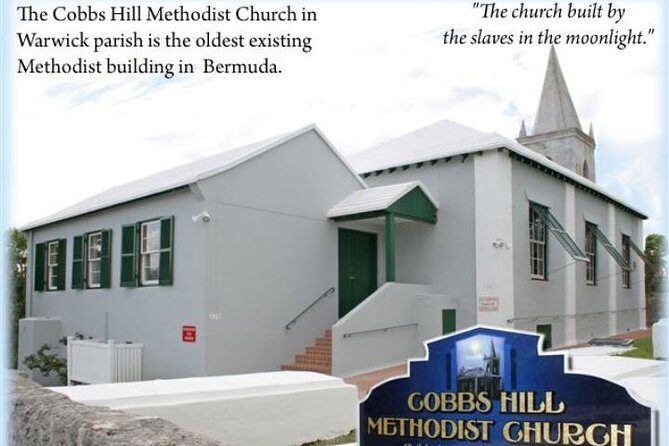
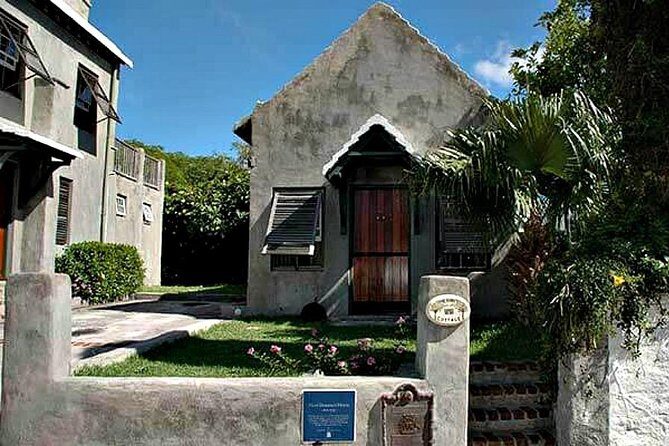
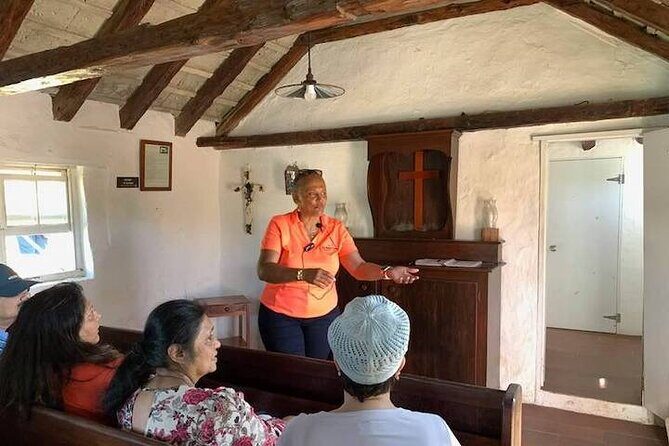
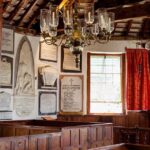
We visit Cobb’s Hill Methodist Church, believed to be the oldest Methodist church in Bermuda. Built by slaves in the moonlight—an act of faith and defiance—this site offers a powerful narrative of resistance. The church interior and historical account demonstrate the enduring faith of Bermuda’s Black community.
Stop 5: St. Peter’s Church
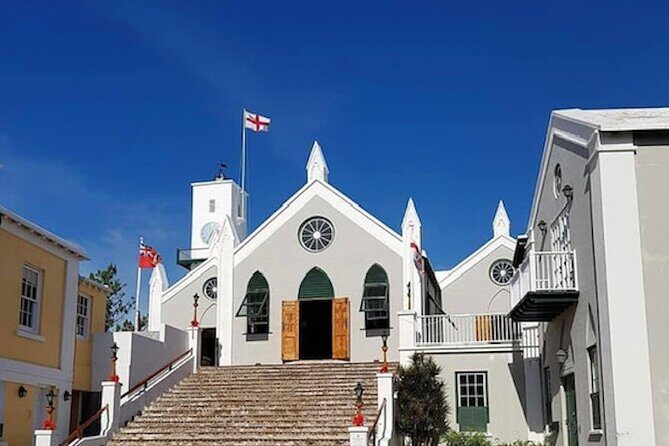
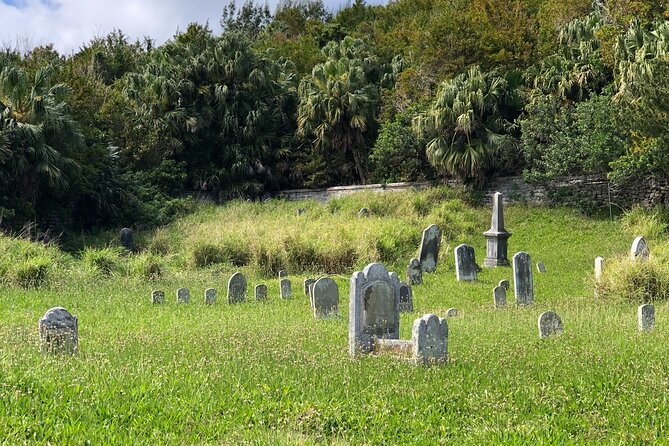
At St. Peter’s Church, the oldest Anglican church on the island, we find a slave graveyard still intact. This quiet cemetery reminds visitors of the lives lost and the importance of remembrance. The church’s long history with Bermuda’s Black population makes it a cornerstone of the tour.
Stop 6: Verdmont Museum
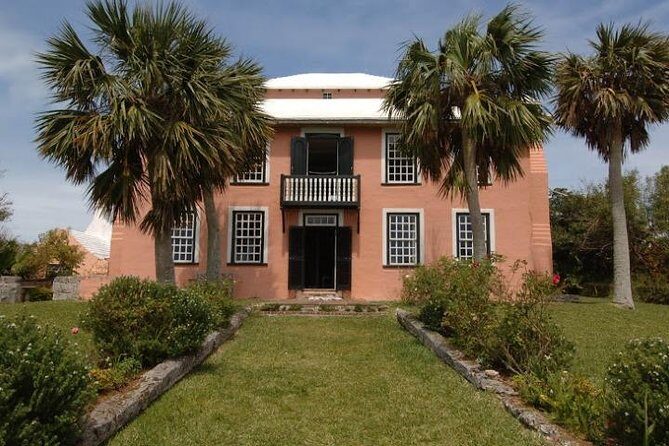
The Verdmont Museum boasts a nearly 300-year-old structure that has remained largely unaltered. Its interiors showcase period furniture and design, reflecting Bermuda’s early colonial architecture. Although not explicitly tied to the African diaspora, the house’s history adds context to Bermuda’s broader historical landscape.
Stop 7: Heydon Trust
Finally, we visit the Heydon Trust, a peaceful 44-acre preserve that offers a taste of Bermuda’s early rural life. Walk along the main path, enjoy flowering gardens, and reflect on the island’s traditions. It’s a calming conclusion that emphasizes Bermuda’s unspoiled natural beauty alongside its history.
What to Expect During This Tour
The itinerary combines walking through historic sites and bus transportation between locations. Expect to wear comfortable shoes, as several sites involve outdoor walking and uneven surfaces. The tour lasts around 6.5 hours, with scheduled stops totaling approximately four hours of sightseeing, plus travel time.
The group size is capped at 100 travelers, which helps maintain a manageable atmosphere. The tour also includes air-conditioned transportation, keeping the heat and humidity at bay—crucial for Bermuda’s summer months.
Value and Cost Analysis
At $165 per person, the tour offers a comprehensive look at Bermuda’s African heritage, especially considering that entrance fees to museums and historic sites are included. The transportation, guide, and curated visits provide good value, particularly for those interested in a deep dive rather than just a quick overview.
Potential Drawbacks
The main concern reported by a past traveler is communication issues—a last-minute cancellation was not clearly conveyed, which could be frustrating. Weather might also impact outdoor stops, so flexibility is essential. Plus, the minimum age restriction of 5 years means it’s not suitable for very young children or those with mobility challenges.
Authentic Experiences on the Trail
While some of the stops are historic landmarks, the real value lies in the stories the guide shares—about Mary Prince, a former slave whose personal account helped lead to Bermuda’s emancipation. Knowing her childhood home and her journey adds an emotional dimension to the visit.
Walking through Barber’s Alley or standing in the slave graveyard offers tangible links to history, making it more than just a sightseeing tour. The inclusion of museums and churches helps bring Bermuda’s past into focus, allowing you to connect with the resilience and faith of those who built the island’s foundations.
Who Would Love This Tour?
This experience is best suited for history enthusiasts and cultural explorers eager to understand Bermuda’s African roots. If you’re interested in stories of emancipation, slavery, and resistance, this tour provides valuable context. It’s also ideal for travelers who don’t mind walking and want a guided, educational experience that goes beyond the surface.
However, if you prefer more relaxed, less structured sightseeing or are traveling with very young children or mobility issues, this might not be the perfect fit. Also, those expecting a more lively or entertainment-focused experience might find the tone too serious.
Final Thoughts
The African Diaspora Heritage Trail in Bermuda offers a sincere and historically meaningful way to appreciate the island’s Black community’s resilience and contributions. While it comes with some logistical concerns—such as communication about cancellations—the sites visited and stories told are genuine and impactful.
You’ll gain a deeper understanding of Bermuda’s history, especially its struggles and victories in the journey toward emancipation. The inclusion of entrance fees makes it straightforward, and the comfortable transportation ensures you won’t be worn out before the day ends.
If you’re someone who values authentic, educational travel and has a genuine interest in understanding the African influence on Bermuda, this tour can be a significant addition to your visit.
African Diaspora Heritage Trail – 6.5 Hours
FAQs
Is transportation provided during the tour? Yes, you’ll travel between sites in an air-conditioned vehicle, making the day more comfortable.
What kind of footwear should I wear? Comfortable walking shoes are recommended since the tour involves outdoor walking and exploring historic sites.
Are entrance fees included? Yes, the tour covers entrance fees to several museums and churches, which adds value and convenience.
What is the tour duration? The entire experience lasts approximately 6.5 hours, including travel time and site visits.
Can children join the tour? Yes, but all passengers must be at least 5 years old; younger children are not permitted.
What if the weather is bad? The tour requires good weather; if canceled due to poor conditions, a different date or full refund will be offered.
Is the tour suitable for people with mobility challenges? Moderate physical fitness is required, and some walking may be on uneven surfaces, so those with mobility issues should consider this.
Are food and drinks included? No, meals and drinks are not included, so plan to bring water and possibly pack snacks.
What is the group size? The tour can accommodate up to 100 travelers, providing a manageable group setting.
Will I see historic sites connected to Bermuda’s African heritage? Yes, sites like the Unfinished Church, St. Peter’s Church, and the slave graveyard highlight Bermuda’s African diaspora history.
To sum it up, the African Diaspora Heritage Trail offers a meaningful, educational journey into Bermuda’s past. While it might not be perfect for everyone—especially those concerned about logistics or physical demands—it provides an invaluable opportunity to connect with the stories and sites that shaped Bermuda’s Black community. For travelers eager to deepen their understanding of the island’s history, this tour is a worthwhile, if sometimes challenging, choice.