Cincinnati Streetcar Transportation and Infrastructure Tour: A Deep Dive into the City’s Urban Fabric
If you’re looking for a tour that offers more than just pretty pictures and touristy spots, the Cincinnati Streetcar Transportation and Infrastructure Tour might be just what you need. This experience isn’t your typical sightseeing jaunt—it’s a focused exploration of Cincinnati’s transit history, urban development, and future plans, led by a knowledgeable local with a keen eye for detail.
What we love about this tour is its emphasis on architecture and infrastructure, giving travelers a behind-the-scenes look at how Cincinnati’s cityscape has been shaped—and sometimes challenged—by ambitious projects. Plus, the fact that it’s guided by Fenley, an urban planning student involved in local transportation projects, ensures you’re getting insights rooted in real-world experience.
The only real consideration is that it’s quite specialized; if your interest is broad city history or casual sightseeing, this might not hit the mark. But for those curious about how a city’s transit system and urban planning influence daily life, this tour packs a punch. It’s especially enjoyable for urban enthusiasts, history buffs, and anyone intrigued by Cincinnati’s evolving skyline and transit dreams.
Who this tour suits best? If you’re eager to understand the city’s transportation challenges and successes or want a guided walk that reveals the story behind Cincinnati’s physical and infrastructural transformation, this is a solid pick.
Key Points
- Focused on infrastructure: This isn’t your typical city tour; it emphasizes transit projects, urban renewal, and future plans.
- Expert guidance: Led by a local student involved in transportation projects, ensuring authentic insights.
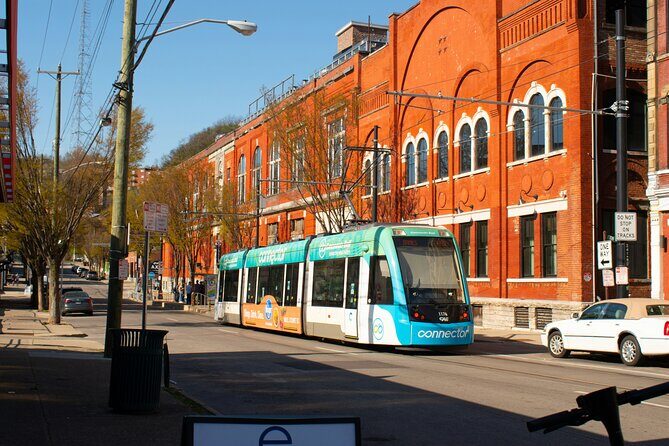
- Walk and ride combo: You’ll explore on the streetcar, with stops at major landmarks, plus walking segments to appreciate details up close.
- Cost-effective at $40: It offers a deep look into Cincinnati’s infrastructure for a reasonable price, especially considering the small-group size.
- Educational and visual: From abandoned subways to modern skyscrapers, the tour covers past, present, and future urban developments.
- Accessible for most travelers: Most can participate, and service animals are allowed.
A Detailed Look at the Cincinnati Infrastructure Tour
You can also read our reviews of more tours and experiences in Cincinnati.



Starting Point: The National Underground Railroad Freedom Center
The tour kicks off near the National Underground Railroad Freedom Center, a powerful symbol of Cincinnati’s history of liberation. Here, Fenley introduces the city’s broader history before zooming in on transit themes. We love the way he briefly sketches Cincinnati’s evolution, giving context to how transportation issues fit into its story.
The Banks and the Roebling Suspension Bridge
Our first stop is the Banks, a vibrant downtown area along the Ohio River. From afar, we gaze at the majestic Roebling Suspension Bridge, which has become an iconic symbol of Cincinnati’s engineering prowess. Fenley explains how this bridge, built in the 19th century, was innovative for its time, and its historical significance as a precursor to modern suspension bridges.
Great American Ball Park
Next, we pause briefly outside the Great American Ball Park—a spot perfect for snapping photos. It’s a quick stop, but Fenley notes the importance of the ballpark as a downtown anchor and its proximity to transit routes, illustrating how stadiums can influence urban mobility.
Riverfront Transit Center and Cincinnati’s Abandoned Subway
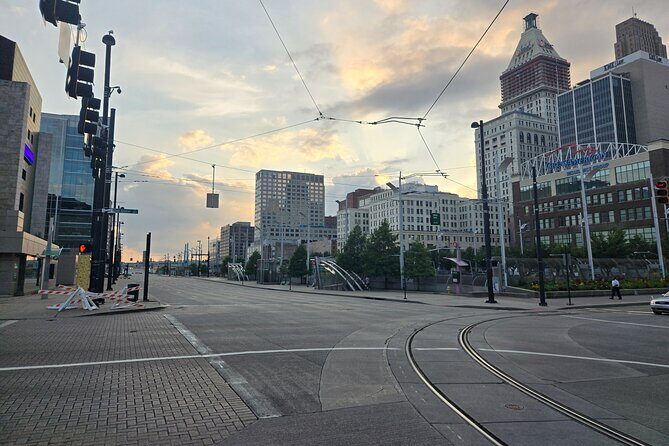
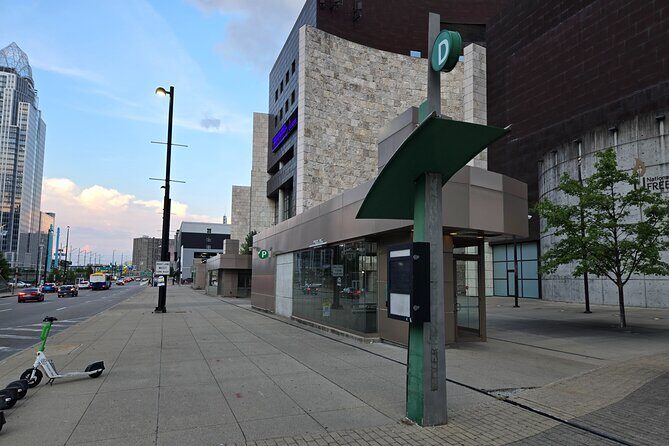
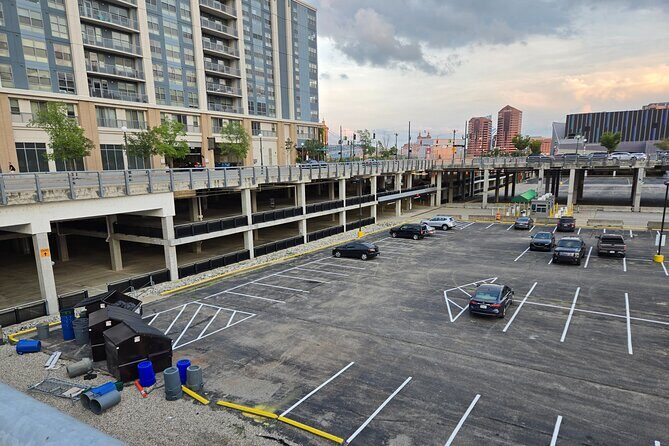
One of the tour’s highlights is the Riverfront Transit Center, often called “Cincinnati’s Second Abandoned Subway.” Fenley discusses efforts to reintroduce transit here, describing the Center’s massive underground structure that once seemed poised to revolutionize city transit but now stands mostly unused. You get a sense of the complex challenges faced when trying to modernize urban transit systems, especially when ambitious projects run into funding or planning hurdles.
- Cincinnati: Ohio River Cruise With Buffet Dinner
★ 4.5 · 1,014 reviews - Cincinnati: Riverboat Cruise with Lunch and Entertainment
★ 4.4 · 728 reviews - Cincinnati Streetcar Food Tour With Findlay Market
★ 5.0 · 653 reviews - Cincinnati: Sunset Sightseeing Cruise on the Ohio River
★ 4.4 · 615 reviews - The Escape Game Cincinnati: 60-Minute Adventures at The Banks
★ 5.0 · 546 reviews - Top 10 Sites + Top 5 Foods of Cincinnati Morning Tour
★ 5.0 · 498 reviews
Queensgate and Highway Expansion
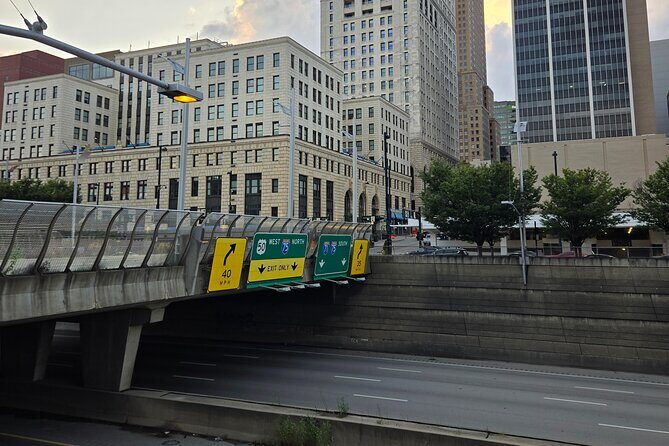
Moving on, we stop in Queensgate, where Fenley discusses Cincinnati’s highway construction and urban renewal efforts. Of particular interest is the Kenyon-Barr project, which in the 1960s demolished nearly half of the neighborhood—a stark reminder of how urban renewal often reshaped or shattered communities. Fenley explains how highway expansion has impacted city life, for better or worse, giving us a nuanced picture of Cincinnati’s infrastructural growth.
Art Deco and Downtown Landmarks
We pass by the Carew Tower—a stunning example of Art Deco architecture—and walk through the lobby of the Hilton Netherland Plaza, famed for its design. These architectural gems highlight Cincinnati’s period of prosperity and aesthetic ambition. Close by, the Fountain Square scene gives us a lively urban hub, where we take a few moments to appreciate the heart of downtown life. Fenley discusses current challenges facing the central bus station, adding a real-world perspective to Cincinnati’s transit scene.
Procter & Gamble Lawn Park and Great American Tower
The tour continues with a quick stop at the Procter & Gamble Lawn Park, providing a chance to rest and take in the cityscape, followed by a glimpse of Cincinnati’s tallest skyscraper—the Great American Tower. From this vantage point, we can appreciate how the skyline has evolved, blending old and new architecture.
Heritage Bank Center and East 8th Street & Main Street
Fenley shares insights into the Heritage Bank Center’s role in the city’s sports and entertainment scene, along with current plans involving the venue. We then hop off at East 8th & Main Street, learning about the streetcar’s route and Cincinnati’s ongoing transit development. The fact that the tour covers about two-thirds of the Cincinnati Streetcar Loop allows travelers to gauge how integrated the system truly is.
Washington Park and the Abandoned Subway
A relaxing stop in Washington Park gives us a break, with an opportunity to stretch our legs or grab water. From here, Fenley points out sights and shares stories about the abandoned Cincinnati subway, the largest in the world—a fascinating relic of failed ambitions, lying just beneath our feet.
Cincinnati Union Terminal
The tour’s grand finale is a distant view of the Cincinnati Union Terminal, an Art Deco masterpiece and one of the last great passenger train stations built in the U.S. Fenley describes its architectural grandeur and significance, tying it into Cincinnati’s historic role as a transportation hub.
End at Findlay Market
We conclude our journey at Findlay Market, a lively neighborhood hub that exemplifies efforts at urban renewal and community revitalization. Here, travelers can explore local food options and soak in the vibrant atmosphere, perfect for extending the day if desired.
The Value of the Cincinnati Infrastructure Tour
At $40 per person, this tour offers a surprisingly rich educational experience. It combines walking, streetcar riding, and storytelling, making the cost worthwhile for anyone interested in urban planning, transit history, or Cincinnati’s ongoing evolution. The small group size (maximum 8 travelers) ensures personalized attention and engaging discussion.
The inclusion of maps—streetcar, metro bus, TANK bus, and abandoned subway—adds an extra layer of value, giving you resources to continue exploring on your own. Plus, the tour’s focus on both accomplishments and failures provides a balanced perspective, helping you understand the complexities of city development.
Practicalities and Tips for Travelers
- The tour is approximately 3 hours long, making it a manageable half-day activity.
- It starts at the National Underground Railroad Freedom Center, easily accessible via public transportation.
- Wear comfortable shoes—you’ll be walking and riding the streetcar through different neighborhoods.
- The small group size enhances the learning experience, and tips are not encouraged but appreciated if you’re happy with the guide’s insights.
- Since most of the stops are from afar, packing binoculars or zoom lenses might enhance your viewing experience of distant landmarks.
Who Will Love This Tour?
This isn’t a standard sightseeing tour. It’s ideal for travelers intrigued by urban infrastructure, historic transit projects, or city planning. If you enjoy understanding the “why” and “how” behind a city’s layout, you’ll find this tour engaging. It’s also perfect for those interested in Cincinnati’s architecture, history, and future development plans.
Families with older children interested in engineering or city development will find it educational and thought-provoking. However, it may not suit travelers looking for a leisurely, scenic city tour without a focus on transit and infrastructure.
The Sum Up
The Cincinnati Streetcar Transportation and Infrastructure Tour offers a rare chance to see a city through the lens of its urban development and transit history. By riding the streetcar and walking through key neighborhoods, you’ll gain insights into how Cincinnati has navigated growth, decline, and revitalization. The guided commentary by Fenley, blending academic knowledge with local experience, makes it particularly valuable.
For travelers curious about how cities are built and evolve, this tour reveals both the successes and failures that shape Cincinnati today. It’s an excellent choice for anyone wanting a meaningful, small-group experience that combines transportation, architecture, and local stories.
If you’re eager to understand Cincinnati’s urban fabric and see the city from a new perspective, this tour provides a compact, compelling, and educational adventure.
Cincinnati Streetcar Transportation and Infrastructure Tour
FAQ
Is this tour suitable for children?
Most travelers can participate, and the focus on infrastructure might appeal to older children or teenagers interested in engineering or city planning.
How long is the tour?
It lasts approximately 3 hours, offering a balanced mix of riding and walking.
Where does the tour start and end?
It begins at the National Underground Railroad Freedom Center and ends at Findlay Market, with the option to explore more afterward.
What is included in the price?
The tour includes public transportation via the Cincinnati Streetcar, a guided experience, small group setting, and various maps for further exploration.
Are gratuities included?
No, tipping is not included or encouraged, but appreciated if you felt the guide added value.
Can I join even if I’m not a local?
Absolutely—Fenley’s insights are designed for visitors and locals alike, making it accessible for all interested in Cincinnati’s development.
Is this tour physically demanding?
It involves some walking and riding but is generally manageable for most able-bodied travelers.
What should I bring?
Comfortable shoes, water, and perhaps a camera or binoculars to better enjoy distant views and landmarks.
The Cincinnati Streetcar Transportation and Infrastructure Tour offers a thought-provoking look at urban development that’s perfect for curious minds and those eager to see the city’s story beyond the usual sights.