
The 13 Days Everest Base Camp Trekking offers a unique blend of adventure and culture, attracting trekkers eager to explore the majestic Himalayas. For a starting price of $1,700, participants receive comprehensive support, including airport transfers and guided tours through vibrant Sherpa villages. The trek prioritizes acclimatization, enhancing safety while ensuring trekkers can fully appreciate stunning vistas from iconic viewpoints like Kalapathar. However, planning such an expedition requires careful consideration of several factors—what essentials should trekkers pack, and how can they ensure their health along the way?
Key Points
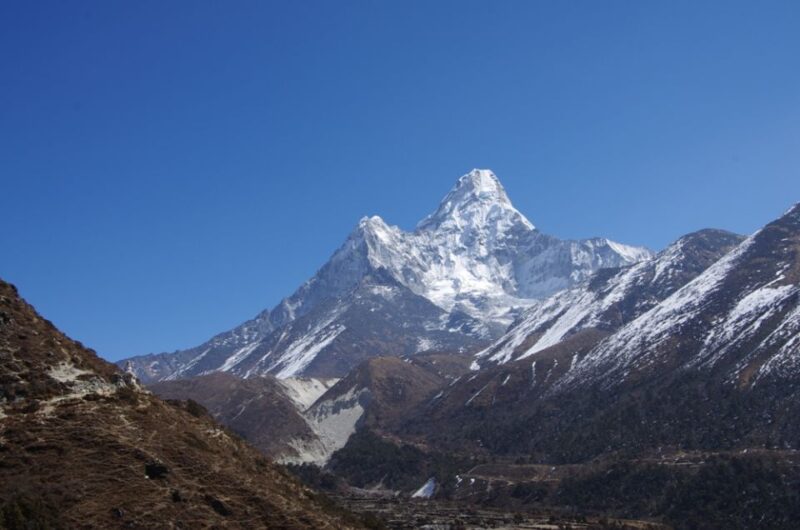

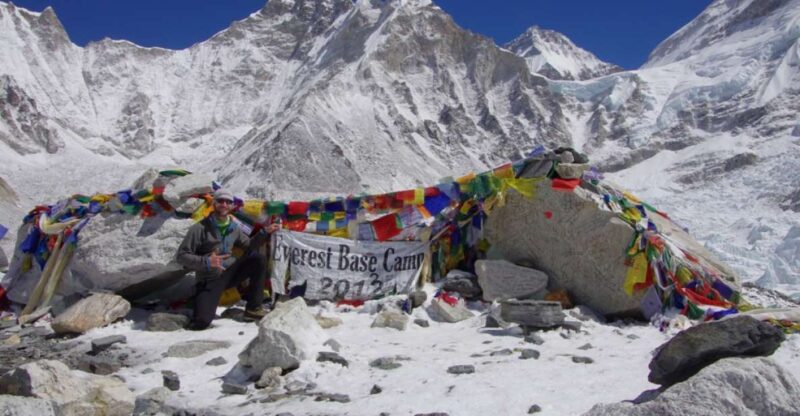
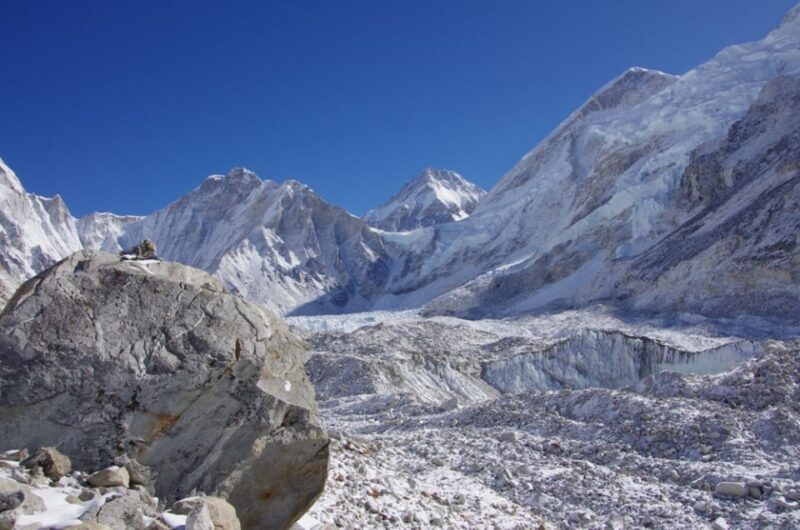
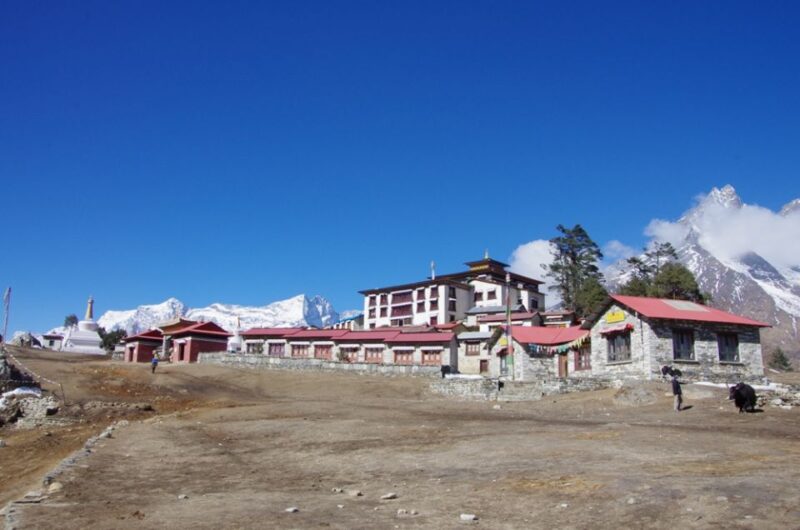
- The 13-day Everest Base Camp trek includes stunning views of iconic peaks and culture in Sherpa traditions.
- The trek begins with a flight to Lukla, followed by days of hiking and acclimatization to ensure safety.
- Key highlights include sunrise views from Kalapathar and visits to Everest Base Camp and Khumbu Glacier.
- The package covers airport transfers, accommodation in Kathmandu, meals during the trek, and necessary permits.
- A ‘Reserve now, pay later’ option provides financial flexibility, with free cancellation up to 24 hours before departure.
Overview and Pricing
The Everest Base Camp Trekking experience spans 13 days and is priced from $1,700.00 per person, making it an accessible adventure for many outdoor enthusiasts.
This package includes essential elements like airport transfers, accommodation in Kathmandu, and flights to Lukla, ensuring a hassle-free journey. Participants can enjoy meals during the trek, guided support from experienced professionals, and necessary permits.
Plus, with a free cancellation policy up to 24 hours before departure, travelers can book with confidence. There’s even a reserve now, pay later option available, adding to the flexibility.
This trek not only offers a chance to explore breathtaking landscapes but also provides an opportunity to immerse in the rich culture of the Khumbu region.
You can also read our reviews of more hiking tours in Kathmandu


Trekking Experience Highlights
With breathtaking views and rich cultural experiences, the Everest Base Camp Trek offers an unforgettable adventure in the heart of the Khumbu region.
Trekkers enjoy stunning panoramas from Syangboche, showcasing the majestic Mount Everest alongside iconic peaks like Thamsherku, Amadablam, and Pumori.
The journey immerses participants in Sherpa culture, providing insights into their traditions and way of life.
A highlight includes the awe-inspiring sunrise from Kalapathar, where trekkers witness the rising sun illuminating the Himalayas.
Visiting Everest Base Camp and the Khumbu Glacier adds a sense of achievement, while exploration of Tengboche and Dingboche monasteries deepens the cultural experience.
Each step on this trek becomes a memorable moment, combining natural beauty with rich heritage.
Detailed Itinerary
Curious about what each day of the Everest Base Camp Trek entails? The adventure kicks off with a warm welcome in Kathmandu before a flight to Lukla.
From there, trekkers head to Phakding and continue to the vibrant Namche Bazaar. Day four focuses on acclimatization, allowing trekkers to explore Syangboche and Khumjung Valley.
The journey proceeds to Tengboche and Dingboche, with spectacular mountain views along the way. On day seven, they reach Gorakshep and visit Everest Base Camp.
An early morning climb to Kalapathar on day eight rewards trekkers with breathtaking sunrise views.
Inclusions of the Trek
Trekkers can expect a comprehensive package that includes airport transfers, comfortable accommodations, and meals throughout the journey.
The trek is designed to ensure a smooth experience, allowing participants to focus on the breathtaking scenery and rich culture.
Key inclusions for the trek are:
-
Airport transfers by private vehicle for convenience
-
Two nights in a 3-star hotel in Kathmandu, complete with breakfast
-
An English-speaking licensed guide and an experienced porter (one porter for every two clients)
-
All meals during the trek, including three daily meals and tea or coffee
This package also covers essential fees like the Sagarmatha National Park fee and the TIMS card, making it a well-rounded option for adventurers.
More Great Tours NearbyAcclimatization Process
Acclimatization is crucial for ensuring trekkers adjust to the high altitudes encountered during the Everest Base Camp trek, minimizing the risk of altitude sickness. This process involves gradual ascent and rest days. During acclimatization, trekkers often engage in short hikes to higher altitudes and return to lower elevations to sleep.
| Day | Location | Activity |
|---|---|---|
| Day 04 | Namche Bazaar | Acclimatization hike to Syangboche and Khumjung Valley |
| Day 06 | Dingboche | Acclimatization hike to Chhukung Valley |
| Day 08 | Gorakshep | Early morning climb to Kalapathar for sunrise |
- Private Kathmandu Sightseeing Tour – UNESCO World Heritage Sites
★ 5.0 · 756 reviews - Kathmandu: Private 7 UNESCO Heritage Sites Day Tour
★ 4.8 · 744 reviews - Everest Base Camp Helicopter Tour Stop at Everest View Hotel
★ 5.0 · 668 reviews - Half Day Cooking Class in Thamel Kathmandu
★ 5.0 · 607 reviews - Private Kathmandu Day Tour: 7 UNESCO Heritage Sites Tour
★ 5.0 · 415 reviews - Kathmandu: 7 UNESCO World Heritage Sites Private Day Tour
★ 4.9 · 406 reviews
Essential Packing List
Packing the right gear is essential for a successful and enjoyable Everest Base Camp trek, ensuring trekkers are well-prepared for varying weather conditions and altitudes. A well-thought-out packing list can make all the difference.
Here are some must-have items to include:
-
Layered clothing: Keeps trekkers warm and allows for easy temperature adjustments.
-
Sturdy hiking boots: Provides the necessary support and traction for rugged trails.
-
Water purification system: Ensures access to safe drinking water throughout the journey.
-
First aid kit: A critical component for addressing minor injuries or ailments on the trail.
With the right gear, trekkers can focus on the stunning scenery and rich cultural experiences that the Everest region has to offer.
Safety and Health Tips
Ensuring safety and maintaining health during the Everest Base Camp trek is crucial for an enjoyable and successful adventure. Trekking at high altitudes poses challenges, so acclimatization is key.
Participants should take their time, drink plenty of water, and recognize symptoms of altitude sickness, like headaches or nausea. It’s also wise to pack a well-stocked medical kit, including pain relief and rehydration salts.
Regular breaks during the trek help avoid exhaustion. Eating nutritious meals and staying warm can prevent illness.
On top of that, maintaining communication with guides about any health concerns can enhance safety. Lastly, participants should have travel insurance that covers emergencies, ensuring peace of mind throughout their journey.
Booking Information and Policies
Participants should familiarize themselves with the booking information and policies to ensure a smooth experience for their Everest Base Camp trek. Understanding these details helps avoid any surprises and allows for seamless planning.
Booking requires a deposit to secure a spot.
Free cancellation is available up to 24 hours before departure for a full refund.
A ‘reserve now, pay later’ option provides flexibility in financial planning.
Participants should check availability and select trek dates well in advance.
Frequently Asked Questions
What Is the Best Time of Year for Trekking to Everest Base Camp?
The best time for trekking to Everest Base Camp is during spring, from March to May, and autumn, from September to November. These seasons offer mild weather, clear skies, and stunning views, making trekking enjoyable.
Are There Age Restrictions for Participants on the Trek?
There aren’t strict age restrictions for participants, but most trekking companies recommend ages between 12 and 70. Everyone should assess their fitness levels, ensuring they’re prepared for the trek’s challenges and altitudes involved.
How Physically Fit Do I Need to Be for This Trek?
For this trek, participants should have a moderate fitness level. Regular hiking and cardiovascular exercises are recommended. They should be prepared for long days of walking and varying altitudes, ensuring a safe and enjoyable experience.
Can I Charge My Devices During the Trek?
During the trek, charging devices can be challenging. Most teahouses offer limited electricity, usually powered by solar or generators. Participants should bring power banks to ensure their devices stay charged throughout the journey.
Are There Any Communication Options Available While Trekking?
While trekking, there’re limited communication options. Mobile networks may work in some areas, but Wi-Fi is mostly unavailable. It’s wise to inform others of your itinerary and carry a satellite phone for emergencies.
13 Days Everest Base Camp Trekking
Recap
In summary, the 13 Days Everest Base Camp Trekking offers an incredible opportunity to explore the majestic Himalayas while immersing in the rich Sherpa culture.
With a well-structured itinerary, guided support, and a focus on acclimatization, trekkers can enjoy a safe and memorable adventure.
Whether you’re seeking breathtaking views or a chance to challenge yourself, this trek promises an experience of a lifetime.
So, pack your bags, and get ready for an unforgettable journey to Everest Base Camp!
You can check availability for your dates here:


