
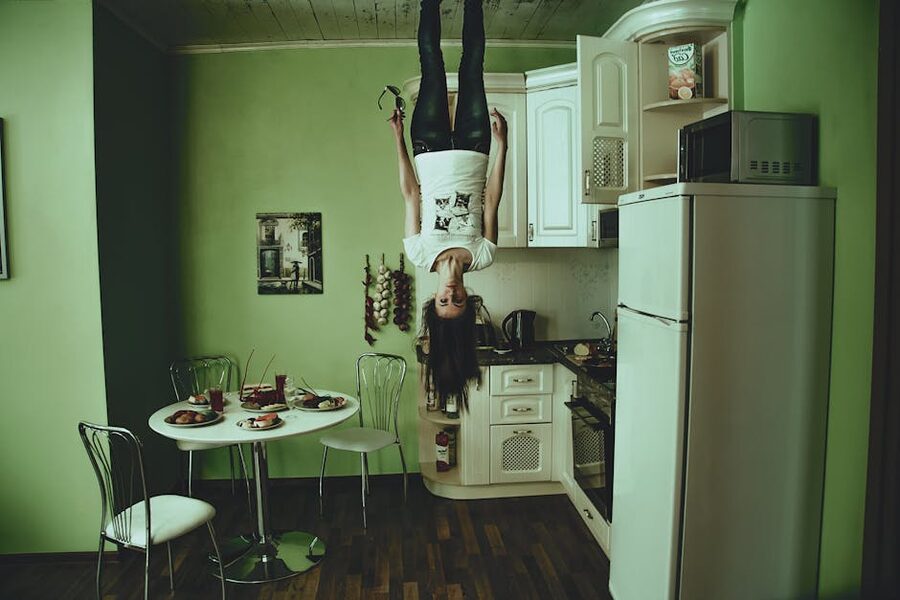
You walk into the kitchen and the first thing your brain does is correct itself. The fridge is on the ceiling. So is the wooden dining table, four chairs glued upside-down around it, with a fruit bowl bolted to the underside. The kettle hangs above your head. You stand there for half a second staring at gravity behaving normally on the floor and looking, very specifically, wrong above you. Then you turn your phone 180 degrees, hold it out at arm’s length, and the entire room snaps into a photo where you appear to be standing on the ceiling next to your own breakfast.
That’s the trick. That’s the entire museum. About thirty rooms of it, on Damrak, a five-minute walk from Centraal Station.
The Upside Down Museum Amsterdam is not an art museum. I want to get that out of the way in the first paragraph because if you arrive expecting Van Gogh or Rijksmuseum levels of cultural depth you are going to be furious. It’s a chain attraction designed for one purpose: producing roughly eighty social-media-ready photos of you in an hour. You’re paying €13 to €15 for a content studio with the sets pre-built. If that sounds great to you, it probably is great. If that sounds like a waste of an Amsterdam afternoon, it probably is that too.
The 60-second pick
- Standard entry, GetYourGuide (~$14): the booking everyone defaults to, instant mobile ticket, free cancellation up to 24 hours. Check availability
- Standard entry, Viator (~$31): same museum, listed slightly higher on Viator with a 1-hour duration tag. Check availability
- Private photoshoot add-on, GetYourGuide (price varies): for couples and small groups who want a real photographer working the rooms with them. Check availability
What it actually is, and what it isn’t
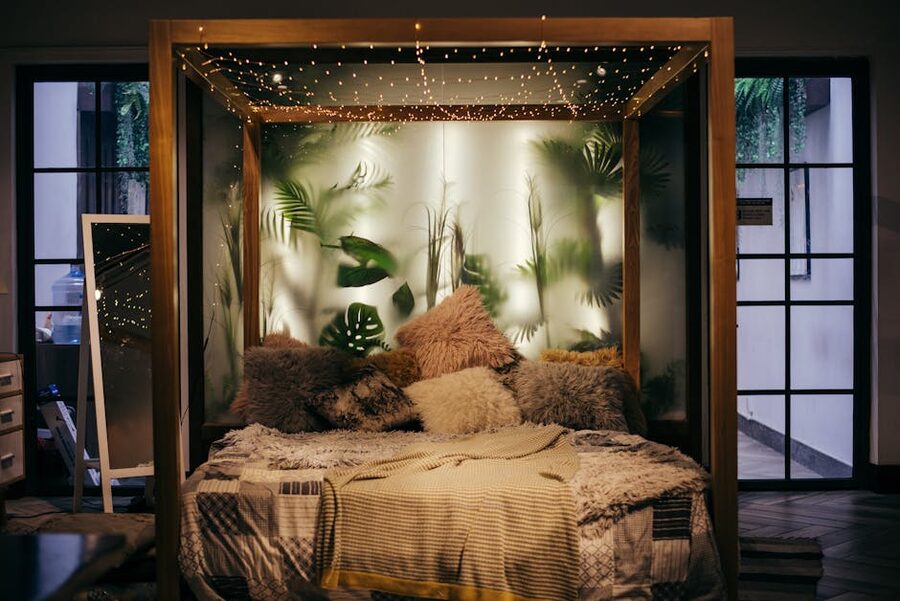
Imagine an empty warehouse partitioned into about thirty themed rooms. In each one, the furniture and fittings are bolted to what would normally be the ceiling. A living room, sofas glued overhead, lamp dangling sideways. A bedroom, four-poster bed inverted, books arranged on a desk that’s now a chandelier. A bathroom with the toilet and bathtub upside-down. An office, a children’s playroom, a Dutch-style kitchen with windmill blades. Walls painted with optical illusions that only resolve when you stand at one specific spot. Doorways tilted at ninety degrees so you photograph yourself walking through a vertical corridor.
You walk in. You take a photo. You move to the next room. You take a photo. You repeat that thirty times. Total visit time, sixty to ninety minutes. Total photo output, eighty or so if you’re efficient.
This is not the Van Gogh Museum. There’s no curatorial voice, no art history, no narrative arc. The closest thing it has to a thesis is “rotate your phone and you become weightless.” It’s also not the Anne Frank walking tour. Nobody is here to learn anything about the city. They’re here to make content.
And that’s fine. Pretending otherwise is what trips up the people who arrive expecting a museum and write angry one-star ratings about how it isn’t one. The website doesn’t pretend. The marketing copy doesn’t pretend. Only the visitors who skipped the homepage pretend, and then they’re upset about it.
Where it sits on Damrak, and how to find it
The Amsterdam location is on Damrak, the wide tourist artery that runs from Centraal Station south to Dam Square. Walk out of Centraal, cross the bridge, head south for about four minutes and you’ll see it on the right. The address has been at Damrak 26 since the venue moved there a couple of years back. Earlier reviews online still cite Hartenstraat, which was the original 2021 location: ignore those.
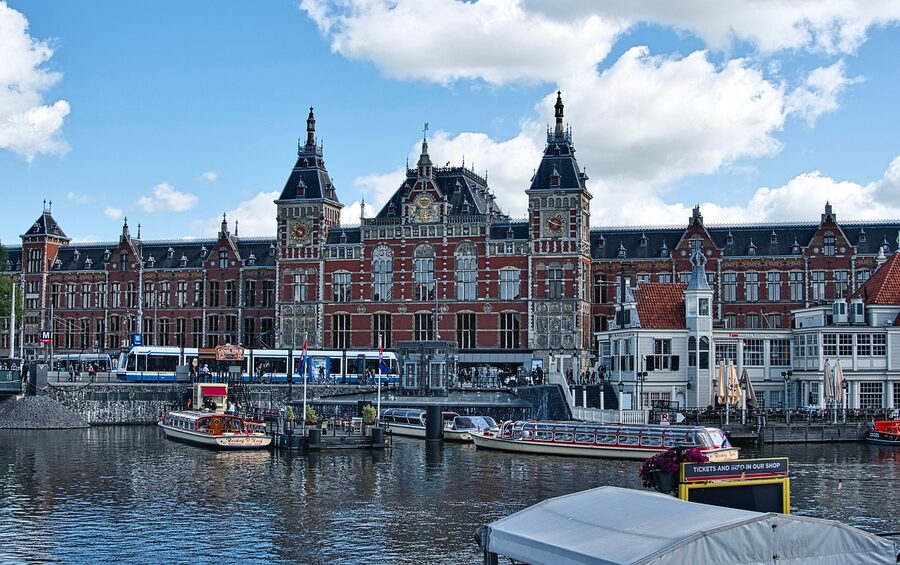
This puts it inside the same five-minute walking radius as Madame Tussauds Amsterdam on Dam Square, the Royal Palace, and canal-cruise departure points along Damrak. If you’ve already booked the canal cruise, the Upside Down Museum is the perfect 90-minute filler before or after, since the boat dock is essentially across the street.
The signature trick: how the photo works
Here is the entire technical mechanic, because half the three-star ratings online come from people who didn’t figure this out and left disappointed.
You stand inside a room where the floor is a real floor and everything else is glued to the ceiling. The room itself is right-side up. It’s the furniture that’s inverted. So you appear to be standing on a normal floor in a room where everything is on the ceiling.
Then you rotate your phone or camera 180 degrees so what was up is now down in your viewfinder. Now the photo shows: a normal-looking room (because the ceiling-bolted furniture is now correctly oriented at the bottom of the frame) with a person glued sideways or upside-down to it. That’s you. You’re the only thing in the photo that didn’t get flipped, so you appear to be defying gravity.
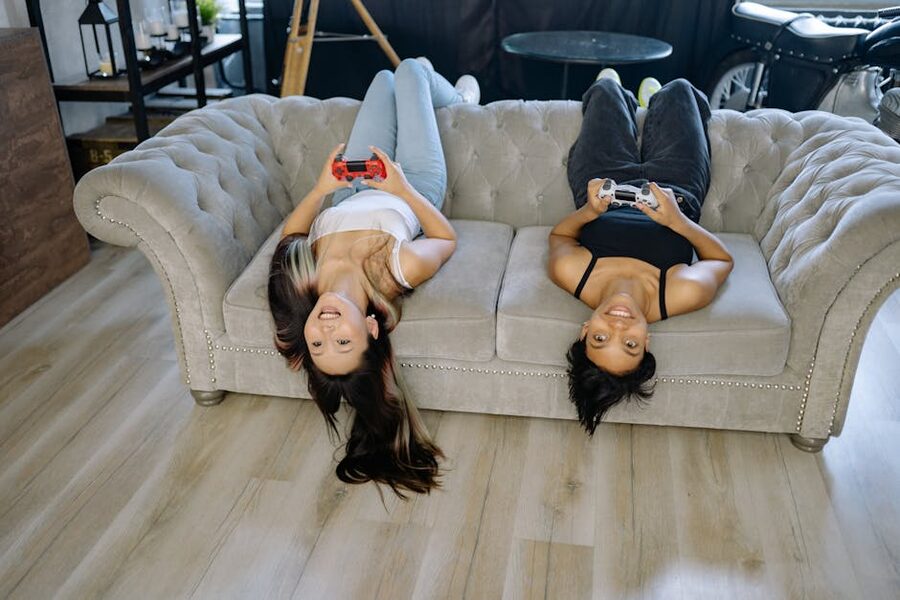
The same effect works for any pose. Lie on the floor with your arms out, photo gets flipped, you appear to be floating. Sit on the floor with your feet against a wall, photo gets flipped, you appear to be sitting on the wall. Most rooms have at least three viable poses if you spend two minutes thinking about each one rather than rushing through.
Some travellers don’t bother with the rotation step and just take the photo from a normal angle, which produces a photo of an obviously upside-down room with a normal person standing in it. That’s also fine, but it’s not the trick.
Best rooms (in case you have to triage)
If you only have time for the highlights, the rooms that get the most consistent love online are:
- The kitchen. Almost everyone agrees this is the strongest set. Detailed, specific, with the right amount of clutter to read as a real kitchen rather than a stage.
- The bathroom. A weirdly photogenic room because the toilet and bathtub upside-down hits a specific note of absurdity that the more abstract sets miss.
- The bedroom. The four-poster bed is the marquee piece. Books and lamps add believability.
- The living room with sofas. The signature shot is to lie on your back on the floor with your legs up the wall, photo flipped, you’re now sitting on the upside-down sofa. Easy crowd-pleaser.
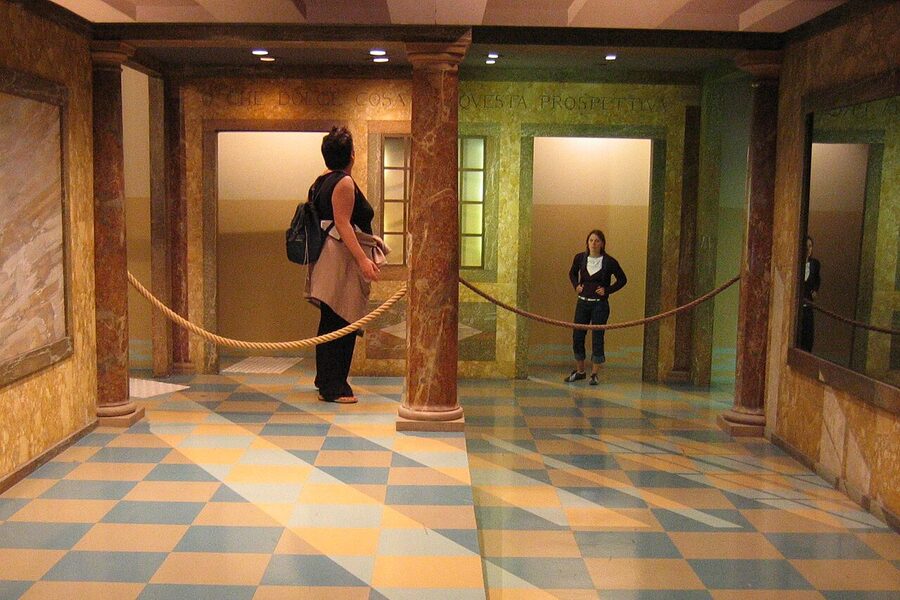
- The optical-illusion painted-wall rooms. Different mechanic from the inverted-furniture rooms. The wall is painted so a 3D scene only resolves from one specific spot. There’s usually a sticker on the floor showing you where to stand.
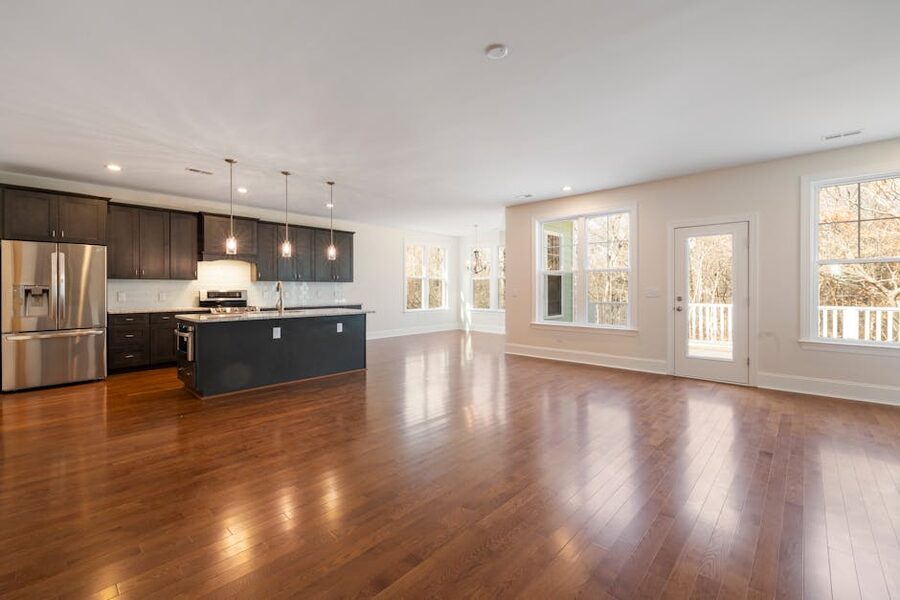
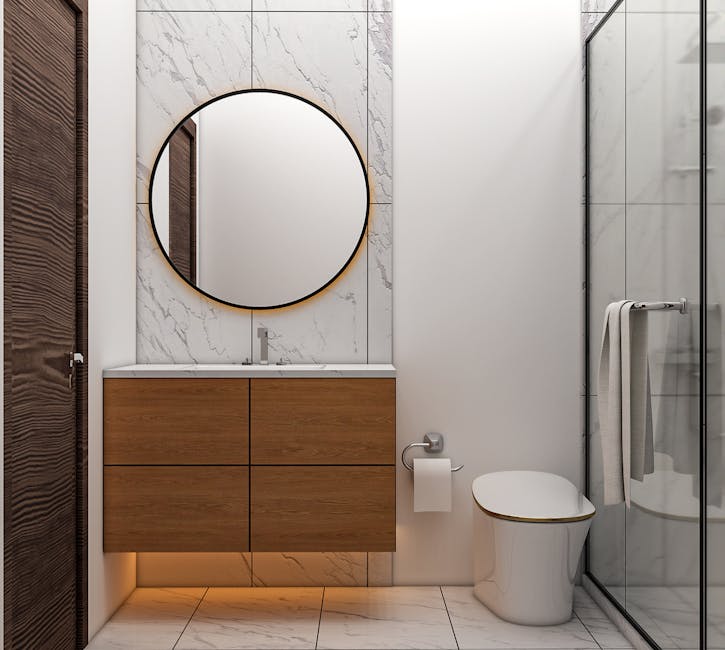
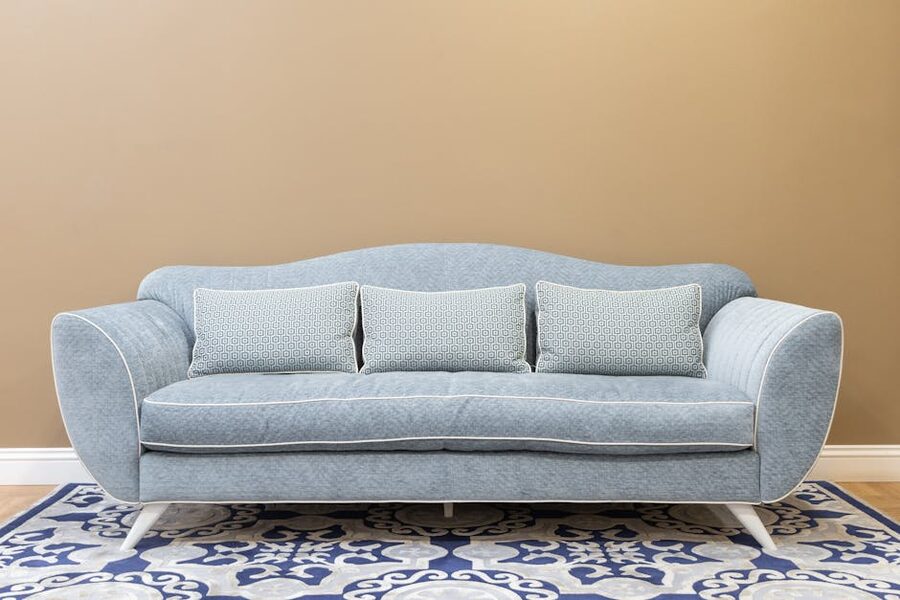
Skip if you’re tight on time: the corridor with the painted floor (it’s a transition space, not a room), the children’s-playroom set (overcrowded, harder to get clean photos in), and the optical-illusion rooms if you’ve already seen them at a Museum of Illusions in any other city. Those last ones are off-the-shelf attractions licensed from the same suppliers globally.
One unwritten rule: don’t dawdle. The museum runs on volume and people start mildly resenting you if you’re working a single room for more than four or five minutes while their group queues at the door. If you want a private shoot, book the photoshoot add-on or come at opening time on a quiet day. Otherwise keep the pace at three minutes per room and you’ll finish with everyone happy.
Best time to go (this matters more than people think)
Weekday morning, ideally Tuesday or Wednesday, opening hour. The whole point is photos. Photos with strangers in them are bad photos. The museum’s max capacity isn’t huge and on a Saturday afternoon in summer you’ll be queuing inside each room for thirty seconds at a time, which sounds fine until you realise it doubles the visit time without doubling the output.
Saturday and Sunday between noon and four are the worst. You’ll wait two or three minutes in the most popular rooms (kitchen, bathroom, sofa room) for people to clear out. Tuesday at 10am you’ll be the only ones in there.

Closing time is around 7 or 8pm depending on the season, and the last hour can be quiet again because the day-trippers are at dinner. If you’re in town for nightlife and want a fun-but-clothed pre-dinner activity, the 6pm slot works.
Audience reality check: who this is actually for
This is going to sound brutal but it’s the question that decides whether the visit is good or terrible.
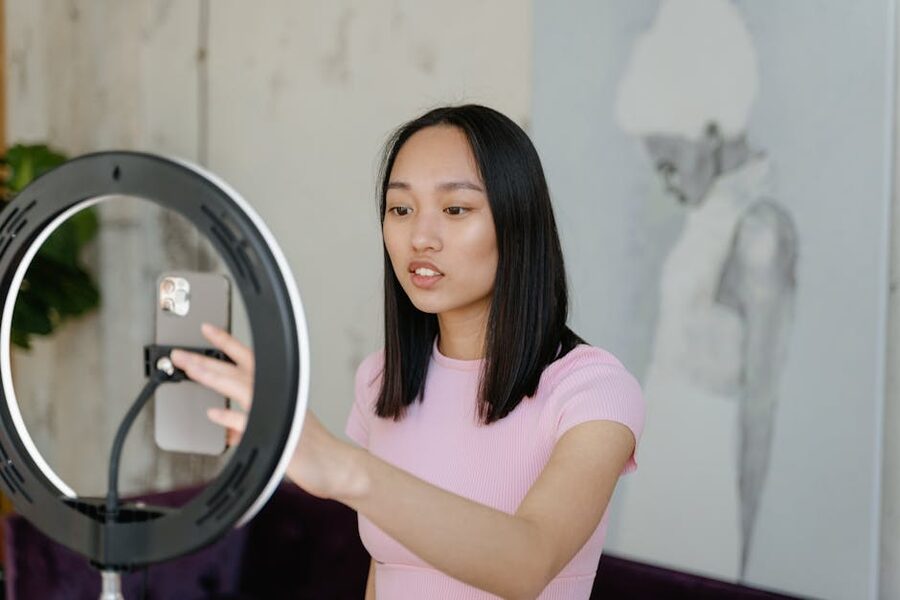
If you are between roughly fifteen and thirty-five and you have an active Instagram or TikTok account that you post to weekly, this place is engineered for you. You will leave with a backlog of content for the next month. Reviews from this demographic skew positive almost universally. You’ll probably hit eighty photos, edit forty of them, and post six over the next two weeks.
If you are outside that demographic, or if you don’t post to social media, the value proposition collapses pretty fast. The rooms aren’t that interesting if you’re not photographing them. The whole experience is built around the photo. Visitors in their fifties and sixties who came in expecting “an art experience” or “a creative installation” tend to walk out in twenty-five minutes and rate it two stars.
Kids love it on a different axis: they don’t care about the photo trick, they just enjoy walking through a room where the table is on the ceiling. So if you have children between roughly five and twelve and you’re looking for an indoor activity to fill ninety minutes on a rainy afternoon, that works too. Strollers fit, more or less.
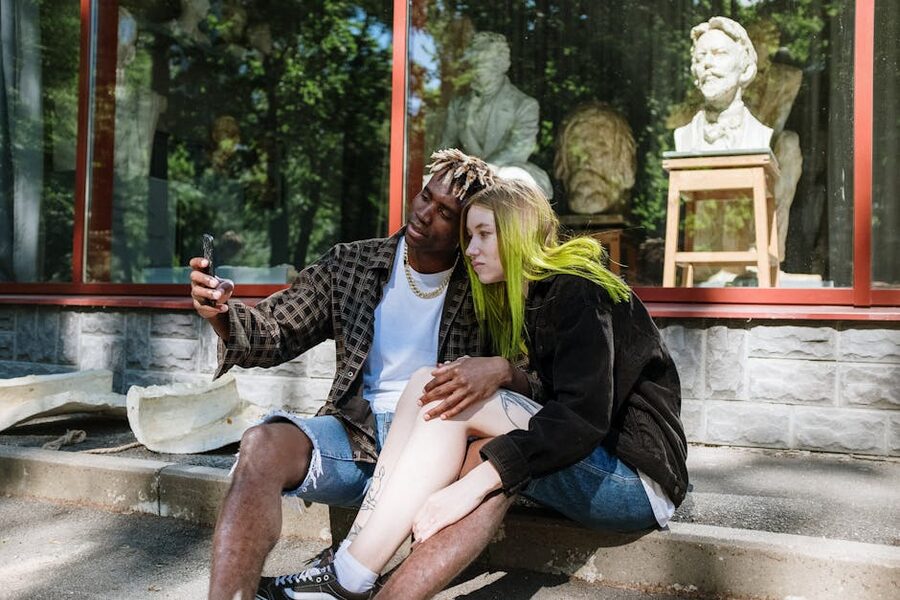
Couples on a city break, friend groups doing the Amsterdam-by-Instagram day, students, content creators on a working trip. That’s the core audience. Solo travellers can do it too but the photo trick is harder when there’s nobody to take the shot for you, and the staff don’t always have time to help.
The Amsterdam-by-Instagram day, if you want the framing
The Upside Down Museum doesn’t really stand alone. It’s a 90-minute slot in a longer day that travel-buddies regulars have started calling the “Amsterdam-by-Instagram” route. The shape of it:
- 10am: Madame Tussauds Amsterdam, ~90 minutes. Wax figures, similar logic, dense photo output.
- Noon: lunch on Spuistraat or one of the side streets off Dam Square. Plenty of options.
- 1.30pm: Upside Down Museum, 60 to 90 minutes. The route from Tussauds is a four-minute walk down Damrak.
- 3.30pm: Icebar Amsterdam, 45 minutes including the cocktail. Sub-zero room, novelty drinks, more photos in jackets.
- 5pm: Sunset canal cruise, 60 to 90 minutes. The classic Amsterdam content shot.
That’s a full day, a single ticket-stack, and roughly two hundred photos of you in Amsterdam. It also costs about €100 per person, which sounds like a lot until you remember a single sit-down dinner at a tourist-trap canal-side restaurant runs €70 a head and produces zero content.
If the Instagram framing isn’t your thing at all, none of this is for you and you should go to the Rijksmuseum or the Moco Museum instead. No judgement. The Upside Down Museum knows exactly what it is.
Tickets, prices, and how the booking works
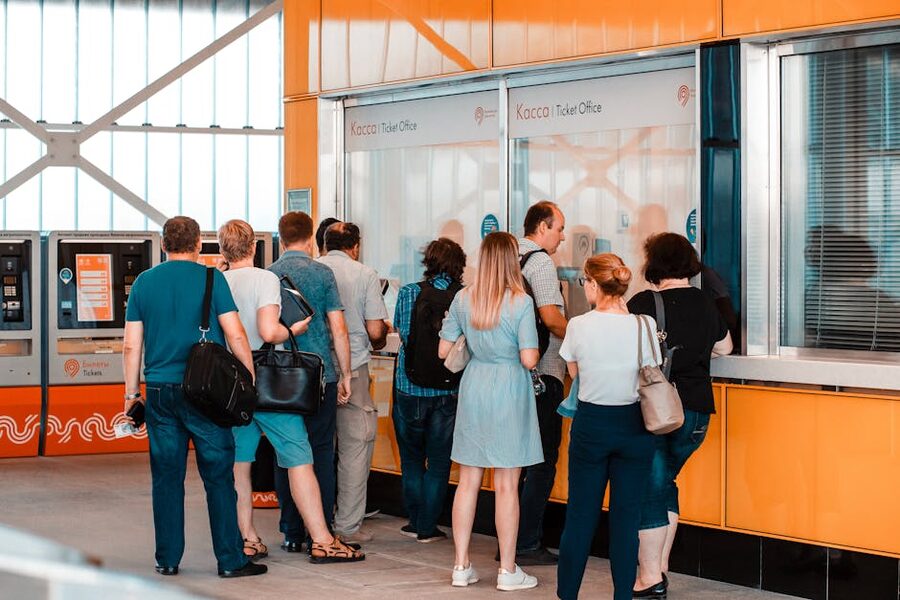
Standard adult entry is around €13 to €15, which converts to roughly $14 in dollars on most days. Children under three are typically free, kids three to twelve get a small discount, and there’s no student or senior discount that I’ve seen. Prices have crept up a bit over the past two years but it’s still cheaper than most Amsterdam attractions.
You book online through GetYourGuide or Viator and you get a mobile ticket emailed within minutes. There’s no skip-the-line product because there isn’t really a line: the museum’s capacity-management system spaces arrivals throughout the day, so you book a slot and turn up within a 30-minute window.
Cancellation: free cancellation up to 24 hours before your slot on GetYourGuide, which is the booking I’d default to. Viator’s cancellation terms vary by listing.
You can also walk up and buy at the door. There’s no premium for this and on a quiet weekday morning it works fine. On a busy Saturday you’ll be turned away or asked to come back two hours later, so the online booking is genuinely useful.
Lockers, bags, and what you can bring
Free lockers at the entrance, big enough for a small backpack. Bigger luggage isn’t allowed inside the rooms because you need to lie on the floor for some shots and a 70-litre rucksack on your back makes that physically impossible.
Phone: yes. Camera: yes. Tripod: technically allowed but practically annoying for everyone. Selfie stick: yes, useful in the larger rooms. Drone: no, obviously, indoor venue. Food and drink: not inside the rooms.
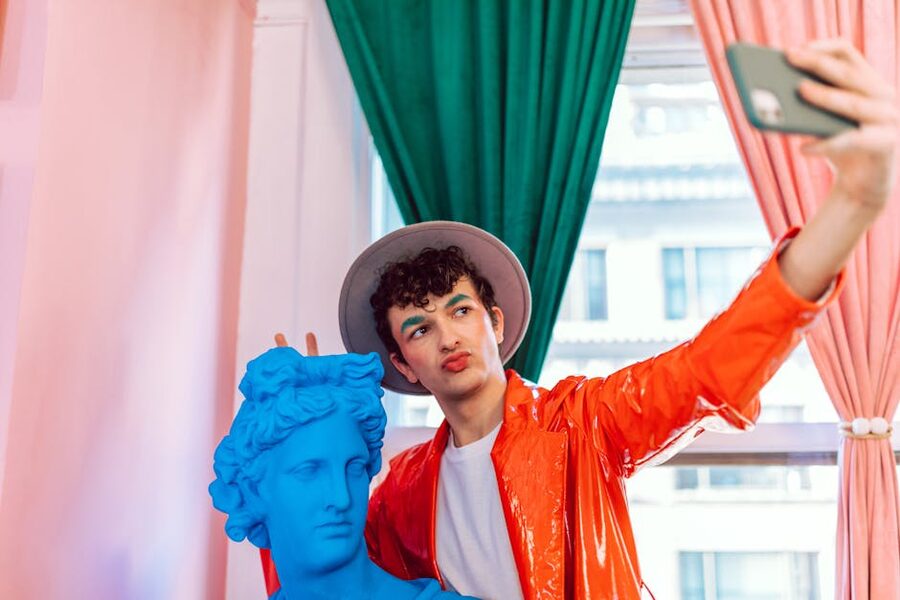
The staff will photograph you on request in most rooms, but they’re not photographers and they’re often busy moving the next group through. Bring a friend, a self-timer, or accept that some shots will be solo arm’s-length frames. The private photoshoot add-on solves this if you really care.
The chain context (so you know what you’re walking into)
The Upside Down Museum is a chain. It opened in Amsterdam in 2021 and there are now sister venues in Bali, Phuket, Berlin, Lisbon, and a handful of other cities. The format is identical: a warehouse, thirty rooms, the same suite of optical illusions licensed across locations.
This isn’t a knock against it. It’s a useful piece of expectation-setting. You’re not visiting a uniquely Amsterdam-themed installation. The kitchen in Amsterdam looks more or less like the kitchen in Bali. The signage might mention windmills more often. The branded cereal boxes might be Dutch. That’s about the limit of localisation.
One real caveat: a near-clone selfie museum sits about 200m down the same street and uses similar branding. Reviews on the wrong listing get attached to the wrong venue. Make sure your booking is for Damrak 26 specifically. The GetYourGuide listing ID is t391267; if your confirmation says something different, double-check before you walk in.
If it rains (which it will)
Amsterdam rains. A lot. Roughly one in two days has at least a passing shower from October through April, and even in summer you’ll catch a downpour about every third afternoon. The Upside Down Museum is one of the few attractions in the city centre that genuinely benefits from rotten weather, because (a) it’s entirely indoor and (b) the rain pushes everyone away from the parks and outdoor markets, leaving more breathing room inside venues like this.
If you’re looking at the radar at 11am and seeing a wall of green moving in over the IJ, my order of priority for an indoor afternoon would be: book the Upside Down Museum slot for 1pm, do Madame Tussauds at 2.30pm just down the road, then duck into a cafe for an hour, then take the metro east to NEMO Science Museum if you’ve got kids or backtrack to a rijsttafel restaurant if you don’t.
For travellers without kids who’ve already done the Instagram-engineered cluster, the rainy-day pivots are the Rijksmuseum for serious art, the Heineken Experience for a beer-soaked 90 minutes, or the Anne Frank walking tour‘s indoor briefing followed by a quick exterior loop with an umbrella. Anne Frank House proper is famously hard to book in advance, so the walking tour fills the gap.
Comparing it to the city’s other photo attractions
Amsterdam has a small cluster of “Instagram-engineered” venues. The Upside Down Museum is the cleanest example. The others worth knowing:
Madame Tussauds Amsterdam, on Dam Square. Different format, similar logic. You’re posing with celebrities instead of inverted furniture. Also takes 60 to 90 minutes and produces a similar volume of photos. Tussauds is more expensive (around €30) but feels more substantial because the wax figures are technically impressive in their own right.
Icebar Amsterdam is the third in this trio. Sub-zero room, ice-carved walls, novelty cocktail. Forty-five minutes. Less photo-output per minute than the Upside Down Museum but the photos are stronger because the venue is genuinely unusual.
Fabrique des Lumieres is the immersive-projection venue, more of a real art experience. Different audience but if you’re stacking photo venues, it earns its hour.
If you’re the kind of traveller who gets a real charge out of the Heineken Experience‘s gamified beer-brewing room, you’re going to enjoy this museum on the same wavelength. If those things bore you, this won’t either. It’s the same brand of attraction, optimised for younger audiences with phones.
Three ways to book it
1. Standard Entry Ticket on GetYourGuide: $14
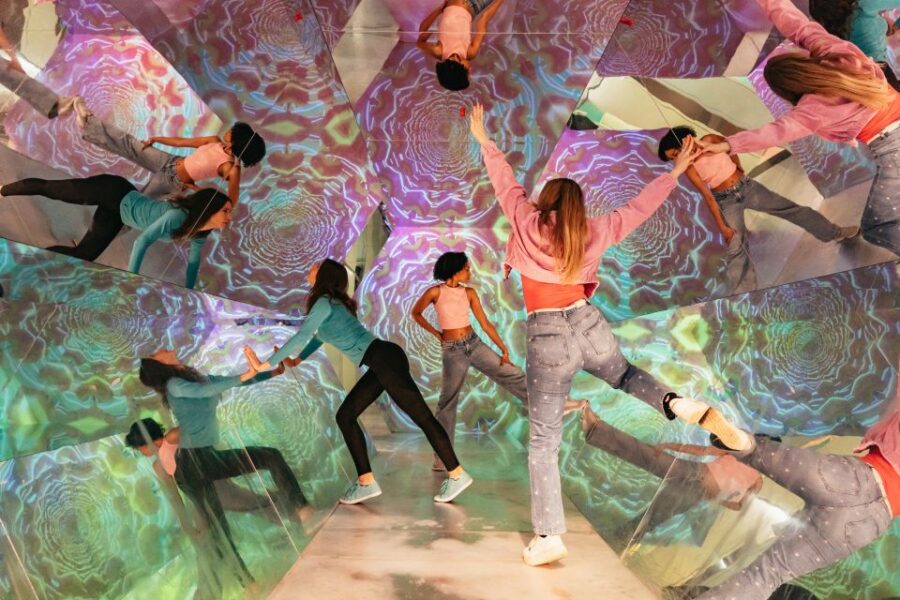
If you only book one thing, book this. It’s the highest-volume Upside Down Museum listing on the market, with thousands of visitor ratings mostly clustered around the four-star mark, and our full review covers what to expect from the standard entry. The staff get repeat praise, the photo quality is solid, and the most common gripe is just that the visit is shorter than expected.
2. Standard Admission on Viator: $31.18
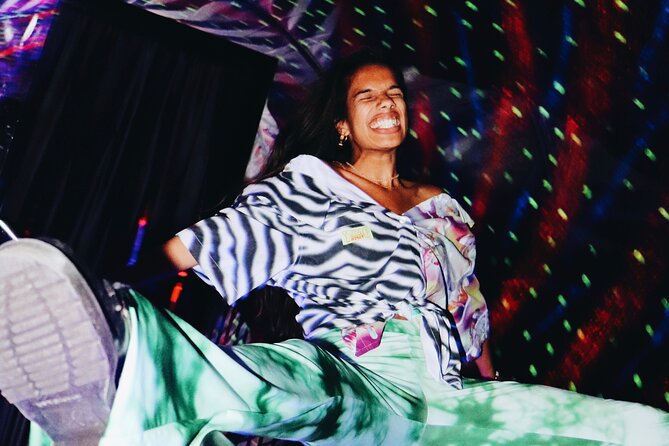
This is the same product as the GetYourGuide listing, on a different platform, at a higher price point. We cover both versions in our Viator review. Worth picking only if you’re already booking other Amsterdam things on Viator and want to consolidate, or if you have Viator credit to burn.
3. Private Photoshoot Add-On (Couples, Families, Solo): variable pricing

This isn’t a museum entry product, it’s a photographer-for-hire who’ll meet you at the museum and shoot inside. Walk-through with a real camera, post-edit delivery within a few days, our photoshoot review goes into the photographer-quality variation. Worth it for honeymooners, anniversary trips, or content creators who need higher-quality output than phone selfies.
Practical FAQ
How long does it actually take? Sixty minutes if you’re efficient, ninety if you’re working every room for multiple poses. Above ninety minutes you’re either repeating rooms or you’ve found a corner to sit in, neither of which is what you came for.
Wheelchair access? The Damrak venue is mostly single-floor and accessible. Some of the inverted-room sets require you to lie down or sit on the floor for the photo, which is a limitation rather than a barrier. Wheelchair users can still walk through and shoot from a seated angle.
Is it kid-friendly? Yes, with caveats. Kids five to twelve enjoy it as a “weird rooms” experience. Under five they don’t really get the joke. Teenagers who already use TikTok will rinse it for content.
Strollers? Yes, but you might want to fold and lock in the locker for the photo-heavy rooms.
Photo restrictions? None. The whole point is photos. Flash is allowed. Tripods are allowed but get in the way. Professional photographer with multiple lenses is fine if you’re the only group in the room.
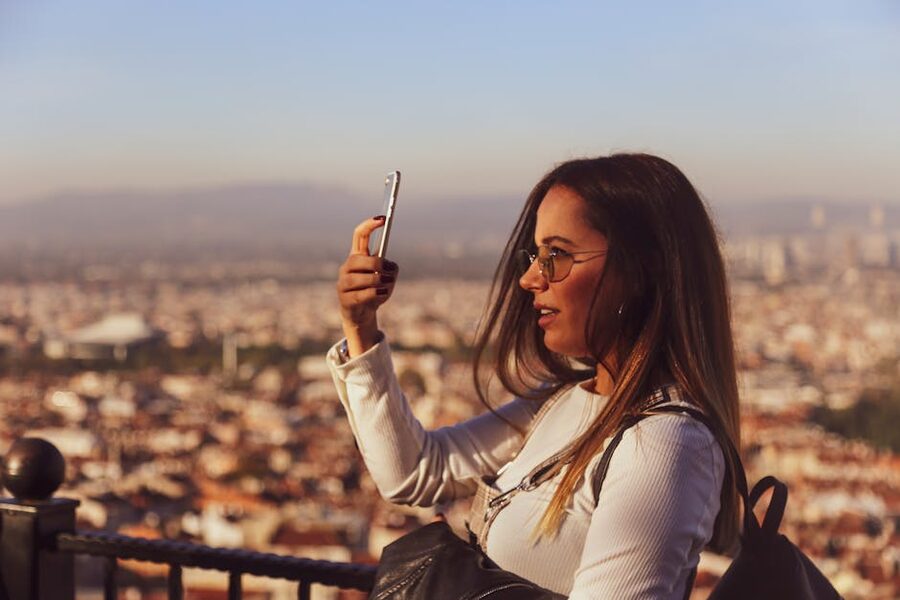
Combination tickets with other Amsterdam attractions? Not directly through the museum. But the Tussauds + Upside Down + Icebar trifecta is the unofficial combo and the three venues are all within ten minutes’ walk of each other.
Refunds for bad photos? No, obviously. The photos are your responsibility.
What I’d skip and what I wouldn’t
I wouldn’t skip the kitchen, the bathroom, or the bedroom. Those are the three rooms that reliably produce the strongest content and they’re where I’d spend most of my ninety minutes if I had to choose.
I would skip going on a Saturday afternoon. I would skip the optical-illusion painted-wall rooms if you’ve already done a Museum of Illusions in another city, because they’re licensed off-the-shelf attractions. I would skip bringing a tripod. I would skip arriving with a 70-litre backpack you forgot to leave at the hotel.
And I would absolutely skip this venue entirely if you’re not the target demographic. Sixty-year-olds on a culture-focused Amsterdam trip should go to the Rijksmuseum instead. There’s no shame in that. The Upside Down Museum doesn’t pretend to be for everyone, and you’re allowed to skip the things that aren’t for you.
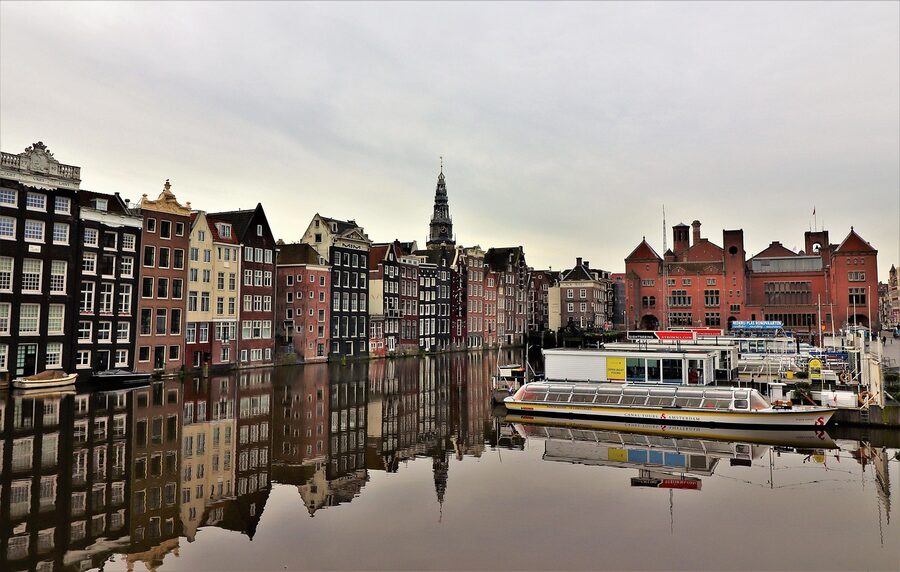
If you’ve enjoyed the Instagram-engineered side of Amsterdam
The Upside Down Museum slots neatly into a particular style of city break. If this is your vibe, the related travel-buddies guides worth reading next are Madame Tussauds Amsterdam for the wax-figure equivalent on Dam Square, Icebar Amsterdam for the frozen-room cocktail experience, and Fabrique des Lumieres if you want a real art-projection venue that still photographs beautifully. For a slightly more substantial day, pair it with a canal cruise at golden hour or a fresh-pour stop at the Heineken Experience. For the football crowd doing a stadium pilgrimage, the Johan Cruijff Arena tour is an easy metro ride south. And if you’ve got the kids in tow, NEMO Science Museum on the eastern docks is the better hands-on alternative for under-tens.
Travelling further afield, the Upside Down Museum’s closest cousins in our coverage are Disneyland Paris for the engineered-fun day and Siam Park Tenerife for an outdoor version of the same content-engine logic. Different scale, same buyer.