
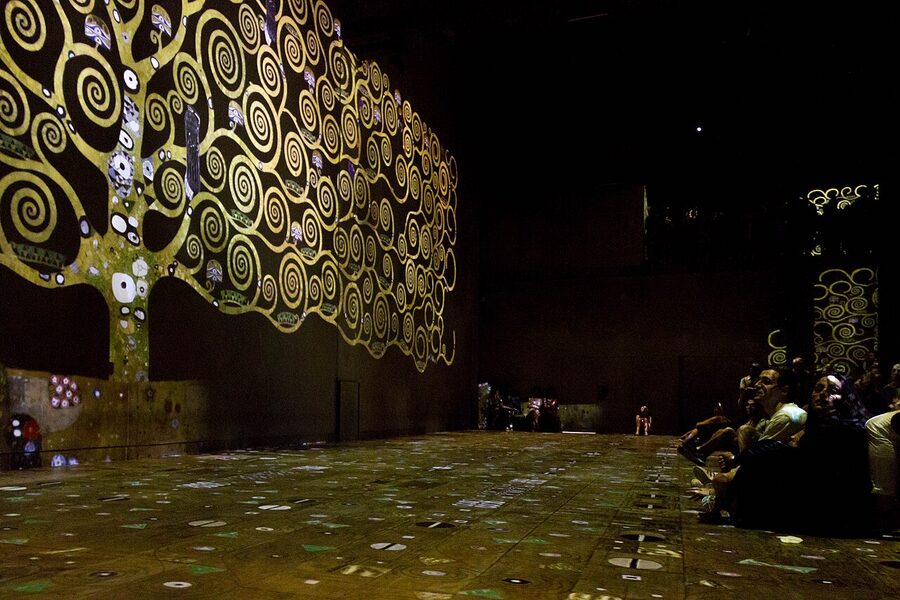
The first time the gold hits, you’re standing in the middle of a former gas factory in Amsterdam-Noord, and a 7-metre-high wall is dissolving into a spiral of Klimt’s Adele Bloch-Bauer. Then it climbs. The spiral runs floor to ceiling on three sides at once, the music swells under it, and for about ninety seconds you are inside The Kiss at a scale Klimt never painted it. This is the Fabrique des Lumières. It’s the most ambitious projection-art venue in Amsterdam, and most travellers I meet have it filed under “TikTok museum” when it’s actually something more interesting than that.
The venue opened in April 2022 inside the Westergasfabriek complex, a 19th-century gas factory turned cultural park. The operator is a French company called Culturespaces, and Amsterdam is one stop on a circuit they’ve been building for a decade: the Atelier des Lumières in Paris opened in 2018, the Bassins de Lumières in Bordeaux opened in 2020 inside a Nazi-era submarine base, and the original Carrières des Lumières has been running in a Provence quarry since 2012. Same projector technology, same musical scoring, same 35-minute show format. Different shells.
In a hurry? The 3 best ways to book
- Standard timed-entry ticket ($23): the flagship product, gets you in for whatever’s currently playing.
- The Sea immersive ticket ($21): same venue, same time slots, currently the headline show.
- Dutch Masters ticket ($21): alternate slot if it’s still on rotation when you visit.
What it actually is
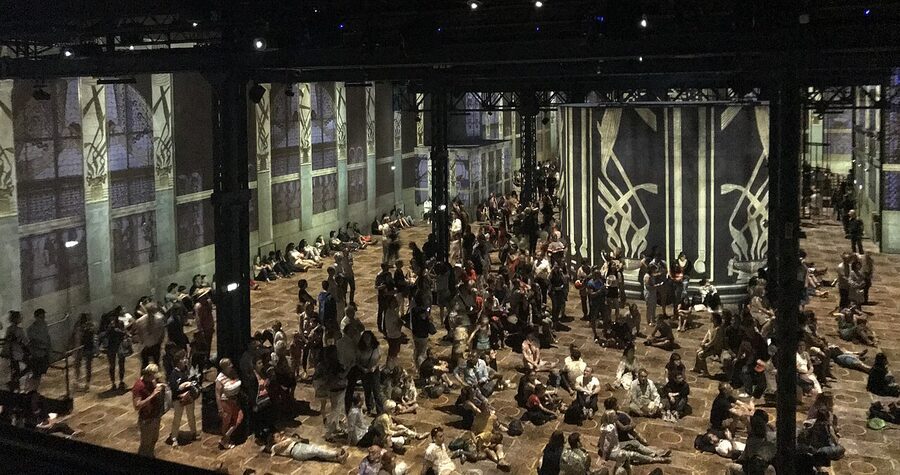
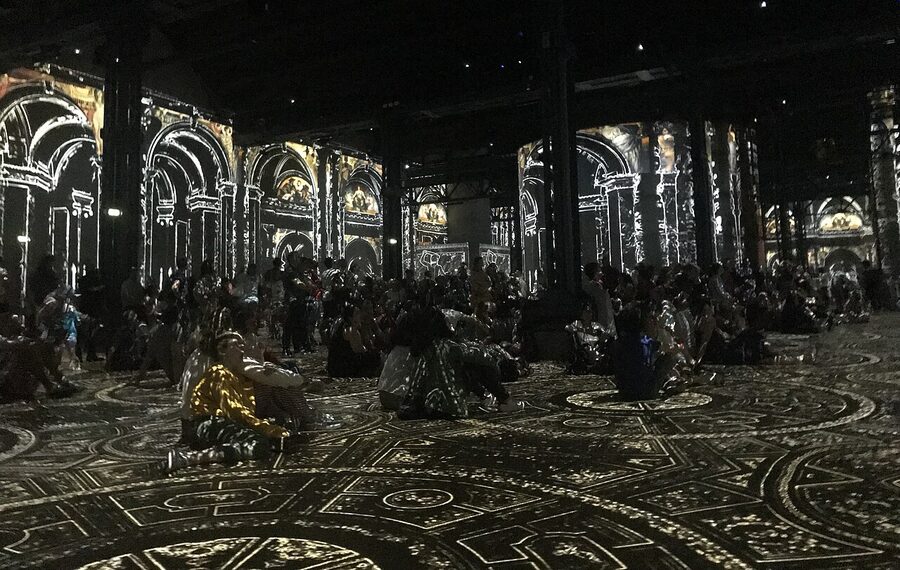
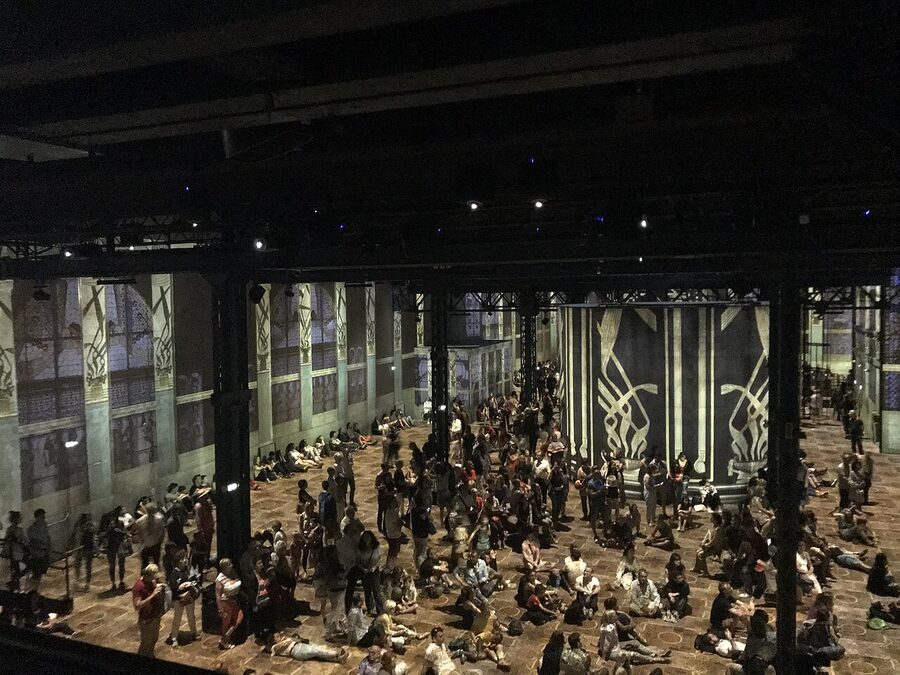
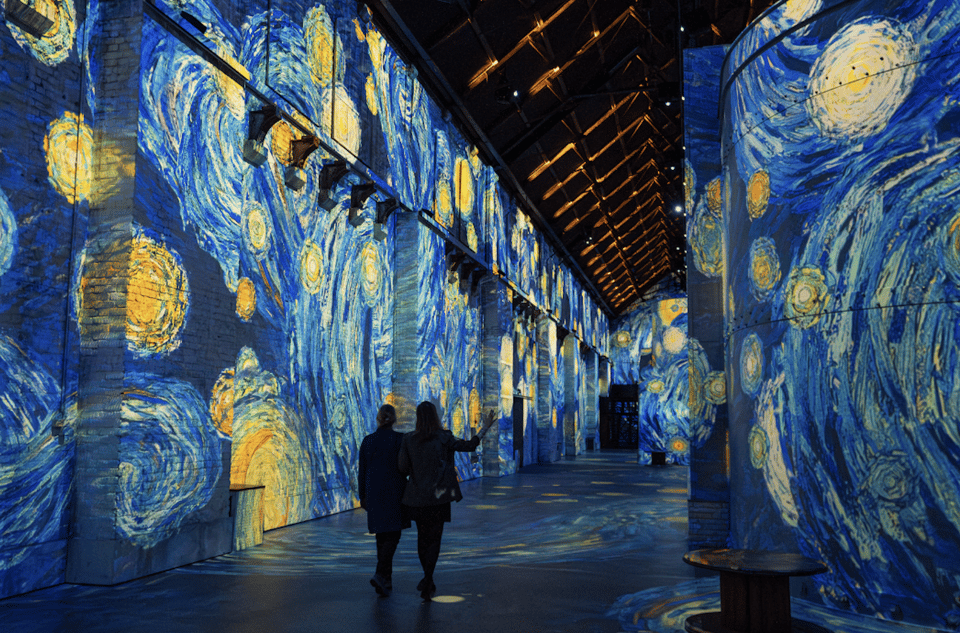
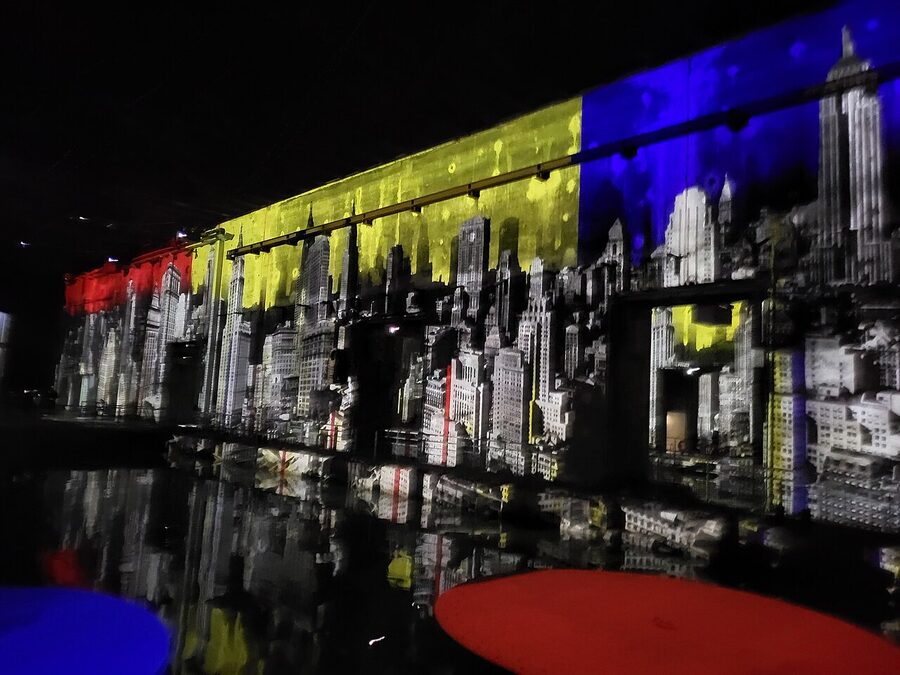
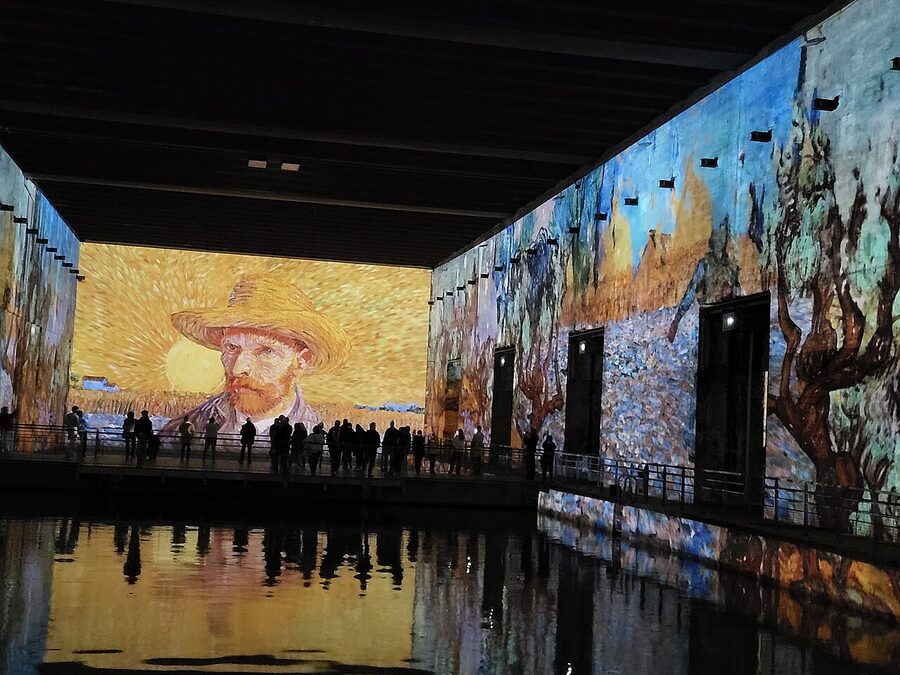
Strip the marketing language and Fabrique des Lumières is a converted industrial hall with about 3,000m² of projection surface, walls 7 metres high, and roughly 50 video projectors throwing synchronised images on every vertical surface plus the floor. The shows run on a loop. You walk in at your timed slot, the lights drop, the music starts, and a single artist or theme plays out across the room for 35 minutes. After that there’s a 7-minute “decor” set inside a glass cube room (smaller, denser, often the most photographed part), and a third room they call the lounge, with about 15 minutes of additional ambient projections.
The total visit is therefore close to an hour if you watch the main show through once and let the secondary rooms run. Most people loop the main show twice, which doubles their time inside without doubling the cost, and is what I’d recommend on a first visit.
The current show: The Sea
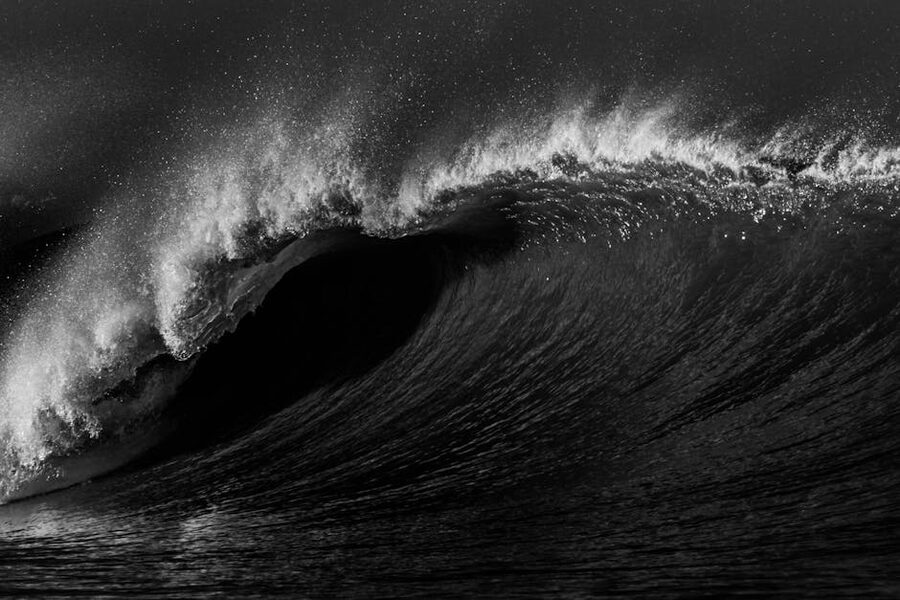
As of mid-2026 the headline show is The Sea, an exhibition built around marine art, ocean photography, and Hokusai-style wave imagery scored to ambient electronic music. It plays on the same 35-minute loop. The previous flagship was Dutch Masters (Vermeer, Rembrandt, Mondriaan, Van Gogh blended together), and before that came Klimt, Gaudí, Hundertwasser, Kandinsky on roughly twelve-month rotations. By the time you visit there could be something new again.
Two practical things to know about the format change. Earlier shows used to run two main programmes back to back. The current setup runs one main programme, and the secondary “decor” piece is shorter than it used to be. If you read older reviews praising “two huge shows”, that format is gone. The current product is one focused 35-minute experience plus the cube and lounge. Personally I prefer it. Two long shows back to back was a lot to absorb.
Where it sits in the Amsterdam art map
Amsterdam has a stack of places trying to do experiential art right now. The Upside Down Museum is the photo-friendly, gimmick-first end of the spectrum. The Moco Museum sits in the middle, a real curation of Banksy and Warhol blended with installation rooms. The Van Gogh Museum and the Rijksmuseum sit at the traditional end, paintings on walls, no music, no immersion. Fabrique des Lumières is closer to the Atelier des Lumières model than to any of those: it’s not a museum at all, it’s a kind of art-themed cinema where you can walk around inside the picture.
This matters for how you should book it. Don’t substitute it for the Van Gogh Museum if you actually want to see Van Gogh. Pair it with the Van Gogh Museum, in that order, so you’ve spent an hour in front of the real paintings before you’re standing inside the projection of one. The other way round, you compare backwards and the museum feels static. Same logic if you go to Leonardo’s Last Supper in Milan or the Orangerie’s Water Lilies in Paris: the original first, the immersive second. That order works.
Booking the ticket
Fabrique des Lumières is online-only timed entry. There is no walk-up box office in any meaningful sense. The standard adult ticket runs about $23, with discounts for students, kids, and combined-show passes. Slots open every 30 minutes from 10:00, with the last entry around 21:00 on weekdays and an hour later on Friday and Saturday late nights.
You’re booking a slot, not a movie. So if your slot is 14:00, you can show up at 14:00, 14:15, or 14:25, but the main show is on its own loop and you’ll join wherever it is. This is why I tell people to plan to watch the main loop twice. You’ll see it from the middle, then once more from the start, and the second pass is when you actually see the structure of the piece because you’ve stopped trying to figure out what’s coming.
The 3 best tickets to book
1. Fabrique des Lumières Entry Ticket: $23
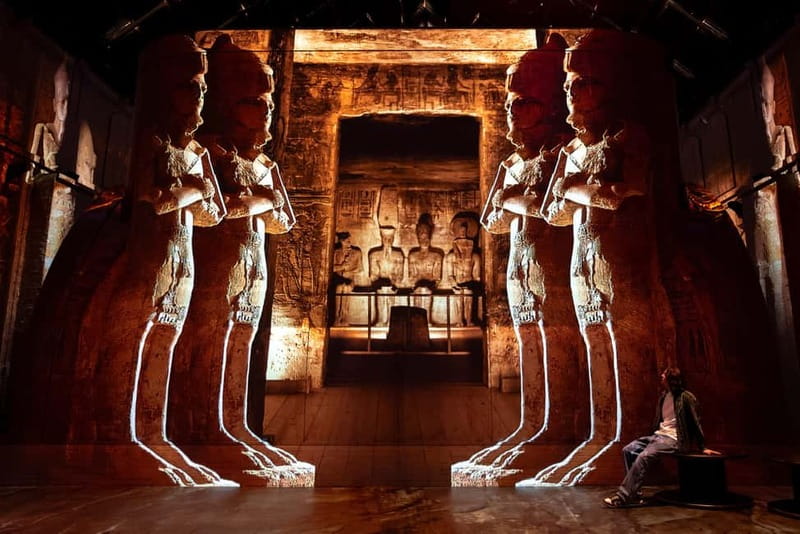
This is the cleanest version of the booking. You pick a 30-minute time slot, you turn up, and you’re inside the venue with access to whatever is currently playing as the main show plus the secondary cube and lounge. Our full review goes into the timed-entry mechanics and what each slot of the day looks like in terms of crowd density.
2. The Sea Entry Ticket: $21
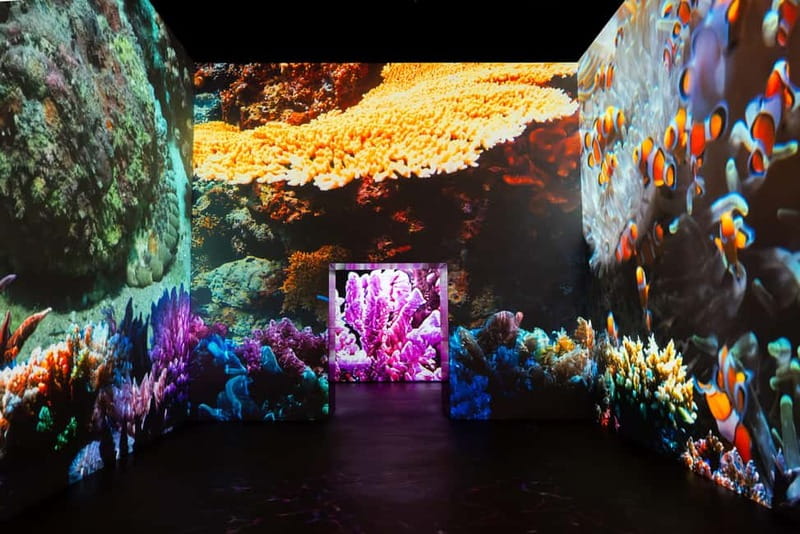
This is the same building, same time slots, but specifically the ticket for The Sea, the show running through 2026. If you only want to be sure the marine programme is what you watch, book this directly rather than the generic entry. Our review walks through what’s in the current setup vs the older two-show format.
3. Dutch Masters Ticket: $21
This is the show that drew the bulk of the venue’s word-of-mouth before The Sea took over, and at the time of writing it still appears in some rotation slots. Worth checking the dates if you want the canonical Vermeer-Rembrandt-Mondriaan run. Our full review covers the artist sequence and which sections land hardest.
Getting there from Centraal
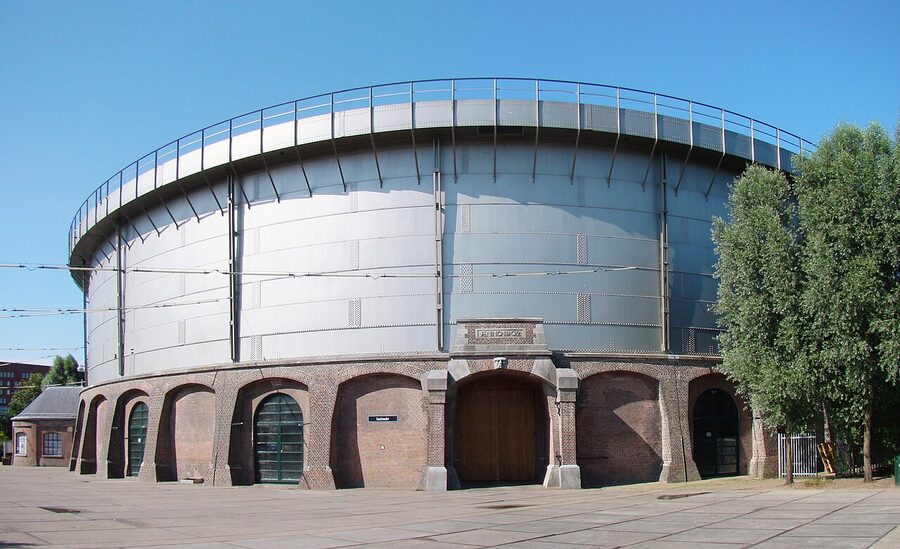
The venue sits at Pazzanistraat 37, inside Westerpark, about 4km from Amsterdam Centraal. There are two ways in.
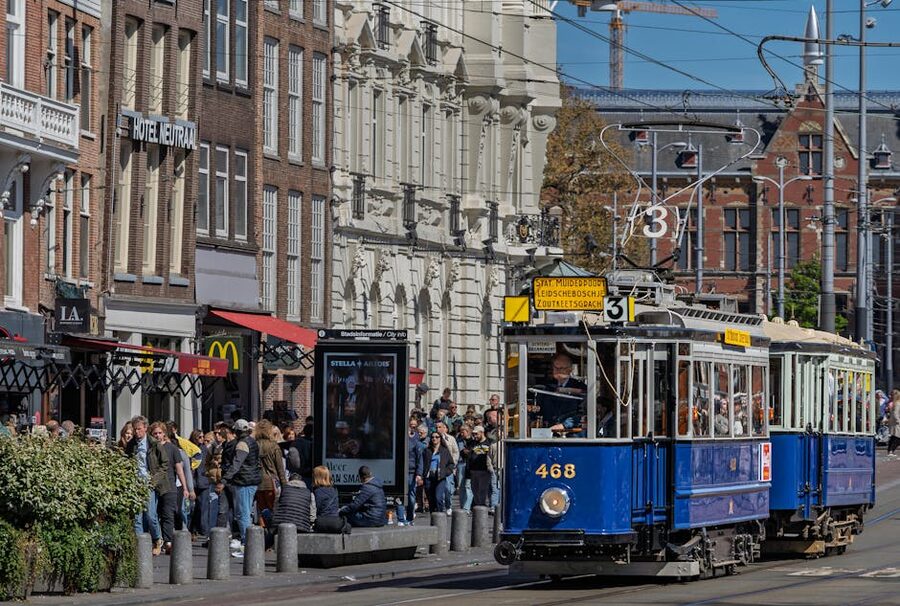
- Tram 19 or 21: from Centraal, about 12 minutes to Westergasfabriek stop. Walk in through the park gate, the venue is the Ketelhuis (boiler house) on your right.
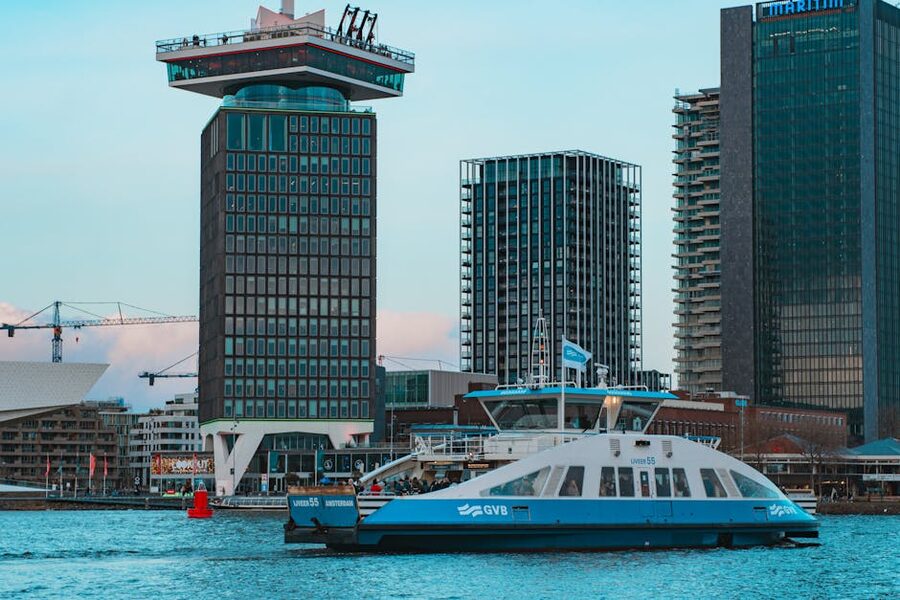
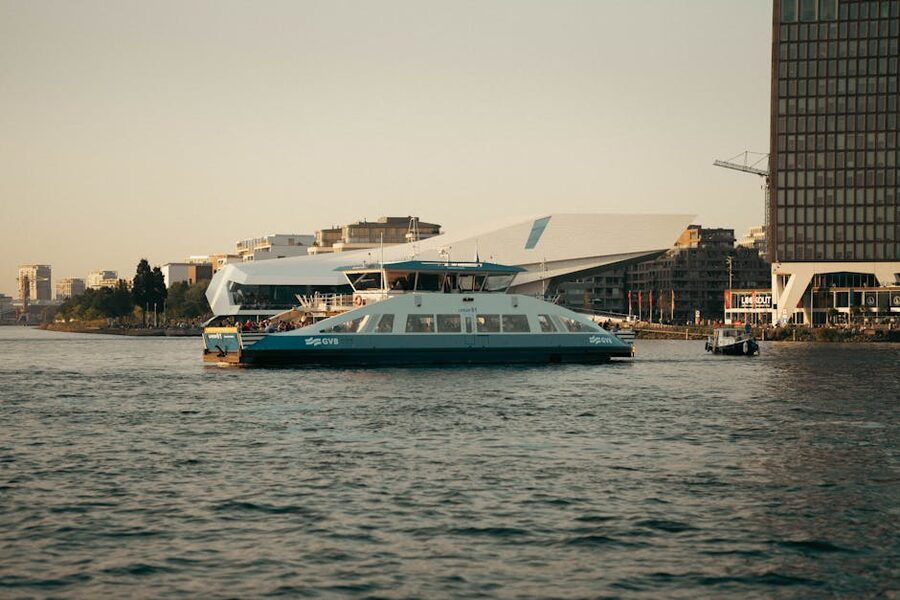
- Free ferry plus walk: the IJ ferries from behind Centraal run every few minutes to NDSM-werf or Buiksloterweg. From there it’s a 7 to 15-minute walk depending on which ferry you took. Slower than the tram, but the ferry ride itself is one of Amsterdam’s better small free pleasures.
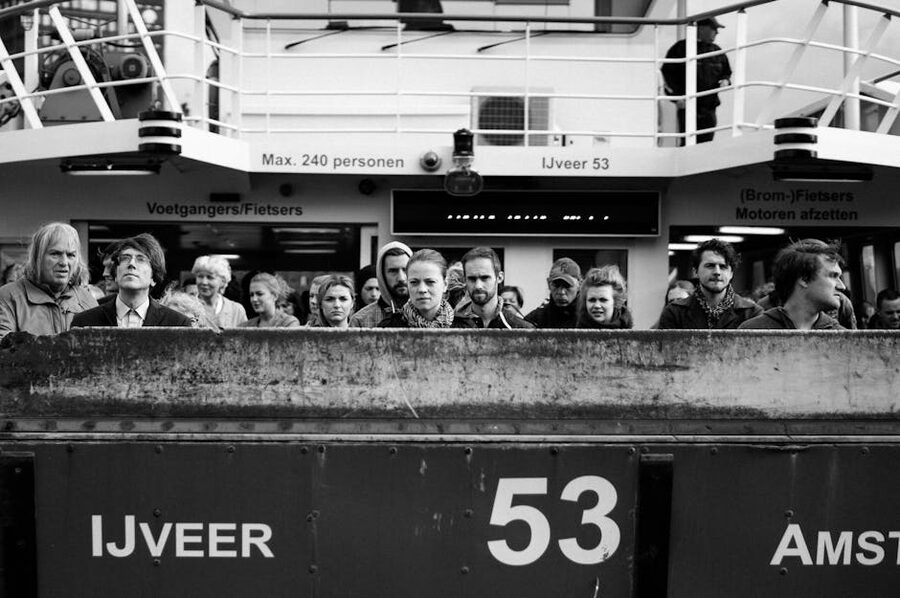
If you’re combining this with anything else north of the IJ in the same day (Eye Filmmuseum, NDSM street art, A’DAM Tower), the ferry route is worth taking for the geography. If Fabrique des Lumières is the only thing on the list, take the tram.
The building it lives in
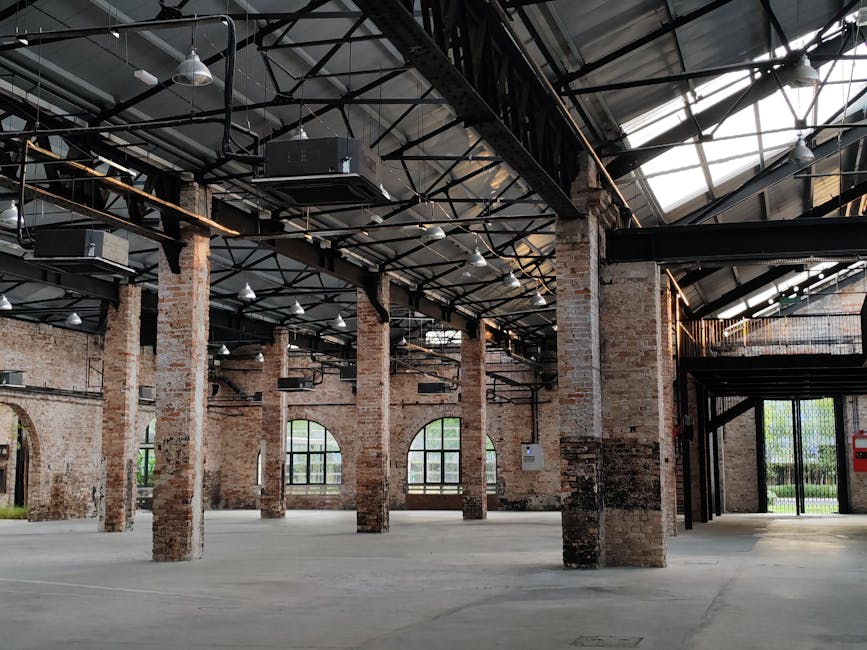
Westergasfabriek opened in 1885 as the Imperial Continental Gas Association’s Amsterdam plant. It supplied the city’s gas lighting until natural gas replaced manufactured gas in the 1960s. The site sat half-abandoned for two decades, was decontaminated in the 1990s, and reopened as a cultural park in 2003. The gas factory’s bones are mostly intact: a dozen 19th-century brick halls, a giant gasometer ring, a chimney, and the surrounding Westerpark. Fabrique des Lumières lives in the Ketelhuis, the original boiler house. The high ceiling and uninterrupted brick walls are why this building works for projection: there’s nothing in it.
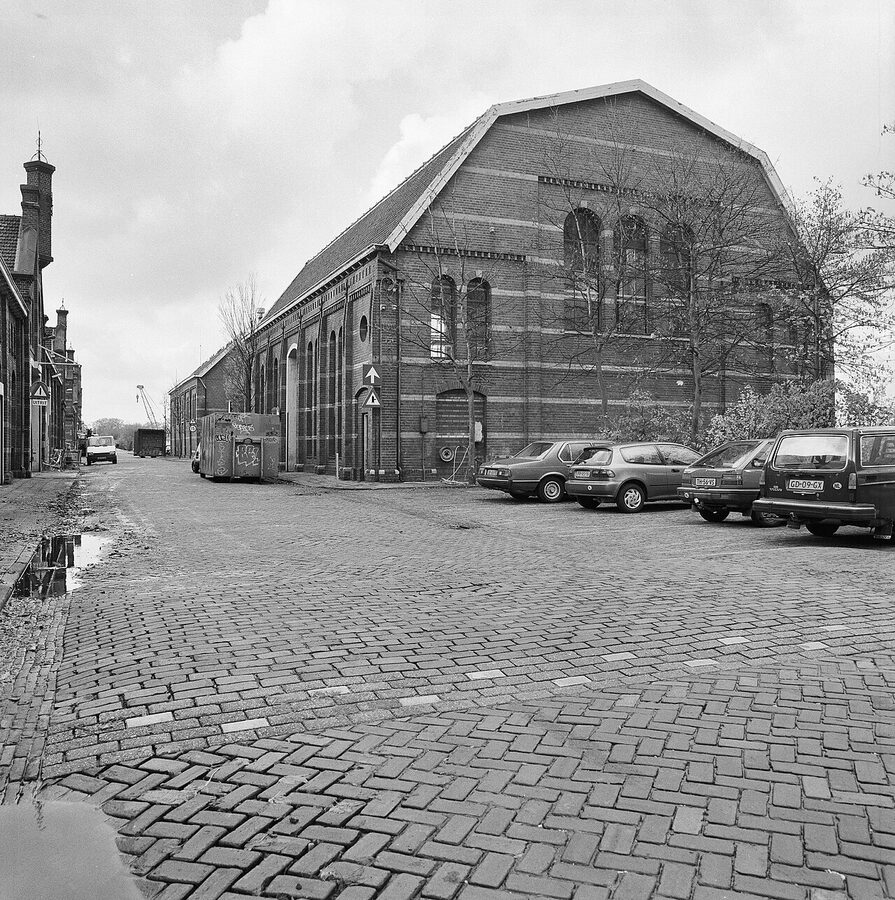
Culturespaces’ approach across all four of their venues is to find a shell with this kind of internal volume and minimal interior detail, then project onto it. The Bordeaux Bassins sits inside Nazi-era submarine pens. The Provence original, Carrières des Lumières, is a bauxite quarry near Les Baux. Paris uses an old iron foundry. Amsterdam uses a gas factory. The pattern is industrial heritage with cathedral-height interiors. None of the buildings were designed for art, which is part of what makes them work.
What the experience actually feels like
This is the part that’s hardest to write. The thirty-five minutes of the main show, on a good show, are genuinely transporting. When the Klimt golden-spiral finale runs, or the Van Gogh starry-night sequence sweeps across the room and the music shifts under it, you do briefly forget where you are. That’s the experience the venue is selling, and the technical execution delivers it. Fifty projectors keeping a 3,000m² surface in sync without visible seams is a real engineering accomplishment, and the sound design (a multi-channel surround system that follows the visuals) is better than the visuals alone would suggest.
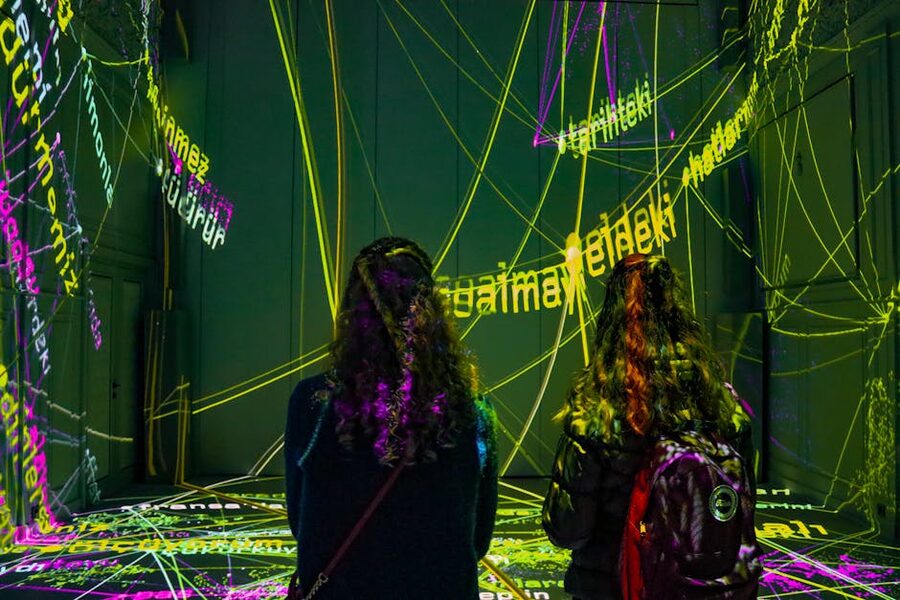
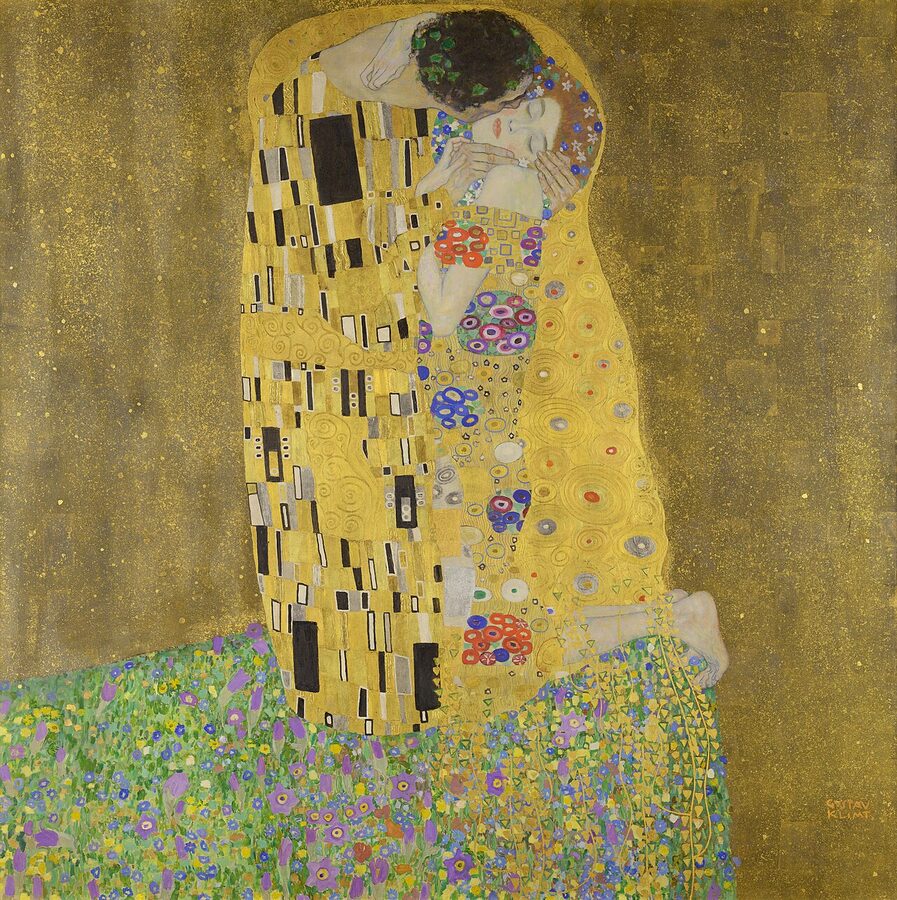
The harder question is what you actually take home. After 35 minutes of being inside The Kiss, you’ve had a sensory experience of Klimt, but you haven’t really been with Klimt. You’ve been with a film about Klimt. The brushwork, the gold leaf texture, the actual scale Klimt chose, the things that make the painting a painting and not a moving image, those don’t survive the projection. So a fair description of the venue is: technically world-class sensory art entertainment, with the emphasis on entertainment. If you want Klimt, the Belvedere in Vienna has The Kiss on a wall, and you can stand in front of it.
The decor cube and lounge
Most reviews don’t mention these. They’re easy to walk past. The cube room is a small glass box installed in the same hall, with its own internal projections running on a faster loop. Each Culturespaces show comes with a custom cube programme. For Klimt the cube was full of golden geometric tessellations; for Hundertwasser it was the morphing organic-architecture sequences; for the current Sea show it’s underwater abstracts. The cube takes about 7 minutes if you watch it through.
The lounge is at the end. It’s softer, slower, more ambient, with seating and a different rhythm than the main hall. People often skip it because by then they’ve spent an hour standing and they’re done. Don’t skip it. It’s the closest thing the venue has to a quiet room, and on busy days it’s the easiest place to actually sit and watch a projection without somebody walking through your sightline.
When to go
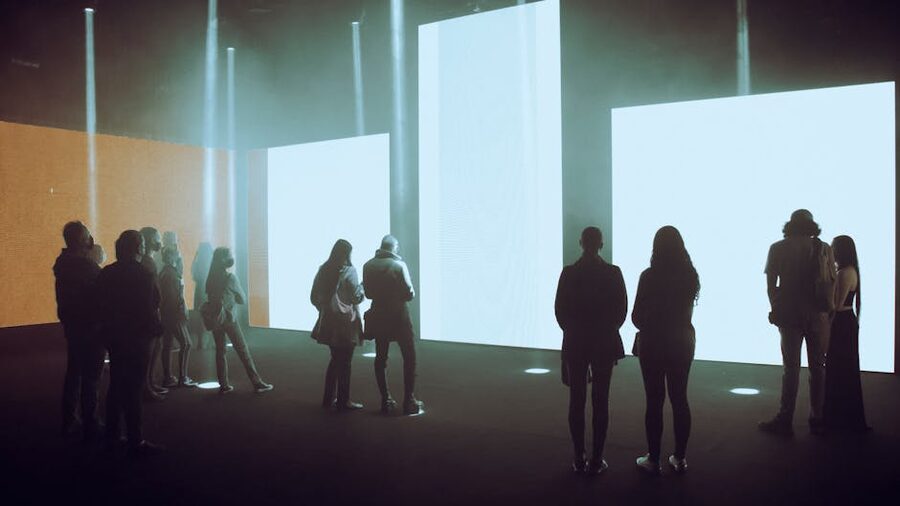
The crowd dynamics matter more here than at most museums, because everybody’s standing in the same room watching the same thing. Two windows are clearly best:
- 10:00 weekday opening. First slot of the day, school groups are usually scheduled later, and the room is quietest. You can sit on the floor for both passes of the main show without anybody silhouetted in your view.
- 19:00 onwards on Friday or Saturday. Late slots, families have gone home, and the lighting outside the venue is at its best for photos of the Westerpark complex on the way out.
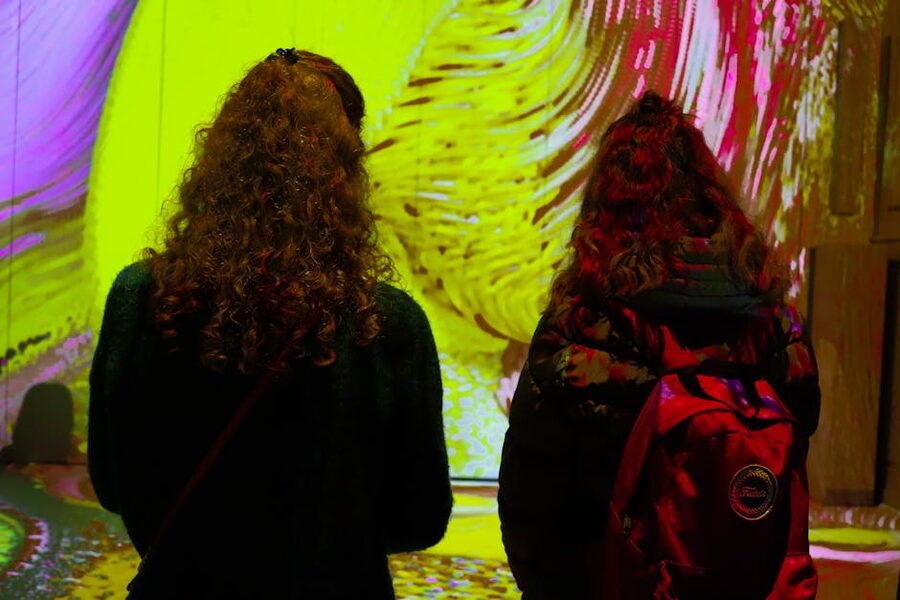
Avoid 13:00 to 16:00 on weekends. Those slots draw families with kids running between rooms, school groups on rotation, and influencer phone-on-tripod operators trying to film their own reaction shots. The venue is genuinely impressive on a quiet day and meaningfully diminished on a packed one, more so than for most attractions because the experience is so directly affected by who else is in the room.
What to do before you walk in
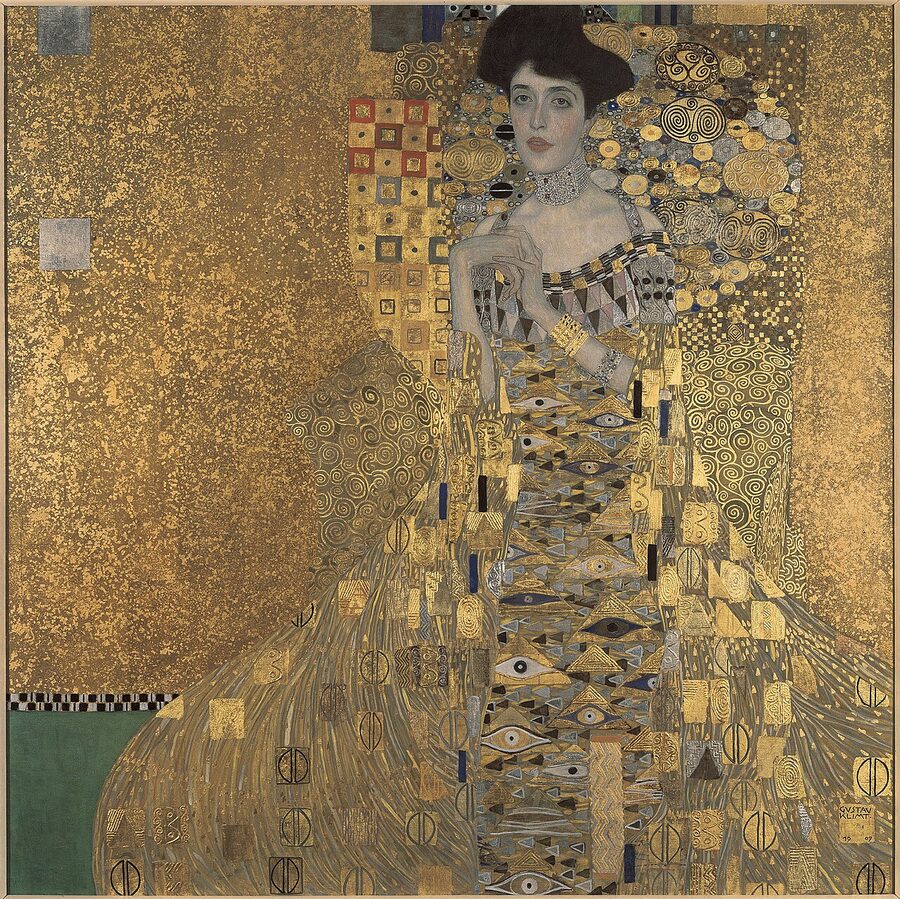
If the show is The Sea, no homework needed. Marine imagery and ocean photography are universal enough that you’ll follow the visual logic from the first frame. If it’s an artist-driven show (Klimt, Van Gogh, Hundertwasser, Kandinsky, Vermeer), spend ten minutes on Wikipedia or a good monograph before you arrive. The shows assume some familiarity with the artist’s signature works and will scroll through dozens in 35 minutes. Without context the names land flat. With context, the moment when Adele Bloch-Bauer I dissolves into the gold geometry of The Kiss means something.
This is the same logic that applies to going to Leonardo’s Last Supper in Milan: the work pays back the time you’ve spent reading about it. Fifteen minutes of Wikipedia is not a heavy ask for an immersive that costs $23.
Tickets, hours, accessibility
A few practical specifics:
- Standard adult: $23, online-only, timed entry every 30 minutes.
- Children 5 to 17: reduced rate around $16.
- Students: reduced rate with valid ID.
- Under 5: free.
- Hours: typically 10:00 to 21:00 Sunday to Thursday, until 23:00 Friday and Saturday. Verify on the day of your visit, the schedule shifts in low season.
- Duration inside: minimum 35 minutes if you only watch the main show once. About 60 to 80 minutes if you loop the main show and take in the cube and lounge, which I’d recommend.
- Accessibility: the hall is step-free, but the projections include flashing and high-contrast sequences that aren’t suitable for some photosensitive conditions. The ticket page lists current advisories.
- Photography: allowed. No flash. Phones only, no tripods (this is enforced).
- Bag rules: small bags fine, large rucksacks have to be checked at the cloakroom.
Combining it with other Amsterdam-Noord stuff
The venue is in Westerpark, technically not Noord proper but on the western edge of the same loose post-industrial belt. If you’ve crossed the IJ for this, do at least one other thing while you’re over there. The canal cruises mostly run from the south side, but a few do the IJ harbour route which puts you back at Centraal in style. NDSM-werf has the Eye Filmmuseum and a constantly-changing street art scene. A’DAM Tower is the rooftop swing if you have a head for that kind of thing.
For food, eat at Westergasfabriek itself before or after. The complex has the Pacific Parc bar, Mossel & Gin (the seafood place), Mr. & Mrs. (brunch), and a brewery. None of these need a reservation outside peak weekend hours, and the prices are a third less than the same calibre of food inside the Centrum ring. This is an underrated lunch destination on its own merits, and the venue knows it: there’s a 30-minute buffer recommended after your slot, which is the operator gently telling you to stay and eat.
Comparing to the sister venues
If you’ve already been to one of the other Culturespaces venues, the Amsterdam version will feel familiar. The technology is identical. The shows rotate slightly differently across the four locations, so you can catch a show in Amsterdam that played in Paris two years earlier or in Bordeaux a year later. People who follow the circuit do this on purpose. They’ll see Hundertwasser in Provence, Gaudí in Bordeaux, Klimt in Paris, Vermeer in Amsterdam, and treat it as a kind of touring exhibition.
If Amsterdam is your only Lumières so far and you’re going to Paris next, the Atelier des Lumières there is the closest sister: same hall layout, same product, on a 20-minute walk from Bastille. The Fondation Louis Vuitton in Paris is in a different category (a Frank Gehry building hosting traditional contemporary art), but it’s the obvious paired Paris destination if you want big-budget art experiences across two days. Bordeaux’s Bassins is the most cinematic of the lot but requires a wine trip to get there. Provence’s Carrières is the original and has the most atmospheric setting (an actual quarry), but is a long way from anywhere.
How it stacks up against Amsterdam’s other immersive options
The other big “TikTok museum” question is whether you should book Fabrique des Lumières or the Upside Down Museum if you only have time for one experiential venue. They’re playing different games. Fabrique des Lumières is passive, dark, contemplative, sound-driven; the Upside Down Museum is active, lit, photo-driven, social. If you’re travelling solo and want to actually look at something, Fabrique. If you’re travelling with a group and want photos of the group inside something, Upside Down. The price is similar; the experiences barely overlap.
For comparison further afield, this is also the same category question that comes up around Spain’s Setas de Sevilla (modernist immersive architecture, walk on top instead of inside) or Reina Sofía in Madrid (traditional contemporary art). Different answers for different visitors. If you’d rather walk on top of an architectural sculpture than sit inside a projection of a painting, Sevilla. If you want the canonical 20th-century paintings on walls, Madrid. If you want to be inside the painting itself, Amsterdam.
Common mistakes I’ve watched people make
A few things I see repeatedly:
- Booking right before your other Amsterdam-Noord plans. The venue actively encourages you to stay 60 to 80 minutes. If you’ve booked a 14:00 ferry to Marken at 14:30, you’ll watch 20 minutes of the main loop and walk out frustrated. Build in real time.
- Treating the cube and lounge as optional. They’re included in the price, the cube has its own short programme that doesn’t repeat anywhere else, and the lounge is where you actually sit down.
- Going expecting a Van Gogh substitute. If The Sea is on, you’re not seeing Van Gogh. If a Van Gogh rotation is on, you’re seeing Van Gogh’s images projected at film scale, not the actual paintings. The Van Gogh Museum is an entirely different visit.
- Standing in the middle the whole time. Move during the loop. The middle gives you the room. Sitting against a wall gives you scale. Walking from the wall back to the middle as the music shifts gives you the structure.
- Not reading the day’s hours. The schedule shifts. Friday and Saturday late nights run an hour later than the rest of the week, but Sunday closes earlier. Check the day, not the week.
The questions I get most often
How long should I budget? Plan 90 minutes door to door once you’re inside the Westergasfabriek complex. That’s roughly 35 minutes for one main loop, another 20 for the second pass plus cube, 10 for the lounge, and slack for the cloakroom queue.
Is it worth it for kids? 5 to 12-year-olds are the obvious sweet spot. Younger kids find the dark and the surround sound overwhelming. Older teens often roll their eyes for the first 5 minutes and then quietly stay for both passes. I wouldn’t bring a child under 4.
Will the show change while I’m in Amsterdam? Probably not within a single trip. Programmes rotate roughly every 6 to 12 months. If you check the venue site three weeks before you fly and a transition window is approaching, you may be able to time it.
Is there a combined ticket with anything else? Not officially. The venue runs as a standalone. Some third-party Amsterdam city passes occasionally include it, but you’ll usually save more money by booking direct or through the listed third-party tickets.
Can I rebook if I’m late? Within reason. Show up before your slot’s window closes (typically 30 minutes after start) and the front desk will admit you. Show up an hour late and you’ll be asked to rebook for a later slot, subject to availability.
The verdict
Fabrique des Lumières is one of the better immersive-art venues in Europe by technical execution, and the Westergasfabriek setting elevates it past most copycat venues that have opened in the wake of Atelier des Lumières’ success. Whether it’s worth your $23 depends on what you want from a visit. If you’re an art purist looking for Klimt, no, go to the Belvedere. If you want a sensory hour inside a moving image, this is one of the best built versions of that anywhere, and it’s a 12-minute tram from Centraal.
It is not, despite its TikTok reputation, a gimmick. It’s a 14-year-old genre being executed at industrial scale by people who have done it before in three other cities. The technology works. The shows rotate. The Westerpark afternoon around it makes the half-day feel like a half-day rather than a transaction. Those are the marks of a venue that’s settled in.
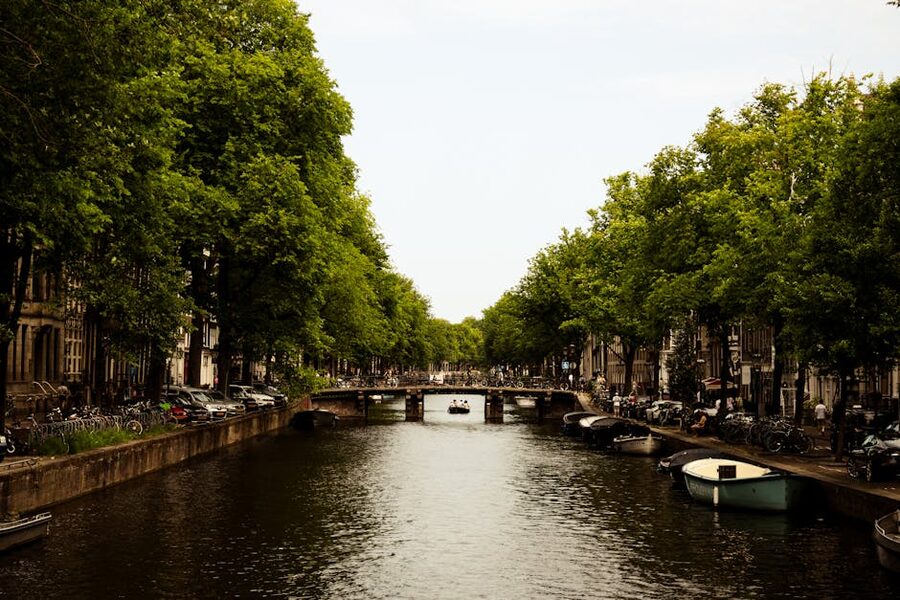
Where to go next
If Fabrique des Lumières lands well for you, the obvious follow-up is the Orangerie in Paris, which gives you Monet’s Water Lilies in the room they were painted to fit, a different kind of immersive entirely (you stand in front of paintings the size of walls). On the same Amsterdam trip, pair Fabrique des Lumières with the Van Gogh Museum first thing in the morning, then Fabrique in the afternoon, then a slow walk back through the canals or a canal cruise at dusk. If you’re chasing the wider Culturespaces circuit, plan around a wine weekend in Bordeaux for the Bassins, or build a Provence side trip from Nice for the original Carrières. And if you want a sister modernist-architecture venue that runs on the same “walk inside the design” logic but with no projectors at all, Spain’s Setas de Sevilla is the closest thematic cousin in the cluster.