
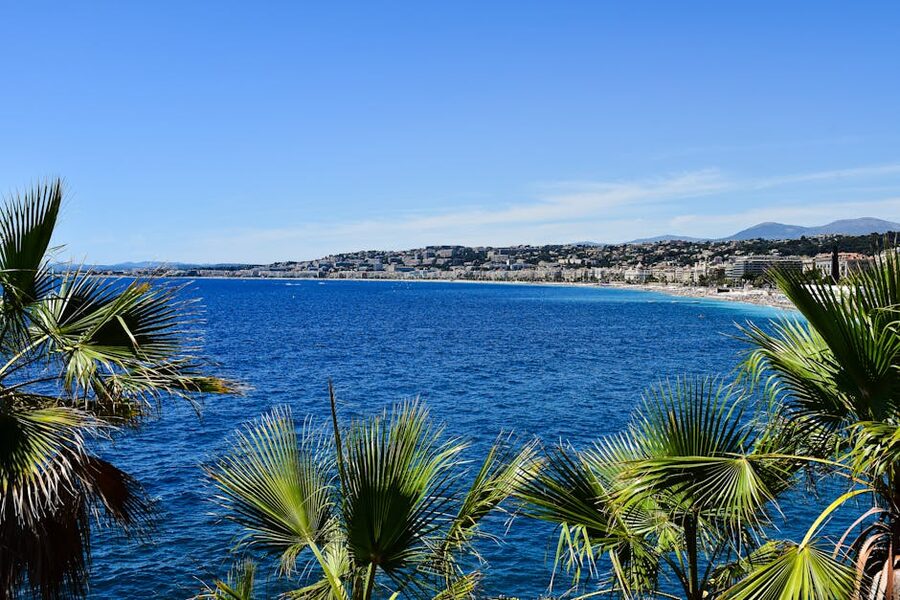
The Moyenne Corniche is the cliff road Hitchcock filmed Cary Grant and Grace Kelly racing along in To Catch a Thief. It runs from Nice east through Villefranche-sur-Mer to Èze, halfway up a wall of rock between the sea and the Alps. You drive it at about 11am on a clear day, the Mediterranean is 200m below your shoulder, and you understand instantly why most people stay in Cannes or Saint-Tropez and try to “do the Riviera” from there, and why that’s the wrong call. Nice is the geographic middle. The airport is here. The trains are here. The cliff road starts here. A Nice-based Riviera day is the one day on the Côte d’Azur every traveller should plan, even if their main base is somewhere else.
In a Hurry? The Three Tours Worth Booking
- Best value, by a long way: the standard From Nice: French Riviera in One Day ($85) covers Èze, Monaco, Antibes and Cannes in one disciplined loop.
- Premium full day with perfume factory: the Best of the French Riviera Full Day Tour ($112) adds Saint-Paul-de-Vence and the Fragonard stop in Eze.
- Smaller group, similar route: the From Nice: French Riviera Full-Day Tour ($112) if the flagship is sold out for your dates.
Why Nice Is the Right Base for One Riviera Day
The Côte d’Azur runs about 115km from Saint-Tropez in the west to Menton on the Italian border. Nice sits almost exactly in the middle. That single fact is what makes it the right day-trip hub.
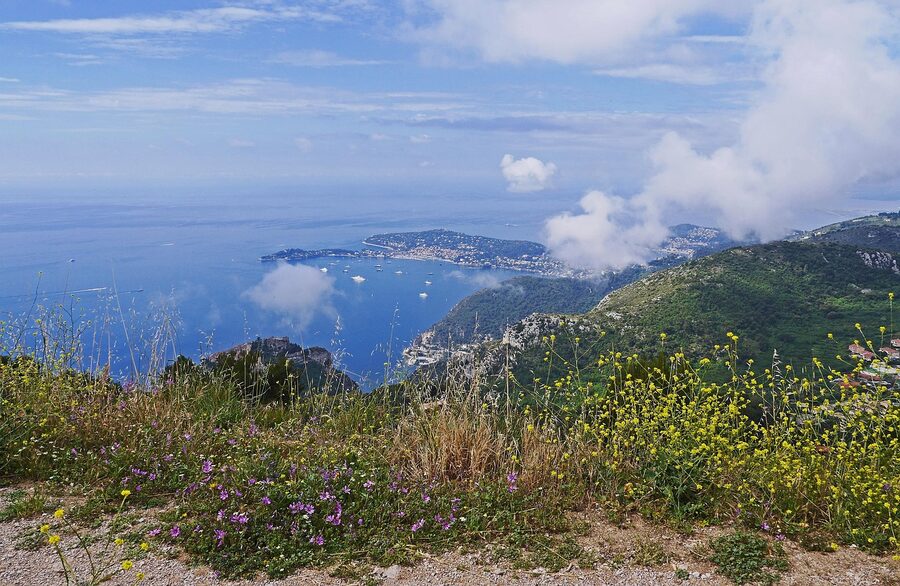
From Nice you can be in Monaco in 25 minutes by train. Cannes in 30. Antibes in 20. Èze, the medieval cliff-village that ends up on every Riviera postcard, is 11km east. Saint-Tropez is the awkward one at 110km west and a three-hour drive each way, which is why it’s its own day, not part of this one. The other inland alternative, the Verdon Gorge from Nice, is also a different day; you can’t do the gorge and the coast in one go.
Cannes-based and Saint-Tropez-based travellers do exist. They lose two hours of their day to getting to and from the centre of the coast, and they end up booking a separate Cannes-and-Lerins-Islands ferry day just to fill the early afternoon. Nice doesn’t have that problem.
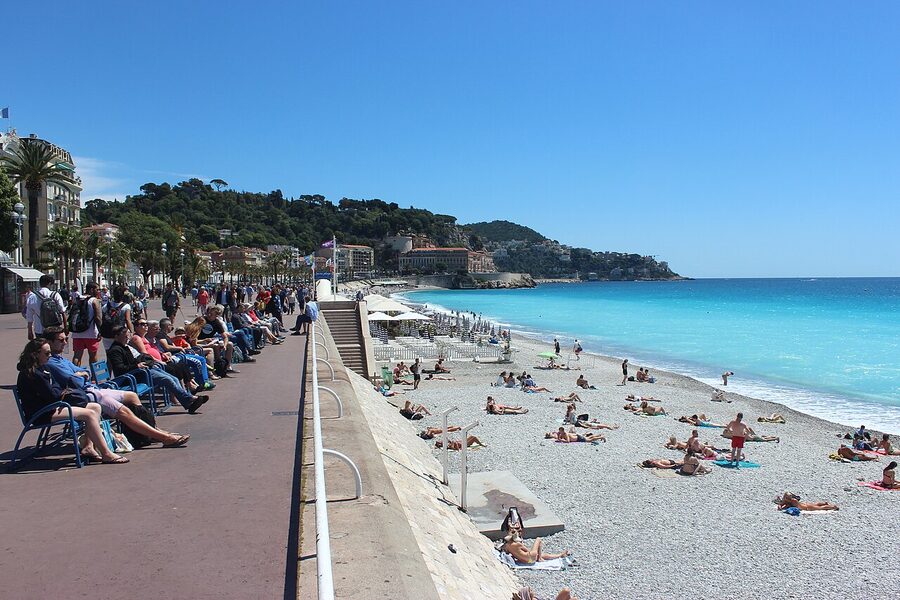
And Nice itself is a good city. 350,000 residents, France’s fifth-largest, founded by Greeks in 350 BC and only French since 1860 (the deal Garibaldi never quite forgave Cavour for). The Vieille Ville old town is a working neighbourhood, not a tourist set-piece. The Promenade des Anglais runs 7km along the Baie des Anges. You can land at the airport at 10am, drop bags at a hotel, and be drinking espresso in Cours Saleya by noon. If you’ve got an extra day on either end, the Marseille hop-on-hop-off bus is the easiest way to add the larger Provence city to the trip.
The Day, Hour by Hour
The standard $85 full-day Riviera tour I recommend further down does a version of the route below, run in reverse so the Èze stop lands at sunset. If you’re driving yourself, run it east-then-west the way I describe it. Either order works. The point is to do the cliff section in good light and to give yourself one anchor town for lunch.
9:00am: Vieille Ville and Cours Saleya
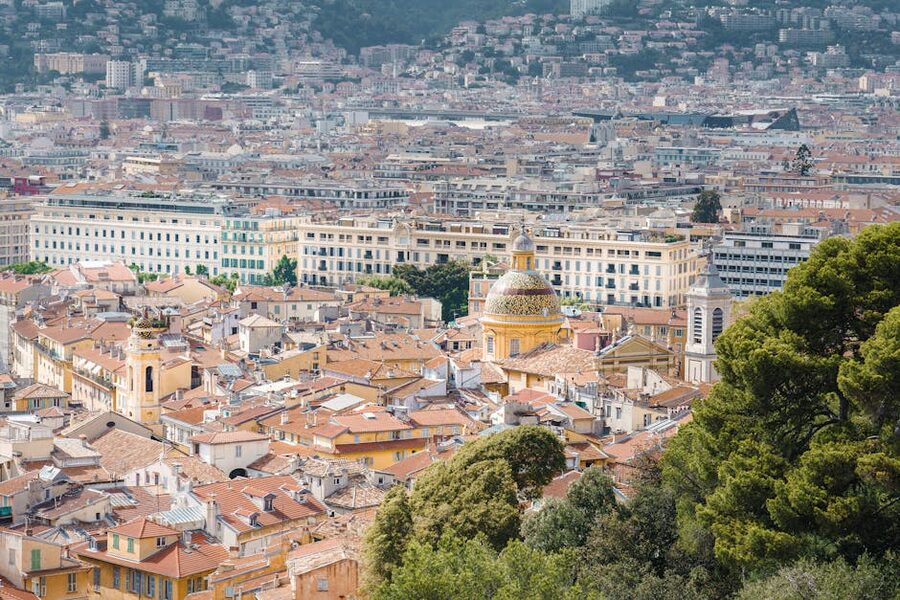
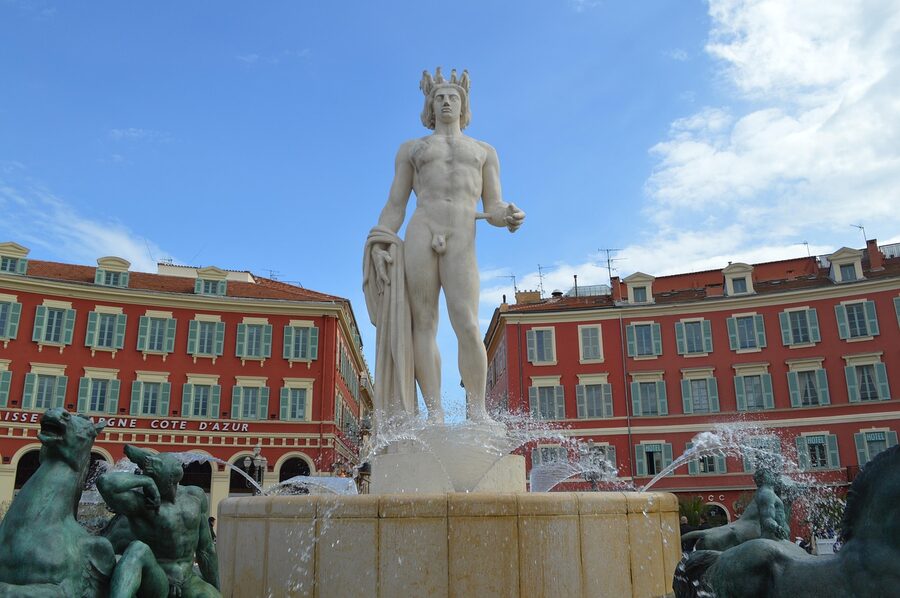
Start in Nice’s old town. Don’t try to “see” it. Walk it. The streets between Cours Saleya and Place Rossetti are about four blocks square. You’re not lost. Smell the bakeries. Stop at Fenocchio for a scoop of olive or tomato-basil gelato (yes, savoury; yes, it works). Order a slice of socca, the chickpea-flour pancake that’s the signature Nice street food, from the Lou Pilha Leva counter at the edge of Cours Saleya. It costs about €3 and you eat it standing up.
The flower market in Cours Saleya runs Tuesday to Sunday morning. Monday is the antiques market instead. Either way, you’re done in the old town by 10am.
10:30am: Drive East via the Moyenne Corniche
Three roads connect Nice to Monaco. The Basse Corniche hugs the coast at sea level. The Moyenne Corniche cuts the cliff halfway up. The Grande Corniche runs the mountain ridge.
Take the Moyenne. It’s the iconic one, the road Hitchcock filmed in 1955, and it’s also the one with the best balance between view and time. You can drive it from central Nice to Èze village in about 25 minutes if traffic cooperates.
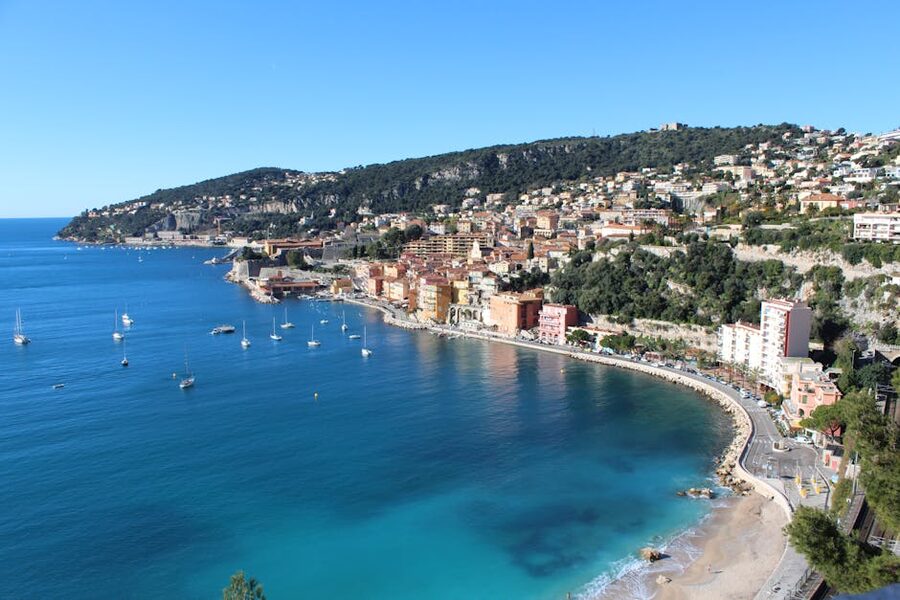
About 4km out of Nice the road bends and Villefranche-sur-Mer drops into view below. Don’t stop. You’ll come back here for lunch. Keep going to Èze. The cliff drama on this section is the closest the French coast comes to the Amalfi Coast’s switchback drama, and the comparison is the one most first-timers make.
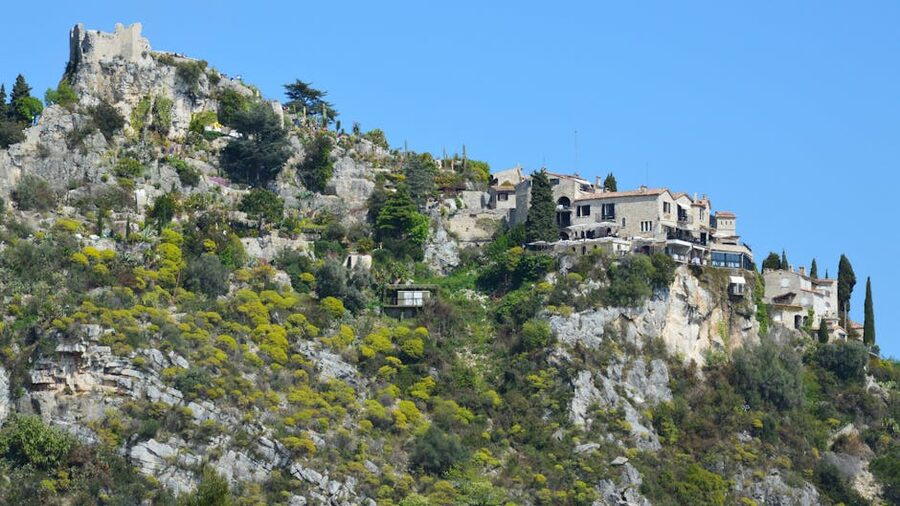
11:30am: Èze Village
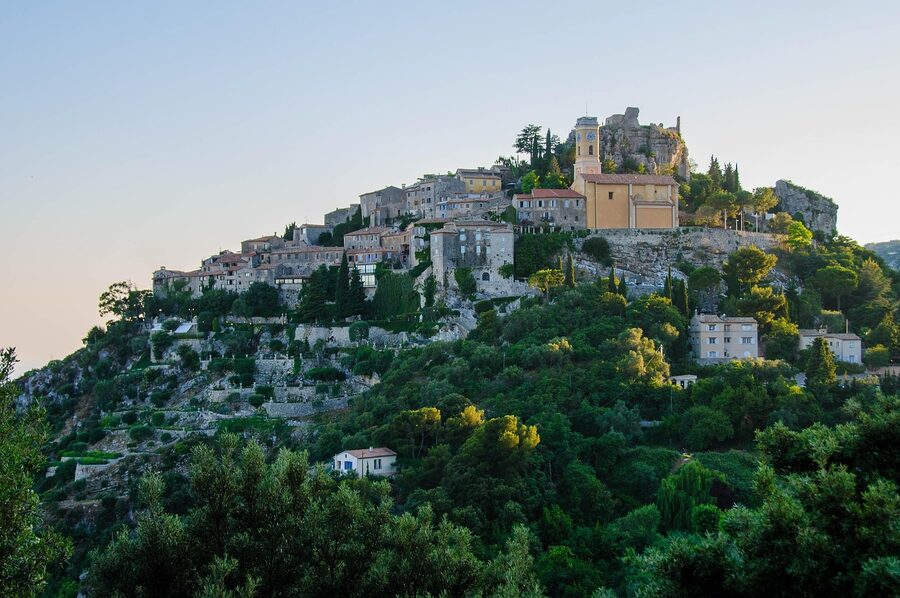
Park in one of the two paid car parks at the bottom of the village (about €5 for two hours). The medieval core is car-free and the only way in is up. The path is steep, cobbled, and takes 8 to 10 minutes if you’re not stopping for photos. Add five if you are.
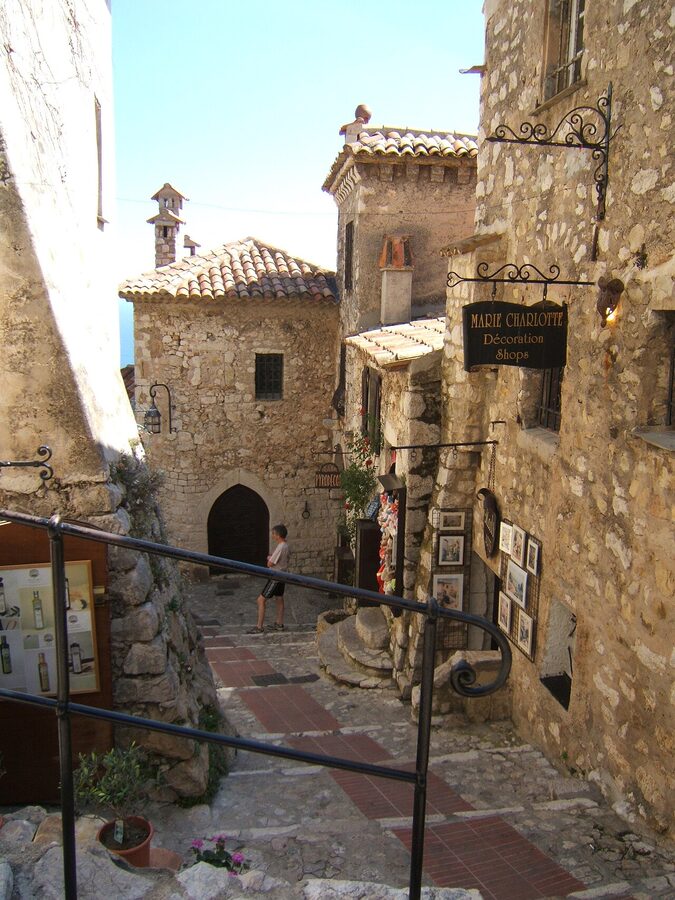
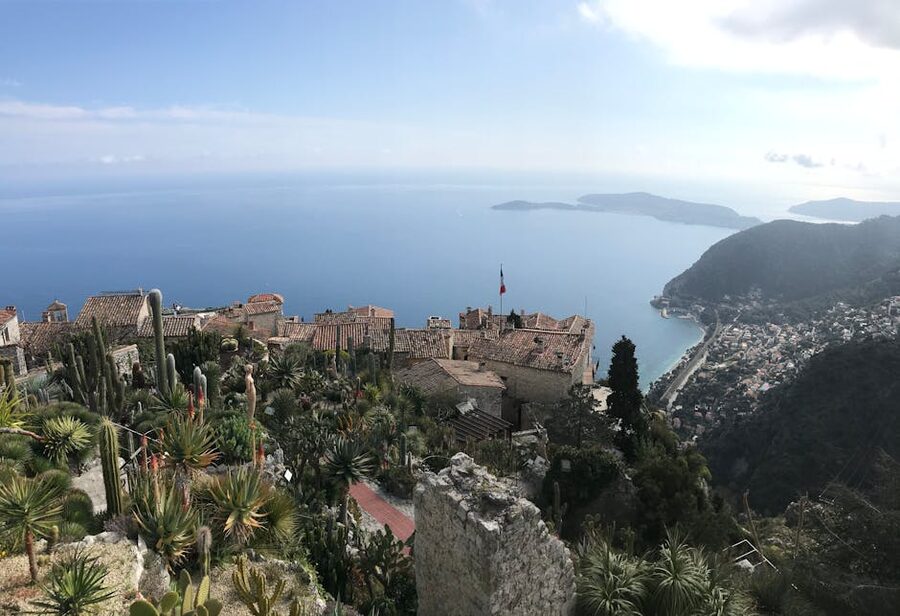
The Jardin Exotique sits on top of the village, on the foundation of the old fortress. Entry is €7. The garden itself is fine: cacti, agaves, succulents collected over the last 75 years, with a couple of bronze sculptures by Jean-Philippe Richard. The reason to pay €7 is the view from the top platform. Cap Ferrat sits to the east. Saint-Jean-Cap-Ferrat juts into the Mediterranean below. On a clear day you can see Corsica, 175km south. The view rivals what you’d get from a Capri boat tour off the Italian coast, just from land. Go for it.
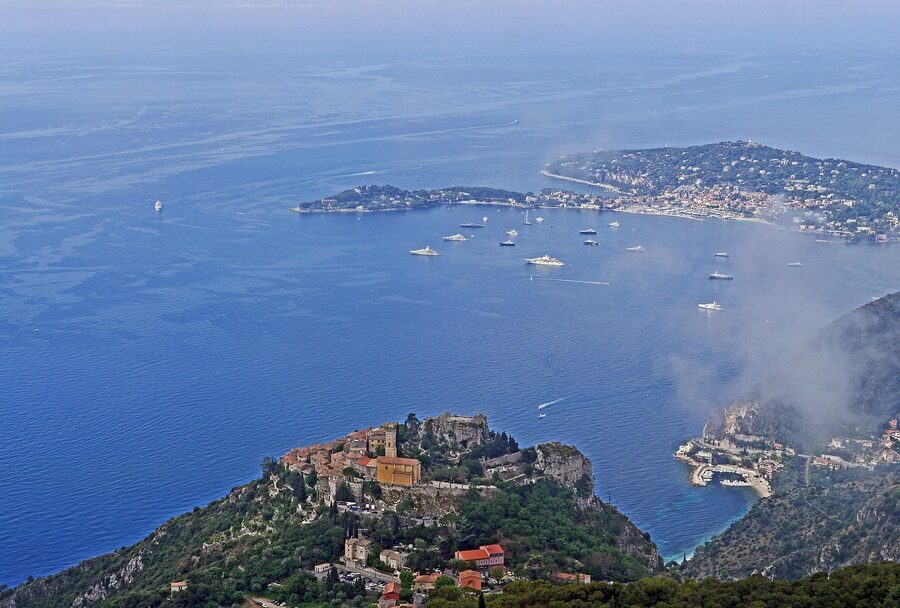
Allow about an hour for the village and 30 minutes for the Jardin Exotique. The Fragonard parfumerie at the bottom of the path runs free 15-minute factory tours every 15 to 20 minutes, in English. They will try to sell you perfume at the end. The tour itself is genuinely interesting if you’ve never seen how essential oils are extracted; if you have, skip it and walk straight back to the car.
1:00pm: Lunch in Villefranche-sur-Mer
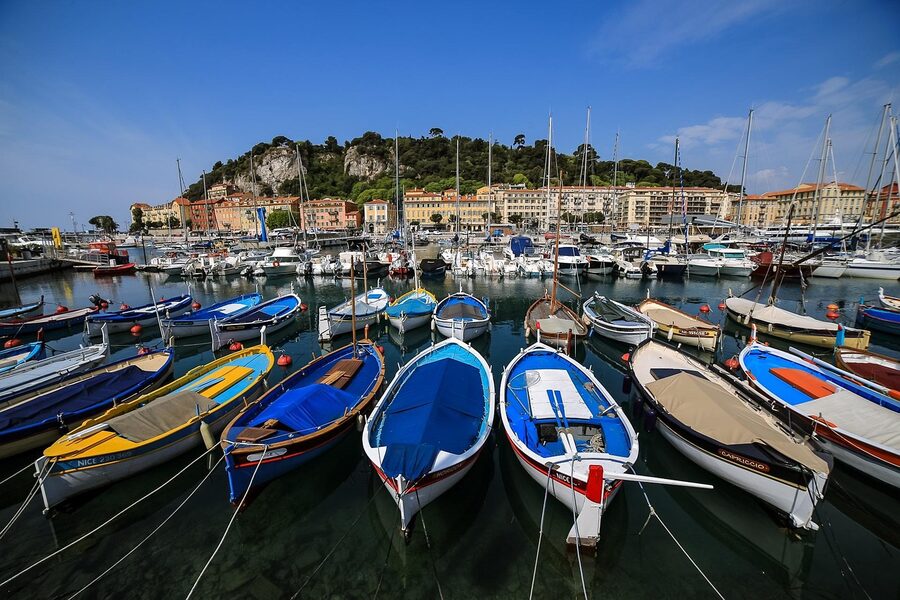
Drop back down the Basse Corniche to Villefranche-sur-Mer. It’s 7km from Èze and 7km from Nice. The harbour is the move.
Skip the seafront tourist traps along Quai Courbet. Walk one block back, into the steep stepped streets behind, and look for either La Mère Germaine (institution since 1938, expensive, worth it) or Le Cosmo, a bistro on the corner of Place Amélie Pollonnais. A bouillabaisse will run €38 to €50. A salade niçoise (the actual one, with tuna, anchovies, olives, hard-boiled egg, and no potato or green beans, despite what the rest of the world serves) is €18. The seafood here is fresher than what you’d get on a Paris Seine cruise dinner cruise, by a margin you’ll feel from the first bite.
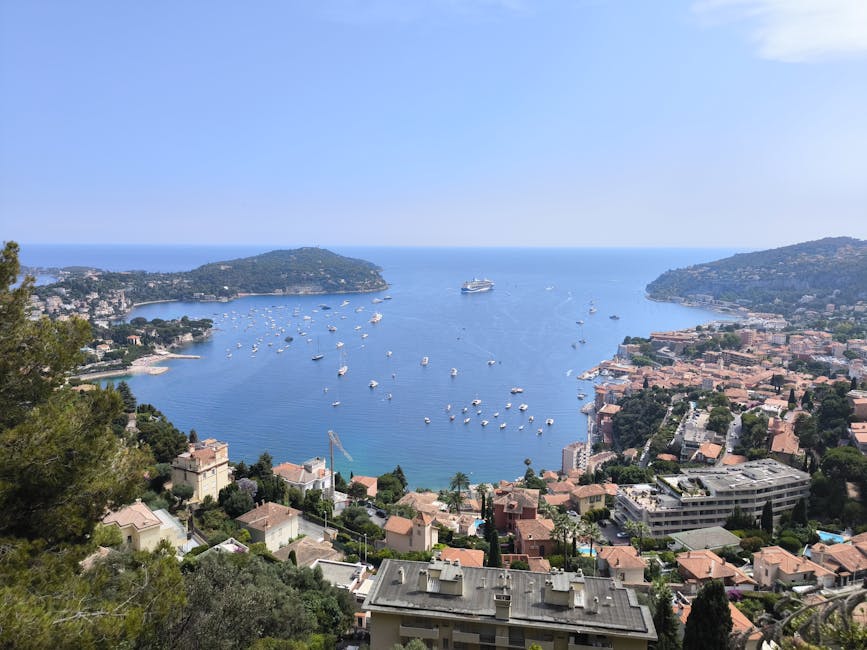
If lunch runs long, eat the consequence: skip Antibes later. You can’t do the whole route at restaurant pace and the inland stop. Pick one. The same anchored-cruise-ship rhythm appears in Rotterdam’s Spido harbour cruise, where you tour the largest port in Europe past container terminals and oceangoing tankers without ever stepping onto a freighter.
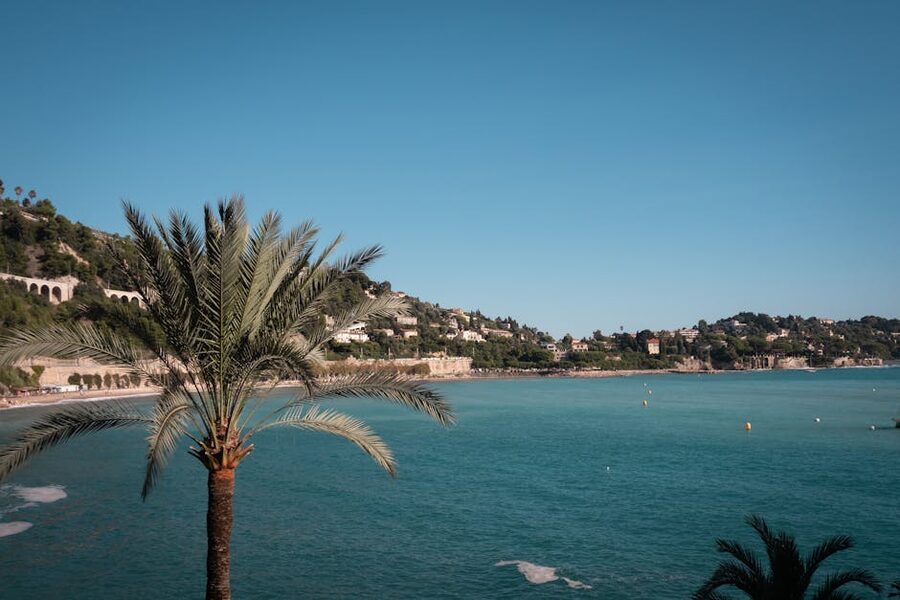
2:30pm: Drive West Toward Antibes (Optional)
From Villefranche it’s about 45 minutes by car to Antibes. You drive straight through Nice (or take the A8 motorway to skip it) and out the other side along the Cap d’Antibes road.
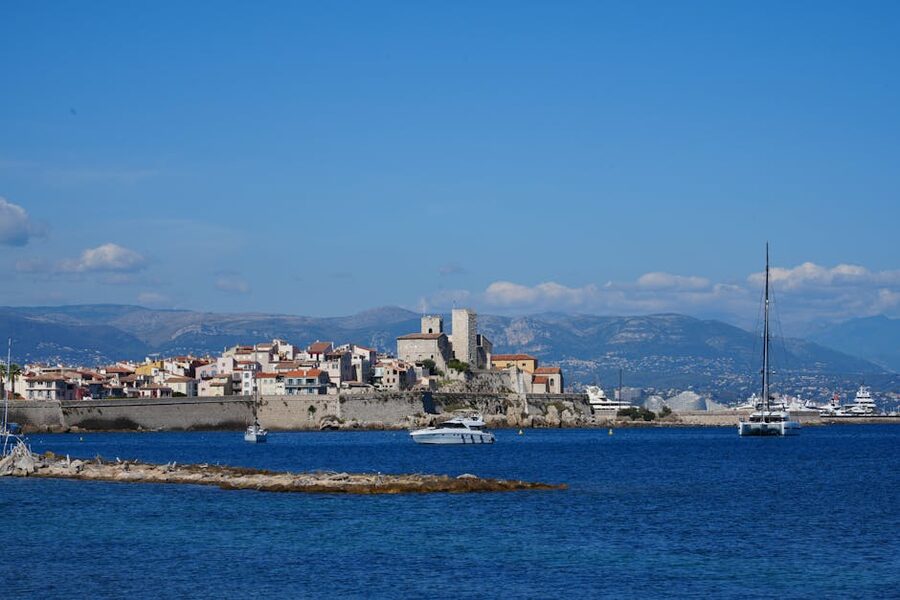
Antibes earns the stop for two reasons. The Vauban ramparts and the Picasso Museum at Château Grimaldi. The museum is the workshop where Picasso painted for six months in 1946, and the ground-floor rooms still have the original studio layout. Tickets are about €10. If you only have 30 minutes, walk the ramparts and skip the museum. The view of the bay from the seawall does most of the work. The Antibes Picasso collection complements Monet’s house at Giverny in a France-wide artist-trail itinerary, if that’s the through-line of your trip.
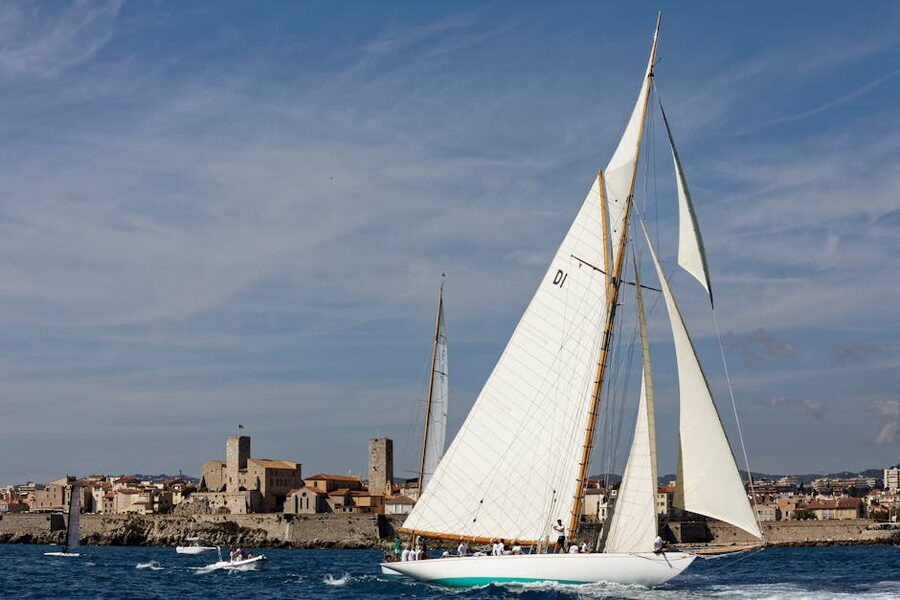
If you’re not driving yourself, most coach tours include Cannes here instead and skip Antibes. That’s a fair trade. Cannes is more famous, Antibes is more interesting, and there’s no version of this day where you do both. If your trip stretches to a day in Paris afterward, the same logic applies: pick the one Versailles or Loire Valley castles day-trip, not both. The same one-or-the-other choice applies to Amsterdam, where most travellers have to pick between a Zaanse Schans windmill-village morning and a full afternoon back in the city, because doing both well in one day means rushing both.
2:30pm Alternative: Cannes (the western anchor)
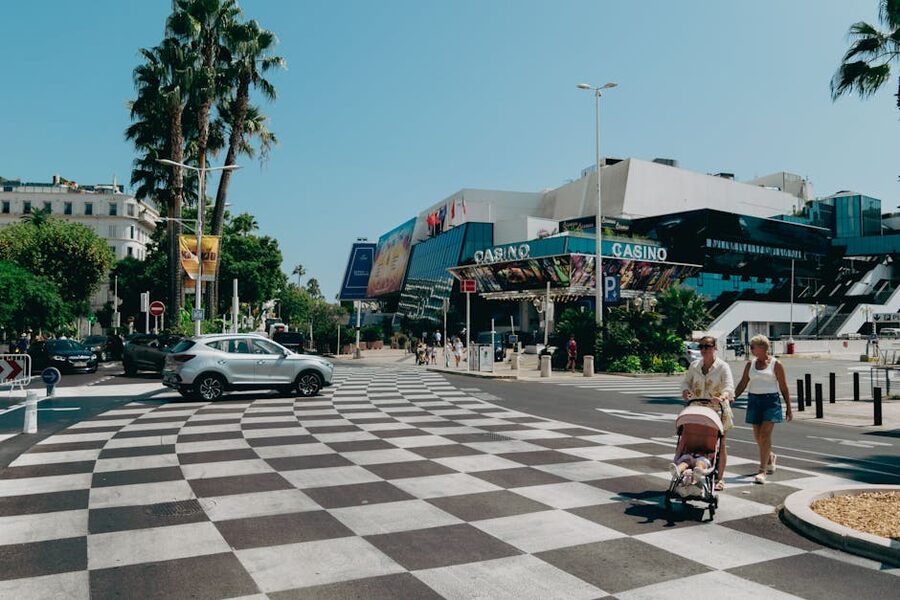
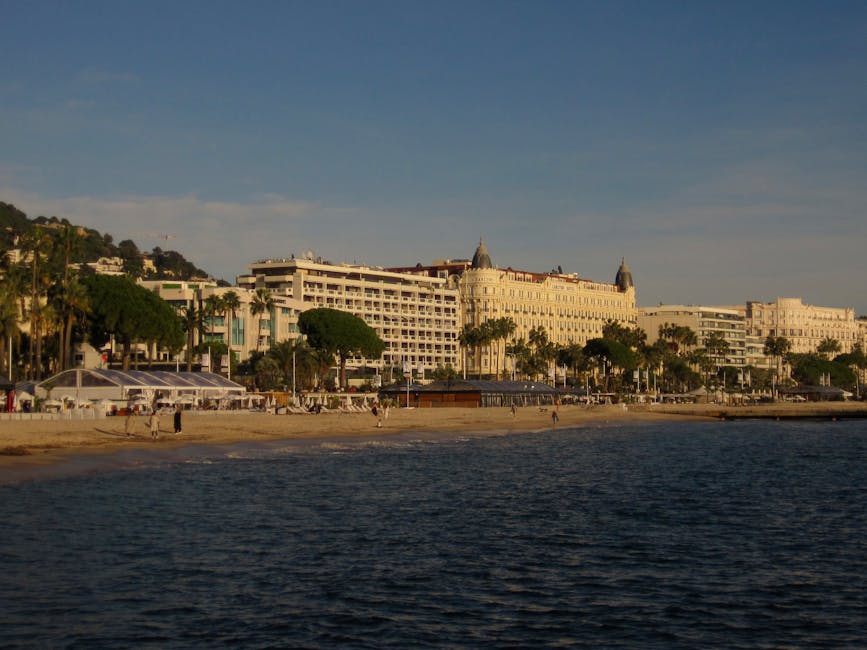
If your tour group goes to Cannes instead of Antibes, you get 75 minutes on the Croisette and the old town Le Suquet. The Croisette is the wide boardwalk with the Palais des Festivals (where the film festival happens every May) on one end and a row of grand hotels: the Carlton, the Majestic, the Martinez. Walk it. The hotel lobbies are open to anyone who looks like they belong, and the Carlton bar makes a Negroni you won’t forget.
Le Suquet, the old fishing village on the hill above the modern town, is the better photo stop. Climb the stepped streets to the church of Notre-Dame d’Espérance for the panorama back over the Bay of Cannes. It’s a 15-minute climb and most of the bus passengers don’t bother. The view back to the Lerins Islands is the same view a separate Sainte-Marguerite ferry day turns into the whole afternoon.
A separate half-day Cannes-and-the-Lerins-Islands article covers the more interesting Cannes itinerary: the ferry to Sainte-Marguerite to see the cell where the Man in the Iron Mask was held. That’s its own day if Cannes itself interests you.
4:00pm: Saint-Paul-de-Vence (or detour to Cagnes-sur-Mer)
From Antibes or Cannes, head inland to Saint-Paul-de-Vence. About 25 minutes by car. The road climbs through pine and olive groves, and the medieval walled village appears on a hilltop ahead, perfectly composed for the photograph everyone takes from the same lay-by half a kilometre out.
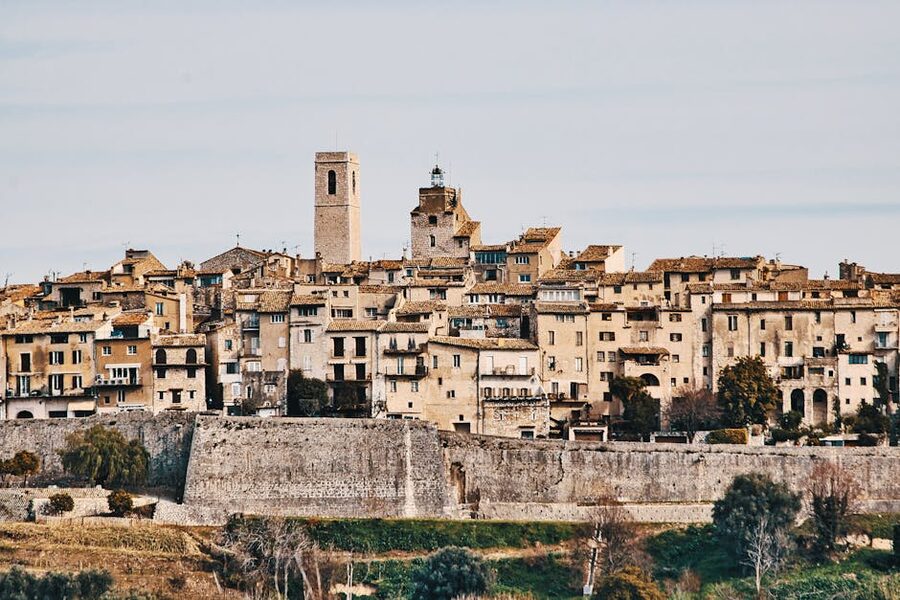
The village itself is one cobbled main street running uphill to the church and back. Walking it slowly takes 25 minutes. There are about 30 art galleries crammed into 200m of street, which sounds awful and is, in fact, mostly fine. The work skews Riviera-postcard but the better galleries (Galerie Catherine Issert and Galerie Guy Pieters in particular) show real contemporary work. The density of work here matches what you’d see on a Montserrat day from Barcelona, where the monastery’s small modern-art museum punches well above its size.
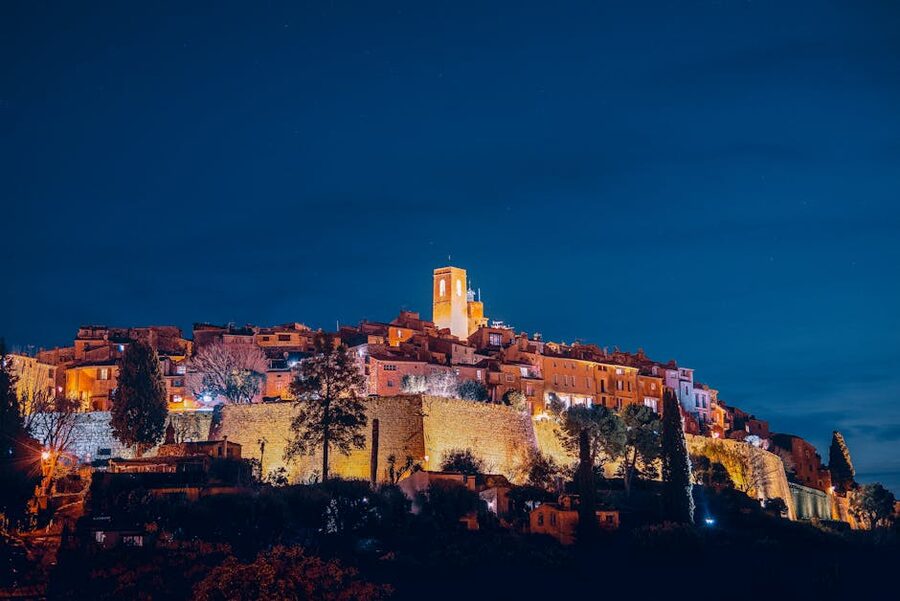
The real reason to come to Saint-Paul, if you only do one thing here, is the Fondation Maeght. It’s not in the village. It’s a 10-minute walk back down the hill, and most day-trippers miss it.
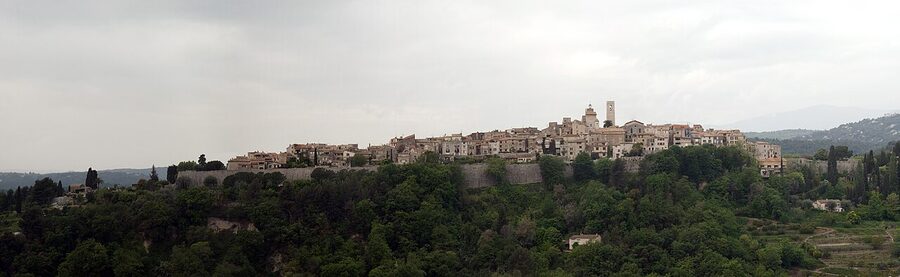
The Fondation Maeght: the Actual Reason to Come
Aimé and Marguerite Maeght were Parisian art dealers who lost their son Bernard to leukaemia in 1953. Their friends, a list that includes Braque, Léger, Miró, and Calder, suggested they build a foundation in his memory. The architect Josep Lluís Sert designed the building. It opened in 1964 and is, today, the most important private modern-art collection in France outside Paris.
Tickets are about €16. The garden alone is worth the price: a Calder mobile in steel, the Miró Labyrinth (200 ceramics, sculptures, and water features Miró designed for this exact slope), a Giacometti courtyard with a dozen of his standing-figure bronzes you can walk between. The interior galleries rotate the foundation’s collection of about 13,000 works through quarterly shows.
The Fondation closes at 6pm in summer, 5pm in winter. Aim to arrive by 4:15 if you want a full hour. This is the part most visitors blow past. If the modern-art angle is what you want from a Riviera day, the Fondation is the equivalent of a slot for the Eiffel Tower in a Paris day: the thing you didn’t know you came for.
6:00pm: Drive Back to Nice
From Saint-Paul-de-Vence to Nice is 25 minutes on the A8. You’ll be back in town for dinner at 7pm. If you’ve got the energy, eat at La Merenda in the old town (no phone, no reservations, cash only, the chef is a former three-star Michelin guy who walked away from his stars to cook six tables of niçoise classics) or settle for the wine bar Le Comptoir du Marché on Rue du Marché. If you’re flying out the next morning, the airport is 7km west of central Nice, much closer than Charles de Gaulle is from a typical Versailles day-trip return.
What About Monaco?
Monaco isn’t on this route. That isn’t an oversight. It’s a deliberate choice.
Monaco deserves its own day. The Palais Princier changing of the guard happens at 11:55am, the Oceanographic Museum is a serious 90-minute visit, the old town of Monaco-Ville is its own hill, the Casino de Monte-Carlo is its own thing, and trying to add it to the Èze-Antibes-Saint-Paul loop turns a workable day into a death march where you see seven things and absorb none of them.
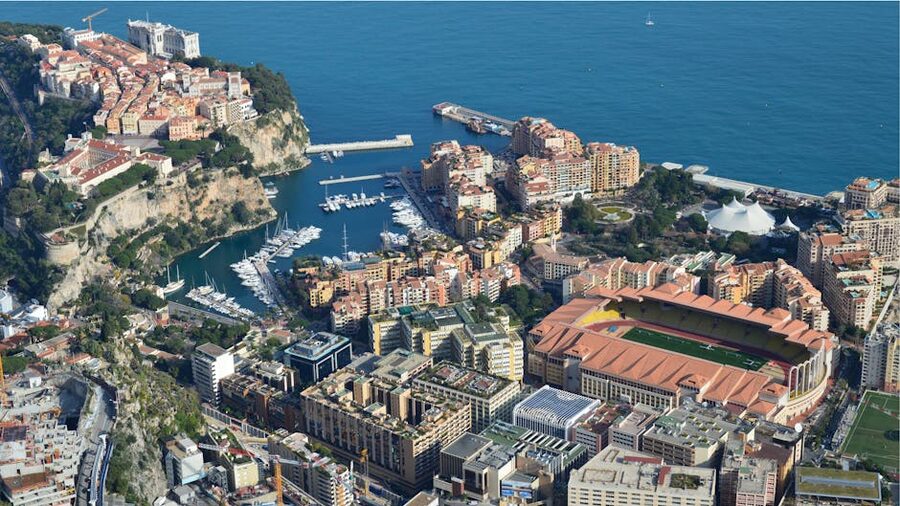
The Riviera-in-One-Day tour I recommend below does include a 90-minute Monaco stop, and 90 minutes is the right amount of time to walk from the Palais down to the harbour and look at the casino from outside. If that’s all you want from Monaco, the included stop is fine. If you want more, the dedicated Monaco day from Nice is the answer. The same logic applies in Italy: Lake Como from Milan works as a half-day or a full day, and you pick which based on what else you’ve got planned.
The Three Tours, Ranked
If you’re not driving yourself, a guided tour is the right call. The three Riviera-in-a-day tours below are all run from Nice, and I’d book one of them for any traveller who isn’t comfortable on European single-lane mountain roads or who just doesn’t want to deal with the parking. The flagship at $85 is the value pick by a long way; the two full-day premium options at $112 add small upgrades that matter to specific kinds of travellers.
1. From Nice: French Riviera in One Day: $85
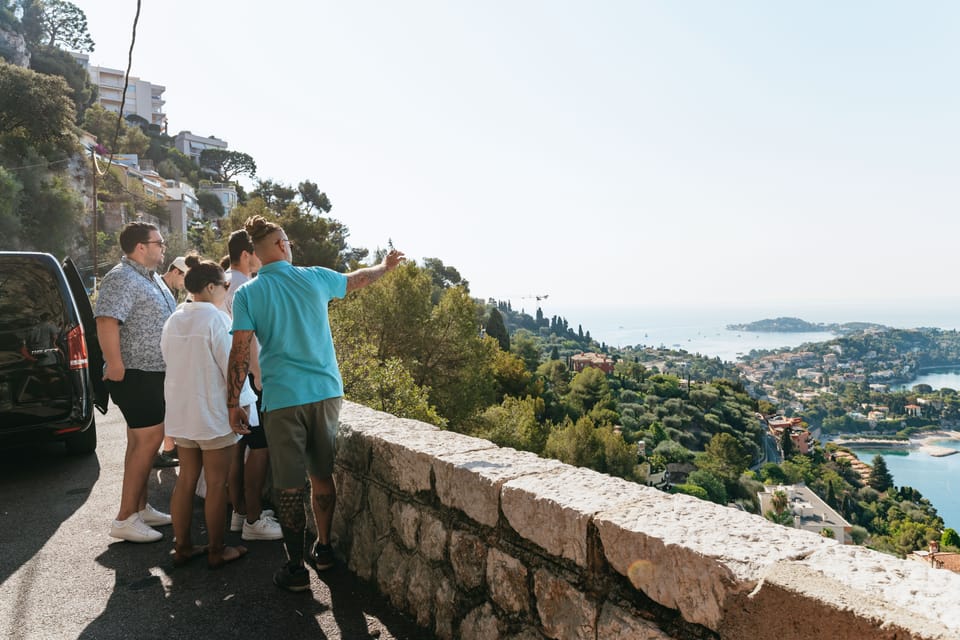
This is the right pick for almost anyone. It does the whole coast in one disciplined nine-hour loop with a small-group minivan, and at $85 it’s the cheapest of the credible options. Our full review covers the seat configuration, the lunch logistics, and the Èze Jardin Exotique upsell. The trade-off versus the $112 tours is that there’s no perfume-factory or Saint-Paul-de-Vence stop.
2. From Nice: The Best of the French Riviera Full Day Tour: $112
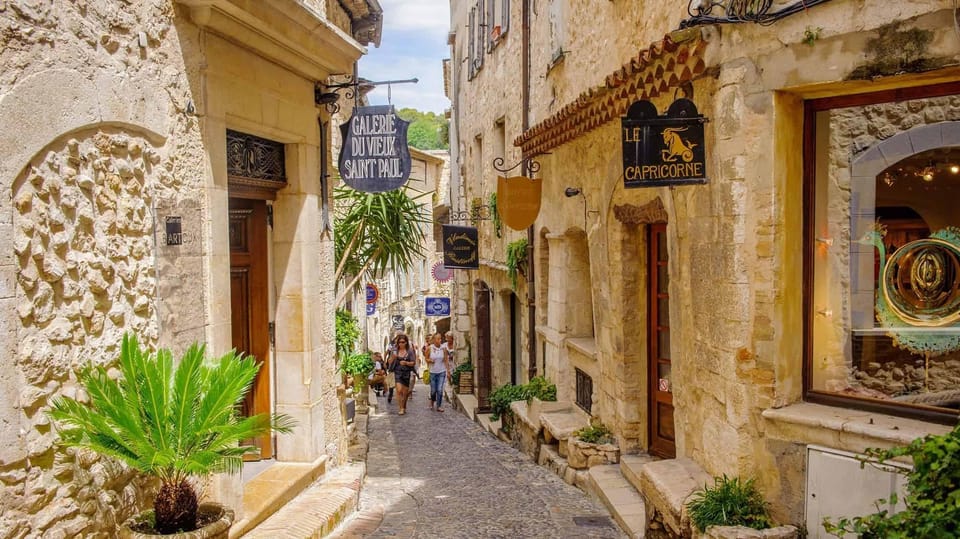
Pay the extra $27 for this one if you want the Fondation Maeght and Saint-Paul-de-Vence in the mix. The Fragonard stop is genuinely useful (and the demonstration takes 15 minutes), and the village stop adds the artists’-colony angle the cheaper tour doesn’t. Our review breaks down what’s included and what isn’t.
3. From Nice: French Riviera Full-Day Tour: $112
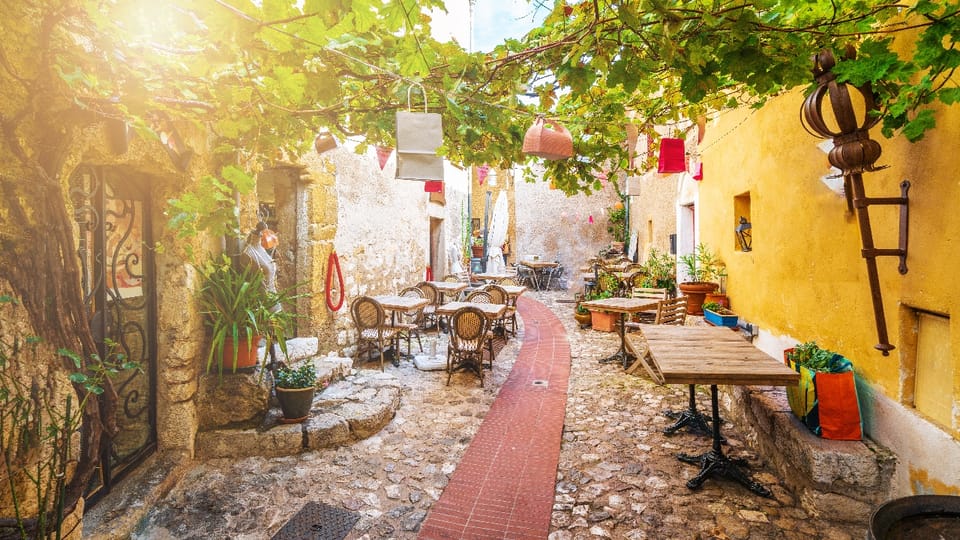
Same price as option two, similar route, smaller operator. Worth the booking if the flagship is full for your dates or you want a smaller minivan. Our review compares it directly with the Best-of-the-Riviera tour above.
Driving Yourself vs Booking a Tour
You can rent a car at Nice airport for around $50 a day. The Moyenne Corniche is a single-lane road in places with no shoulder and frequent oncoming buses. If you’ve driven mountain switchbacks in California or northern Italy you’ll be fine. If you haven’t, a guided tour saves you the stress.
Parking in Èze is paid (about €5 for two hours) and limited; in Saint-Paul-de-Vence it’s about the same. Antibes has a paid car park behind the ramparts. Cannes street parking is a nightmare in season; use the Palais des Festivals underground car park.
The compromise option: rent a car for the day, drive yourself through the cliff section, return the car at noon, and take trains for the rest. The SNCF runs frequent trains along the coast, Nice to Cannes is about 30 minutes for €10, Nice to Monaco is 25 minutes for €5, and the Antibes stop is 20 minutes from Nice.
Trains as the Backup Plan
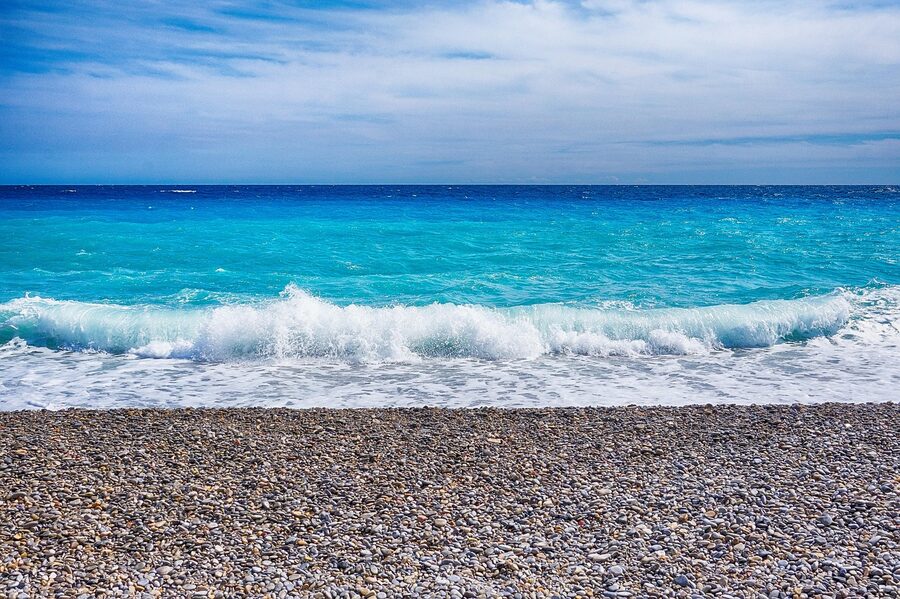
If the cliff drive is the part of the day you’d rather skip, the train along the coast is genuinely scenic. The line runs along the Basse Corniche, sometimes literally 5m from the water, with Mediterranean views from both sides of the car. Most stations are central enough to walk into the towns from.
What you can’t do by train is Èze. The village is 427m above sea level. The train station “Eze-sur-Mer” is at the bottom of the cliff, and from there you either take bus 83 up the hill (rare service, 20 minutes) or walk the Nietzsche Path, a steep 90-minute zigzag that the philosopher reportedly composed parts of Thus Spoke Zarathustra on. The walk is excellent, but it’s not a casual day-trip option in summer heat.
If train logistics matter more than the cliff scenery, the better plan is to use the train for Monaco-or-Cannes, and skip Èze. The Monaco-from-Nice day is the easier rail-based alternative if Èze isn’t your priority.
Best Months and Crowd Patterns
The Côte d’Azur runs April to October as a tourist coast. May, June, and September are the right months. July and August are crowded, expensive, and hot enough that the cliff villages turn unpleasant from 1pm onwards.
Specific dates worth avoiding: the Cannes Film Festival runs the second half of May (hotel rates triple), the Monaco Grand Prix is the last weekend of May (Monaco is unreachable by train), and the Nice Carnival runs two weeks in February. Specific dates worth chasing: the Fête du Citron in Menton (mid-February to early March, citrus sculptures the size of buses), and the Jardins de la Riviera open-garden weekend in early June.
Winter (November to March) is its own thing. The hotels drop their rates by half, the museums are empty, and the light on the coast is the best of the year. The trade-off: most of the cliff-village restaurants close, and the Mediterranean is too cold to swim.
What to Eat Along the Way
Nice has its own food. The cucina niçoise is closer to Liguria than to French haute cuisine, which makes sense because the city was Italian until 1860.
Five things to try in one day. Socca, the chickpea pancake (street stalls in Cours Saleya). Pissaladière, the onion-anchovy-olive flatbread (Patisserie Espuno). Salade niçoise, the real version (any old-town bistro). Pan-bagnat, the Niçois sandwich made from a salade niçoise stuffed into a round bun (lunch in Villefranche). Petits farcis, stuffed vegetables (any neighborhood traiteur).
Wine: rosé from Bandol or Côtes de Provence is the local default. A glass with lunch in Villefranche will run €6 to €9. Don’t accept a “Provence rosé” at €4 in a tourist trap; it’ll be cooking wine. The good ones cost €6 minimum and you’ll know the difference on the first sip.
How the Riviera Compares to the Italian Coast
If you’ve already done the Cinque Terre from Florence or the Amalfi Coast as a day trip, you’ll find the Côte d’Azur tamer in landscape and richer in town life. The Cinque Terre’s villages are tiny stair-towns of fishermen; the Amalfi Coast is sheer cliffs and switchbacks; the Riviera is a continuous urban coast with more history per kilometre.
The Italian Riviera (Liguria, basically) is the Riviera’s geographic continuation east of Menton. If you’re doing both countries on one trip, train Nice to Genoa is three hours and the line runs straight along the Liguria coast.
Day Trips From Nice That Aren’t This One
The Côte d’Azur has more day trips than one article can cover. If you’ve got more than one day in Nice, the alternatives split four ways.
Monaco from Nice is the simplest add-on: take the train, do the palace and the casino, lunch at the harbour, train back. Verdon Gorge is the inland Provence option, three hours each way for the deepest canyon in Europe and turquoise water you can kayak. Cannes and the Lerins Islands is the boat day, with the Man-in-the-Iron-Mask cell on Sainte-Marguerite. The Camargue from Arles is the wild horses and pink flamingos day if you’re heading west into Provence after Nice.
If your trip stretches to Marseille, the Marseille hop-on hop-off bus covers the city from the Vieux Port to Notre-Dame de la Garde without the complicated bus map. Marseille is two hours west of Nice on the TGV.
Where the Riviera Day Fits in a Bigger France Trip
If you’ve got a week in France and you’re doing Paris plus the south, the Riviera day is a Saturday. Land in Nice on a Friday night, do the day on Saturday, fly to Paris on Sunday morning. From there, the Paris itinerary is its own animal: the Eiffel Tower tickets, a Seine river cruise, Versailles as a day trip, and if you have a fourth day, Monet’s house at Giverny or the Loire Valley castles.
Most American travellers I know who do France for the first time fly into Paris and never make it south. That’s the bigger mistake. The two days you save not doing the third Paris museum on your list are the two days you spend doing one Riviera day and one Provence day. Better trip.
Comparing the Riviera to Other Mediterranean Day Trips
If you’re trip-planning at the Mediterranean level, the Côte d’Azur sits between two heavyweights. The Cinque Terre is the Italian Riviera’s tighter, smaller cousin, and the trains there are easier to use than driving here. The Amalfi Coast south of Naples is the more dramatic landscape, with sheer cliffs the French Riviera doesn’t quite match. Montserrat from Barcelona is the inland Spain equivalent of an Èze-style cliff day.
What the French Riviera does better than any of the others is town life. Nice itself is a real city of 350,000 with a working old town and decent restaurants; the Cinque Terre’s villages are tiny; Amalfi is mostly hotels and tourists; Capri is gorgeous and small. A Capri boat tour from Naples is the closest equivalent in scale, but Capri is one island, not a 115km coast with five distinct old towns.
If you’re choosing between Mediterranean coast trips for a single trip and you’ve never been to any of them, the order I’d do them in: Côte d’Azur first (best for first-timers, easiest logistics, biggest variety in one day). Cinque Terre second (the train ride between villages is a big part of the experience). Amalfi third (the most photogenic, but logistically the hardest). Ibiza by boat if your priority is swimming, not towns.
Practical Logistics for the Booking
Most Riviera day tours run from April through October. Pickup is usually from a meeting point in central Nice (Place Masséna or the Promenade des Anglais) rather than hotel pickup, though some operators offer it at extra cost. Confirm the meeting point when you book.
Lunch is rarely included. Budget €25 to €40 for a sit-down lunch in Villefranche, or €15 if you grab a sandwich and eat it on the harbour wall. Tip is included in the price in France. Tour guides do appreciate a few euros at the end of the day.
Shoes matter. Èze and Saint-Paul-de-Vence are cobbled, steep, and uneven. Sandals with no grip are a recipe for a broken ankle. Trainers, hiking sandals, or anything with traction are the right choice.
One genuine warning: the Promenade des Anglais terror attack in July 2016 happened on Bastille Day. Security around large gatherings on the Promenade is heavy now. If you’re in Nice on July 14, expect bag searches, vehicle bollards, and a heavy police presence around the seafront fireworks. None of it ruins the day. Just plan for it.
The Real Reason This Day Works
Most day trips on the French coast feel like compromises. You see Monaco, you don’t see Cannes. You see Èze, you don’t see Saint-Paul-de-Vence. The geography forces a choice.
The Nice-based Riviera day is the one itinerary where the geography helps instead of hurts. You’re in the middle of the coast. The cliff drive is 25 minutes east. The artist village is 25 minutes west. The whole point is that you don’t need to choose. You do the whole shape of the coast in one day, badly enough that you book a longer trip back.
That’s the right takeaway. One Riviera day from Nice tells you where you want to spend three. Most travellers who do this day come back for a week within two years. I did.