
The Loire Valley has more than 300 châteaux strung along 280 kilometres of river, and the standard one-day trip from Paris gives you exactly enough time to see two of them. Not three. Not four. Two.
The structural choice you actually need to make happens before you book anything. Either you accept the two-castle ceiling and pick the right pair, or you stop pretending this is a day trip and stay overnight in Tours or Amboise. Picking the wrong pairing is the mistake most first-time visitors make. Picking nine castles to “rush through” is the second.
In a Hurry? My Three Picks
- The flagship at $104: Loire Valley Castles Day Trip With Wine Tasting from Paris. Chambord and Chenonceau in one day with a Vouvray cellar stop, the cleanest version of the standard pairing.
- The Viator alt at $160: Loire Valley Castles Trip With Chenonceau and Chambord. Same two castles, premium operator, a smaller group and a longer tasting.
- The chateau-only full day at $127: Full-Day Loire Valley Chateaux Tour. Skips the wine and gives you the time back at the castles, the right pick if you don’t drink or you’re tight on the schedule.
Why two and only two
Here’s the maths nobody tells you in the booking flow. Paris to Chambord is 175 kilometres and roughly two hours by coach. Paris to Chenonceau is 220 kilometres and two and a half. The two castles are 60 kilometres apart, another hour. Round-trip Paris-Chambord-Chenonceau-Paris is six and a half hours of driving on its own.
You leave Paris at 07:15. You’re back at 19:30. That’s 12 hours and 15 minutes of total trip time. Take six and a half hours off for transit. Take 90 minutes off for lunch and a wine stop. You have four hours of actual château time. Split that across two castles and you get roughly 90 minutes inside Chambord and 90 minutes at Chenonceau, with 45 minutes of margin for parking, queues, and the bathroom.
This is fine. 90 minutes at each castle is enough to see the headline rooms, walk the gardens at one of them, and take the photographs. But 90 minutes is not enough to read every information panel, climb every tower, and visit every wing. If you want a slow look, you need a different trip. If you want the headline experience and you only have one day from Paris, two castles is the ceiling and Chambord plus Chenonceau is the right pair.
Three castles in a day is a thing the marketing copy promises and the schedule punishes. The third stop usually drops you with 30 minutes to “see” something. Half an hour at Chambord is not seeing Chambord. It’s standing in the parking lot of Chambord. Skip it.
Why Chambord and Chenonceau, and not the others
Six châteaux qualify as the famous tier in the Loire. Chambord (1519, the biggest), Chenonceau (1513, the most beautiful), Amboise (1498, the royal seat with the Da Vinci tomb), Blois (1500, the political theatre), Villandry (1536, the gardens), and Cheverny (1634, the Tintin model and the most-lived-in). Visiting all six takes three days minimum.
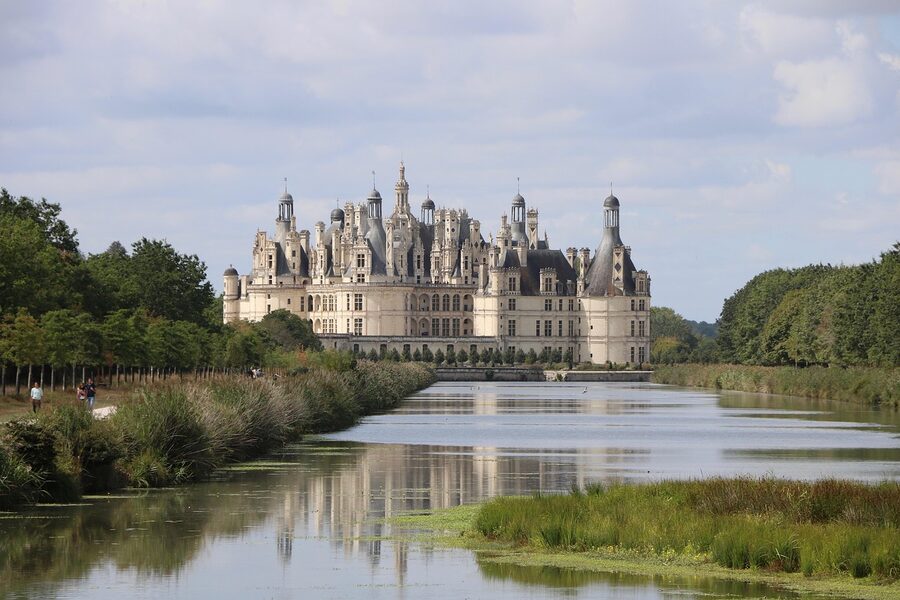
For a day trip from Paris, Chambord and Chenonceau are the right pair for three reasons. They’re 60 kilometres apart, which means the connection drive is one of the shorter possible pairings. They’re both UNESCO-listed. And they’re tonally different enough that you don’t get repetition fatigue. Chambord is military scale, brutal symmetry, and François I’s ego. Chenonceau is intimate, feminine, and built across a river by a woman who wanted to look at the water. Two castles, two different things, no overlap.
The other pairings have problems. Chambord plus Amboise puts you at two royal seats that overlap in mood. Chenonceau plus Villandry is two gardens with one castle, and you’ve travelled 220 kilometres for half a building. Amboise plus Chenonceau is the closest pairing geographically (35km apart) and works if you want a town-and-river day rather than a Renaissance-grandeur day. Most quality Paris day-trip operators landed on Chambord plus Chenonceau decades ago because the maths above is the maths above.
Bluefox and Paris City Vision both advertise three-castle versions that include Cheverny. Don’t book those. Cheverny is a beautiful castle but it’s an extra hour of driving for thirty minutes inside, and the museum-of-Tintin-illustration is the only thing you’d actually remember. If you’ve fallen in love with the Loire on day one and want a Cheverny visit, the right way is to come back overnight, not to bolt it onto an already tight schedule.
The Chambord experience, in 90 minutes
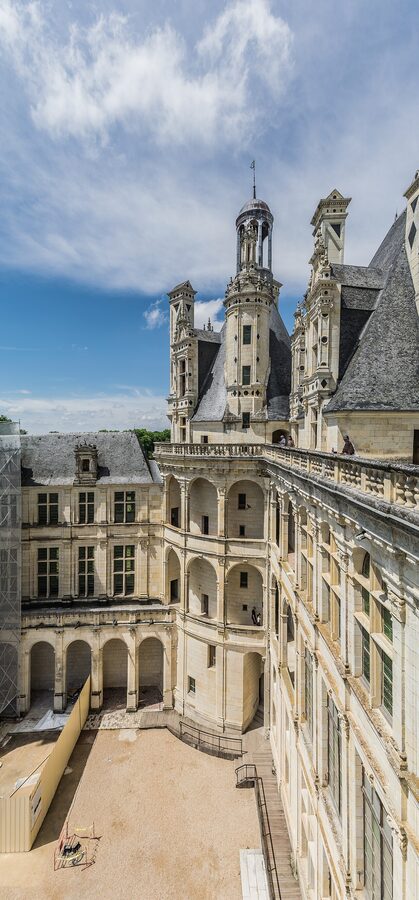
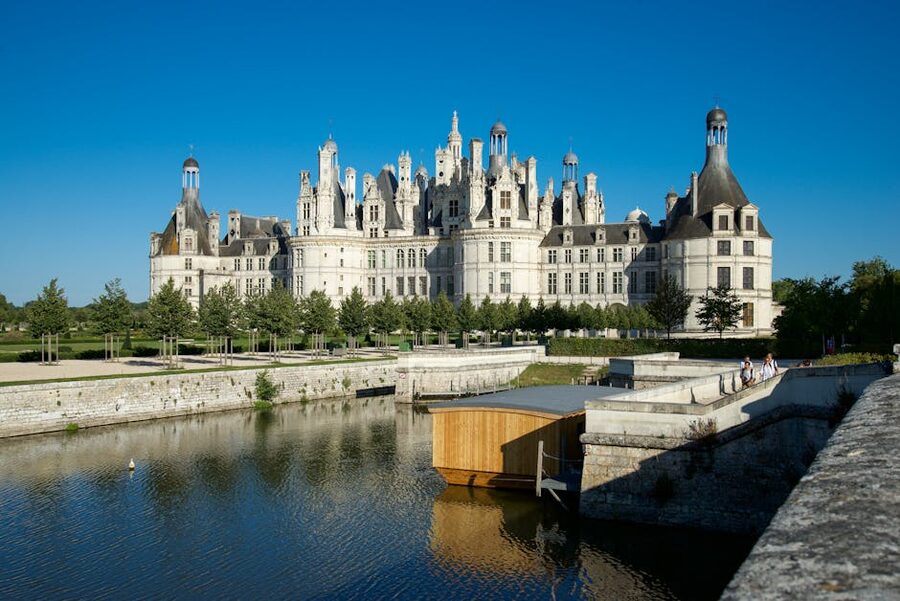
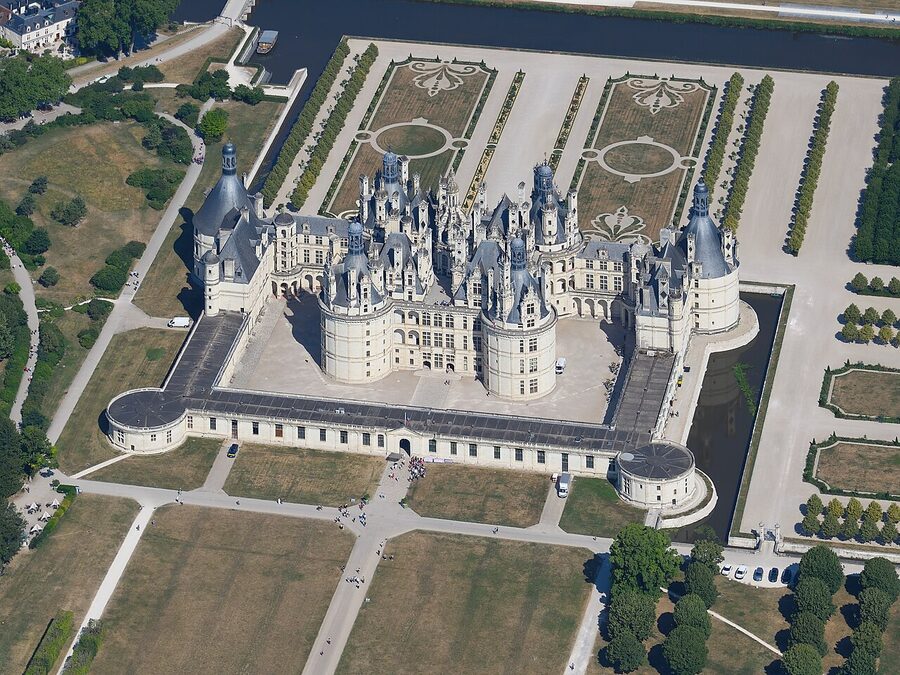
Standard adult ticket: about €16 ($17). Tour groups have it pre-paid. The arrival flow goes: walk from the coach park up the long approach drive, cross the moat, come into the courtyard, then immediately make a decision. Up the staircase first, or rooftop first.
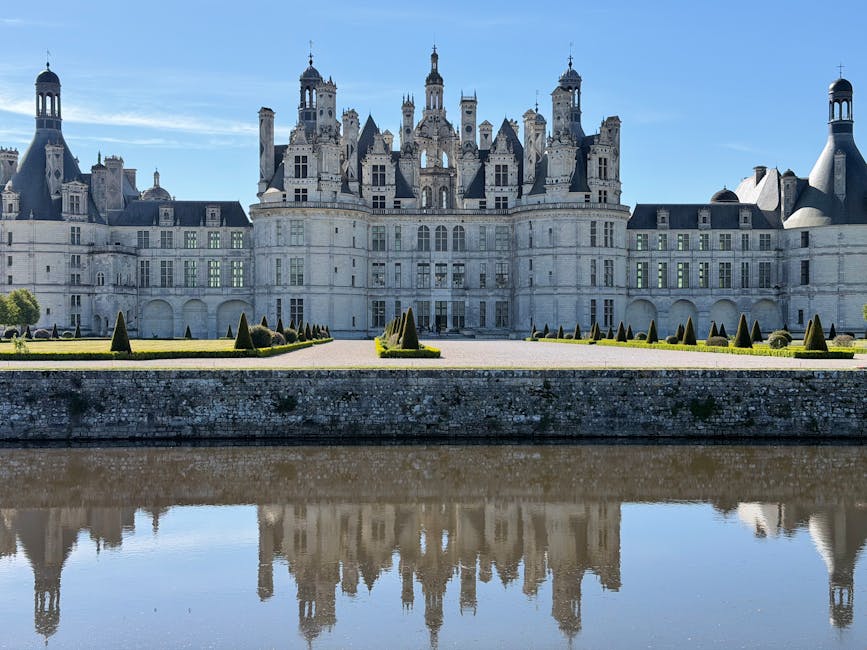
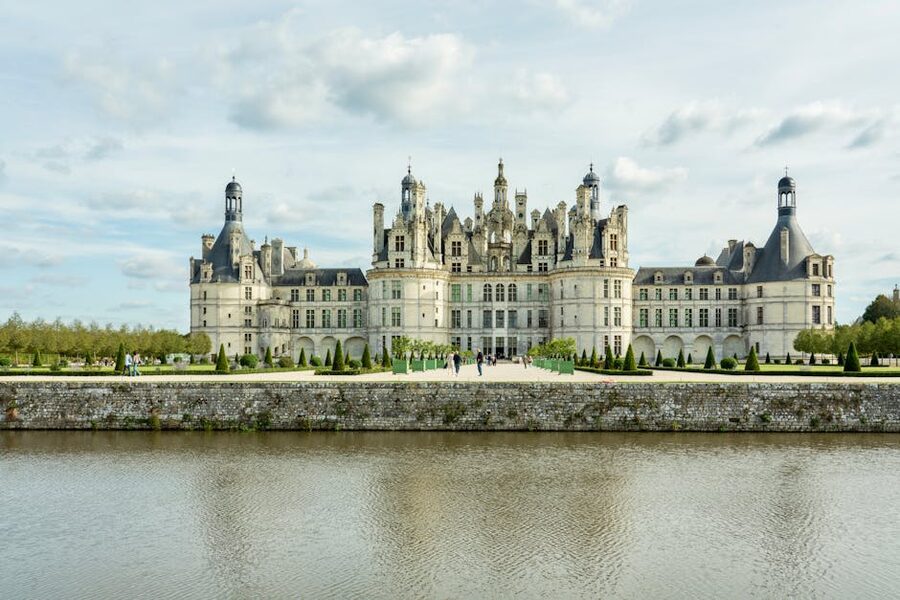
I’d go up first. The double-helix staircase in the centre of the keep is the first thing to see and the queue gets worse the later you arrive. Two intertwined spirals carved through the heart of the building, attributed (probably incorrectly, but romantically) to Leonardo da Vinci, who was at the French royal court until his death just months before construction began. You can climb one helix while someone climbs the other, see them through the openings in the central column, and never meet. It’s a flex. The whole building is a flex.
From the staircase landing you can step out onto the rooftop terraces, which is where Chambord stops being a building and starts being a city. The roofline has 282 chimneys, 77 staircases, four lanterns, and miles of decorative stone, all sitting at platform level. The 1530s court promenaded up there in the evenings the way nineteenth-century Parisians promenaded down the boulevards. You walk between chimneys taller than you are, looking down on the courtyard and across to the forest, and the scale of the whole project lands.
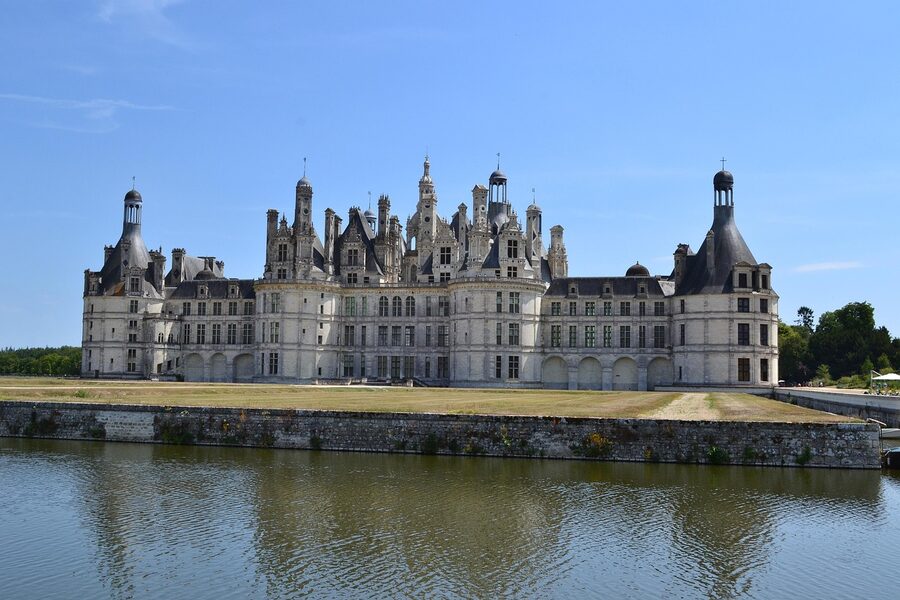
Drop back down through the keep, walk a couple of the apartments (François I’s chamber, Louis XIV’s chamber, the chapel), and you’re done. Skip the temporary exhibitions. Skip the equestrian stables show. Take twenty minutes to walk along the moat for the wide-angle photograph and you’ve covered Chambord properly in 90 minutes. The official audio guide is decent, the HistoPad tablet (you rent it onsite) is the better choice if you’ve got an extra €6.50 and you want the augmented-reality reconstructions of the rooms in their original state.
The drive between
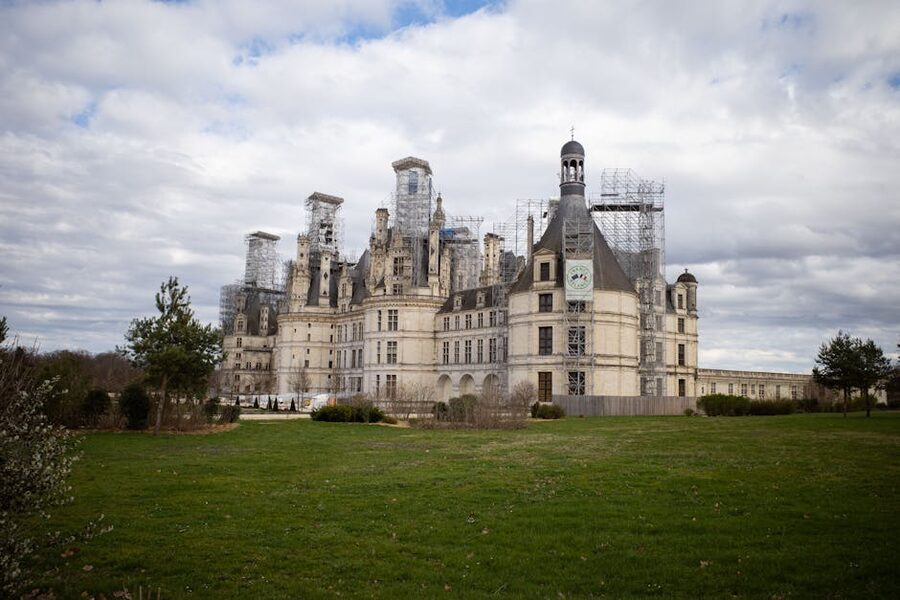
Chambord to Chenonceau is 60 kilometres. By coach it takes about an hour because the route goes through Blois, then south past Cheverny and through the Sologne, then crosses the Cher near Montrichard. The driver usually narrates the section through Blois, the only major town you pass.
This is the segment of the day where the standard tour offers the optional wine stop. If you booked the GetYourGuide flagship, this is when the coach pulls into a Vouvray cellar (Chenin Blanc, the dry whites of the Loire) for a 30-minute tasting. The tasting is genuinely good, three or four wines, a guide who actually knows the soil, and you’ll leave with a bottle if you want one. If you booked the chateau-only full day, the driver pushes straight through and you get the time back at lunch.
Lunch in Loire Valley day trips is almost always a fixed-menu sit-down at a restaurant in or near Amboise or Bléré. €18-25 for three courses, generally a regional Loire menu (rillettes, a fish from the river, a fruit tart). It’s fine. Don’t expect the meal of your life. The point of the lunch slot is that you sit down and stop being herded around for an hour, which is more important than the food.
Chenonceau, and what makes it different
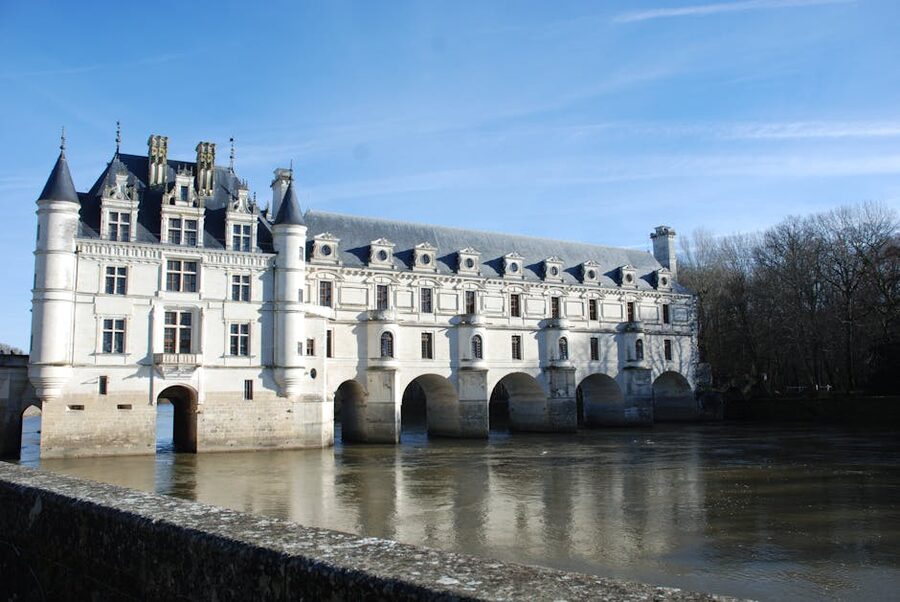
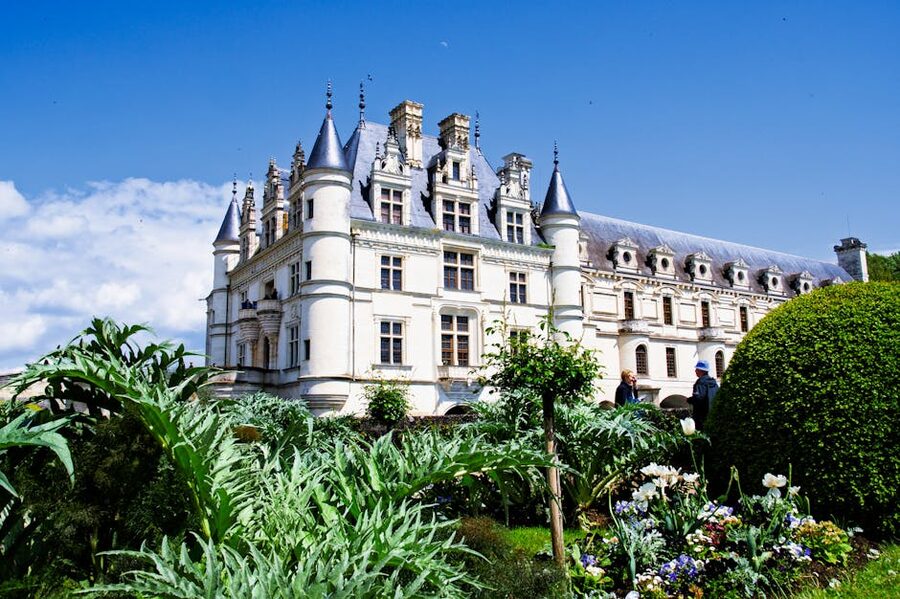
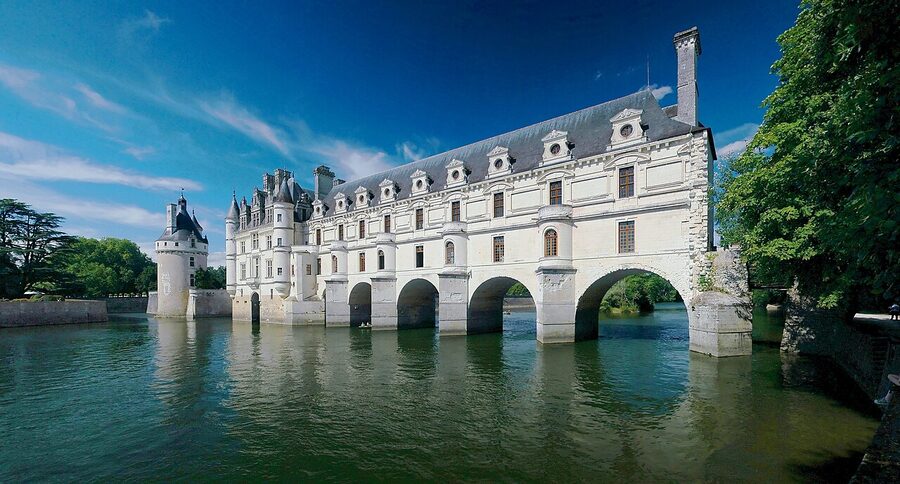
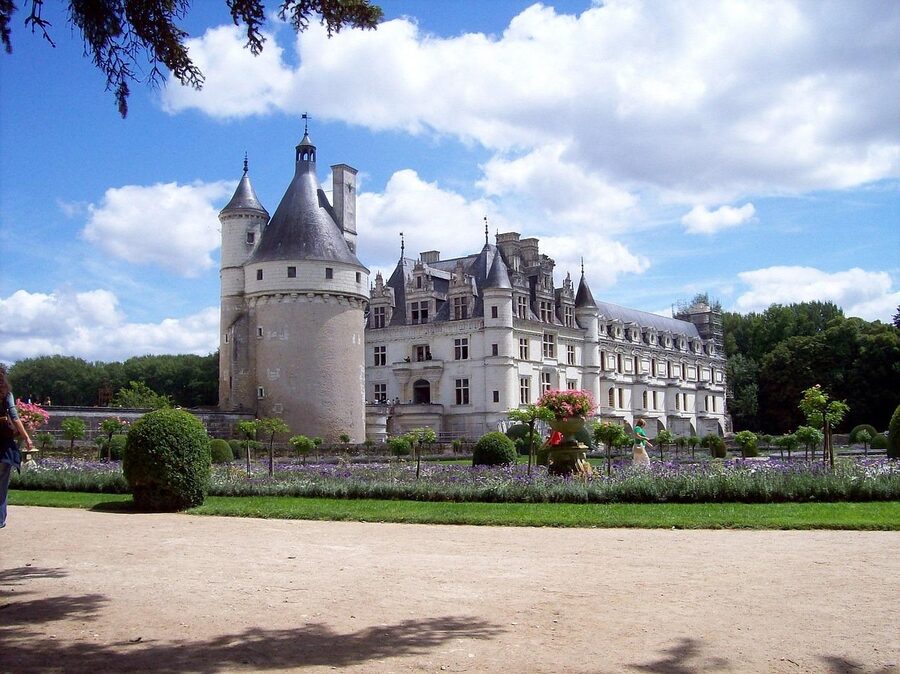
The thing you need to know about Chenonceau is that it was built and shaped almost entirely by women. Catherine Briçonnet supervised construction in 1513. Diane de Poitiers, Henri II’s mistress, took it as a royal gift in 1547 and added the bridge across the Cher. Catherine de’ Medici, Henri’s wife, threw Diane out after Henri died in 1559 and turned the bridge into the great gallery you see today. Louise of Lorraine wore black mourning here for eleven years after her husband Henri III was assassinated. The locals call it le château des dames. It earned the name.
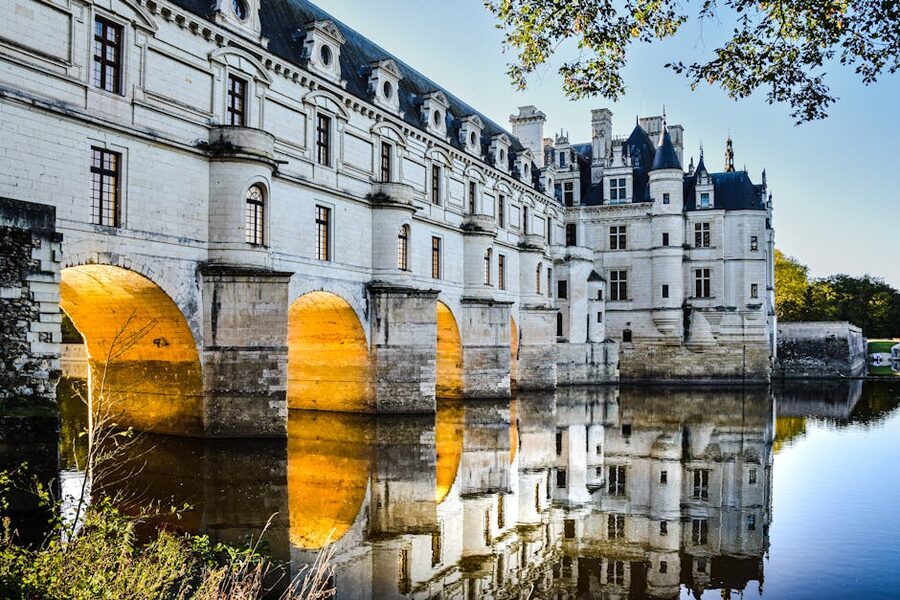
The visit takes 90 minutes if you move steadily. You enter through the long avenue of plane trees, cross the formal gardens, and approach the entrance from what was historically the back. The architectural showpiece is the gallery, the 60-metre vaulted hall on top of the bridge, with checkerboard floors and tall windows down both sides looking onto the river.
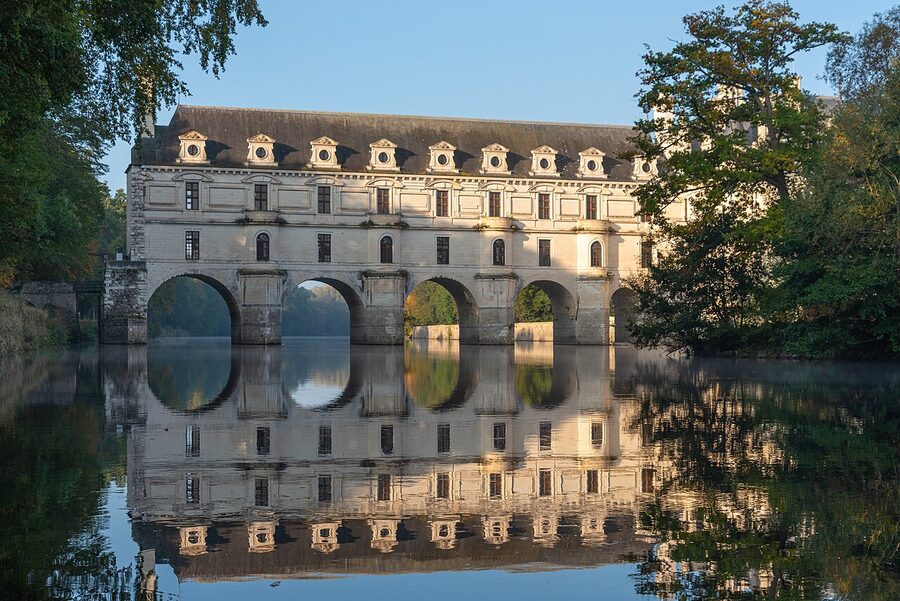
Walk slowly through the gallery. Look out the windows on both sides, because the view is different upstream and downstream. The downstream side is the wider, lazier Cher with willows. The upstream side is narrower and stonier. During World War II, this was the demarcation line between Vichy France and Nazi-occupied France. Resistance members crossed Chenonceau’s gallery to get from one side to the other. You’re walking, in literal architectural terms, on the actual border. The room placards mention this almost in passing. It deserves a longer pause than most groups give it.
The kitchen wing in the bridge piers is the quirky part. They built a working kitchen inside the structural support, with a butcher’s room, a pastry kitchen, a vegetable larder, and a service door directly onto the river so they could load supplies straight from a boat. It’s the only château kitchen in France actually inside the river. Take five minutes for the kitchens, they’re often skipped and they’re the most human part of the building.
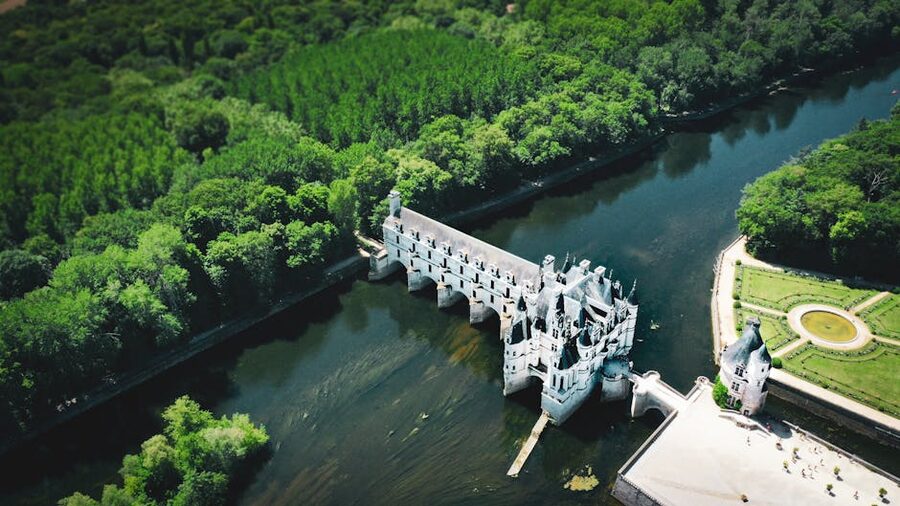
Outside, the two gardens are the rivalry. Diane de Poitiers laid out the bigger one, on the left as you face the building. Catherine de’ Medici built her own (smaller) garden on the right after she took the place back. Two women’s gardens flanking the same entrance, both still planted in their original geometric pattern. If you have time before the coach leaves, walk Diane’s. The gravel path along the river edge is where the photograph everyone takes ends up coming from.
What you skip on a day trip, and why it hurts
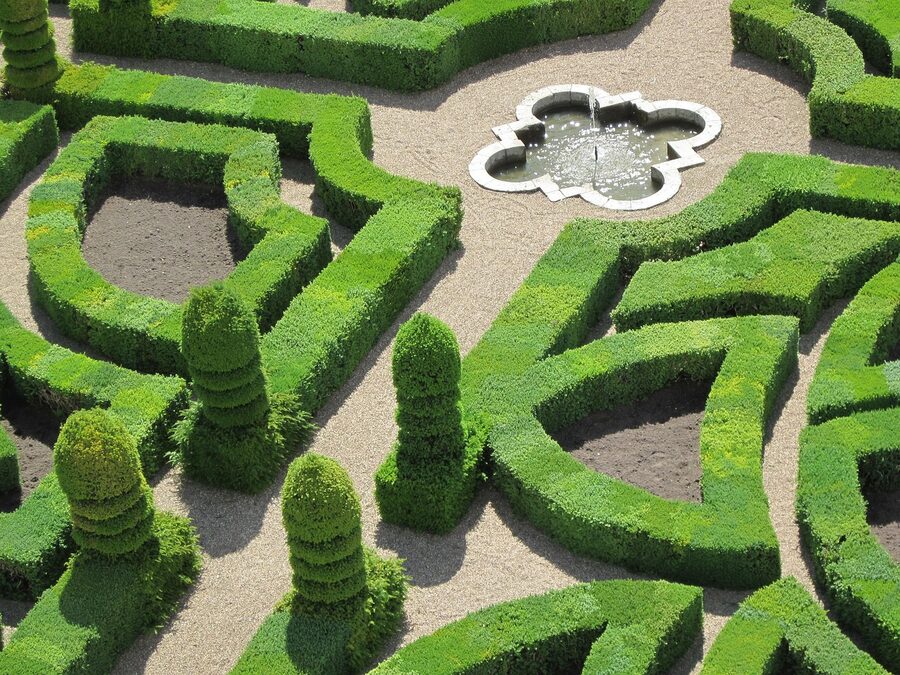
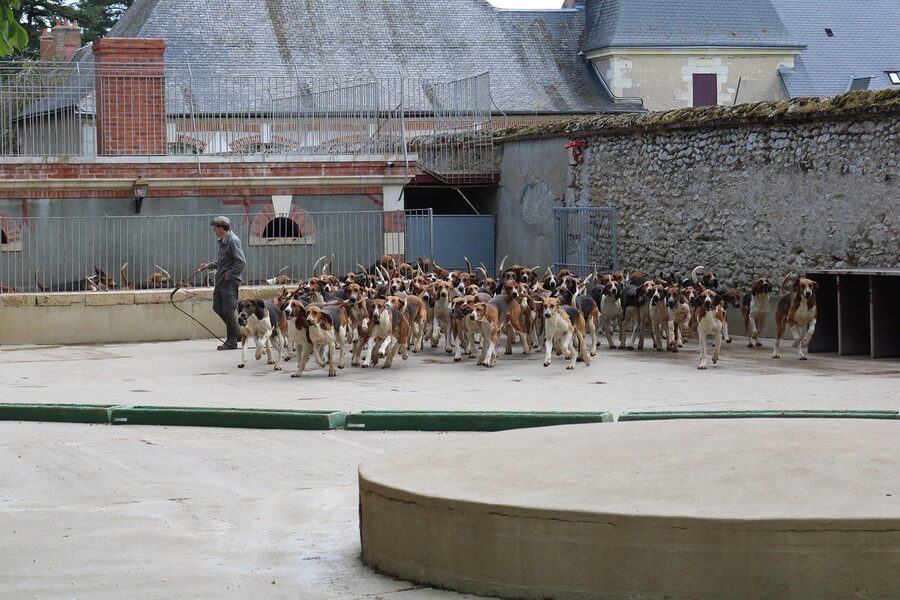
You don’t see Villandry’s gardens on a day trip from Paris. You don’t see Amboise or Da Vinci’s tomb at the Saint-Hubert chapel. You don’t see Cheverny’s hunting kennels and the Tintin reference rooms. You don’t see Chinon, where Joan of Arc met the Dauphin in 1429, or Sully-sur-Loire on the eastern boundary of the UNESCO zone. You don’t taste Sancerre or Pouilly-Fumé in their home villages. You don’t bike the Loire à Vélo path. You miss six of the eight things that make the region the Loire Valley.
This is fine if you’re a one-day-from-Paris visitor and you’ve got a Mont Saint-Michel day and a Versailles day and a Giverny day on the same itinerary. The Loire is the most rushed of the four because the distances are the longest. Versailles is bigger than the Loire’s biggest castle and it’s 25 kilometres from central Paris. The Loire is many palaces spread over 280 kilometres, which means the comparison breaks: Versailles is one place that takes one day. The Loire is many places that take many days, and if you only have one day, you’re seeing fragments. The same multi-stop rhythm shows up in the Zaanse Schans circuit outside Amsterdam, where the day-trip coach packages a windmill village, a cheese farm and a clog workshop into a single loop because no single one of them holds a full afternoon on its own.
The editorial line is that a one-day Loire trip is a reasonable taster. It’s not the right way to see the region. The right way is two or three days based in Tours or Amboise with rented bikes or a car, four to five castles, a winery, and a slow lunch in a village.
The two-day version, if you can
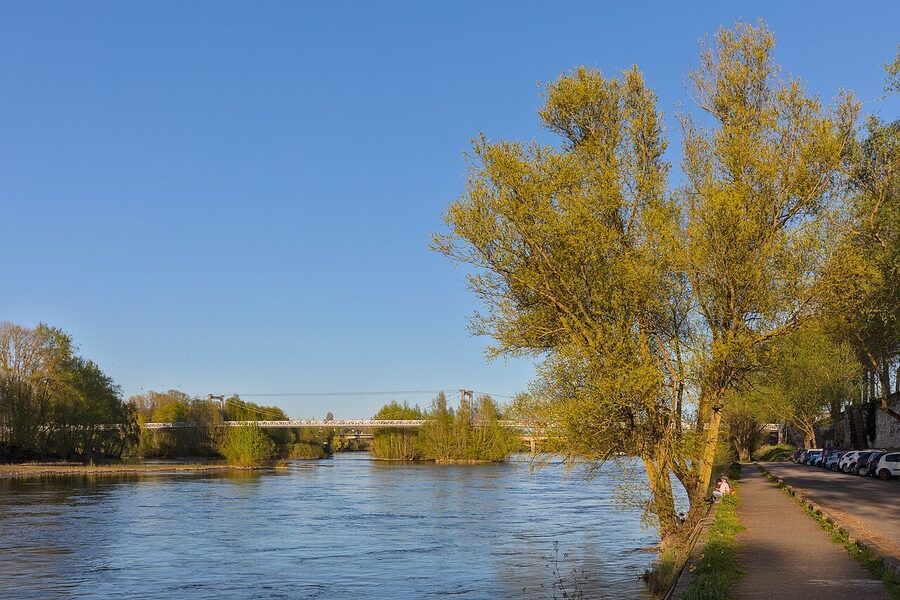
If you have two days, the simple version is: TGV from Paris-Montparnasse to Tours Saint-Pierre-des-Corps, 1h25, around €20-50 if you book in advance. Pick up a rental car at the station (€50-80 per day, automatic transmissions in short supply, book ahead) or take the dedicated shuttle service to Amboise. Stay in Amboise or Tours, two nights, around €80-150 per night for a decent hotel.
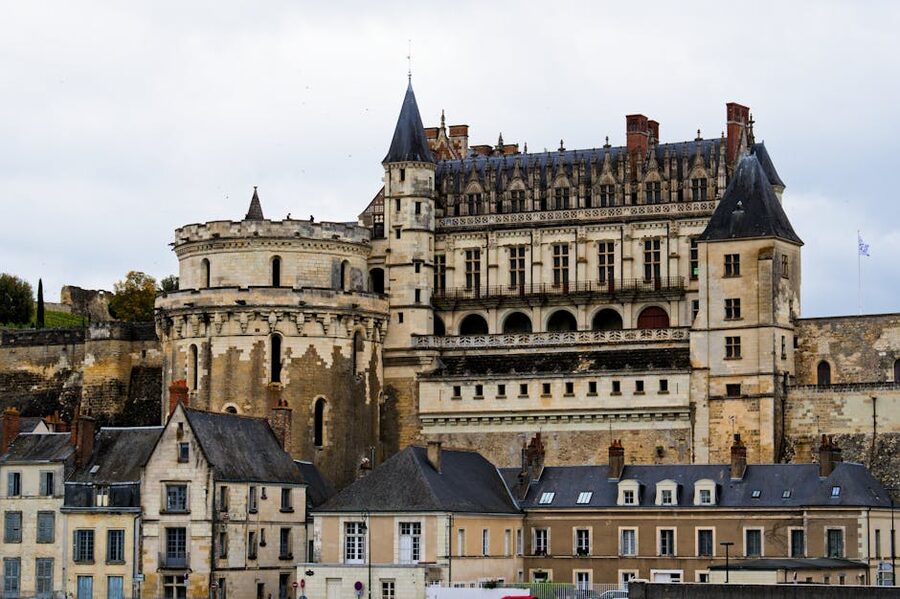
Day one in two-day mode: Chambord in the morning, Cheverny early afternoon, drive back via Blois with a stop at the château. Day two: Amboise (the royal château and the Da Vinci tomb), Clos Lucé (Da Vinci’s last home), then Chenonceau in the late afternoon when day-trippers from Paris have left. That’s five châteaux instead of two, with proper time at each, and you sleep in a Renaissance town instead of a coach.
The three-day version adds Villandry’s gardens, Azay-le-Rideau (the moated water-castle), and a wine half-day in Vouvray or Chinon. That’s the real Loire experience and it’s the version I’d recommend if anyone asked. But the brief here is the day trip, so we move on.
The Da Vinci footnote that the day trip skips
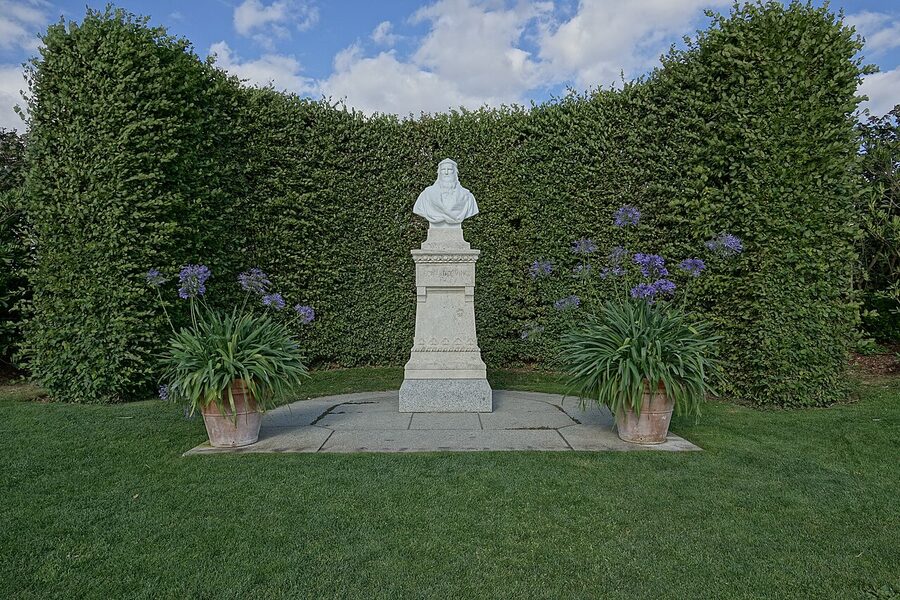
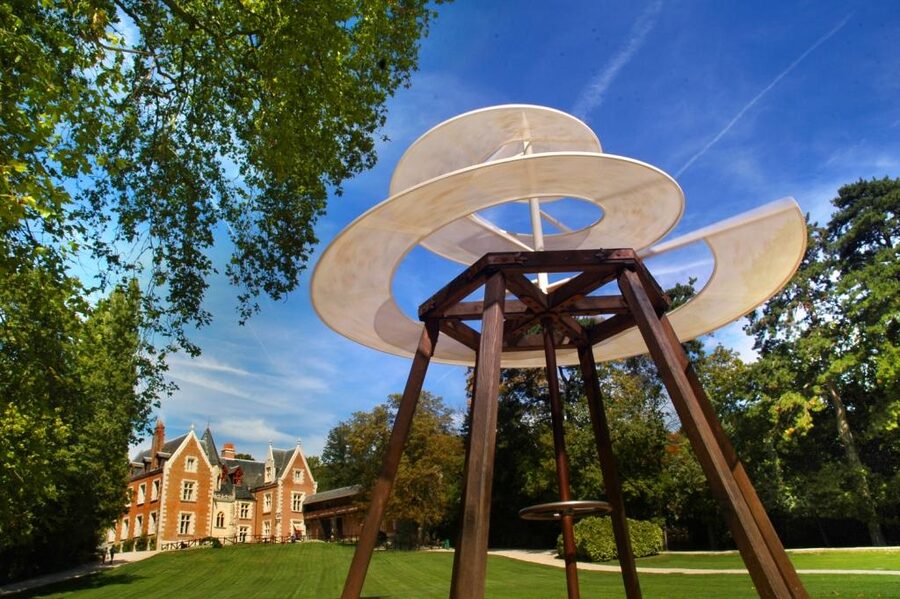
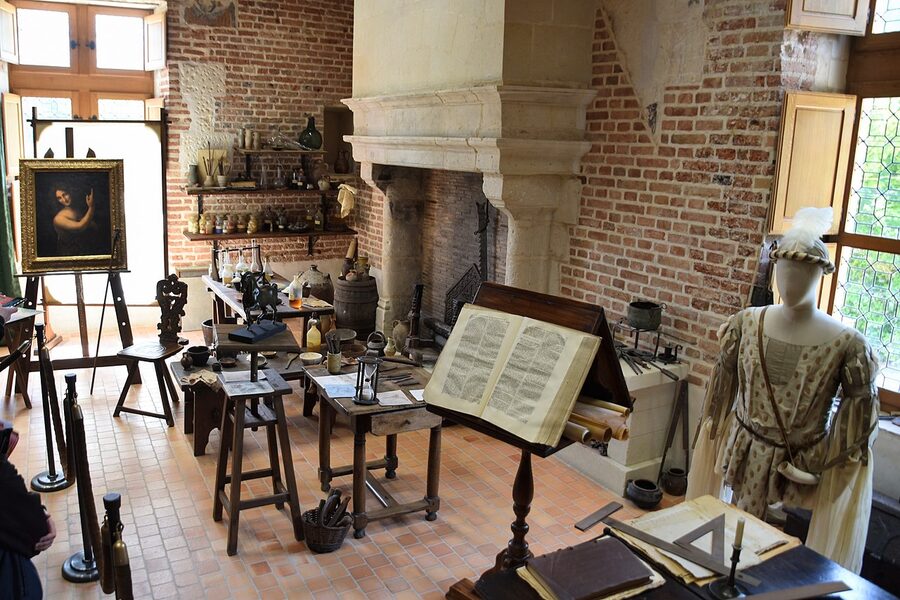
Leonardo da Vinci spent the last three years of his life in Amboise, in a small manor called Clos Lucé, 400 metres from the royal château. François I had brought him over from Italy in 1516 with the title of Premier peintre, ingénieur et architecte du Roi and a stipend, and the king reportedly walked the connecting tunnel from the château down to Clos Lucé to visit. Da Vinci died there on 2 May 1519, the same year Chambord was begun. He brought three paintings with him from Italy. One of them was the Mona Lisa, which is why the Mona Lisa is now in the Louvre and not in Florence.
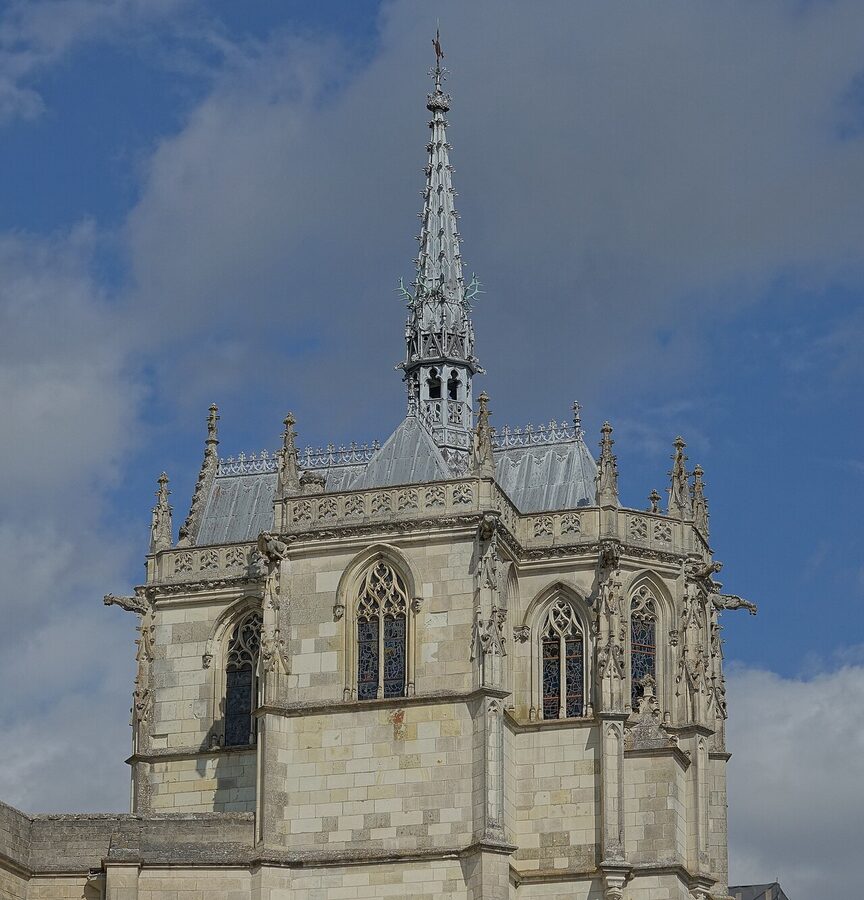
His tomb is in the Saint-Hubert chapel at the royal château of Amboise, on the bluff above the town. The chapel is a beautiful late-Gothic structure, the only surviving original part of the medieval royal château. The tomb is a black marble slab with a Latin inscription. It’s a 19th-century reconstruction (the original tomb was destroyed during the Revolution, the bones lost) but the chapel itself is real and Da Vinci’s bones are presumed to be among the remains rediscovered in 1863 and reinterred there.
None of this is on a one-day Paris-Loire itinerary. Amboise isn’t on the standard Chambord-Chenonceau route. It’s the strongest argument for either coming back overnight or, if you’re in Paris and going to one Da Vinci-related thing, prioritising Giverny and Monet’s house for an artist-residence day trip and saving Amboise for a future Loire-specific trip.
Best months
May and early June are the best months. The countryside is bright green, the gardens are at peak bloom, the days are 16 hours long, and the Paris school holidays haven’t kicked in yet. June 15-30 also works. The same May-window logic governs Keukenhof outside Amsterdam, where the tulips peak between mid-April and mid-May and the place essentially closes for the year by 15 May. July and August are crowded everywhere and the Loire heats up to 30+ degrees, which kills the pleasure of walking grounds.
September is the second-best window. The wine harvest happens late September into early October, the autumn light is the cleanest of the year, and the temperatures drop into the comfortable 18-22 range. Many châteaux run special harvest-season programming. Vouvray and Sancerre cellars are at their busiest but most welcoming.
April is gambleable. The châteaux are open, the prices and crowds are low, but the gardens haven’t bloomed yet and the weather is genuinely unpredictable. October works for the same reasons as September minus the harvest energy. November through March: most châteaux still open, gardens dead, light short, crowd density nearly zero, and the photographs of stone-only-no-greenery have a different beauty if you go for that. The day trips run year-round and are markedly better value off-season.
Coach tour, train, or rented car
If you’re set on the day-from-Paris format, a coach tour is the right choice. Door-to-door pickup, narrated transit, lunch booked, parking and ticket logistics handled, you don’t have to think about anything. The coach also lets you nap the two hours back to Paris, which matters when you’ve been on your feet since 07:30. The flagship GetYourGuide and Viator products both follow the same script with minor differences in the wine stop, the lunch venue, and the group size.
Doing it by train is technically possible but operationally clumsy. Paris to Saint-Pierre-des-Corps in Tours takes 1h25 by TGV. Then you need a connection to Onzain (for Chambord, 25-minute taxi from there) or Chisseaux (for Chenonceau, walking distance). The connection windows don’t line up and you’ll spend more time on platforms than at castles. The train works for an overnight stay in Tours, not for a day trip.
Renting a car from Paris isn’t worth it for a day trip. Paris drop-and-pick is expensive, traffic out of the city eats your morning, and parking at Chambord is fine but doing the whole driving day yourself is exhausting after the wine tasting. Rent the car at Tours station if you’re staying overnight, not at Charles de Gaulle.
For solo or couple travellers on a tight budget, the GetYourGuide flagship at $104 with the wine tasting is the cheapest viable option and the most reviewed. For families or groups of three or more, the Viator Chenonceau-Chambord premium tour at $160 starts looking sensible because the per-person economics get less brutal with kids and you get a smaller group. For oenophiles who specifically don’t want the standard Vouvray cellar, book the chateau-only $127 GetYourGuide and arrange your own tasting in Tours after dinner.
What’s actually included, what isn’t
The standard from-Paris coach tour includes round-trip transport, an English-speaking guide on board, château entry tickets at both stops, a lunch (sometimes drinks-included, sometimes drinks-extra, check the listing), and the wine tasting if it’s the wine version. It does not include tips for the guide or the driver (€5-10 per person is standard), or any souvenirs or extra wine purchases.
The lunch is usually a fixed three-course menu at a regional restaurant. It’s adequate. If you have dietary restrictions, mention them when you book and confirm with the guide on the morning of the trip. Vegetarian options exist. Vegan and gluten-free are harder, the regional cuisine is heavy on rillettes, butter, and wheat-based pastry.
The audio guides at Chambord and Chenonceau are included with your château ticket. They run about 2 hours each if you listen to everything. You will not have 2 hours each. Skim the introductory chapters and the marquee rooms.
Mistakes I see people make
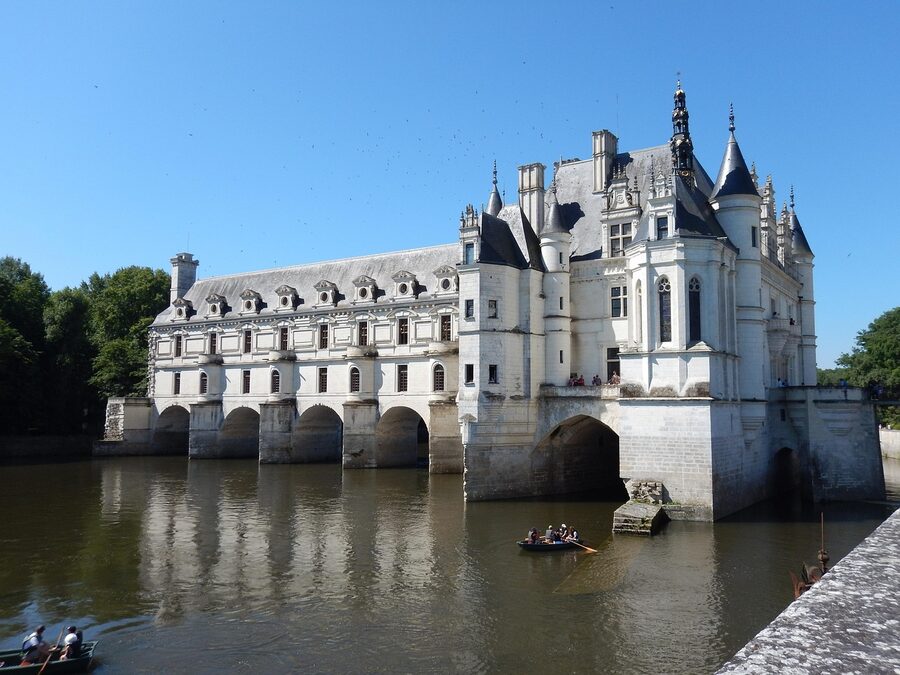
The standard mistake is thinking the photograph you want is from inside the château. It isn’t. The famous Chambord shot is from across the moat with the towers reflected in water, which means you need to walk five minutes from the entrance to the gardens edge. The famous Chenonceau shot is from the Cher’s south bank, looking back at the bridge, which means crossing the gallery, walking down the south-facing lawns, and turning around. Build five minutes for each into your visit.
Don’t bring a roller suitcase. Coaches handle it but you’ll be carrying it across gravel and up castle staircases for 30 seconds at a time and it gets old. A small day pack is what you want. Layers, because the châteaux are stone and cold even in summer. Comfortable shoes, because you’re standing on stone floors for 4 hours total. Sunscreen for the gardens. A water bottle (refill points exist, the tap water is fine).
Don’t try to take photos in the dim interiors. The lighting is intentionally low for conservation and your phone will blow up the highlights and lose the detail. The official photos in the gift shop are €4-6 and they’re done by professionals with proper lighting. Save your camera for the exteriors and the rooflines.
Don’t book a “9 châteaux in 1 day” tour or anything that promises four or more castles. The driving alone makes it impossible. Anyone who pitches you nine châteaux in a day is selling you nine parking lots.
Don’t expect WiFi on the coach. Some have it, most don’t, and the rural sections are 4G black holes anyway. Download podcasts or your audiobook before you leave Paris.
Don’t drink at the wine tasting if you’re sensitive to mid-day alcohol. Three small pours of decent Vouvray is more wine than it sounds when you’ve been up since 06:30 and you’ve got two hours of coach to nap through. Or do drink and do nap, the choice is yours. Just know which one you’re picking.
Where this fits in a Paris-and-around itinerary
If you’re spending a week in and around Paris, the Loire works as one of three or four day trips. The natural set is: Versailles on the morning after you arrive (it’s 25km away and you can pace it gently), Giverny on a half-day (May-October only, the gardens are the point), Mont Saint-Michel on its own long day (it’s the longest of the four, 3h drive each way), the Loire as the fourth long day. Squeeze in Normandy and the D-Day beaches if you have a fifth day for travelling.
Inside Paris itself, the Loire pairs naturally with the Louvre (because the Mona Lisa came from Amboise) and with Sainte-Chapelle and the Conciergerie on Île de la Cité (because Sainte-Chapelle is the same generation of medieval royal architecture that the Loire châteaux replaced, you can see the before and after). A morning at the Louvre standing in front of the Mona Lisa, then a day in the Loire seeing where Da Vinci spent his last three years, is a strong itinerary spine.
The three I’d actually book
1. Loire Valley Castles Day Trip With Wine Tasting from Paris: $104
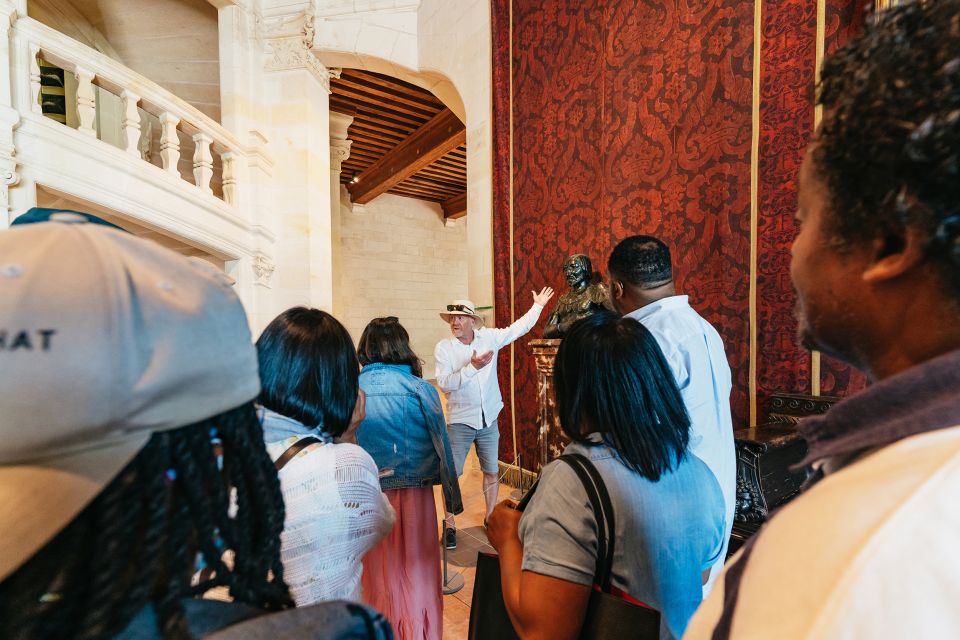
This is the right pick for the standard one-day Loire experience, the two famous castles plus a regional lunch and a Vouvray tasting on the way back. Our full review walks through the meeting point, the lunch venue, and the wine list. The guides who run this route know the buildings cold and they pace the day so the photographs work.
2. Loire Valley Castles Trip With Chenonceau and Chambord from Paris: $160
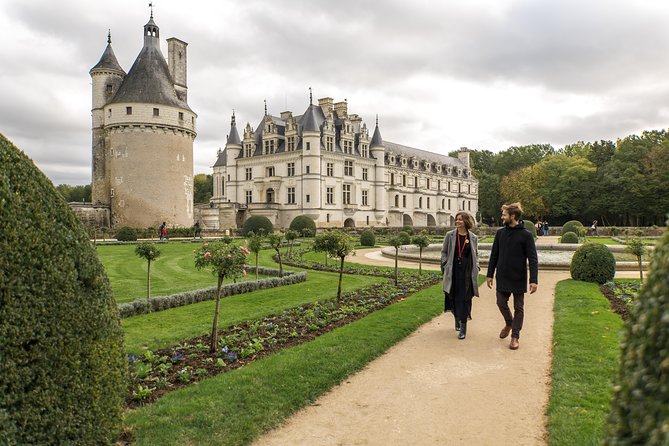
The price difference buys you a smaller coach, more legroom, and a longer wine tasting at a serious estate; our review walks the trade-off. The lower star average is the kind of gap you usually see when bigger expectations of a premium tour are harder to meet, not when the experience itself is worse.
3. Full-Day Loire Valley Chateaux Tour from Paris: $127
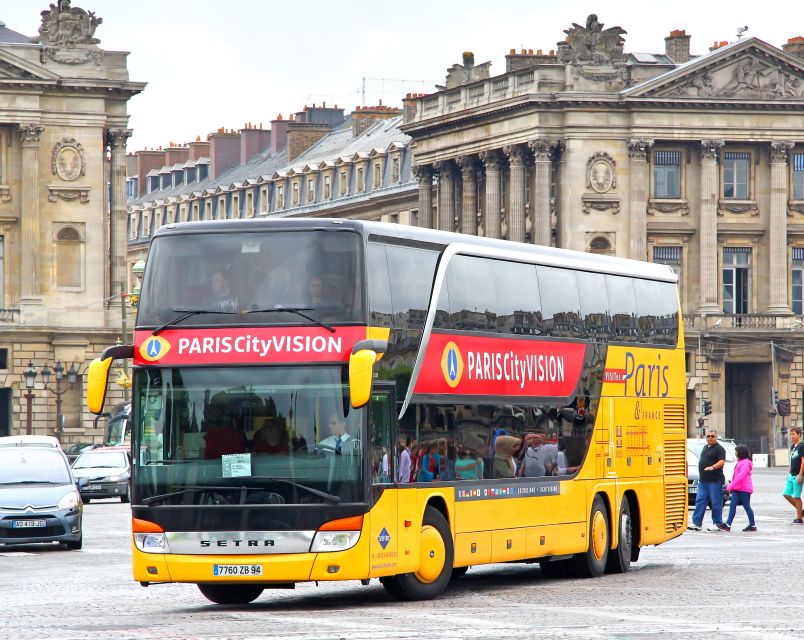
Pick this if you don’t drink, or if you want maximum chateau time; the review covers the meeting point, the bus comfort, and the lunch venue. Feedback skews positive on the longer chateau time and slightly negative on the lunch food, which lines up with the editorial line on these tours generally.
Castles further afield, if the Loire bug bites
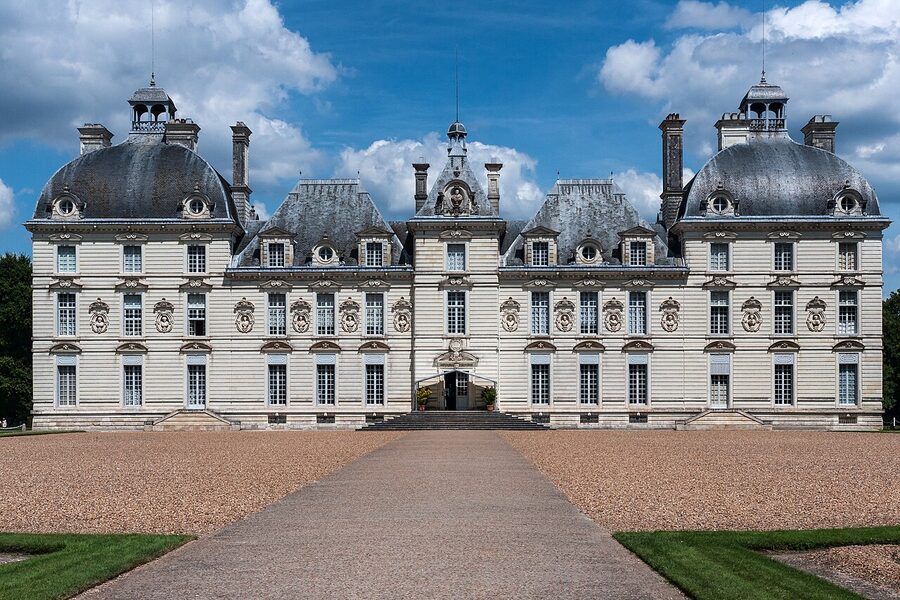
If the Loire works for you and you want more aristocratic-residence-on-water energy after, the natural extensions are inside France and across the border. Versailles is the big one and the obvious comparison. Versailles is bigger than any Loire castle but it’s one palace. The Loire is many palaces spread along a river. Different scales, different stories. The Loire is the kings before they were absolute. Versailles is the king once he was.
In Italy, the closest parallel is the Borromean Islands on Lake Maggiore, where the Borromeo family built palaces on three islands the way the Valois built châteaux along the river. Same idea, different geography, narrower scope. Lake Como from Milan is the Italian answer to a Loire day trip in the broader sense, an aristocratic landscape with palaces along the water that you visit by boat instead of coach.
In Spain, the Nasrid Palaces inside the Alhambra are the closest cultural parallel to the great Loire châteaux, fortress walls outside, intimate human-scale courts inside, gardens with running water, the same trick of softness inside hardness. The Alhambra is older and Moorish but the spatial logic rhymes. Montserrat from Barcelona and Segovia and Ávila from Madrid are the Spanish day-trips-from-capital that work the same way the Loire-from-Paris does.
For more day trips on the same Paris pattern, Normandy and the D-Day beaches and Mont Saint-Michel are the other two big regional anchors. The Seine cruises and the Orsay’s Impressionist galleries stay inside Paris if you want a slower day instead. Toledo from Madrid is the Spanish day trip whose pattern most closely matches a Loire day, dense historic content, multiple sites, a guide who actually knows the period.
Closing
The pitch on the Loire day trip is straight. You see two castles. You eat one decent regional lunch. You taste one round of Vouvray. You spend roughly nine hours on a coach and four hours on your feet inside buildings. You come back to Paris with the photographs everyone takes and a sense of what the region looks like.
The pitch you should make to yourself is whether two days based in Tours is doable instead. If it is, do that. If it isn’t, the day trip is fine, and the Chambord-plus-Chenonceau pairing booked through GetYourGuide is the version that works.