
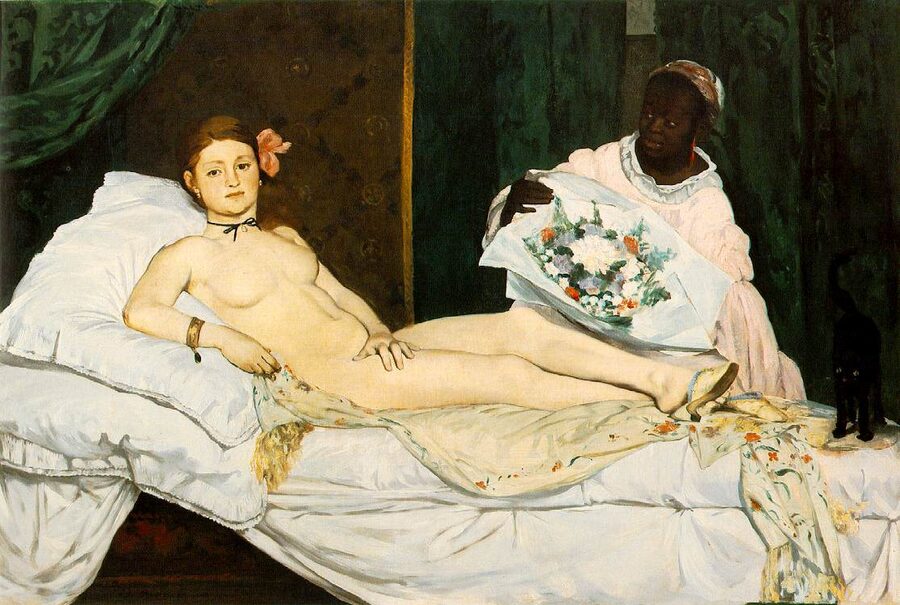
You walk into Salle 14 on the fifth floor and there she is on the long wall, lit straight on, the same Olympia who got Édouard Manet booed and threatened with a walking-stick at the 1865 Salon. She stares back. The black ribbon at her throat, the bouquet from the unseen client, the maid in the back. The painting that, more than any other in the building, is the line where the nineteenth century stops being polite about itself and modern art starts.
The Musée d’Orsay opens at 09:30. Most people show up at 10:30, hit a queue, and end the visit on level 5 with sore feet and a head full of Monet. The smarter visit walks in cold at 09:35, goes to ground level first, then up to 5, then loops back through the middle. That’s the order this guide is built around.
In a Hurry
- Orsay Museum Entry Ticket ($15). The cheap, fast, no-frills entry. Pick this if you’ve read about the paintings already and just want a timed slot.
- Entry and Digital Audio Guide ($31). The audio app on your phone, 300+ works in 13 languages. Pick this if you want commentary but don’t want to walk with a guided group.
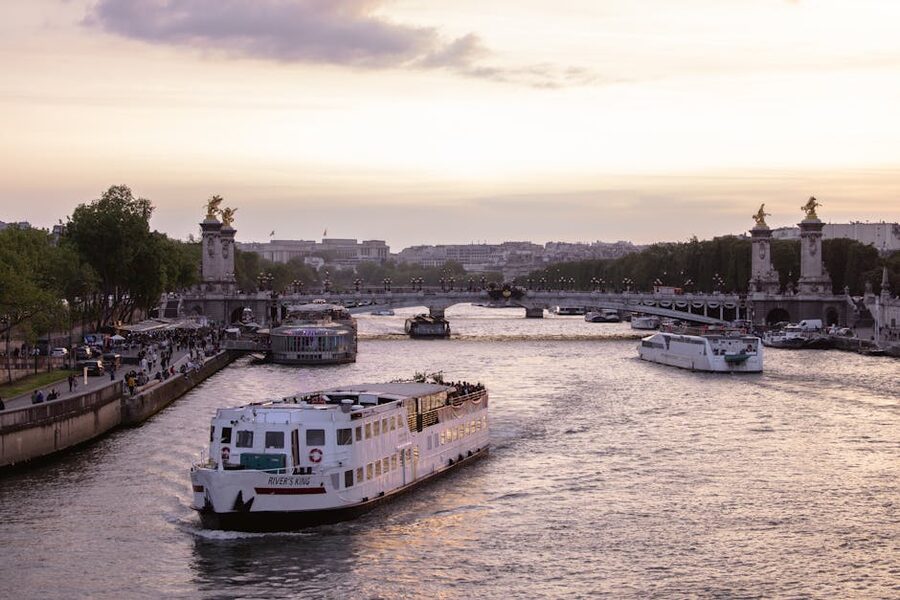
- Entry and Seine River Cruise ($49). Orsay plus a one-hour boat. The museum sits directly on the embankment, so it actually makes geographic sense.
Why Orsay before the Louvre
Most first-time Paris visitors do the Louvre first because it’s the most famous museum in the world, then squeeze Orsay in on day three when they’re already tired. That’s backwards. The two museums work as a single chronological collection split between two buildings. The Louvre stops at 1850. Orsay starts at 1848 and runs to 1914. Together they cover everything from medieval altarpieces through to the eve of the First World War. L’Orangerie picks up Monet’s late Water Lilies in the 1900s. Pompidou takes over for the twentieth century. Four museums, one continuous timeline.
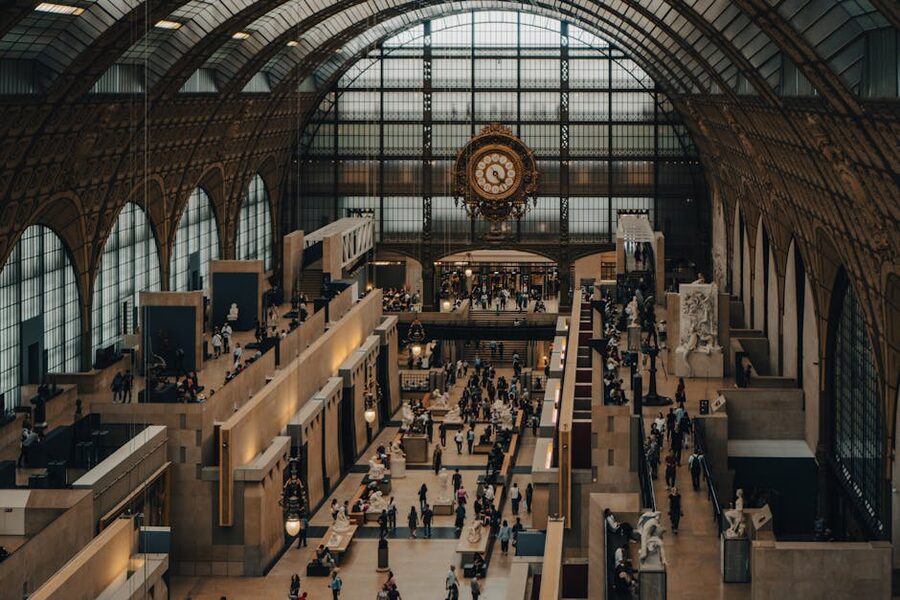
If you only have time for two of them, Orsay is the more rewarding visit. The Louvre is enormous, scattered, and built around a small handful of greatest hits with a six-deep crowd around each one. Orsay is dense and walkable in three or four hours. The famous works are concentrated on a single floor. And the building itself is the better experience. The Louvre is a former royal palace; Orsay is a former railway station.
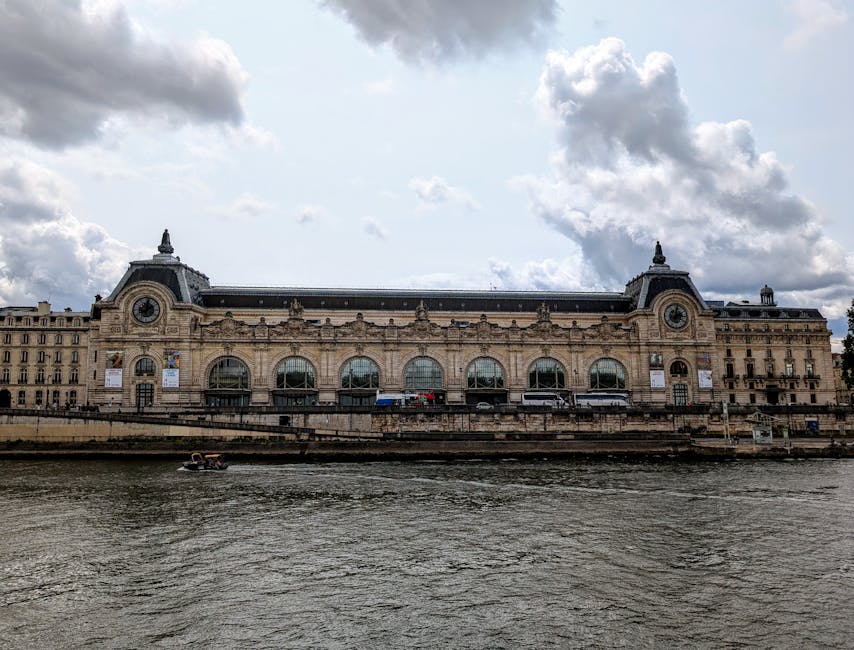
The building you’ve walked into
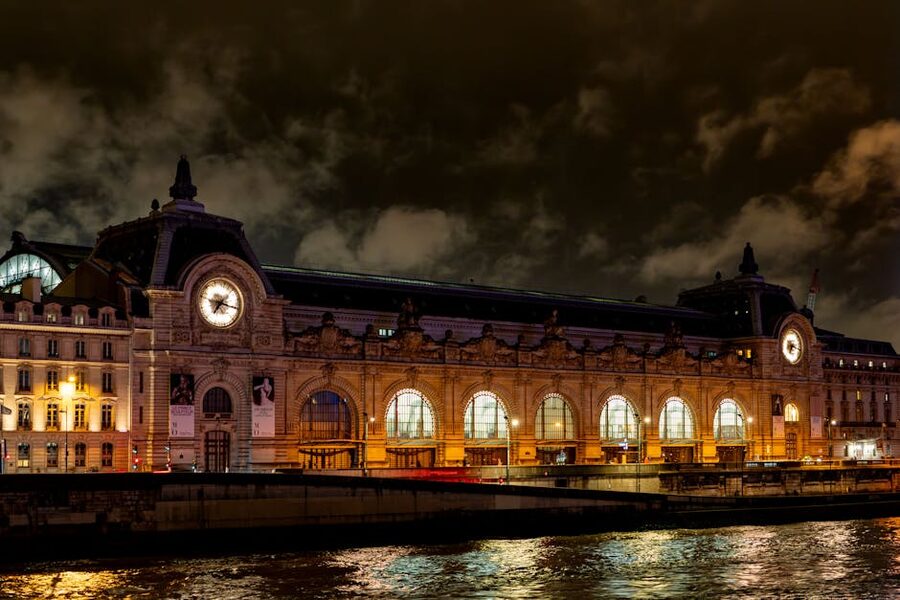
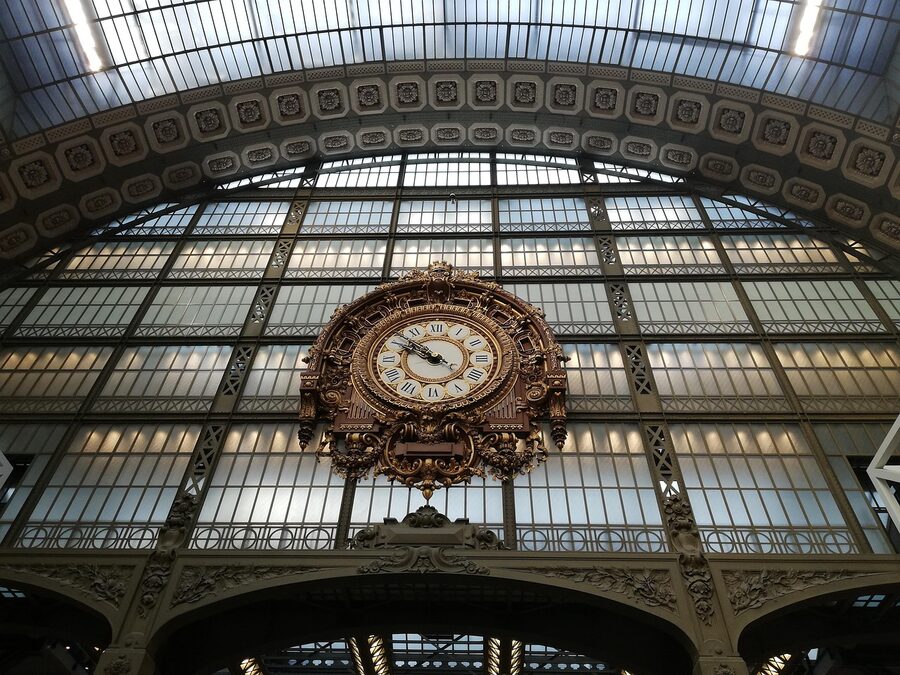
The Gare d’Orsay was built in two years for the 1900 Exposition Universelle. The architect Victor Laloux ran a perimeter of fashionable Beaux-Arts stone over what was, structurally, a steel-and-glass railway shed. Eighty-two metres of platform, sheltered under a 32-metre vault. By 1939 the platforms were too short for the longer trains that had come into service, and intercity service was discontinued. For decades afterwards the building was used as a parcel depot, a film set (Orson Welles shot most of The Trial here in 1962), and an auctioneers’ room. In the 1970s a hotel chain wanted to demolish it and put up a slab tower. A national outcry, plus a sympathetic president, saved it.
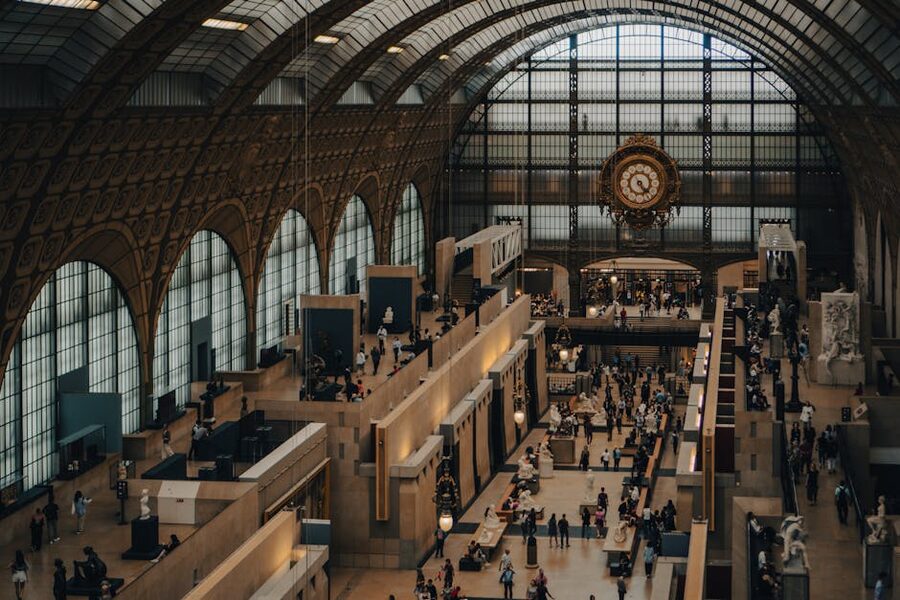
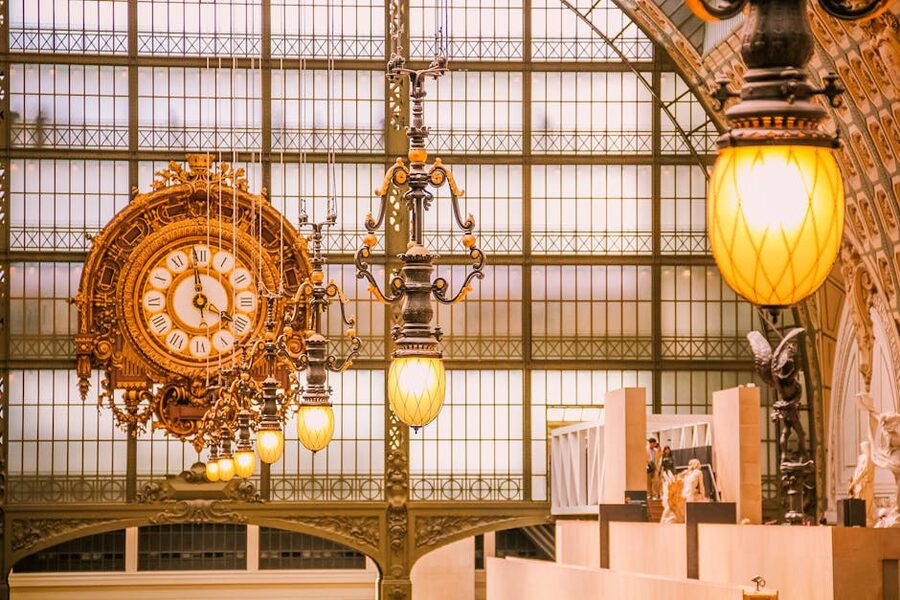
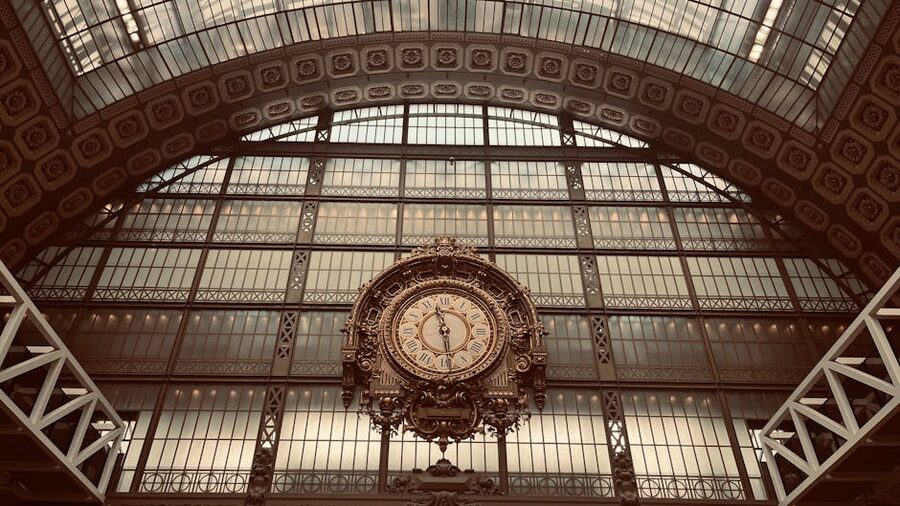
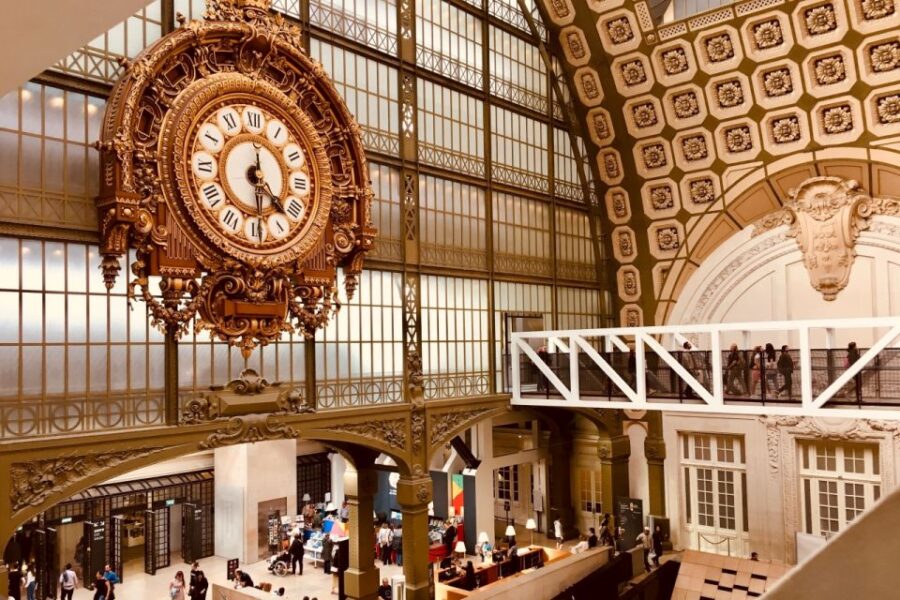
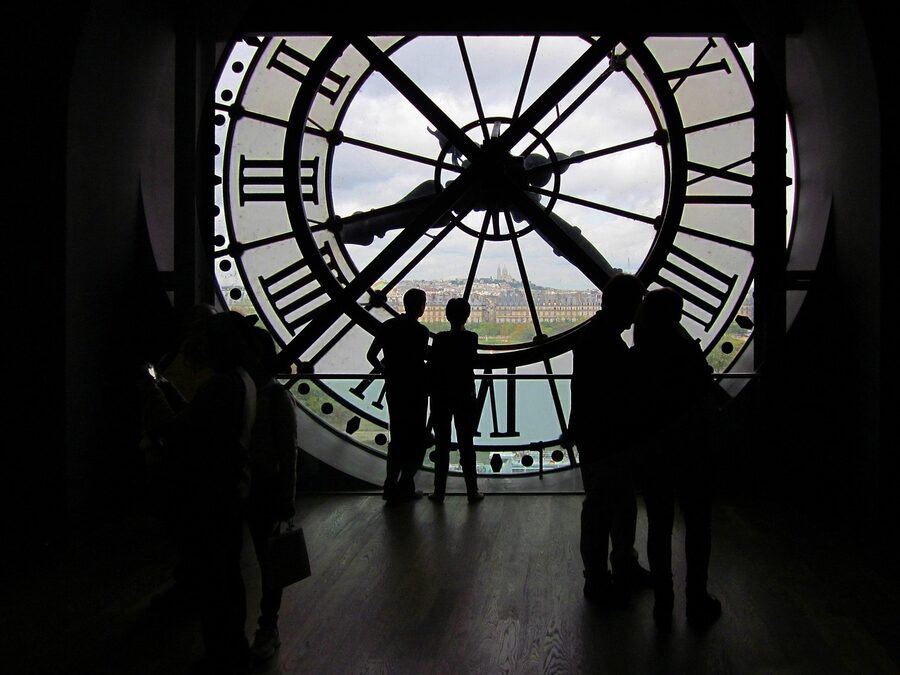
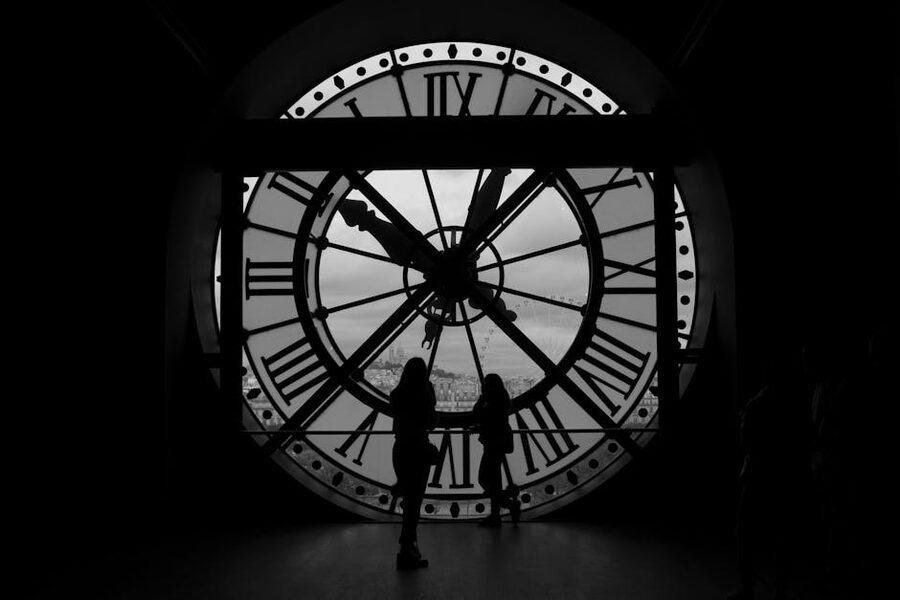
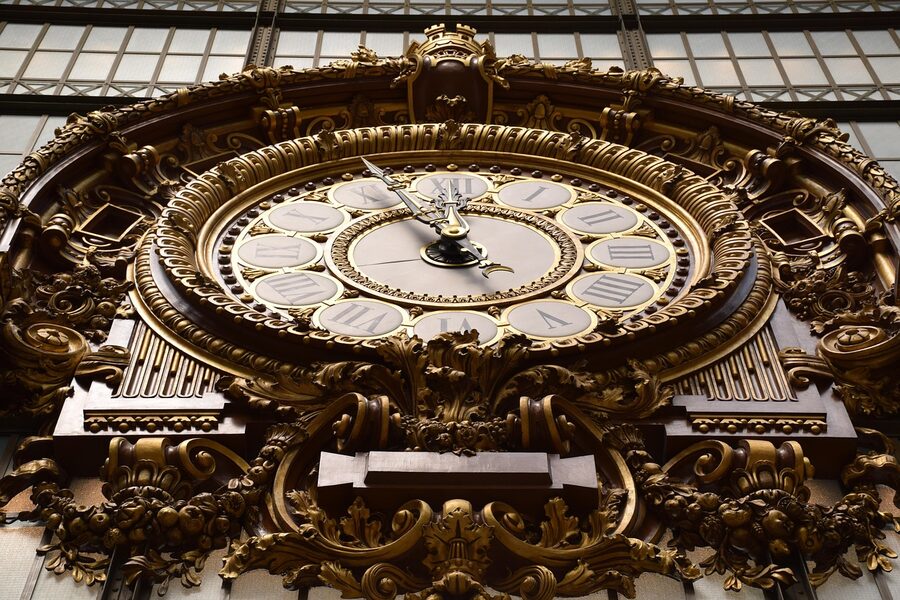
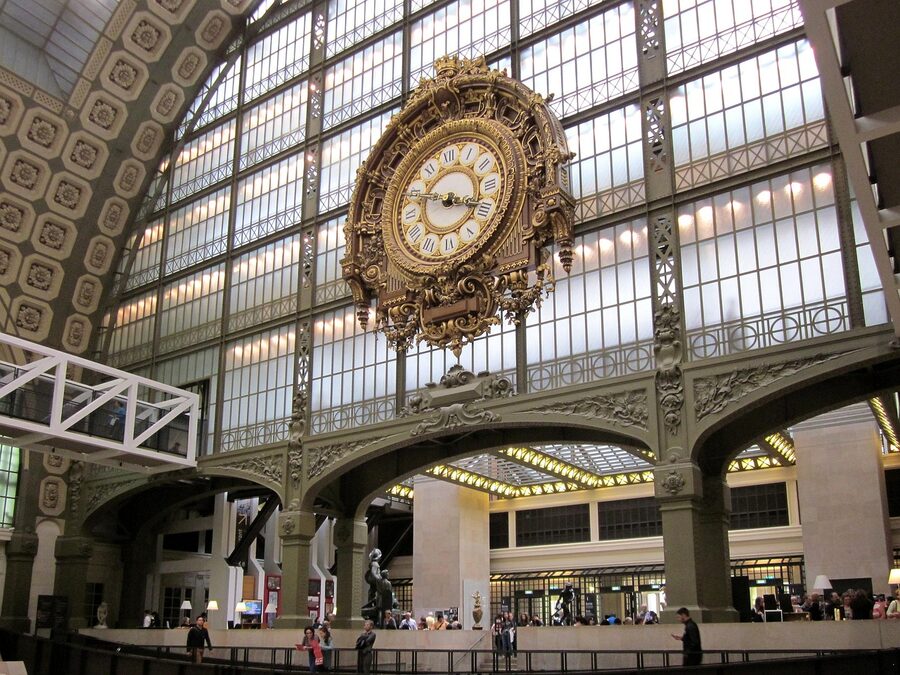
The conversion to a museum took six years. The architect Gae Aulenti kept the steel arch of the train hall and dropped a stone-clad spine of galleries down the centre of the nave. The result is one of the most beautiful museum interiors in Europe. You walk in under a 32-metre vault. The painted ceiling rosettes are the original 1900 plasterwork. The two enormous clocks at either end are the original station clocks. The famous one, on the western end behind the Café Campana, is the photograph everyone takes from inside the museum.
The order to walk it: 0, then 5, then middle, then out
If you only do level 5 you miss the whole point of the place. Level 5 is where Manet, Monet, Renoir, Degas, Cézanne and Van Gogh live. It’s also where every single tour group goes first and stays for two hours. The hard truth is that the Impressionist gallery makes more sense, hits harder, and stays in your head longer if you do level 0 first.
Level 0 is the realist phase that came right before Impressionism. Courbet’s The Painter’s Studio. Daumier’s caricatures of Louis-Philippe. Millet’s The Gleaners. Manet’s earlier work, including Le Déjeuner sur l’herbe on level 5 but with the realist-period drawings here. The story is: by 1850, French painting was dominated by historical and mythological subjects, painted in a polished, literally academic style. A small group of painters started painting peasants and street workers and cafés instead, in a rougher style, and got laughed out of the Salon.
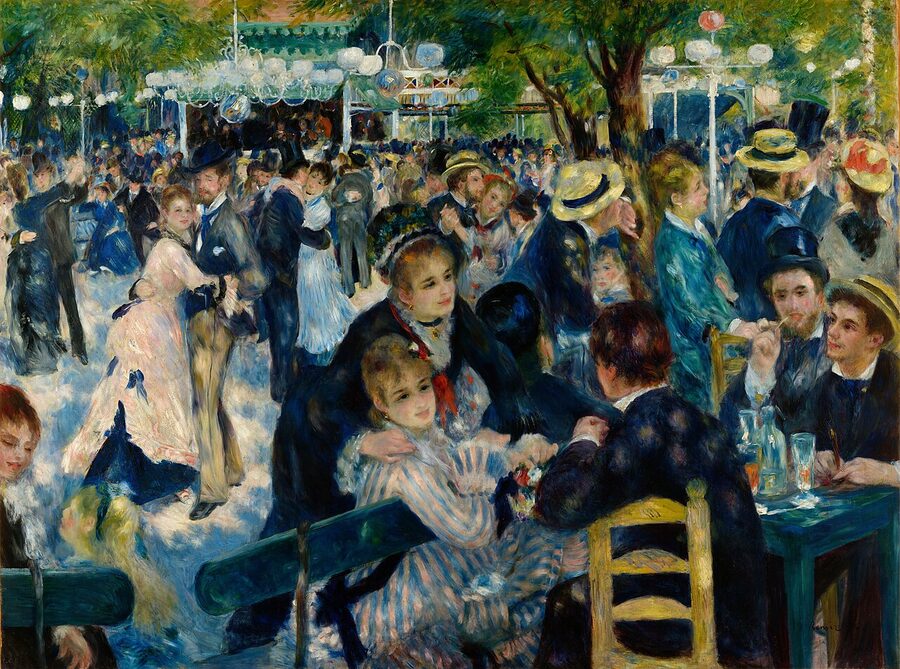
Then you walk up to level 5 already knowing the fight that’s about to be picked. Renoir’s Bal du moulin de la Galette in 1876 wasn’t just a pretty Sunday afternoon in Montmartre. It was painted at five times the scale that ordinary-life subjects were supposed to be painted at, with Salon-grade ambition, and it scandalised the critics for its sheer audacity. Same with Manet’s Olympia, painted in 1863 and shown in 1865, which deliberately quoted Titian’s Venus of Urbino and replaced the goddess with a Parisian sex worker. The painting that, in retrospect, is the one art history points at and says: this is where modernism starts.
Then loop back down through the middle floors. The middle covers Art Nouveau decorative arts, sculpture, photography, and the late nineteenth-century Symbolists. Most visitors skip these levels and miss the Bonnards, Vuillards, the Klimt loan when it’s in town, the Hector Guimard métro entrances, and the strange decorative-arts rooms with carved-wood interiors transplanted whole from private houses. The middle floors are also the quietest in the building, which on a busy Saturday afternoon is reason enough.
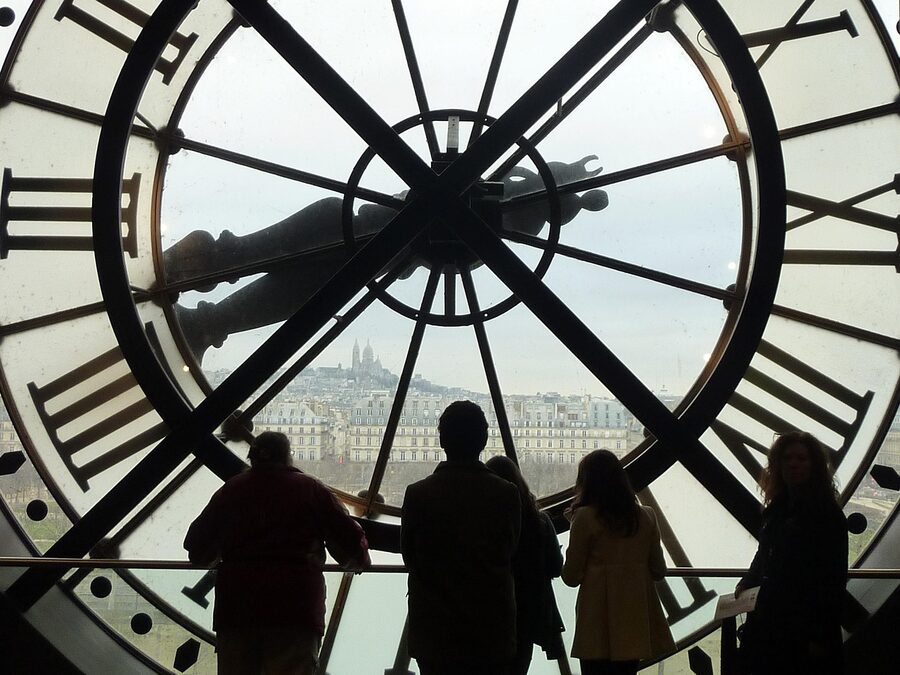
End at the Café Campana on level 5 west, sit at the window, look through the giant clock-face, and you’ll see the Tuileries gardens on the far side of the Seine and the rooftop of the Louvre beyond them. That clock view is the most-photographed museum interior in Paris. There’s a reason.
The works to plan around (and which can wait)
Orsay’s collection is roughly 6,000 paintings, sculptures, decorative-arts objects, and photographs. You’re not seeing all of them. The realistic question is which six or seven works you want to stand in front of long enough to actually look at. Here’s the short list, with where each one lives.
Olympia. Manet, 1863. Level 5, Salle 14. The painting that started Modernism. Thirty seconds is not enough. The hand. The cat at her feet. The look back at the viewer. Spend five minutes.
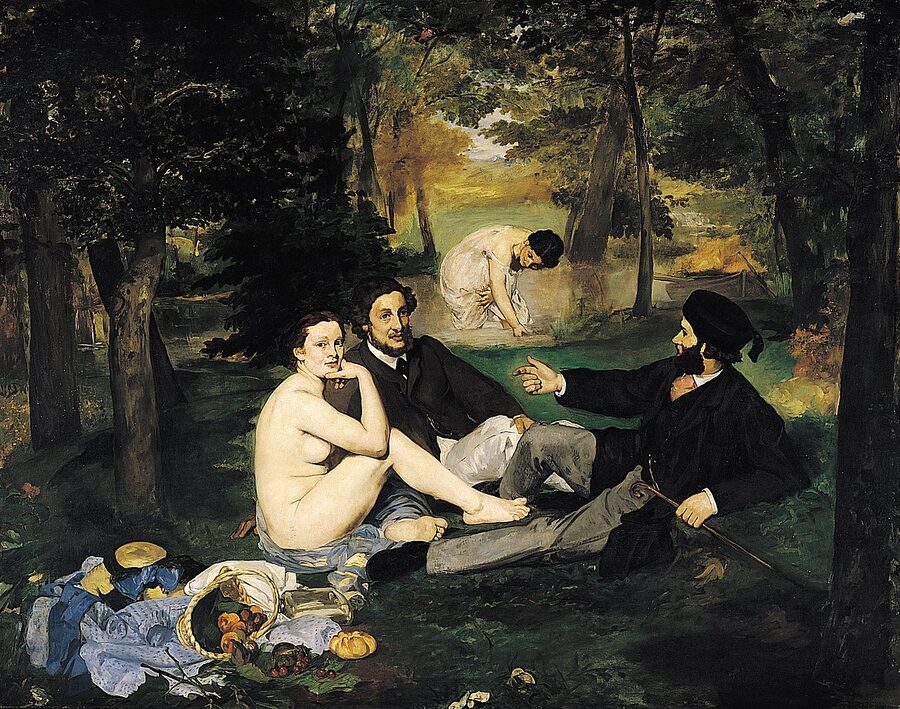
Le Déjeuner sur l’herbe. Manet, 1863. Level 5, same room. Rejected from the official Salon, shown at the Salon des Refusés (the rejected painters’ alternative), and the painting that made Manet’s reputation as the leader of the new generation. The juxtaposition of the nude woman with the two clothed men in modern dress was the scandal.
Bal du moulin de la Galette. Renoir, 1876. Level 5. The Sunday-afternoon dance scene at the foot of the Sacré-Cœur, painted in dappled light through the leaves. The patches of light on the dancers’ faces are why this painting matters. It’s pure technique solving an old problem (how to paint sunlight) in a brand-new way.
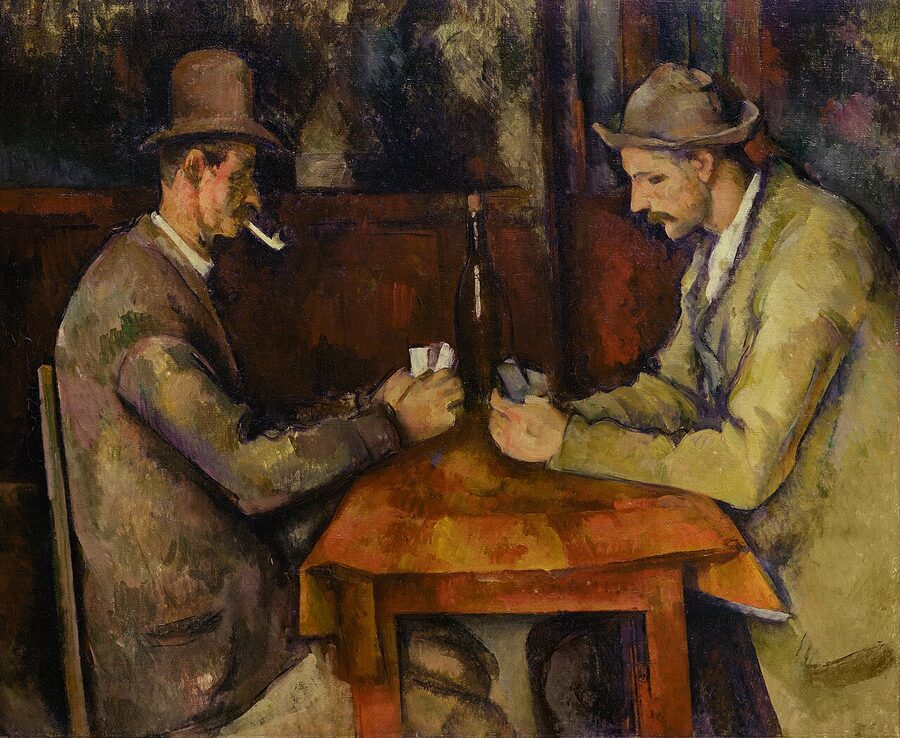
The Card Players. Cézanne, 1893–96. Level 5. One of five versions Cézanne painted of two Provençal farm workers playing cards. The other four are scattered between the Met, the Courtauld, the Barnes, and the Qatari royal family (which paid $250 million for one of them in 2011).
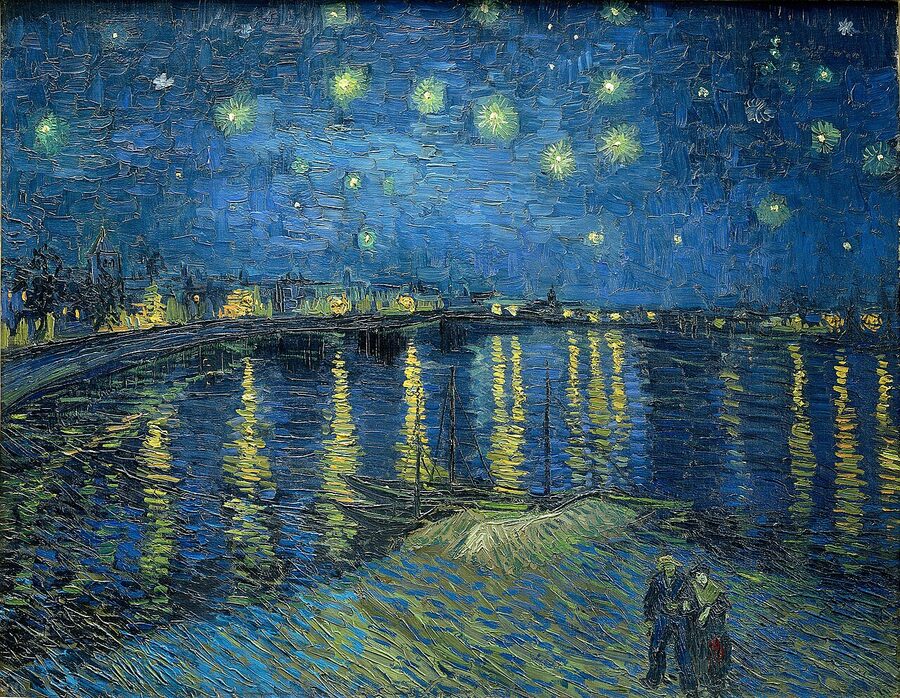
Starry Night Over the Rhône. Van Gogh, 1888. Level 5. Note: this is not the famous starry night you’re thinking of. The MoMA one (Saint-Rémy, 1889) was painted from a hospital window and is in New York. This is the earlier, calmer, blue-and-yellow version painted from the embankment of the Rhône at Arles, with the Big Dipper above the gas-lit town. A lot of people walk past it because they’re looking for the swirly one.
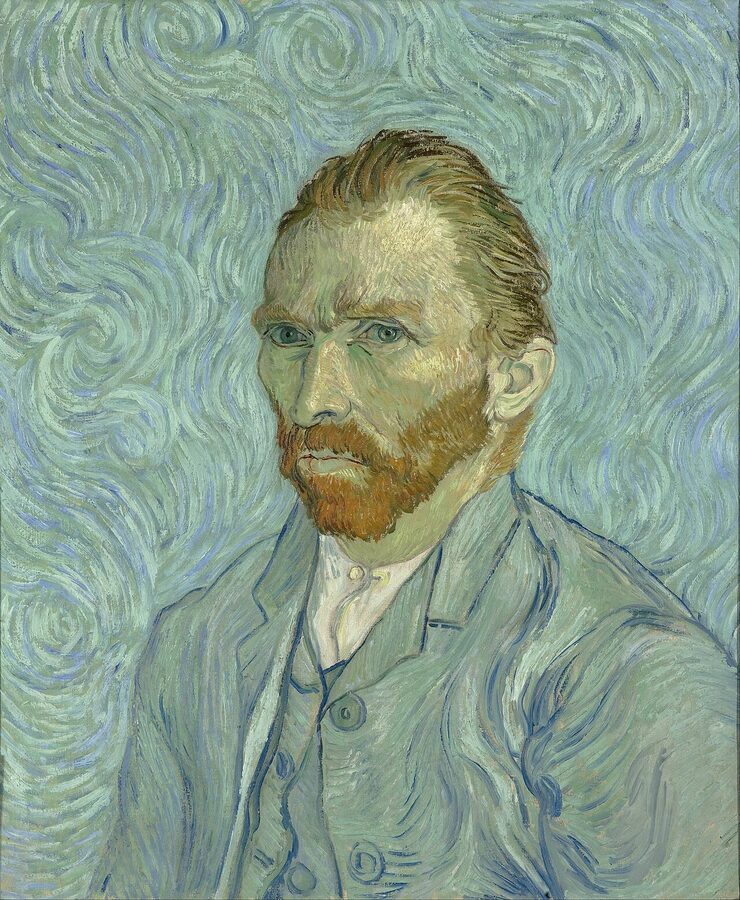
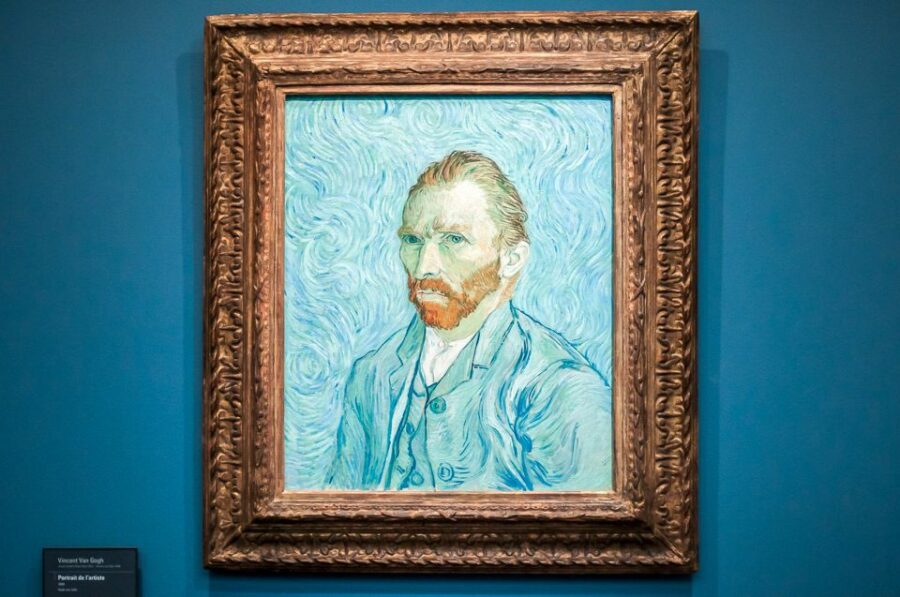
Self-Portrait. Van Gogh, 1889. Level 5. Painted in the asylum at Saint-Rémy, three months before his death, with the swirling blue-green background that he developed in Provence. There are dozens of Van Gogh self-portraits across the world’s museums. This one is one of the last.
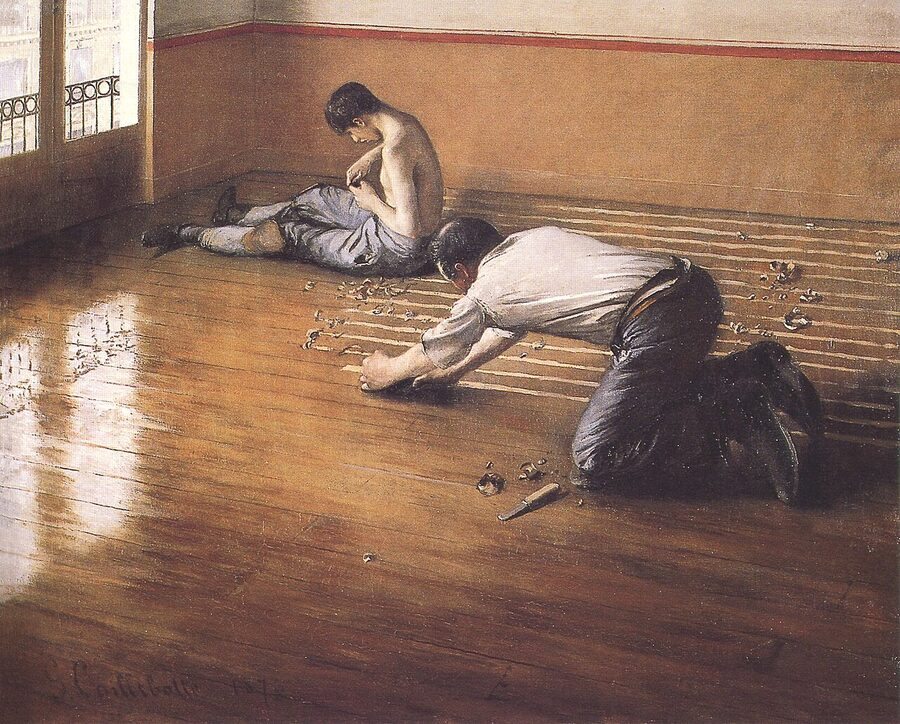
The Floor Scrapers. Caillebotte, 1875. Level 5. Three working-class men, bare-chested, scraping a parquet floor. Rejected by the 1875 Salon for being too vulgar in subject matter. Caillebotte himself was rich enough that he didn’t need to sell paintings to live, which is partly why he kept painting subjects the establishment didn’t want.
The works that are fine to skip on a first visit: most of the academic salon paintings on level 0 (Cabanel’s Birth of Venus, the giant Couture historical scene). The Symbolists on the middle floor unless you’ve already read up on them. The decorative-arts rooms unless Art Nouveau is specifically your thing. The temporary exhibitions, which always cost extra and which you can usually catch a better version of at the Tate Modern or the Met within two years.
How tickets actually work in 2026
Orsay sells timed-entry tickets online, through the official billetterie.musee-orsay.fr and through resellers like GetYourGuide, Viator, and Tiqets. The price is the same on the official site (€16 standard adult, occasional small surcharges for temporary exhibitions). The reseller mark-up is small to zero on the entry-only ticket, and the booking flow is more familiar to most travellers. Either route works.
The tour you actually want depends on how you want to experience the museum.
1. Orsay Museum Entry Ticket: $15
This is the right pick for most visitors. It’s the cheapest, the fastest, and it leaves you free to walk the museum at your own pace using the printed floor plan you can grab at the entry. The trade-off is no audio commentary, so come having read up on the works our review walks through in advance.
2. Entry Ticket and Digital Audio Guide App: $31
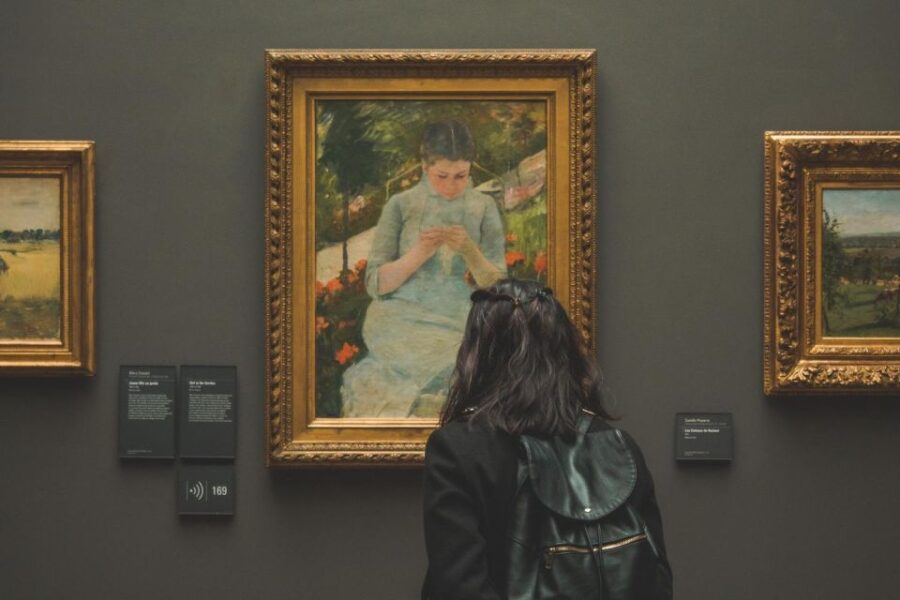
Pick this if you want commentary but don’t want to walk in a guided group. Our audio-guide review notes the catch: the app covers about 300 works in 13 languages, but several of the famous paintings on the Impressionist floor aren’t actually in the digital guide. Bring headphones; the speaker on your phone is loud enough to annoy other visitors and not loud enough for you to hear in a busy gallery.
3. Musée d’Orsay Entry Ticket and Seine River Cruise: $49
This is the right pick if you’ve only got one day in Paris and want the museum-and-river-cruise combo locked in with one booking. The cruise leaves from the same embankment the museum sits on, so the walk between the two is short. Compare with the standalone Seine river cruises if you want the boat on a different day, and check our combo review for the timing.
When to go (and when not)
The museum opens at 09:30 every day except Mondays, when it’s closed. Last entry is 17:00, last entry to galleries is 17:15, the place clears at 18:00. Thursdays it stays open until 21:45. That night-museum slot is the single best window in the week if you can plan around it. The 10:00 to 14:00 weekend rush completely empties out by 18:00, and you can stand in front of Olympia alone for ten minutes if you want to.
The worst time to go: any day in July or August between 11:00 and 14:00. Cruise ships from Le Havre dump groups of fifty straight through the Impressionist gallery, and the Salle 14 (where the Manets live) becomes a literal traffic jam. Mid-morning Wednesday or Friday in shoulder season (April-May, October-November) is the sweet spot.
If you can only go on a weekend, book the earliest Sunday slot (09:30) and head straight to level 5. You’ll have the Impressionist gallery to yourself for the first 45 minutes, which is the difference between really seeing these paintings and shuffling past them.
How to actually get there
The museum sits on the Left Bank, directly across the Seine from the Tuileries. Closest metro stops are Solférino on line 12 (a three-minute walk) and the RER Musée d’Orsay station on line C (which has a direct entrance into the museum precinct). From the Right Bank, the prettiest approach is to walk across the Pont Royal or the pedestrian Passerelle Léopold-Sédar-Senghor; both put you in front of the building from the river side.
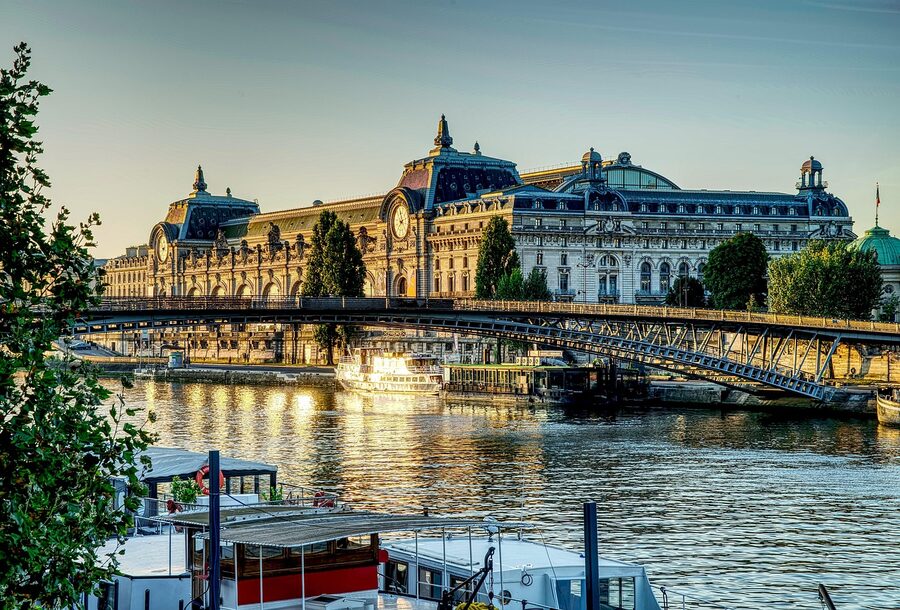
If you’re combining Orsay with the Eiffel Tower, the river is the easy connection. A 15-minute walk west along the Quai Anatole France brings you to the Pont de la Concorde, and from there it’s another 15 minutes along the embankment to the tower base. If you’re combining with the Louvre, just walk straight across the Pont Royal; the two museums are 12 minutes apart on foot. A combined Louvre-Orsay-Orangerie day is doable if you’re ruthless, although two days is more humane.
Driving is a bad idea. Underground parking is expensive, the streets around the museum are narrow and one-way, and traffic at the Place de la Concorde is famously hostile. The metro is the better answer for everyone.
Tickets, queues, and the things resellers don’t tell you
The museum has a reputation for cruel queues, and it’s earned, but only at certain hours. Pre-booked timed-entry tickets go through Entrance C (the dedicated pre-booked entry), which usually moves in 10-15 minutes. Walk-up ticket buyers go through Entrance A, which on a busy summer day can be a 90-minute wait outside.
The single most important booking advice: book online for any time slot. It’s not the same museum experience between book a slot, walk in and queue for an hour and a half. Even on Thursday night when same-day walk-up is sometimes possible, you’re better off booking the cheapest slot and walking up to the Entrance C door.
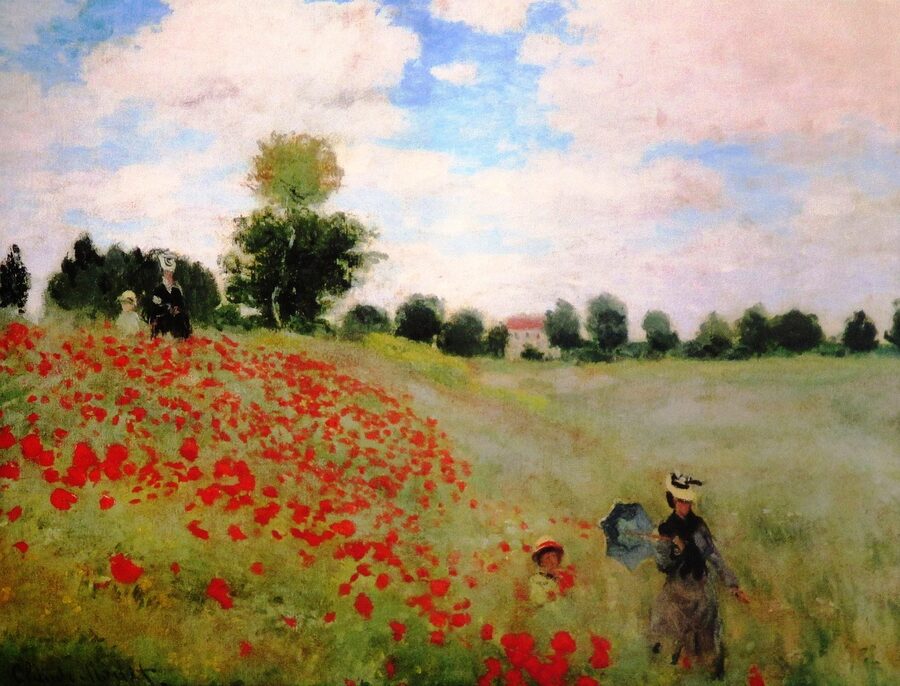
What the resellers don’t always advertise: the ticket includes the Musée de l’Orangerie within four days of purchase, if you buy the right combined ticket on the official site. The Orangerie is a 15-minute walk across the Tuileries and houses Monet’s enormous Water Lilies cycle in two oval rooms. If you’re already a Monet pilgrim heading later to Giverny, the Orsay-Orangerie combo is the obvious bookend.
The temporary exhibitions are sold separately. The 2026 schedule includes Van Gogh à Auvers-sur-Oise (where Van Gogh spent the last two months of his life and painted seventy works including the wheat fields and the church) which has rolled through the museum twice now and is genuinely worth the extra €4. Most other temporary shows are skippable; what you came for is the permanent collection.
Eating and not eating in the building
There are two cafés inside Orsay. The Café Campana on level 5, behind the famous clock, is the photogenic one. The Restaurant Musée d’Orsay on level 2 is the formal one, in the original 1900 station hotel dining room, with painted ceilings and chandeliers. Both are expensive for what they are. The Campana is fine for a coffee and a slice of tarte tatin between Olympia and Bal du moulin. The Restaurant is fine for a one-hour Parisian-museum lunch experience if you book ahead, but the food doesn’t match the prices.
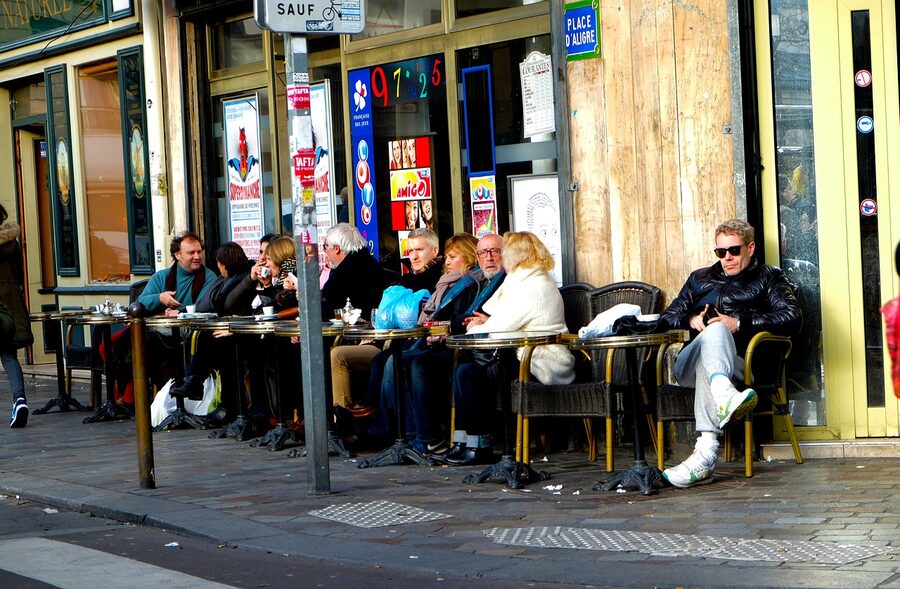
The better answer is to eat outside the museum. The Left Bank streets immediately south of the Quai Anatole France (Rue de Verneuil, Rue de Beaune, Rue du Bac) are lined with small bistros that are roughly half the price of either café inside the museum, with better food. La Frégate, on Quai Voltaire opposite the Louvre, is a no-frills brasserie with a steak frites for €19 and a clear view of the river.
Orsay versus the other big art museums
If you’ve been doing Italian museums, the comparison that makes Orsay click is the Uffizi. Both are state museums covering “the artists everyone has heard of.” Both have a single floor that holds 80% of the must-see works, with the rest of the building doing important but second-tier supporting work. Both punish unprepared visitors who walk in without a plan and reward visitors who know which six rooms they’re aiming for. The Uffizi covers Italian Renaissance from Giotto through Caravaggio. Orsay covers French painting from Courbet through Cézanne. The two collections are bookends to the European tradition.
Within Paris, Orsay is part of a chain. The Louvre is the prequel: medieval through 1850. Orsay is the main feature: 1848 through 1914. L’Orangerie is the small, perfect coda: Monet’s Water Lilies in two purpose-built rooms. The Fondation Louis Vuitton in the Bois de Boulogne, in Frank Gehry’s twisted-glass building, picks up the contemporary thread, with rotating shows of the Vuitton collection plus serious blockbuster loans (the Morozov collection, the Calder retrospective, the recent Pop Art show). Pompidou is the twentieth-century museum, but it’s closed for renovation until 2030, so the Vuitton has effectively become the contemporary art destination in Paris for the next several years.
If you have to pick two from this chain, do Orsay and Orangerie on the same day. They’re a 15-minute walk apart, the second ticket is built into the first, and the order makes narrative sense. Monet starts in Orsay and finishes in Orangerie. You walk out of one and into the other.
The visit, planned in three hours
Three hours is the sweet spot. Less and you’re rushing; more and you start to glaze over. The plan:
09:30-10:00. Walk in at opening through Entrance C with a pre-booked ticket. Skip the queue at A. Coat-check on the ground floor. Pick up the printed floor plan at the welcome desk; the audio guide queue is to your right if you’ve bought the audio combo.
10:00-10:45. Level 0. Walk down the central nave through the sculpture gallery. Stop at Carpeaux’s The Dance, the original 1869 marble that used to be on the front of the Opera Garnier (the one on the Opera now is a copy). On the side rooms, work through the realists: Courbet, Millet, Daumier, the early Manet drawings. This is the foundation that makes level 5 mean what it means.
10:45-12:30. Take the lift or the back stairs straight up to level 5. (The big central staircase is gorgeous but slow with crowds.) The Impressionist galleries are arranged in roughly chronological order, starting with Manet at the western end. Salle 14 (Manet, including Olympia and Le Déjeuner) leads to Salle 15 (Monet’s early Argenteuil works), Salle 16 (Renoir, including Bal du moulin), Salle 17 (Pissarro, Sisley), Cézanne in the rooms beyond, Van Gogh at the eastern end, and Gauguin and the Pont-Aven school after. Take your time. The works in salles 14, 16, and the Van Gogh room reward five minutes each.
12:30-13:00. Café Campana on level 5 west, behind the clock. Espresso and a sit-down. The view through the clock-face is the moment you came for.
13:00-13:30. Loop back through the middle floors. Level 2 has the Symbolists, Bonnard, Vuillard, the late-19th-century portrait gallery. The Art Nouveau decorative arts are also here, including the carved-wood interior from the Hôtel Aubecq. Skim, don’t read every label; this is dessert after the main course.
13:30. Out. The whole visit, three hours, including coffee. If you want a longer day, the Orangerie across the Tuileries is the natural next stop and the combined ticket pays for itself.
What to skip
The list of skips is short: most of the temporary exhibitions, unless one of them is on a topic you’d actually search for at home. The supplementary exhibition charge is usually €4-€6 on top of the entry, and the queues to enter the temporary halls can be longer than the queues for the permanent collection. The temporary shows are excellent, but they’re also the ones that travel to other major museums; you can usually catch them in London, New York, or Tokyo within two years.
The decorative-arts rooms on the middle floor unless Art Nouveau specifically interests you. The Symbolists unless you’ve read up on them in advance (the paintings are dense in symbolism that doesn’t decode itself). The academic Salon paintings on level 0, beyond Couture’s Romans of the Decadence as a single example of what the Impressionists were rebelling against.
The audio guide if you’ve already read up on the works above. About a quarter of the audio commentary is the museum-tone register that doesn’t actually tell you anything. The rest is decent but you’ve been reading the labels anyway.
Photography and the no-flash rule
Photography is allowed in the permanent collection without flash. Selfie sticks are not. Tripods are not. Phones with flash on are not. The guards in Salle 14 are particularly aggressive about flash because Olympia‘s pigments are sensitive, and you will be told off, possibly loudly, if your phone fires. Easy fix: turn flash off before you walk in. Same in the temporary exhibition spaces, and in some of the recent acquisitions where the loan agreement specifies no photography.
Combining Orsay with the rest of Paris
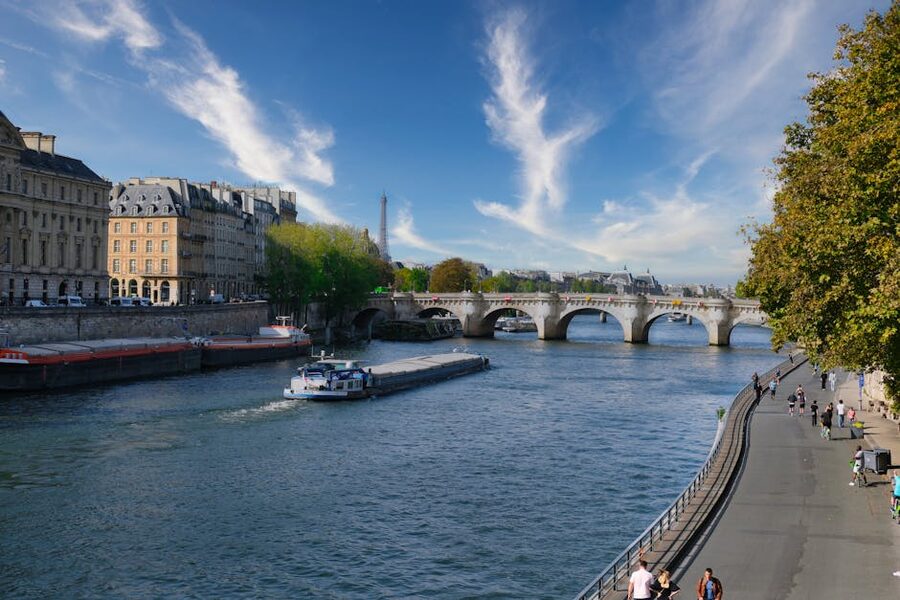
The half-day around Orsay almost plans itself. Morning at the museum (09:30-13:00), lunch on the Left Bank, afternoon walk across the Tuileries to either the Louvre or the Orangerie, sunset back along the Seine. If you’ve added the museum-cruise combo, the cruise dock (Bateaux Parisiens or Bateaux Mouches, depending on the operator) is a 20-minute walk west along the embankment. The standalone Seine cruises run on roughly the same route from late afternoon into the evening; if your boat ticket isn’t tied to the museum, you have flexibility on timing.
For a full day with kids, swap the afternoon walk for Disneyland Paris on a different day; Orsay isn’t a kids’ museum and three hours of Impressionists will not survive contact with a six-year-old. The Cité des Sciences in La Villette is a better same-day pairing for families.
For a weekend, pair Orsay with Versailles on a different day, the Arc de Triomphe rooftop for sunset, and a half-day at Giverny if it’s between April and October. If the visit is genuinely about French art, the four-museum chain (Louvre, Orsay, Orangerie, Fondation Louis Vuitton) is the spine; the hop-on-hop-off bus is largely redundant if you’re using the metro.
The single-painting pilgrimage trick
If three hours is too long for what you actually care about, do the single-painting pilgrimage instead. Pick one work from the list above that you really want to see in person. Olympia, or Bal du moulin, or Starry Night Over the Rhône. Buy the cheapest entry. Walk in, go straight to that painting, and stand in front of it for half an hour. Don’t try to see everything else. Walk out. Total visit: 45 minutes. The single-painting visit is the most underrated way to see a major museum, and it’s how a lot of art-world insiders actually use Orsay when they’re in Paris for a weekend.
This works at the Cenacolo in Milan too, where the entire experience is built around one painting (Leonardo’s Last Supper) and they limit you to fifteen minutes inside. The Orsay version is the same idea, voluntary. Pick your one. Stand in front of it. Leave.
Things almost no one mentions
The Salon des Refusés model. The 1863 Salon des Refusés (the alternative show for the rejected paintings) is what made Manet famous. Orsay has a small permanent display about this on level 0 that’s worth ten minutes if you’re interested in the institutional side of the rebellion.
The 1900 station hotel. Above the museum, on the riverside wing, is the original 1900 Gare d’Orsay hotel, with a frescoed dining room and Belle Époque ballroom. It’s not always open to the public; check the museum’s events calendar. When it is open (typically for evening events and special exhibitions), it’s the best Belle Époque interior in central Paris that you can walk into.
The view of the Louvre across the Seine. Walk out of the museum, turn right, walk to the Pont Royal, and stop in the middle. The Louvre’s Pavillon de Flore is directly opposite. You’re looking at the building that holds the previous chapter of the same story. Three hundred metres of river separates 1850 and 1851.
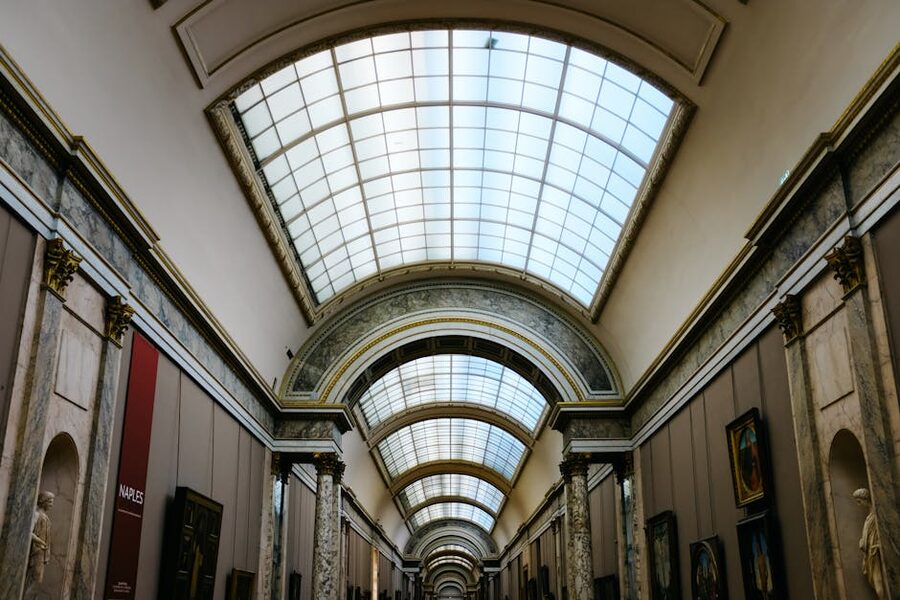
The quiet rooms. The decorative-arts wing on the middle floor, specifically the rooms with the transplanted carved-wood interiors from the Hôtel Aubecq, are usually empty. They’re an excellent place to sit down for ten minutes if your back is hurting and you need a break. Most tour groups skip them entirely.
The museum shop. Has the best art-print and exhibition-catalogue selection in Paris, including the multi-volume Caillebotte catalogue raisonné that you cannot find anywhere else for less than €200. If you’re a serious print collector, budget thirty minutes at the end. If you’re not, the postcard rack near the exit has the standard greatest-hits at €1 each.
Beyond Orsay: where the Impressionists actually painted
The works on level 5 were painted, mostly, in the open air at specific places that are still visitable. Renoir’s Bal du moulin de la Galette was painted in the courtyard of an actual dance hall halfway up Montmartre, where the basilica of Sacré-Cœur now stands. Monet painted his Argenteuil works at Argenteuil, a town 11 kilometres downstream on the Seine that you can reach in 15 minutes from Saint-Lazare. Van Gogh painted Starry Night Over the Rhône in Arles in Provence, walking distance from the still-existing yellow house. Cézanne painted his Provençal works at the Jas de Bouffan and at Aix-en-Provence, both still visitable.
The pilgrimage that closes the loop is Giverny, where Monet lived from 1883 until his death in 1926, and where he painted the Water Lilies you’ll see in the Orangerie. Giverny is a 75-minute train ride from Saint-Lazare to Vernon, and a short shuttle bus from there. April through October only; closed in winter. If you’re in Paris on a day Orsay is closed (Mondays), Giverny is the rational alternative.
For the museum-completist
If you’re working through Europe’s great state museums systematically, Orsay belongs in the same conversation as the Prado, the Reina Sofía, and the Uffizi. The Prado covers Spanish painting from El Greco through Goya. Reina Sofía picks up at Picasso (Guernica, Dalí, Miró). Uffizi covers the Italian Renaissance. Orsay covers the second half of the 19th-century French story. Amsterdam’s Rijksmuseum is the Dutch parallel: a state collection covering the Dutch Golden Age the way Orsay covers French Impressionism, with Rembrandt’s Night Watch playing the Manet-Olympia role of the painting that organises the room around it.
The thing they have in common is the curatorial confidence to say “these are the works.” There’s no apology in the hang. The wall labels explain the works in five lines, not five paragraphs. You’re trusted to be intelligent enough to look at Olympia and figure out why it’s important.
The Picasso Museum in Málaga is the small-scale version of the same idea: one artist, one museum, the works the artist’s family donated. The Orsay version of that is the Musée Rodin a fifteen-minute walk south, where Auguste Rodin’s house and garden are full of his sculptures including The Thinker. The Amsterdam version is the Van Gogh Museum, where 200 paintings, 500 drawings and 700 letters from a single painter sit together in a Rietveld pavilion three minutes from the Rijksmuseum. After Orsay’s eight or nine Van Goghs, walking into the Van Gogh Museum is what the next chapter looks like in full. If you have two hours after Orsay and want to extend the day, the Musée Rodin is the natural pairing.
The clock photograph, made simple
If the clock-window photograph is the only reason you came, here’s how to actually get the shot. Time of day: 17:00 to 18:30, so the sun is coming through the clock face from outside. Position: stand inside the Café Campana area, against the back wall, facing the clock. Phone: HDR on, flash off, no zoom. Wait for someone to walk into frame for scale. Take the photo. Three seconds.
The reason the photograph works is the contrast between the dark interior and the sunlit clock face, plus the gilded numerals throwing soft shadows on the floor. If you go on a grey day, the photograph still works but it’s flatter. If you go at midday, the sun is too high and the clock face goes white. Late afternoon is the answer.
The Sunday visit
Sunday is the loosest day for the area around Orsay. The book stalls along the Quai Voltaire are out from 11:00. The flea-market on the Cours de Vincennes (a 25-minute metro ride east) runs through the morning. The bouquinistes (the green-box book sellers along the embankment) are at full strength. If you’re doing the museum on Sunday, build the morning around the book stalls and the embankment walk, then enter Orsay around 13:30 when the morning crowds have thinned out and the late-afternoon Parisians haven’t arrived yet.
Sunday lunch is the meal Parisians take seriously. Most bistros nearby do a fixed two-course menu for €25-€32, which is one of the better value-for-money lunches in central Paris. La Frégate (mentioned above), Le Voltaire (one block south), and Café de l’Empire (around the corner) all do this. Reserve if you can; walk-up is possible if you arrive before 12:30 or after 14:00.
The two questions visitors actually ask
Is it worth it? Yes, with a caveat. If you don’t like 19th-century painting, no number of Wikipedia articles will make Orsay click for you. If you do, or if you’ve ever been moved by a single Impressionist work in any museum, Orsay is the place where two hundred of those works live in one building, and you’ll leave wanting to come back. The €16 entry is one of the better museum prices in Europe.
Three hours, or all day? Three hours is enough for 80% of the experience. All day is for art history students, repeat visitors, or people who really want to do the temporary exhibition plus the permanent collection plus the rotating photography show. For a first visit, three hours plus the Café Campana is the version that leaves you wanting more, which is how a museum visit should end.
A few thoughts on what comes next
If Orsay landed for you, the next places to plan around are the ones the Impressionists actually painted. Giverny for Monet’s water-lily pond and the actual gardens that became the paintings. L’Orangerie for the Water Lilies cycle in two oval rooms designed by Monet himself, which is the closest thing to a chapel for atheists in central Paris. The Fondation Louis Vuitton for the contemporary continuation of the same artistic argument, in a Frank Gehry building that’s worth the trip even if the show inside isn’t to your taste.
The Italian parallel is the Uffizi for Italian Renaissance, then the Pitti or the Bargello if you have more time. The Spanish parallel is the Prado for old masters, then the Reina Sofía for the 20th-century continuation. In each case the rhythm is the same: one big chronological museum, then one or two smaller specialist museums for the threads you cared about most. Orsay is the central pillar of the Paris version of that. Come prepared, walk it in the right order, and you’ll leave with the building still in your head a week later.