
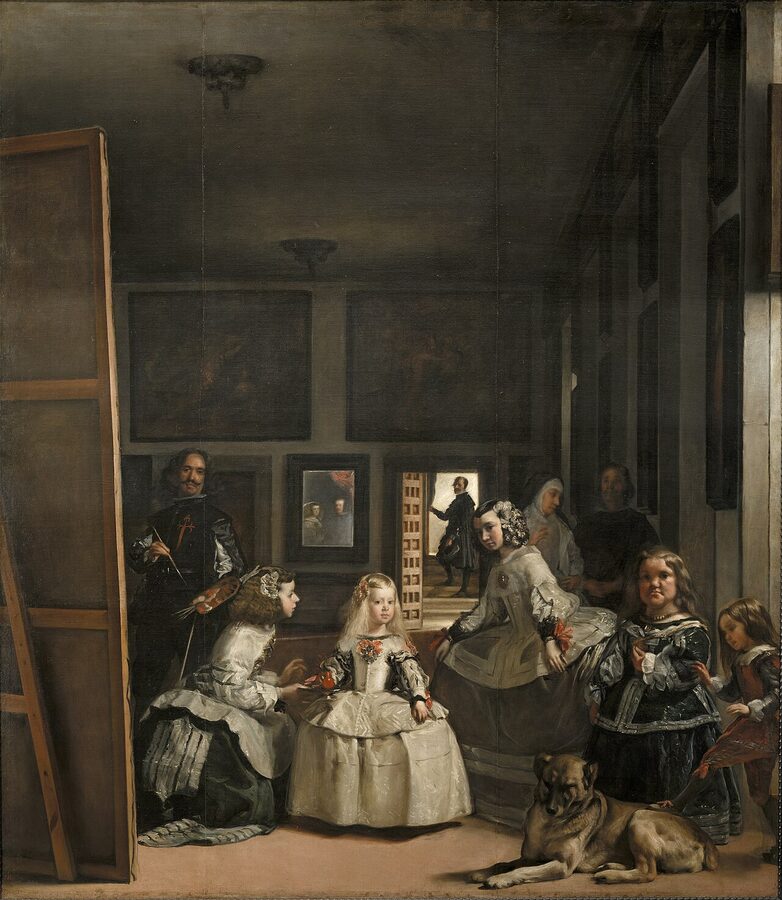
You’re standing in Room 12 of the Prado, three metres from a canvas the size of a small wall, and the trick is finally working on you. The little girl in the white dress is staring straight at you. The painter, Velázquez himself, is staring straight at you, brush paused. The mirror on the back wall shows the King and Queen of Spain, who must be standing where you are standing. So who is the painting of? You? Them? Or the painter painting them while pretending to paint someone else?
That painting is Las Meninas. Picasso made 58 different versions of it in 1957, alone in a studio in Cannes, working out what Velázquez had done. You can see why. The Prado is not a museum where you walk through rooms ticking off paintings. It’s a museum where one or two paintings stop you for twenty minutes each, and you leave with a different brain.
In a Hurry: Best Prado Tickets
Cheapest entry: Prado Museum Entry Ticket ($21). Skip-the-line, no guide, you wander on your own. The right pick if you’ve done your homework.
With a guide: Skip-the-Line Prado Museum Guided Tour ($53, 1.5–2 hours). The right pick if it’s your first Prado and you want context, not a checklist.
Two-museum combo: Reina Sofía and Prado Combined Tour ($68). Pairs Velázquez and Goya at the Prado with Picasso’s Guernica at the Reina Sofía. A good half-day if you only have one.
What the Prado Actually Is
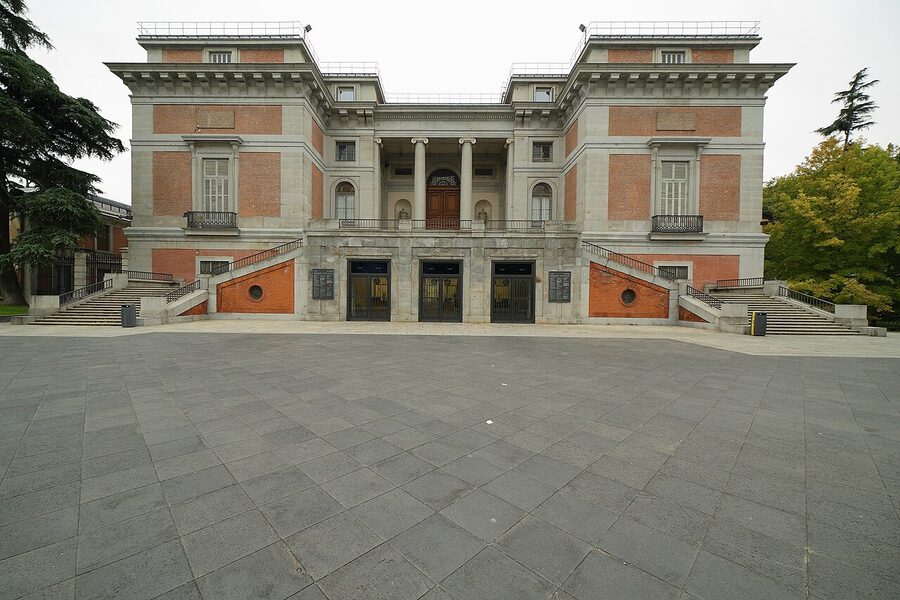
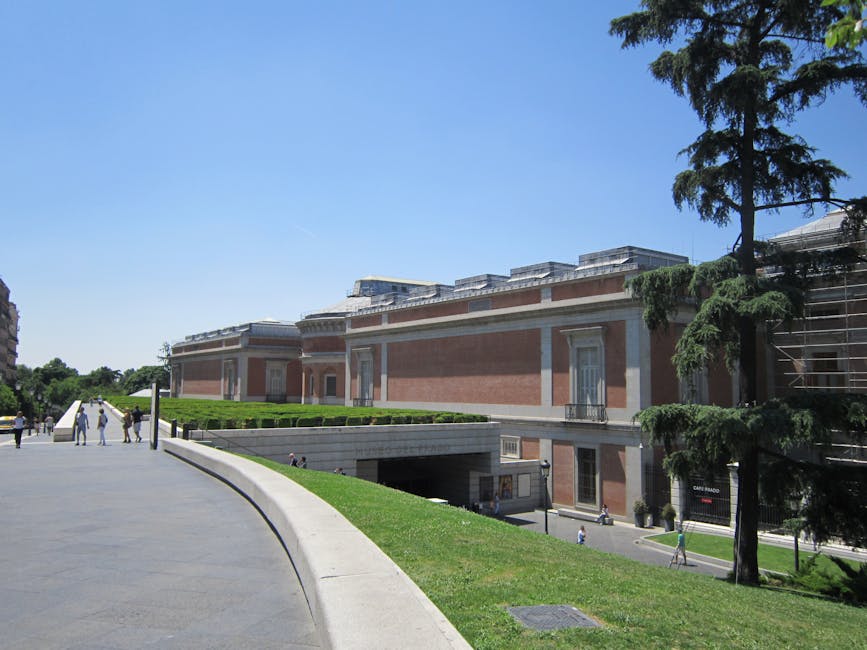
The Prado is the Spanish royal art collection, made public. From 1500 to 1819, the Habsburg and Bourbon kings of Spain spent absurd sums buying art. Titian for Charles V. Rubens for Philip IV. Velázquez worked for the king as court painter for 37 years and never painted for anyone else. When Ferdinand VII opened the Royal Museum of Painting and Sculpture in 1819, he was unlocking the storeroom of three hundred years of monarchic taste, in one neoclassical building, on one street. Most of those paintings hung at the Royal Palace first, half a kilometre west.
That’s why the Prado feels different from the Vatican Museums or the Uffizi in Florence. The Vatican shows you what popes commissioned. The Uffizi shows you what one wealthy banking family collected over two centuries. The Prado shows you what successive Spanish kings hung on their bedroom walls. It’s smaller and more personal. The taste is one taste, not many.
Tickets and Prices
General admission is €15 at the door. €7.50 with a concession (under 25, EU students, large families, etc.). Free for under-18s. Audio guide adds €5. The official Prado website sells the same ticket without markup.
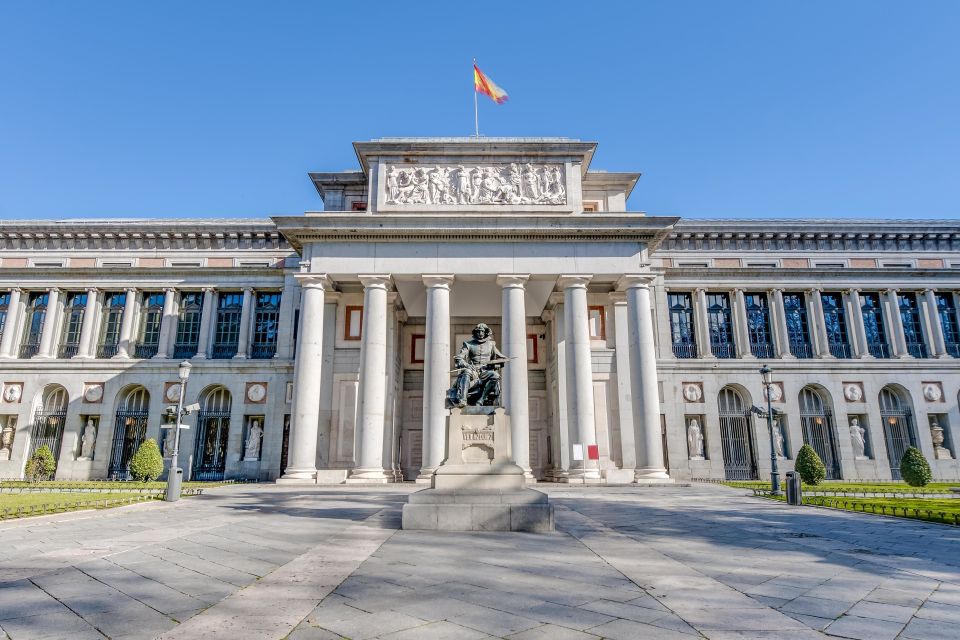
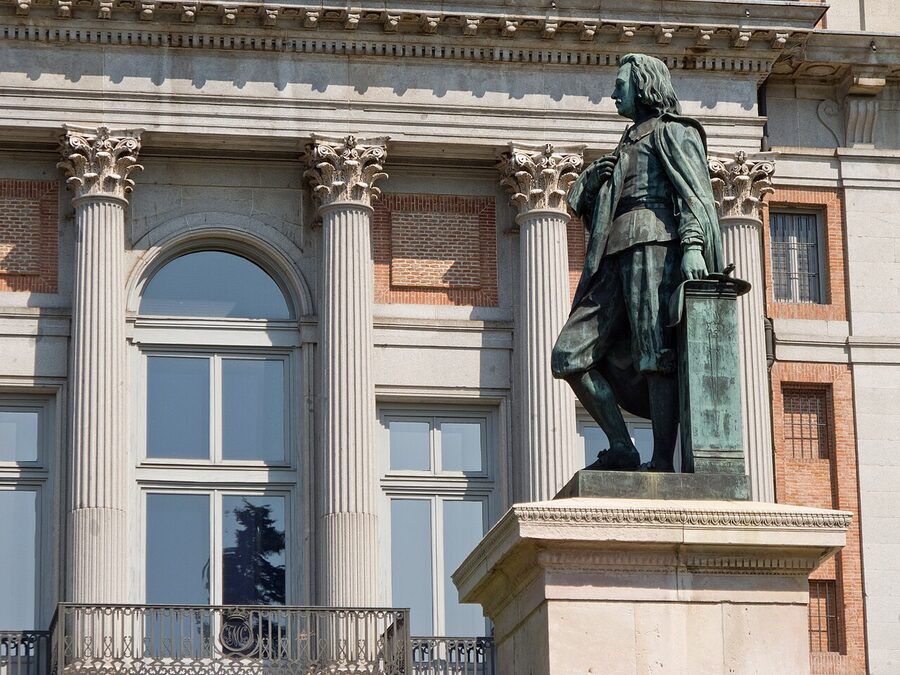
The headline number to know: free entry every weekday from 6 to 8 pm, and Sunday from 5 to 7 pm. It’s two hours, not three. The free queue forms about an hour before, snakes around the Goya statue at the north entrance, and moves fast once they open. If you have time and not money, the queue is fine. If you have money and not time, pay the €15 and walk in.
Skip-the-line third-party tickets like the GetYourGuide Prado entry are about €21, around €5–6 over face value. You’re paying for an open time window (not the rigid 30-minute slot the official site sets), email-PDF delivery, and free cancellation up to 24 hours before. For most travellers the convenience is worth it. For backpackers on a tight budget, just buy direct.
The Articket Combo Question
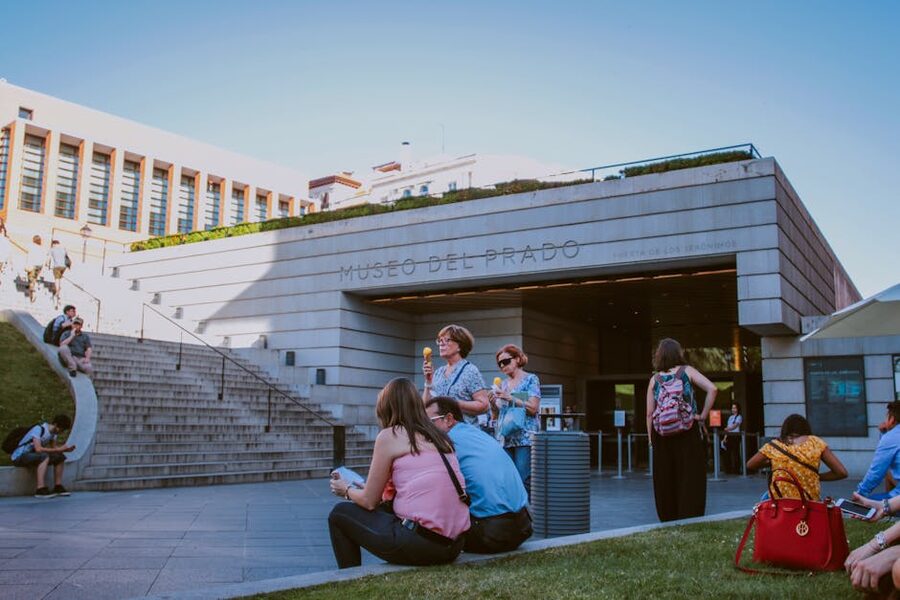
Madrid’s Golden Triangle of Art means three museums on the same boulevard: the Prado, the Reina Sofía, and the Thyssen-Bornemisza. The Articket Madrid (also called the Paseo del Arte) bundles all three for €32. Single tickets bought separately would be €15 + €12 + €13 = €40. So Articket saves you €8 if you do all three.
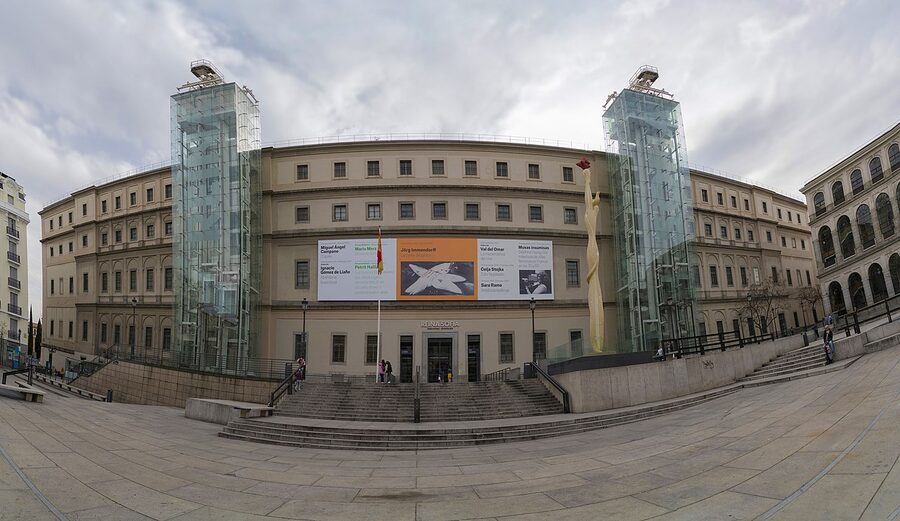
The Articket only pays off if you’re certain you’ll visit all three. Most travellers visit two. Two singles cost €27, the Articket €32. You lose €5 by buying it. The smarter move is to commit to the Prado plus one of the others, buy two singles, and treat the third as optional. The Prado + Reina Sofía combo guided tour covers the two most-visited museums in one ticket and one guide, which is what most people end up wanting anyway.
Las Meninas, Up Close
Velázquez painted Las Meninas in 1656, late in his life, and never explained what it was for. The painting shows Princess Margarita Teresa, age five, in the studio of the Royal Alcázar in Madrid. She’s surrounded by her ladies-in-waiting (the meninas), two dwarves who served the royal household, a dog, a chaperone, a guard, and Velázquez himself, mid-stroke at an enormous canvas you only see from the back. In the mirror at the back of the room, the King and Queen are reflected, watching.
The optical question is who’s looking at whom. If the King and Queen are in the mirror, they’re standing where you are. The princess is looking at her parents, not at us. So are we standing in the King’s spot? Are we trespassing on a royal moment? Or did Velázquez paint himself painting the King and Queen, and stage everything around their unseen presence?
What you do with the painting on the day: stand in the middle of the room, not to one side. Look at Velázquez first, then at the princess, then at the mirror, then at the dwarves, then back at Velázquez. Try to figure out where the king and queen are by the angle of the eyes. Then read the wall plaque, which tells you the painting was hung in the king’s private office. Then look at it again knowing that. The reading changes.
This is the painting Picasso copied 58 times, in different styles, from August to December 1957. Many of those copies live at the Museu Picasso in Barcelona. So a sister-museum trip is possible: Las Meninas at the Prado, then 58 copies of Las Meninas at the Picasso Museum quarter of Barcelona a few weeks later. Same painting, two cities, three centuries apart. The same Picasso who later painted Guernica, the painting that anchors the Reina Sofía two stops south on this same boulevard.
Goya’s Black Paintings
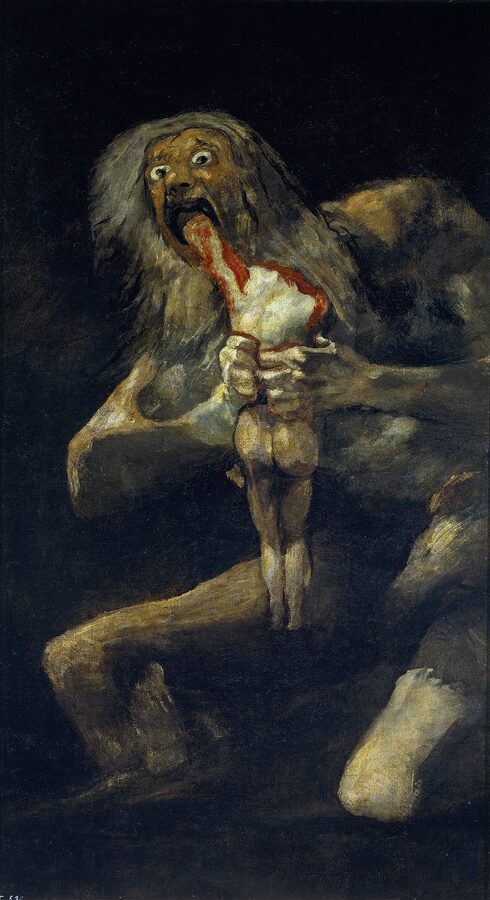
Rooms 67 to 68 hold the Black Paintings. Goya painted fourteen of them on the plaster walls of his villa, the Quinta del Sordo (the Deaf Man’s Villa), between 1819 and 1823. They were transferred to canvas in 1874 (a process that damaged some of them) and donated to the Prado. They were never meant to leave the house. They were never meant to be seen.
That changes how you stand in Rooms 67–68. These aren’t commissioned works. There’s no patron behind them, no client wanting flattering. Goya was 73 and old and angry, and what came out of him is the Saturn, the witches’ Sabbath, the pilgrims, the dog up to its neck in something we can’t see. The duende that flamenco singers in Madrid talk about, the dark spirit that comes through an artist when the work goes deeper than craft, has a face here. It’s the face of the dog.
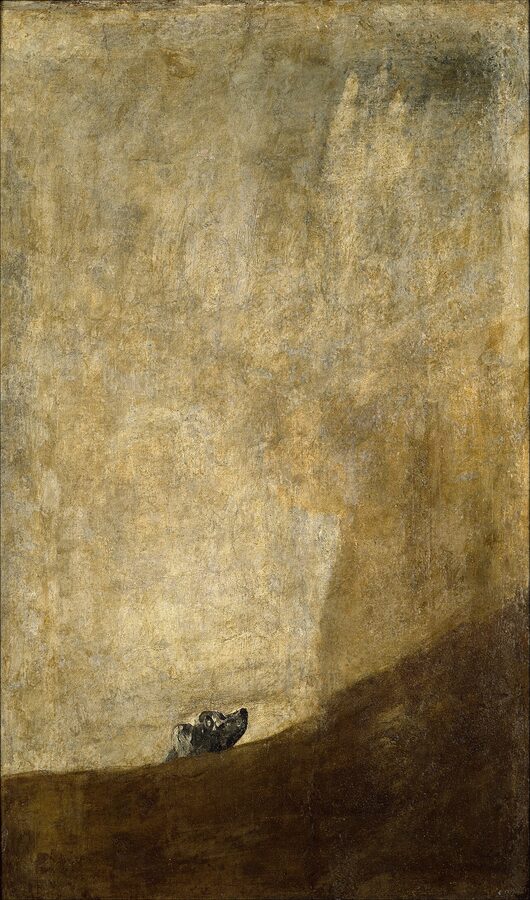
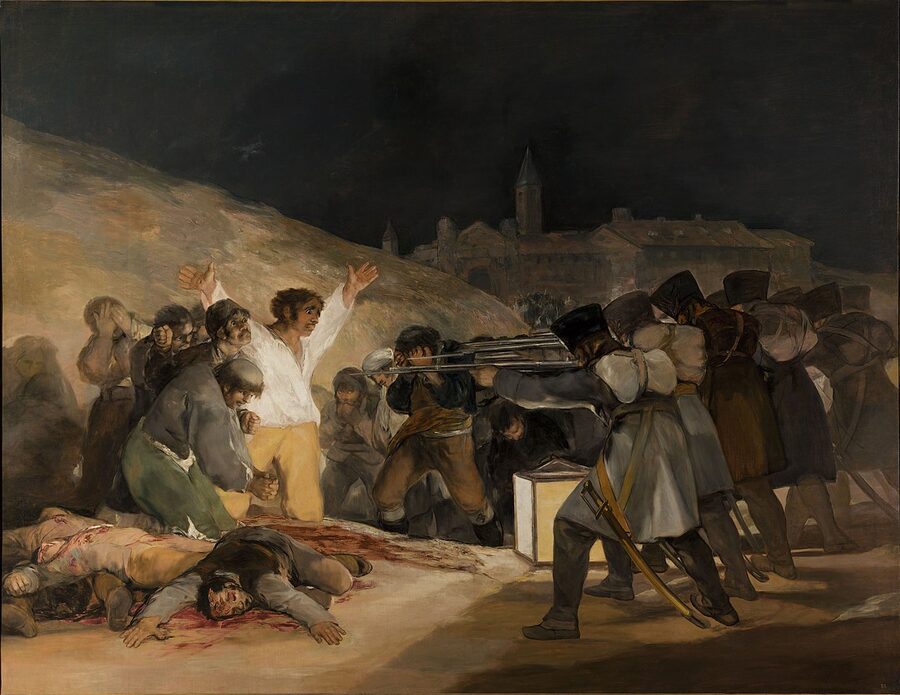
The Black Paintings are roughly halfway through the Goya wing on the ground floor. You’ll have already passed his earlier work upstairs: court portraits, the famous Maja paintings, the cartoons he painted as designs for the royal weavers. The contrast between Goya the courtier and Goya the man on his own wall is what makes the Prado’s Goya holdings the most complete in the world. You see him change.
Bosch and the Garden
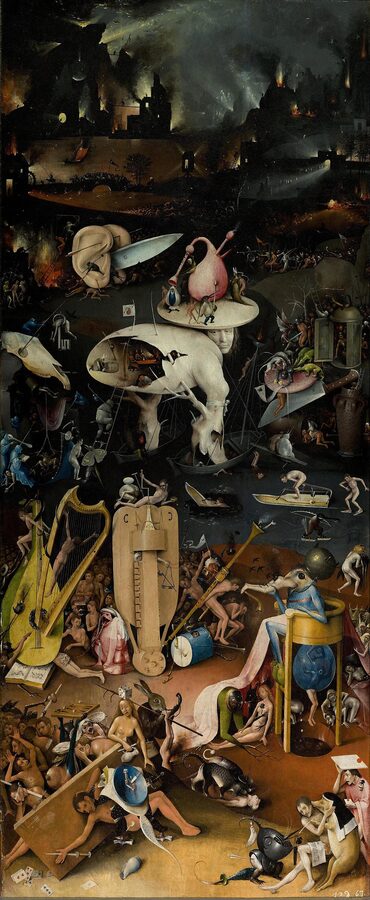
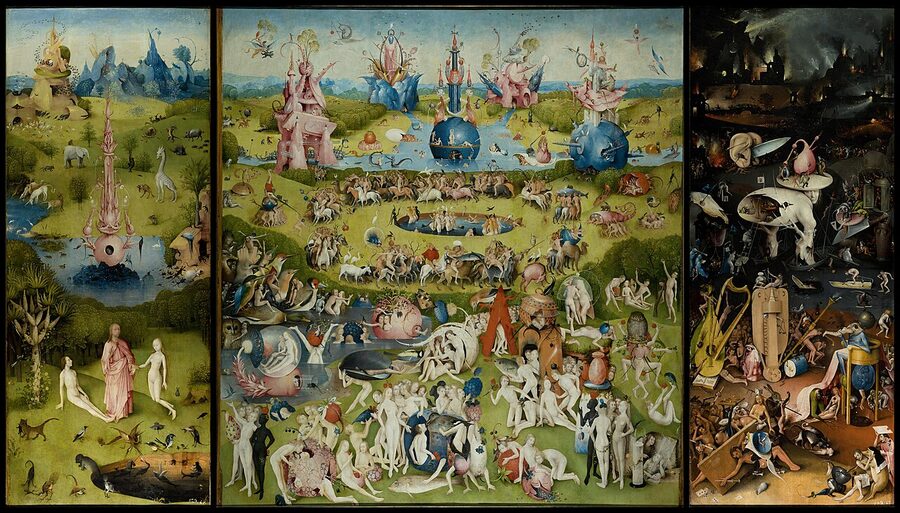
The other painting that stops people for twenty minutes is in Room 56A: Hieronymus Bosch’s Garden of Earthly Delights, painted around 1495–1505. It’s a triptych, three panels. The left panel: Eden. The middle panel: a strange paradise full of naked humans, oversized fruit, fantastical animals, and unidentifiable creatures doing unidentifiable things. The right panel: hell, with monstrous machines and bird-headed demons swallowing souls.
Read it left to right and the painting tells one story: the fall from grace, paradise corrupted, hell as the consequence. Read it as a whole and it stops being a story and starts being a question Bosch is asking the viewer about pleasure. The middle panel is the strangest. Nobody really knows whether the figures are sinning or just existing.
The painting belonged to Philip II, who hung it in his private bedroom at the El Escorial monastery for the last decades of his life. A Spanish king, the most Catholic monarch in Europe, slept across from a Bosch hell scene every night. That biographical fact alone is worth the room. It’s the same single-painting magnetism that pulls people to the room in Milan housing Leonardo’s Last Supper, except here you can stand as long as you like.
The Other Paintings People Skip
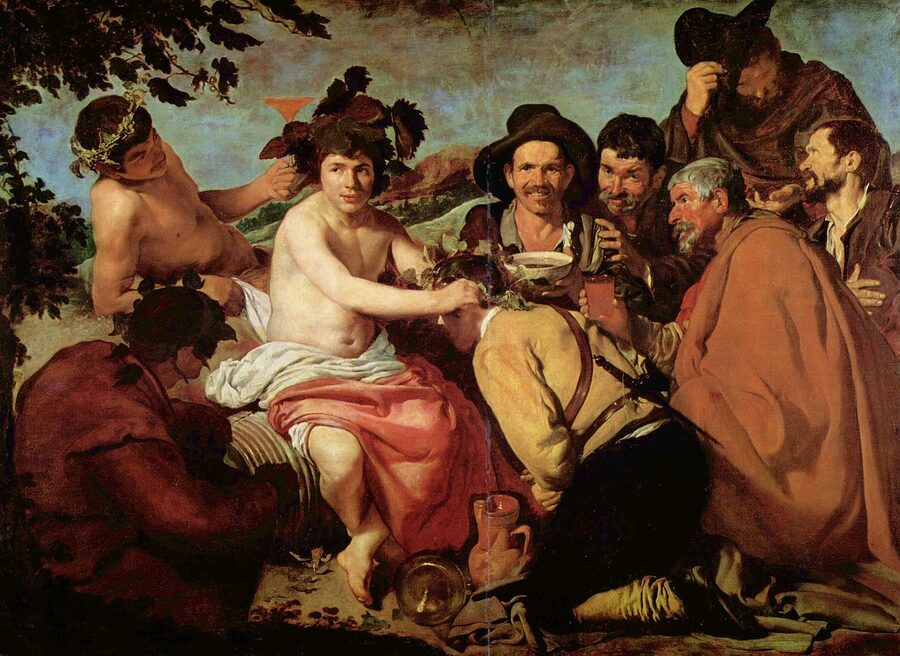
The Velázquez room runs the length of his career. The early Sevillian kitchen scenes (the bodegones), the Italian-influenced mythologies, the late royal portraits. Las Meninas is the one everyone comes for, but the room before it is where you watch a painter learn how to paint. Don’t rush past The Surrender of Breda, the long horizontal Velázquez at the end of the gallery. It’s an entire war painted as a courteous handshake.
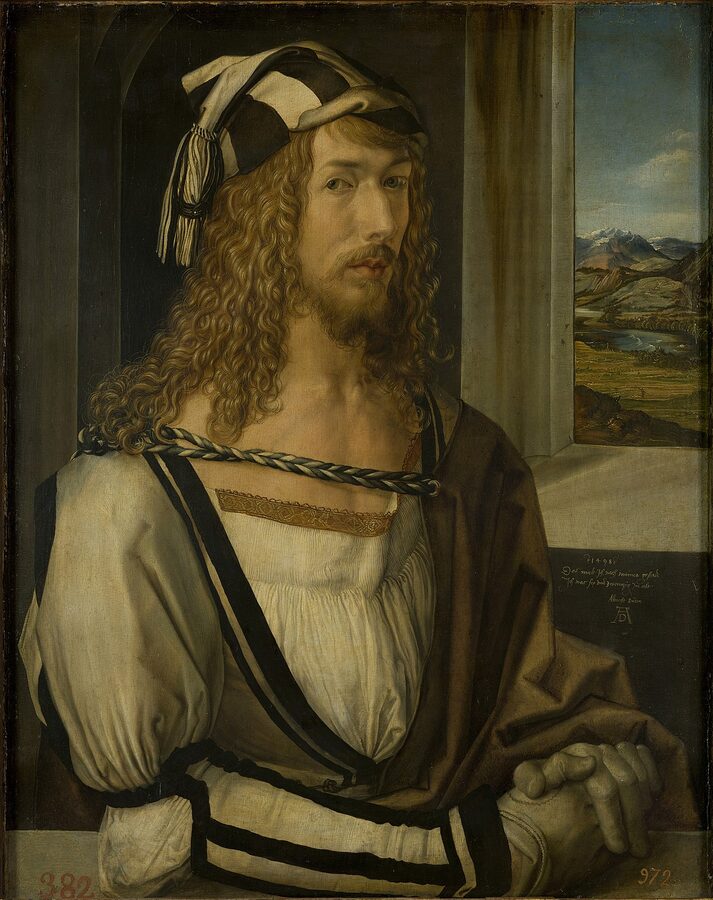
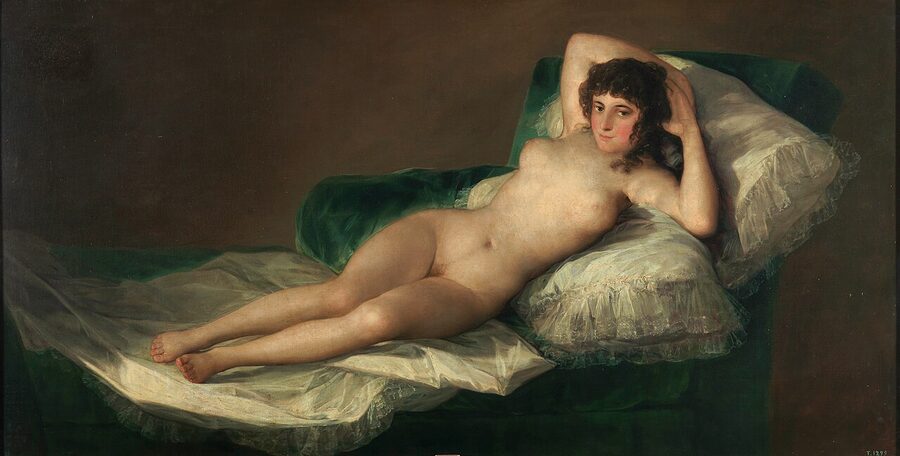
Other rooms worth stopping in: the El Greco gallery upstairs (Room 9B), where the elongated saints look like they’re being stretched by their own piety. Most of these were painted in Toledo, the old imperial capital 30 minutes south, where El Greco lived for the last 37 years of his life. The Rubens rooms, with the giant Three Graces. The Titian portraits of Charles V on horseback, which Charles took with him to a monastery in retirement and stared at in his own paintings. The Murillo room downstairs, all that Sevillian softness.
How Long the Visit Should Take
Three hours is the minimum to see what most people come for. Five hours if you want the upstairs Italian rooms too, plus the German Renaissance, plus a coffee break in the basement café. A full day works only if you have a real interest in the second-floor 19th-century rooms, which are usually empty and which deserve more attention than they get.
If you’ve only got 90 minutes, here’s the cut: walk straight to Velázquez (Las Meninas, Triumph of Bacchus, the equestrian portraits), then to Goya (Black Paintings, Third of May, the Majas), then to Bosch (Garden of Earthly Delights). That’s the spine of the museum. Skip everything else. Come back another trip. The same triage approach we use at the Uffizi in Florence: pick five paintings, stand in front of each long enough to see them, and let the rest become someone else’s holiday.
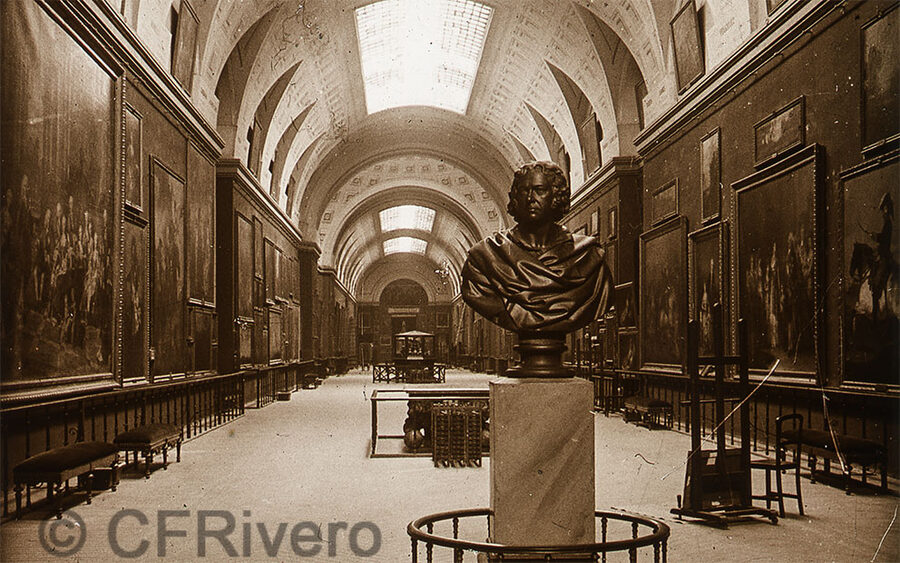
The Best Prado Tours to Book
1. Prado Museum Entry Ticket: $21
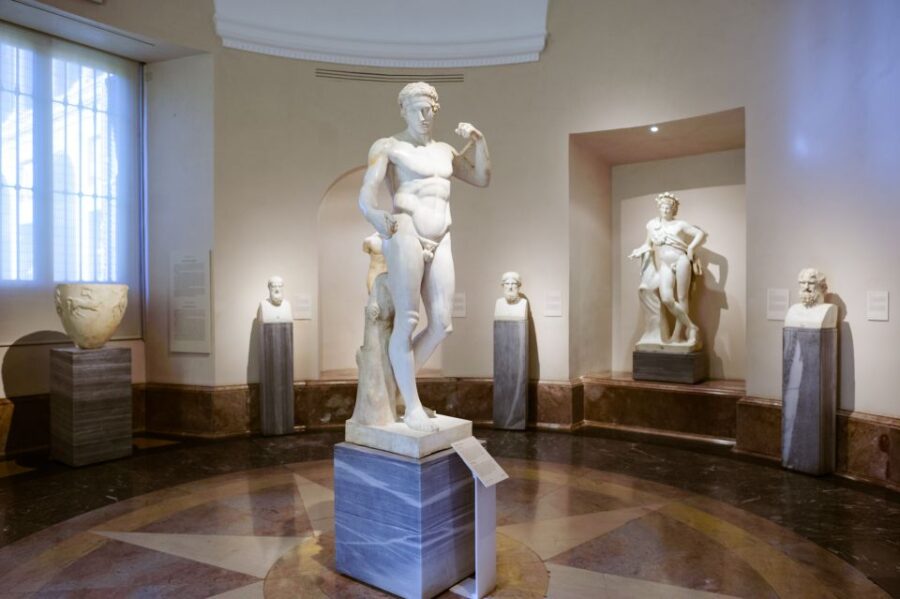
This is the right pick if you’ve read up on what you want to see and don’t need a guide. The ticket gives you access to the full collection plus the temporary exhibitions, with a printed PDF to your phone. Our full review of this Prado entry ticket goes into how the timed-entry slots work and which queue to join.
2. Skip-the-Line Prado Museum Guided Tour: $53
The guide does the work of choosing which 30 paintings (out of 1,300 on display) you actually look at, and tells you the backstory in front of each. Our review of this guided Prado tour covers how the optional tapas extension works (the tapas part is a miss; skip it).
3. Reina Sofía and Prado Combined Guided Tour: $68
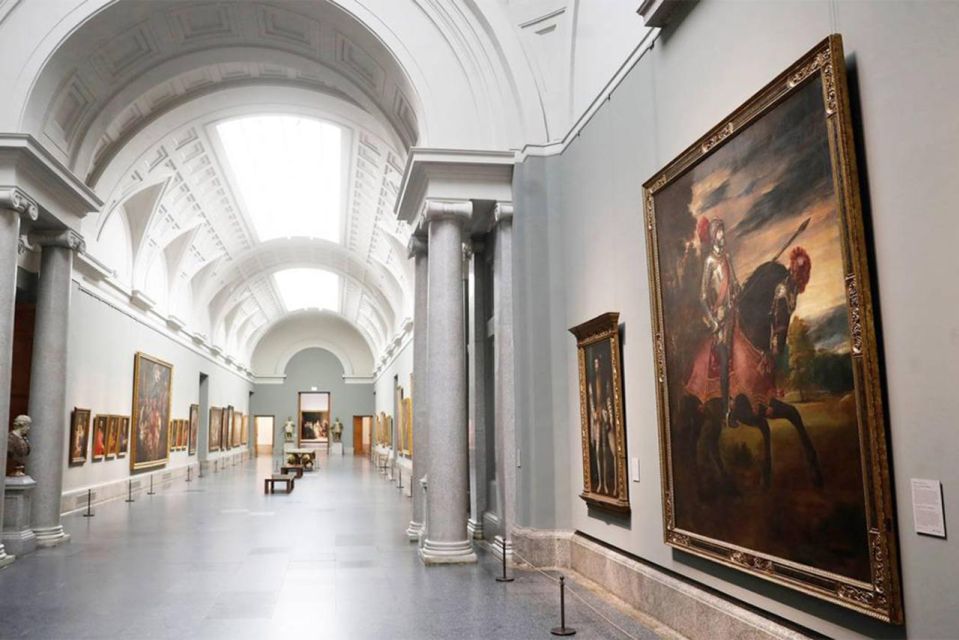
The tour pairs the two heavyweight collections with a bilingual guide and skip-the-line at both. Our review of the combined tour notes that the Reina Sofía half is a bit rushed; if you can spare another half-day for it solo, do.
Practical Bits That Catch People Out
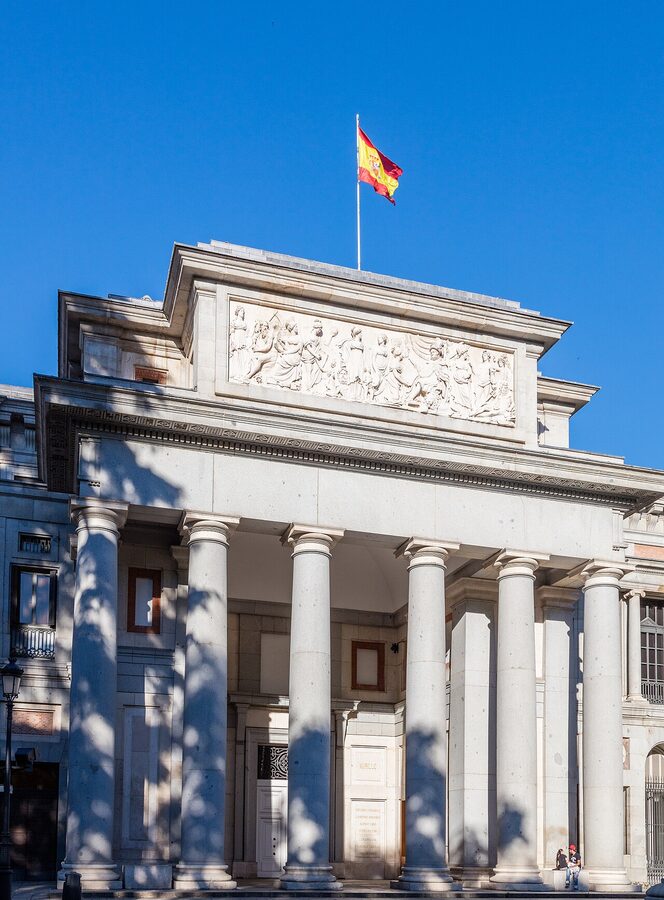
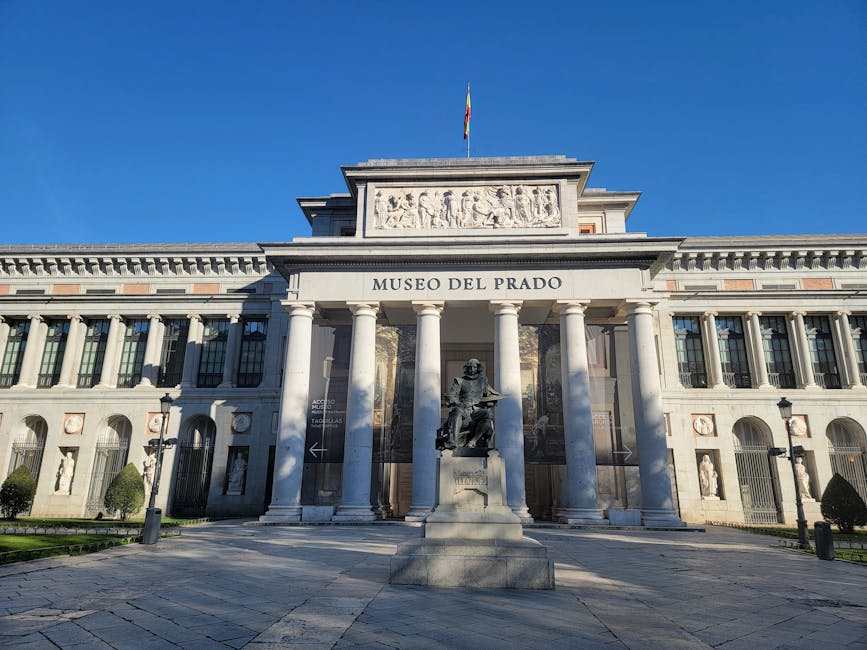
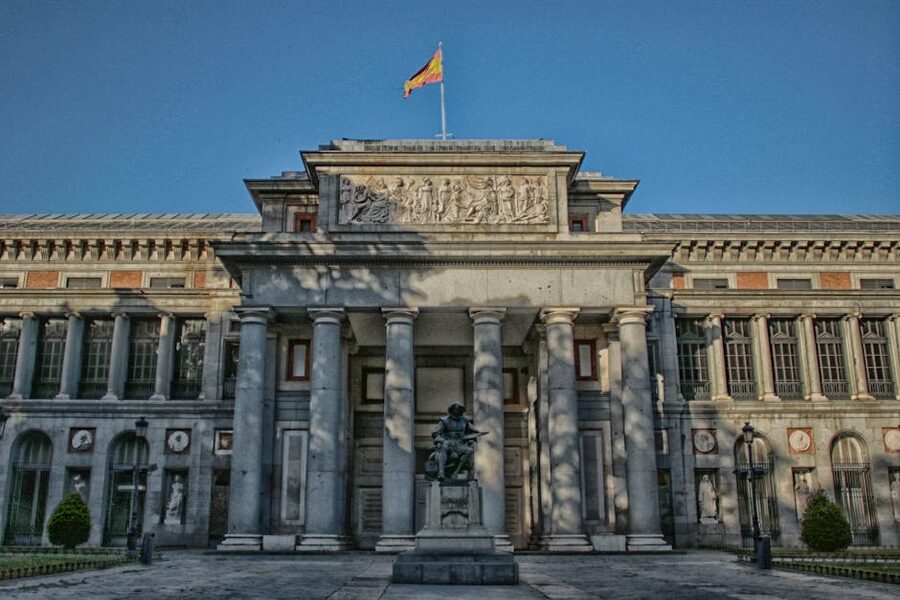
The entrance you want is the Goya Door at the north end (Calle Felipe IV). The Velázquez Door (west, on the Paseo) is staff-and-tour-group only most days. The Murillo Door (south) is for groups with reservations. If your ticket says “Goya entrance”, that’s where you go. Allow 15 minutes for security and bag check at peak times.
Bag rules: anything bigger than a small handbag goes in the cloakroom (free, but the queue at peak is real). Water bottles allowed if sealed. No food, no large umbrellas, no tripods. Photography is mostly banned in the permanent collection. The wall placards are explicit, and the staff are watching. Don’t try.
Opening hours, in case you need to plan around them:
- Monday to Saturday: 10am–8pm
- Sunday: 10am–7pm
- Closed: January 1, May 1, December 25
- Reduced (10am–2pm): December 24, December 31, January 6
Check the official site before you go in case a seasonal exhibition has changed the layout.
When to Go
The Prado is busiest from 11am to 2pm, when the tour groups land. Open the doors at 10am sharp and get a clear hour with Velázquez before the crowds. That hour, with most rooms three-quarters empty, is the best the museum will ever feel for you.
The other quiet stretch is the last hour, 7 to 8pm. Most travellers leave by 6pm to find dinner. The 7pm crowd is locals, students, free-entry visitors. Saturday and Sunday mornings are the worst. Tuesday and Wednesday mornings are the best.
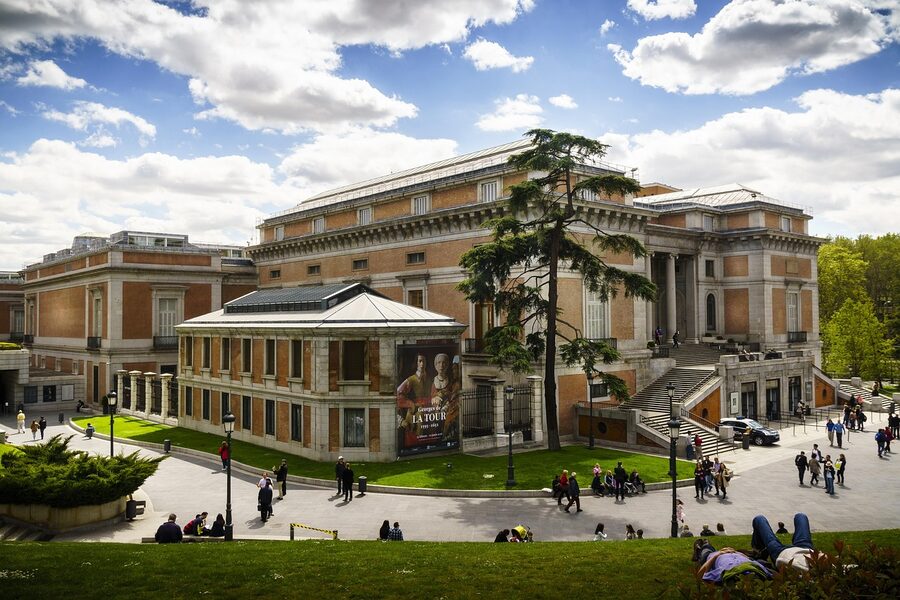
Free hours (Monday–Saturday 6–8pm, Sunday 5–7pm) are popular but workable. Get there 45 minutes early, get in at 6 sharp, and you have two hours. It’s not enough for a first visit but it’s plenty for a return one. If you’ve already done the Prado once and want to spend an evening with three or four specific paintings, the free slot is a gift.
Getting There
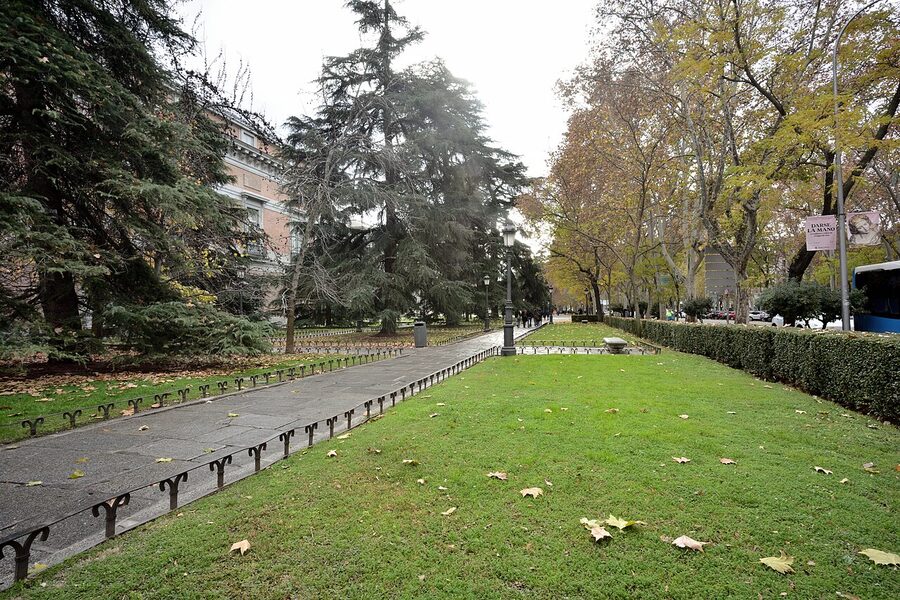
Metro: Banco de España (line 2) is closest to the Goya Door. About a 5-minute walk. Atocha (line 1) is closer to the Reina Sofía end of the boulevard, 8 minutes from the Prado. Estación del Arte (line 1) sits between the two and is named for the Articket triangle. Cercanías commuter trains all stop at Atocha.
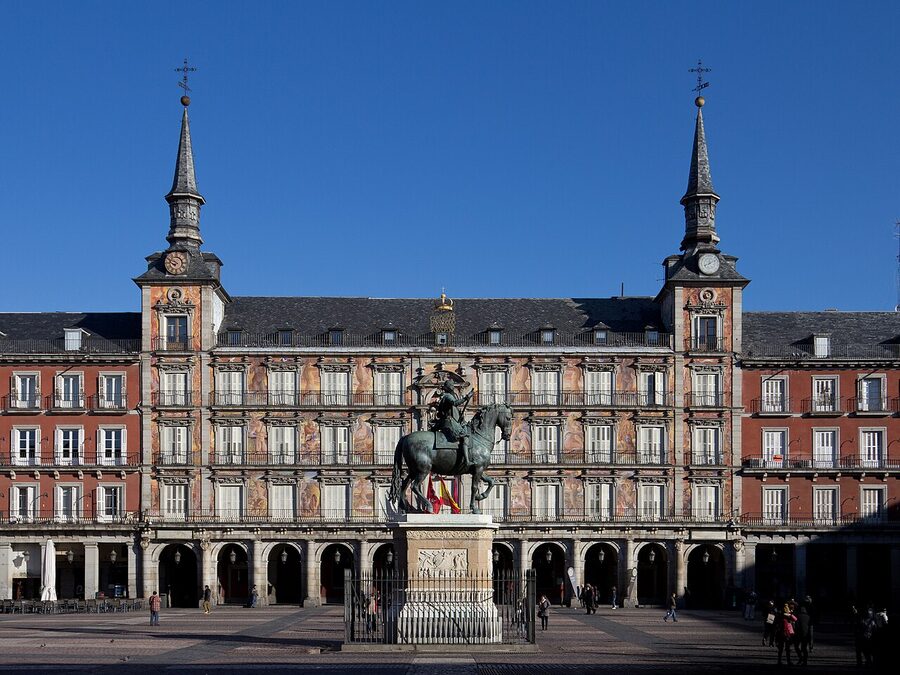
Buses 9, 10, 14, 19, 27, 34, 37, and 45 all stop nearby. From the Royal Palace area, walk: it’s 25 minutes through the historic centre and you pass the Plaza Mayor on the way. The walk is part of why people fall for Madrid. From the Royal Palace, head down Calle Mayor to Plaza Mayor, then south through the Barrio de las Letras to Paseo del Prado.
Eating Around the Prado
The Prado’s basement café is fine, not great. Coffee, sandwiches, slightly tired pastry. Useful for a 20-minute reset between Velázquez and Goya, not worth a sit-down lunch. The terrace at the Thyssen, two blocks north, is better and has a view of the Paseo. The Reina Sofía’s Nubel restaurant is the upmarket option for a proper meal.
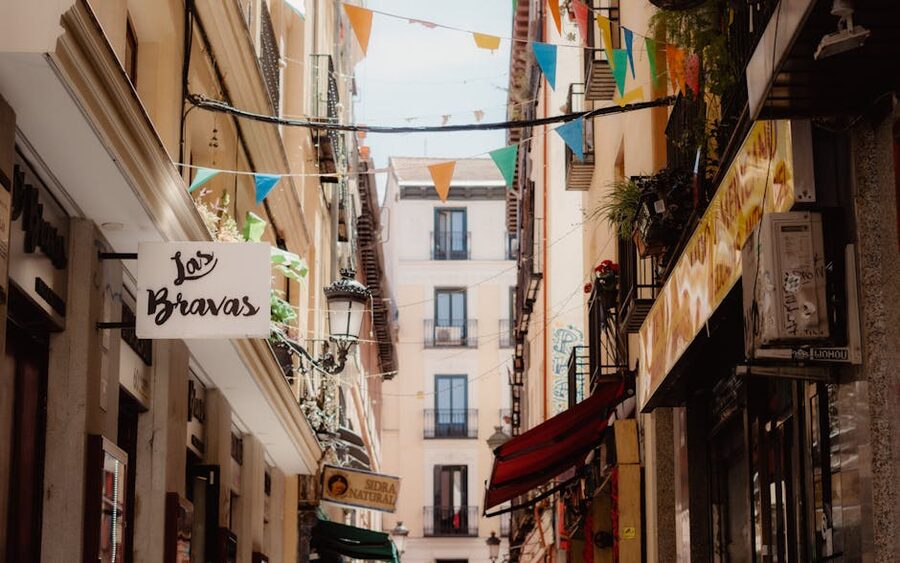
Walk five minutes east into the Barrio de las Letras and the food gets dramatically better. Cervecería Cervantes for caña and tapas at the bar. Casa González for a wine flight and Spanish cheese in a converted family-run shop. La Sanabresa for old-school three-course menú del día for €15.
The Casón del Buen Retiro and Retiro Park
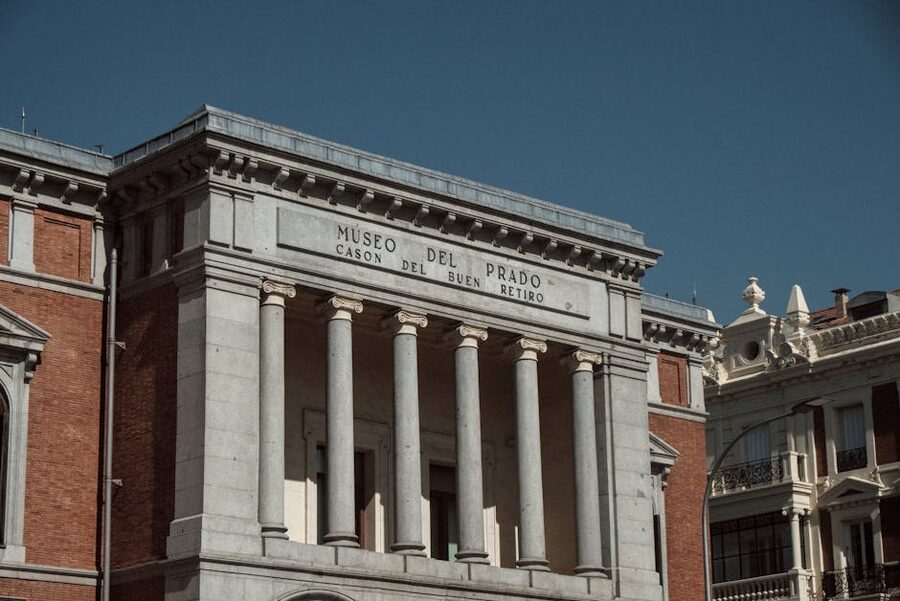
The Prado has two satellite buildings most travellers never set foot in. The Casón del Buen Retiro, just east of the main museum, is the surviving ballroom of King Philip IV’s old Buen Retiro Palace. It now holds 19th-century Spanish painting and Luca Giordano’s astonishing 1697 ceiling fresco. Free with your Prado ticket.
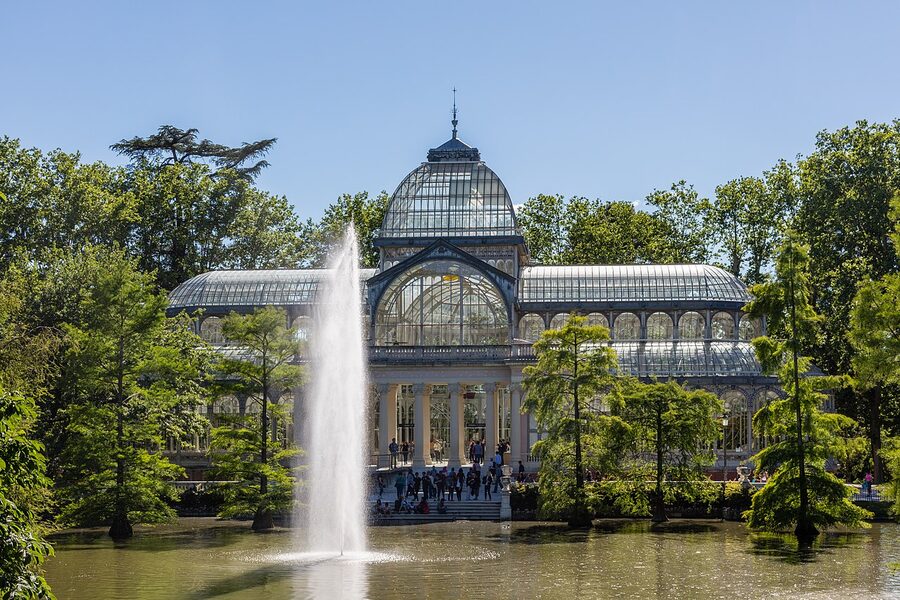
Behind it is the Retiro Park, the royal pleasure garden the Buen Retiro Palace once sat in the middle of. The Crystal Palace (Palacio de Cristal) and the Velázquez Palace inside the park host rotating contemporary art shows from the Reina Sofía. They’re free and most tourists don’t know they exist. After three hours of Goya, walking through Retiro to a glass building full of Olafur Eliasson is the perfect decompression.
The Prado With Kids
The straight answer: under-10s do not love three hours of Habsburg portraits. Goya’s Black Paintings will scare them. The Bosch will fascinate them and then scare them. There’s no kids’ audio guide that I’ve found genuinely worth the upgrade.
What does work: pick three paintings before you go in (Las Meninas, the Bosch, Goya’s Saturn or the Black Dog), tell the kids the story behind each, and treat the visit as a 90-minute scavenger hunt for those three. Skip everything else. Then go to Retiro Park and rent a rowboat on the lake. That sequence works. A four-hour Prado march does not.
One Day in Madrid With the Prado
If you’ve got one full day in Madrid and want to do it right, this is the order:
- 10am: Prado, two and a half hours.
- 12:30: walk through Retiro Park.
- 1pm: tapas lunch in Barrio de las Letras.
- 3pm: Royal Palace tour, about 90 minutes.
- 5pm: Plaza Mayor and Mercado de San Miguel for a glass of wine.
- 8pm: dinner.
- 10pm: a real flamenco tablao, not the Gran Vía dinner-show.
For two days, swap a half-day for a Toledo run. Toledo, the old imperial capital before Madrid, is 30 minutes south on the AVE high-speed train. The combination of Prado on day one and Toledo on day two gives you the painting and the city the painters lived in. Many of El Greco’s Prado works were made in Toledo.
Comparing the Prado to Other Big-Single-Painting Museums
The Prado is in the same category as a few other museums where one painting carries the visit. Leonardo’s Last Supper in Milan is the cleanest comparison: one painting, one room, one timed slot, the rest of the museum almost incidental. The difference is the Prado has fifteen paintings of that calibre, not one. You don’t book Las Meninas separately.
The Uffizi in Florence is bigger, broader, and Italian-only. The Prado is narrower, deeper, and entirely about how Spanish kings collected. The Vatican Museums are more about the building itself than the individual paintings. The Borghese in Rome is closest in mood: one family, one collection, one extraordinary room after another. If you loved the Borghese, you’ll love the Prado. The Paris parallel is the Mona Lisa at the Louvre, with the impressionist canon at the Musée d’Orsay as the post-Velázquez chapter the Prado deliberately doesn’t tell.
If You Liked the Prado, Try These Next
Three quick recommendations. The Reina Sofía for Picasso’s Guernica and the Spanish 20th century. Velázquez and Goya gave Picasso his vocabulary, so the Prado-then-Reina-Sofía sequence is the right one. Toledo as a day trip, because so many Prado paintings were made there. The El Greco rooms make sense once you’ve stood in the streets he painted. And the Segovia and Ávila day trip, because the Roman aqueduct and the medieval walls give you the Spain the kings ruled before they collected the art that ended up here. Travellers continuing on to Amsterdam will recognise the same single-painting-as-anchor logic at the Rijksmuseum (Rembrandt’s Night Watch) and the Van Gogh Museum, where the Sunflowers room functions for Vincent the way Las Meninas does for Velázquez.
For your first visit, two pieces of advice. Read the wall plaques next to Las Meninas, the Saturn, and the Garden of Earthly Delights. Spanish museum signage is unusually generous. And budget a real lunch break. Three hours of dense looking burns more energy than people expect, and the second half of the visit is wasted if you push through hungry.