I bought the wrong ticket my first time at the Vatican Museums. Not the wrong museum or the wrong day — the wrong type. I’d booked a basic timed entry, which got me through the door just fine, but I didn’t realize there was a separate line for audio guide pickup, and by the time I figured out the routing through the galleries, I’d burned 45 minutes on logistics before seeing a single painting. The Sistine Chapel was so packed I could barely look up.
The Vatican Museums are not complicated to book. But the system has enough quirks — multiple ticket types with confusing names, third-party resellers charging double, and a 30-day advance booking window — that it’s worth understanding before you hand over your credit card.
Here’s what I wish someone had told me before my first visit.
Short on Time? My Top Picks
Vatican Museums & Sistine Chapel Entrance Ticket — $38. Skip-the-line, self-paced. Best for independent explorers who want to go at their own speed. The one I’d buy again.
Vatican Museums & Sistine Chapel Guided Tour — $79.60. Includes a guide who actually knows what they’re talking about. Worth it if this is your first time and you want context for what you’re seeing.
Vatican, Sistine Chapel & St Peter’s Guided Tour — $22.93. Budget-friendly guided option on Viator. Covers all three sites in about 3 hours.
How the Official Ticket System Works
The Vatican Museums operate on timed entry. You pick a date and a time slot when you book, and that slot determines when you can enter. Once inside, you can stay as long as you want — there’s no time limit.
Tickets go on sale through the official Vatican Museums website up to 60 days in advance. Popular dates in summer and around Easter sell out fast, so I’d recommend booking as soon as your travel dates are set.
The standard adult ticket costs €17 at the door, but online tickets are priced at €22-25 because of the reservation fee. Here’s the thing — don’t let the markup stop you. The queue for walk-up tickets can stretch 2-3 hours on a busy morning, wrapping around the Vatican walls into the blazing sun. The €5 you save buying at the door will cost you half your morning.
When to Go
First entry is at 8 AM. If you’re booking a self-guided ticket, take the earliest slot available. The difference between 8 AM and 11 AM at the Vatican is the difference between a museum visit and a crowd management exercise.
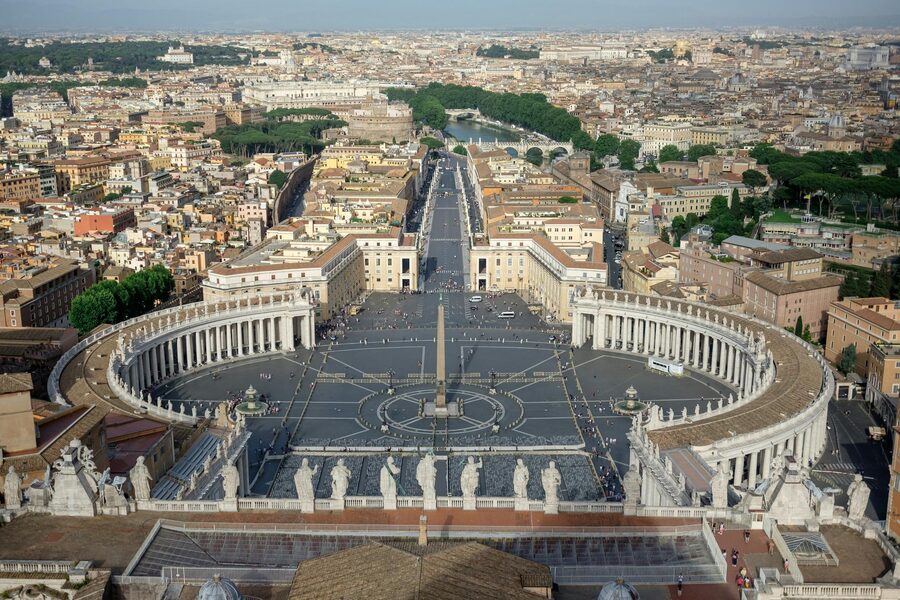
Wednesday mornings are often less crowded because the Pope holds a weekly audience in St. Peter’s Square, which draws a significant chunk of the tourist crowd. Monday and Saturday tend to be the busiest days. The museums are closed on Sundays (except the last Sunday of the month, when entry is free but the lines are biblical).
Dress Code
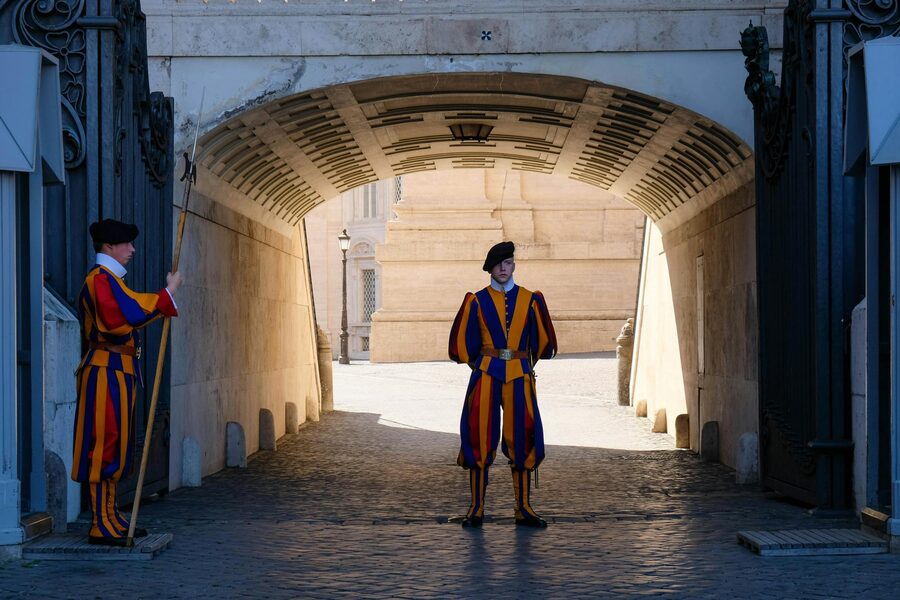
This catches people off guard. The Vatican enforces a strict dress code: no bare shoulders, no shorts or skirts above the knee, no low-cut tops. They will turn you away at the door — I’ve watched it happen to dozens of visitors who didn’t know. If you’re visiting in summer, throw a light scarf in your bag. It takes two seconds to drape it over your shoulders when you get to security.
The Best Tours for Vatican Museums and Sistine Chapel
You have two broad options: buy a ticket and explore on your own, or book a guided tour. I’ve done both, and there’s a genuine case for each.
Self-guided works well if you’ve done some homework, you prefer to linger in spots that interest you, and you’re comfortable navigating a massive museum complex alone. Guided tours are worth the extra cost if this is your first time — a good guide transforms the Vatican from “a lot of old paintings” into something that actually makes sense.
Here are the three I’d recommend, sorted by what kind of visitor you are.
1. Vatican Museums & Sistine Chapel Entrance Ticket — $38
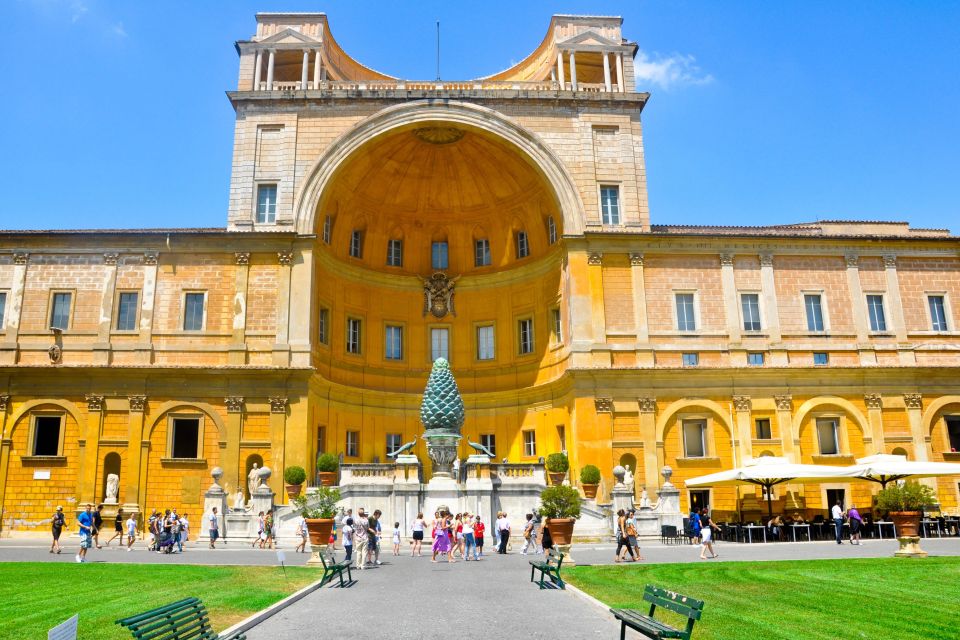
This is the gold standard self-guided option. Skip-the-line access, your own pace, no group to follow. Pair it with a downloaded audio guide app and you’ll get nearly the same context as a guided tour. I’ve written up the best route through the galleries if you want to plan ahead.
2. Vatican Museums & Sistine Chapel Tour With Optional Basilica — $79.60
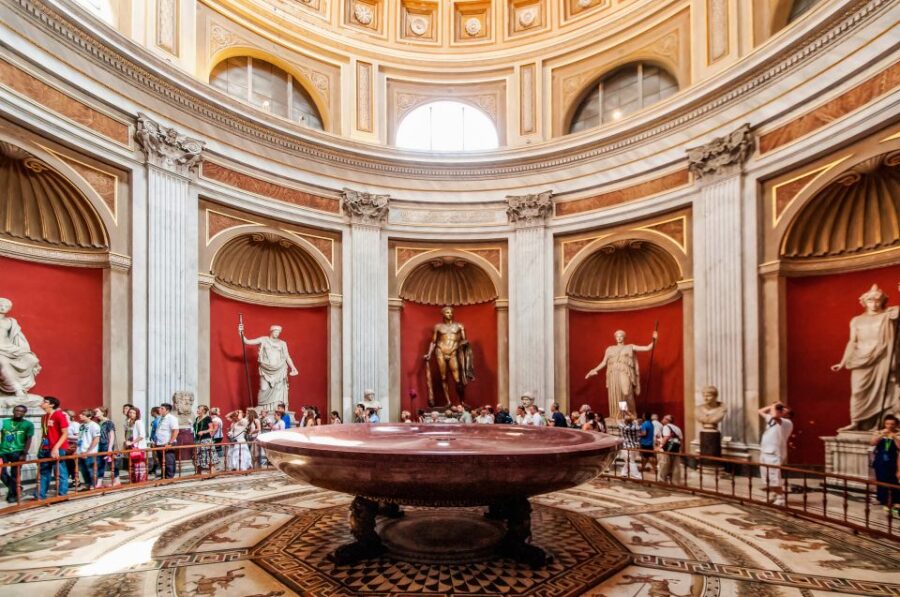
If you want someone who actually knows the difference between Raphael and Caravaggio to walk you through these galleries, this is the one. Fast-track entry, a guide who covers the highlights without dragging the group through every single room, and the optional St. Peter’s Basilica add-on is well worth the upgrade. We break down exactly what the basilica extension covers and whether it’s worth the extra cost.
3. Vatican, Sistine Chapel & St Peter’s Guided Tour — $22.93
The budget pick. Under $25 gets you a guide, skip-the-line access, and all three major sites in about 3 hours. It’s a tighter schedule than the options above, but the guides are knowledgeable and 39,000 people have given it strong marks. I go into more detail on what to expect from the group size and pacing if you’re deciding between this and the pricier tours.
What You’ll Actually See Inside
The Vatican Museums aren’t one museum. They’re a sprawling complex of 54 galleries, chapels, and open courtyards spread across nearly 4 miles of corridors. You won’t see all of it — nobody does in a single visit. Here’s what matters most.
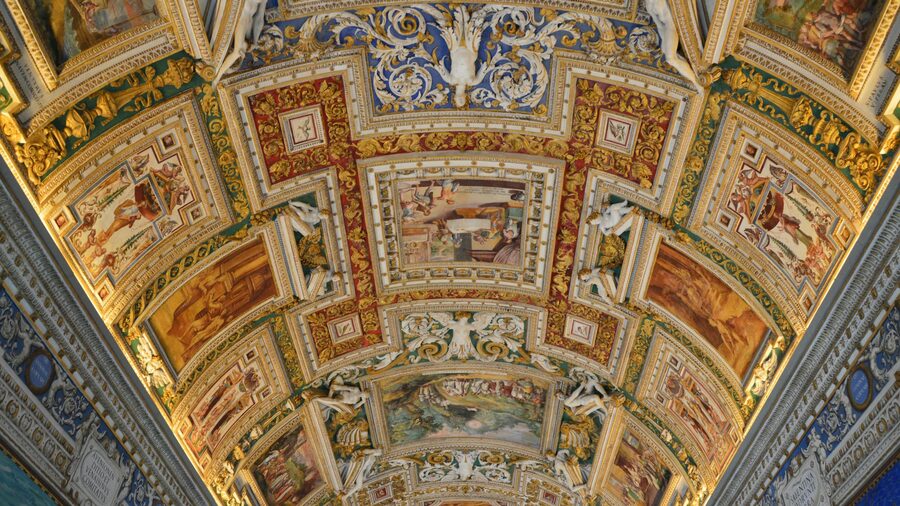
The Pinacoteca (Picture Gallery)
Most visitors skip this, which is a mistake. The Pinacoteca houses paintings by Giotto, Leonardo da Vinci, Raphael, and Caravaggio, all in relatively uncrowded rooms. It’s off the main route, which means you’ll often have these masterpieces nearly to yourself, the same way the side wings at Madrid’s Prado or the upper floors of Paris’s Musée d’Orsay stay surprisingly calm while the headline rooms fill up. If you only have time for one “hidden gem,” this is it.
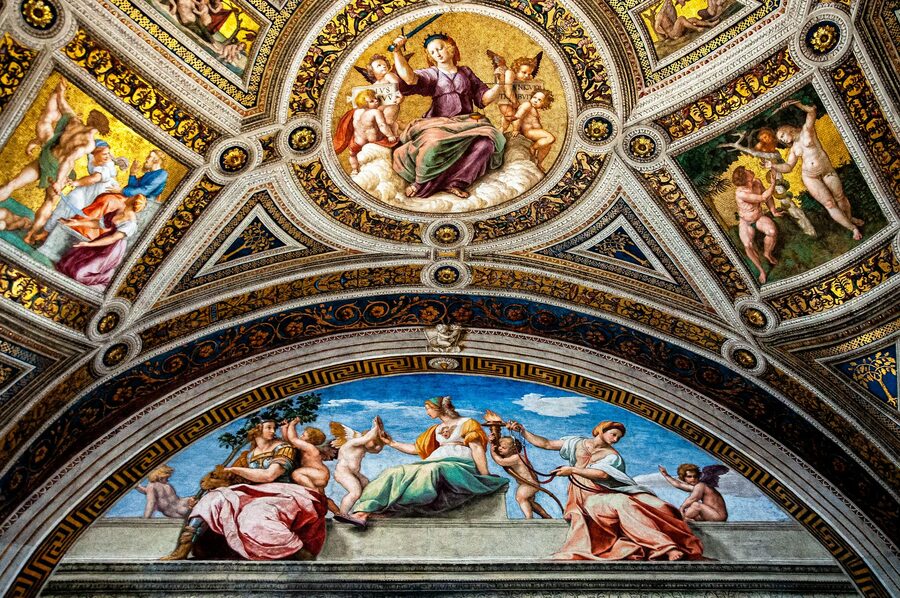
The Raphael Rooms
Four interconnected rooms painted by Raphael and his workshop between 1508 and 1524. The School of Athens — the one you’ve seen on every art history textbook — is in the Stanza della Segnatura. Stand in the center of the room and spin slowly. Every wall is a masterpiece. This room alone justifies the ticket price.
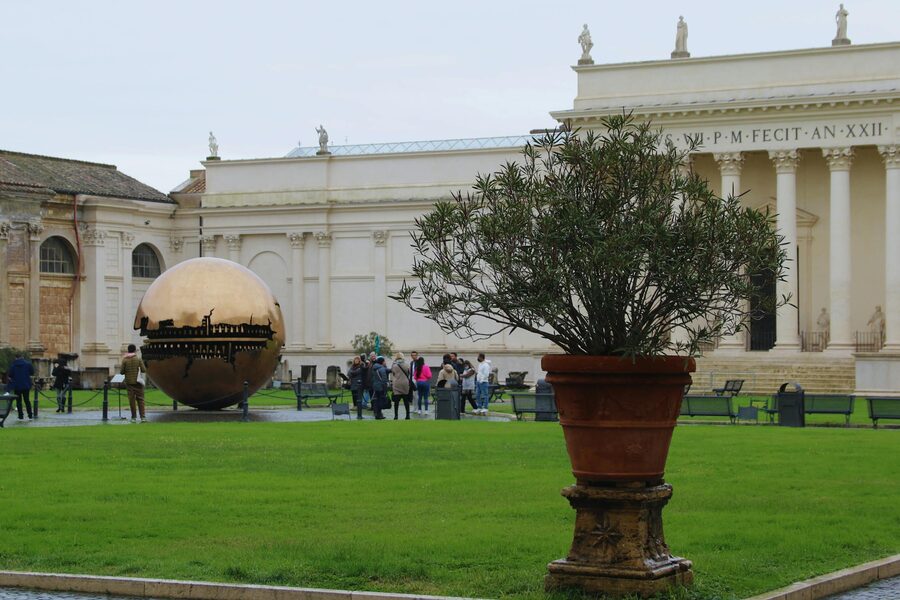
The Gallery of Maps
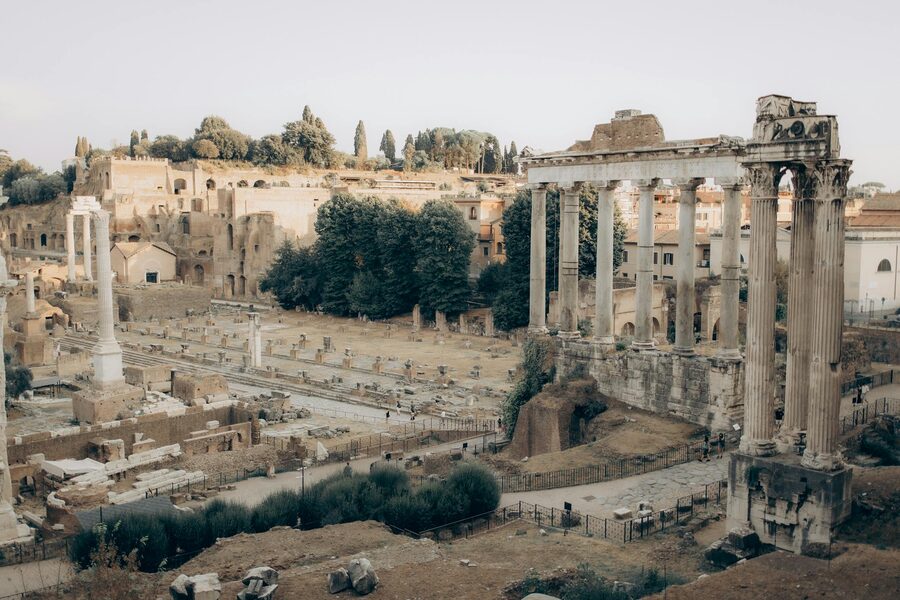
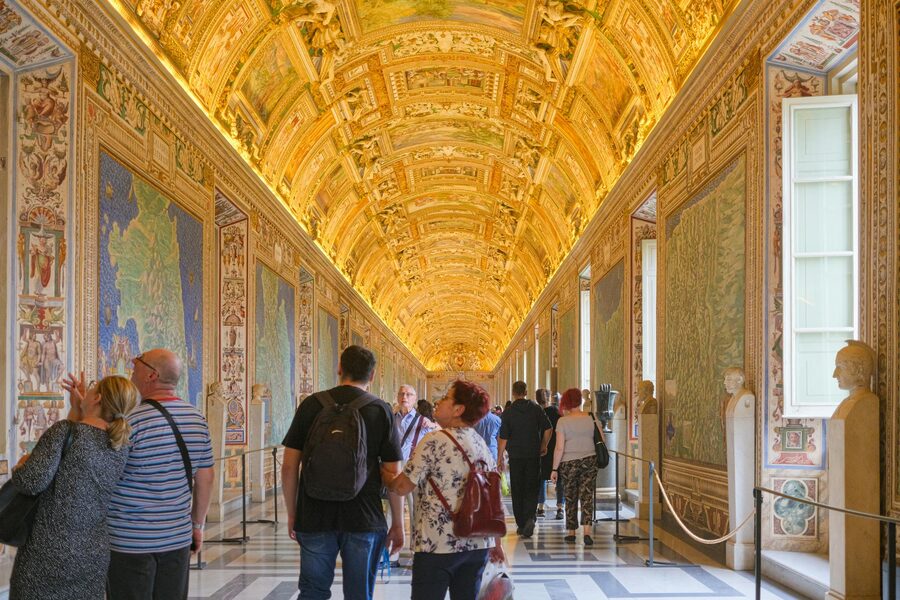
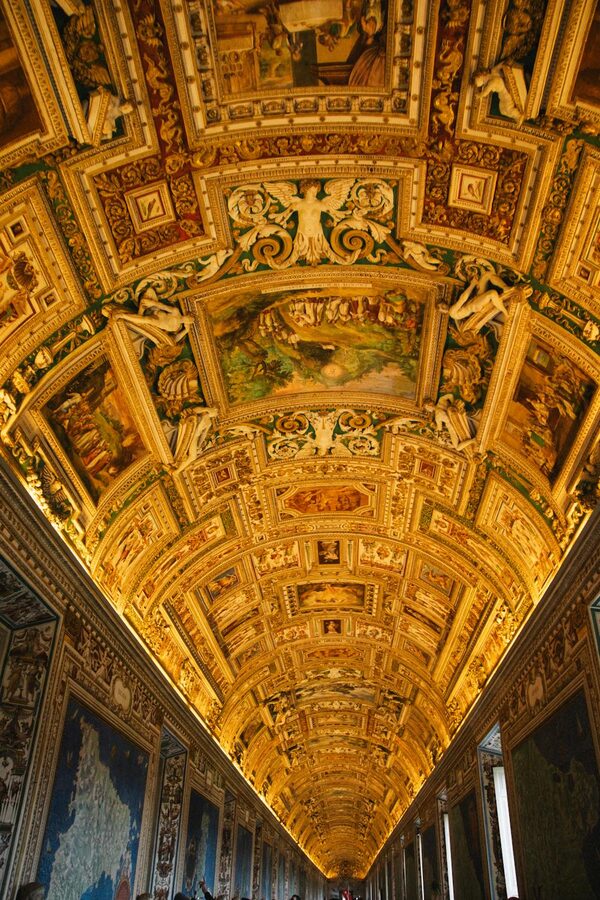
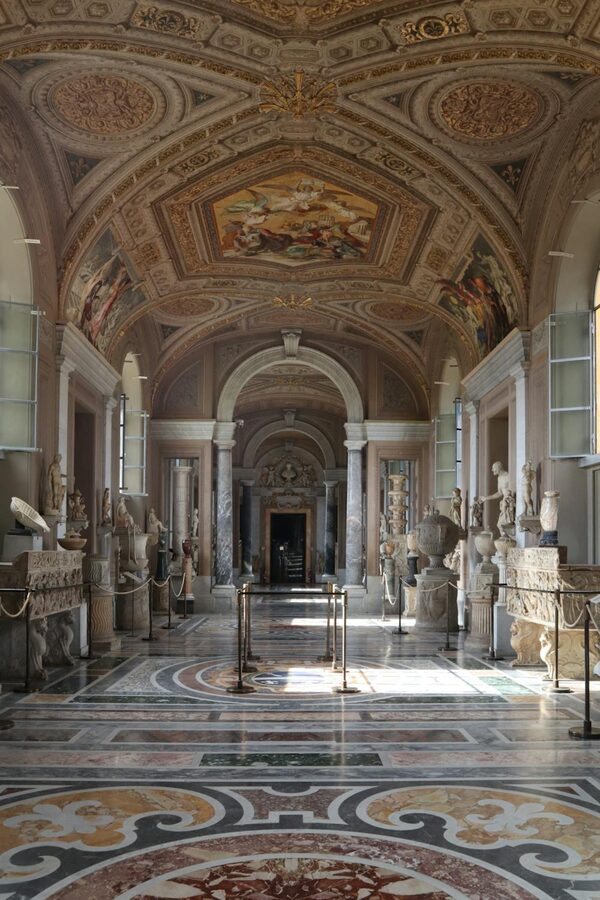
A 120-meter corridor lined with 40 topographic maps of Italy, painted between 1580 and 1585. The maps are gorgeous on their own, but look up — the ceiling is covered in gilt stucco and painted scenes. This corridor is one of the most photographed spots in the entire museum complex, and for good reason.
The Sistine Chapel
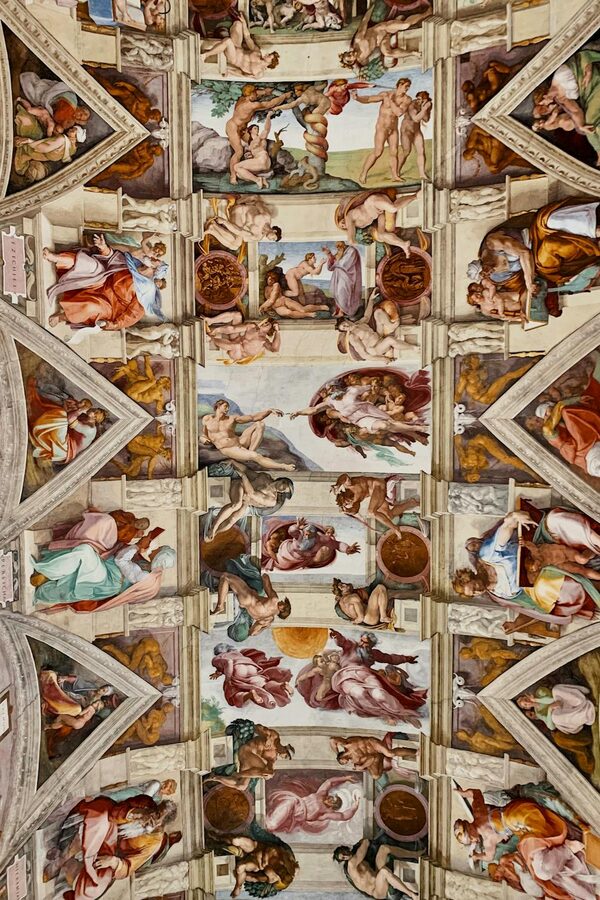
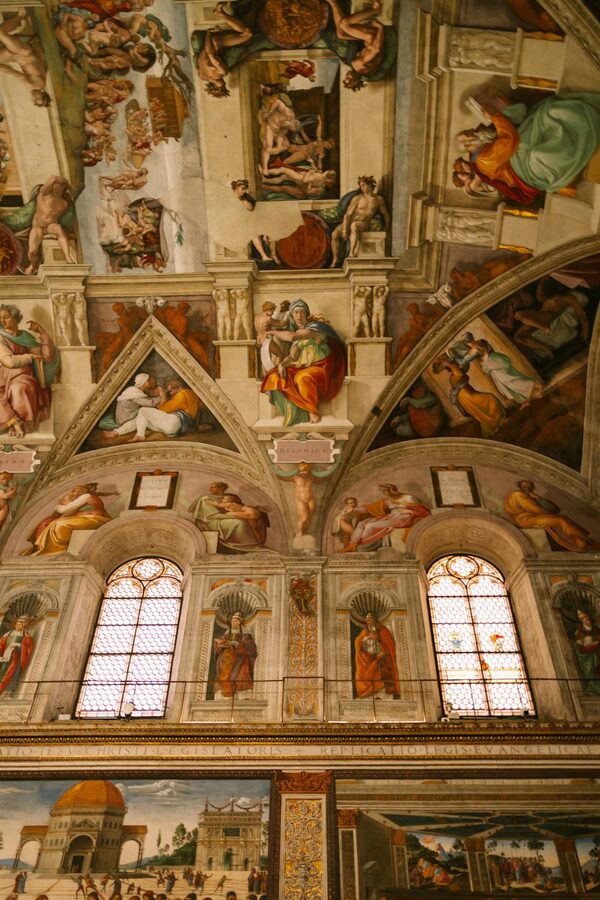
This is what everyone comes for. Michelangelo’s ceiling frescoes took four years to complete (1508-1512), and The Last Judgment on the altar wall took another four years after that (1536-1541). A few things to know before you walk in.
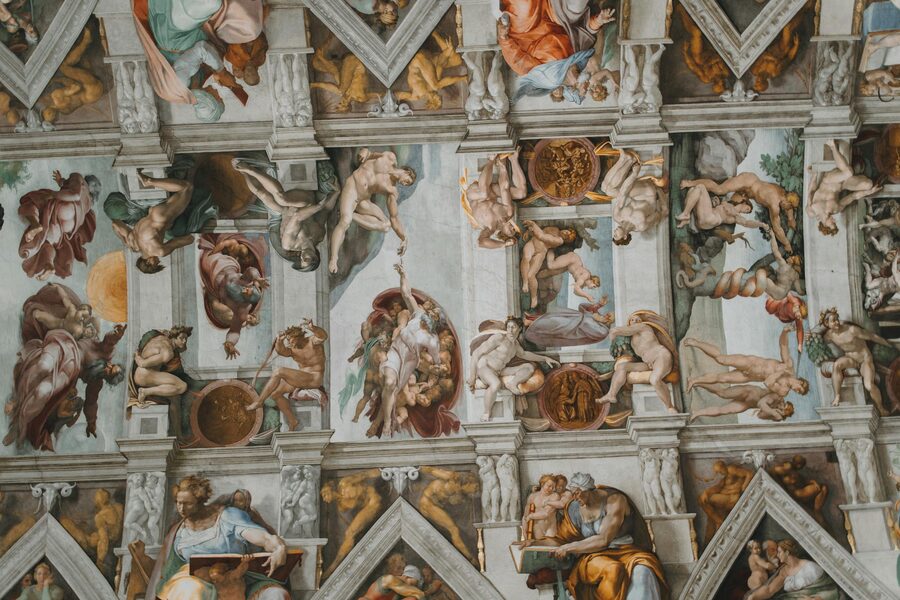
No photography is allowed inside the Sistine Chapel. Guards enforce this actively, the same rule that holds in front of Vermeer at the Rijksmuseum and around the Mona Lisa scrum at the Louvre. No talking above a whisper, either, they’ll shush you. The room holds 250 people at a time, and you can stay as long as you want, though during busy periods the guards gently encourage you to keep moving.
Bring binoculars or a small monocular if you have one. The ceiling is 20 meters above you, and the details are impossible to fully appreciate with the naked eye. The Creation of Adam panel is roughly in the center of the ceiling — look for it directly above the chancel barrier.
The Spiral Staircase
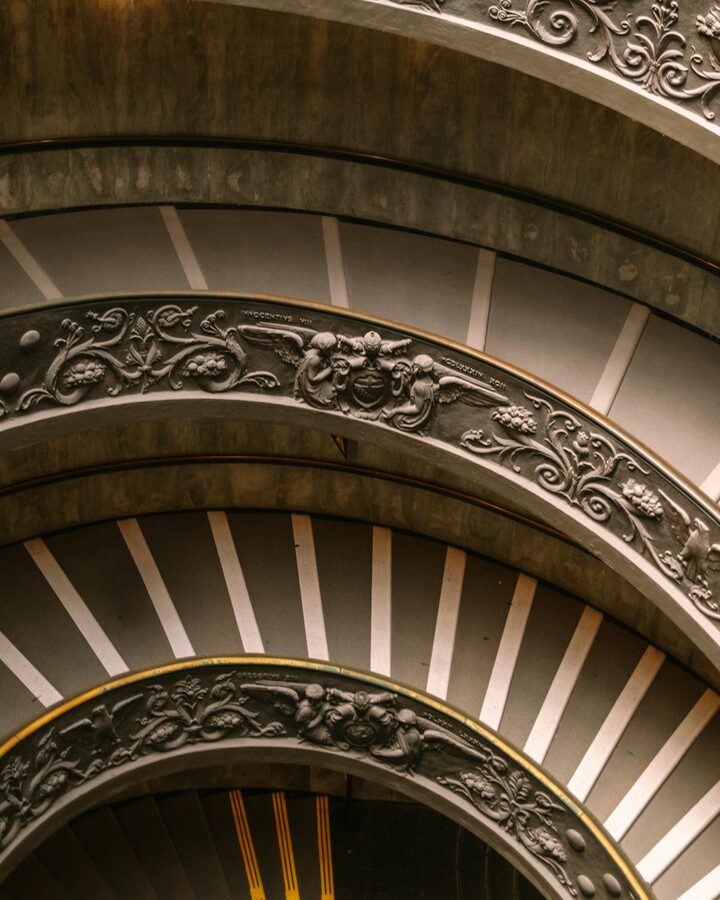
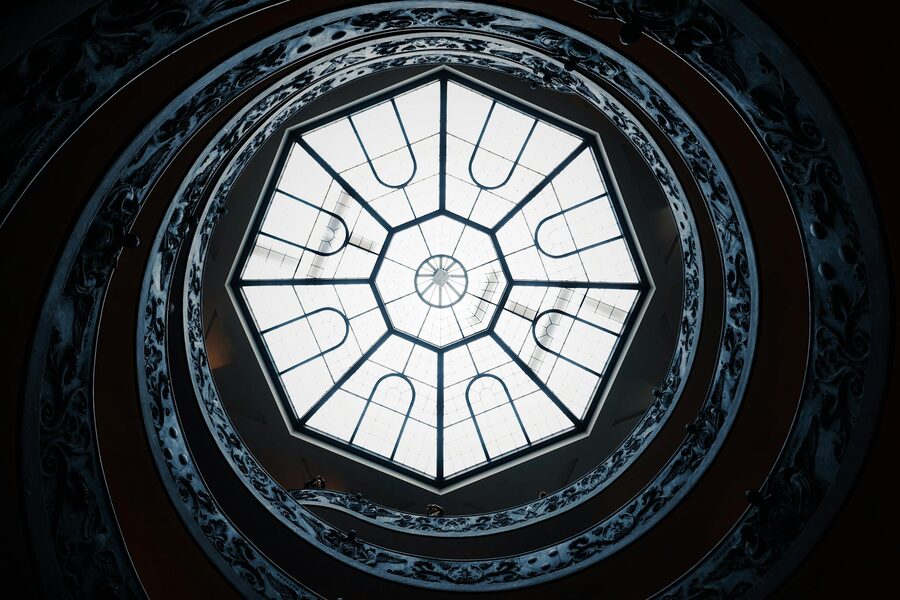
Technically called the Bramante Staircase (though the one visitors walk down is actually a 1932 replica by Giuseppe Momo), this double helix staircase is the last thing you see before exiting the museums. Two intertwined spirals allow people going up and people going down to use the same structure without crossing paths. It’s genuinely beautiful — don’t rush past it for the gift shop.
Official Tickets vs. Third-Party Resellers
You can buy tickets directly from the official Vatican Museums website or through third-party platforms like GetYourGuide and Viator. Here’s the practical difference.
Official tickets are cheaper — about €22 for a standard adult entry with the online reservation fee. Third-party tickets typically run $33-45 for the same basic access, but they come with a few advantages: easier cancellation policies (most offer free cancellation up to 24 hours before), sometimes faster entry through a dedicated group entrance, and better customer support if something goes wrong.
I generally book through third parties because the cancellation flexibility is worth the premium. Plans change in Rome — weather, energy levels, that extra glass of wine at dinner that makes an 8 AM museum visit sound less appealing. Being able to cancel or reschedule without losing your money is worth a few extra dollars to me.

Warning about scam sites: The Vatican’s official website explicitly warns about fraudulent ticket sellers using similar domain names. Only buy from the official site (museivaticani.va) or well-known platforms. If a site asks you to pay via wire transfer or cryptocurrency, close the tab.
Ticket Types Explained
The naming is confusing. Here’s what each one actually gets you.
Standard Entrance Ticket (€17 at door / €22 online) — Gets you into the museums and the Sistine Chapel. This is the base ticket. No guide, no audio guide, no extras.
Entrance + Audio Guide (€25-30 online) — Same access plus an audio guide device you pick up after entering. The audio guide covers about 400 works across the major galleries and runs about 2.5 hours if you listen to everything.
Guided Tour Tickets ($45-100+ through third parties) — Includes skip-the-line entry, a knowledgeable guide, and usually a set route through the highlights. Some include St. Peter’s Basilica access after the museum visit. Tour durations range from 2 to 4 hours depending on what’s included.
Free Entry (Last Sunday of each month) — The museums open for free on the last Sunday of every month, 9 AM to 2 PM (last entry at 12:30). Sounds great on paper. In reality, the lines can exceed 3 hours and the galleries are extremely crowded. I wouldn’t recommend this unless you’re on a very tight budget and have patience to spare.
Practical Tips I Learned the Hard Way
Allow 3-4 hours minimum. The standard tourist route through the museums to the Sistine Chapel is about 2 miles. If you’re actually stopping to look at things — and you should — that takes 3 hours at a comfortable pace. Add time for the Pinacoteca and St. Peter’s Basilica if you want the full experience.
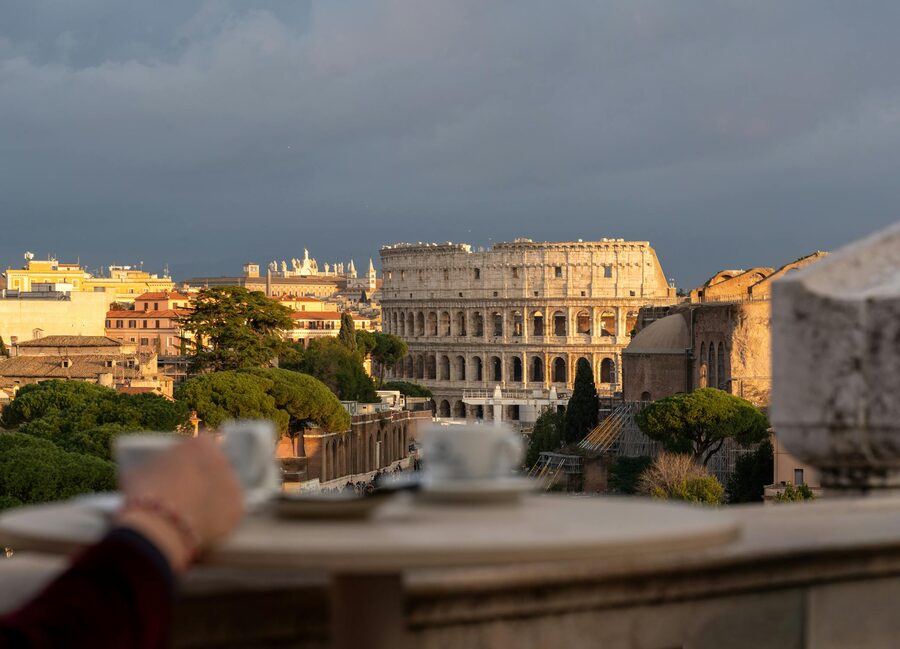
Eat before you go. There’s a cafeteria inside the museums, but the food is mediocre and overpriced. Grab a proper coffee and cornetto at a neighborhood bar before your visit. The Prati neighborhood, a 10-minute walk from the museum entrance, has excellent options.
Wear comfortable shoes. You’ll walk 3-4 miles on marble and stone floors. Sandals, heels, and new shoes will make you miserable by the second hour.
Download a map in advance. The Vatican Museums complex can be disorienting. The official app has an interactive map, or you can grab a paper map at the information desk right after security. Without one, you’ll end up walking in circles between the Egyptian collection and the Etruscan wing.
The Sistine Chapel exit shortcut. There’s a side door in the Sistine Chapel that leads directly into St. Peter’s Basilica. Technically it’s reserved for guided tour groups, but during quieter periods, individuals sometimes slip through. Don’t count on it, but if the door is open and staffed, it saves you a 15-minute walk back through the courtyard.
A Brief History of the Vatican Museums
The museums began in 1506 when Pope Julius II placed a recently unearthed ancient sculpture — the Laocoön and His Sons — in the Belvedere Courtyard. That single piece attracted so many visitors and inspired so many artists (Michelangelo studied it intensely) that the collection grew around it.
Over the next five centuries, successive popes added galleries, commissioned artworks, and acquired collections. The result is one of the largest and most important art collections in the world: 70,000 works, of which about 20,000 are on display at any given time, a scale on par with what the Van Gogh Museum in Amsterdam or Madrid’s Reina Sofía contain in deeper specialism rather than spread.
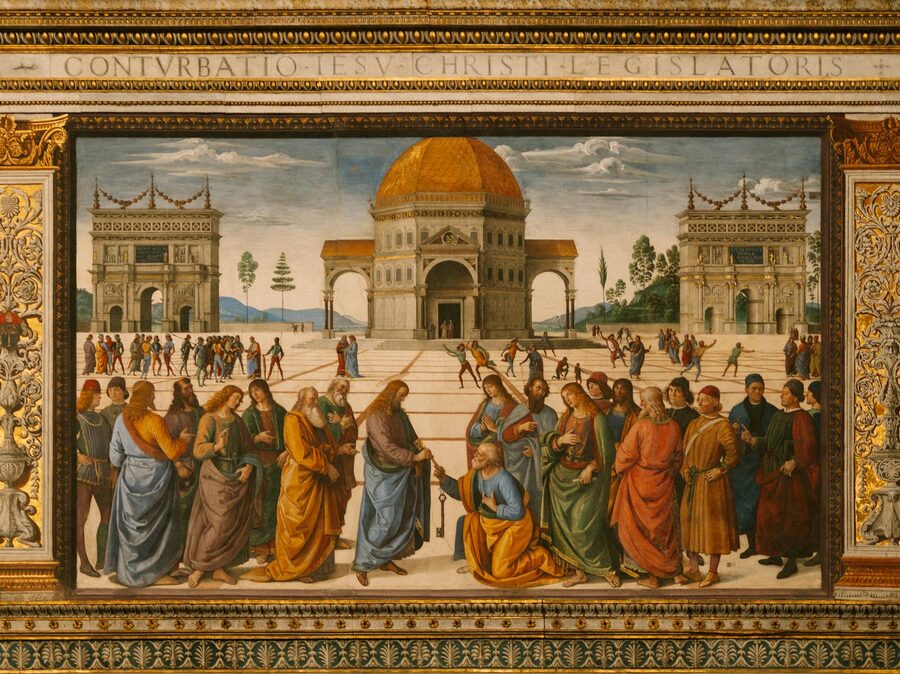
The Sistine Chapel itself predates Michelangelo’s famous ceiling by nearly 30 years. Pope Sixtus IV commissioned it in 1473 as the private chapel for papal ceremonies. The walls were painted by a team of Renaissance masters — Botticelli, Perugino, Ghirlandaio — before Michelangelo was even hired. His ceiling commission came from Pope Julius II in 1508, and the story goes that Michelangelo tried to turn it down. He was a sculptor, not a painter, and he suspected the project had been engineered by his rival Bramante to set him up for failure.
He painted it anyway. Mostly alone, on scaffolding he designed himself, working by candlelight in a space so cramped that his neck was permanently craned backward. When he finished four years later, he wrote a poem about the experience that included the line “my painting is dead.”
It wasn’t.
Getting There
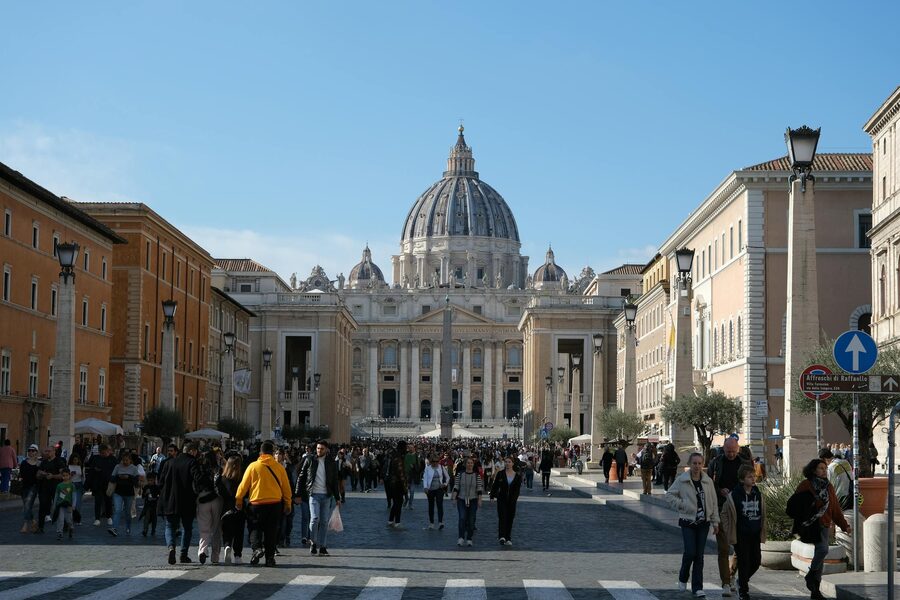
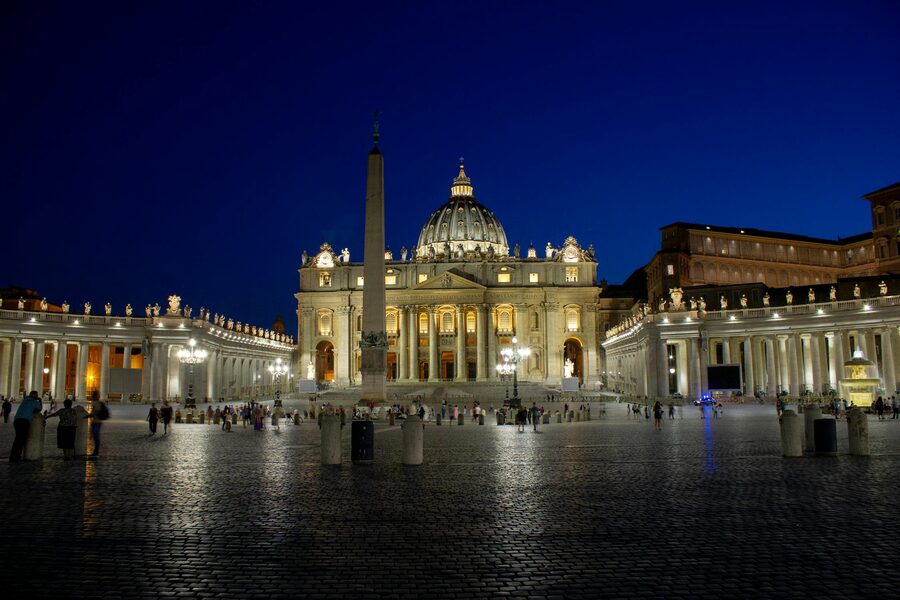
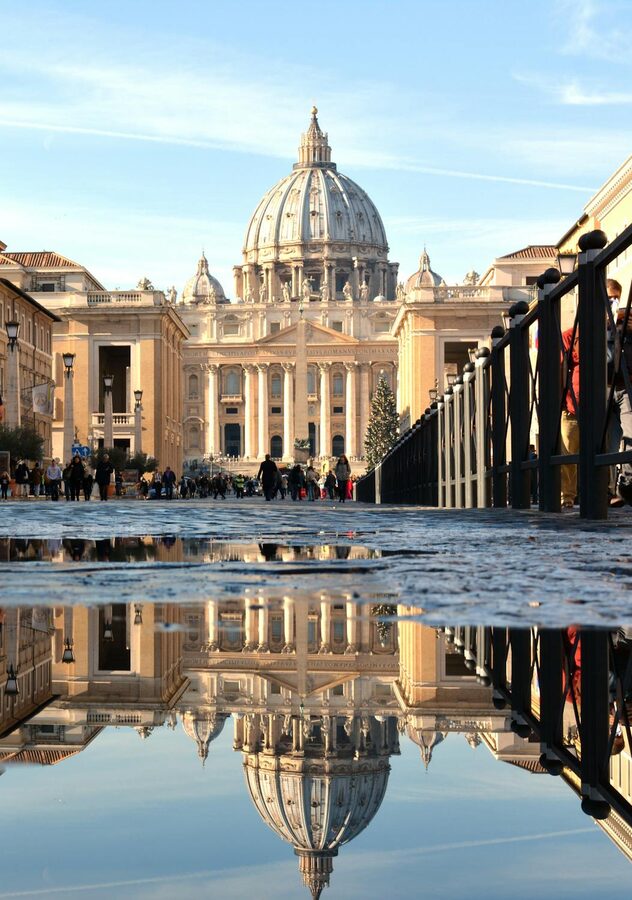
The Vatican Museums entrance is on Viale Vaticano, about a 10-minute walk north of St. Peter’s Square. The closest metro station is Ottaviano on Line A, from which it’s a 5-minute walk. You can also take the Cipro metro station, which is equally close but approaches from a different angle.
Bus 49 stops right at the museum entrance. Trams 19 stops at Piazza del Risorgimento, a 3-minute walk away.
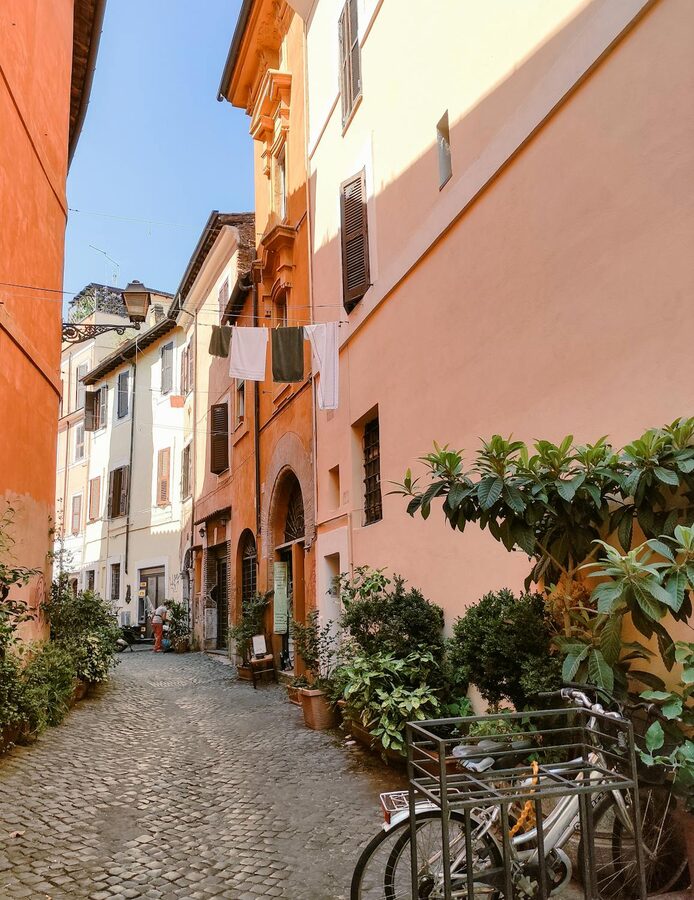
If you’re coming from Trastevere or the historic center, the walk takes about 20-25 minutes across the Tiber. Follow the Vatican walls — they’re hard to miss.
More Booking Guides for Rome
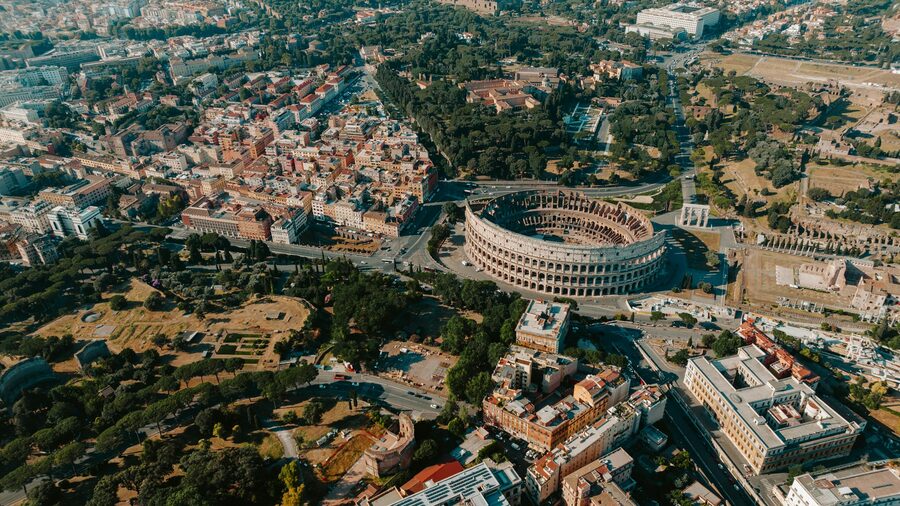
The Vatican is usually the first big ticket people book for Rome, but it’s far from the only one that needs advance planning. If you’re visiting the Colosseum, those tickets sell out on a similar timeline and the same advice applies — book early, take the earliest time slot, and don’t try to wing it at the door. For a dome climb at St. Peter’s Basilica, you don’t need a museum ticket, but getting there early avoids a long wait at the elevator entrance. And if you have a day to spare, a food tour through Trastevere or Testaccio is the single best way to eat in Rome without accidentally ending up at a tourist trap near the Pantheon.