
Stand in front of the Lady Gaga figure on the upper landing and the disorientation lasts about four seconds. Her shoulder turns toward you, the eye contact is direct, the corner of her mouth has the kind of wax-on-skin texture that doesn’t quite read as makeup. Then a Dutch teenager bumps your elbow trying to get her selfie angle right, and the spell breaks. That four seconds is what you’re paying for. The other ninety minutes are mostly her.
That’s the actual pitch for Madame Tussauds Amsterdam, and it’s the one nobody puts on the brochure. It’s a wax museum on Dam Square, owned by Merlin Entertainments, the same chain that runs LEGOLAND and SEA LIFE. It’s the smallest Madame Tussauds in Europe (one floor, around eighty figures), it costs about $24 online, and it’s a perfectly fine ninety minutes if you walked in knowing what it is. If you walked in expecting the London flagship, you’ll walk out wondering why you bothered.
In a Hurry? Here’s What to Pick
- Standard ticket ($24): the right pick if you’re a casual visitor or have kids in tow. Check availability and book.
- Skip-the-line / fast track ($21–25): worth it on weekends and rainy days when the queue stacks up under the awning. Check availability and book.
- Upside Down Museum ($24): the natural alternative if you’re really shopping for a “fun selfie attraction” rather than wax figures specifically. Check availability and book.
Where it sits, what it actually is
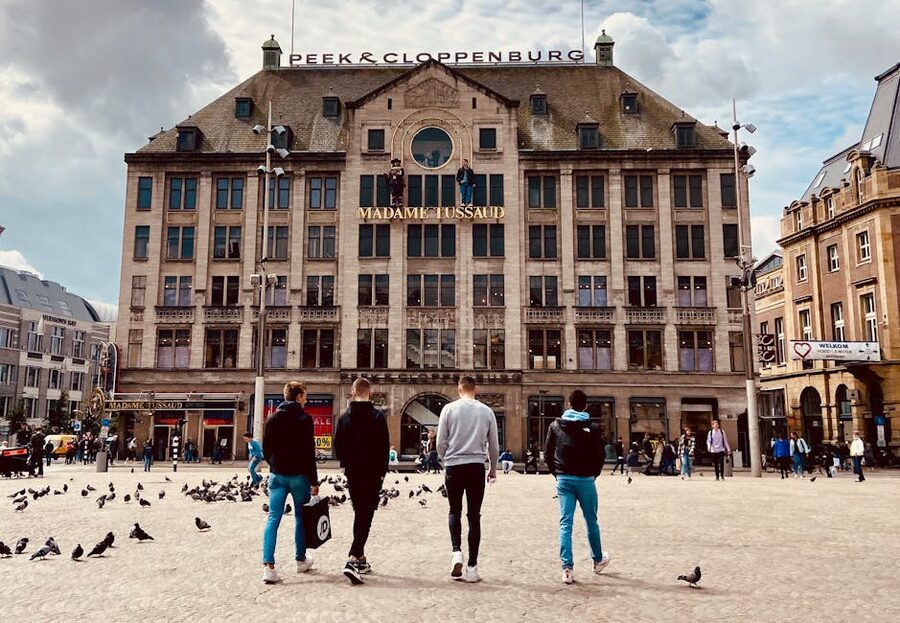
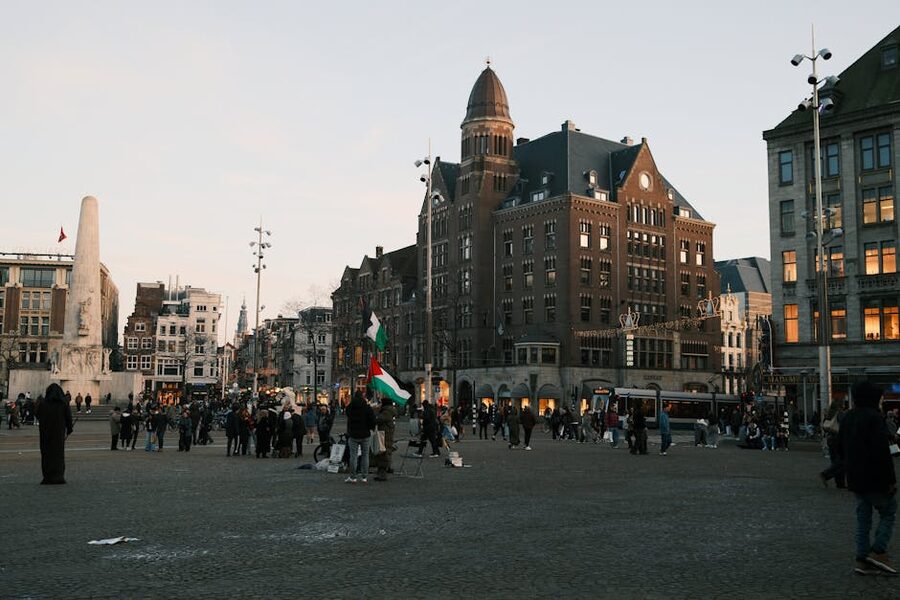
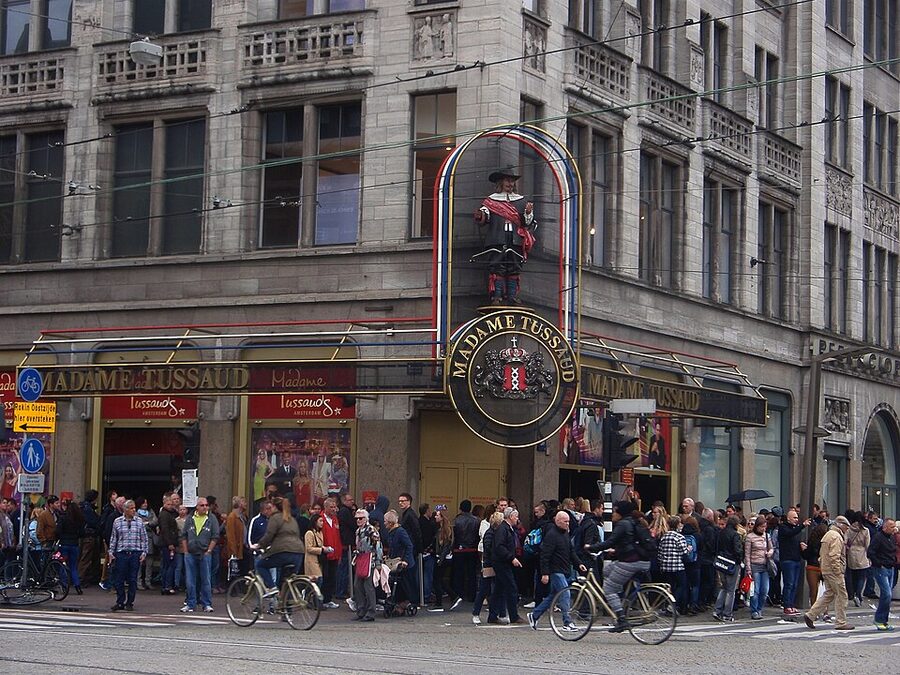
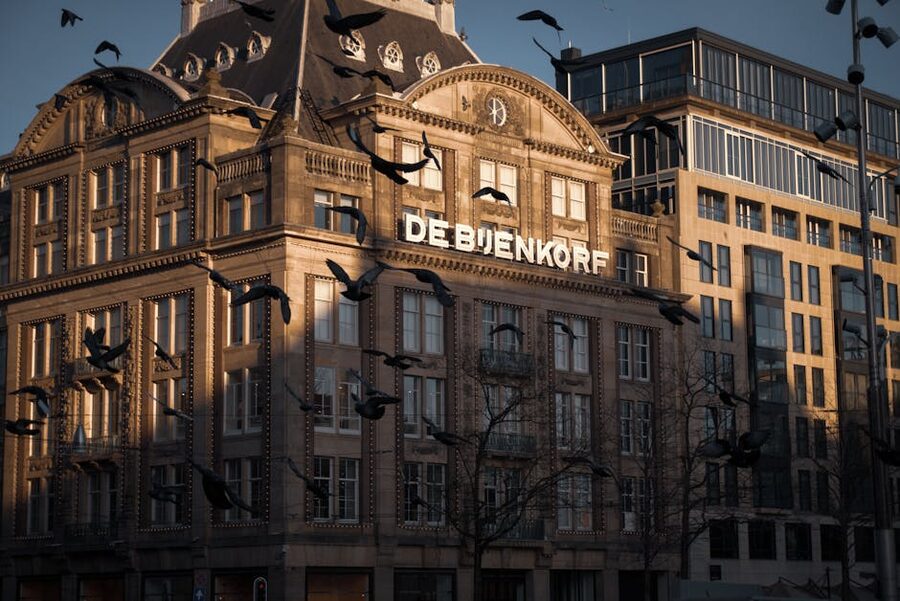
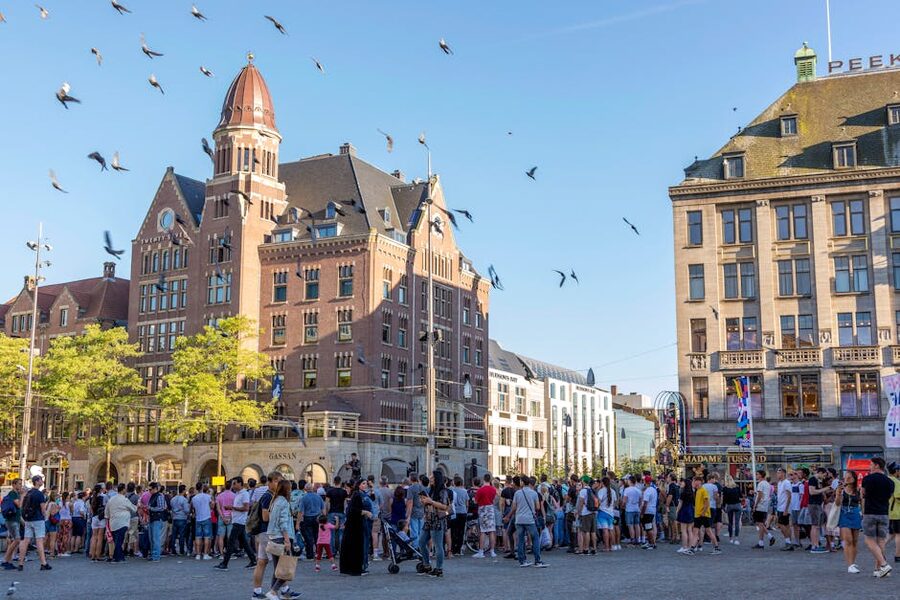
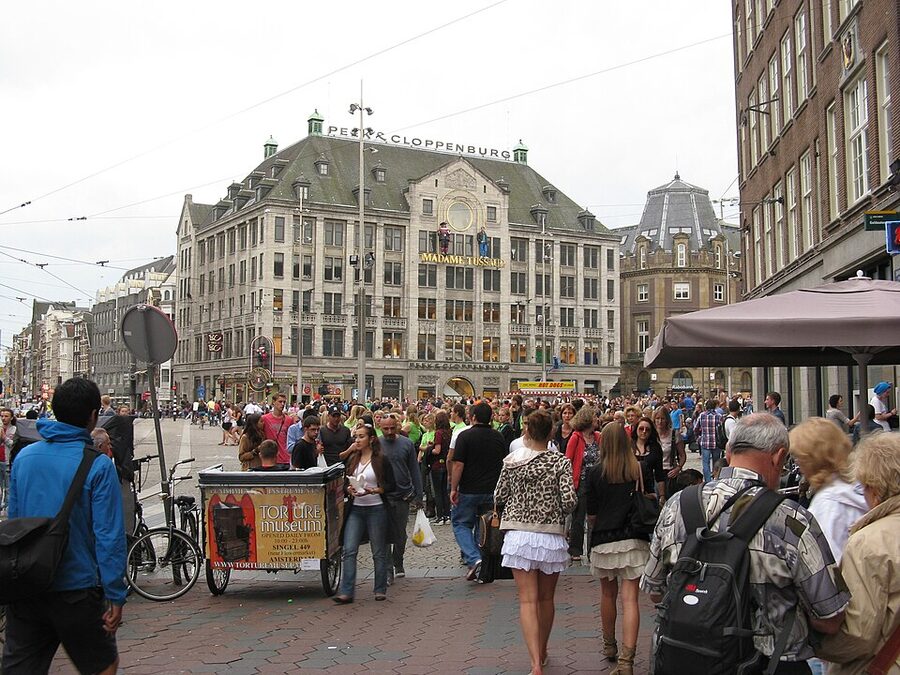
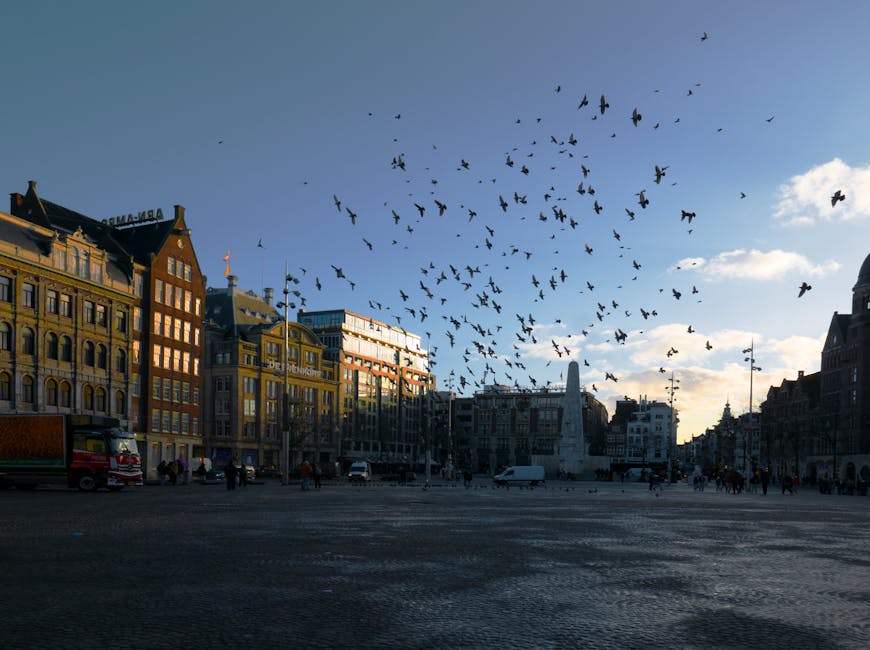
The address is Dam Square 20, on the south side of the square, sandwiched between the Royal Palace on one side and the Bijenkorf department store on the other. If you’re standing at the National Monument (the 1956 white obelisk in the middle of the square, the WWII memorial where backpackers tend to sit), Madame Tussauds is the building with the maroon awning and the slightly garish signage to your right.
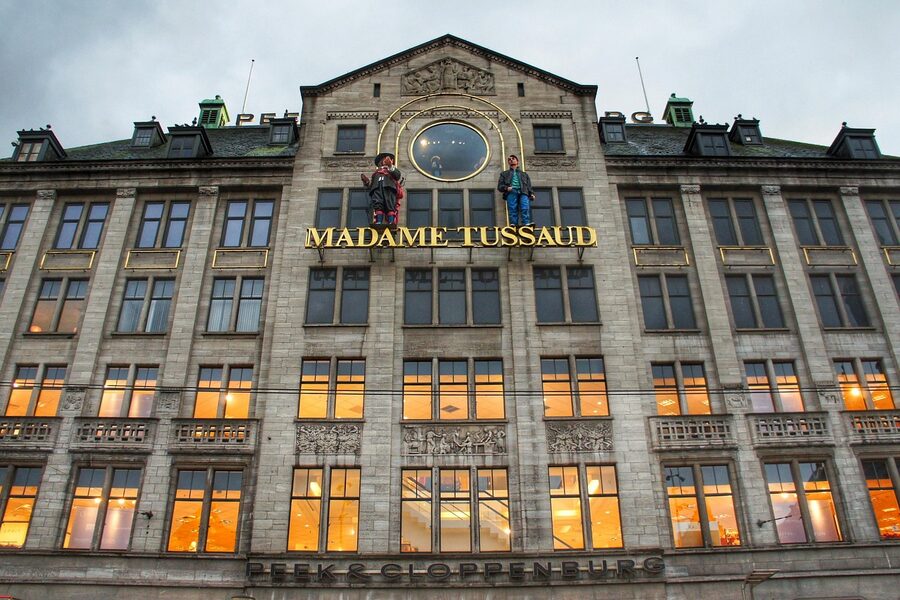
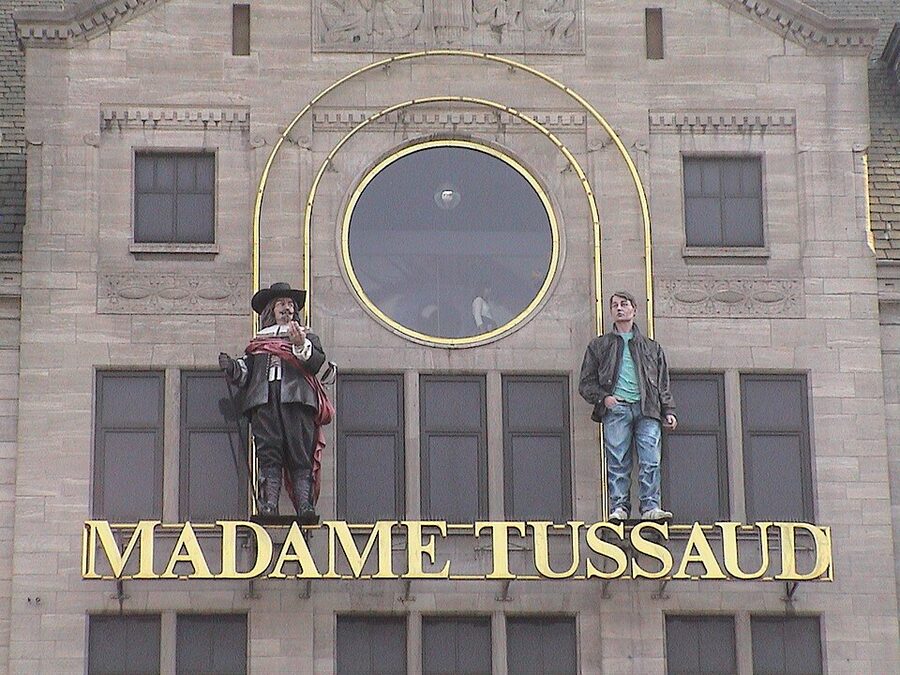
The brand traces back to Marie Tussaud’s 1802 London opening, but the Amsterdam branch only landed in this building in 1991. It’s not a working brewery or a historic site; it’s a chain attraction. Merlin Entertainments bought the chain in 2007 and now operates twenty-four Madame Tussauds locations globally. Amsterdam is one of the smaller ones, with around eighty figures arranged across one floor in six themed zones: Royal, Pop, Sport, World Leaders, Heroes, and Film. London has roughly two hundred and fifty figures across three floors. New York has about two hundred. Las Vegas has around a hundred. Amsterdam is the runt.
None of that is a knock; it’s just the size of the room. The way I think about it is the way I think about Icebar Amsterdam or the Upside Down Museum: a one-hour pocket attraction designed for a specific buyer (a teenager, a family on a rainy afternoon, or a couple killing time before dinner). Treat it as a forty-minute coffee break and it works. Treat it as the Van Gogh Museum and you’ll be furious within ten minutes.
Who actually likes this place
I’ll save you a Reddit deep-dive: the people who walk out of Madame Tussauds Amsterdam genuinely happy fall into three buckets.
The first is kids aged roughly eight to fourteen. The figures are recognisable, the props are interactive, the photo opportunities are everywhere, and there’s a thing to do at every figure (sit on the throne, hold the microphone, stand next to the basketball player). For an eight-year-old, this is almost a theme park attraction. They’ll talk about it on the train back to the hotel.
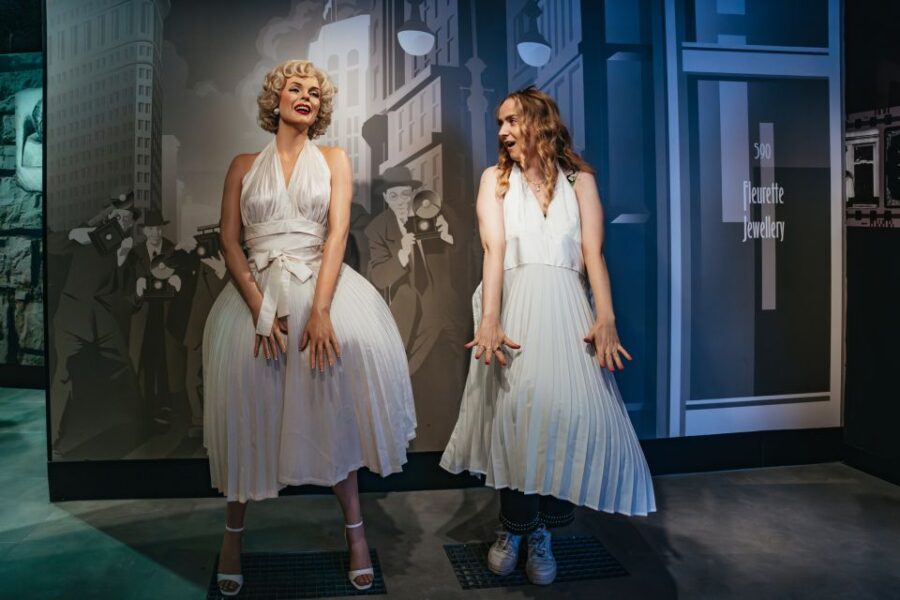
The second is Instagram-keen tourists who specifically want celebrity selfies. The lighting is flat-bright by design, which is unflattering in person but reads great on a phone. The figures are positioned to stand next to, not roped off. If your trip’s measured in posts, this is one of the few major Amsterdam attractions where the photo game is the whole game. Compare it to the Rijksmuseum, where you’re queueing thirty deep behind The Night Watch and not allowed to get within two metres; here you can pose against Lady Gaga’s wax shoulder for as long as the staff will let you.
The third is families on a rainy day. Amsterdam has roughly two hundred days of rain a year. When the canals are grey and the kids are losing it, the wax museum next to a department store with a food court is a real solution. The canal cruises still run in the rain, but they’re an outdoor activity at heart. Madame Tussauds is dry, warm, and ninety minutes long.
The wrong buyer is every adult who showed up looking for “real Amsterdam.” If you’re here for the Van Gogh Museum, the Anne Frank House neighbourhood, the canals, the brown cafés, and the Dutch Golden Age, this is not on your list. It’s a Hollywood-and-pop-singers museum. The Dutch component is two figures: Queen Maxima and a small Anne Frank likeness in the Heroes zone. That’s it.
Which figures land, which ones don’t
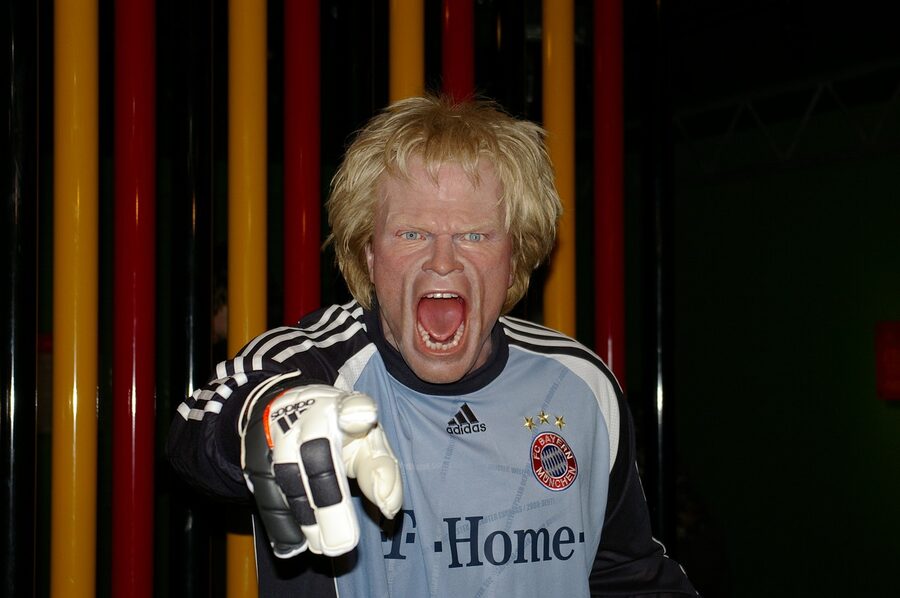
This is the part nobody writes about plainly, so here we go. Wax figures are made one at a time, by hand, by a London-based studio that produces around three hundred a year for the global Madame Tussauds chain. The figures cost roughly £150,000 each to produce. They’re not all good. Some are uncanny in the right way (you actually do a double-take); some land in the dead zone where they look like a mannequin store rejected the head.
The figures that consistently work in Amsterdam:
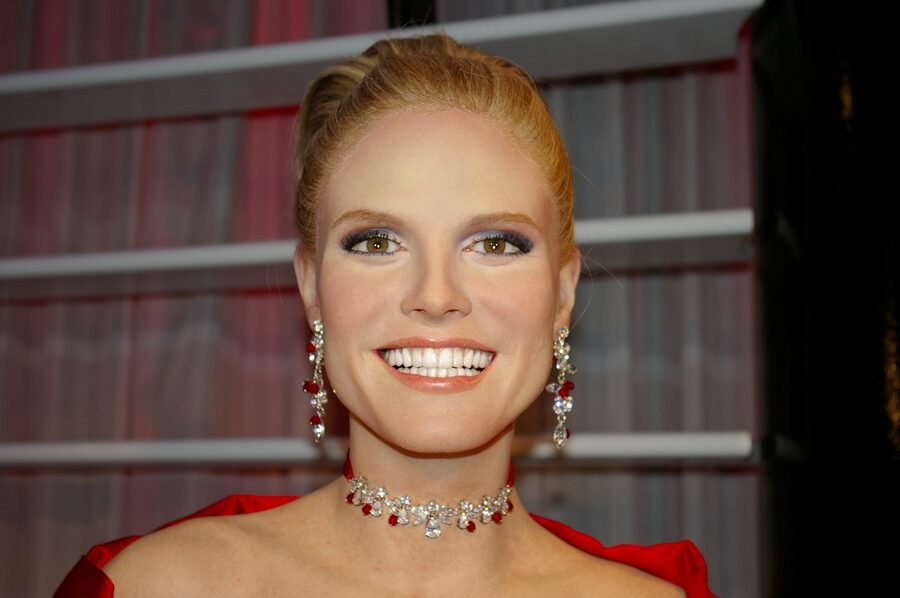
- Lady Gaga: the Pop zone’s anchor. The eye contact is right, the skin texture reads, the costume is on point. This is the one almost everyone mentions on the way out.
- Beyoncé: the second-most-photographed. The pose is mid-action, the dress fits the figure, and the proportions are correct, which is harder than it sounds.
- Robbie Williams: uncannily good. He’s leaning casually and the lean is what sells it; the posture has weight to it. People who walk past him often double back.
- Queen Maxima: the Dutch royal addition. Local pride means she’s done well, with a careful smile and the right Argentine-Dutch hybrid look.
- Anne Frank: small, in the Heroes section, and surprisingly tender. A lot of visitors don’t know she’s there until they round a corner.
The figures that don’t quite land:
- Donald Trump: universally cited as the worst. The hair is approximately right, the skin tone is approximately right, but the face has that frozen-mannequin quality that breaks the spell on contact. The Amsterdam location replaced the figure once and the second version isn’t much better.
- Some of the older Hollywood figures: George Clooney is on the edge of okay; the older stars (Charlie Chaplin’s likeness for instance) feel dated and the wax has yellowed in places where the lighting hits.
- The football figures: Cristiano Ronaldo and Lionel Messi are present but neither one really nails it. Footballers are hard because they’re recognised by their movement, not their stillness.
If you want the best four-second hits, walk straight to Pop first (Gaga, Beyoncé, Williams), then Royal (Maxima, the queen), then Heroes (Anne Frank, Mandela). Skip World Leaders unless you have a specific politician you want a photo with; that zone ages worst because the figures are date-stamped.
Tickets, hours, and the actual booking decision
Tickets are about $24 for adults online, $30 to $35 if you walk up to the door. Children’s tickets are around $20 and there’s a small under-five free policy. Family combo bundles knock a few euros off if you’re booking three or four together. The price is the same for the standard ticket through GetYourGuide, Viator, or the official Madame Tussauds website; book whichever has the time slot you need.
Hours are 10:00 to 21:00 daily. The 21:00 close is later than most Amsterdam museums, which makes this a legitimate after-dinner option in a way the Rijksmuseum (closes 17:00) and the Van Gogh Museum (closes 18:00 most days) aren’t. If you’ve come off a long Zaanse Schans day and want a low-effort indoor activity for the evening, the late close is genuinely useful.
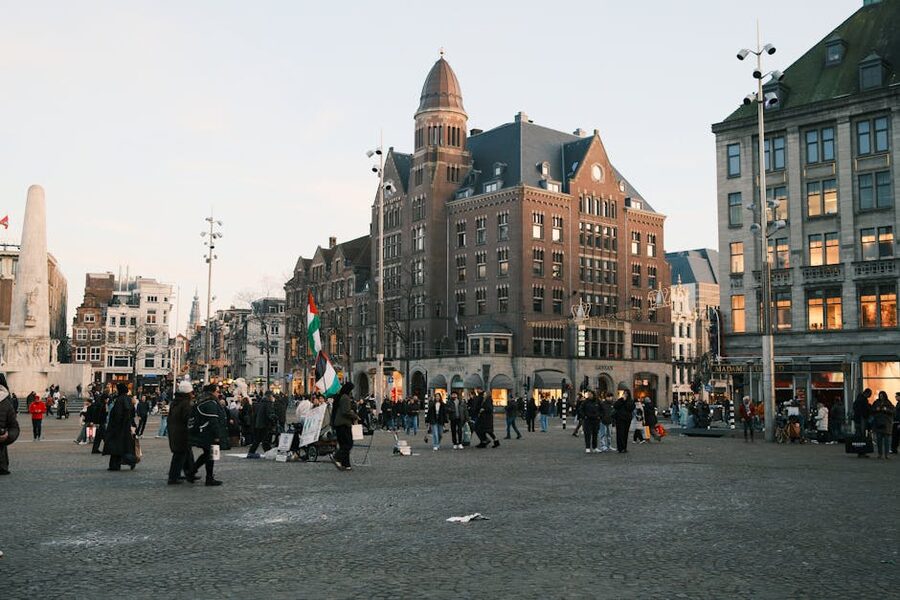
The skip-the-line ticket is worth the small premium on rainy days, school holidays, and weekend afternoons. On a Tuesday morning in March, the queue is twenty people and moves in fifteen minutes; on a Saturday in August or during Dutch school holidays, it can stack thirty deep under the awning and take forty-five. The fast-track ticket is usually $1 to $4 more than the standard. That’s a cheap insurance policy.
The combo tickets that bundle Madame Tussauds with a canal cruise are popular because the canal cruise is the most-bookmarked Amsterdam activity overall. The math is fine: a 60-minute canal cruise alone is $17 to $22, Madame Tussauds is $24, the bundle saves you about $5 to $8 versus booking separately. It’s not a transformative deal but it’s a real one. If you were going to do both anyway, the combo is sensible.
The real booking question, though, is whether to do this at all versus the alternative selfie attraction next door in product space: the Upside Down Museum. They’re priced almost identically (about $24 each), they take roughly the same time, and they appeal to the same buyer (the Instagram-keen tourist plus families). The decision logic I’d use:
- Pick Madame Tussauds if you specifically care about celebrities, or have a kid who knows who Beyoncé is, or want a wax figure photo for the obvious reason. The location on Dam Square is also more central, which matters if you’re walking everywhere.
- Pick the Upside Down Museum if you want pure photo-content with no celebrity hook. The 25 mind-bending rooms there are more genuinely Instagrammable, the staff actively help with photos, and the experience is more group-bonding (you’re laughing and figuring out angles together rather than queueing for individual selfies).
- Pick neither if your trip is short and you’re trying to fit in real Amsterdam. The Anne Frank walking tour, the canals, and the Heineken Experience all do more for first-time visitors.
What you actually do for ninety minutes
The route is self-guided and roughly chronological by zone, though you can break order. Most visitors take about ninety minutes; the museum’s own line is “around an hour” but that’s optimistic if you’re stopping at every figure.
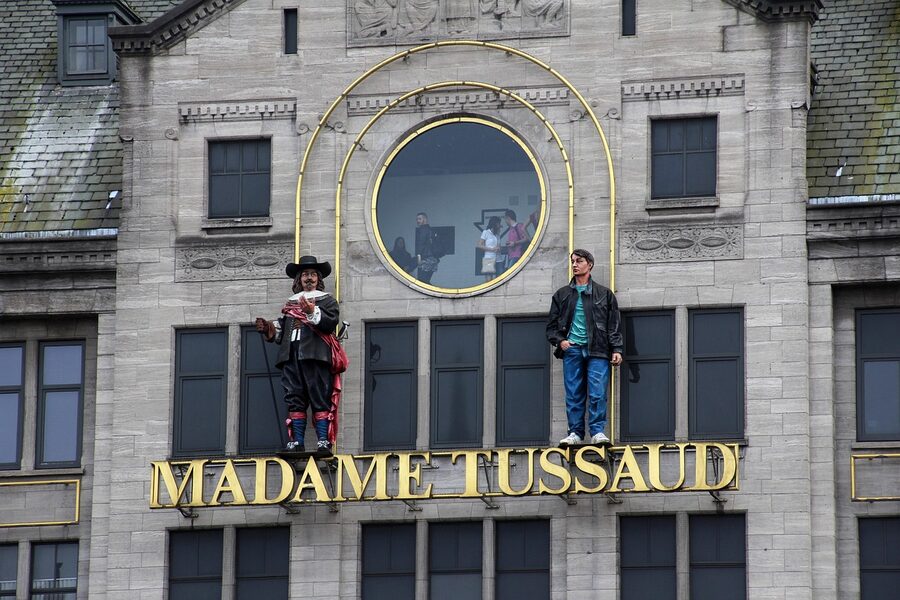
You enter at street level on Dam Square, take an escalator up one floor, and emerge into the opening corridor with a Marie Tussaud likeness and some history panels in Dutch and English. Almost no one reads them. Then the zones start, and from there you’re in selfie mode.
Royal is small but tightly done. King Willem-Alexander and Queen Maxima are the obvious pull; there’s also a Princess Diana figure that’s been in the rotation for a long time. Five to seven minutes in this zone. The throne photo is the standard play.

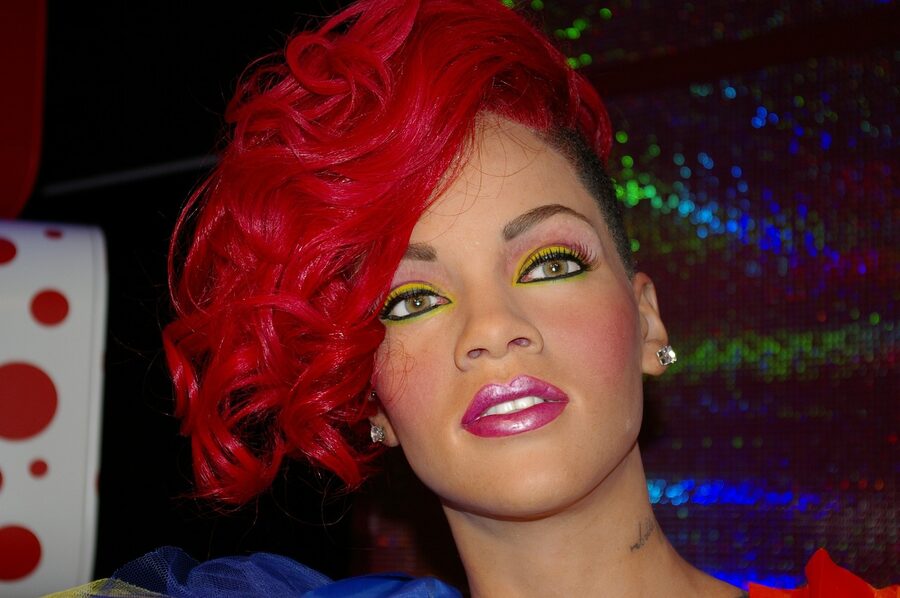
Pop is the busiest zone and the place where the museum earns its ticket. Lady Gaga, Beyoncé, Rihanna, Justin Timberlake, Robbie Williams, Adele, Madonna, Michael Jackson. Twenty to thirty minutes in this zone is normal. There’s a small TV-presenting interactive at one end (you stand behind a desk, a teleprompter rolls, you read it like a news anchor; your kid will love this) and a music-recording booth at the other.
Sport is mostly footballers, plus a boxing setup, plus one or two basketball figures. Five to ten minutes. The standard play here is the punching-bag boxing photo. Cristiano Ronaldo is the queue-puller but, as mentioned, the figure isn’t great. The boxing-stance figure of Mike Tyson is more convincing.
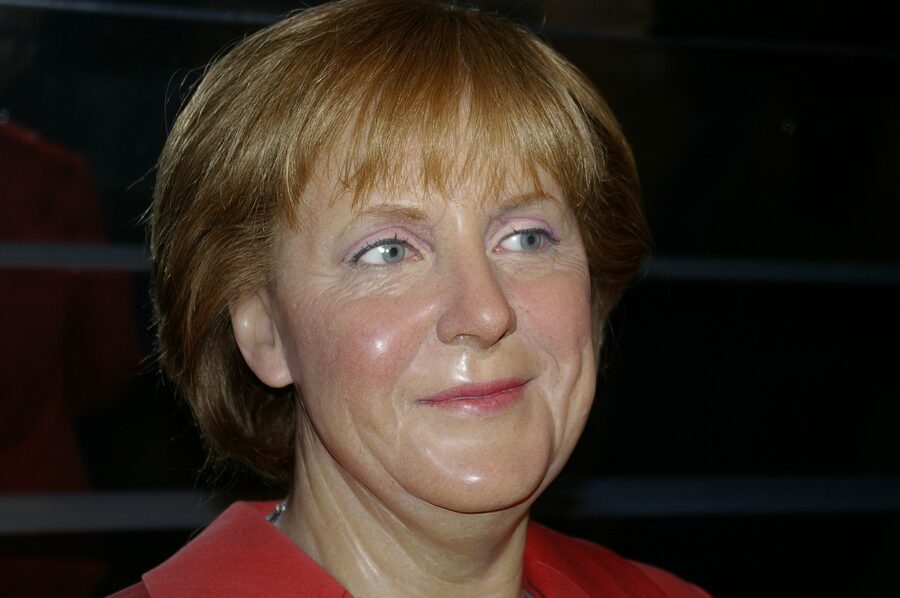
World Leaders is the politically interesting room. Obama, Trump, Merkel, Putin, Mandela, Gandhi (in the Heroes overlap), the Dutch Prime Minister of the day. Five minutes. The room ages the worst because politicians cycle, but the curators do swap figures in and out. Walk through, take one selfie if you’re inclined, move on.
Heroes is where you find Mandela, Anne Frank, Einstein, sometimes Mother Teresa, occasionally Stephen Hawking. The Anne Frank figure is small and in a corner with a quiet exhibit setup. It’s by far the most somber spot in the museum and a lot of visitors don’t realise she’s there. Stop at her. The Anne Frank House proper, a few blocks away, doesn’t have a wax figure for obvious reasons.

Film closes things out. Marvel characters in costume, Spider-Man, the Hulk, sometimes a James Bond, sometimes a Pirates of the Caribbean Jack Sparrow. Ten to fifteen minutes. This is a kids-and-teens zone almost exclusively; childless adults walk through it in three minutes and head for the exit.
The exit drops you into a small gift shop with the obligatory mug, magnet, and printed-photo booth (where they sell you a printed photo from one of the staged setups inside, around $12 for a digital file or $18 for a physical print). You can skip the photo upsell without anyone caring. Then you’re back on Dam Square.
Practical bits people get wrong
A few things that trip up visitors:
The figures are not roped off. You can stand right next to them, touch the costume edges, lean in for a photo. This catches some first-time visitors off guard if they expected the museum-style “do not touch” sign every two metres. The opposite logic applies here: the figures are the props.
No timed entry slots in the strict sense. Your ticket has a start time but the museum doesn’t enforce it tightly; if your slot is 14:00 and you arrive at 14:25, you’ll get in. They scan the QR code at entry and that’s it.
The audio guide isn’t included. There’s a self-guided audio app you can download, but most visitors skip it because the figures are self-explanatory. If you want context (who this politician is, what year this pop star peaked), it’s a small additional cost, around $5. Most people won’t bother.
Photography is the point. Phone cameras only; tripods aren’t allowed. The lighting is overhead-flat which is unflattering in person but reads well on a phone screen. Burst-mode rather than single shots gets you the best frame.
Wheelchair access is good. One floor, ramps and elevators throughout, and the route is wide enough for a wheelchair plus companions. This is one of the few Amsterdam attractions where mobility is actually well thought out.
Closest metro stops: Centraal Station is six hundred metres north (a ten-minute walk down Damrak); Spui is six hundred metres south; Rembrandtplein is eight hundred metres east. Almost everyone walks here from Centraal. The walk down Damrak is itself a little touristy (Hard Rock Café, Sex Museum, waffle stands) but it’s flat and quick.
The history bit, in case you care
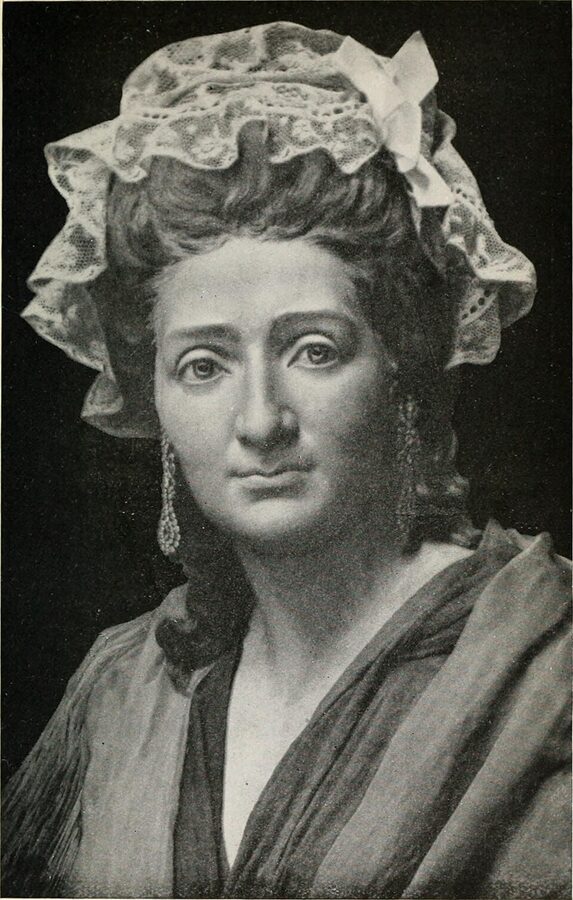
You probably don’t, but the curators tucked it into the entry corridor and a couple of you will. Marie Tussaud was born Anna Maria Grosholtz in Strasbourg in 1761. She learned wax modelling from the Swiss anatomist Philippe Curtius, who was treating wax figures as a medical-anatomy art form. By 1789 she was in Paris during the French Revolution; she made death masks of executed nobles, including Louis XVI and Marie Antoinette, often working from severed heads delivered to her workshop. That part isn’t in the Amsterdam exhibit.
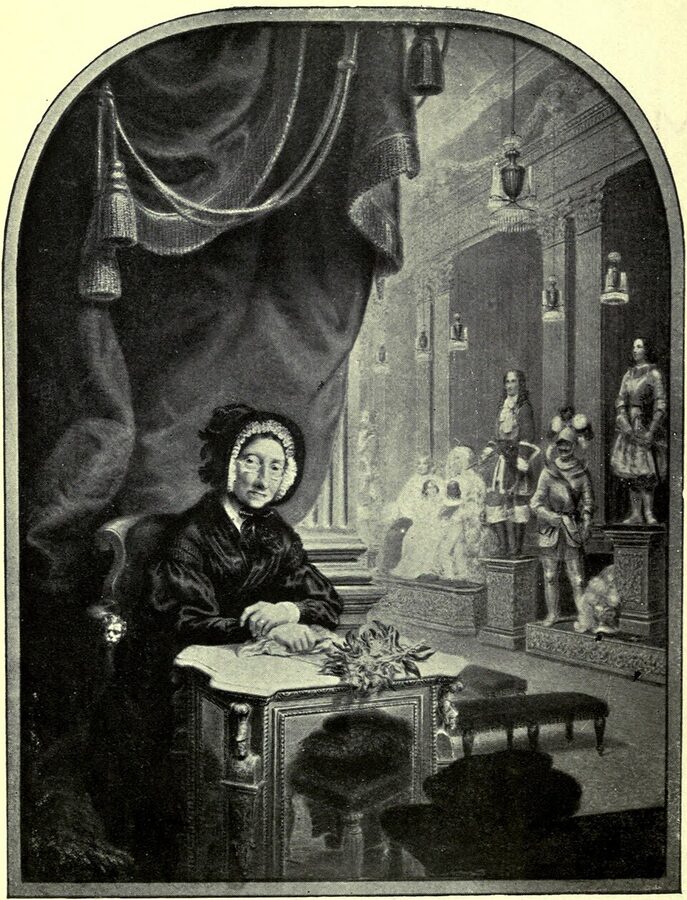
In 1802 she fled the political situation in France with her young son, took her wax collection on a thirty-three-year tour of Britain and Ireland, and finally settled in a permanent London exhibition on Baker Street in 1835. That London location is the Madame Tussauds the world knows. She died in 1850 at age 88. The chain stayed in the family until the 1960s, then passed through corporate hands until Merlin Entertainments bought the entire group in 2007.
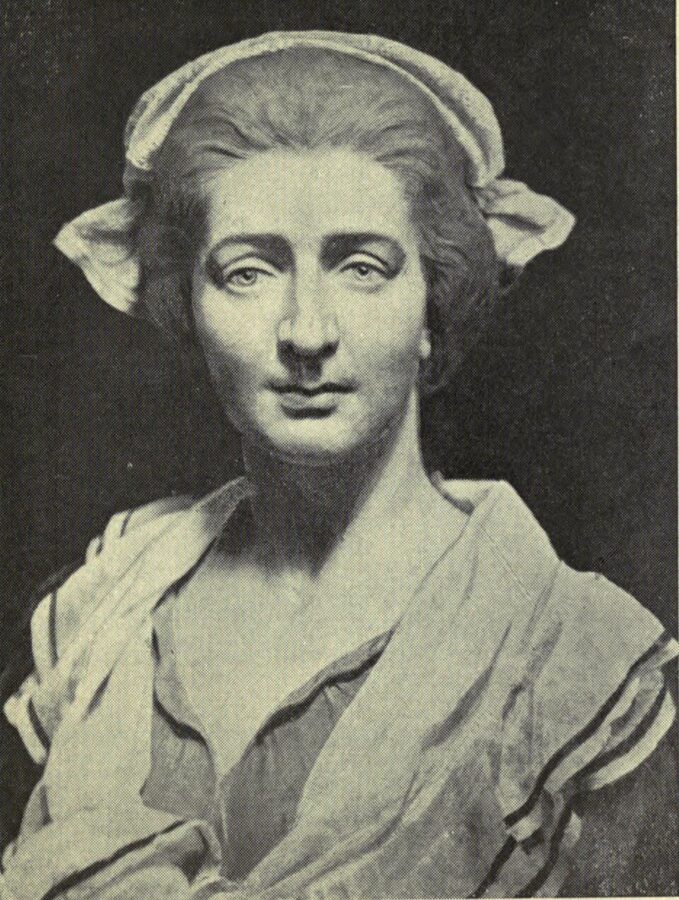
The Amsterdam branch opened in 1991 in this Dam Square building. Before then the Dutch capital didn’t have a wax museum of any consequence. The location was chosen for footfall (Dam Square is the busiest tourist square in the city) rather than architectural pedigree; the building itself is a relatively modern frontage attached to older Amsterdam stone. You can see the seams from the side along Rokin.
Where this fits in the Amsterdam day
If your trip is three days, my real read: skip Madame Tussauds in favour of something more Amsterdam-specific. The Anne Frank walking tour tells you more about the city in ninety minutes than this museum does in three hours. The Rijksmuseum is the Dutch Golden Age in one building. The Van Gogh Museum is the world’s largest single-artist collection. None of those are wax.
If your trip is longer, or you’ve been to Amsterdam before, or you’re travelling with kids who have hit their saturation point on canal-and-museum, then yes, an hour and a half of wax-figure selfies is fine. Slot it into a half-day where you’d otherwise be killing time. A typical pairing: morning at Keukenhof or Zaanse Schans, back to Amsterdam by mid-afternoon, hit Madame Tussauds at 16:00, dinner near Dam Square, evening canal cruise.
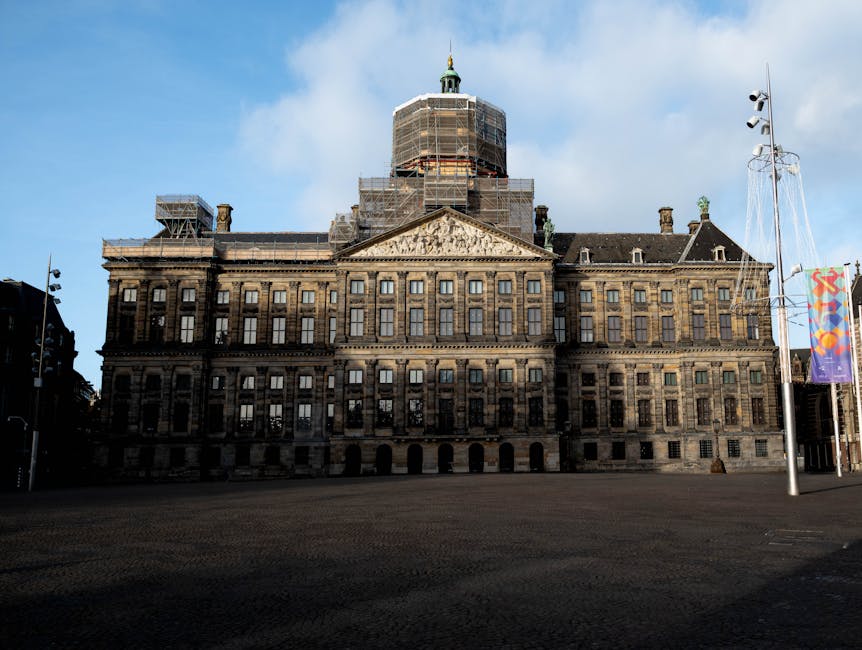
Or pair it with the other Dam Square attraction next door: the Royal Palace. The palace is on the same square, takes roughly the same time, costs about €12.50, and is genuinely Dutch. Doing both as a Dam Square morning makes more sense than either one in isolation, and it’s a useful “we did the wax museum but also the palace” balance for a trip you want to remember as more than selfies.
For families with younger kids who’d rather do something more interactive, the Upside Down Museum is the better pick of the selfie-attraction pair. For families with teens who track pop culture, Madame Tussauds wins because the figures mean something to them. For couples who genuinely just want a fun ninety minutes, it’s a coin flip between the two; pick by which one is closer to your hotel that day.
Booking the right ticket
The three options worth considering, ranked by which one makes sense for which buyer:
1. Madame Tussauds Amsterdam Standard Ticket: $24

This is the right pick for the casual visitor: families, couples, teens with parents, anyone who wants a one-hour wax-figure experience without overthinking it. The standard online price beats the walk-up price by $6 to $11, and our full review covers what’s actually included beyond the entry. Book a flexible time slot if your day might shift around.
2. Madame Tussauds VIP Skip-the-Line Ticket: $21–25
Pick this if you’re visiting on a Saturday, during Dutch school holidays, or if your day has a tight schedule that can’t absorb a forty-minute queue. The price premium over the standard ticket is small, and on a busy day the time saved is real. Our full review of this listing notes that the actual difference inside the museum is none; you just get in faster.
3. Upside Down Museum Amsterdam: $24

Pick this if you want pure photo content, no celebrity figures, and you’re travelling with friends or family who want to laugh together rather than queue separately. Twenty-five themed rooms, ninety minutes, similar price. Our full review compares it directly against Madame Tussauds and breaks down which buyer gets more out of which.
How it stacks up against other selfie attractions
If you’ve done Madame Tussauds elsewhere, you’ll know the rhythm. The London flagship is genuinely better (more figures, the Chamber of Horrors which Amsterdam doesn’t have, three floors instead of one, and the original 1835 Baker Street brand pedigree). The Las Vegas branch leans heavier on movie franchises. New York is bigger but less special. Berlin has the Brandenburg Gate connection and a stronger political-leader collection.
Amsterdam’s pitch, in plain terms, is location. Dam Square footfall is what makes the math work for a small museum. If this branch were on a side street it would have closed years ago. As a casual stop on the busiest square in the city, it stays full.
Versus other Merlin Entertainments family attractions, Madame Tussauds Amsterdam is in the same product family as Disneyland Paris (same owner of the family-attraction logic, much bigger budget), Siam Park in Tenerife (water park, vastly better per-hour value), Loro Parque (zoo and animal park), and the Genoa Aquarium in Italy. None of those are wax. Madame Tussauds occupies a specific niche: the indoor, central-city, photo-driven, ninety-minute attraction, priced for an impulse buy.
The right comparison in Amsterdam itself is the trio: Madame Tussauds, the Upside Down Museum, and the Icebar Amsterdam. All three are about the photo and the vibe rather than the depth. All three cost roughly the same. All three target the same buyer. If you’ve done one, the marginal value of the next two is low. Pick the one whose theme grabs you.
Final read
I’d book Madame Tussauds Amsterdam if:
- I had a kid aged 8 to 14 who’d recognise at least five of the figures.
- I had a rainy afternoon in Amsterdam that I needed to fill indoors.
- I’d been to Amsterdam before and the bigger museums were already done.
- I genuinely cared about a celebrity selfie photo for the obvious post-trip reason.
I’d skip it if:
- It was my first or second time in Amsterdam and the canals, the Rijksmuseum, the Van Gogh Museum, and the Anne Frank House neighbourhood were still on my list.
- I was on a tight three-day trip where every hour mattered.
- I was a childless adult with no specific celebrity attachment to anyone in the figure list.
- I’d already done a Madame Tussauds elsewhere and knew the rhythm.
The plain summary is what I said at the top: it’s a perfectly fine ninety minutes if you walked in knowing what it is. The complaints come from people who didn’t, who expected the London flagship, and who got a small one-floor branch on Dam Square instead. Walk in calibrated and you’ll have a fine time.
Where to next from Dam Square
If you’re done at Madame Tussauds and standing on Dam Square wondering what’s next, you have options in every direction. The Royal Palace is literally fifty metres away, on the same square, and it’s the proper Dutch counterpoint to the wax museum’s pop-celebrity spin. The Amsterdam canal cruise dock is a six-minute walk down Damrak toward Centraal Station. The Anne Frank House neighbourhood is fifteen minutes west on foot, and the walking tour is the right way to experience it without trying to book the impossible-to-book house itself.
For art, the trio of Museumplein museums (the Rijksmuseum, the Van Gogh Museum, and the Moco Museum with its Banksy and Warhol collection) is twenty minutes south by tram. For an evening drink, the Heineken Experience is the brand-experience-as-tourism option (and a useful comparison to Madame Tussauds, since both are corporate-owned attractions where the brand is the point). For a longer day out, Zaanse Schans with its windmills is the morning trip; Keukenhof gardens in spring is the seasonal option.
If you’ve done Amsterdam before and you’re looking for the same product family elsewhere in Europe, the closest cousins are the Disneyland Paris day-out (different scale, same family-attraction logic) or the Orsay Museum in Paris (different content, but a similar “if you’ve done the big stuff, here’s the second tier” position in a city’s lineup).