
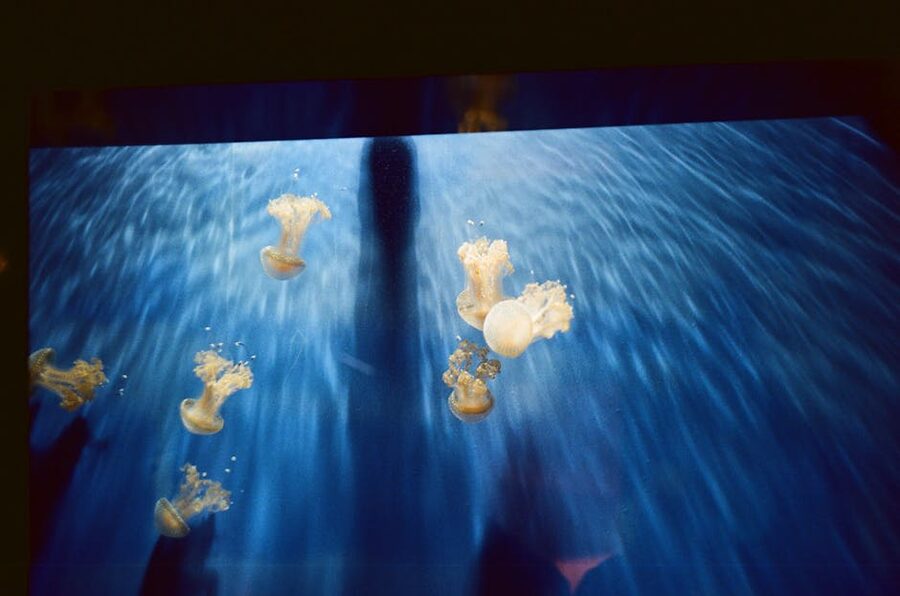
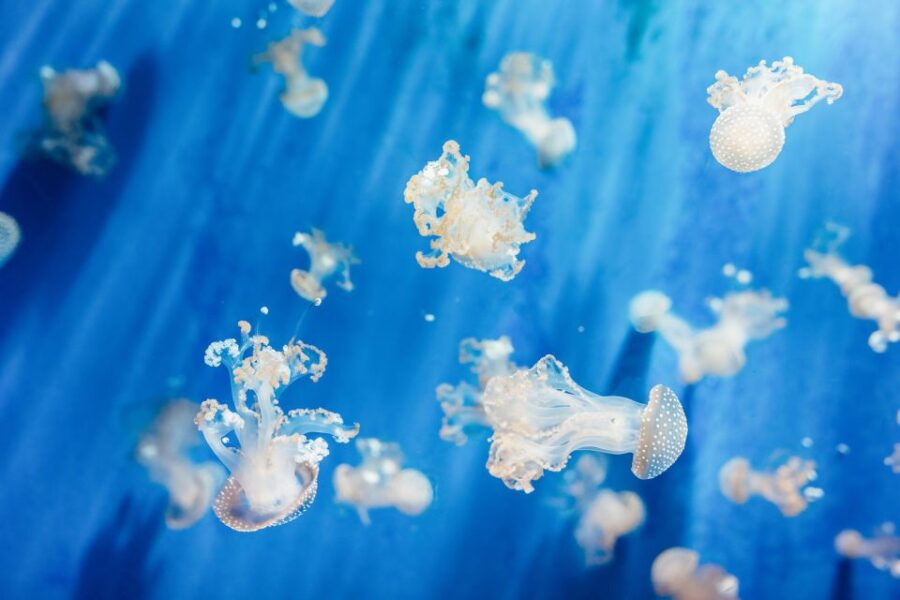
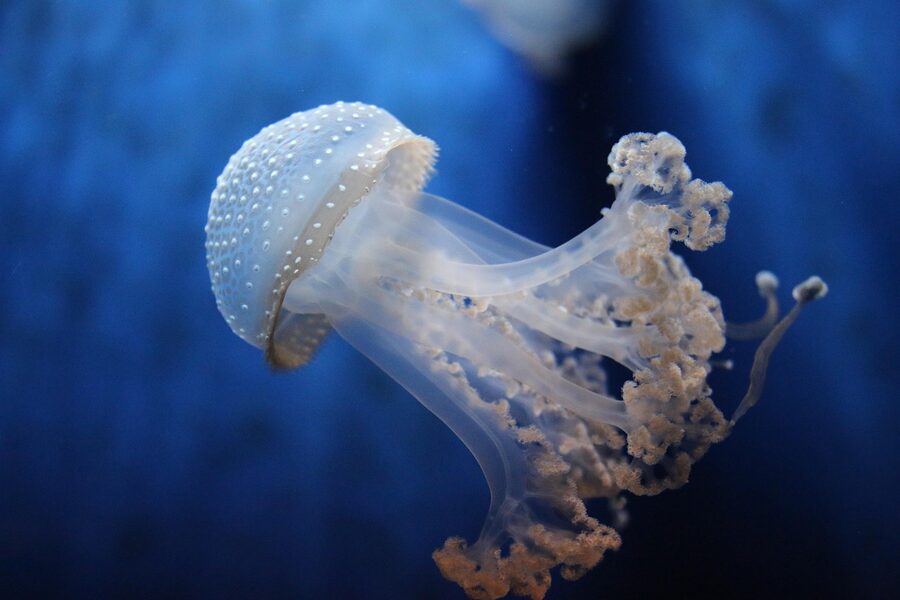
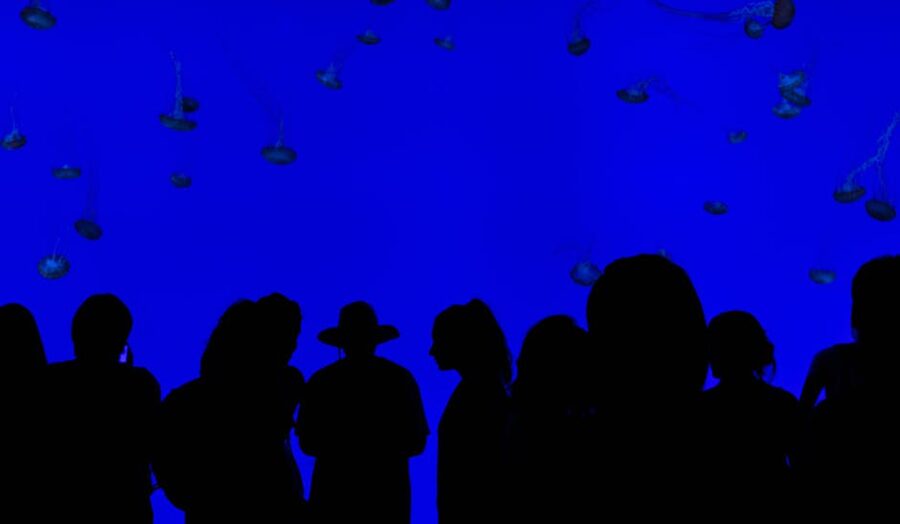
You’re standing in front of the jellyfish wall, the one that runs almost the length of a tennis court, and a cluster of moon jellies pulses past so slowly you can hear the family next to you stop talking. A six-year-old presses her forehead against the glass. Her mother lets her. This is roughly fifteen minutes into the visit, and you have somewhere between three and five hours to go.
The Acquario di Genova is the largest aquarium in Italy and one of the biggest in Europe alongside the Valencia Oceanogràfic and the Barcelona Aquarium down the western Mediterranean. Renzo Piano designed it for the 1992 expo marking 500 years since Columbus, who was born here, sailed west. Seventy-one tanks, around 12,000 specimens, and a building that pretends to be a ship moored permanently to the Porto Antico. You don’t go for one shark or one dolphin. You go because the place is paced to make you slow down.
In a hurry? Here’s what to book.
- Standard entry ($35): the right pick for most people. Skip-the-line entry on GetYourGuide.
- Entry with lunch ($42): if you’re bringing kids and want one less decision. Aquarium plus lunch on GetYourGuide.
- Aquarium plus Galata Museum plus submarine ($52): a full day on the waterfront, no walking back. Triple-attraction maritime ticket.
What you’re actually walking through
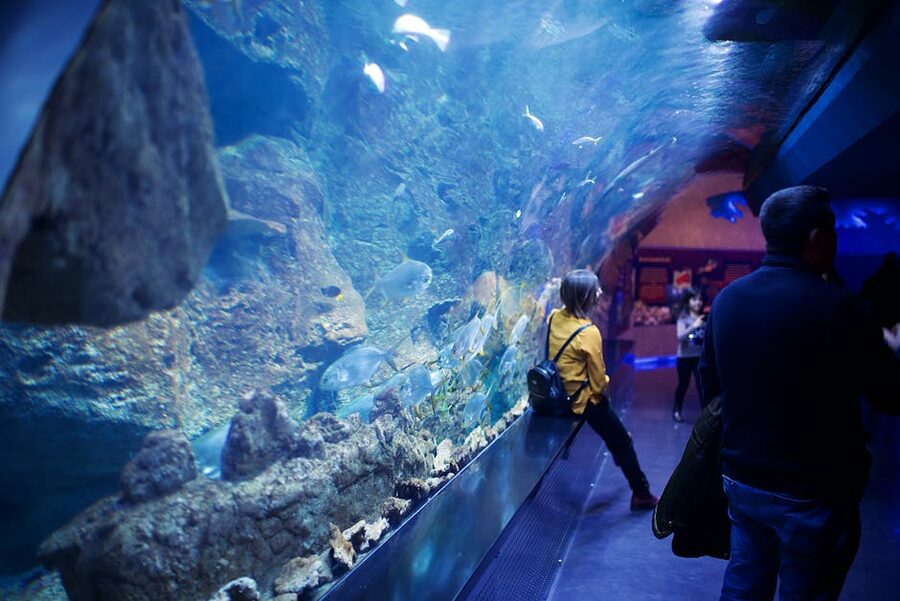
The aquarium is laid out like a slow loop along the harbour, then through a separate Cetacean Pavilion at the far end. You start with the Mediterranean tanks, work through tropical reefs, end at penguins and dolphins. Plan on three hours minimum. Four if you have kids. Five if you want to actually read the panels.
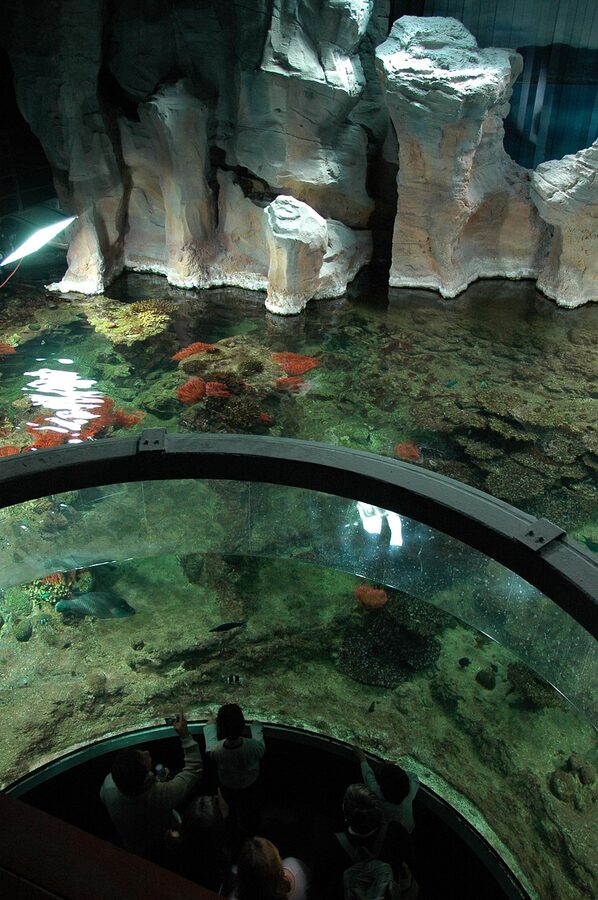
The tanks people remember are the Shark Bay, the dolphin pool in the Cetacean Pavilion (Atlantic bottlenose, born here), the Manatees (yes, you can see manatees in Italy), and the Jellyfish Hall. The seahorse tank is a small, dark room that everyone walks through too fast. Slow down in there. The seahorses are doing things.
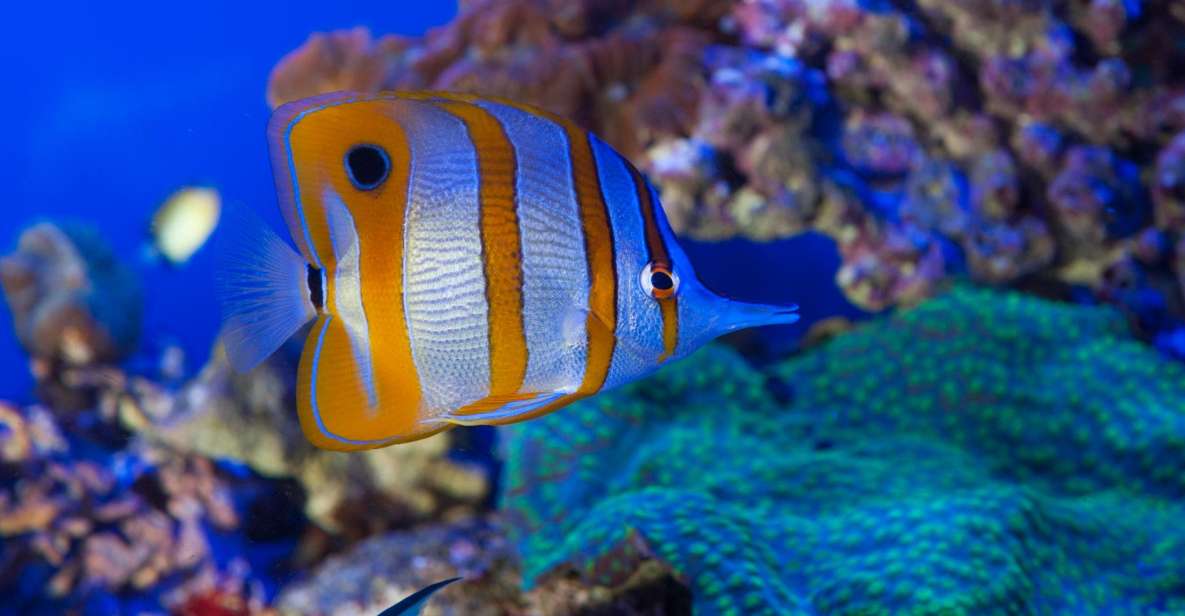
The Penguin Tank and Seal Island are the favourites for the under-eight crowd, and the Biodiversity Pavilion has the touch tank where children can put a hand in and pet a stingray (genuinely, not a gimmick: supervised by staff, the rays come over because they want food). It’s the same hands-in style of family programming that the NEMO Science Museum in Amsterdam built its whole upstairs floor around. The Tropical Reef tank is the one you’ll spend longer at than you planned.
Picking the right ticket
Three real choices. Standard entry is what 80% of visitors should buy. The lunch combo is a small upgrade that solves a real problem (food in the Porto Antico isn’t great, and you’ll be hungry around 1pm). The Galata Museum + submarine combo is the day-trip choice, and the maths on it actually works out.
The Galata Museum is the largest maritime museum in the Mediterranean, sitting one block north of the aquarium. The submarine, the Nazario Sauro S518, is moored in the water right next to it. You walk down through the hatches and the whole thing is preserved as it was when it was decommissioned in 2002. If you’ve ever wondered what 50 sailors lived inside for two months at a time, that’s the answer. Combined with the aquarium it’s a full day on the same waterfront, no transit between attractions, and the discount versus three separate tickets is real.
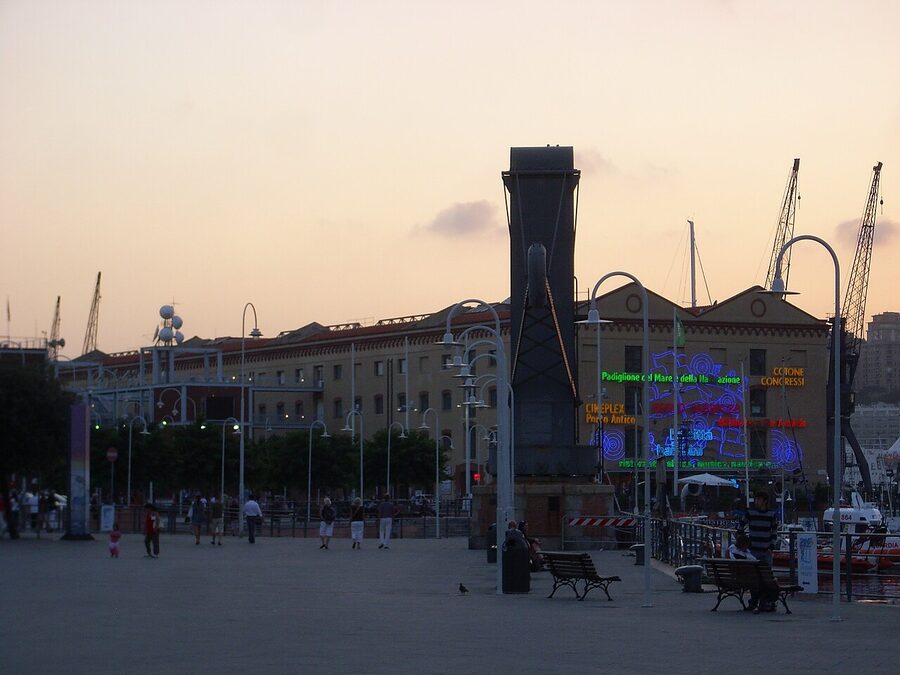
What I’d skip: the Aquarium + FantaCinema combo (the cinema is fine but it’s a generic 4D ride, not a Genoa thing) and the Aquarium + City of Children combo (the kids’ museum is great if you have under-fives but the aquarium already has plenty for that age). The Aquarium + Lighthouse combo is interesting if you’re staying overnight in Genoa and want a separate afternoon. The Lanterna is a 15-minute walk west and the climb is worth doing for the view, but it’s not the same trip.
The best three to book
1. Skip-the-Line Aquarium of Genoa Entry: $35
This is the one to buy if you only want the aquarium. Our full review covers the timing windows that determine whether you walk straight in or queue 25 minutes; book the 9am or after-3pm slot if you can. No lunch, no museum, no add-on you’ll forget you paid for.
2. Aquarium of Genoa with Lunch: $42
If you’ve got kids and don’t want to negotiate where to eat with a six-year-old at 1pm, the seven-dollar premium is worth paying. Our review of the lunch combo covers what’s actually on the plate (panini, fries, a drink: fine, not memorable). Book it for convenience, not for the meal.
3. Aquarium + Galata Museum + Submarine: $52
The combo that turns Genoa into a one-day port of call worth taking. Our triple-attraction review walks through the right order (aquarium first while you’re fresh, submarine last because the hatches are tight). Pace yourself with a long lunch in between.
Getting there from anywhere in Genoa
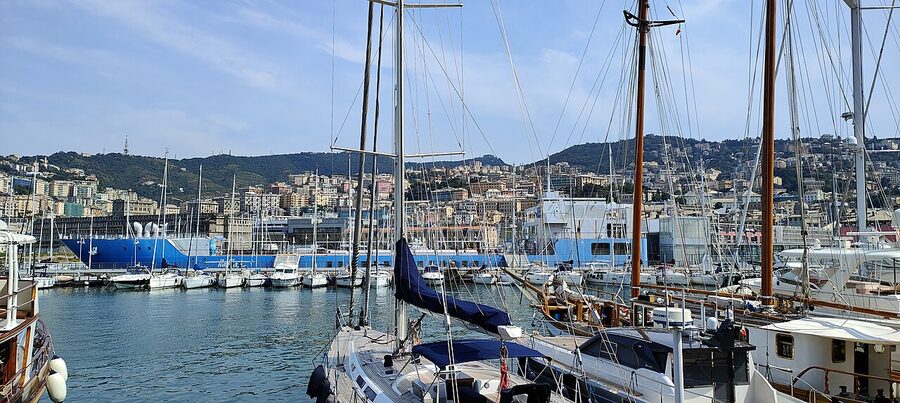
Genoa’s old centre is small and the aquarium sits at the south edge of it, on the waterfront. From any of the three main starting points, you’re 15 minutes away.
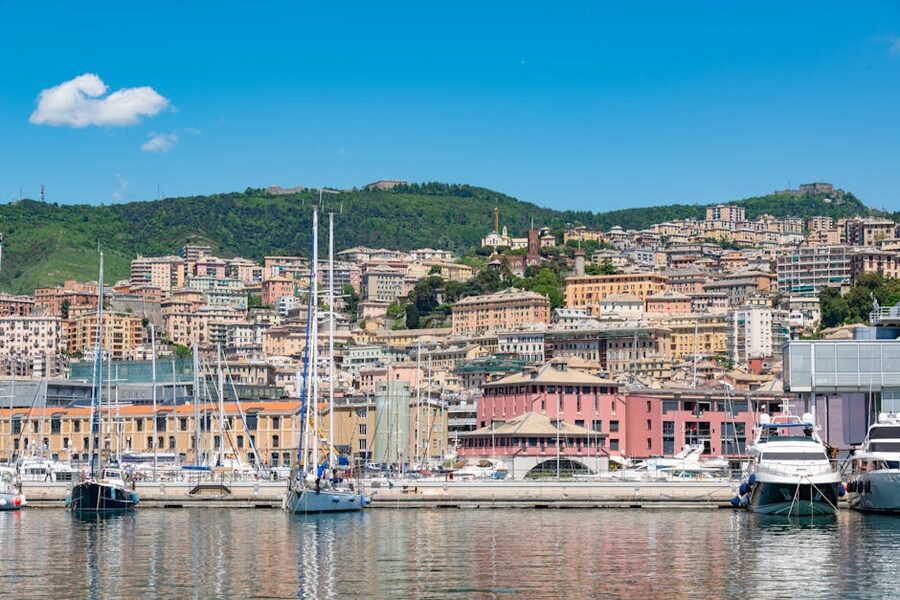
From Genova Piazza Principe station (where most trains from Milan and Rome arrive): walk it. About fifteen minutes downhill, signposted, all the way. Or take the metro one stop to San Giorgio and walk the last block. From Milan the regional train is around 90 minutes, so pair the aquarium with a Milan day if you’re already up that way.
From Genova Brignole station (where Riviera regional trains terminate): bus 13 to Caricamento, or the metro to San Giorgio. Same walk from there. If you’ve come down from the Cinque Terre, Brignole is your station. Genoa is the natural northern bookend to a Riviera trip and the aquarium is a fair-weather pivot when the rain shuts the cliff villages down.
From the Genova Cristoforo Colombo airport: 20 minutes by taxi (€25 flat rate), longer by Volabus. If you’re connecting from a cruise, the Stazione Marittima is a 5-minute walk from the aquarium. Most cruise port-of-call buyers just walk over; you do not need to book transport.
When to go (and when really not to)
Avoid weekends. Avoid Italian school holidays. Avoid the first two weeks of August. The aquarium is the single most-visited attraction in Liguria and on a Saturday in July at 11am you will not enjoy yourself.
The good windows: any weekday outside Italian school holidays, first slot at 9am, or the last entry slot of the day. In summer (July-August), the aquarium stays open until 10:30pm with last admission at 8:30pm. An evening visit, lit tanks, fewer school groups, and a passeggiata along the Porto Antico afterwards is a much better night out than a daytime visit. Add an aperitivo at one of the bars on Calata Mandraccio after.
Hours by season:
- March-June, September, October: 9am to 8pm, last entry 6pm.
- July-August: 8:30am to 10:30pm, last entry 8:30pm.
- November-February: 9am to 6pm, last entry 4pm.
Hours shift around for special events and the website is the only source that’s always correct. Always check before you go.
Going inside the tank: behind-the-scenes options
If you’ve already done a basic aquarium visit somewhere else and want the deeper version, Genoa has the best behind-the-scenes programme of any Italian aquarium. Five real options:
- Acquario Dietro le Quinte (Behind the Scenes): a guided tour of the labs, the filtration system, the off-display tanks where injured turtles are rehabbed before release. Adults will get more out of this than kids under ten.
- Open the Aquarium with Us: arrive an hour before the public opens. Watch the morning feed. See what the aquarium looks like before the first school group arrives.
- Face to Face with the Penguins: you go inside the penguin enclosure (the dry side), feed them with a keeper, get the actual story on each individual bird (they all have names and personalities, mostly difficult).
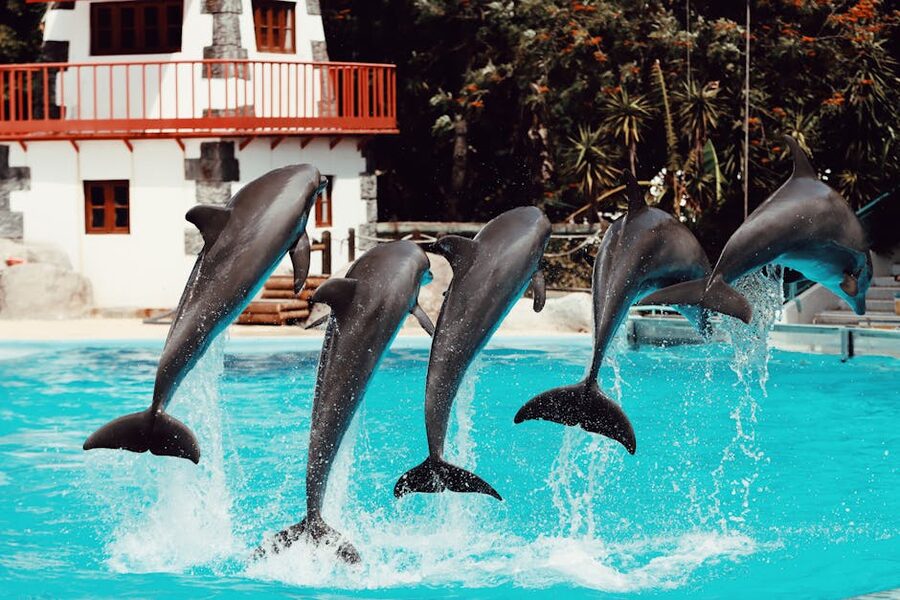
- Face to Face with the Dolphins: same idea, dolphin training session, you stand on the platform with the trainer. Note: this is observation, not in-water swimming. Italy doesn’t allow tourist dolphin-swim programmes and that’s a good thing. The same observation-not-interaction rule shapes the orca and pilot-whale programmes at Loro Parque on Tenerife and the wild-encounter rules on a whale-watching trip off Tenerife.
- Night with the Sharks: a kids’ programme. Children sleep in front of the shark tank. Sleeping bags, torches, a guide. They’ll talk about it for years.
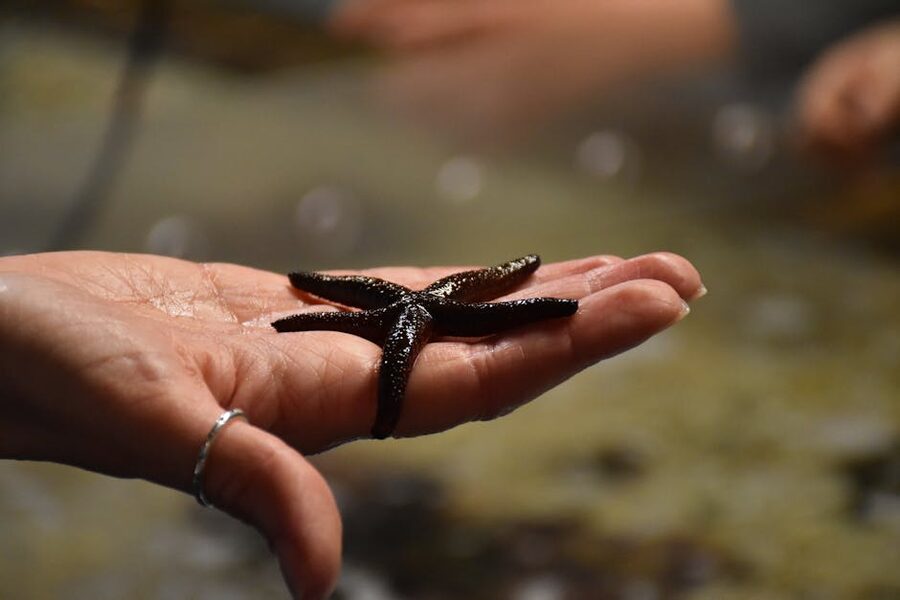
These all need booking direct on the aquarium’s official site, and they sell out a week ahead in summer. They’re also priced separately on top of the entry ticket: figure €30 to €90 extra per person depending on the experience. Worth it if you have a kid into marine biology, or if you’re an adult who wants to actually understand how 12,000 animals get fed every morning.
What about the manatees
The Acquario di Genova is one of the very few places in Europe where you can see manatees. They live in the Tropical Section, in a tank designed to mirror Florida’s spring-fed rivers. If you’ve never seen a manatee in person, the surprise is the size: a full-grown adult is over three metres long and weighs around 500 kg, and they move with a slow, conscious grace that no video does justice. They eat lettuce. A lot of lettuce.
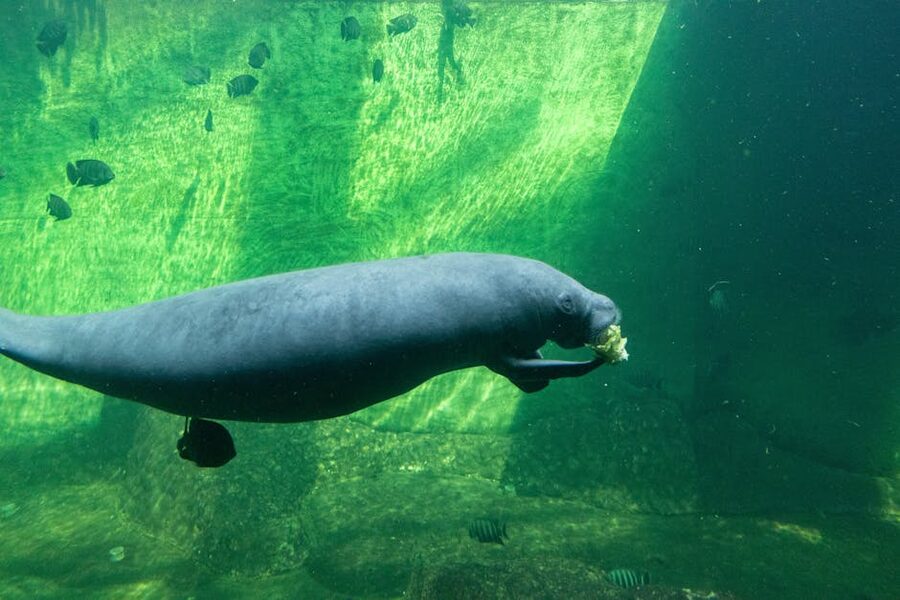
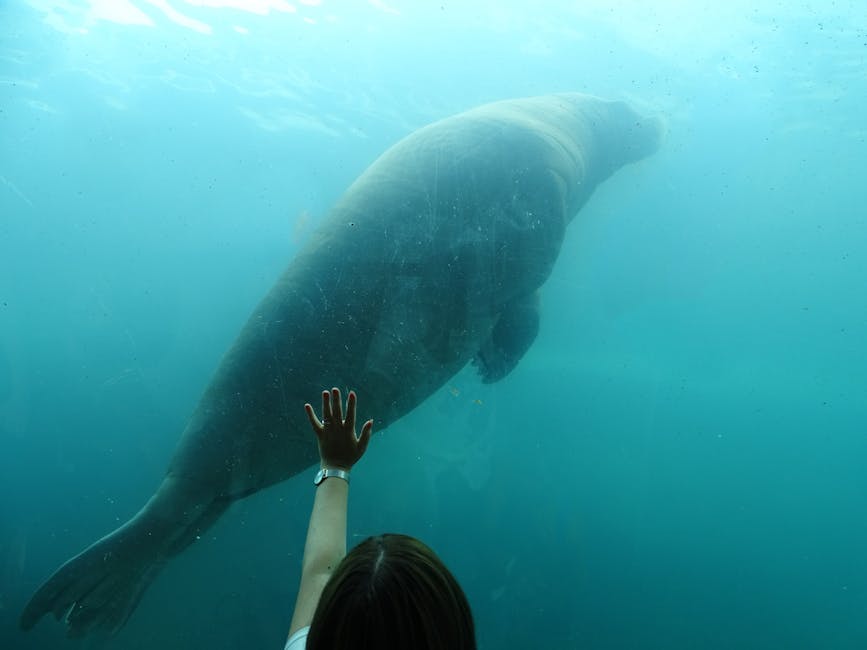
Kids press their faces against the manatee glass for as long as you’ll let them. The animals don’t react to it the way the dolphins do; they keep eating, keep drifting. There’s something about that calm that pulls a small crowd in. If you’ve only ever seen tropical fish in tanks, this is the room that resets your sense of scale.
Some visitors hesitate about aquariums on ethical grounds, and that’s a fair conversation. The Acquario di Genova does run an active rescue programme for sea turtles injured by boat strikes and plastic; the Cetacean Pavilion holds dolphins born in captivity (no wild captures); and the manatees came as part of a coordinated American conservation programme. None of that fully resolves the question, but it’s worth knowing before you book.
The Renzo Piano context (the bit nobody tells you)
The aquarium isn’t a freestanding building. It’s the centrepiece of an entire harbour redesign Renzo Piano did for the 1992 Genoa Expo. Until 1992, this whole stretch of waterfront was an industrial port, fenced off from the city, with cranes and warehouses where the public spaces are now.
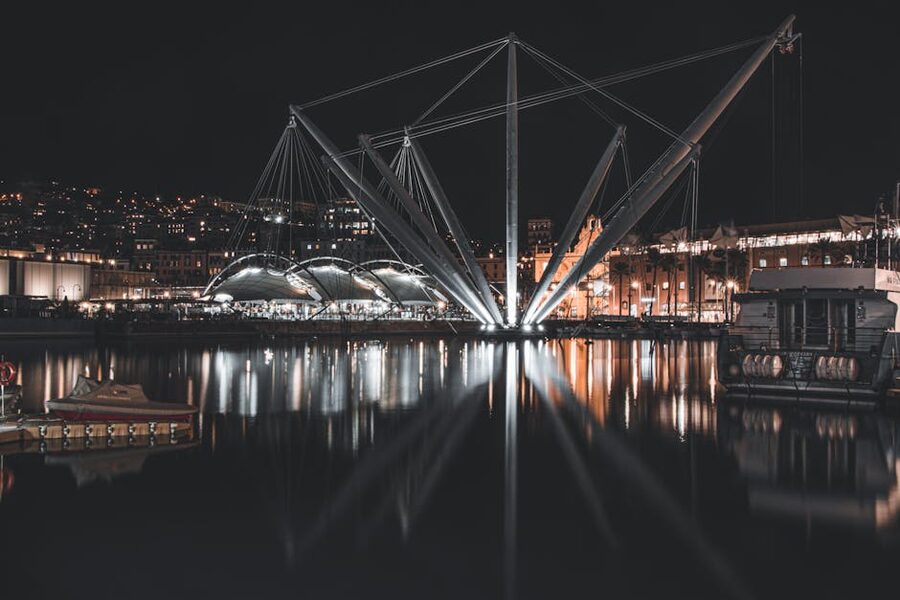
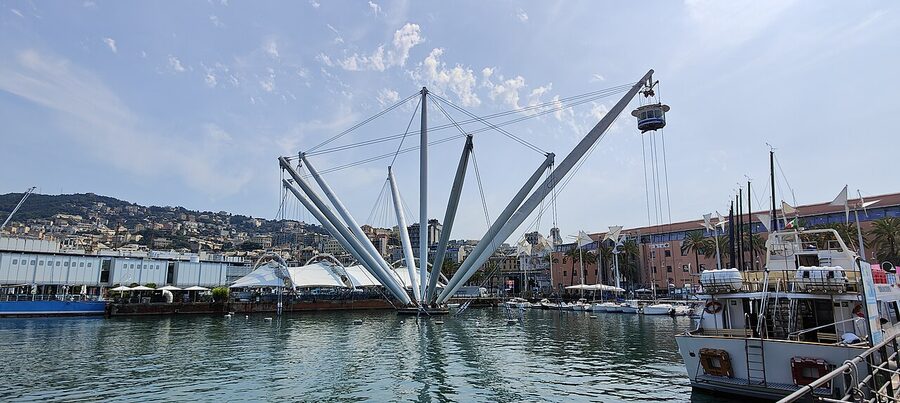
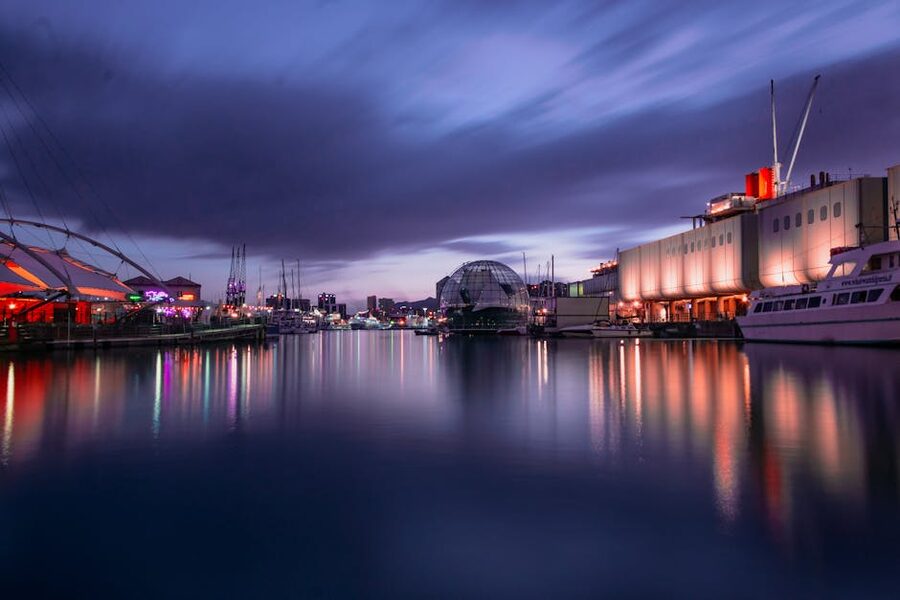
Piano was already famous (the Pompidou in Paris, with Richard Rogers) but he’s a Genoa native (born here, studio still here) and the 1992 commission was personal. He cleared the harbour. He put the aquarium on a floating barge so the building reads as a ship. He added the Bigo (the panoramic lift), the Biosfera (a glass dome with a small Madagascar rainforest inside), and the Piazza delle Feste. Together, that complex turned the Porto Antico from a no-go zone for tourists into the city’s centre of gravity.
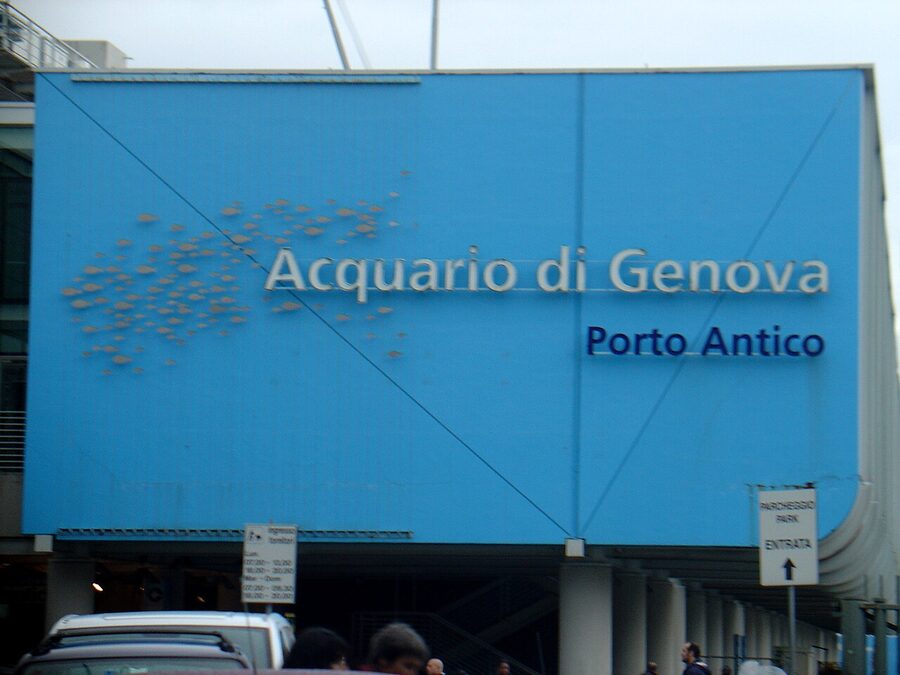
This matters because it shapes what visiting feels like. The aquarium isn’t somewhere you arrive at, do, and leave. It’s part of a 200-metre walking promenade that includes the lift, the Biosfera, the Galata Museum, the submarine, and a dozen good cafés. You can spend a whole day here without backtracking. Compare this to the Doge’s Palace in Venice, where you do the visit and then walk somewhere else; the Porto Antico is its own destination, the way Disneyland Paris is its own day rather than an attraction inside Paris.
Photos, food, prams, and other practicalities
Photos are allowed everywhere except where signs say otherwise. Flash is banned (it stresses the animals, and they enforce this). Most modern phone cameras handle the low-light tank exhibits fine; the jellyfish hall in particular looks better with the natural lighting than with any flash you could throw at it.
Food inside is limited to a couple of cafés and a snack bar, all on the upper deck. The food is fine but unremarkable, and prices are aquarium prices. Better plan: walk five minutes to Via San Lorenzo or Piazza Caricamento for a proper Genovese lunch (focaccia di Recco, trofie al pesto, anchovies). The aquarium will hand-stamp you for re-entry if you want to leave for an hour.

Prams and pushchairs go in fine. The whole route is step-free, the lifts are big, and there’s a pram park if you want to switch to a baby carrier (good idea for the Cetacean Pavilion, which has narrower walkways). Baby-changing tables are next to the toilets on every floor. Locker storage is at the entrance, €1 coin in, coin returned. Bring water, the building is warm.
Combining with the rest of Genoa
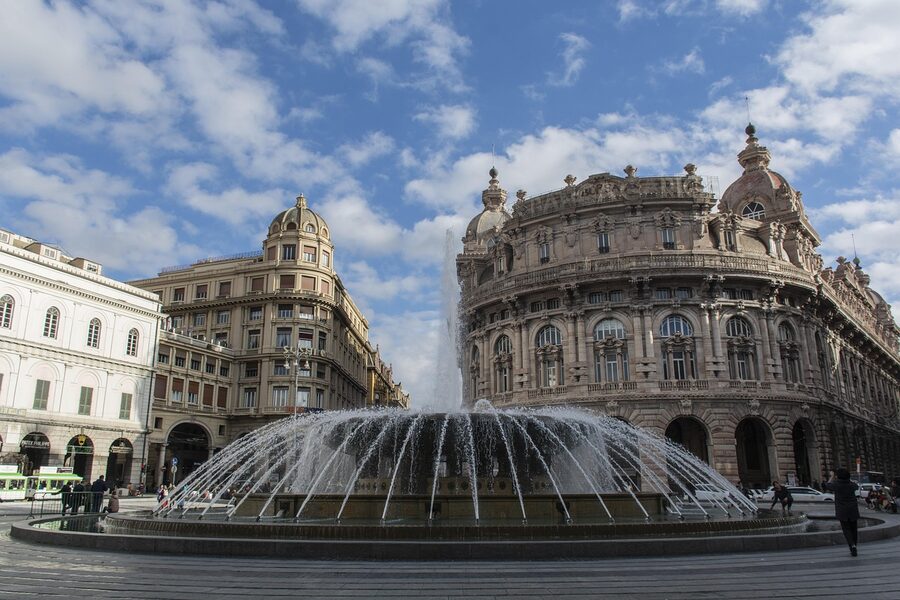
Half a day to the aquarium, half a day to the rest of Genoa is the move. The old centre, behind the harbour, is one of the densest medieval cores in Europe: narrow alleys (the carruggi), Via Garibaldi (Renaissance palazzi, three of them are now museums and you can do them on a single Musei di Strada Nuova ticket), the cathedral of San Lorenzo with the unexploded WWII bomb in the side aisle.
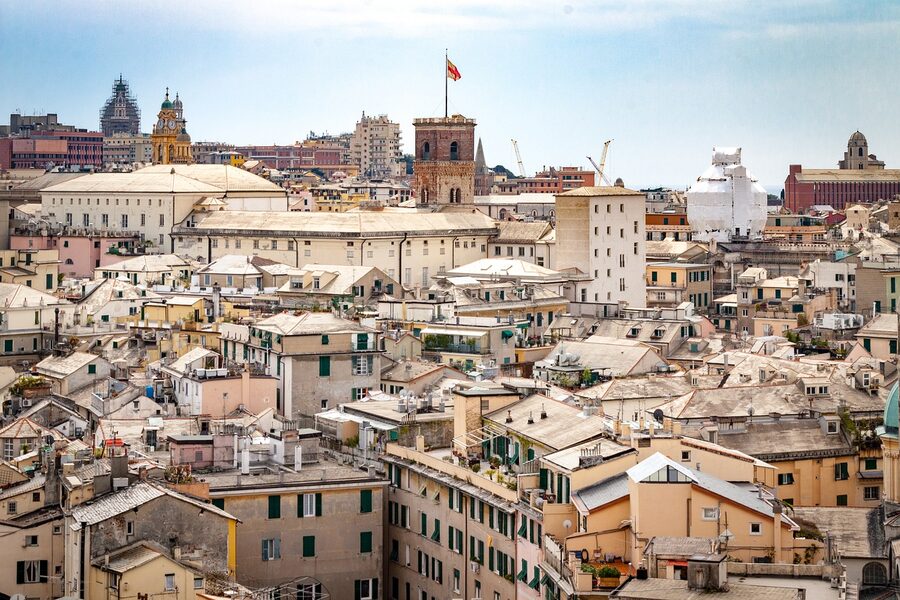
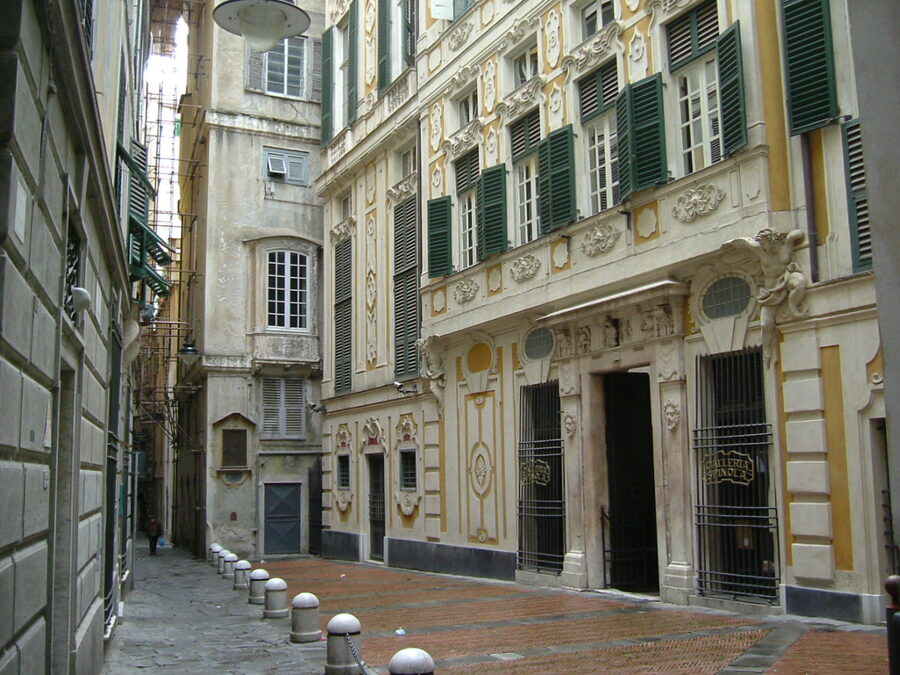
For a single day in Genoa, the best pairing is aquarium morning, focaccia lunch in Sottoripa, Via Garibaldi palazzi afternoon, aperitivo at Calata Mandraccio. If you have a second day, save it for the Cinque Terre. Genoa is the natural northern base if you don’t want to stay in the cliff villages themselves. Rapallo, Portofino, and Camogli are also a short Riviera train hop away on the line east.
Mistakes I see visitors make
Three patterns. First, allocating two hours and then realising they need four. The aquarium is large and slow-paced by design. If your day plan says “we’ll do the aquarium then a Cinque Terre train at 2pm,” you will see a third of it and resent the train. Either book a half-day or a full day; nothing in between works.
Second, buying the cheapest combo without checking what’s actually in it. The Aquarium + FantaCinema combo, in particular, looks like value because there are two attractions for one ticket, but the FantaCinema is a 4D ride that takes 15 minutes and isn’t anything specific to Genoa. The Galata + submarine combo is genuinely worth it. The others are mostly upsells.
Third, going on Sunday in summer at noon. You will queue for the entrance, queue inside for the busiest tanks, and leave hungry. Tuesday at 9am or Friday at 6pm, off-season, is a different experience entirely. Bologna’s old centre follows a similar Italian rule: the difference between weekday morning and weekend lunchtime is the difference between a great visit and a survivable one. Madame Tussauds in Amsterdam works the same way; the wax-figure rooms feel calm at 9am and oppressive at 1pm.
If you’ve got a coastal trip in mind
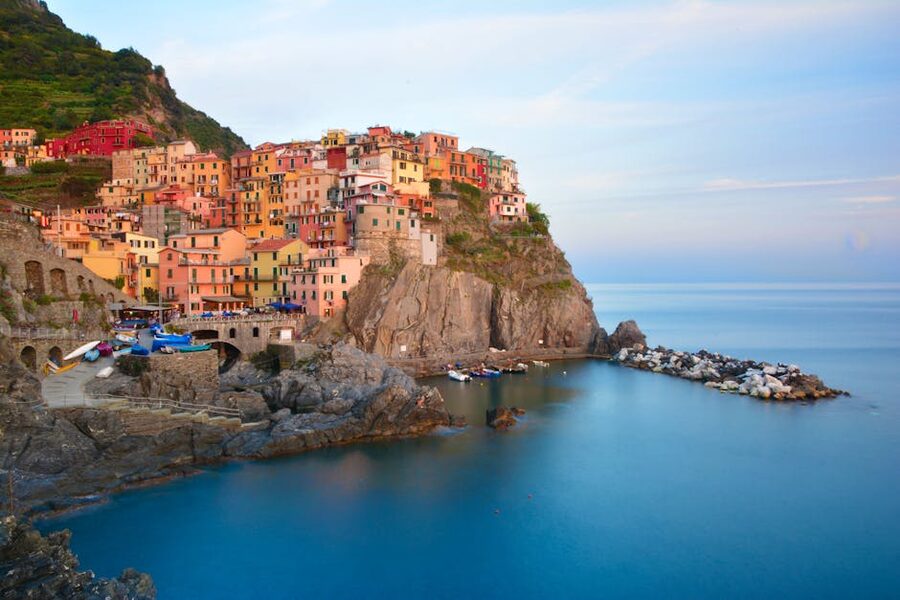
Genoa is the natural pivot for a Ligurian coast week. The train down to the Cinque Terre takes 90 minutes, the line west to Camogli and Portofino is 30. The aquarium is the rainy-day card if the cliffs are out. It’s also a good half-day stop on a longer northern Italy trip; if you’re already heading to Lake Como from Milan, an extra day in Genoa is two hours by train and a wholly different city. People who pair Italian aquariums with island trips like the Venice islands by boat or the Borromean islands from Stresa are doing the same thing: picking water-based half-days that work even when the weather doesn’t.
The aquarium is what gets people to Genoa. The city is what makes them stay an extra day. That’s the right frame to book it on.