
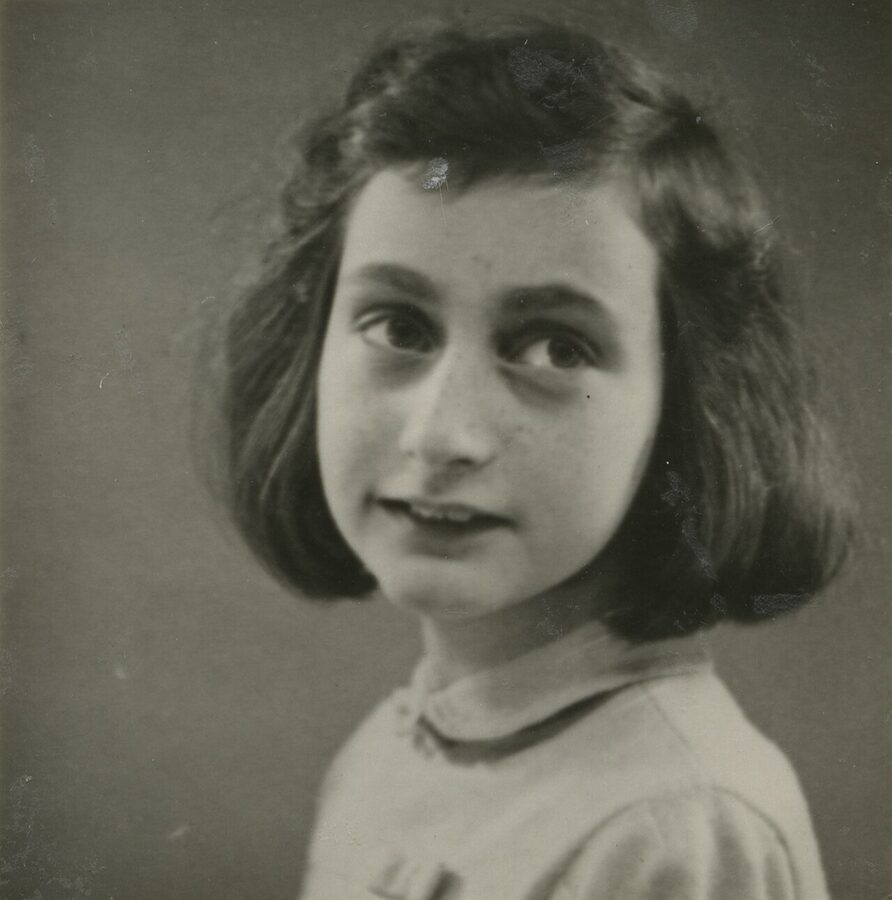
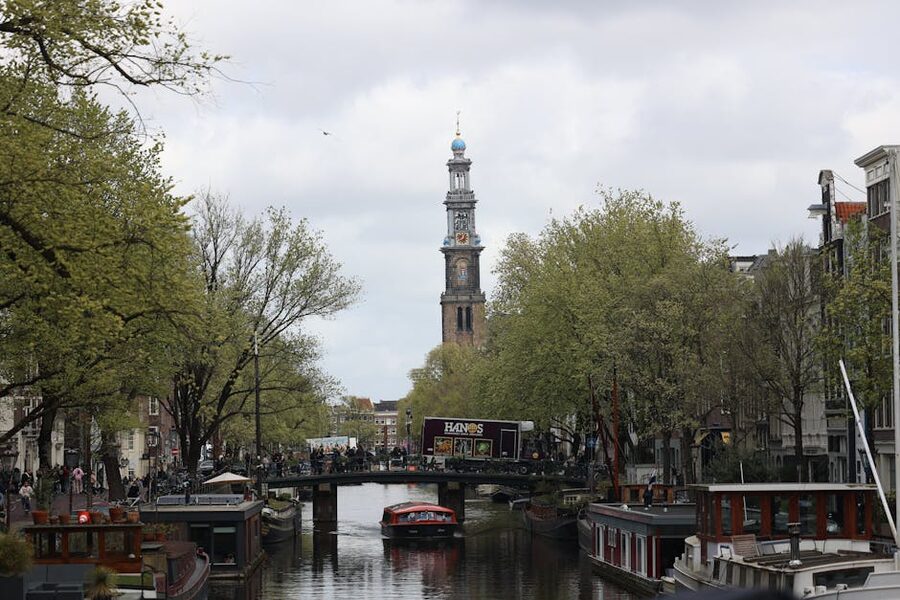
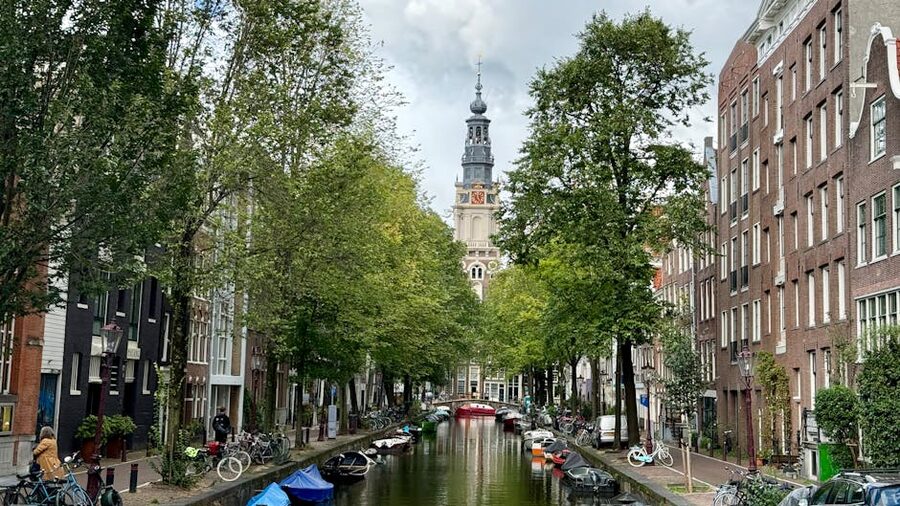
You stand on the Westermarkt, looking up at the four narrow windows on the second and third floors of Prinsengracht 263. The bottom half of the building is just a shop front. The top half is what kept eight people invisible for 25 months between 6 July 1942 and 4 August 1944. The walking tour will not take you inside the house, that part is a separate timed-entry ticket that sells out two months ahead, but it will take you to the corner Anne could see from the Annexe window: the Westerkerk tower, whose bell rang every quarter-hour and which she wrote about hearing as a kind of timekeeper through her hiding. The point of the walking tour is the geography. The diary is a room. The walking tour is the city around the room.
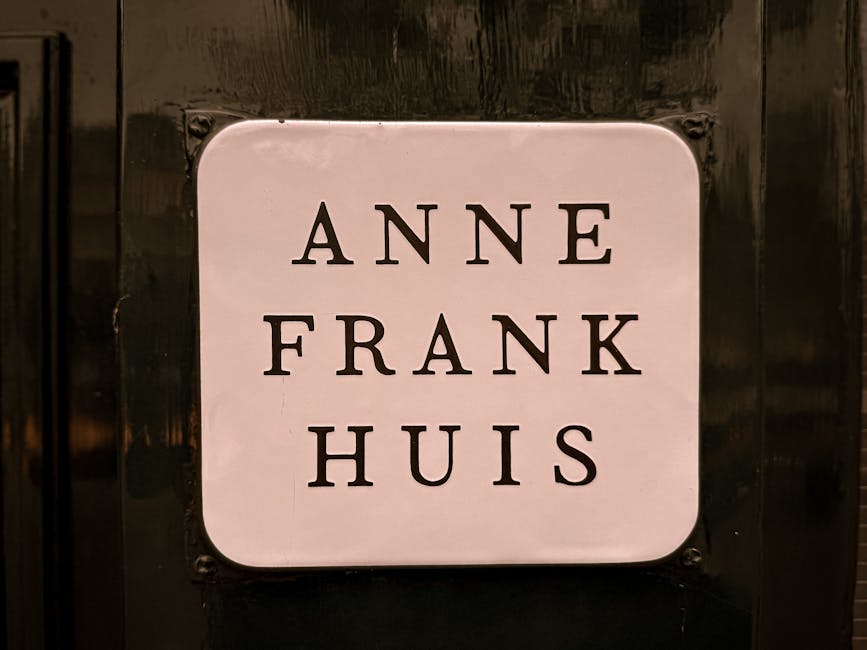
Anne Frank’s diary is the most-translated Dutch book in the world, more than 70 languages and over 30 million copies sold. The walking tour is the pilgrimage of context. You learn the routes, the addresses, the mechanics of hiding. You see where the betrayal happened, and where the rescue almost worked. You also have to face a question the Netherlands itself has not finished answering: of roughly 140,000 Jews living in the country in May 1940, around 102,000 were murdered in the Holocaust, the highest deportation rate in Nazi-occupied Western Europe. The diary doesn’t explain that. The walking tour at least starts to.
In a hurry? The three picks that matter
- Life of Anne Frank and World War II Walking Tour ($28): the flagship 2-hour route, runs daily, English groups, neighbourhood-focused. Check availability.
- Anne Frank + Jewish Quarter Walking Tour ($39.30): the more thorough one, adds the Jodenbuurt, the Portuguese Synagogue exterior, the Hollandsche Schouwburg memorial. Check availability.
- Dutch WWII Resistance Museum Entry ($21): not a walking tour, the indoor counterpart, what the resistance actually did and didn’t do. Pair it with one of the walks above. Check availability.
Why the walking tour, when there’s a museum?
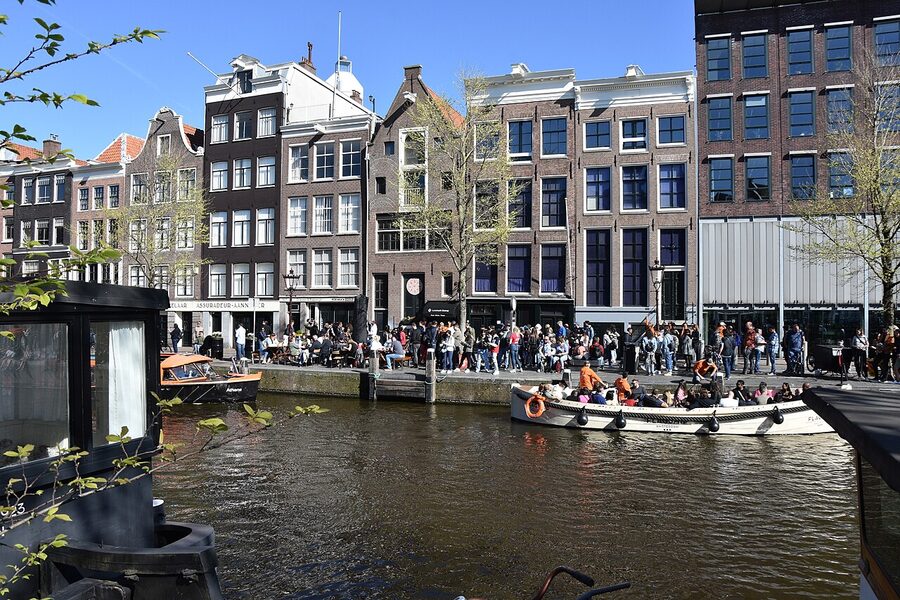
Two reasons people end up on the walking tour instead of inside the house. The first is supply. The Anne Frank House releases tickets exactly two months in advance at midnight Amsterdam time, and a typical day’s allocation goes in 20 to 40 minutes. If you didn’t plan two months ago, you’re not getting in. There’s no walk-up. There’s no standby line. The “we’ll just queue early” approach that works at the Rijksmuseum or the Van Gogh Museum simply does not work here.
The second reason is more interesting. Even if you’d snagged tickets, the museum is small. You walk through the warehouse, up the bookcase staircase, into the Annexe rooms (small, dim, deliberately unfurnished since 1960 because Otto Frank wanted them left empty). You read panels. You spend maybe 70 minutes inside. What’s missing is everything else. Where the family had lived before going into hiding. Where they were taken when they were caught. Where the helpers worked. Where the deportations were administered. Where, on the same canals you’re walking, the resistance attempted to destroy the population register that was being used to track Jews. The walking tour fills that in. The house alone, for a lot of people, ends up being a smaller emotional event than they expected. The tour is the bigger one.
The route, in the order most tours actually walk it
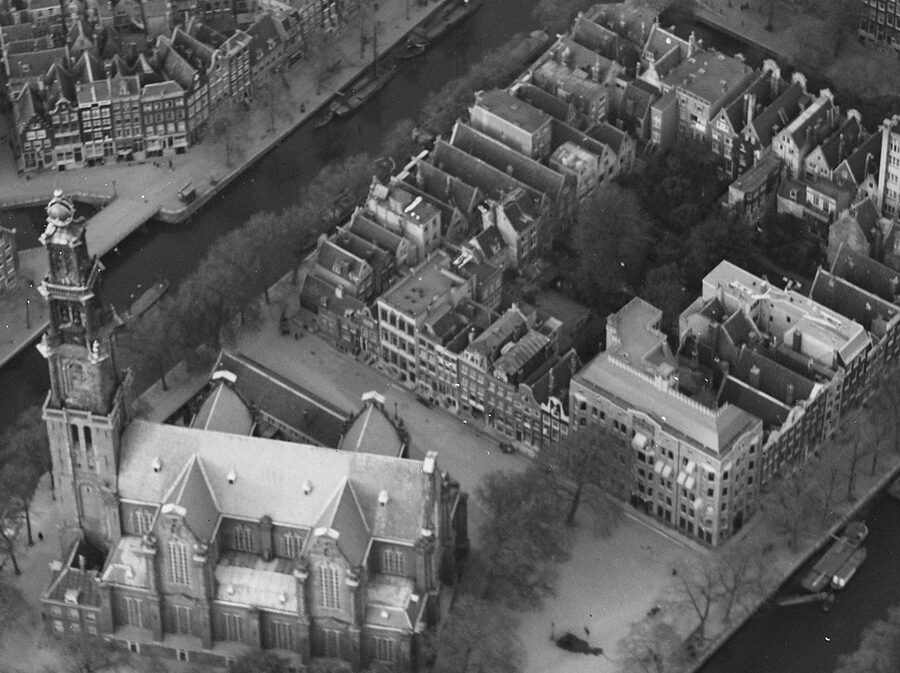
Most of the established walking tours start on the Westermarkt by the Anne Frank House, then loop through the Jordaan for half an hour, swing back to the church and the Homomonument, and either stop there (the shorter Jordaan-only product) or carry on south and east to the old Jewish Quarter and the Hollandsche Schouwburg memorial (the longer, two-hour-plus version). About 3km on foot, mostly canal-side, mostly flat. Comfortable shoes matter, the Amsterdam cobblestones get slick when it rains, which it will.
Stop 1: Prinsengracht 263 and the Westermarkt
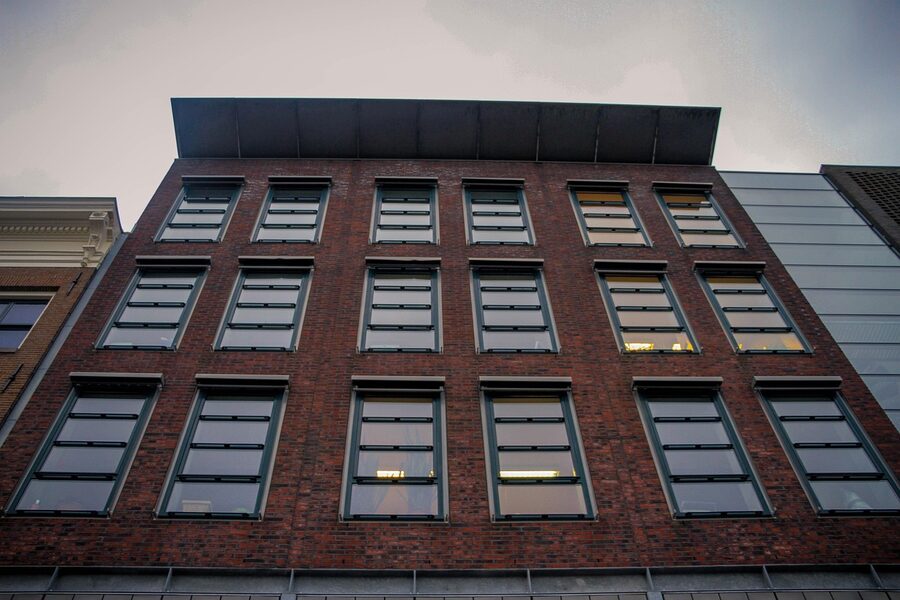
The tour starts here even though you don’t go in. The guide’s job is to plant a few specifics that the diary doesn’t quite spell out. Otto Frank moved the business, Opekta (a pectin company for jam-making), to this address in 1940. The annexe at the back of the building was already part of the property, used as office storage. When the family went into hiding on 6 July 1942, the day after Margot received an SS deportation summons, the annexe was already partly furnished. The bookcase that hid the door to the staircase was built by Johannes Voskuijl, the father of Bep Voskuijl, one of the helpers. None of that is signposted at the museum. A good guide gives it to you in five minutes standing on the cobbles outside.
Stop 2: The Westerkerk and the Westertoren
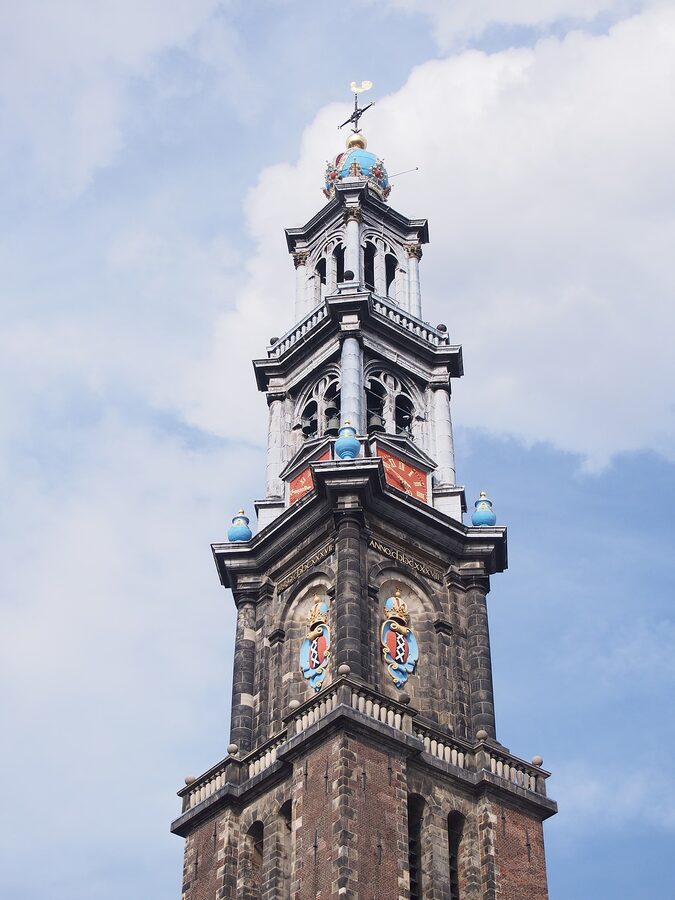
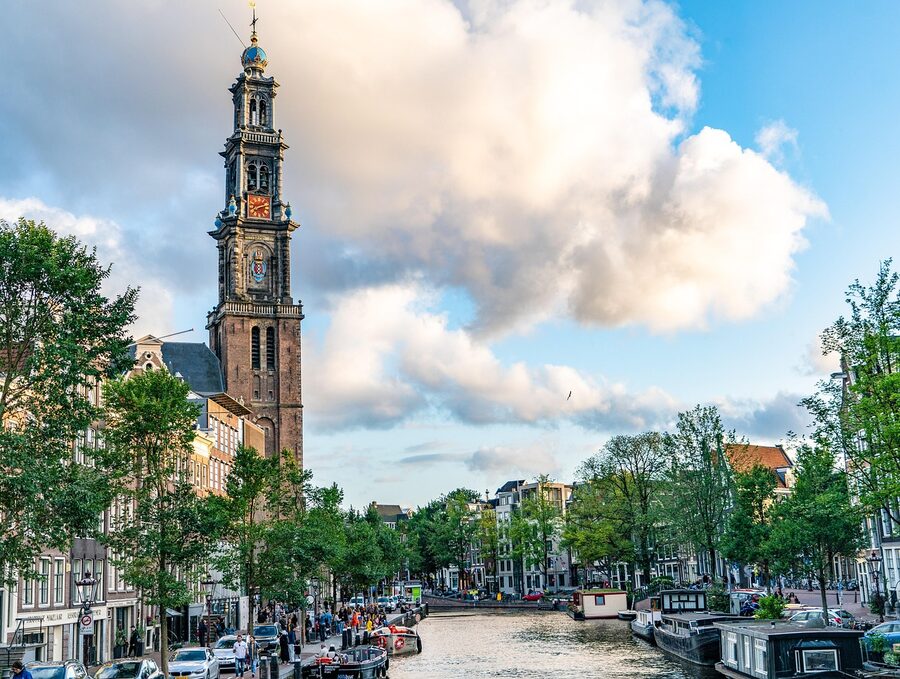
The Westerkerk is the 1631 Protestant church that anchors the whole neighbourhood. It is the tallest church tower in Amsterdam at 85 metres, with the imperial crown of Maximilian I on top. Anne wrote about the Westertoren bell ringing every fifteen minutes in the diary. She first found it comforting, later she found it stopped working entirely on certain days because the Germans melted bells across the occupied Netherlands for the war effort. The Westertoren was spared, which is why you still hear it.
You can climb the tower for 8 to 12 euro, separate from the tour, on guided 30-minute slots that run April to October. It’s a tight spiral staircase, not for the claustrophobic. The view is straight down onto the Anne Frank House courtyard, which is the only angle from which you can see the back of the Annexe. Worth the climb if you have the time and the legs.
Rembrandt is buried somewhere in the Westerkerk, no one knows exactly where because his grave was a poor man’s grave that wasn’t kept track of. The painter died in 1669 living a few streets away on Rozengracht. The church charges no admission for the nave, but it is closed Sundays.
Stop 3: The Jordaan
The Jordaan is the neighbourhood directly west of the Anne Frank House, bounded by Prinsengracht to the east and Lijnbaansgracht to the west. It is now picturesque, expensive, full of design shops and brown cafes. In the 1940s it was a working-class district, partly Catholic, partly socialist, with a long tradition of low-key resistance. The February Strike of 1941, when 300,000 Amsterdammers walked off their jobs in protest at the first round of Jewish deportations, was led in part out of the Jordaan. It’s the only major civilian strike against the deportation of Jews anywhere in occupied Europe.
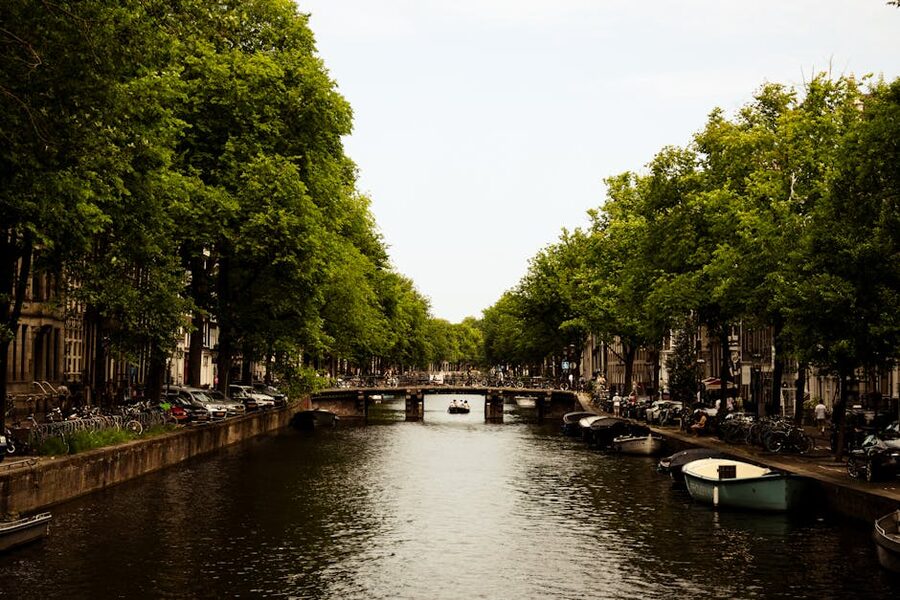
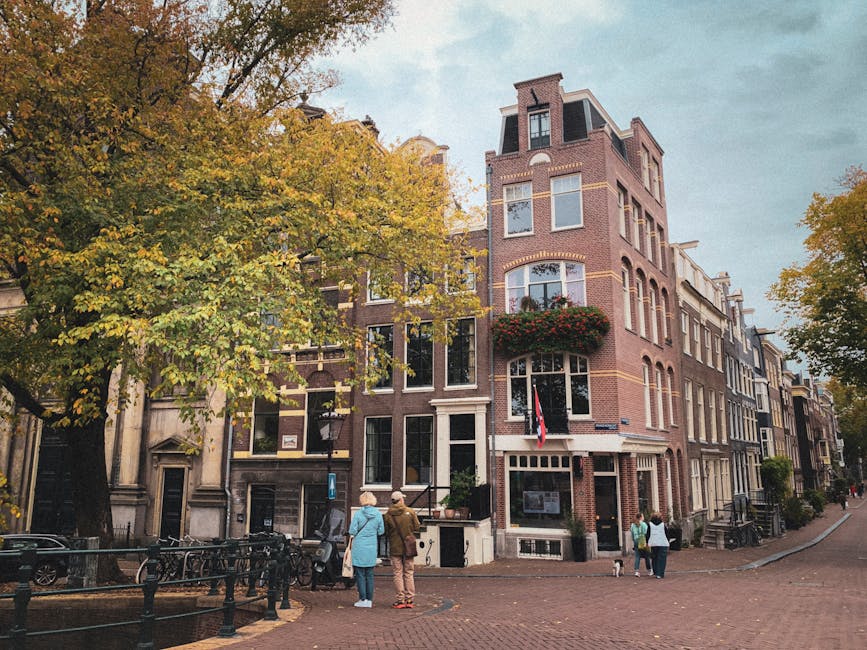
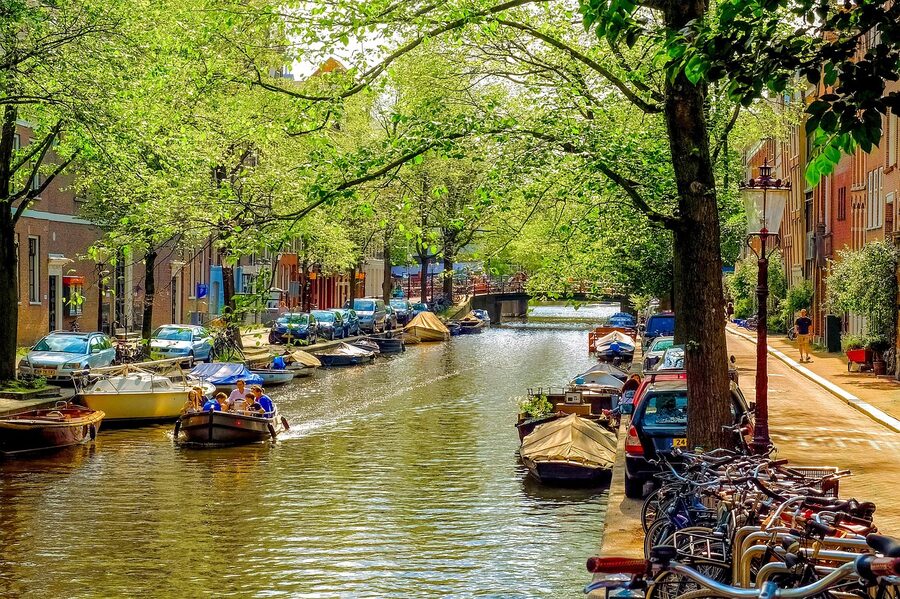
The point of the Jordaan stop, in tour terms, is texture. You walk past the kind of canal house Anne would have been able to see if she’d been allowed near a window facing west. You see how dense the neighbourhood is, how impossible it is to keep secrets across a canal you can shout over. That eight people stayed hidden in plain sight for 25 months in this neighbourhood is, on the ground, more astonishing than the diary makes it sound.
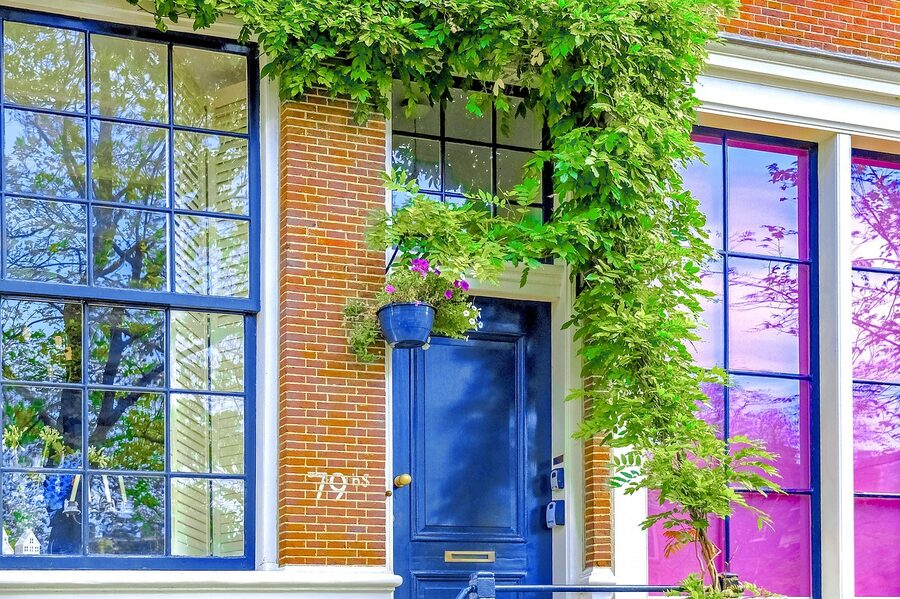
Stop 4: Homomonument and the Anne Frank statue
Just behind the Westerkerk on the Keizersgracht is the Homomonument, three pink-granite triangles laid into the pavement, designed by Karin Daan in 1987. It commemorates gay men and lesbians persecuted by the Nazis (about 100,000 people across Europe, mostly never spoken of in mainstream Holocaust narratives). Around 5,000 to 15,000 of those were deported to camps, and survival rates were abysmal. The triangle shape is the pink triangle that gay men were forced to wear in concentration camps. It’s the world’s first monument of its kind and walking tours include it as a deliberate broadening of the question, who else.
The Anne Frank statue, by Mari Andriessen, stands on the Westermarkt itself, between the church and the canal. It’s a small figure, hands clasped, looking down at the cobbles. There’s nothing dramatic about it. People leave flowers. The tour usually pauses here for a minute and the guide stops talking, which is when you actually feel the route start to land.
Stop 5: Merwedeplein, where the Franks lived before the hiding
Some of the longer tours, particularly the Jewish Quarter combined route, take a tram or a long walk south to Merwedeplein 37, the Frank family’s apartment from 1934 to 1942. This is the address Anne wrote her birthday entries from. The square is in the Rivierenbuurt, the Dutch architect H.P. Berlage’s pre-war housing district, full of brick apartment blocks built between 1925 and 1933 specifically to house the wave of Jewish refugees from Germany.
If your tour skips Merwedeplein, you can do it as a separate add-on. Tram 4 from Amsterdam Centraal, get off at Roelof Hartplein, walk south for 8 minutes. The current resident of #37 has put up a small signed plaque making clear that this is a private home and asking visitors not to ring the bell. Be polite, take the photograph from the pavement, move on.
Stop 6: Hollandsche Schouwburg, the deportation centre
This is where the tour shifts gear. The Hollandsche Schouwburg (“Dutch Theatre”) is at Plantage Middenlaan 24, in the old Jewish Quarter east of the centre. It was built as a Jewish theatre in 1892. From July 1942 to November 1943 the Nazis used it as the central collection and transit point for Amsterdam’s Jews before they were sent on to Westerbork transit camp and from there to Auschwitz, Sobibor, and Bergen-Belsen. Around 46,000 Jews were processed through this building.
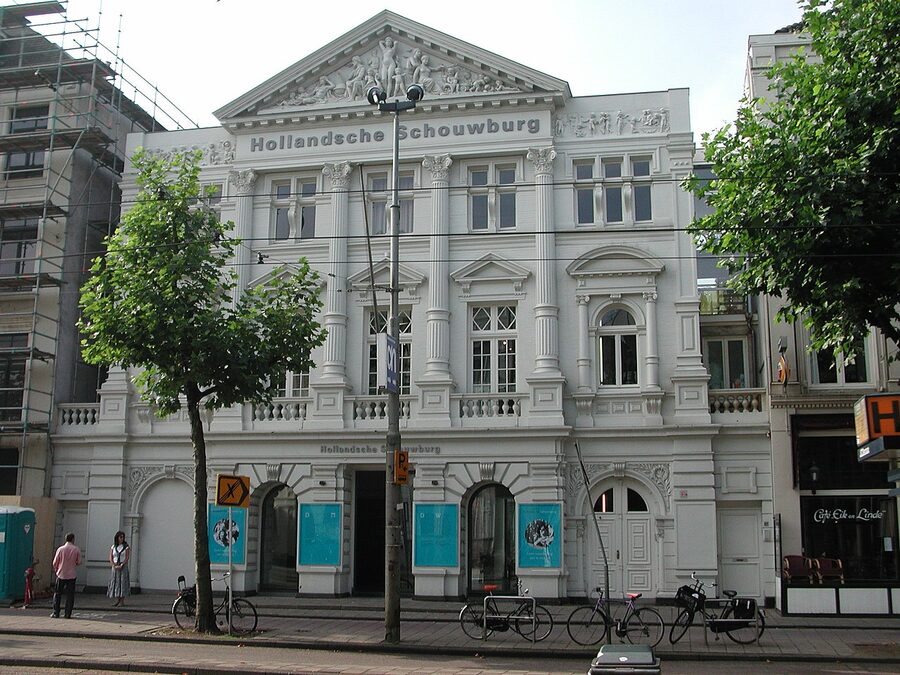
Across the street is the Crèche, a former daycare that became one of the few real successes of the wartime resistance. Children of detained parents were held there separately, and the resistance smuggled an estimated 600 children out the back, hidden in shopping bags, laundry baskets, and rolled-up rugs, handed over to non-Jewish foster families across the country. Walter Süskind, a German-Jewish refugee who managed the deportation paperwork at the Schouwburg, secretly destroyed records to make children disappear from the lists. He was deported in September 1944 and murdered. The Crèche is still standing, now part of the National Holocaust Museum which opened on this site in March 2024.
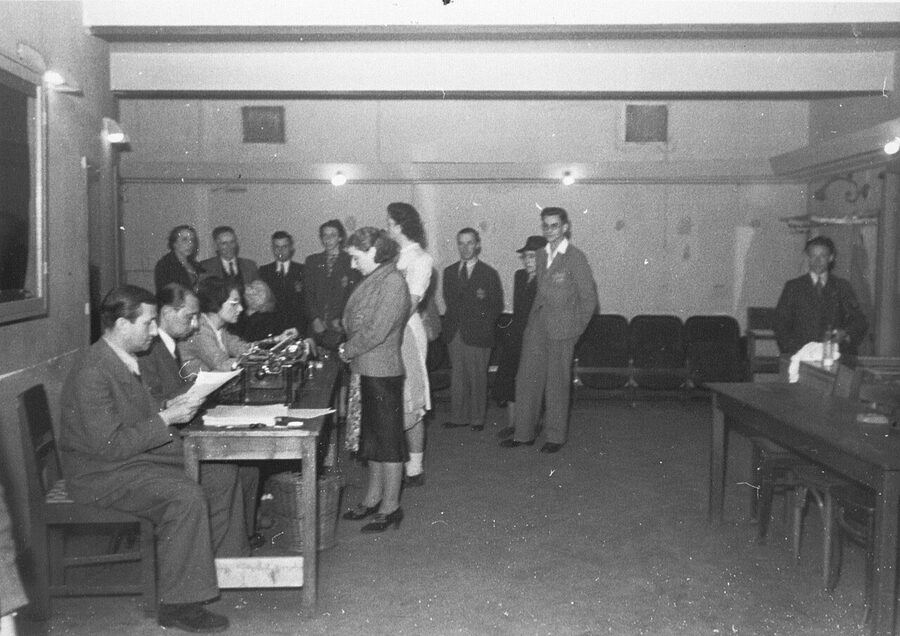
The memorial is open daily, free, and the visit is short, you walk through the entrance hall (a small permanent exhibit and the names of 6,700 Dutch Jewish families), then out to the open-air courtyard where the auditorium used to be. There’s an eternal flame and a plaque listing every family deported. Most tour groups give it 20 minutes. That’s enough.
Stop 7: The Portuguese Synagogue and the Jewish Quarter
A 6-minute walk from the Schouwburg gets you to Mr. Visserplein and the Esnoga, the Portuguese-Israelite Synagogue. Built between 1671 and 1675 by the Sephardic community that had come to Amsterdam after fleeing the Spanish and Portuguese inquisitions, it is the largest Sephardic synagogue in Europe and one of the most surprising survivors of the war. The Nazis intended to destroy it. They didn’t, partly because they planned to turn it into a museum of an extinct people after the war. The building is unchanged since 1675, no electricity, lit by 1,000 candles for evening services, an interior of long oak benches and brass chandeliers and a sand-covered floor that absorbs sound.
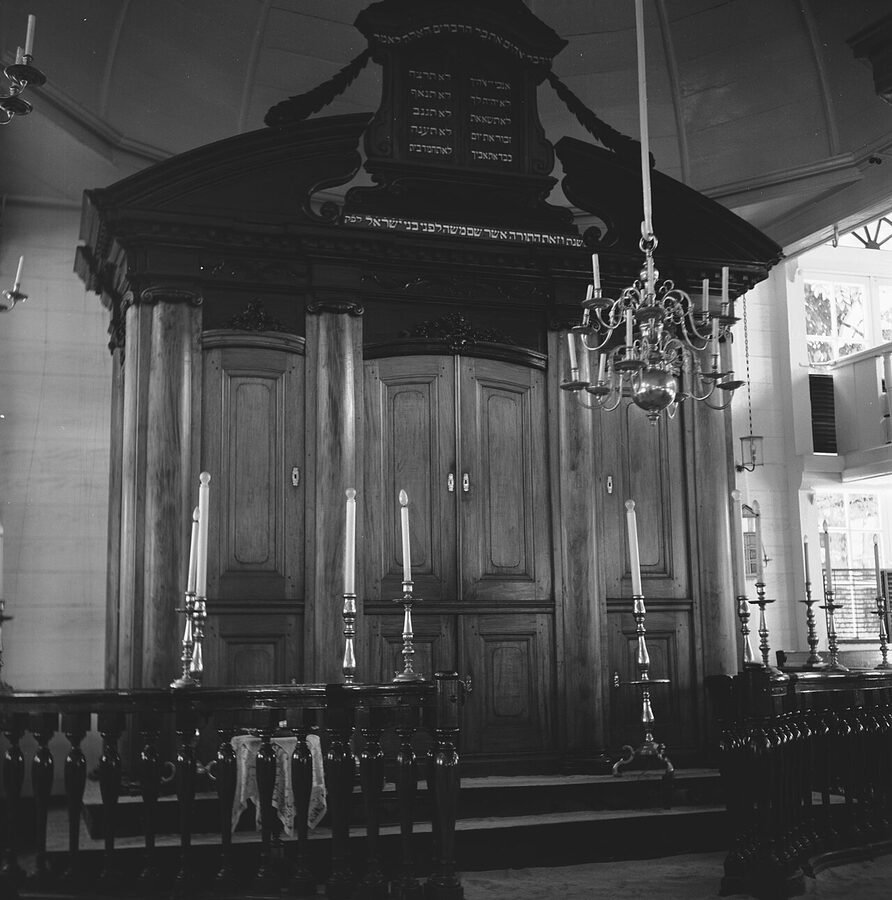
Entry is around 19 euro for adults, includes the smaller Ets Haim library next door (the oldest functioning Jewish library in the world, founded 1616). It’s closed Saturdays for Shabbat. Most walking tours only stop outside, but if your tour ends at the Schouwburg or nearby, you can do the synagogue interior on your own afterwards. Allow 45 minutes inside.
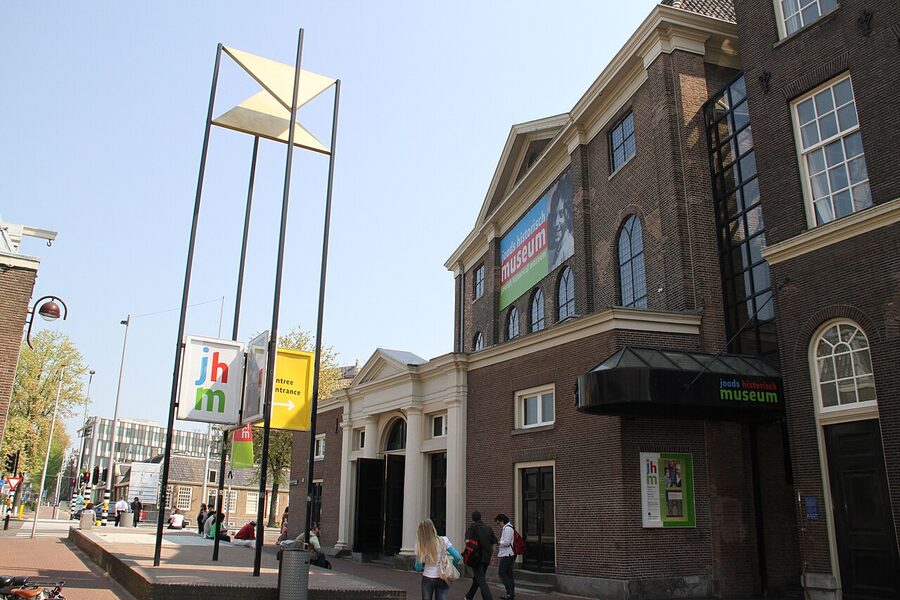
Across Jonas Daniël Meijerplein, the same square, is the Joods Historisch Museum (Jewish Historical Museum). It’s housed in four former Ashkenazi synagogues built between 1671 and 1752, knitted together internally to form one museum. The collection covers Jewish life in the Netherlands from the 17th century forward, with a substantial section on the war. Allow 90 minutes if you go inside, or treat it as an external photo-stop on the walking tour route.
Three tours actually worth booking
I’ve taken or vetted dozens of these. Most are competent. The three below are the ones I’d send a friend to. They cover different price points and different scopes, but they all have actual humans guiding (not audio devices, not self-guided apps), which on this topic matters more than for any other walking tour in Amsterdam.
1. Life of Anne Frank and World War II Walking Tour: $28
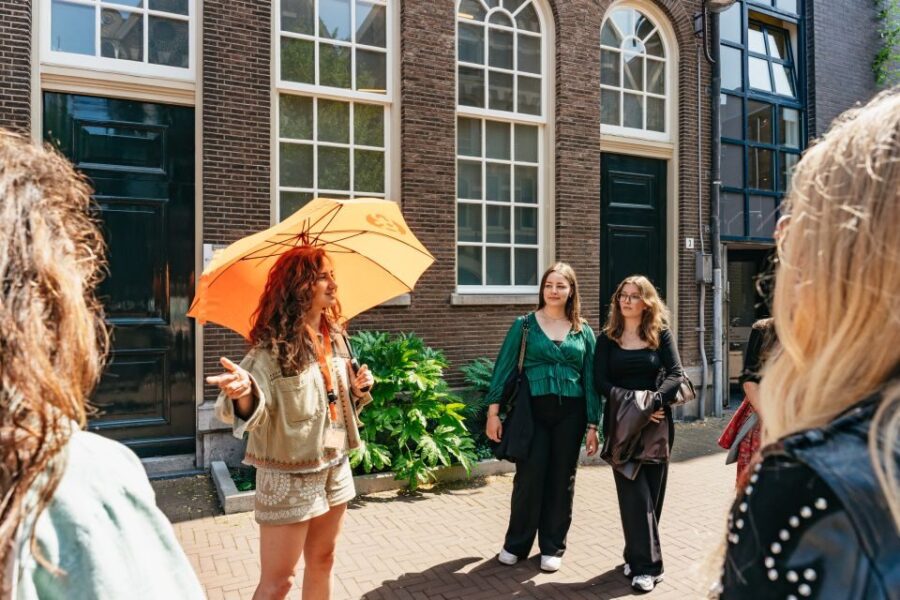
This is the right pick if you only have one half-morning and want the core route done well by a guide who’s been working it for years. The trade-off is that it doesn’t go as far east as the Hollandsche Schouwburg, you stay around the Anne Frank House and Jordaan. If you want the full Jewish Quarter context, see option 2 below, but for most first-timers this version’s pacing and storytelling is the right fit.
2. Anne Frank + Jewish Quarter Walking Tour: $39.30
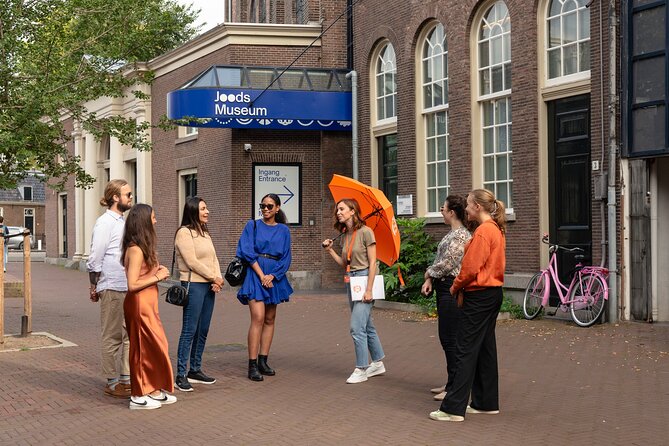
This is the right pick if you’ve already done the diary and want the bigger geographic and historical context, the deportation centre, the Sephardic and Ashkenazi synagogues, the Crèche rescue story. It’s the better pick for second-time Amsterdam visitors and for anyone with a serious interest in the Holocaust history beyond the Frank family. Our in-depth review of the Jewish Quarter route covers what each guide tends to emphasise.
3. Dutch WWII Resistance Museum Entry: $21
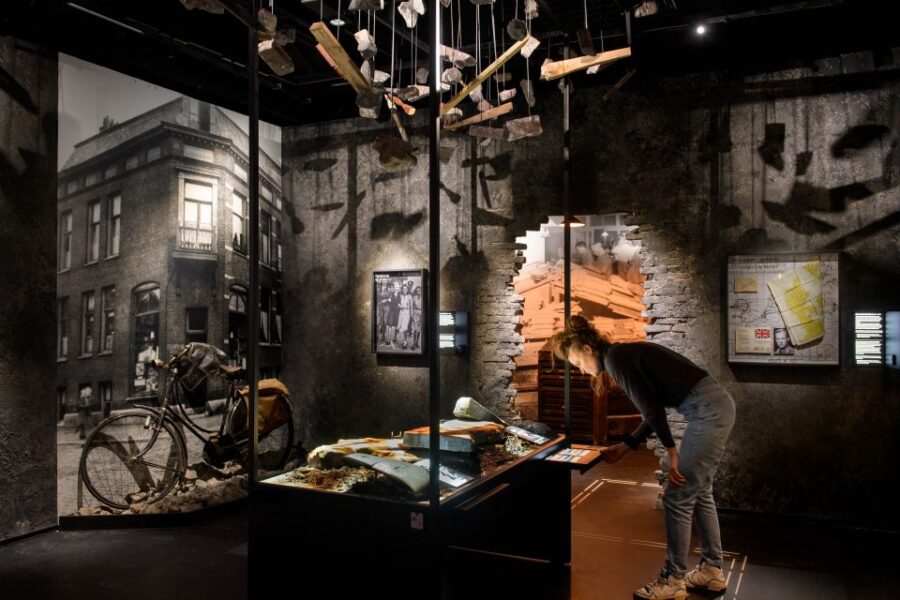
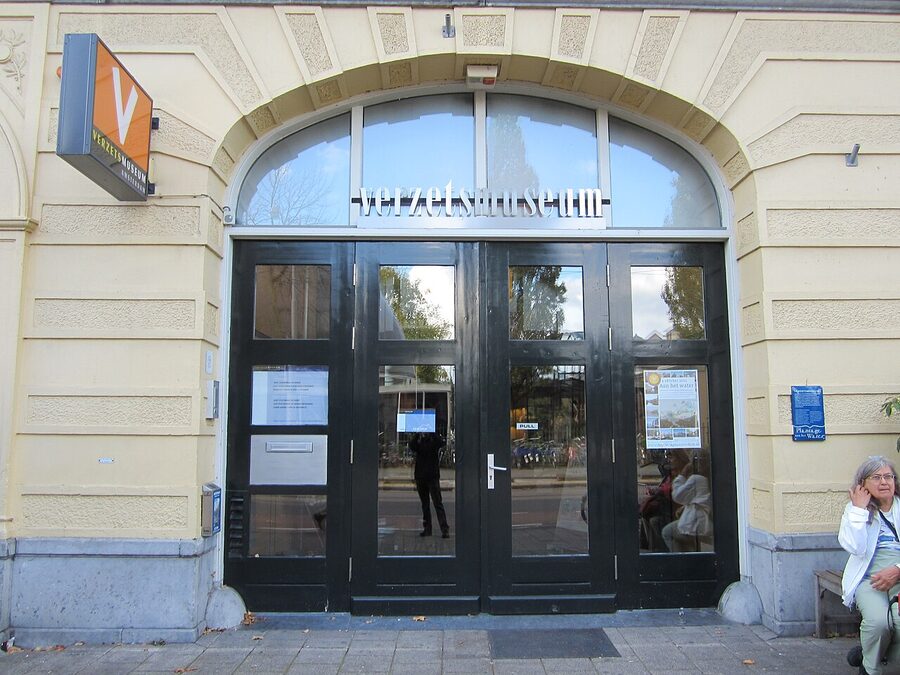
This is the right pick if you want the answer to the question the walking tour raises but doesn’t fully answer: why the Dutch deportation rate hit 75 to 80 percent, the highest in Western Europe. The Verzetsmuseum doesn’t flatter the country, it walks you through the three responses (collaboration, accommodation, resistance) and shows how thin the line between them was. We unpack what the exhibits cover in our full review.
The hard question: why was the Dutch deportation rate so high?
This is the part of the visit that nobody quite warns you about. The numbers are blunt. Of approximately 140,000 Jews living in the Netherlands in May 1940, around 107,000 were deported between 1942 and 1945, and roughly 102,000 were murdered. That’s a death rate of about 73 percent, against 25 percent in France, 50 percent in Belgium, and around 50 percent in occupied Norway and Denmark. The Netherlands had the highest Jewish death rate of any Nazi-occupied Western European country.
The country has been arguing about why ever since 1945. There’s no single answer, but the walking tour and the Verzetsmuseum both keep returning to the same factors. First, the geography, the Netherlands is small, flat, densely populated, with no mountains and no forests, almost impossible to hide in the way you could in the French Alps or the Italian Apennines. The fact that Anne Frank stayed hidden in Amsterdam for 25 months is the exception that proves the rule.
Second, the Dutch civil service. The Netherlands had one of the most efficient and computerised population registers in Europe in 1940, the Bevolkingsregister, which the Germans inherited intact and used as a deportation database. Resistance fighters tried to destroy it. On 27 March 1943 a small group led by sculptor Gerrit van der Veen and writer Willem Arondeus bombed the Amsterdam population register building. The fire burned only 15 percent of the records before being extinguished. Twelve of the 18 conspirators were caught and executed. The contrast with Normandy in June 1944 is hard to avoid: the resistance succeeded militarily where the political infrastructure had already collapsed. In Holland it didn’t.
Third, collaboration was active and not marginal. The Dutch national police arrested most Jews on Nazi instruction, paid a 7.50-guilder bounty per arrest. The NSB (Dutch Nazi party) was the largest fascist movement in occupied Western Europe per capita. Roughly 25,000 Dutch men volunteered for the Waffen-SS. There was real resistance too, the February Strike, the Crèche rescues, the railway strike of 1944, but it sat alongside extensive accommodation. The Verzetsmuseum is the place where the country looks at all of that without flinching.
The 2022 Cold Case investigation that briefly named Arnold van den Bergh, a Jewish notary, as the likely person who betrayed the Frank Annexe (theory: he traded names from a list to save his own family) caused a public storm and was largely retracted by historians within months. The truth is still officially that nobody knows who denounced the Annexe on 4 August 1944. The walking tour will mention the controversy. A good guide won’t pretend it’s resolved.
The eight in the Annexe, and the helpers
It helps to know who you’re walking around for. The eight people who hid in the Achterhuis (“the back house”) for 25 months were:
- Otto Frank (born 1889, Frankfurt), Anne’s father, manager of Opekta and Pectacon, the only one of the eight to survive.
- Edith Frank (born 1900, Aachen), Anne’s mother. Died of starvation in Auschwitz, January 1945.
- Margot Frank (born 1926), Anne’s older sister. Died at Bergen-Belsen, late February 1945.
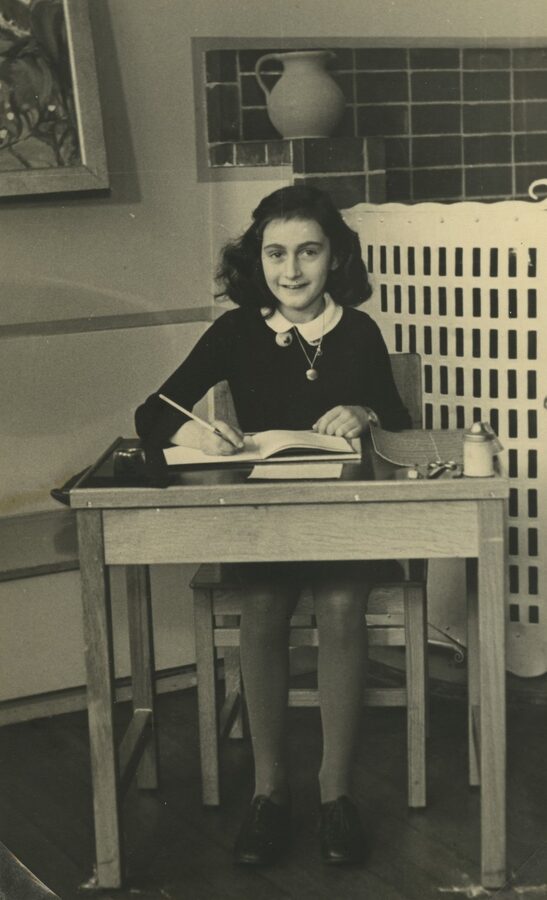
- Anne Frank (born 1929), aged 13 when she went into hiding, 15 when she died at Bergen-Belsen, early March 1945.
- Hermann van Pels (born 1898, Gehrde, Germany), Otto’s business partner. Gassed at Auschwitz, October 1944.
- Auguste van Pels, Hermann’s wife, killed somewhere in transit between Bergen-Belsen and Theresienstadt, April 1945.
- Peter van Pels (born 1926), the Van Pels’ son, Anne’s eventual close friend in the Annexe. Died on a death march from Auschwitz to Mauthausen, May 1945, three days before liberation.
- Fritz Pfeffer (born 1889), a German-Jewish dentist, the eighth occupant. Died of typhus at Neuengamme camp, December 1944.

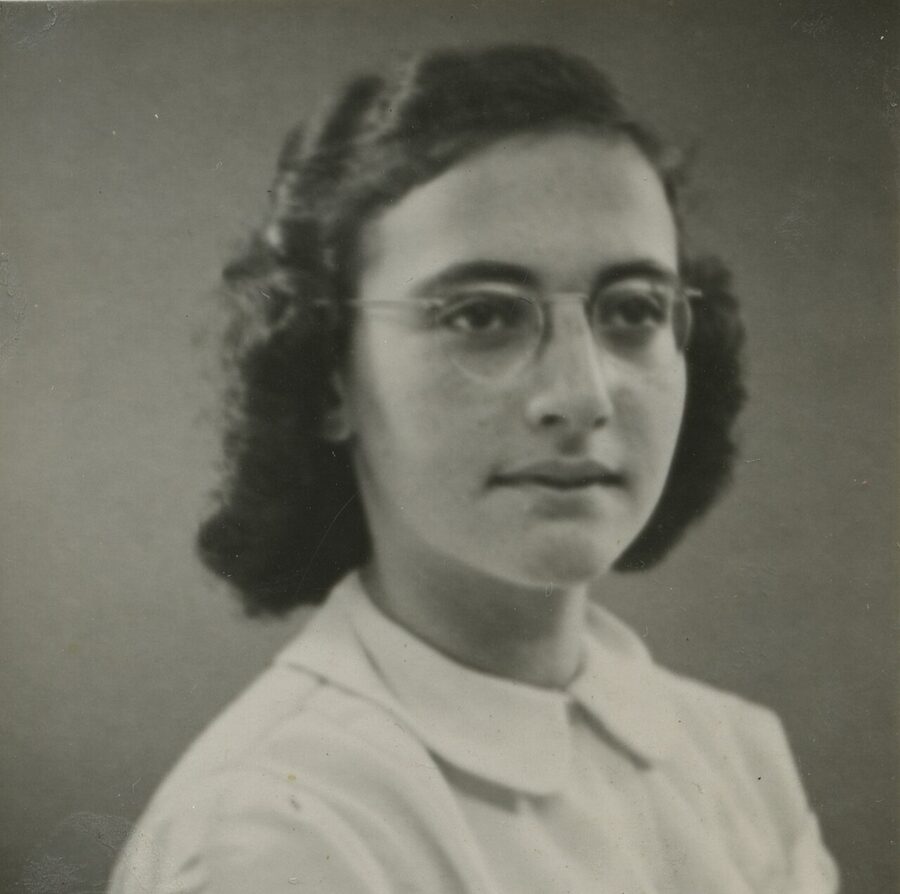
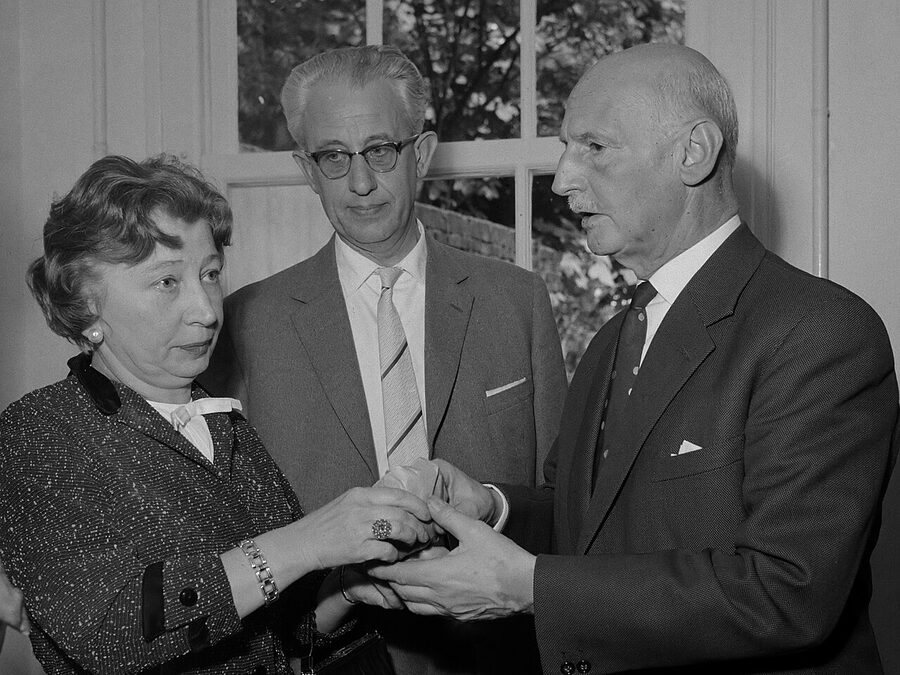
The five helpers were Miep Gies, Bep Voskuijl, Johannes Kleiman, Victor Kugler, and Jan Gies (Miep’s husband). They risked execution for two and a half years. Miep Gies recovered Anne’s diary papers from the Annexe floor on the day after the arrest and kept them, unread, in her desk drawer until Otto returned. She handed them to him in summer 1945. He published the diary in Dutch in 1947 as Het Achterhuis (“The Back House”). The first English translation came in 1952. By the time Otto died in Switzerland in 1980 the diary had sold tens of millions of copies in 40 languages. Today it’s over 70 languages.
Practical info: when to go, what to wear, and what not to do
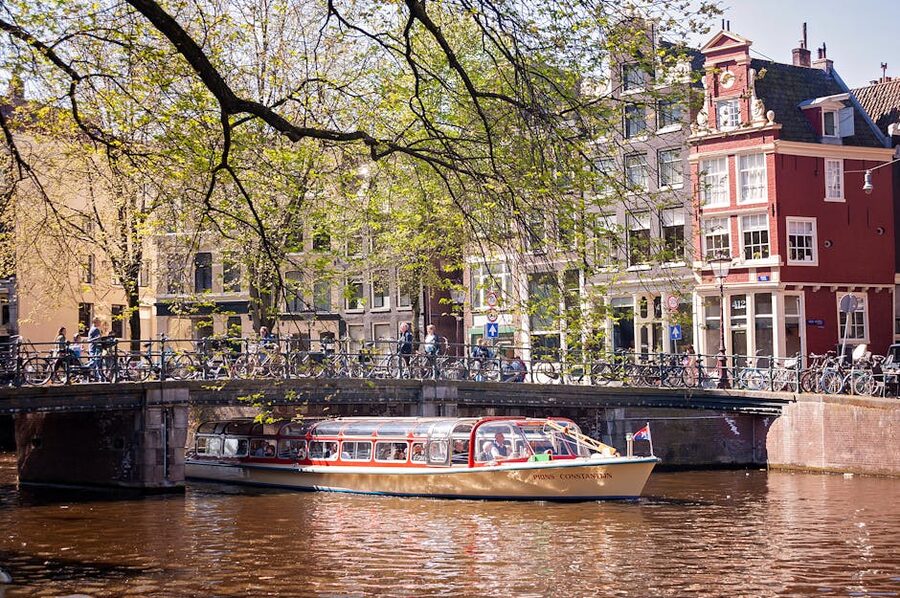
Most tours run year-round, but October to March is the better window. The crowds are thinner, the light is colder and grey in a way that fits what you’re being asked to look at, and the canals reflect the grey sky in the way the diary describes. Summer brings tour buses, students, and the kind of cheerful background noise that doesn’t fit the subject matter. If you can pick, pick a Tuesday or Wednesday morning at 9.30am or 10am, before the museum-line crowd builds at the Westermarkt.
Wear weather. Amsterdam rains roughly every other day, the showers come and go in 20-minute spans, the city has no real shelter. A waterproof jacket and shoes you can stand in for two hours matter more than a camera. Most tours stop talking when the rain gets serious, so a hood you can hear through is useful.
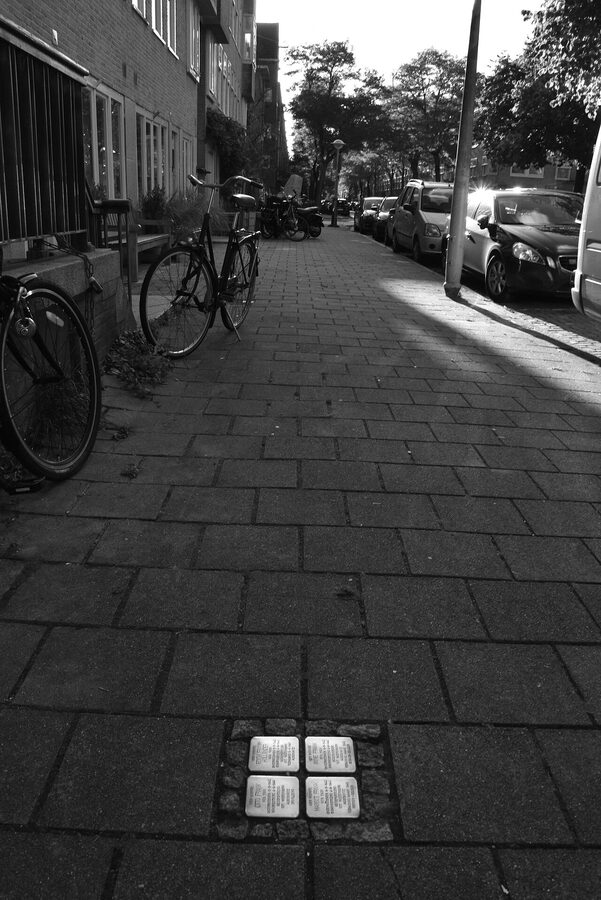
Don’t take photographs at the Hollandsche Schouwburg memorial garden. It’s not signposted but it is the local etiquette. The Anne Frank statue on the Westermarkt is fine, but quietly, don’t pose with it. The Stolpersteine in front of #37 Merwedeplein, photograph the stones, not the building, the family who lives there now is not part of the memorial.
If you have time before or after, the Royal Palace on Dam Square is a 12-minute walk from the Westermarkt. The two attractions sit awkwardly together in the same morning, the palace’s gilded grandeur right after the Annexe is a jarring shift, so I’d separate them by at least half a day. The Red Light District is also walking distance but is the wrong neighbour for this tour, save it for another day entirely. If you want a less heavy follow-up, the Madame Tussauds on Dam Square is the obvious palate cleanser, although obvious is the right word, you’ll feel the contrast.
What about the Anne Frank House itself, can you actually get in?
Yes, but only if you plan it. Tickets are released exactly two months in advance, at 10.00 Amsterdam time, on the Anne Frank Foundation website. So tickets for 4 August release on 4 June at 10am sharp. Sit at your laptop with the page open, refresh at 09.59.59, and click. A typical day’s allocation of 6,000 timed slots goes within 25 minutes. The price is modest, around 16 euro adult / 7 euro child / under 10 free, but the booking infrastructure is more aggressive than for any other major Amsterdam attraction.
Some walking tour products bundle museum entry, but read carefully: most don’t actually include the timed-entry ticket, they include a meeting at the Westermarkt and a guide who walks the route, and the museum entry is sold separately and may or may not be available. If a bundled product genuinely guarantees house entry, it will be 60 to 80 euro and the description will say “Anne Frank House skip-the-line ticket included” with a specific time slot. Anything cheaper than that is the walking tour only, regardless of how the title reads.
If the museum is genuinely full when you visit, you have two backup options. The Anne Frank Stichting also runs a smaller exhibit at the West Side of the museum (the “Anne Frank Foundation” wing) that occasionally has same-day entry for the digital exhibition. And the National Holocaust Museum that opened on the Schouwburg site in March 2024 is, in many ways, the more substantial museum experience for Amsterdam Jewish history overall, less of a queue, more space to read, more material on the deportation infrastructure.
Combining it with the rest of Amsterdam
The walking tour is two hours of heavy material. Don’t pair it with another heavy thing in the same afternoon. The natural counterpoints are the lighter Amsterdam products: a canal cruise in the late afternoon, the Rijksmuseum for Vermeer and Rembrandt (which is its own kind of national-conscience trip but at a different register), or a long lunch in the Jordaan at one of the brown cafes the tour might walk past.
If you have a second or third day in Amsterdam, the day-trip products work well as decompression, the windmills at Zaanse Schans on a Tuesday, or, if it’s spring, the Keukenhof tulip gardens. Both are deliberately the opposite of the walking tour: open landscapes, bright colours, cheerful crowds. After a morning at the Schouwburg, you’ll want them.
For a longer-arc European trip, the walking tour pairs interestingly with the Normandy D-Day tour. Normandy is the moment the rescue arrived, June 1944. Anne was deported in August. The cemetery at Colleville-sur-Mer and the Annexe at Prinsengracht 263 are the two ends of the same two months. Doing both, in either order, changes how you read each. Les Invalides in Paris is the other strong WWII pairing, the French military memorial complex covers the Free French resistance and the liberation. The Sassi at Matera is the Italian neorealist context, what postwar reckoning looked like in the south. And Gibraltar from Málaga is the strategic-geography pilgrimage, the rock that controlled the Mediterranean throughout the war.
One last note about the tour
The first time I walked this route, I noticed that nobody on the tour was talking, even before the guide arrived at the Westermarkt. People were standing around with their hands in their pockets. The Anne Frank House queue was building up next to us, two and three deep, and the noise of the line wasn’t much louder than a library. That’s normal. It’s how Amsterdam treats this corner. The walking tour, when it’s done well, doesn’t try to add drama to that. It just gives you the addresses, the dates, and the names, and lets you walk the geography that the diary leaves out.
Two hours later you’re back near the Westerkerk and the bell rings on the quarter hour, the same bell from page after page of the diary, and that’s usually when somebody on the tour cries quietly. The guide hands them a tissue. You walk back to your hotel. You don’t say much for the rest of the afternoon. That’s the tour working.