
In 1952 the Italian government forcibly relocated more than 15,000 people out of the Sassi di Matera. The cave dwellings you walk through today, the ones in every drone shot of UNESCO Italy, were a working-class slum within living memory. Infant mortality was around 50%, sewage ran in the alleys, and the national press called it la vergogna nazionale: the national shame.
That’s the story most travellers never hear. The Sassi aren’t a postcard medieval town. They’re a recently-vacated neighbourhood being slowly turned back into hotels, restaurants, and luxury cave-suites. Knowing that changes the whole visit.
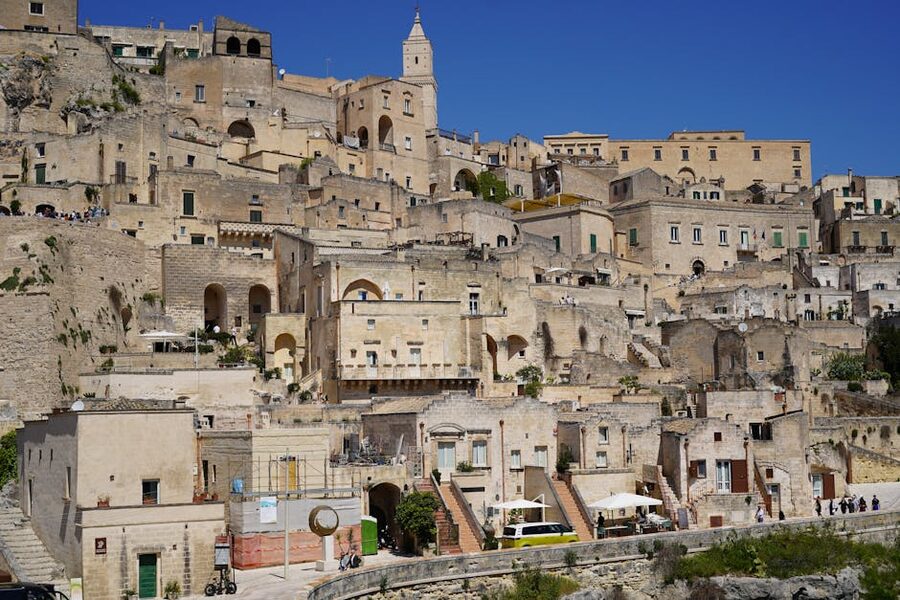
This guide covers what to actually book, where to walk, which cave-houses to step inside, and the Carlo Levi backstory that reframes the whole place. If you only have one afternoon, the practical info is right at the top.
Quick picks: best Matera tours
Best guided walk ($31): Sassi di Matera Tour with cave-house entry covers the headline ground in two hours and includes one cave-house visit. The flagship for first-timers.
Best for context ($36): Discovering Matera with a local archaeologist goes deeper on the rupestrian-church side and the medieval-to-modern story arc.
Best if you struggle on stairs: Sassi Eco-Bus open-top tour. The Sassi are not flat. The bus is the workaround.
What the Sassi actually are
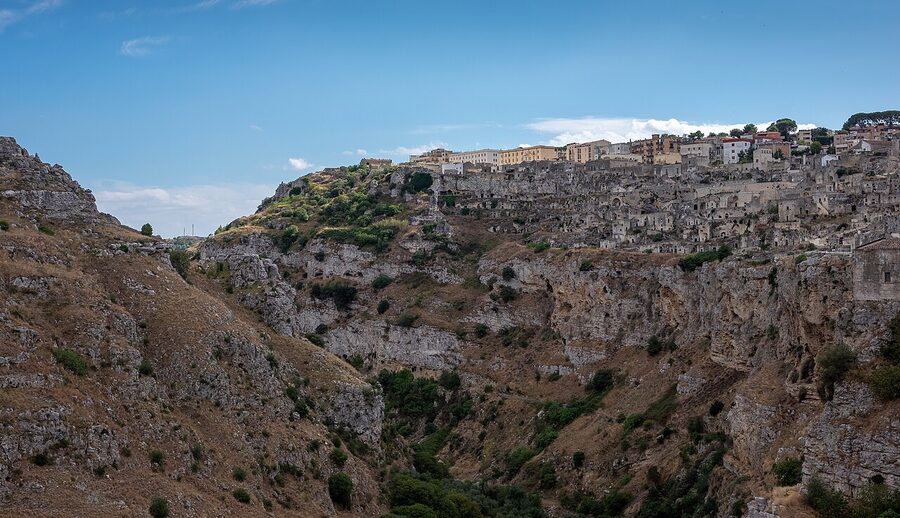
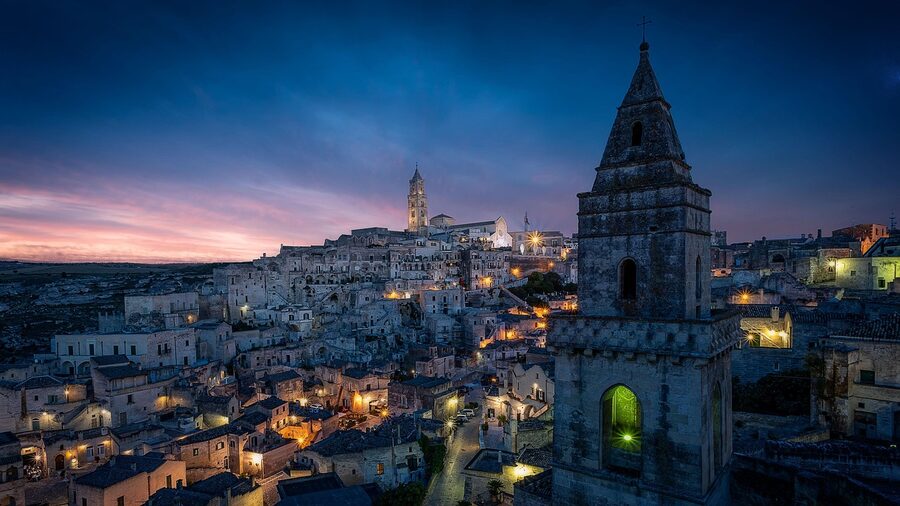
“Sassi” means “stones” in Italian. The word is plural because there are two: Sasso Caveoso on the south side, where the dwellings are mostly carved straight into the soft tufa rock, and Sasso Barisano on the north, where stone façades were added later and it reads more like a conventional town. Above them sits the Civita, the upper town, where the cathedral is. You’ll walk between all three on any decent guided tour.
The carving started about 9,000 years ago. Continuously. That’s the bit that’s hard to wrap your head around. The same caves that housed Bronze Age families housed peasant farmers in the 1940s. Layers of plaster, layers of soot, layers of quietly-modified rock. Matera is one of the longest-continuously-inhabited places in Europe, and that lineage is what gets it the UNESCO listing more than the visual drama, the same heritage logic that protects the Mezquita-Catedral in Córdoba and the Nasrid palaces of the Alhambra on the Iberian end of the Mediterranean.
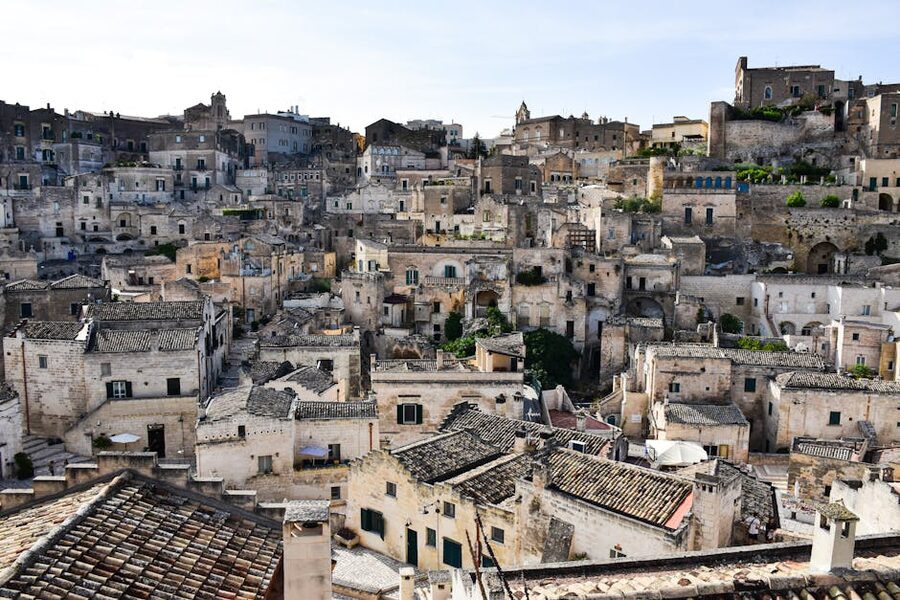
The other thing worth knowing before you go: this is Basilicata, not Puglia. Most people lump them together because they share a coastline and a flight path. They don’t share much else. Basilicata is poorer, emptier, and historically the part of southern Italy that the rest of Italy forgot. Pompeii, three hours west, gets two million visitors a year. Matera gets a fraction of that, despite being older and arguably stranger.
The 1952 relocation: why this matters
Here’s the part of the story most postcard-version tours skip. By the 1940s the Sassi were a public-health disaster. Around 15,000 people lived there, mostly peasants and farm labourers, often sharing a single cave-room with their farm animals for warmth. There was no running water, no sewage system, and the trachoma and malaria rates were the worst in Italy. Infant mortality was about one in two.
Carlo Levi, a doctor and painter exiled to nearby Aliano under Mussolini, wrote about this in Cristo si è fermato a Eboli (“Christ Stopped at Eboli”), published in 1945. The book landed at the right moment. Italy was rebuilding in the same post-war moment that produced the Normandy D-Day memorial landscape and the rest of the European reckoning that comes through clearest on an Anne Frank neighbourhood walking tour in Amsterdam. The new republic could not afford a feudal slum on its conscience. In 1948 the prime minister De Gasperi visited Matera and called the Sassi la vergogna nazionale.
Then in 1952 came the Legge Speciale per Matera, the special law. The state expropriated the Sassi, built new neighbourhoods on the plain above, and moved everyone out. It took until about 1968 to finish. The Sassi sat almost empty for the next thirty years. Doors locked, roofs caving in, the lower alleys full of rubble.
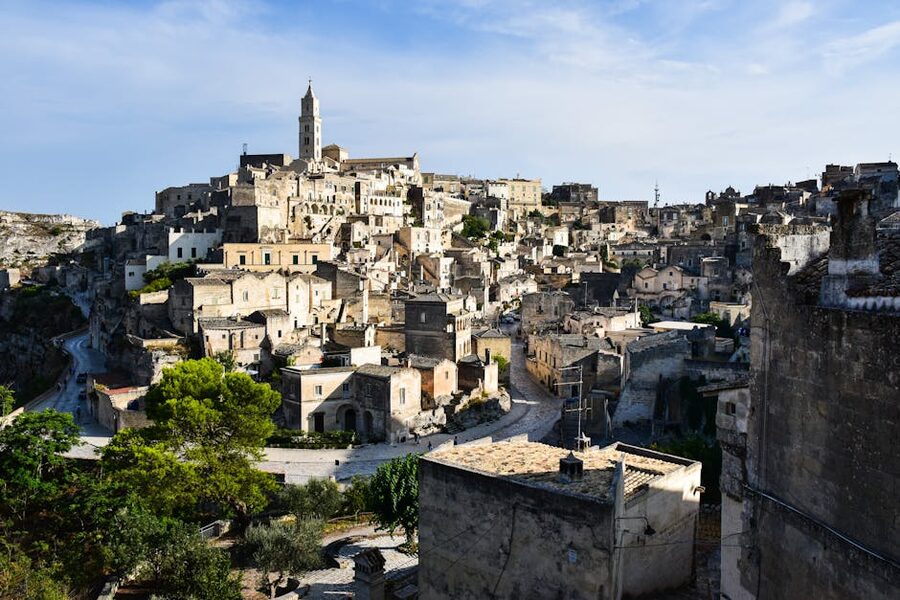
The reverse started in 1993, when UNESCO listed the Sassi as a World Heritage Site. The state began handing out long leases to anyone who’d restore a cave on their own dime. That’s why, today, almost every place you can stay or eat in the Sassi is a “boutique cave hotel” or a “cave restaurant”. The hotel is your accidental contribution to the slow re-occupation. It’s also why the prices feel high for southern Italy. The restoration costs a fortune.
Bring this context to the visit and the place lands differently. You’re not walking through a medieval set. You’re walking through a neighbourhood that was forcibly emptied within the lifetime of people still alive in Matera, and that’s now being commercially repopulated mostly for tourists. Every guided tour worth its money tells you this. If yours doesn’t, find a better guide.
How to actually visit
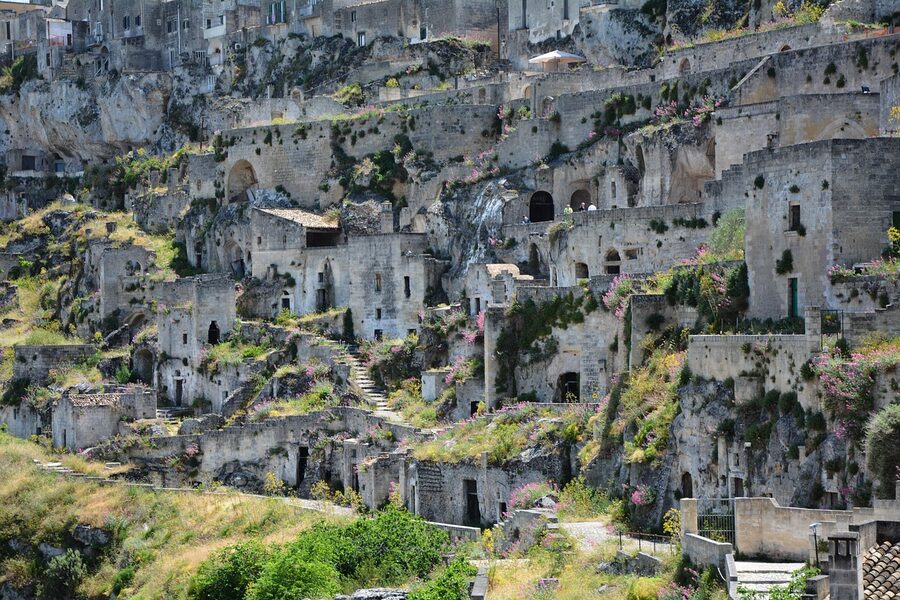
Most travellers spend either a long afternoon or a full day. A day is plenty. Two nights is luxury. The thing that catches people out is that the Sassi are vertical. You’ll do a serious amount of stair-climbing on uneven, polished-by-feet stone. Wear trainers with grip. Skip the cute sandals. In rain the stones get genuinely slippery.
You can walk the Sassi free. There’s no entry gate, no ticket booth, no “Matera card”. The town is the museum. What you pay for is the things inside the town: cave-house entry, rupestrian-church entry, and a guide who can tell you which carved hole was a Bronze Age cistern and which one was somebody’s kitchen in 1948. Most guided tours include one cave-house ticket. That’s the part you can’t replicate by wandering.
The headline tickets, if you go on your own:
- Casa Grotta di Vico Solitario: about €5. The classic restored cave-dwelling, furnished as a 1950s peasant home with the donkey stall behind the bed. Most tours bring you here.
- Casa Noha: a few euros. Run by FAI (Italy’s National Trust). Excellent short multimedia film on Sassi history. If you skip the others, do this one.
- Cripta del Peccato Originale (“Crypt of the Original Sin”): about €10, advance booking required. A cave church with 9th-century frescoes 14 km outside town. The “Sistine Chapel of rupestrian art”, which is overdone marketing but the frescoes are real.
- Palombaro Lungo: about €4. The huge underground rainwater cistern under Piazza Vittorio Veneto. The tour is short, the cistern is staggering, and most visitors miss it because it’s not even in the Sassi proper.
If you’re booking a guide, two hours is the standard length and it’s enough for a first orientation. The longer half-day tours add a rupestrian church on the Murgia plateau across the ravine, which is the bit you’ll regret missing if you skip it. Same era of frescoes as the famous Rome catacombs, but instead of underground passages you’re on a cliffside footpath looking back at the city.
Stepping inside a cave-house
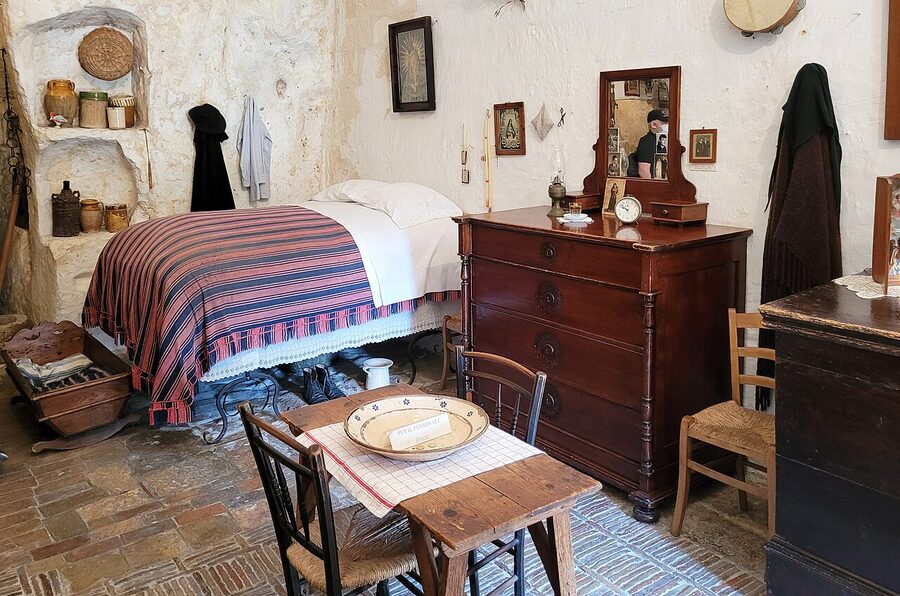
Casa Grotta di Vico Solitario is the cave-house most tours bring you to, and once you’re inside the Sassi stops being scenery. The room is maybe four metres deep, carved straight into the rock, with a vaulted ceiling that’s blackened with cooking soot. Against the back wall: a high wooden bed. Stuffed with maize leaves, not feathers. The kids slept under it in drawers pulled from a chest. On the right side: a small kitchen niche with a single fire and a chimney cut up through the rock. On the left, behind a low wall about waist height: the stall. The donkey, the pig, the chickens lived in there.
The animals weren’t pets. They were heating. Body heat from the livestock kept the cave above freezing in winter. The smell, by every account, was extraordinary. You’d come in from the fields, eat by the fire, and sleep two metres from the animals you’d be working with at dawn.
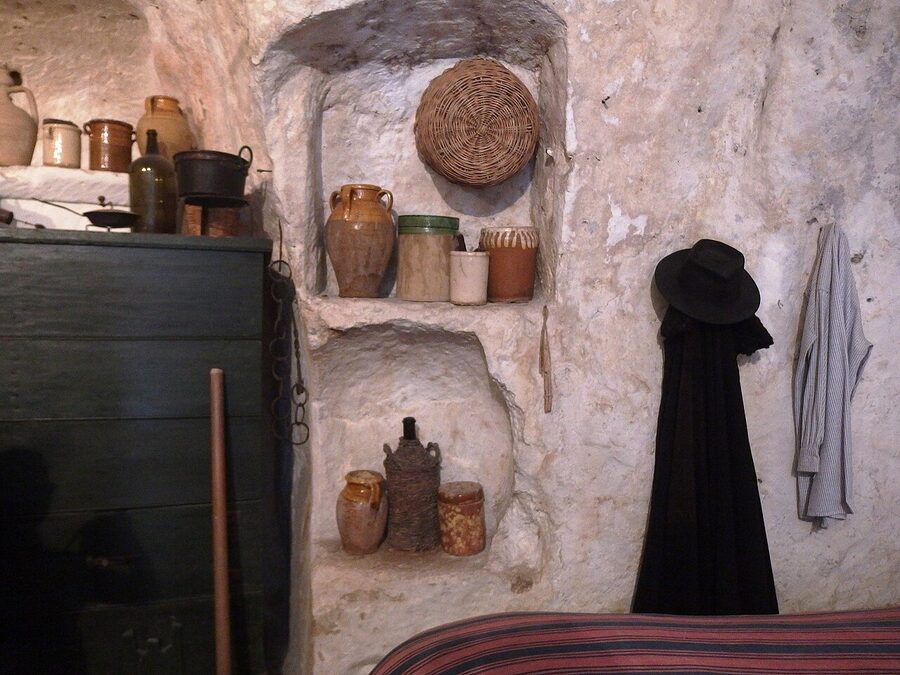
Cisterns are the other thing the cave-house tour will show you. The Sassi sit on top of a network of carved water tanks. Every household had a small one cut under the floor, fed from rainwater channels on the roof. The big communal Palombaro Lungo I mentioned earlier holds five million litres. None of this water was treated. By the 1940s it was contaminated and contributing directly to the typhoid outbreaks.
One detail my guide hammered: women carried water uphill in copper jars on their heads, twice a day, from the few wells outside the Sassi. Round trip about 90 minutes. If your idea of “old Italian peasant life” is romantic, the cave-house is the corrective.
The rupestrian churches
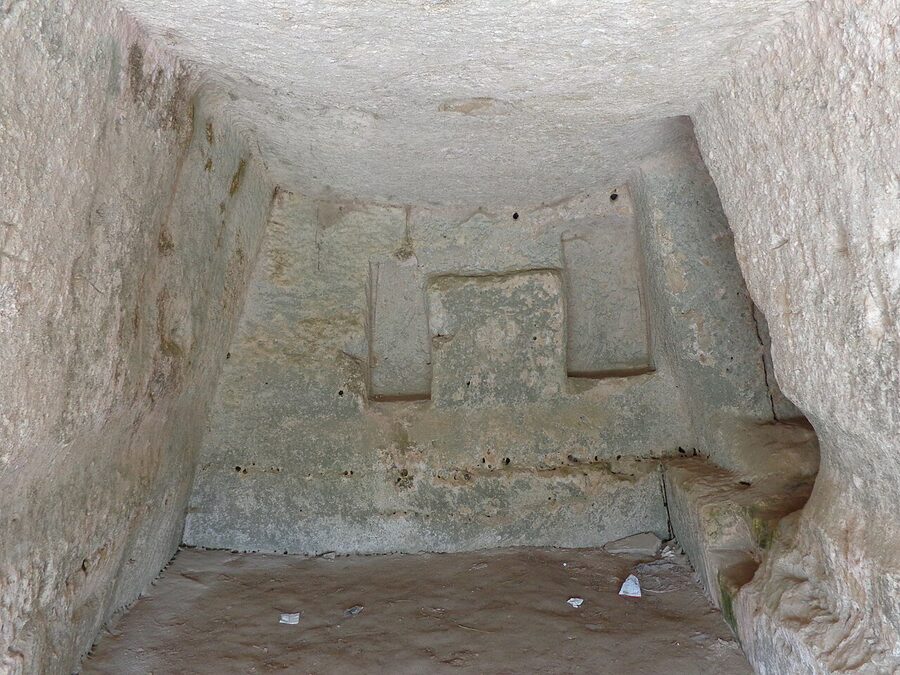
Around 150 rupestrian (rock-cut) churches sit in and around the Sassi, dating from roughly the 8th to the 14th century. Many were carved by Byzantine monks who fled Anatolia during the iconoclast crisis in the 700s and 800s. They brought eastern-style fresco painting with them, which is why the surviving frescoes here look more Greek-Orthodox than Italian-Catholic.
The ones to know:
- San Pietro Caveoso: not actually a cave church, but the white perched church right on the edge of the ravine. It’s the photo every guidebook uses. Free entry.
- Santa Maria de Idris and San Giovanni in Monterrone: connected rock-cut churches up on the Monterrone outcrop. Same ticket, modest entry fee, partial frescoes. The view from the rock above them is the best free panorama in the Sassi.
- Santa Lucia alle Malve: the most complete fresco programme in the Sassi proper. About €3.50.
- Cripta del Peccato Originale: the famous one outside town, advance booking, guided only.
If you’ve already done San Gennaro in Naples or the Rome catacombs or stood inside the fortified cathedral at Carcassonne, the rupestrian churches are the same Byzantine-era painting tradition surviving in a completely different format. Underground in Naples and Rome. Carved into a cliff face here. Same iconography, same era, different geology.
The Carlo Levi pilgrimage
Worth a paragraph on its own. Carlo Levi was the Turin-born painter, doctor, and anti-fascist who got internally exiled by Mussolini in 1935 to a tiny village called Aliano, an hour south of Matera. He spent a year there, treated locals as a doctor, and wrote about what he saw. Christ Stopped at Eboli, the book that came out of it, did more than anything else to put the Sassi conditions on the post-war Italian agenda. Without Levi, the 1952 relocation probably happens later or not at all.
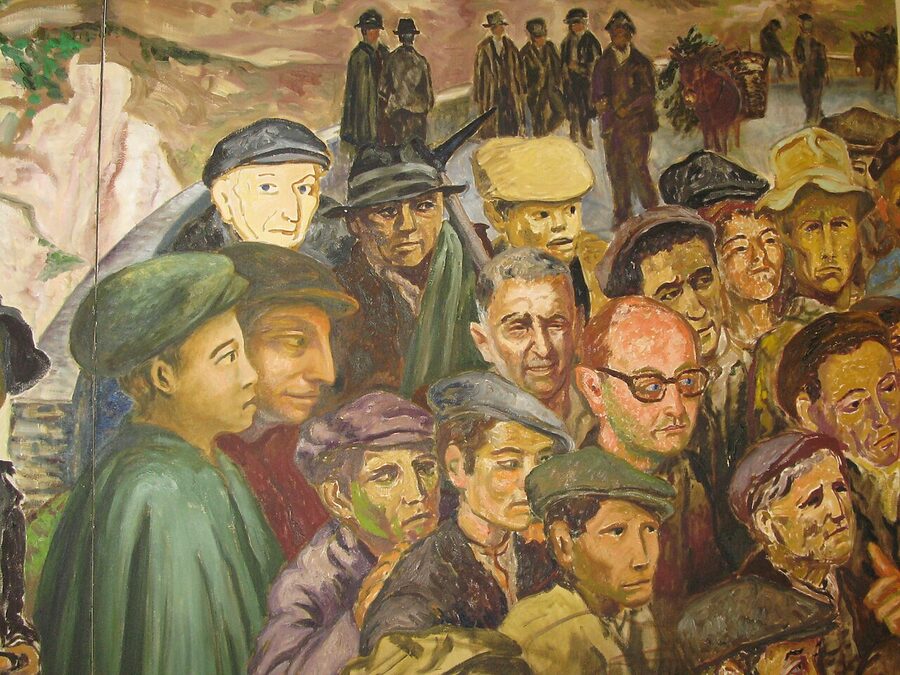
His big mural Lucania 61 is in Palazzo Lanfranchi on Piazzetta Pascoli, up in the Civita. It’s painted on commission for the centenary of Italian unification and shows peasant life in Basilicata as Levi saw it. Whole panels of women carrying water, children with trachoma-clouded eyes, a funeral procession. The painting hits harder if you’ve already seen the cave-house. Then you read it as documentary, not allegory.
The painting is in a free wing of the Palazzo, and the rest of the Lanfranchi is the regional art museum, so you can knock both off in an hour. Most tours don’t include it. Walk back on your own.
When to go and when to skip it
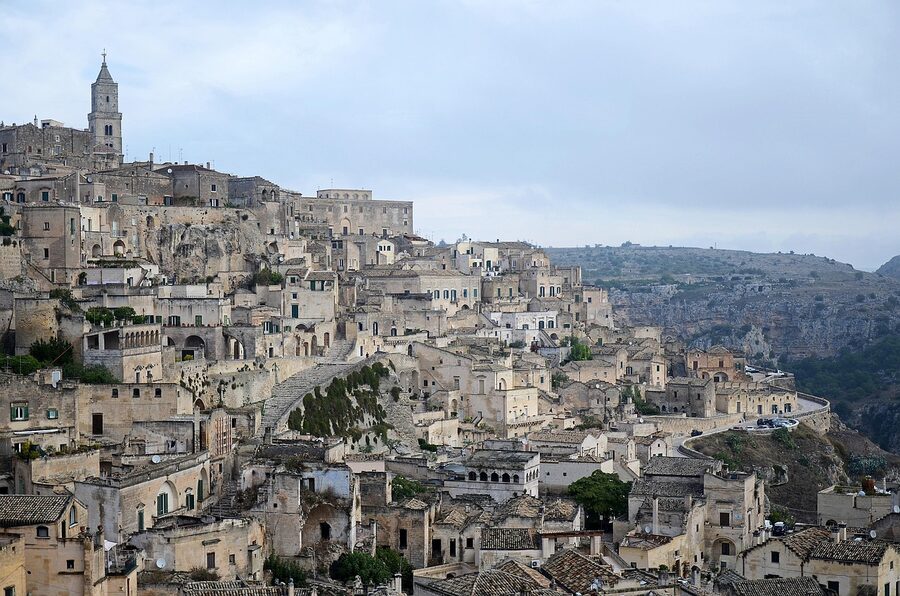
The shoulder months (April-May, September-October) are obvious. June is hot but workable. July and August: skip. The Sassi are a south-facing oven and the temperature differential between the upper town in shade and the lower lanes in sun can be 10°C. Locals stop walking at midday for a reason.
Winter is underrated. The crowds thin to almost nothing, the prices on cave-suites drop by half, and on a clear morning the low light hits the tufa stone in a way the summer crowds never see. The downside is that some smaller rupestrian churches close, and the rain makes the lanes treacherous, in the way Dutch heritage villages like Zaanse Schans turn quiet and slick once the off-season arrives.
Time of day matters more than season. The Sassi photograph badly at midday because the white-on-white stone flattens out. Golden hour, the hour before sunset, is when the postcard shots happen. The hour after sunrise is the secret. Almost nobody is up. Coffee in the upper town and then walking down through Sasso Barisano with the morning light coming sideways. Better than the sunset shot, and you don’t share it with anyone.
Where to stay (briefly)
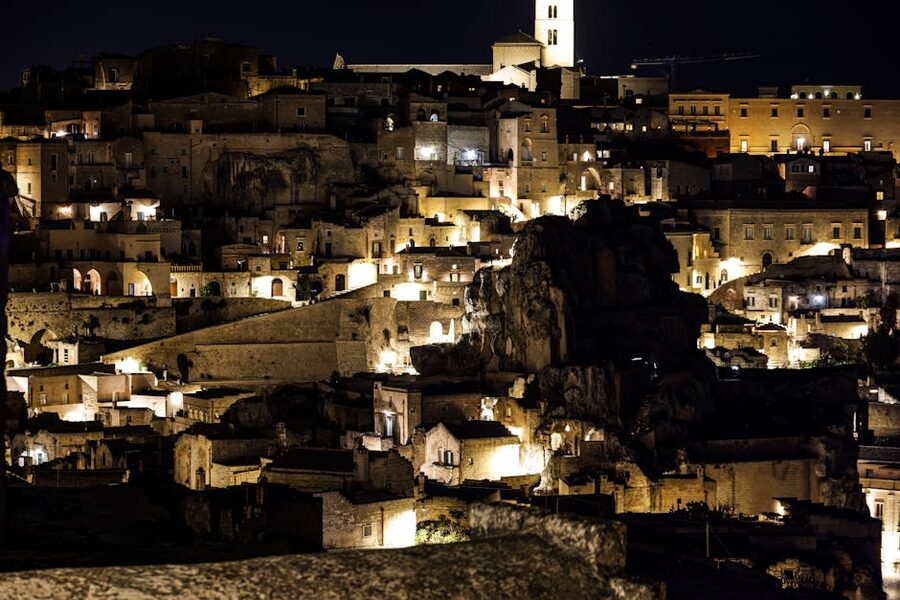
The cave-hotel scene is the obvious play. Sextantio Le Grotte della Civita is the famous one: full restored cave-suites, no TVs, candles instead of lamps, a stay that costs roughly what a month’s rent did in the 1940s. Locanda di San Martino is the next tier down, with a Roman-era thermal-bath spa carved underneath the property. Aquatio is the slick-modern take. Plenty of mid-range cave B&Bs sit between €120 and €200 a night.
If the cave-hotel premium isn’t worth it to you, the upper town has perfectly normal hotels at half the price. You lose the “I slept in a cave” anecdote and you save €150 a night. Plenty of people make that trade.
Eating in the Sassi
Basilicatan food is austere by Italian standards. Pasta with breadcrumbs (mollica) was historically a stand-in for cheese. The crusciátalo, a coarse thick bread baked in wood ovens, lasts a week and was the staple. Cruschi peppers (dried, fried, salted) are the local addiction. Lamb is the holiday meat. None of it is the showy north-Italian cuisine, and that’s the point.
The cave-restaurants in the Sassi do tasting menus that play with this stuff intelligently and charge you accordingly. Expect €60-€80 for the better ones. For a normal lunch, walk up to the modern town and eat with locals at a fraction of the price. Same recipes, no cave premium.
This isn’t food-tour territory the way Naples pizza or Florentine cooking classes are. There’s no critical mass of Matera food tours yet, and the city is small enough that you can eat your way through it on your own in two days. The thing to seek out is a fornello pronto: a butcher shop with an oven where you pick your meat skewer at the counter and they cook it for you on the spot. There are two famous ones in the upper town. Ask anyone.
The tours worth booking
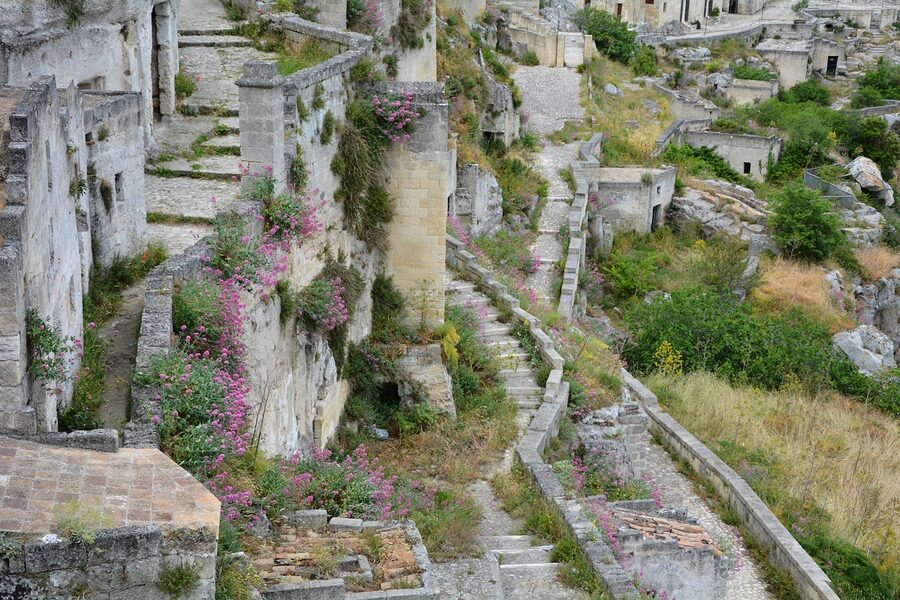
1. Sassi di Matera Tour with cave-house entry: $31
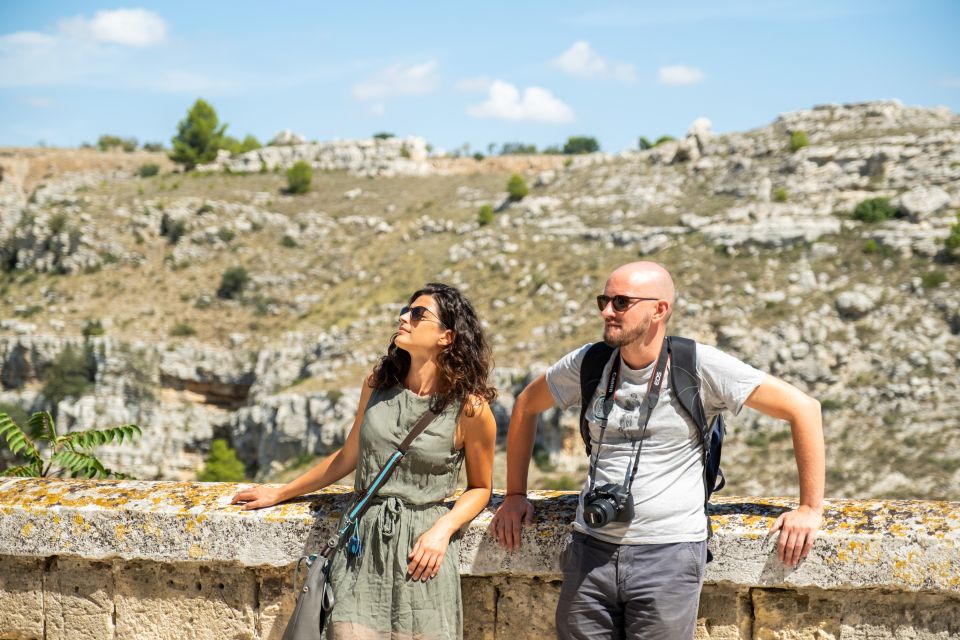
This is the flagship Matera booking and the right pick for first-timers who want one solid orientation walk before exploring on their own. The two-hour route hits the postcard stops without rushing, and the cave-house entry is included rather than tacked on as an upsell. Our full review covers the small-group versus private pricing and the Movado food-and-drink discount that comes with the ticket.
2. Discover Matera with a local archaeologist: $36
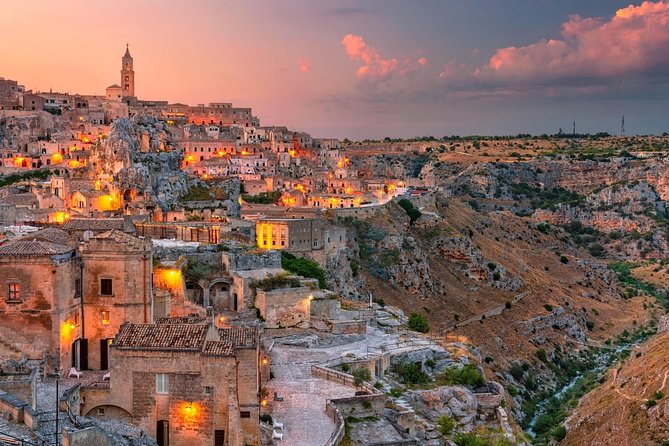
This is the right pick if you want context over coverage. The two-to-three-hour route includes a cave-house and at least one rupestrian church, and the guides actually trained on the archaeology. Our review notes that pacing varies by guide, so book ahead and avoid Saturday afternoon if you can.
3. Sassi Eco-Bus open-top tour
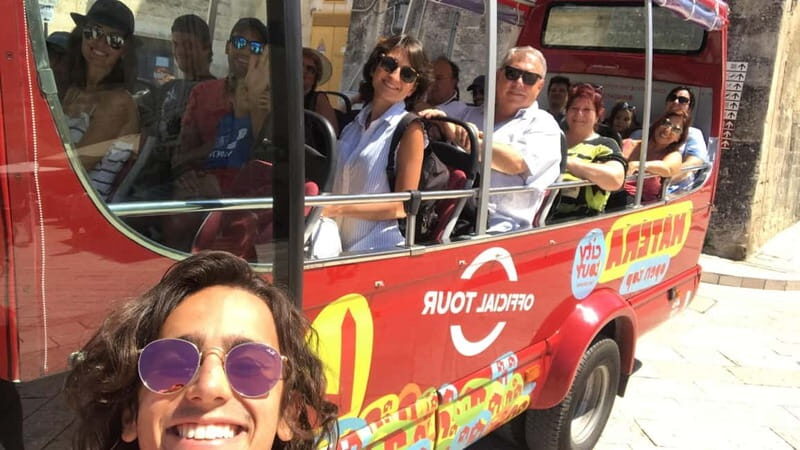
This is the right pick if stairs aren’t an option, or if you’re on day two and want the panorama loop without burning your knees out. Our review spells out the trade-off: you see the Sassi from above rather than walking inside them, which suits some travellers and frustrates others.
Getting there
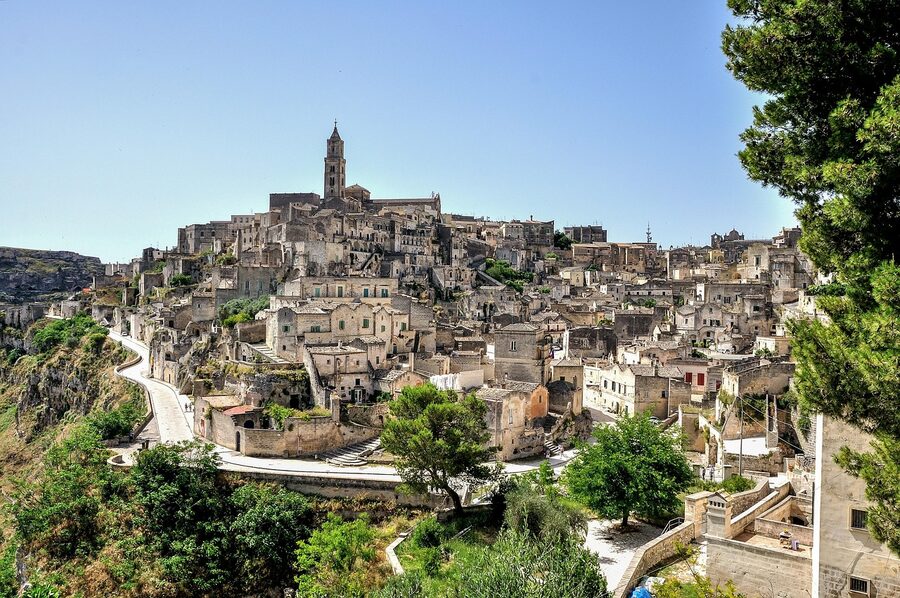
Matera is awkward by train and easy by car. The closest big city is Bari, about 65 km east, with an international airport and direct flights from most of Europe. From Bari, the local FAL train (Ferrovie Appulo Lucane) runs to Matera Centrale in roughly 90 minutes. It’s not Trenitalia, so you can’t book it on the main app. Buy at the station or use the FAL site.
From Naples it’s a four-hour bus on FlixBus or Marozzi, or three hours by car. From Rome, six hours either way. From the Amalfi Coast, plan a full day of transit. Most travellers either fly into Bari and add Matera as a side-trip, or treat it as the eastern endpoint of a southern Italy road trip.
If you’re heading on to the Adriatic coast afterwards, Matera pairs naturally with Alberobello (the trulli town) and the Itria Valley. There are multi-day combo tours that bus you between the two over a single weekend.
What it’s not
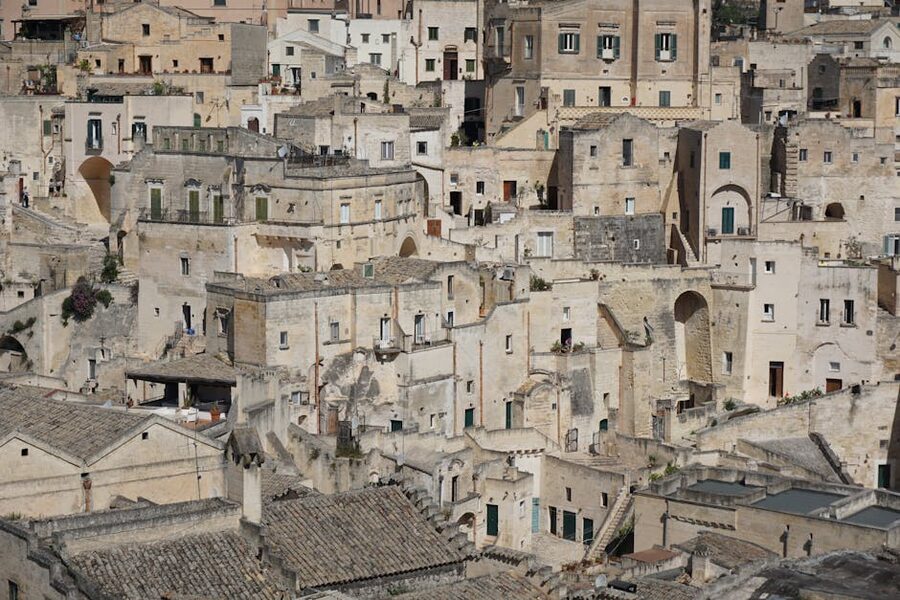
It’s not Pompeii. Pompeii is a frozen catastrophe; everyone died at once. Matera is the opposite, a place where people lived continuously for 9,000 years and only stopped 70 years ago. The continuity is the story.
It’s not Naples Underground. The Naples tunnels are a vertical history museum below an active modern city. Matera is its own city, mostly horizontal, mostly aboveground, mostly carved rather than tunneled.
It’s not the Naples Spanish Quarters either, though there’s an interesting parallel. The Spanish Quarters had a reputation that locals are now tired of. Matera had the worst reputation in Italy and is now the prestige booking. Same arc, different timeline. Both are worth going to once you understand what you’re walking into.
And it’s not the Trulli. Alberobello is an hour and a bit east; the conical-roofed dry-stone houses are charming but completely different in scale and story. Matera is a city. Alberobello is a village.
One last thing
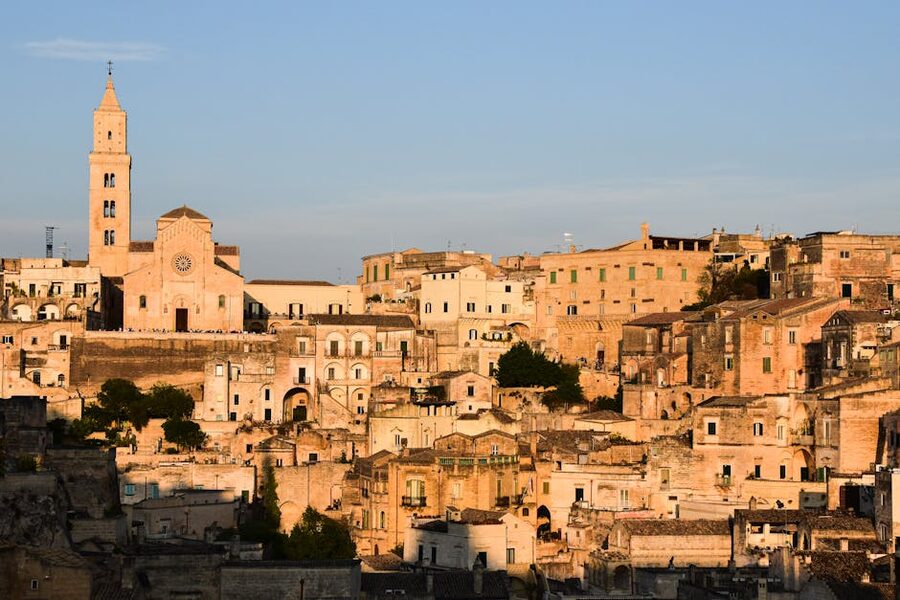
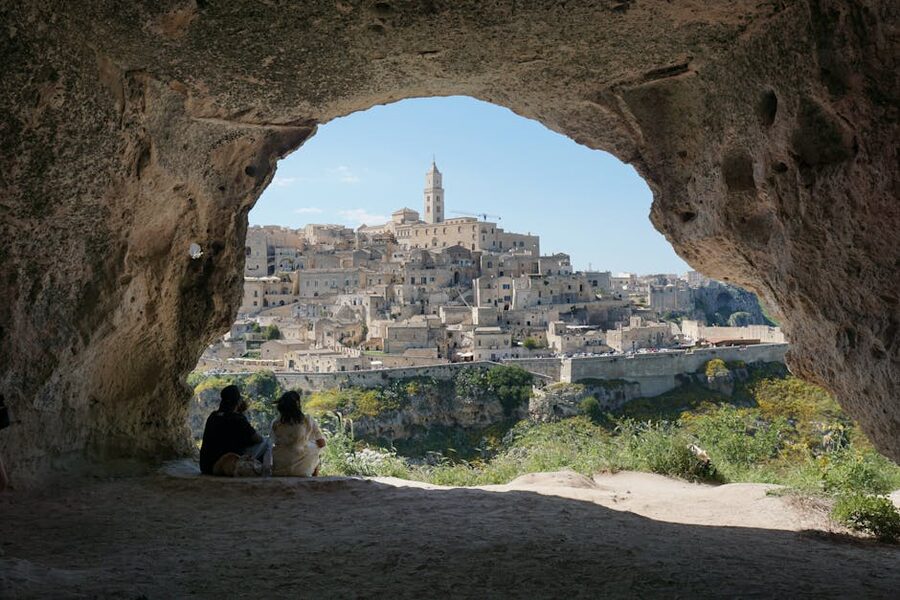
If you only do one thing other than the standard tour, walk across the ravine to the Murgia plateau on the far side. There’s a footpath that drops from the Sassi, crosses a small bridge over the Gravina river, and climbs the opposite cliff. From there you look back at the Sassi the way the Byzantine monks did when they first arrived. It’s a 90-minute round trip and almost nobody does it. Bring water. There’s no shade.
That view, with Matera glowing in afternoon light across an empty gorge, is the angle that finally makes sense of the place. Not a postcard medieval town. Not a slum. A long, strange, unfinished story written into a cliff.
If Matera worked for you
The natural follow-on if Matera caught you is the rest of southern Italy’s underground-and-archaeology corridor. Pompeii and Vesuvius are the obvious anchors three hours west. Naples Underground and the San Gennaro catacombs are the dense city version of the same story: humans carving habitable space into volcanic rock. If you liked the Sassi for the social-history reframe rather than the postcard photos, the Naples Spanish Quarters walking tour is the closest cousin in spirit. Different city, similar arc.