
Florentine pasta is made from two things: a 00 flour from a mill in nearby Pontassieve, and a fresh egg from a hen that ate Tuscan grass yesterday. The flour costs about €1.20 a kilo at the local market. The egg costs about €0.40. The muscle memory of a 75-year-old Tuscan grandmother who’s been kneading and rolling pasta since she was eight, that’s what you’re paying €60 to borrow for three hours, the same kind of inherited skill you’re really paying for at a Barcelona tapas crawl hosted by a long-time bar owner or in a Lyon bouchon kitchen lesson.
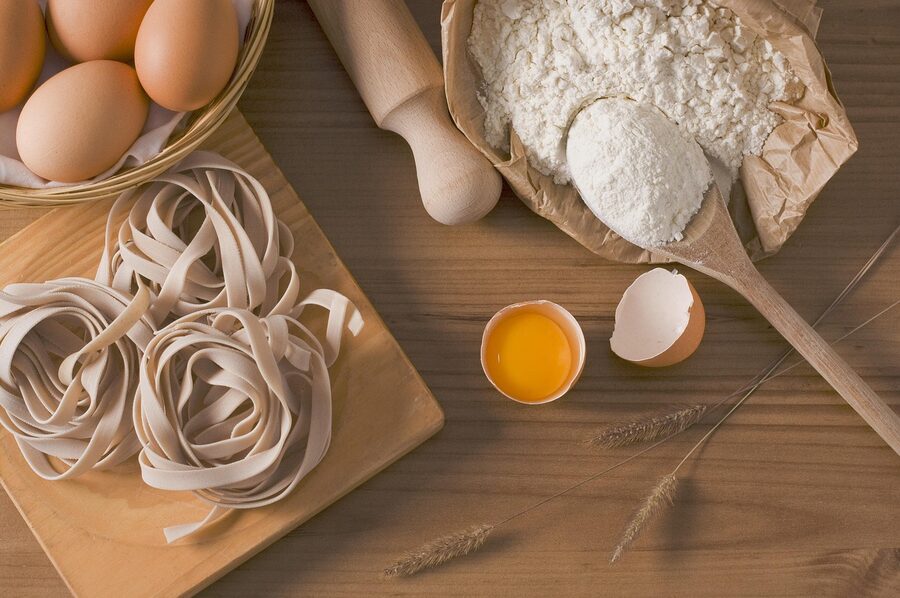
This guide covers the pasta and tiramisu cooking classes in Florence — the small-group sessions where a chef walks you through fresh pasta from scratch, plus dessert if you’ve booked the longer version. Below is what to book, what you’ll actually do for three hours, and how to spot the difference between a serious cooking class and a tourist group lesson.
In a Hurry — Just Tell Me What to Book
- Cheapest and most popular: Florence Pasta Cooking Class with Unlimited Wine ($21) — 3-hour pasta-only class with wine included, the most-booked cooking class in the city
- Pasta plus dessert: Florence Pasta & Tiramisu Cooking Class ($56) — same length, adds tiramisu making to the pasta core
- Full-day farmhouse experience: Cooking Class and Lunch at a Tuscan Farmhouse ($145) — 7-hour day with market tour, country drive, and a multi-course lunch in the hills
What You Actually Do for Three Hours
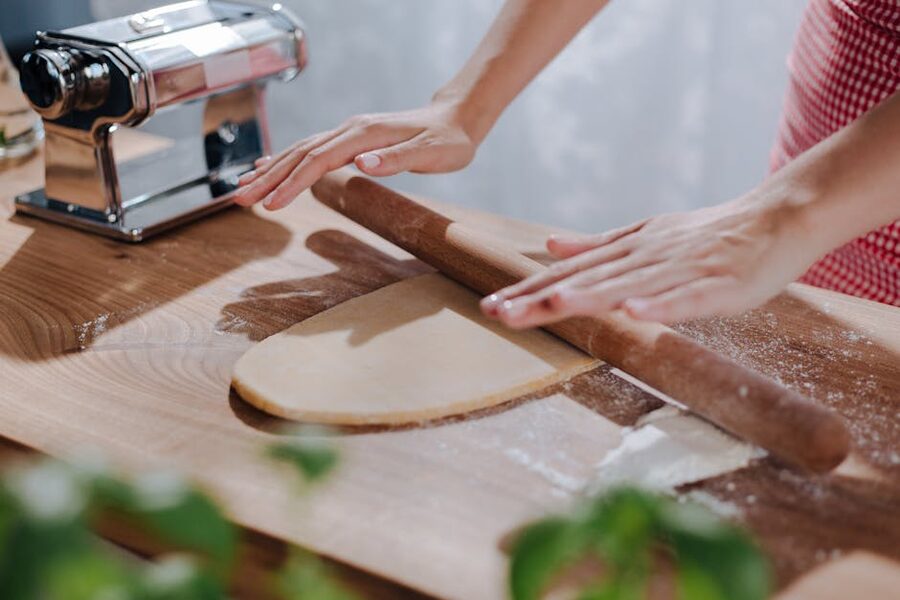
The standard Florence pasta cooking class is 3 hours long and follows a predictable structure. Most classes work the same way regardless of operator:
First 15 minutes — Welcome and aprons. You arrive at a kitchen-classroom (usually in the Oltrarno or near San Lorenzo), get an apron, and sit at a long communal wooden table. The chef introduces themselves and the menu for the session. Most classes have 8 to 14 people; 14 is the upper limit for any class to feel personal.
30 minutes — Making the dough. The chef demonstrates, then everyone follows. 100g of 00 flour per person, 1 large egg per person, mixed by hand on the wooden board. The dough is sticky and frustrating for the first 5 minutes; then it starts to come together; then you knead for 10 minutes until it’s smooth and elastic. If you’ve never kneaded dough before, this is when your forearms learn what kneading actually feels like.
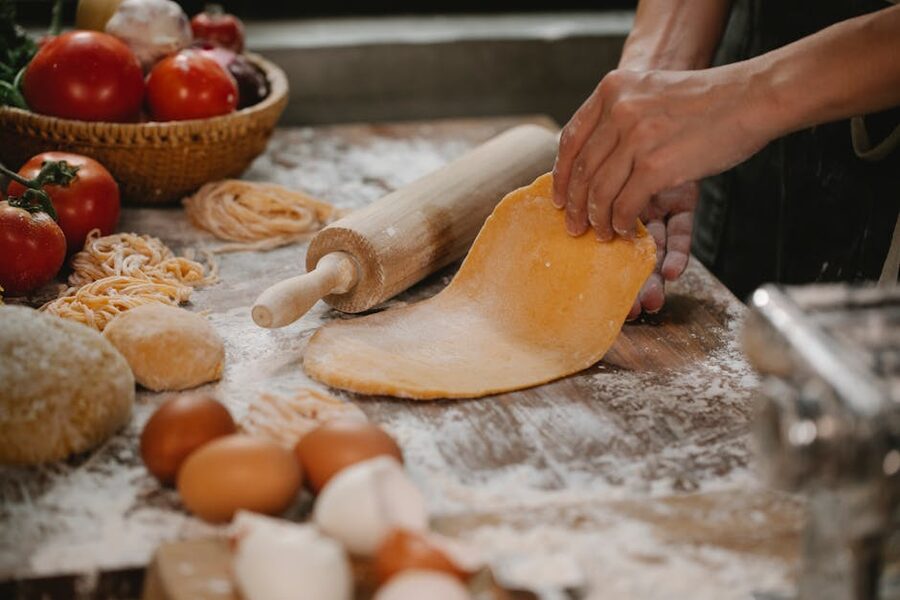
30 minutes — Resting. The dough has to rest after kneading or it’ll be impossible to roll thin. While it rests, the chef talks about Italian pasta culture, why fresh pasta uses egg in the north and just water in the south, why semolina vs 00, why some shapes go with which sauces. This is the most-likely moment for the wine to flow, the same way the gap between courses on a Bordeaux winery day or a Saint-Émilion tasting turns into the chef-and-history portion of the experience.
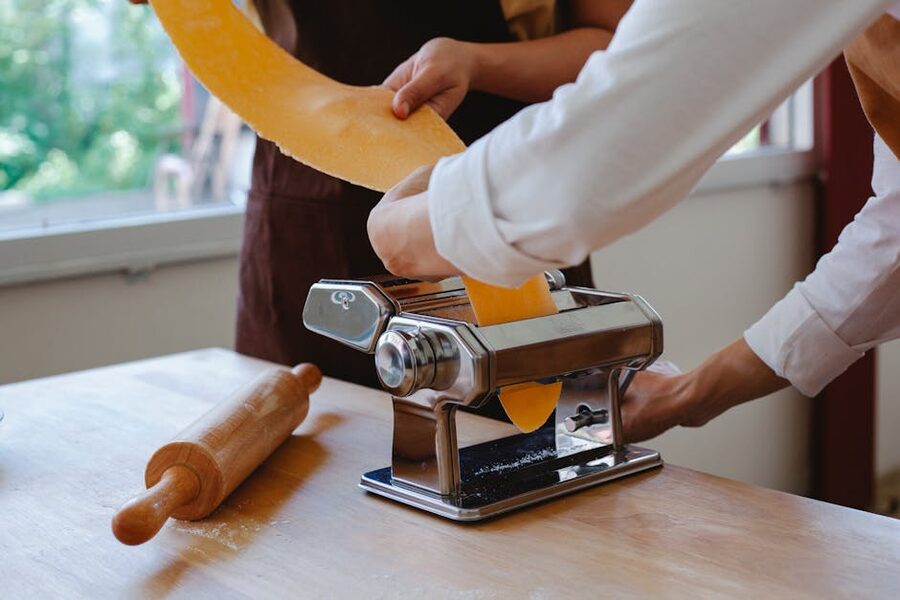
45-60 minutes — Rolling and shaping. The dough is rolled out either by hand with a wooden pin or through a hand-cranked pasta machine (depends on the class). Once it’s rolled to about 1mm thick, you cut it into shapes — usually tagliatelle (long ribbons) or ravioli (filled squares). Some classes do both. The cutting is the part that takes practice; even a good chef makes uneven first attempts.
30 minutes — Sauce. While the pasta water boils, the chef demonstrates a sauce. Most classes do a simple tomato or a meat ragù. Some do butter-and-sage with the ravioli. The sauce is usually pre-prepped because it takes 90 minutes to do properly; you just finish it at the end.
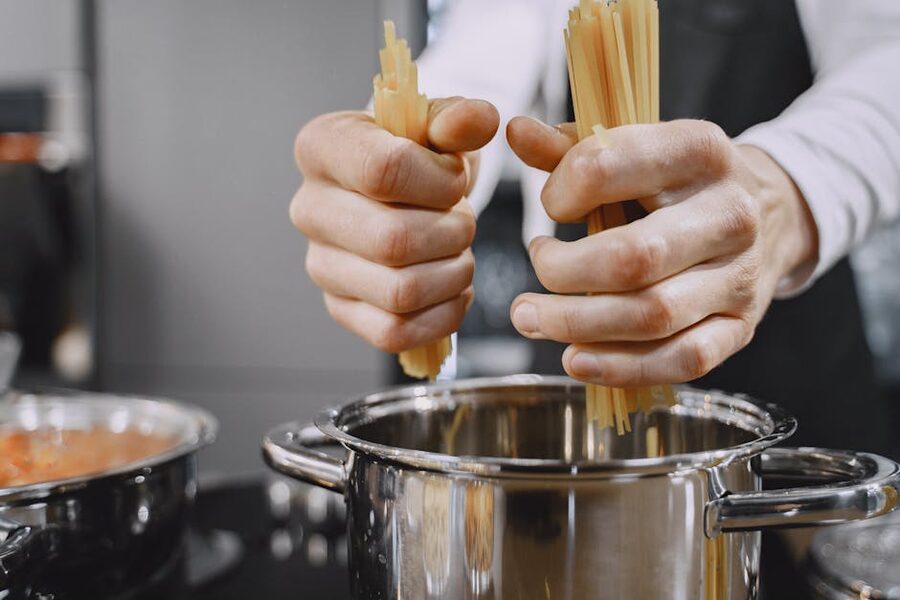
30 minutes — Cooking and eating. The fresh pasta cooks in 90 seconds (much faster than dried). Then everyone sits down at the table, plates the pasta they made, and eats together. This is the best part. The wine is unlimited. The conversation is everyone explaining where they’re from. By the end, you have the recipe written on a card to take home, the same souvenir that the gift shop at the Cité du Vin in Bordeaux offers in tasting-card form, or that you carry out of the basement bar at the Heineken Experience.
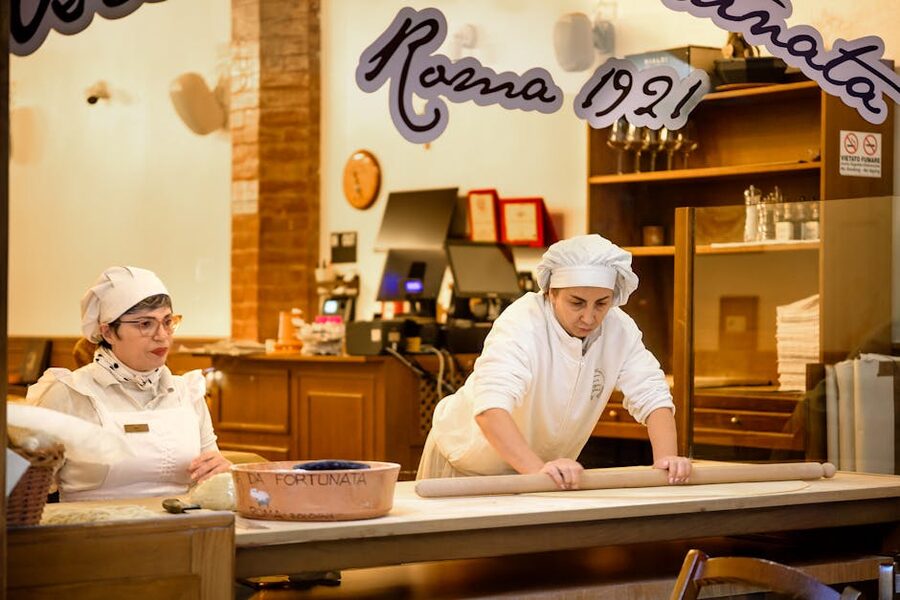
The Three Tickets Worth Booking
The three picks below cover the full spectrum: a budget pasta-only class for travellers on a tight budget, a mid-range pasta-plus-tiramisu for couples who want dessert, and a premium full-day farmhouse experience for people who want to combine the cooking class with a Tuscan day trip.
1. Florence Pasta Cooking Class with Unlimited Wine — $21
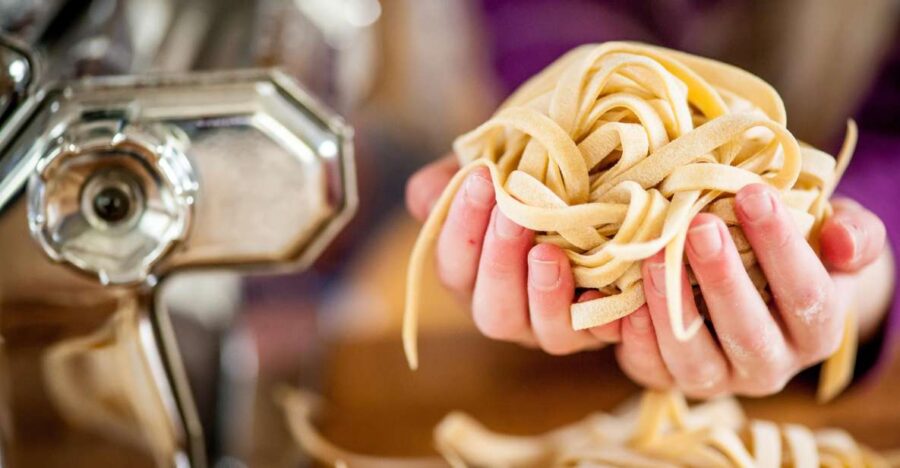
This is the right pick for budget-conscious cooks. $21 for 3 hours including unlimited wine is the cheapest legitimate cooking class in Florence — and the 4.9 review average means it’s not a budget cut on quality. Group size is up to 14, so it’s not the most intimate experience, but for under €20 you’re learning fresh pasta from a real chef. A walkthrough of what’s actually included for the price — apron, recipe card, and a take-home portion of any pasta you didn’t eat at the table.
2. Florence Pasta & Tiramisu Cooking Class — $56
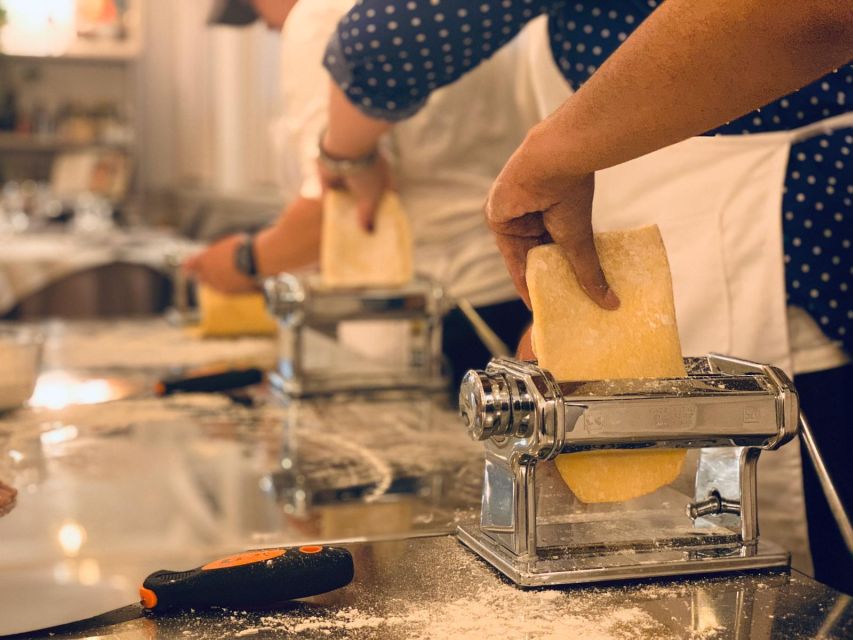
The mid-range pick that delivers the best value for most visitors. $56 for 3 hours, smaller group, includes tiramisu. The tiramisu adds about 20 minutes to the schedule and you eat both the pasta and the dessert at the end. The tiramisu portion is genuinely well-taught — the chef demonstrates the proper way to whip mascarpone with raw egg yolk (Italian style, not the safer pasteurised version some classes use as a shortcut).
3. Cooking Class and Lunch at a Tuscan Farmhouse — $145
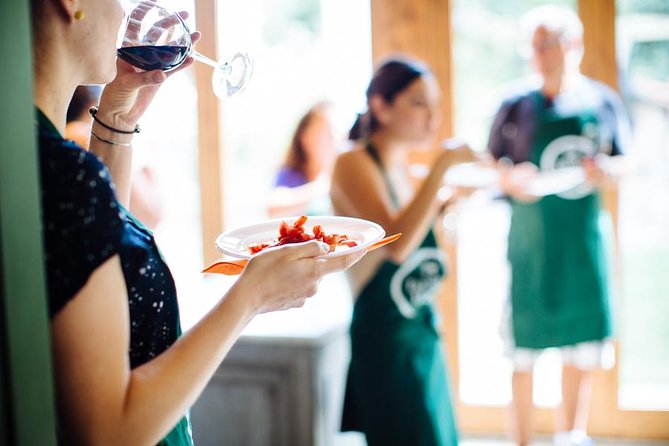
The full-day option for serious cooks or anyone who wants the cooking class wrapped inside a Tuscan day trip. 7 hours total: market tour at Mercato Centrale, drive to a farmhouse in the Chianti hills, hands-on cooking of pasta + meat course + dessert, then a long lunch around the family table. Small groups (12 maximum). The premium price reflects the transport, the ingredients, and the entire-day commitment from the operator. A breakdown of the schedule and what you’ll cook — usually 4 to 5 dishes including a primo, a secondo, and dessert.
The Pasta Shapes You’ll Actually Make
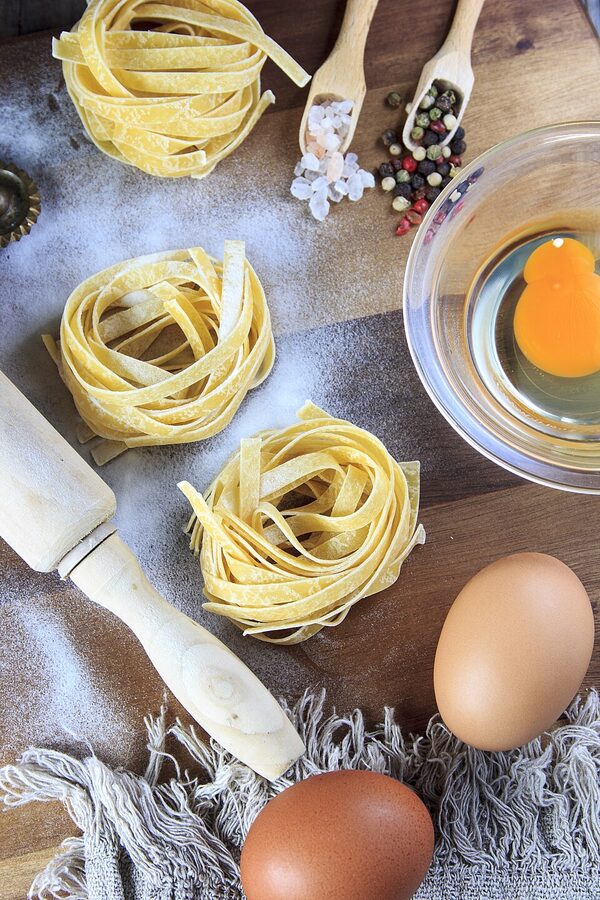
Most cooking classes teach two or three of the basic shapes. Here’s what you’ll actually be making:
Tagliatelle — long flat ribbons, cut from a rolled-out sheet of dough. The most common shape taught because it’s the easiest to get right on a first attempt. Pairs with ragù, butter sauces, or simple olive oil and parmesan.
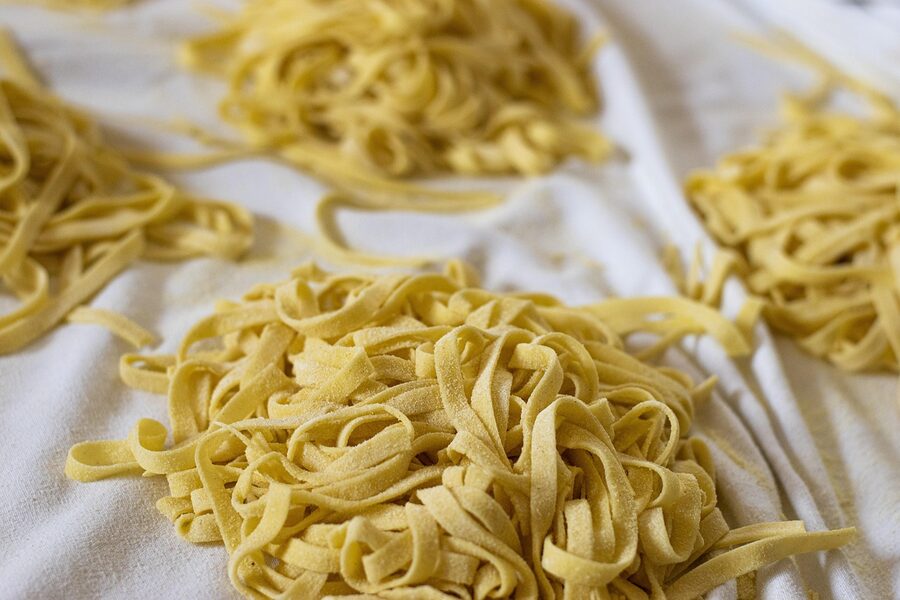
Pappardelle — the wider cousin of tagliatelle, about 2.5cm across. Cut by hand with a knife instead of through a machine. Traditional pairing in Tuscany is wild boar ragù (cinghiale), which the chef will sometimes have pre-prepared as the sauce option.
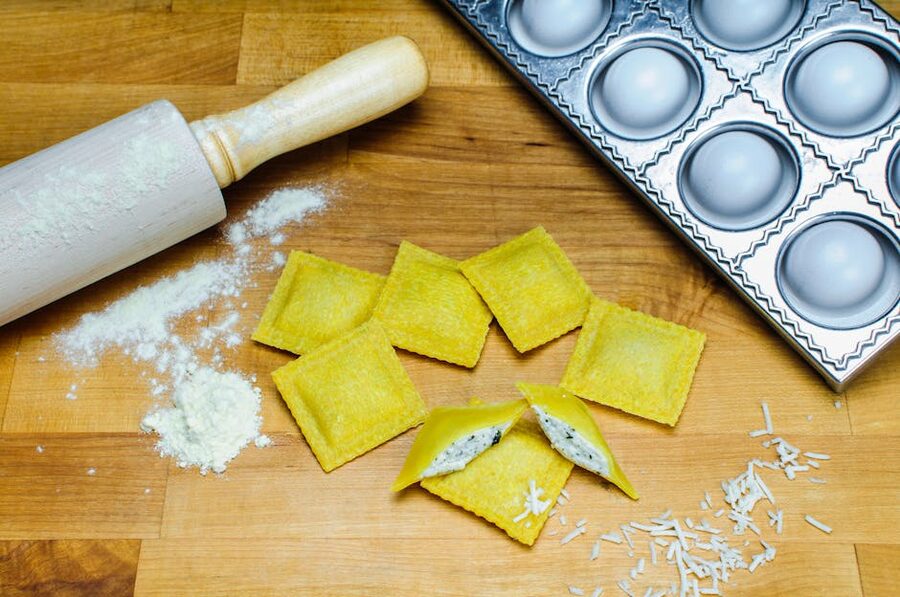
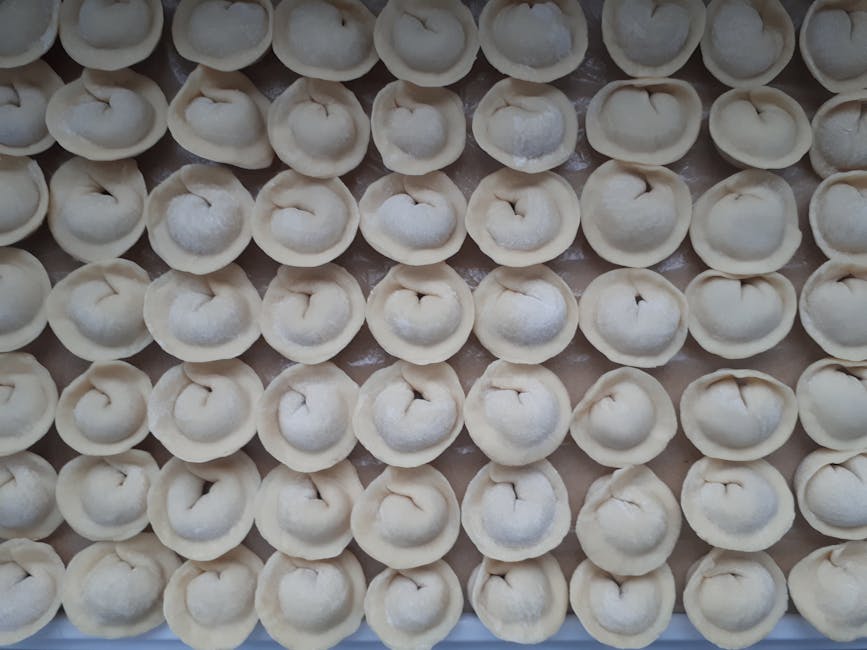
Ravioli — square or round filled pasta, usually with ricotta and spinach inside. The trickiest shape for beginners because the filling has to be sealed without air bubbles or the ravioli explodes in the boiling water. Most classes that include ravioli have you make 6-8 of them, with the chef sealing the difficult ones.
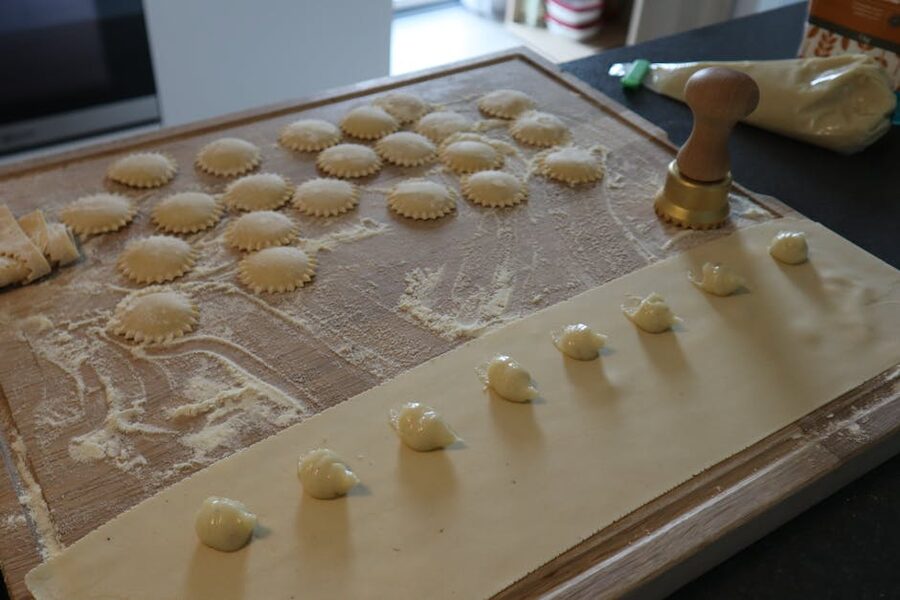
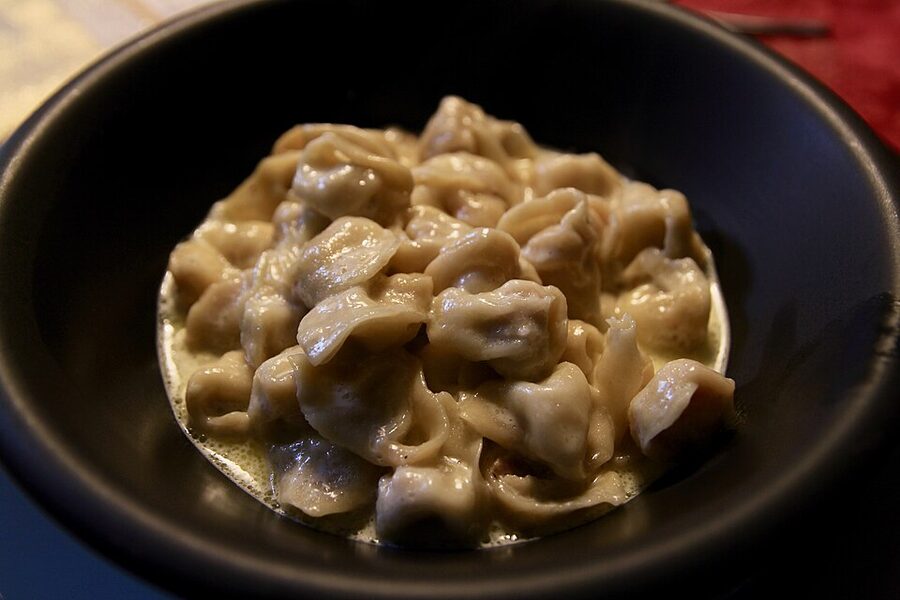
Pici — the regional Tuscan specialty, hand-rolled fat spaghetti, about 4mm thick. Made by rolling a small piece of dough between your palm and the table until it stretches into a long thick string. Looks easy, takes practice. Usually paired with cacio e pepe (cheese and pepper) or tomato sauce.
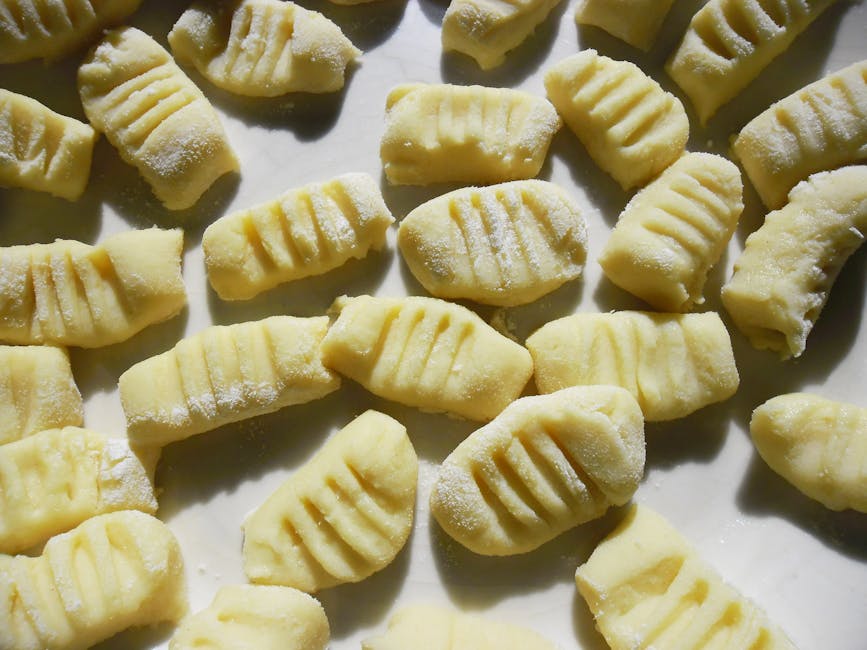
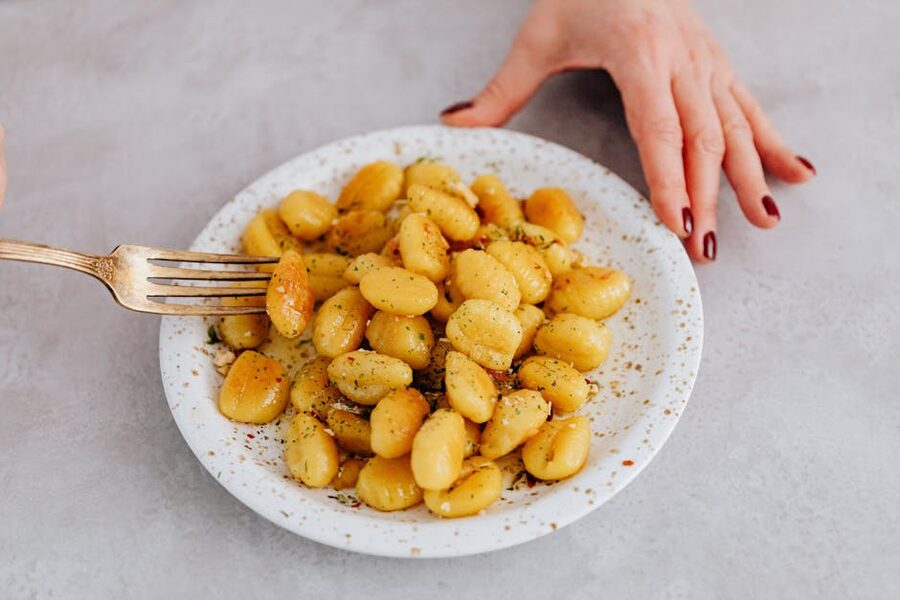
Gnocchi — potato dumplings (technically not pasta but always taught alongside). Boiled potato mashed with flour and egg, rolled into ropes, cut into small pillows, ridged with a fork. Some classes substitute gnocchi for tagliatelle if the season is right.
The Tiramisu Bonus
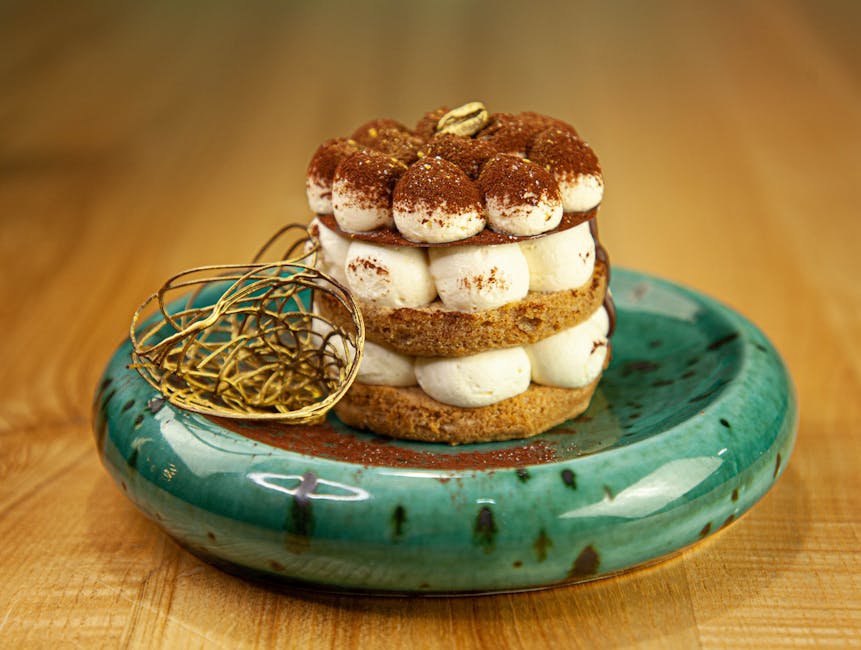
If your cooking class includes tiramisu, you’ll learn to make it the Italian way — which is different from most foreign versions. The classic recipe is uncooked egg yolks whipped with sugar, then folded into mascarpone and whipped egg whites. No cream, no gelatin, no shortcuts. The biscuits used are savoiardi (ladyfingers) soaked briefly in espresso and Marsala wine.
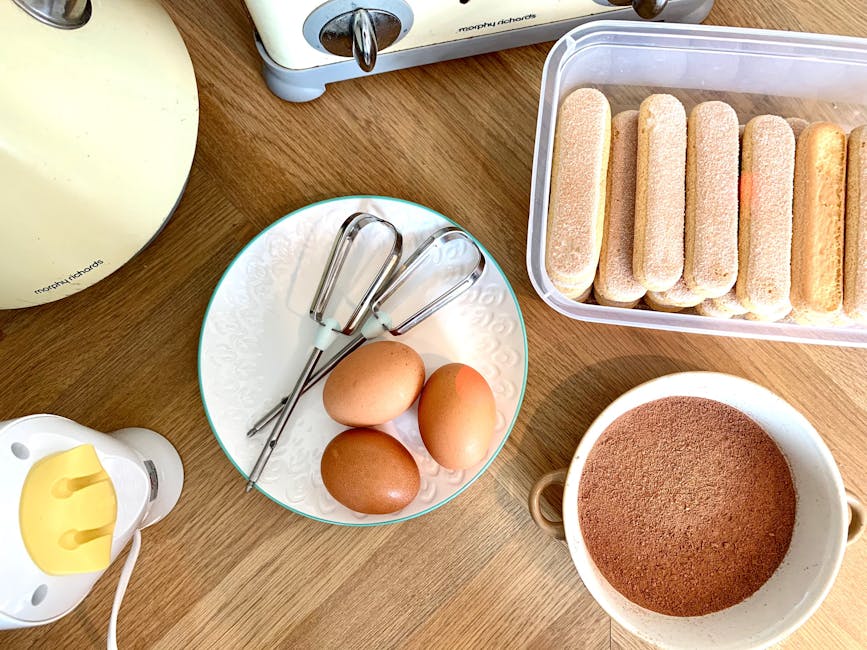
The technical skill in tiramisu is the egg whipping — yolks until they’re pale and tripled in volume (about 5 minutes by hand), and whites separately to soft peaks. Most home cooks attempting it without instruction either underbeat one or both, which is why their version comes out runny. The chef will show you how to test for the right texture: ribbons of yolk that hold their shape briefly when drizzled, whites that stand in peaks when the whisk is lifted.
The dessert assembles in 10 minutes and chills for at least 4 hours before serving — which is why most classes prep one in advance for you to eat that day, and you take home the one you made for tomorrow.
The Farmhouse Day Trip Version
The premium full-day option (Tour #3) is structurally different from the city classes. You spend the morning at Mercato Centrale shopping for ingredients with the chef — you see the produce, the cured meat, the cheese, the wine, all selected for that day’s menu. Then a small group bus drives you out to a farmhouse in the Chianti hills, an hour from Florence.
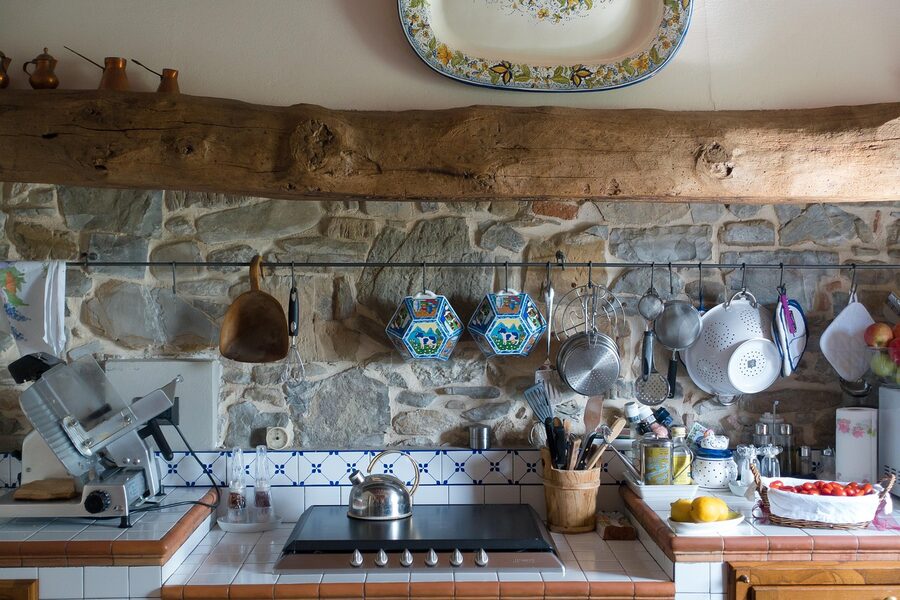
The cooking class itself is 3 hours but covers more ground — usually a primo (pasta), a secondo (meat course like Tuscan stew or a roast), and a dessert. The kitchen is a working farmhouse setup, often with a wood-fired oven, and the family who runs the farm usually joins you for the meal.
The lunch is the highlight. 4-5 courses at a long communal table, paired with the farm’s own wine and olive oil, lasting at least 90 minutes. The food you cooked is part of the meal but not all of it; there are also dishes the family pre-prepared. Most reviewers describe this as the best meal of their entire Italy trip.
You’re back in Florence by late afternoon (4-5pm). The catch is that the day is long — you leave at 9am and don’t return until late — and you’re committing the whole day to one experience. If you’ve only got 2 days in Florence, this consumes one of them.
What Makes Florentine Pasta Different
Florentine pasta — and Tuscan pasta more broadly — is fresher, eggier, and simpler than most pasta you’ve eaten outside Italy. Three things make it distinctive:
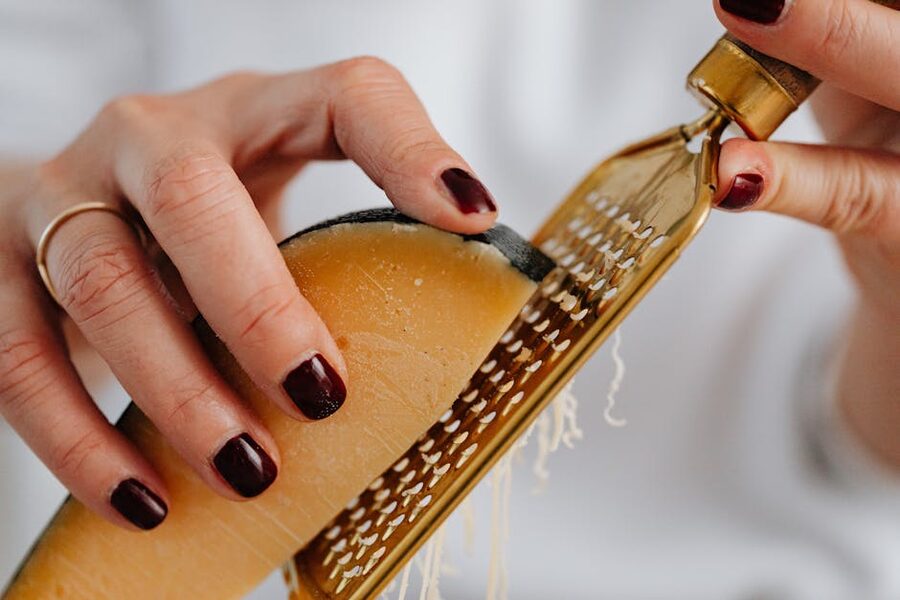
00 flour, not all-purpose flour. “00” refers to the fineness of the grind (the finest available in Italian milling), and it’s specifically what gives fresh pasta its silky texture. Most pasta classes use Mulino Marino or another small Tuscan mill’s 00 flour.
The egg-to-flour ratio. The standard Tuscan ratio is 1 large egg per 100g of flour. That’s eggier than most northern Italian pasta (which is closer to 1 egg per 120-130g). The result is more colour, more flavour, and a slightly more elastic dough.
Almost no salt in the dough. Florentine pasta is unsalted, the same way Florentine bread is unsalted. The salt comes from the cooking water and the sauce. Adding salt to the dough itself is considered amateur in Florence (though every Italian region has different rules).
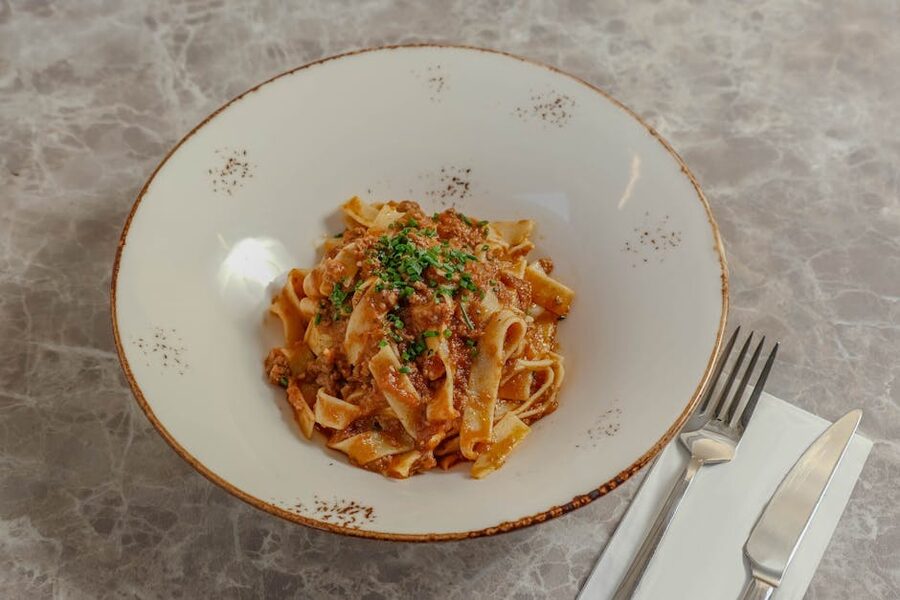
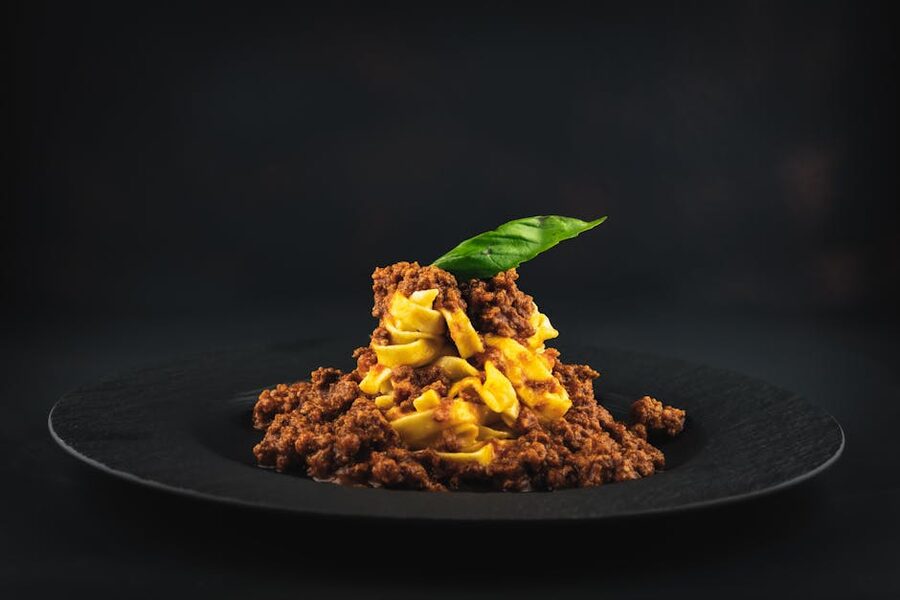
For sauce, the Florentine tradition is simple is better. Tomato and basil. Butter and sage. Cacio e pepe. Wild boar ragù in autumn and winter. Cream sauces are northern; cream is rare in Tuscan cooking. Pesto is Genoese; you’ll see it on menus but it’s not local. Carbonara is Roman; same caveat.
What to Expect from the Wine
“Unlimited wine” in the title of these tours is a real promise — most cooking classes pour you wine throughout the dough-resting and sauce-making sections, then refill your glass during the meal. Don’t try to keep up. A 3-hour class with unlimited wine will get you through 3-4 glasses of Chianti easily, which is enough to walk back to your hotel happy but not enough to ruin your evening.
The wine itself is usually Chianti DOCG from a local producer — not Gran Selezione, but proper Chianti. A few classes pour the cheap house wine (“vino della casa”), which is fine for a cooking class but not exceptional.
If you genuinely want to learn about Tuscan wine alongside the food, the right pairing is to do a food and wine tour on a different day from the cooking class. The food tour focuses on the wine selection; the cooking class focuses on the food technique. Doing both gives you the full picture.
Who Cooking Classes Are For (And Aren’t)
Cooking classes work well for: couples who want a shared activity that isn’t another museum, families with older kids (12+) who want something hands-on, food-curious solo travellers (the communal table format makes solo classes social), and anyone with a Florence trip of 3+ days who wants one experiential afternoon among the museums.
Cooking classes don’t work well for: very picky eaters (you eat what the class makes), people with significant gluten or dairy allergies (most classes can’t fully accommodate), anyone with mobility issues that make standing for 2+ hours difficult, and travellers on a 1-day Florence stop (the time commitment doesn’t fit).
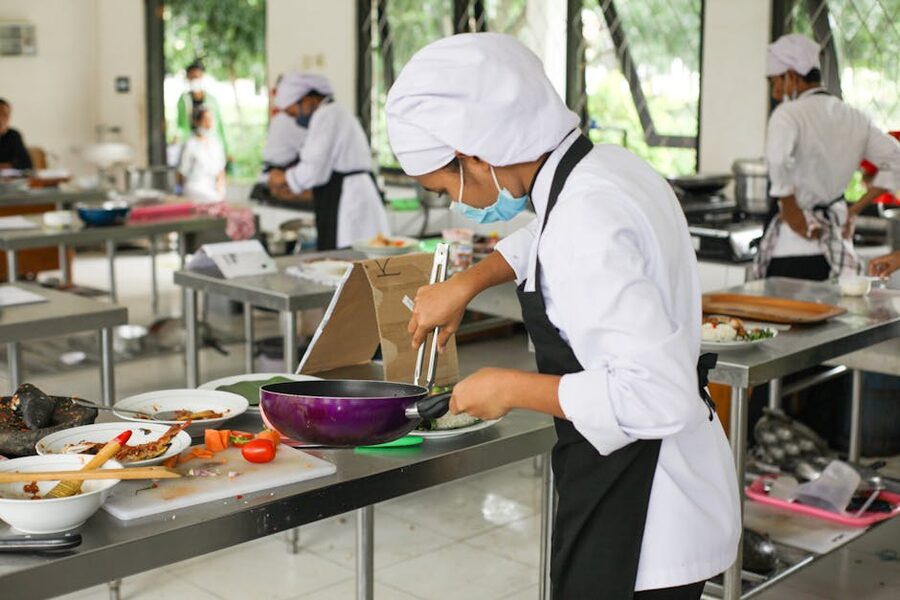
If you’re with kids under 12, look specifically for “family-friendly cooking classes” — there are operators in Florence who run shorter, simpler sessions designed for kids, usually focused on pizza-making rather than pasta because kids enjoy throwing the dough.
When to Book and Practical Tips
Cooking classes sell out 3-5 days in advance in summer (June to September) for the most popular operators, and 1-2 days in advance the rest of the year. The smallest classes (8 max) book up first; the larger 14-person classes have more flexibility.
Best times to book: 11am to 2pm for a lunch-format class, 5pm to 8pm for a dinner-format class. Most operators run both shifts. The dinner shift is more romantic and includes more wine; the lunch shift has the advantage of leaving your evening free for sightseeing.
What to wear: closed-toe shoes (the kitchen floor sometimes gets flour on it), clothes you don’t mind getting flour on, and short or pinned-back hair. Most classes provide aprons but not hairnets.
Tell them about dietary restrictions when you book. Vegetarian is fine — they’ll switch the ragù for tomato sauce. Vegan is harder because pasta uses egg; the better classes can do an egg-free dough but the result isn’t quite the same. Gluten-free is the hardest because pasta is wheat by definition.
Bring cash for tipping the chef. €5-10 per person at the end is the local expectation for a small-group cooking class. Operators don’t include the tip in the price.
Getting To and From the Classes
Most cooking class venues are in the Oltrarno neighbourhood (south of the Arno) or near San Lorenzo (north of the Duomo). Both areas are walking distance from any central hotel — typically 5-15 minutes on foot from the Duomo.
Specific addresses are in your booking confirmation. Some operators meet you at the kitchen; others meet you at Mercato Centrale for the market tour part of the experience first.
If you’re booking the farmhouse day trip, the meeting point is usually outside Santa Maria Novella station at the same area as the hop-on hop-off bus. The transport is included; just turn up with your booking confirmation.
What to Pair It With
The natural pairing is the Florence food walking tour on a different day. The food tour shows you what Florentine food looks like in restaurants and street stalls; the cooking class teaches you to make some of it yourself. Doing both gives you the full Florentine food experience.
For art-and-food combination, the cooking class fits naturally as the afternoon activity after a morning at the Uffizi or the Accademia. Museums in the morning, cooking class from 5-8pm with dinner included, evening to walk back through the centre. That’s a complete Florence day.
If you’ve also booked the Pitti Palace, the cooking class venues in the Oltrarno are a 5-minute walk from the palace — handy if you want to do the palace in the morning, lunch nearby, then cook in the afternoon.
For visitors continuing on to Rome, Rome’s cooking class circuit is the next step. Roman cooking is heavier on offal, oil-and-garlic dishes, and pecorino-based pasta sauces — different from Tuscan technique. Doing both gives you north and central Italian cuisine in a single trip.
And if you’re not stopping in Rome but heading north toward Venice or Milan, the Florence Duomo and Brunelleschi’s Dome is the obvious morning tourist activity to balance out an afternoon spent in a kitchen — and the steps will be welcome after a wine-heavy lunch.