
Most of the things you came to Florence to see — the Duomo, the Uffizi, the Accademia, the Ponte Vecchio — are inside the city’s pedestrian-only zone, which the hop-on hop-off bus is legally prohibited from entering. So why book one? The honest answer: there’s exactly one thing the bus does well, and that’s getting you up the hill to Piazzale Michelangelo without a 25-minute walk. Everything else, you’re probably better off walking. Seville’s hop-on bus hits the same wall around its medieval core, while the much wider boulevards of Paris and Amsterdam let those circuits actually weave near the headline sights.
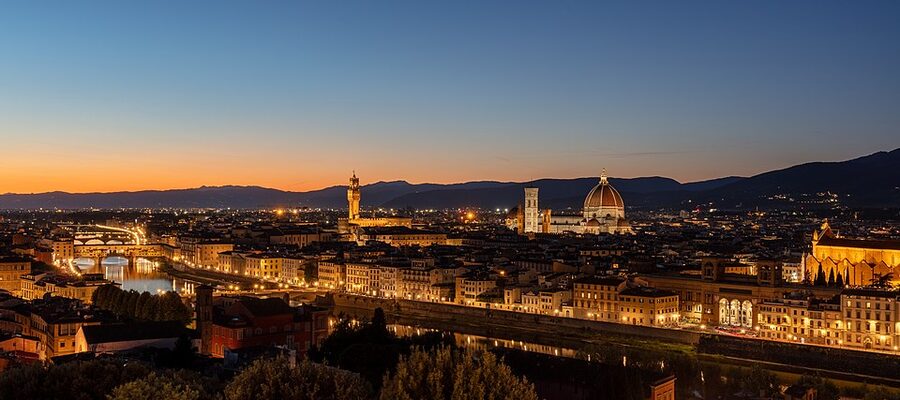
This is a guide to the City Sightseeing Florence hop-on hop-off bus — what the routes actually cover, what they don’t, when it’s worth the €24 and when you should walk instead. Below is what to book, the two routes broken down, and the honest answer to whether you need a bus tour in the smallest historic city centre in Italy.
In a Hurry — Just Tell Me What to Book
- Standard ticket: Hop-On Hop-Off Bus 24/48/72-hour Ticket ($24) — covers both Line A (city loop) and Line B (Fiesole loop) for the duration you choose
- Same product, Viator: City Sightseeing Florence Hop-On Hop-Off ($24.94) — same operator, different platform
- If you’re on a cruise calling at Livorno: Livorno Shore Excursion ($78) — coach transfer from the port plus a HOHO ticket once you’re in town
What the Bus Actually Does (And Doesn’t Do)
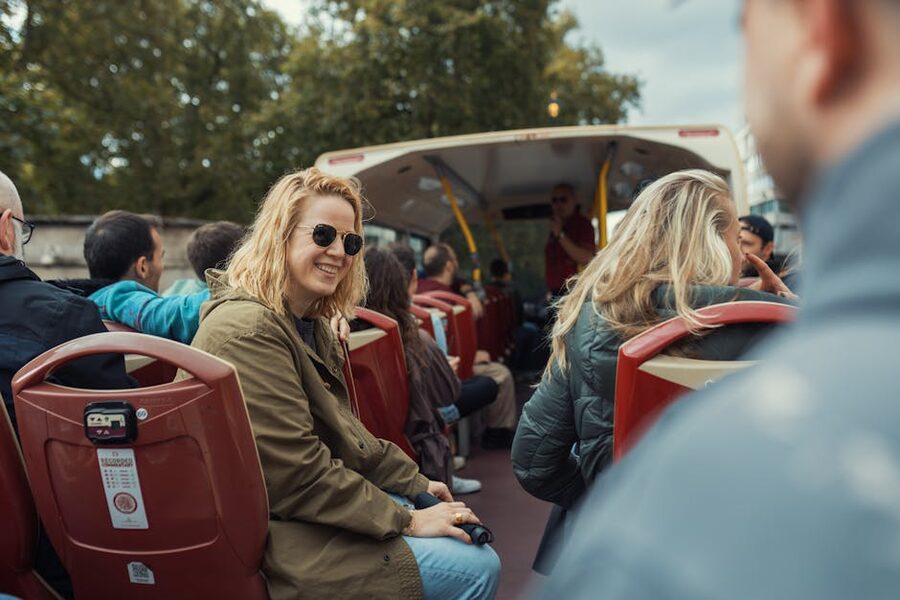
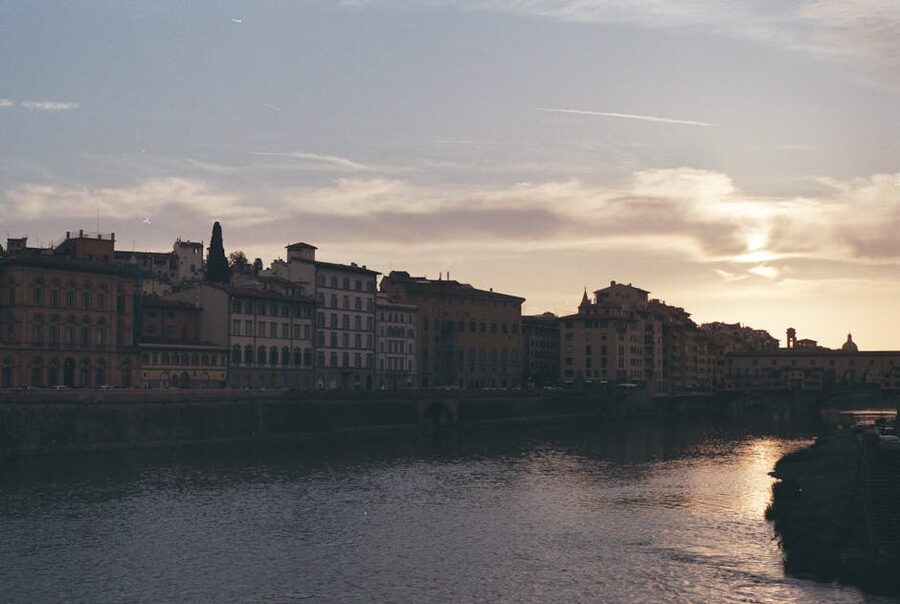
Here’s the thing nobody tells you upfront: Florence’s old city is mostly pedestrian-only. The streets around the Duomo, the Uffizi, the Accademia, the Ponte Vecchio, the Piazza della Signoria, and basically everything else you came to see are closed to non-residential vehicles. The hop-on hop-off bus runs a loop around the historic centre, not through it.
The practical effect: most stops drop you 5 to 10 minutes’ walk from the actual attraction. The Duomo stop is in Piazza San Marco, which is 5 minutes’ walk from the cathedral. The Uffizi stop is on the Lungarno embankment, 4 minutes from the gallery entrance. You’re paying for the bus to take you to a point near the place, not to the place itself.
So when does the bus actually pay off? In two specific situations, the same logic that justifies buying a ticket on the Barcelona or Palma circuits, where one or two routes earn back the price and the rest is filler:
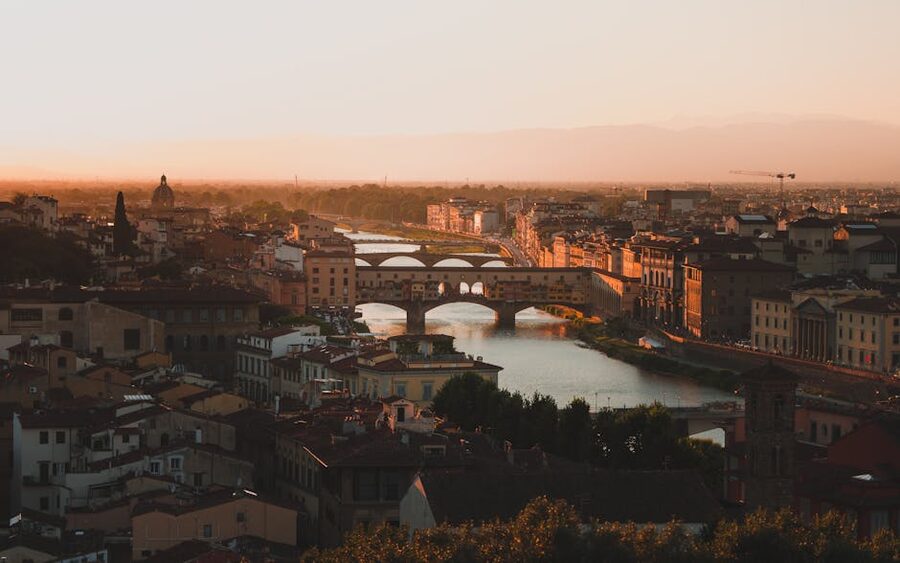
1. Getting up to Piazzale Michelangelo — the panoramic viewpoint south of the river, a 25-minute uphill walk from the centre. The bus does it in 8 minutes. If you’re going up there for sunset, the bus is a clear win.
2. Getting to Fiesole — the hilltop town 8km north-east of Florence, served by Line B. Public bus 7 also goes there but with no commentary; the HOHO Line B includes the audio guide and runs a scenic route through Tuscan countryside.
For everything else — moving between the Duomo, the Uffizi, the Accademia, the Pitti — walking is usually faster, more interesting, and free. The historic centre is genuinely small: 1.2km between the most distant major sites, mostly flat. You can cross the whole tourist zone on foot in 15 minutes.
The Two Routes Explained
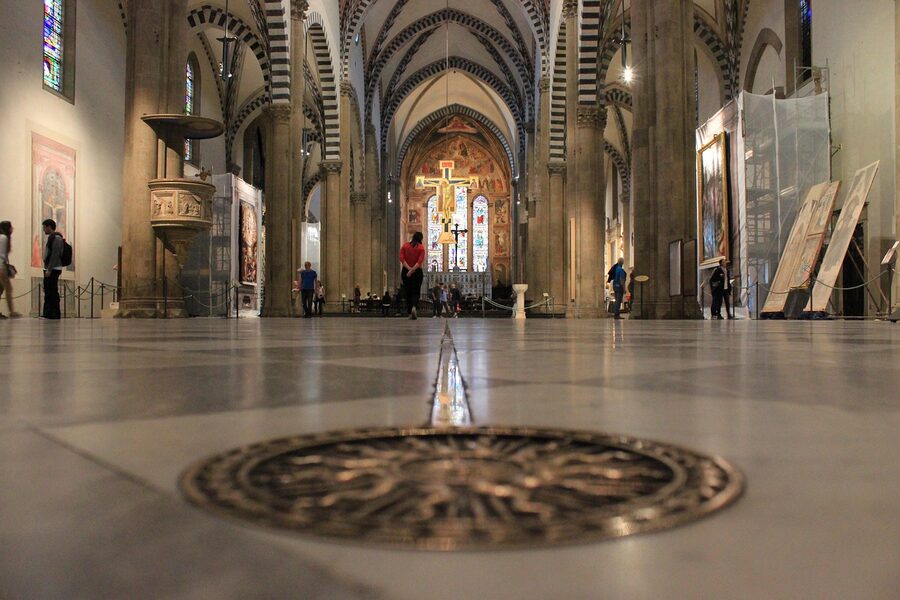
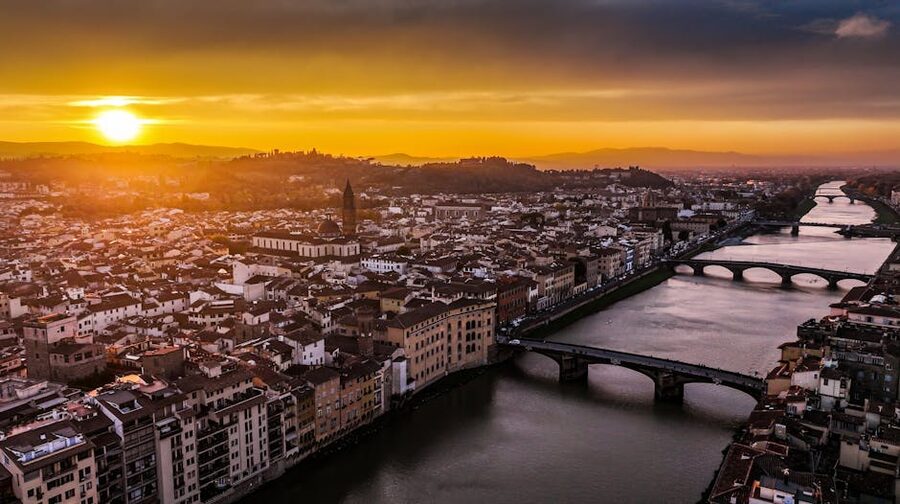
Line A (the city loop) runs about 60 minutes for a complete circuit. Stops include Piazza Santa Maria Novella (the train station area), the Duomo (San Marco stop), Piazza della Libertà, Piazzale Michelangelo, and back. About 13 stops in total. This is the route most first-time visitors use.
Line B (the Fiesole loop) runs about 120 minutes for a complete circuit. It starts at Santa Maria Novella, goes north through the residential district, climbs into the hills, terminates at Fiesole, then returns. This is the route worth taking if you have half a day and want to see the Tuscan countryside without renting a car.
Both routes use the same operator (City Sightseeing Florence) and the same ticket — your 24/48/72-hour pass works on both lines unlimited times. The buses run roughly every 30 minutes from around 9:30am to 6:30pm in summer, less frequently and on shorter hours in winter.
The audio commentary is in 8 languages (English, Italian, French, German, Spanish, Russian, Chinese, Japanese), delivered through personal earpieces handed out as you board. The narration is GPS-triggered, it plays the description for whatever stop you’re approaching, automatically. Several reviews mention the audio sometimes lags behind the actual location, but the content itself is reasonably good, the same City Sightseeing format used on the Marseille hop-on circuit.
The Three Tickets Worth Booking
All three of these tickets get you onto the same City Sightseeing Florence bus. The difference is the booking platform and (in the third case) whether you’re being transferred from the cruise port at Livorno first.
1. Hop-On Hop-Off Bus 24/48/72-Hour Ticket — $24
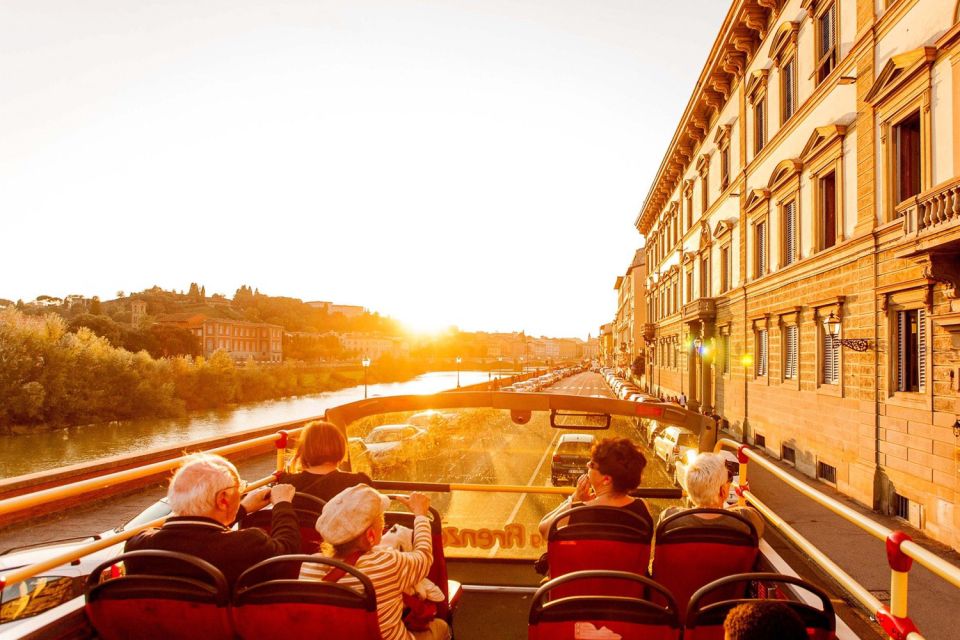
This is the right pick for most visitors. $24 for 24 hours of unlimited travel on both routes, with the option to extend to 48 or 72 hours at checkout. Mobile voucher; show the QR code at the door of any bus. A walkthrough of how to actually use the ticket on day one — first-time users sometimes have trouble finding the right boarding point at the train station.
2. City Sightseeing Florence Hop-On Hop-Off Bus Tour — $24.94
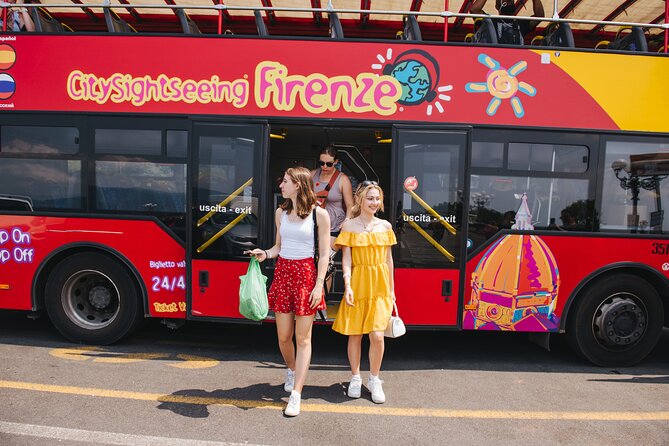
Functionally identical to Tour #1, just booked through Viator instead. Useful if you’ve already got other Florence or Italy bookings in the Viator app and want everything in one place. The redemption process is the same as the GYG version — mobile voucher, QR code, board at any stop.
3. Florence Hop-On Hop-Off Shore Excursion from Livorno — $78
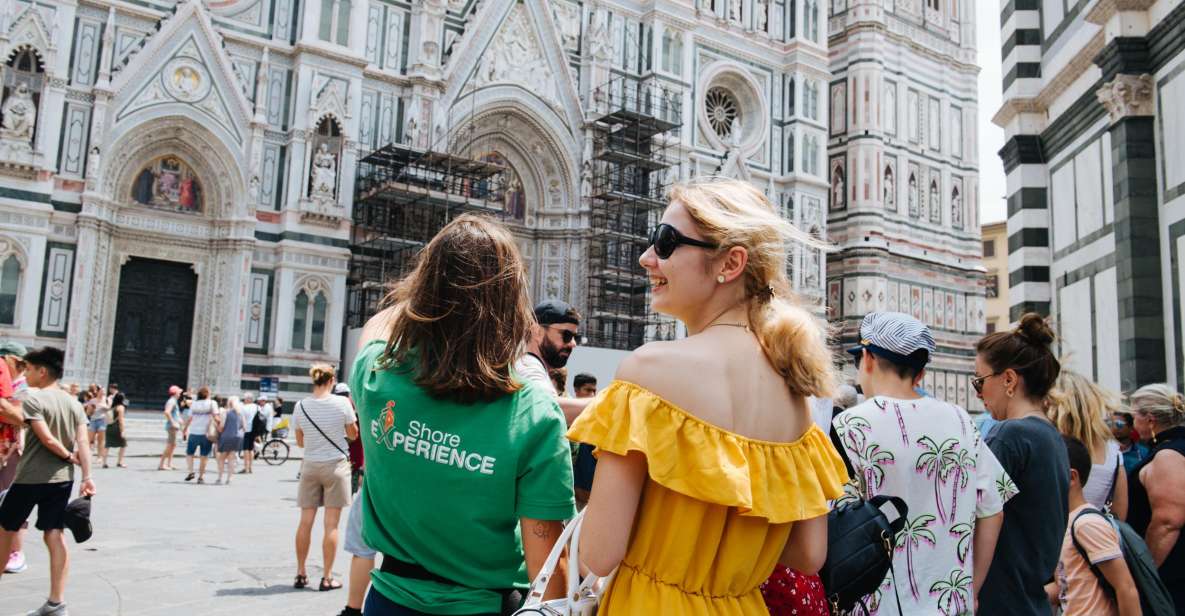
This is a different product — the bus ticket bundled with a coach transfer from the cruise port at Livorno. Useful only if you’re a cruise passenger and need transport from the port to Florence. The 8-hour day includes the 90-minute coach trip each way plus your time in Florence with the HOHO. A look at the actual time you get in Florence — once you subtract the coaches and lunch, it’s about 4 hours, which is barely enough for the major sights.
Stop-by-Stop: What You Actually See
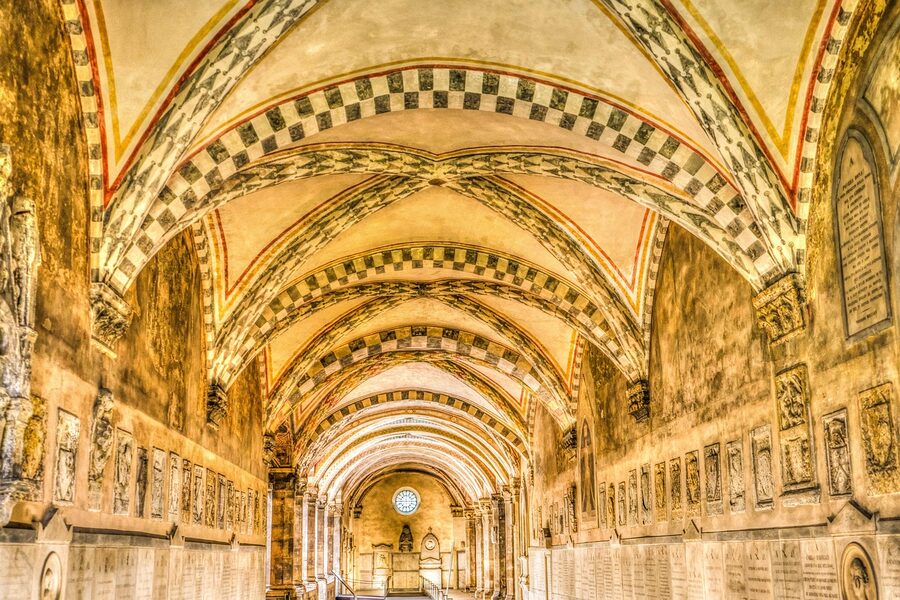
The main Line A stops worth knowing:
Santa Maria Novella (Stop 1) — the train station area. This is where most visitors board because it’s where they arrive in Florence. The basilica of Santa Maria Novella (1450 facade by Alberti) is visible from the stop. If you’re staying in a hotel on this side of town, this is your boarding point.
San Marco / Duomo (Stop 5) — the closest the bus gets to the cathedral. From here it’s a 5-minute walk south to the Duomo or a 3-minute walk north to the Accademia. This is the most-used stop after Piazzale Michelangelo.
Piazza della Libertà — the northern boundary of the centre. Most visitors use this stop to walk back south to the historic core.
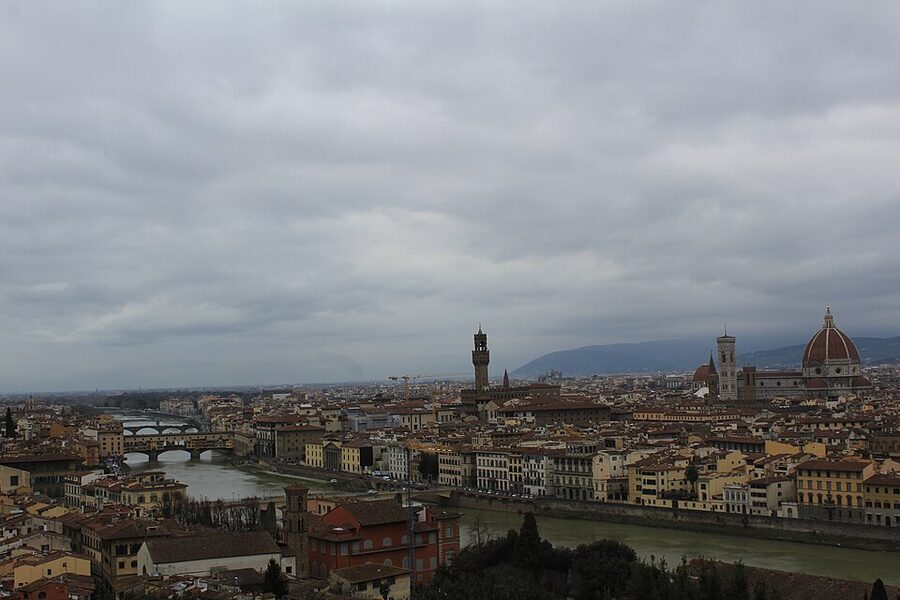
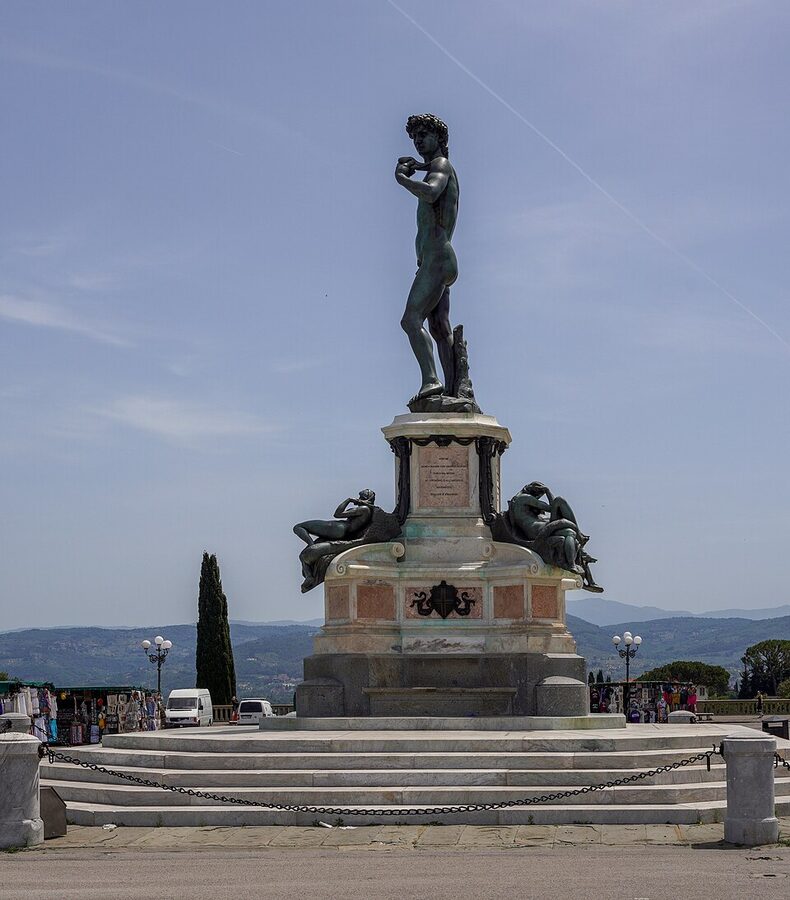
Piazzale Michelangelo (Stop 8 or 9) — the showpiece. The bus drops you about 30 metres from the famous viewpoint terrace. This is the stop the entire ticket pays off at. Stand at the Piazzale wall, photograph the city, walk down to the bronze David replica, get back on the bus. Total: 15-20 minutes.
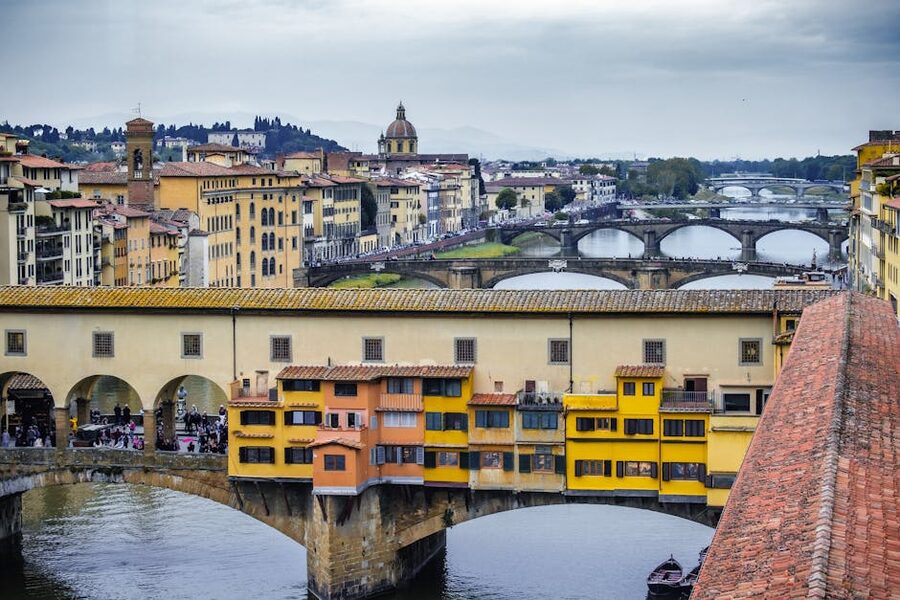
The Line B stops add the northern hills:
Piazza della Libertà (transfer point between A and B) — northern edge of the centre.
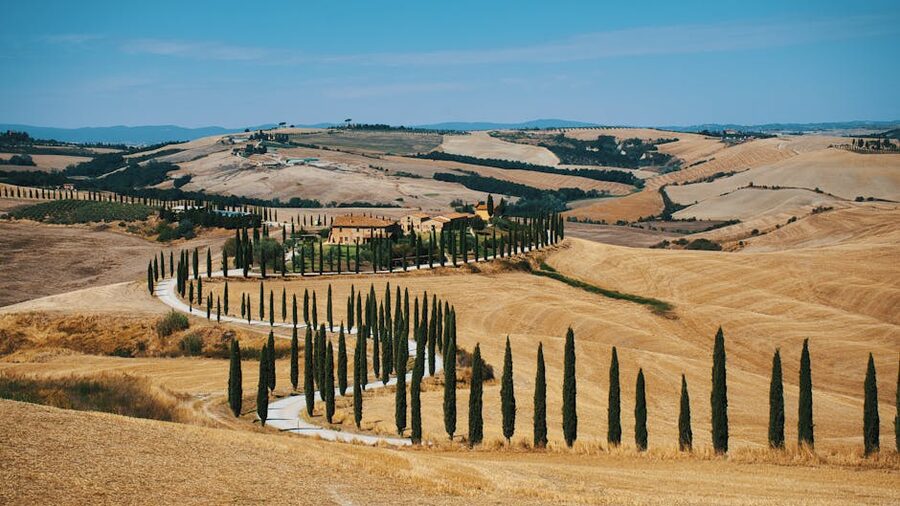
Salviatino / Hill Stops — the route climbs through residential Florence into the surrounding hills. There are 4-5 stops in this section, none of them tourist destinations on their own. The point is the route, not the stops.
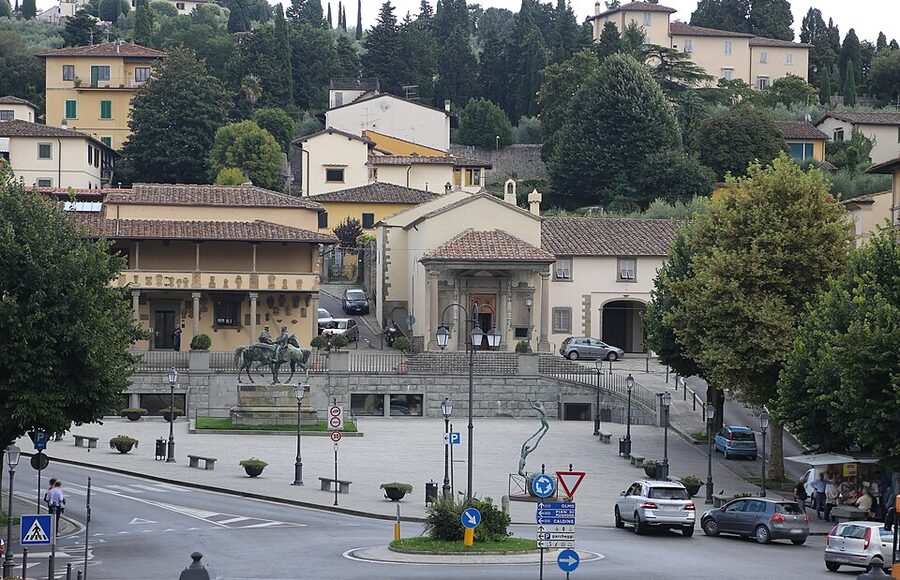
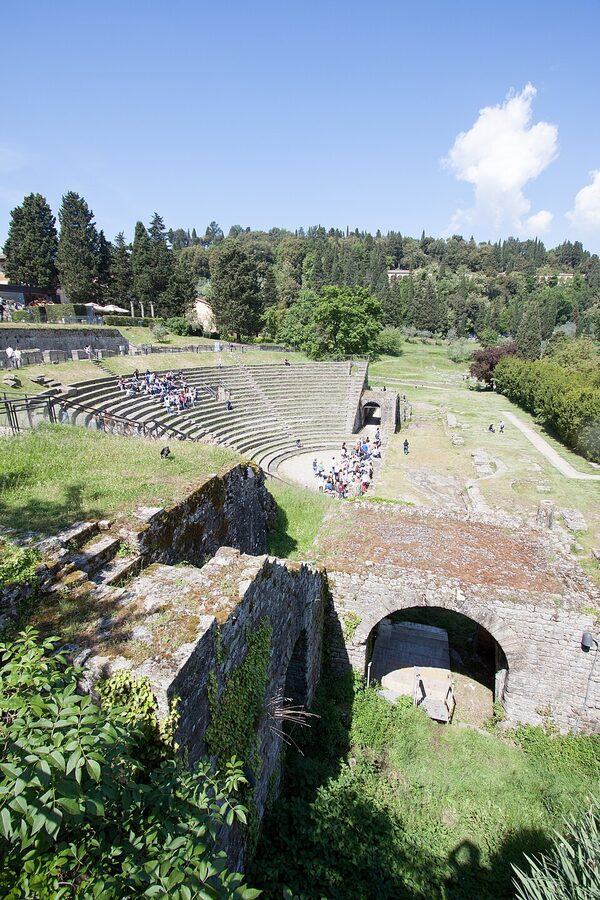
Fiesole (terminus) — the hilltop town. About 12 minutes’ bus ride uphill from the city, with a small Roman amphitheatre, a museum, an Etruscan archaeological site, and one of the best views back over Florence.
Fiesole — The Reason to Book Line B
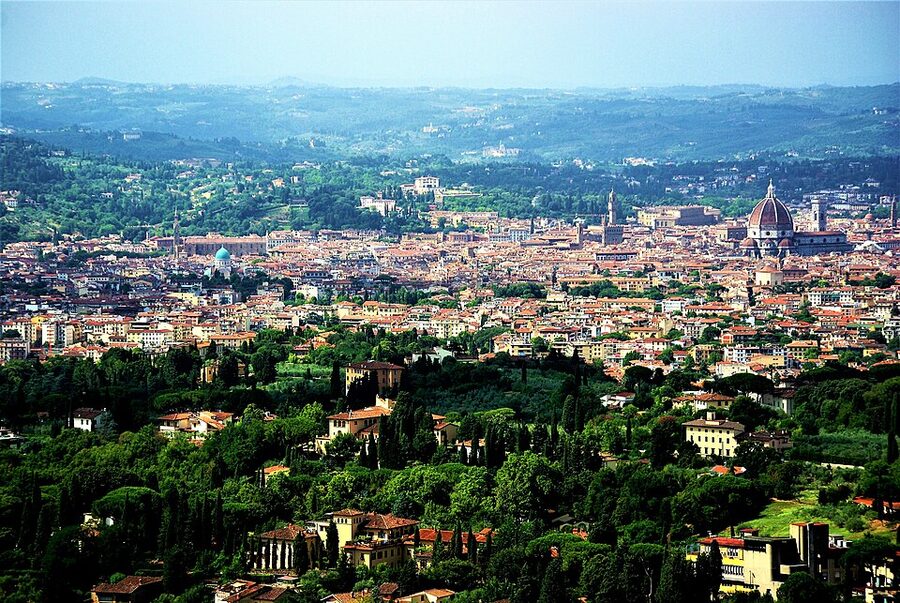
Fiesole is a small town of about 14,000 people sitting on a hill 7km north-east of Florence. It was an Etruscan settlement before Florence existed — by some readings, the Romans founded Florence specifically as a trading post to serve Fiesole. The town has Etruscan walls, a Roman theatre still in use for summer concerts, and a Romanesque cathedral.
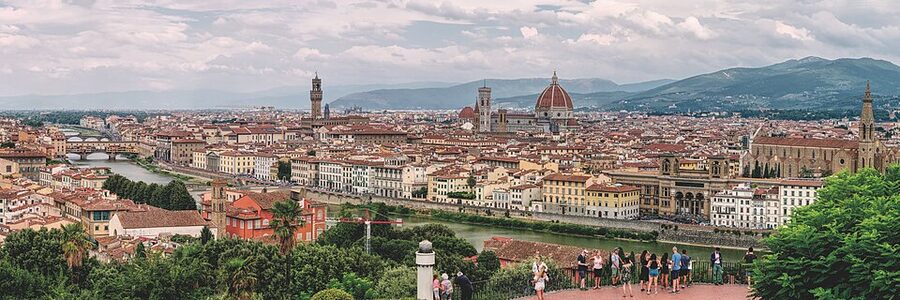
The reason to come up here is the view. From Fiesole’s main piazza you can see the entire Arno valley, with Florence laid out below you, the dome of the cathedral as the obvious centre point, and the hills of Chianti rolling away to the south. It’s the best free view of Florence outside of Piazzale Michelangelo, and the panorama angle is different — Fiesole is higher and further north, so you see the city from above rather than across.
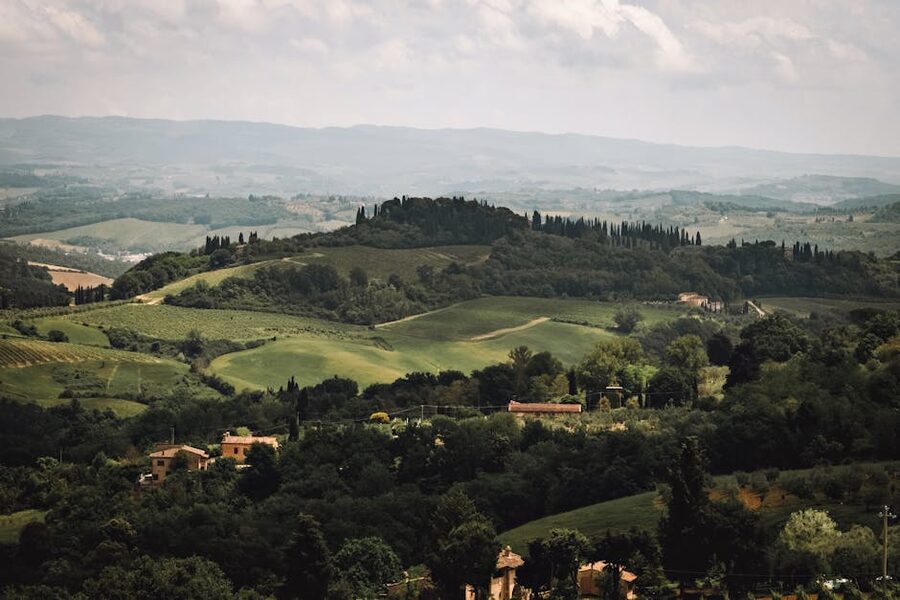
The HOHO Line B drops you in Fiesole’s Piazza Mino, the main square. From there it’s a 5-minute walk to the panoramic terrace, a 10-minute walk to the Roman theatre, or 15 minutes’ uphill to the convent of San Francesco at the top of the hill. Plan 90 minutes total in Fiesole if you want to see everything.
The bus runs back down at 30-minute intervals, so you don’t get stuck. The last bus down is around 6pm in summer, 5pm in winter.
When to Use the Bus and When to Walk
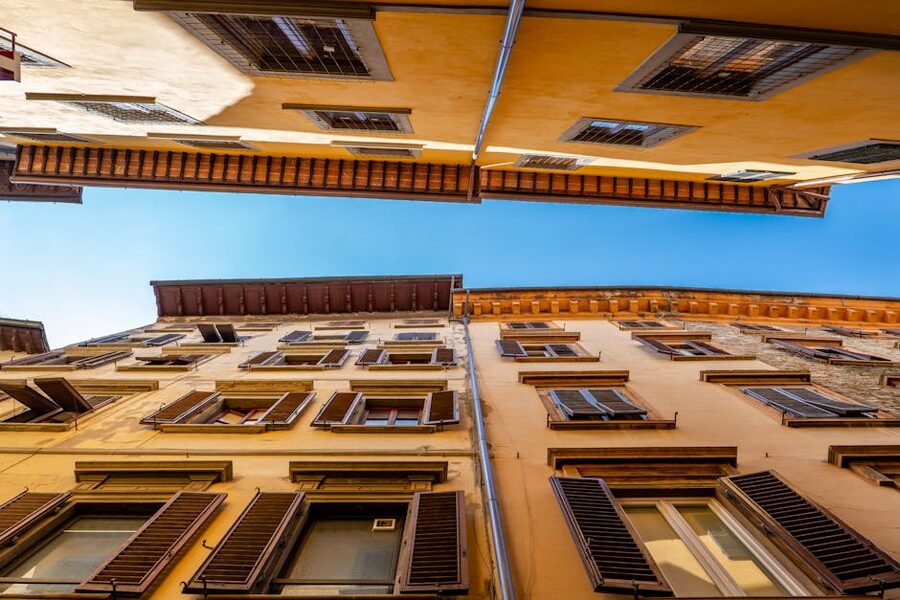
The honest cost-benefit:
Definitely take the bus if: you’re going to Piazzale Michelangelo at sunset (the walk uphill is long and tiring); you’re going to Fiesole (no good walking option); you have mobility issues that make 1.5km of cobblestones difficult; you want a 60-minute breather sitting down with audio commentary as a break between museums; or you’re a cruise passenger with limited time.
Don’t bother with the bus if: you’re moving between the Duomo, Uffizi, Accademia, or Ponte Vecchio (walking is faster); you’ve only got one day in Florence (use the time on attractions, not on transit); you’re staying inside the historic centre (everything is within walking distance of your hotel); or you genuinely enjoy walking and want to discover the streets the bus can’t reach.
For most healthy adult travellers with 2-3 days in Florence, the right approach is: walk for the first day, then book a 24-hour pass on day 2 or 3 if you specifically want the Piazzale Michelangelo and Fiesole experience. That maximises value from the bus while not paying for transport you don’t need.
What Most Reviews Get Right and Wrong
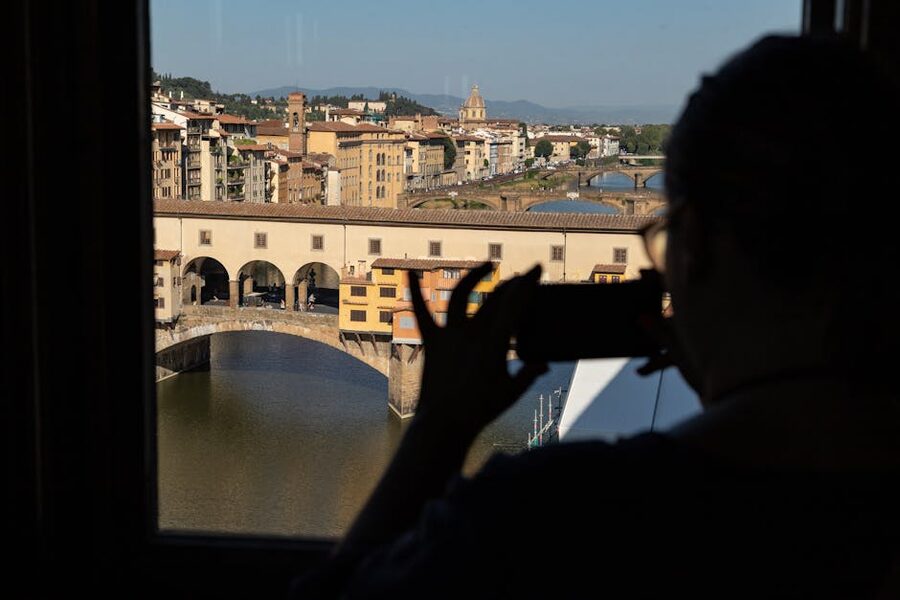
The 4.0-star average rating on the GetYourGuide listing is honest. Reviews tend to split into two groups: people who loved the Piazzale Michelangelo trip and people who expected the bus to take them to the Duomo (and got dropped off 5 minutes’ walk away).
The complaints are predictable: the bus doesn’t go to the actual sights (true, by Italian law); the audio guide doesn’t always sync with the location (sometimes true, depends on the GPS signal); the buses are crowded in summer (true, especially the upper deck of Line A); the loop takes longer than the printed schedule (true in summer traffic).
The compliments are more specific: good way to see Tuscany without renting a car (Line B); the only easy way to Piazzale Michelangelo (Line A stop 8); the audio guide covers history you won’t get from a guidebook (mostly true); useful for tired feet after a day of walking museums (clearly true).
If you go in with realistic expectations — this is a transport service with audio commentary, not a sightseeing experience that puts you next to landmarks — you’ll be happy with it.
When to Visit and Practical Tips
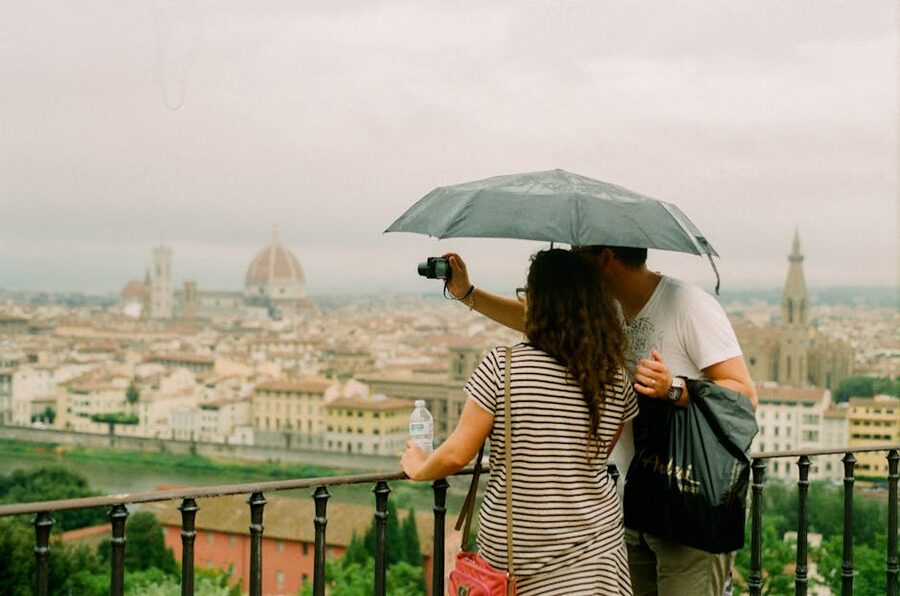
The single best slot for the Piazzale Michelangelo trip is 2 hours before sunset. You arrive with time to find a spot at the wall, watch the sun drop behind the hills, and catch a return bus before the post-sunset crowd descends. Sunset times vary widely — check before you ride.
Avoid 11am to 2pm in summer. The traffic in central Florence is at its worst, the bus loops can take 90 minutes instead of 60, and the upper deck is unbearable in 35°C heat with no shade.
Bring a hat and water. The open-top double-deckers have no roof in summer. There’s no air conditioning on the upper deck.
The earpieces are the ones with one of those single rubber tips. If you have your own earbuds you’d rather use, ask the driver — the audio jack on the seat-back is standard 3.5mm and your phones can connect.
Boarding is at any of the marked City Sightseeing stops. You don’t have to start at Stop 1; you can board anywhere on the route.
Getting To and From the Bus
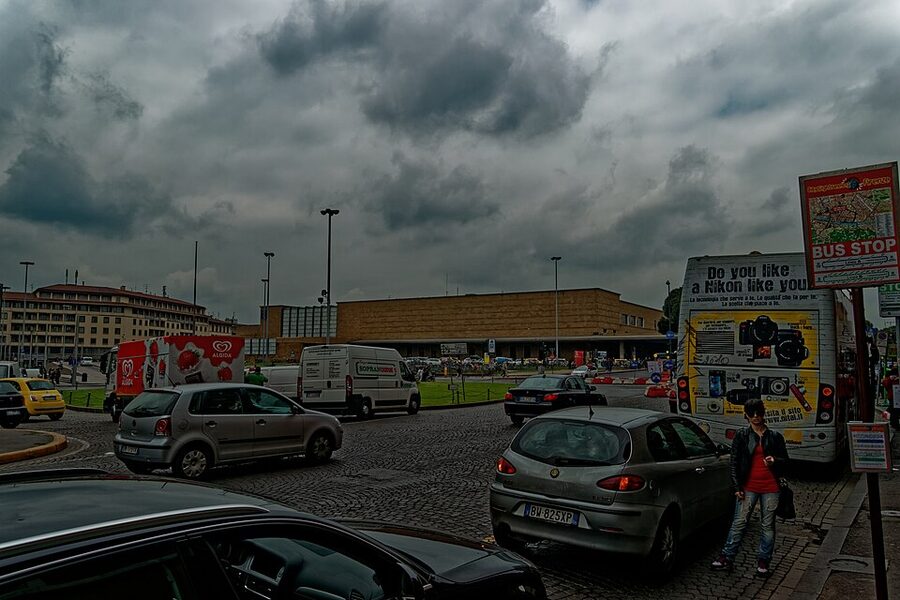
The main starting point is Piazza Stazione (the train station square), at the front of Santa Maria Novella station. The City Sightseeing booth is on the south side of the piazza — staff in red uniforms, easy to spot.
If you’re arriving by train, walk out the main station exit, turn right, and the booth is 50 metres along. From the Duomo, walk west on Via dei Cerretani — 8 minutes. From the Pitti Palace, walk north across the Ponte alla Carraia — 12 minutes.
If you’re driving in (don’t), Florence’s central limited-traffic zone (ZTL) means you can’t get a private car within 1km of the bus stops. Park outside the ZTL at one of the perimeter car parks and walk in.
What to Pair It With
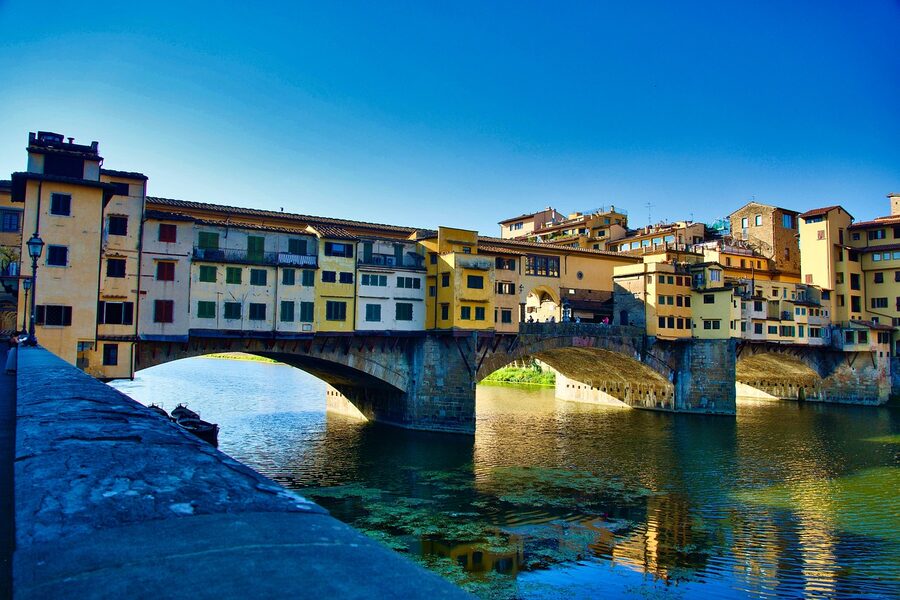
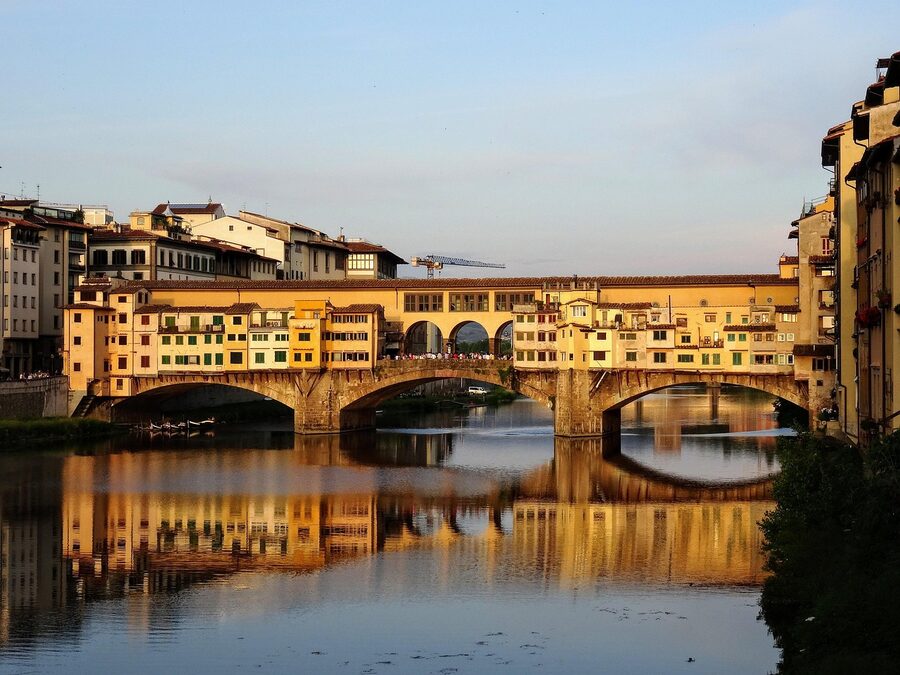
The bus pairs naturally with a full afternoon at Piazzale Michelangelo: ride up at 4pm, walk down through the rose garden behind the Piazzale (free, beautiful, almost empty in spring), cross the Arno on the Ponte alle Grazie, and walk back through the Oltrarno neighbourhood to your hotel. That uses the bus’s strongest feature without forcing the rest of the route on you.
For Line B, pair the Fiesole trip with a long lunch in town. There are 4-5 trattorie around Piazza Mino that are entirely tourist-free, with proper Tuscan food at non-Florence prices. The journey up takes the morning, lunch fills the middle, the afternoon descent gets you back into Florence by 4pm for a rest before dinner.
If you’ve got museum fatigue from the Uffizi or Pitti, the bus is a sit-down break. Spend a morning on a major museum, then ride the city loop after lunch — you’ll see the city from a different angle without using your legs. The 60-minute Line A loop is perfect for this.
For visitors continuing on to Rome, a Rome HOHO bus works much better in Rome than in Florence — Rome’s centre is bigger, less pedestrianised, and the bus actually gets you to the Colosseum and Vatican entry points. If you tried the Florence version and weren’t impressed, the Rome version is a different experience.
And if you’re checking off the rest of Florence’s “essential first-day” list, the food tour and cooking class circuit covers the city — the Oltrarno food scene is particularly strong, and the bus gets you over the river without the bridge crowds.