I ate at three restaurants near the Pantheon on my first trip to Rome and every single one was terrible. Reheated pasta, frozen pizza, waiters who couldn’t tell you what neighbourhood they were in. I’d picked them by walking past and seeing seats available — which, in Rome, is exactly how you end up at tourist traps. Nobody who lives here eats within 200 meters of a major monument.
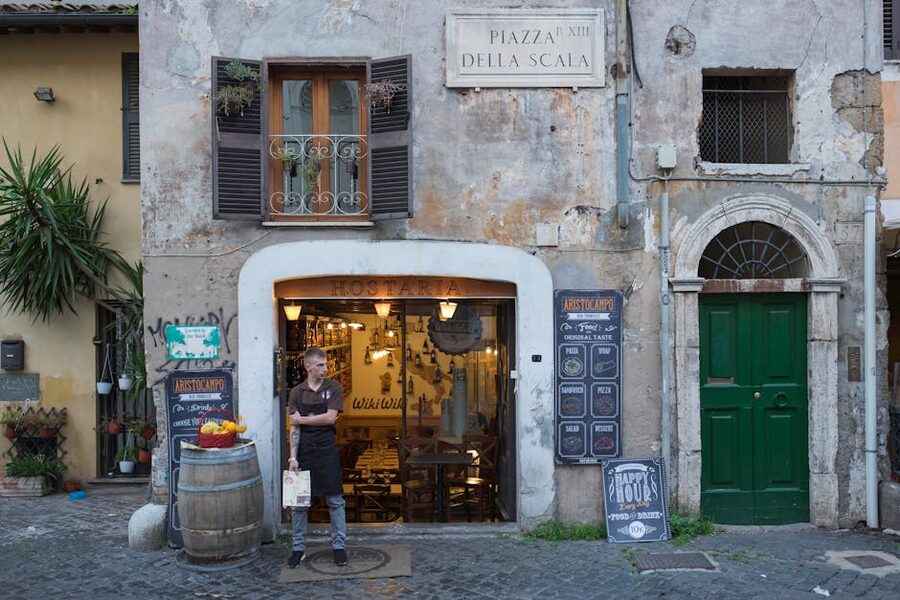
A food tour fixed this completely. In four hours, a local guide walked me through Trastevere and Testaccio, stopping at places I’d have walked right past, a family-run supplì shop with a 40-year-old recipe, a wine bar that only serves natural wines from Lazio, a trattoria where the carbonara is made tableside. The difference between eating in Rome and eating well in Rome is knowing where the Romans actually go, the same way only locals will lead you to the bars on a Barcelona tapas crawl or steer you past the river-view tourist traps on a Lyon food walk.
Here’s how to book the right food tour and what to expect.
Short on Time? My Top Picks
Twilight Trastevere Food Tour — $125.77. The premium option. Evening tour through Trastevere with unlimited tastings and fine wine. Perfect 5.0 rating across 5,000+ reviews.
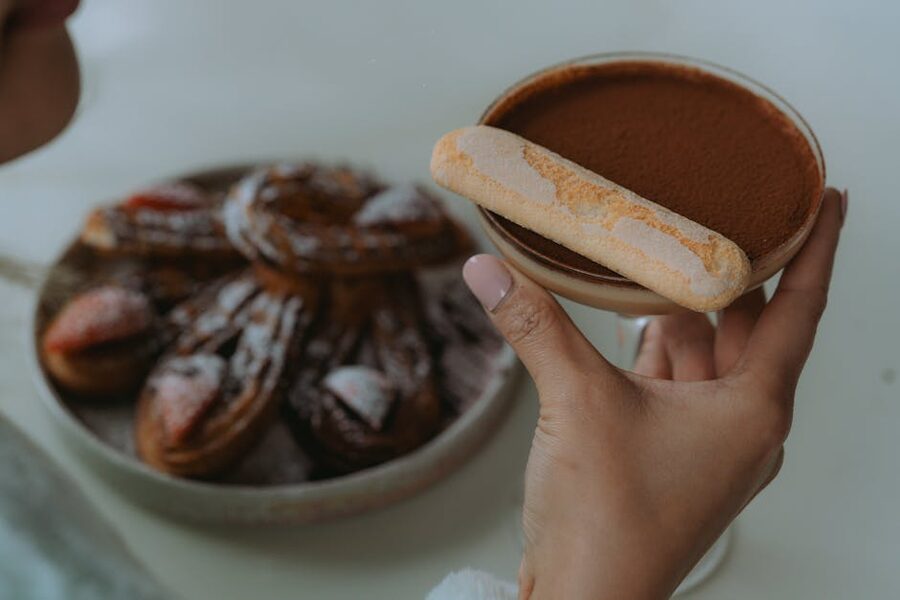
Pasta & Tiramisu Cooking Class — $41. Hands-on cooking near the Vatican. Make your own pasta and tiramisu, then eat everything you’ve made with wine. Best value cooking experience in Rome.
Street Food Tour with Local Guide — $53. Daytime walk through Campo de’ Fiori and the Jewish Ghetto. The food tour that teaches you how to eat in Rome for the rest of your trip.
Food Tours vs. Cooking Classes: Which to Book
Rome offers two distinct food experiences and they serve completely different purposes. Understanding the difference will help you pick the right one.
Food walking tours take you through specific neighborhoods — Trastevere, Testaccio, the Jewish Ghetto, Campo de’ Fiori — stopping at local eateries, bakeries, wine bars, and market stalls. You’ll taste supplì (fried rice balls), real carbonara, Roman-style pizza al taglio, and usually finish with gelato. The guide explains the history behind each dish and neighbourhood. You leave knowing where to eat for the rest of your trip.
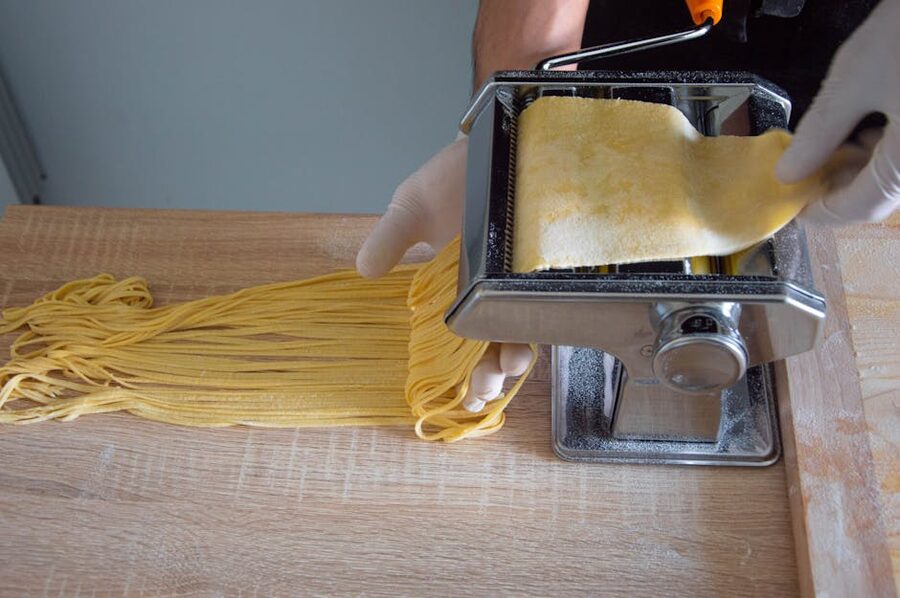
Cooking classes are hands-on. You make pasta from scratch — usually fettuccine or ravioli — and a dessert (almost always tiramisu). A local chef teaches you the technique, you cook together as a group, and then you sit down and eat everything you’ve made with wine. You leave with recipes and muscle memory for making pasta at home.
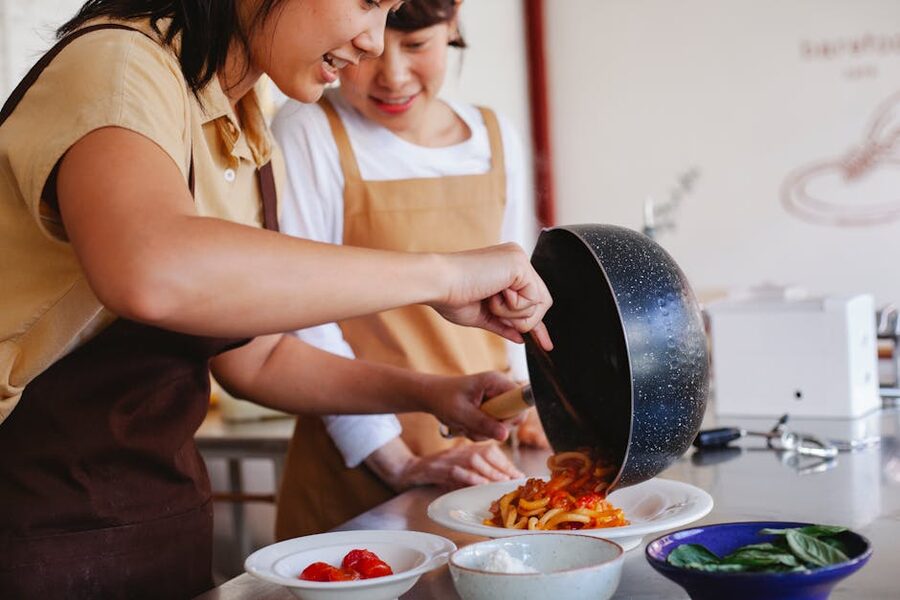
My recommendation: if you only have time for one, book the food walking tour. It teaches you how to eat in Rome and introduces you to neighborhoods you might not explore otherwise. If you have time for both, do the cooking class on a different day, it’s a great rainy-day activity or an alternative to another museum, much like an afternoon at the Heineken Experience in Amsterdam works as a wet-day pivot from the canals.
The Best Rome Food Tours and Cooking Classes
1. Twilight Trastevere Food Tour — $125.77
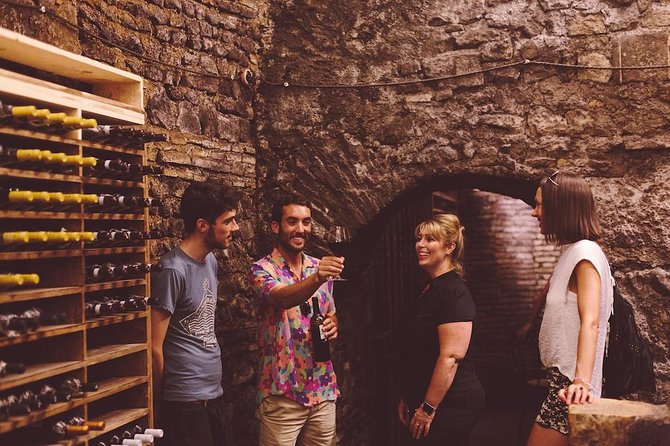
This is the splurge-worthy option. Four hours through Trastevere at twilight, stopping at spots that don’t appear in any guidebook. The food is unlimited — supplì, pasta, pizza, local cheese, wine at every stop, and gelato to finish. The 5.0 rating across 5,100+ reviews is almost unheard of for a food tour at this price point. I go into detail on what makes the guide Dalia so consistently praised and whether the premium price is justified compared to cheaper alternatives.
2. Pasta & Tiramisu Cooking Class — $41
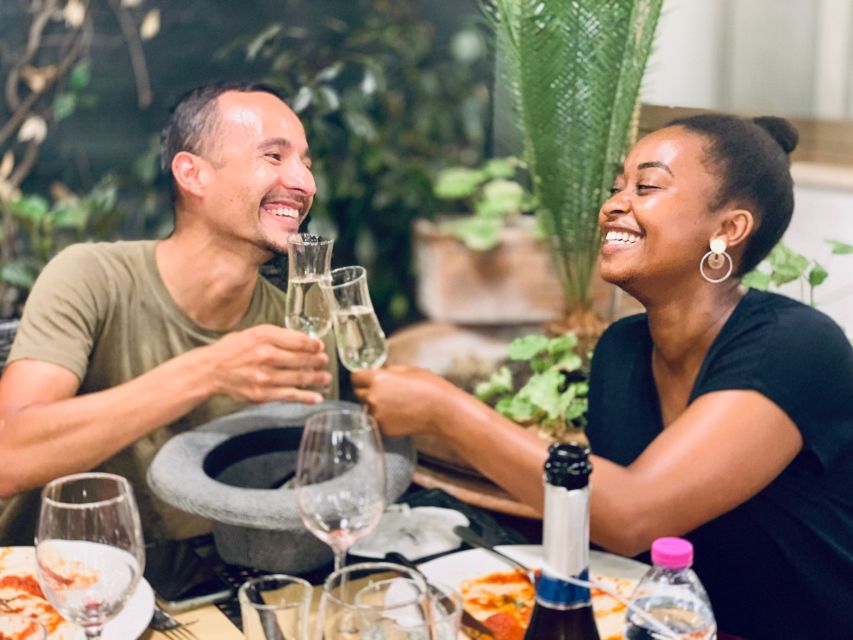
At $41, this is the best value cooking experience in Rome. You make pasta from scratch (usually fettuccine), prepare tiramisu, and eat everything you’ve cooked with fine wine and limoncello. The class runs 2.5 to 3.5 hours in a real restaurant near the Vatican — not a touristy cooking school but a place where locals actually eat. Nearly 5,000 people have rated it 4.9 out of 5. We break down what you’ll actually cook and whether the wine is any good.
3. Street Food Tour with Local Guide — $53
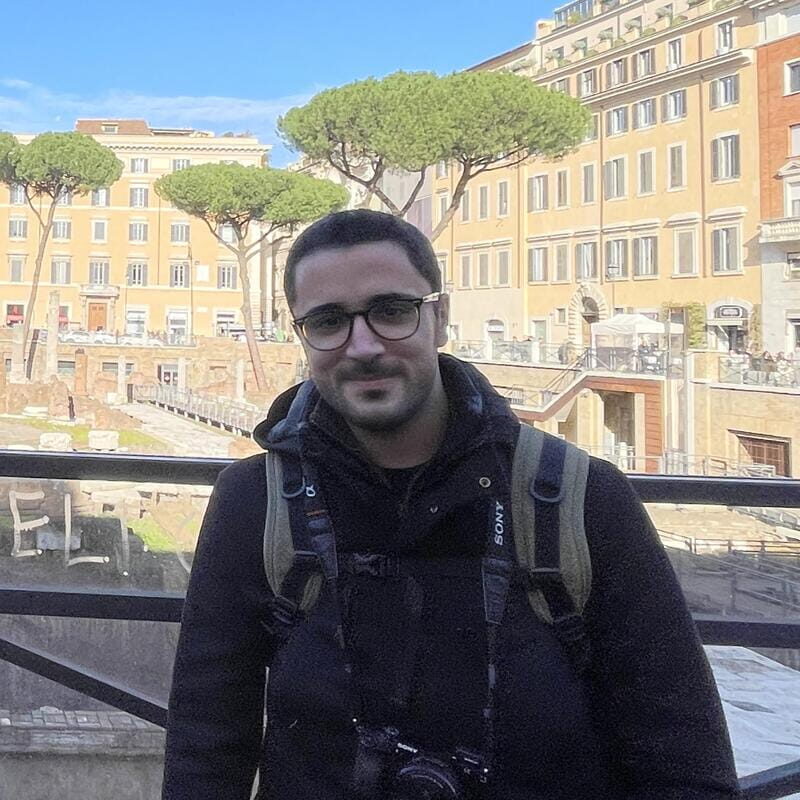
The daytime food tour option. Two and a half hours walking through Campo de’ Fiori and the Jewish Ghetto, with tastings at every stop. The Jewish Ghetto section is the highlight — you’ll try the fried artichokes (carciofi alla giudìa) that are unique to this neighbourhood, along with supplì, pizza, and local wine. With 4,000+ reviews at 4.8, the guides consistently earn praise for knowing the stories behind every dish. More on the specific stops and whether you’ll actually be full by the end (spoiler: yes, very).
Rome’s Food Neighbourhoods
Every food tour focuses on specific neighbourhoods, and each one has a different culinary identity. Knowing which area interests you will help you pick the right tour.
Trastevere
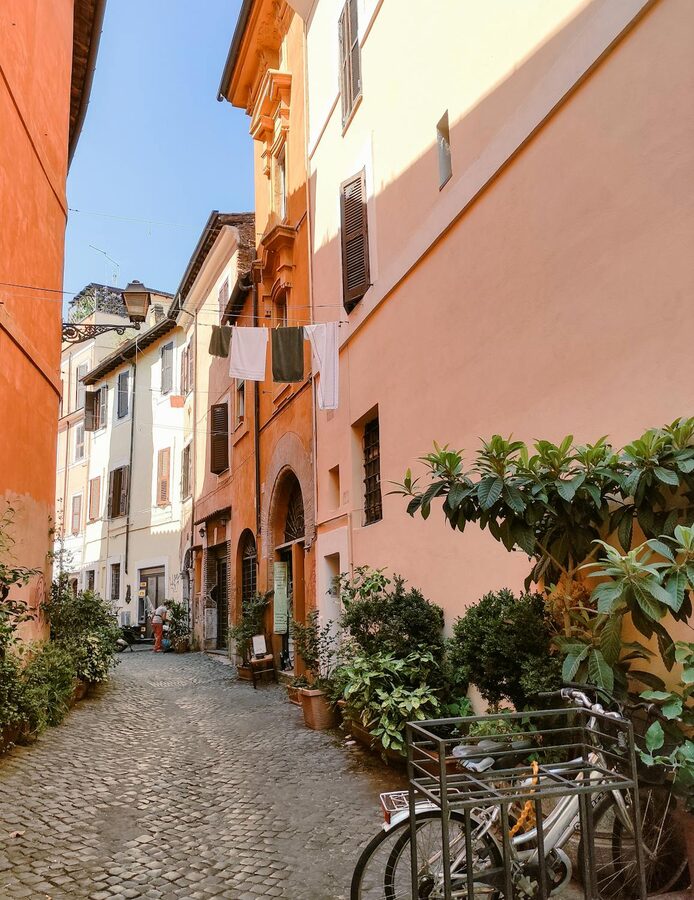
Trastevere is Rome’s most charming eating neighbourhood. Across the Tiber from the historic center, it has a village-within-a-city feel — narrow cobblestone lanes, laundry hanging between buildings, cats sleeping on windowsills. The food is traditional Roman: cacio e pepe, amatriciana, carbonara, and supplì. The evening food tours here are particularly atmospheric, as the lanes light up with warm restaurant glow and the neighbourhood comes alive after dark.
The catch: Trastevere’s popularity means tourist traps have infiltrated the main streets. The food tours stick to the side lanes where locals actually eat — places with no English menu, no photos of the food outside, and a nonna in the kitchen.
Testaccio
Testaccio is where Romans go to eat. It’s less pretty than Trastevere but more authentically food-focused. This is the neighbourhood that gave Rome its signature dishes — carbonara, amatriciana, and coda alla vaccinara (oxtail stew) all originated in Testaccio’s old slaughterhouse district. The Testaccio Market (Mercato di Testaccio) is one of the best food markets in Italy, with vendors who’ve been there for generations.
Jewish Ghetto
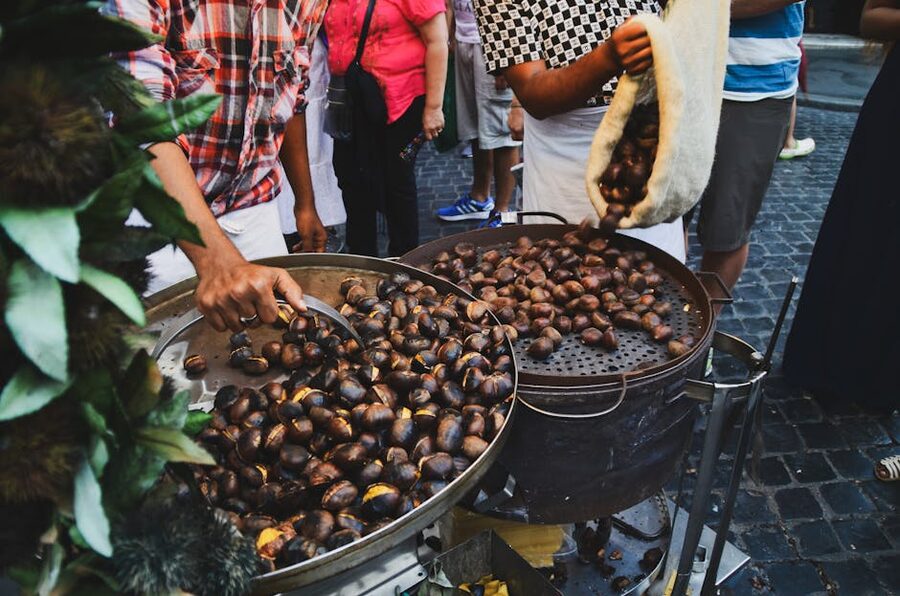
Rome’s Jewish Ghetto, in the Rione Sant’Angelo near the Tiber, has a culinary tradition that’s distinct from the rest of the city. The signature dish is carciofi alla giudìa, whole artichokes deep-fried until crispy, a technique developed by the Jewish community centuries ago. You’ll also find fried courgette flowers, salt cod fritters, and Roman-Jewish pastries that you won’t find anywhere else in Italy, the same kind of historically-protected micro-cuisine you stumble onto at Jerez’s sherry bodegas in Andalusia.
Campo de’ Fiori
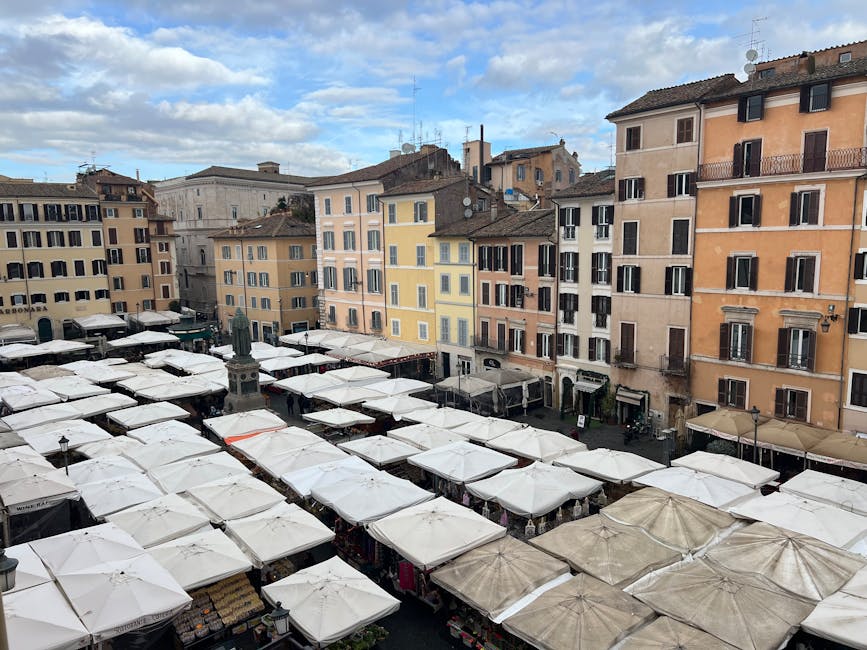
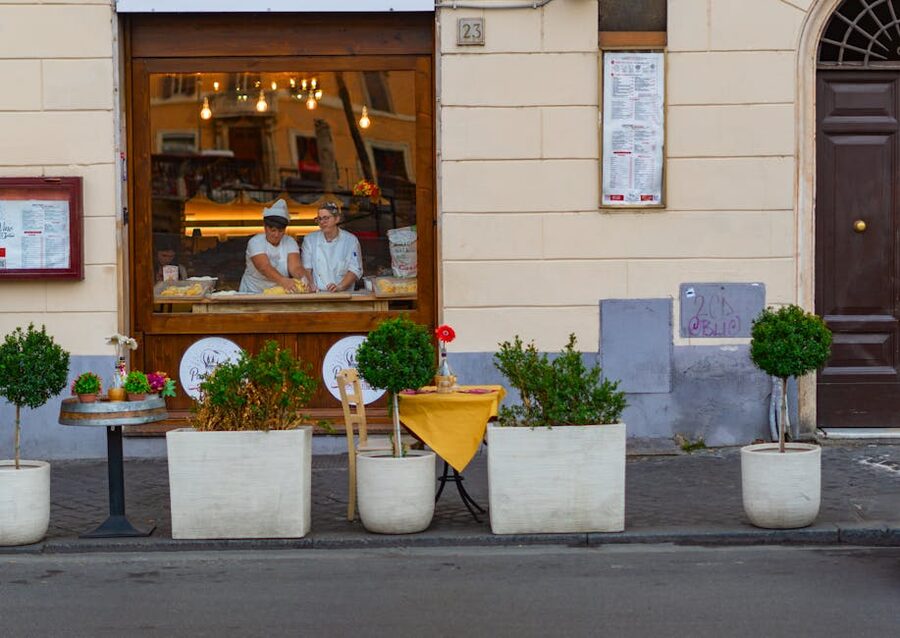
Campo de’ Fiori hosts a daily morning market that’s been running since 1869. It’s more touristy than Testaccio Market but still has genuine vendors selling seasonal produce, local cheese, dried pasta, olive oil, and spices. The streets around the piazza — particularly Via dei Giubbonari and Via del Pellegrino — are lined with delis, wine bars, and bakeries that food tours frequently visit.
What You’ll Actually Eat
If you’ve never had real Roman food, forget what you know about “Italian” cooking from restaurants back home. Roman cuisine is its own thing — heavy on pasta, offal, cheese, and pork, with a handful of dishes that define the city.
Supplì — Fried rice balls stuffed with mozzarella that pulls into strings when you bite in. The name comes from the French “surprise” — the surprise being the molten cheese center. Every neighbourhood has its own supplì shop, and the quality varies wildly. A food tour guide will take you to the best one.
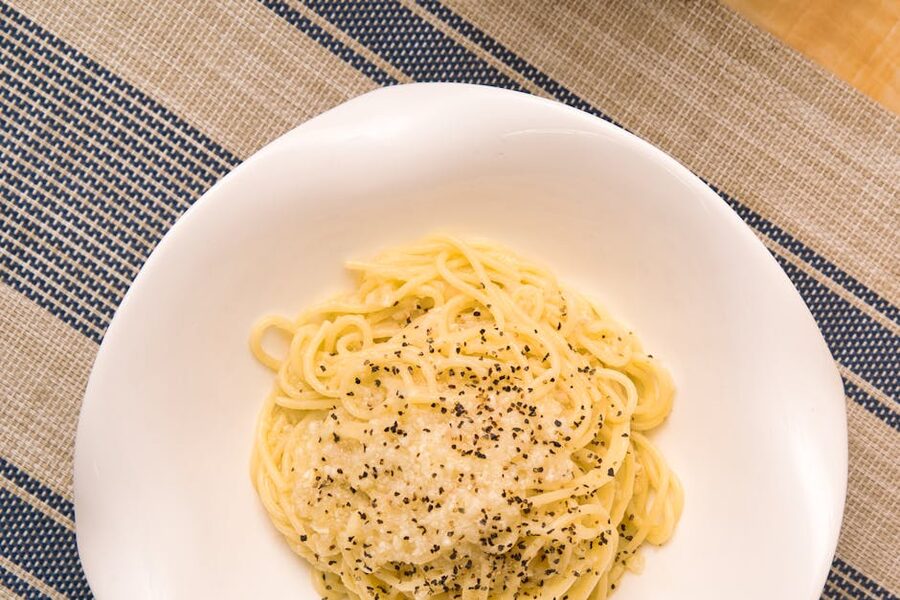
Cacio e pepe — Pasta with pecorino cheese and black pepper. Three ingredients, and Romans will argue about the technique for hours. The pasta water must be starchy enough to emulsify the cheese into a sauce. Add cream and you’ve committed a culinary crime.
Carbonara — Egg, pecorino, guanciale (cured pork cheek), and black pepper. No cream, no garlic, no onion. If you see “carbonara” made with bacon and cream on a menu near the Colosseum, keep walking.
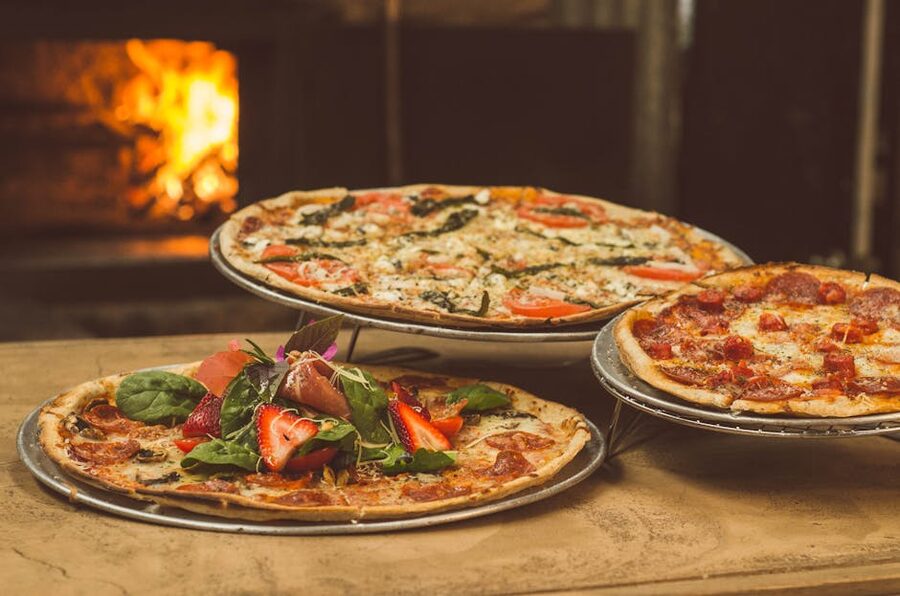
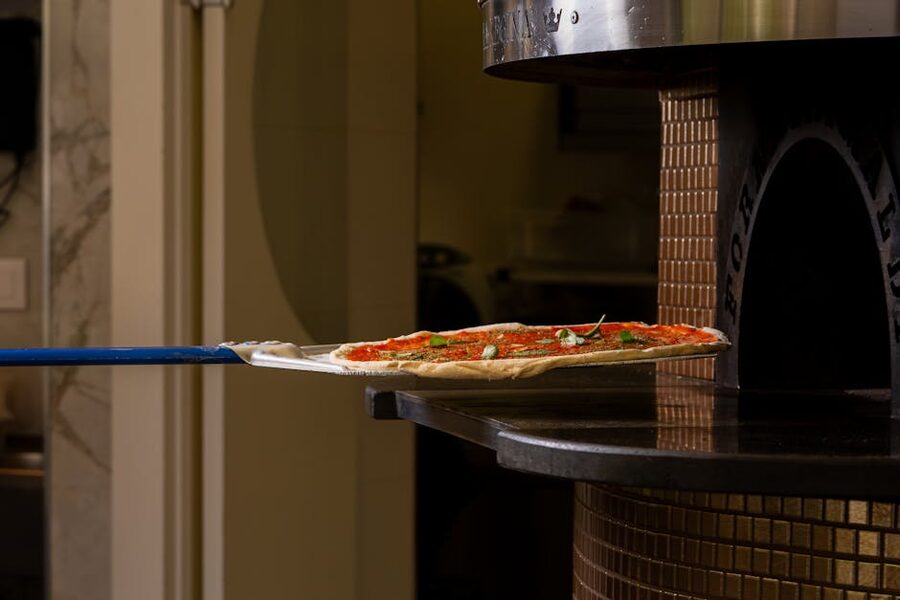
Pizza al taglio — Pizza sold by weight, cut with scissors. It’s Rome’s answer to Neapolitan pizza — rectangular, thick, crispy on the bottom, and topped with whatever’s in season. The best spots rotate toppings throughout the day.
Carciofi alla giudìa — Whole artichokes, flattened and deep-fried until the outer leaves are chip-crispy and the heart is creamy. A Jewish Ghetto original and one of the most unique things you’ll eat in Rome.
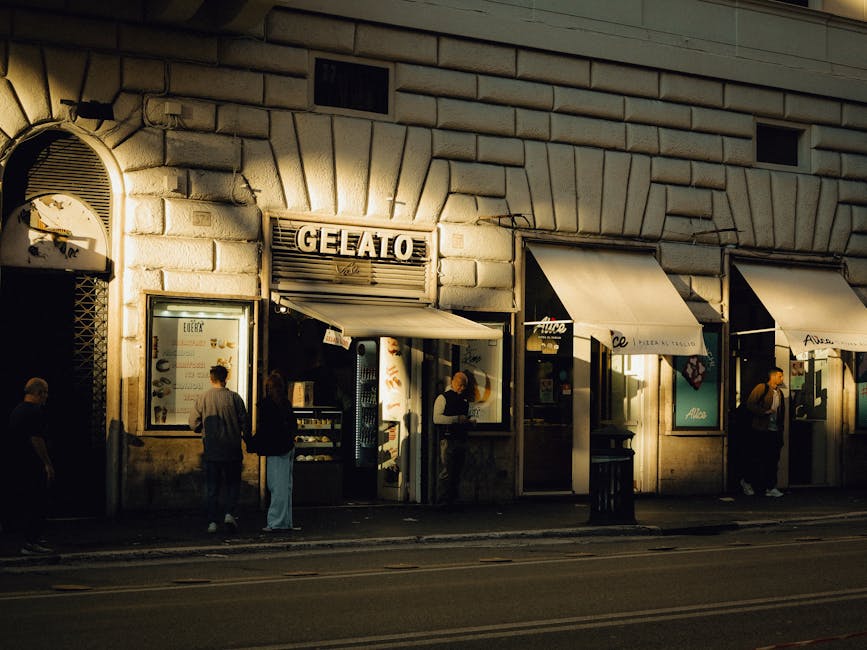
Gelato — Every food tour ends with gelato. The good places make it fresh daily with seasonal ingredients. The bad places pile it in fluffy mountains and use neon colors. Your guide will know the difference.
When to Book and What to Know
Book 1-2 weeks in advance during peak season. Food tours in Rome are small-group experiences (usually 8-15 people) and the popular ones fill up fast in spring and summer. Off-season, a few days’ notice is usually sufficient.
Come hungry. Not starving — you’ll eat for 2-4 hours — but don’t eat a big lunch before an evening food tour. The tastings are generous and cumulative. By the third stop, you’ll be glad you skipped that pre-tour snack.
Allergies and dietary restrictions. Most tours can accommodate vegetarians with advance notice. Vegan, gluten-free, and serious allergy accommodations vary by operator — check before booking. Roman cuisine is heavily meat, cheese, and wheat-based, so restrictions do limit what you can try.
Wear walking shoes. Food tours cover 2-4 kilometers on foot, mostly on cobblestones. You’ll be walking and eating simultaneously.
Evening tours are better than morning tours. Rome eats late — most restaurants don’t open for dinner until 7:30 PM. An evening food tour starting at 5 or 6 PM catches the neighbourhood at its most alive, and you’ll be eating alongside locals rather than ahead of them.
Can You Eat Well in Rome Without a Food Tour?
Absolutely. But it requires homework. The single most useful rule: don’t eat within one block of any major monument. Walk 5-10 minutes into the residential streets behind the tourist zone and the quality jumps dramatically while prices drop.
The Tourist Trap Warning Signs
After three trips to Rome, I’ve developed a reliable checklist for spotting bad restaurants.

Photos of the food on the menu: This is the single biggest red flag. No self-respecting Roman restaurant puts photos on its menu. Laminated menus with glossy food photos are designed for travelers who don’t speak Italian and won’t come back.
A waiter standing outside: If someone is on the sidewalk trying to drag you inside, the food won’t be good enough to attract customers on its own. Walk past.
A menu that’s 4+ pages long: No kitchen can make 60 dishes well. The best trattorias have 6-8 first courses, 4-6 second courses, and a couple of desserts. If they’re offering sushi alongside carbonara, run.
Location within 100 meters of a monument: Restaurants near the Colosseum, Trevi Fountain, and Pantheon pay astronomical rents. They make their money on volume, not quality. Walk 5-10 minutes into the residential streets and the food quality jumps dramatically while prices drop 30-40%.
The “service charge” or “coperto”: A coperto (cover charge) of €1-3 per person is normal and legal in Rome. But some tourist restaurants add a 15-20% “service charge” on top. Always check the fine print at the bottom of the menu.
What the Food Tour Teaches You
The real value of a food tour isn’t just the meals — it’s the education. After a good food tour, you’ll know:
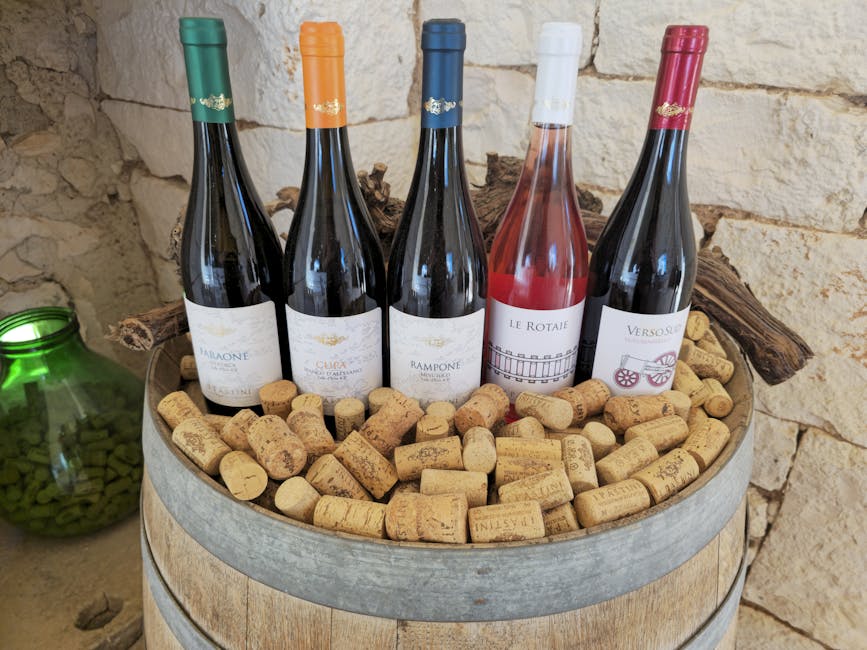
How to read a Roman menu (what the daily specials mean, which dishes are seasonal, what “abbacchio” and “pajata” actually are). Which wine regions pair with which Roman dishes. Where the locals buy cheese, bread, and coffee. How to order at a bar vs. a table (prices are different). And most importantly — a mental map of where to eat for the rest of your trip.
Look for places where the menu is short (5-8 first courses, not 30), where the waiter can tell you what’s fresh today, and where the tables are full of Italians, not travelers. Ask your hotel concierge — not for a “recommendation” (they’ll send you to whoever pays them a commission) but for “where do you eat on your day off?”
A food tour shortcircuits all of this. In three hours, you’ll learn more about where to eat in Rome than most visitors learn in a week.
More Booking Guides for Rome
Food tours pair well with Rome’s major sightseeing. Hit the Vatican Museums in the morning, then take a cooking class near the Vatican in the afternoon — the pasta and tiramisu class at $41 is practically next door. Or do the Colosseum early, walk through the Roman Forum, and finish with a street food tour through the nearby Jewish Ghetto. A hop-on hop-off bus can connect the dots between food stops and monuments if your legs need a break.